What’s the hardest language to learn – Embark on a linguistic journey to uncover the world’s most formidable languages to master. This exploration delves into the complexities and nuances of language learning, revealing the factors that determine the perceived difficulty of a language and the challenges that await aspiring polyglots.
From the intricacies of tonal languages to the complexities of grammar and unfamiliar writing systems, this discourse unravels the mysteries surrounding the world’s most challenging languages. Discover the languages that have earned a reputation for being particularly demanding and the reasons behind their perceived difficulty.
Language Difficulty Factors

Language difficulty is a complex and multifaceted concept that is influenced by a variety of factors. Some of the key factors that contribute to language difficulty include:
Grammar:The complexity of a language’s grammar can make it more difficult to learn. Languages with complex grammatical systems, such as those that use a large number of verb tenses or cases, can be particularly challenging for learners.
Vocabulary:The size and complexity of a language’s vocabulary can also affect its difficulty. Languages with a large vocabulary, or with words that have multiple meanings, can be more difficult to learn than languages with a smaller vocabulary.
Pronunciation:The pronunciation of a language can also be a factor in its difficulty. Languages with complex sound systems, such as those that use tones or have a large number of consonant clusters, can be more difficult to pronounce than languages with simpler sound systems.
Cultural context:The cultural context of a language can also influence its difficulty. Languages that are spoken in cultures that are very different from the learner’s own culture can be more difficult to learn, as learners may need to adapt to new ways of thinking and behaving.
Examples of Difficult Languages
Some languages are considered to be more difficult to learn than others. Some examples of languages that are often considered to be difficult to learn include:
- Tonal languages:Tonal languages are languages in which the meaning of a word can change depending on the tone of voice used. This can make it difficult for learners to distinguish between different words.
- Languages with complex grammar systems:Languages with complex grammar systems, such as those that use a large number of verb tenses or cases, can be difficult to learn for learners who are not familiar with these grammatical structures.
- Languages with a large vocabulary:Languages with a large vocabulary, or with words that have multiple meanings, can be difficult to learn for learners who need to memorize a large number of words.
- Languages spoken in cultures that are very different from the learner’s own culture:Languages that are spoken in cultures that are very different from the learner’s own culture can be difficult to learn, as learners may need to adapt to new ways of thinking and behaving.
The difficulty of a language is not absolute, however. It can vary depending on the individual learner’s characteristics, such as their age, motivation, and prior language learning experience.
Subjective Nature of Difficulty
The difficulty of a language is subjective and can vary depending on the learner’s native language, learning style, and motivation. There is no one definitive answer to the question of which language is the hardest to learn.
For example, a native English speaker may find it easier to learn Spanish than a native Chinese speaker, simply because Spanish is more closely related to English. Additionally, a learner who is highly motivated and has a strong aptitude for language learning may find it easier to learn a difficult language than a learner who is less motivated or has less aptitude.
Factors that Affect Difficulty
- Native language:The closer a language is to the learner’s native language, the easier it will be to learn.
- Learning style:Some learners prefer to learn through grammar rules, while others prefer to learn through immersion. The best learning style for a particular learner will depend on their individual preferences.
- Motivation:Learners who are highly motivated to learn a language will be more likely to succeed than learners who are less motivated.
Common Perception of Difficulty
Certain languages are widely recognized as being particularly challenging to learn, such as Mandarin, Arabic, and Japanese. This perception stems from several factors, including the presence of tonal languages, complex grammatical structures, and unfamiliar writing systems.
Tonal languages, like Mandarin, require learners to master the subtle variations in pitch to convey different meanings. This can be especially difficult for native speakers of non-tonal languages who are not accustomed to using pitch as a meaningful element of speech.
Complex grammatical structures, as found in Arabic, can also pose a significant challenge. Arabic grammar features a rich system of verb conjugations, noun declensions, and intricate sentence structures that can be difficult for learners to grasp.
Unfamiliar writing systems, such as the Chinese character system, can also contribute to the perceived difficulty of a language. These systems often require learners to memorize a large number of characters and to understand the complex rules governing their combination and usage.
Role of Cultural Stereotypes and Societal Attitudes
Cultural stereotypes and societal attitudes can also influence the perception of language difficulty. For example, some cultures may view certain languages as being inherently more difficult or prestigious than others, which can impact learners’ motivation and expectations.
Impact on Language Learning Motivation and Strategies
The perception of difficulty can have a significant impact on language learning motivation and the development of language learning strategies. Learners who perceive a language as being particularly challenging may be less likely to persist with their studies or may adopt less effective learning strategies.
Phonological Challenges
Phonology, the study of speech sounds, presents unique challenges in language learning. Different languages employ distinct sound systems, leading to difficulties in perception, production, and comprehension.
One major challenge lies in tonal languages, where the pitch of a syllable carries significant meaning. Languages like Mandarin and Vietnamese have multiple tones, each affecting word meaning. Learners must master these subtle pitch variations to communicate effectively.
Complex Consonant Clusters
Some languages feature complex consonant clusters, sequences of multiple consonants in close proximity. For instance, Polish has clusters like “krzy” and “strz,” while Arabic utilizes clusters like “qlb” and “thr.” These clusters can be challenging for learners whose native languages lack similar sounds.
Unusual Vowel Sounds
Vowel sounds vary widely across languages. English, for example, has a relatively small vowel inventory, while languages like French and German have a broader range of vowel sounds. Learners may struggle to perceive and produce these unfamiliar sounds, especially those that differ significantly from their native language.
Grammatical Complexity
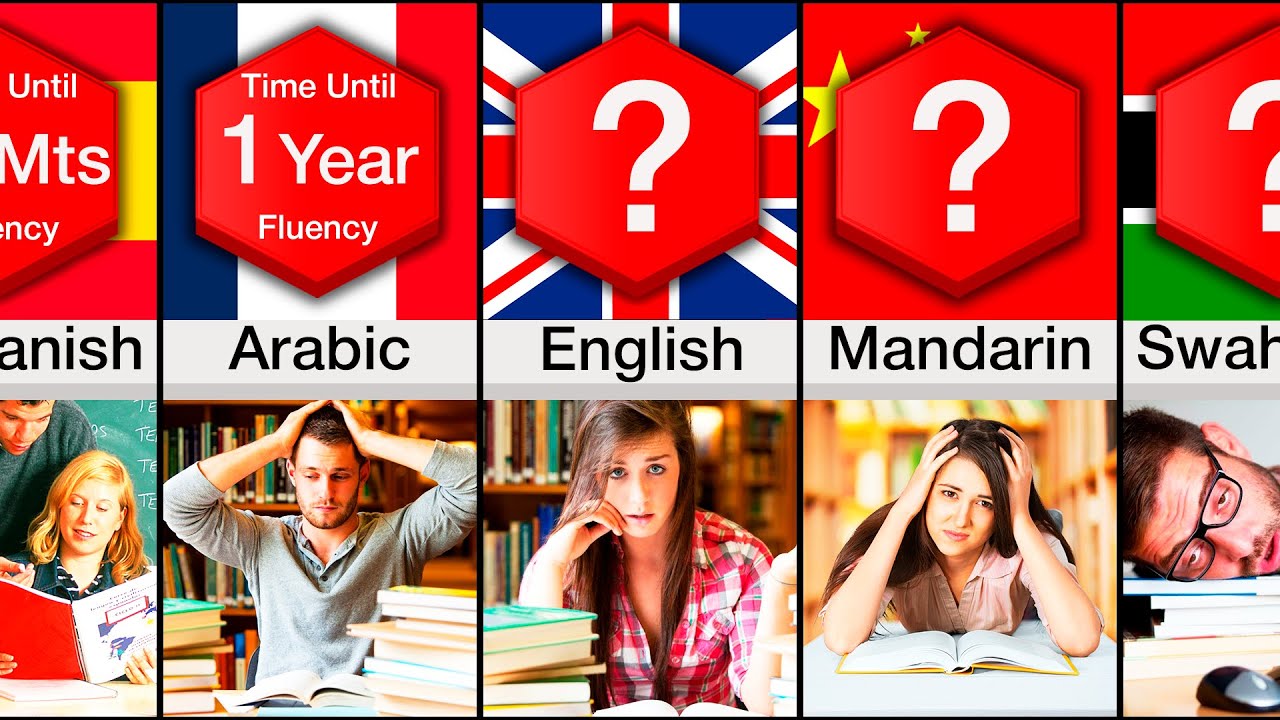
Grammatical complexity refers to the intricacies and complexities of a language’s grammatical system, encompassing various aspects such as sentence structure, verb conjugation, and case systems. Languages exhibit varying degrees of grammatical complexity, and some languages possess unique and challenging grammatical features that can pose significant hurdles for learners.
Sentence Structure
Sentence structure plays a crucial role in determining a language’s grammatical complexity. Languages with complex sentence structures often employ intricate word order rules, multiple clauses, and embedded phrases, making it challenging to parse and comprehend sentences.
For example, in Japanese, sentences are typically structured in a subject-object-verb order, with multiple clauses often connected using particles and conjunctions. This can lead to sentences with complex hierarchies and dependencies, making it difficult for learners to identify the main clause and its components.
Verb Conjugation
Verb conjugation is another aspect that contributes to grammatical complexity. Languages with extensive verb conjugation systems require learners to master numerous verb forms to express different tenses, aspects, moods, and voices. This can be particularly challenging for languages with irregular verb patterns or those that use complex auxiliary verbs.
In Arabic, for instance, verbs undergo extensive conjugation based on factors such as tense, aspect, person, gender, and number. The intricate system of verb conjugations can be daunting for learners, especially those coming from languages with simpler verb systems.
Case Systems, What’s the hardest language to learn
Case systems add another layer of complexity to certain languages. Case systems assign different forms to nouns and pronouns depending on their grammatical function within a sentence, such as subject, object, or indirect object. This requires learners to memorize the various case forms and their corresponding usage rules.
In Russian, for example, nouns and adjectives decline into different cases, indicating their grammatical role in a sentence. This can be particularly challenging for learners who are not familiar with case systems and must navigate the intricate rules governing case usage.
Vocabulary Size and Acquisition
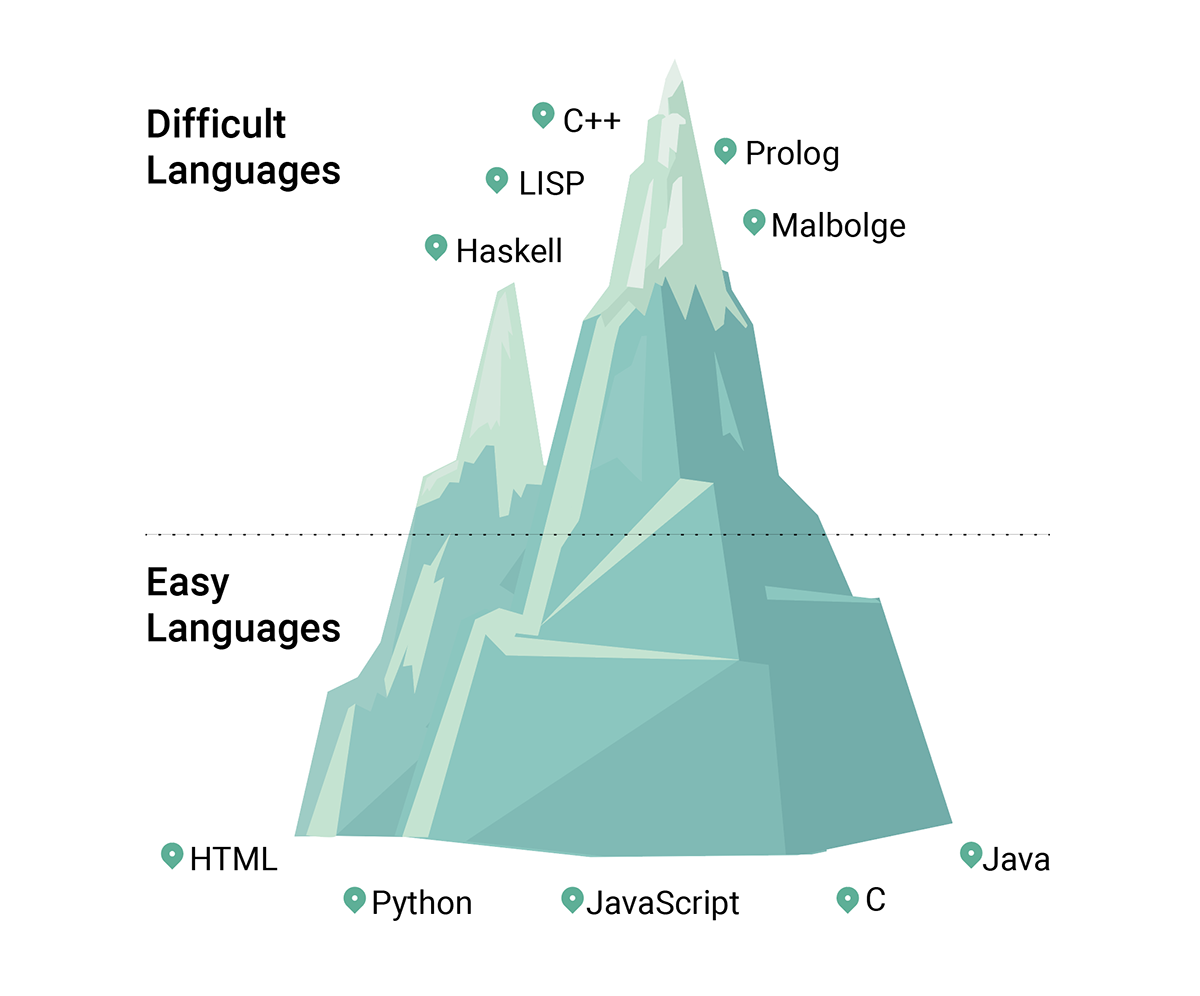
Acquiring a large vocabulary in a foreign language presents significant challenges. The sheer number of words to learn can be daunting, and the process of memorizing and retaining them can be time-consuming and difficult.
Cognates, words that share a common origin in different languages, can facilitate vocabulary acquisition. However, false cognates, words that appear similar but have different meanings, can lead to confusion and hinder progress.
Strategies for Expanding Vocabulary Size
- Immersion:Surrounding oneself with the target language through reading, listening, and speaking can significantly enhance vocabulary growth.
- Flashcards:Creating and regularly reviewing flashcards with new words and their translations is an effective method for memorization.
- Spaced Repetition:Reviewing new words at increasing intervals helps strengthen memory and improve retention.
- Contextual Learning:Learning words in the context of sentences or phrases rather than isolated lists aids in comprehension and usage.
- Etymology:Understanding the origins and history of words can help learners make connections and improve memorization.
| Challenges | Strategies |
|---|---|
| Large number of words | Immersion, flashcards, spaced repetition |
| Cognates and false cognates | Careful study, context-based learning |
| Difficulty in memorization | Spaced repetition, contextual learning, etymology |
Cultural Context and Immersion
Cultural context and immersion play a crucial role in the difficulty of learning a language. Language is not merely a set of words and grammar rules; it is deeply intertwined with the culture in which it is spoken. Cultural norms, values, and beliefs influence how people communicate, what they say, and how they say it.Immersion in the target language and culture can significantly accelerate language learning.
By living in or spending extended periods in a country where the language is spoken, learners can experience the language in its natural context. They can observe how native speakers use the language in everyday situations, pick up on cultural nuances, and develop a deeper understanding of the language’s structure and usage.However, learning a language in a different cultural context also presents challenges.
Learners may encounter unfamiliar customs, values, and ways of thinking that can make it difficult to fully comprehend the language. For example, a learner from a culture that values directness may struggle to understand the indirect communication style of another culture.Despite these challenges, immersion remains an invaluable tool for language learning.
By embracing the target culture and actively participating in its activities, learners can gain a deeper understanding of the language and its cultural context, leading to more effective and authentic language acquisition.
Role of Immersion in Language Acquisition
Immersion in the target language and culture is a highly effective way to accelerate language learning. By living in or spending extended periods in a country where the language is spoken, learners can:
- Experience the language in its natural context
- Observe how native speakers use the language in everyday situations
- Pick up on cultural nuances
- Develop a deeper understanding of the language’s structure and usage
- Increase their motivation and engagement with the language
Immersion provides learners with the opportunity to use the language for real-world communication, which helps them to develop fluency and confidence. They can also learn about the culture firsthand, which can help them to avoid misunderstandings and build stronger relationships with native speakers.
Challenges and Benefits of Learning a Language in a Different Cultural Context
Learning a language in a different cultural context can present both challenges and benefits. Challenges:
- Unfamiliar customs, values, and ways of thinking
- Difficulty in understanding indirect communication styles
- Cultural barriers that may hinder communication
Benefits:
- Deeper understanding of the language and its cultural context
- Increased cultural awareness and sensitivity
- Greater appreciation for diversity
- Improved communication skills in both the target language and the native language
Overall, the benefits of learning a language in a different cultural context outweigh the challenges. By embracing the target culture and actively participating in its activities, learners can gain a richer and more meaningful understanding of the language and its people.
Impact of Cultural Context on Language Comprehension and Production
Cultural context has a significant impact on language comprehension and production. For example, in some cultures, it is considered impolite to interrupt someone while they are speaking. In other cultures, it is considered a sign of engagement and interest. A learner who is not aware of these cultural norms may find it difficult to understand why native speakers are interrupting them or why they are being interrupted.Cultural context also influences how people produce language.
For example, in some cultures, it is considered polite to use indirect language when making requests. In other cultures, it is considered more direct and efficient to be more direct. A learner who is not aware of these cultural norms may find it difficult to communicate effectively with native speakers.By understanding the cultural context of the language they are learning, learners can avoid misunderstandings and communicate more effectively.
Guidance on How to Incorporate Cultural Context and Immersion into Language Learning
There are several ways to incorporate cultural context and immersion into language learning:
- Travel to the country where the language is spoken.This is the most immersive way to learn a language, as it allows learners to experience the language and culture firsthand.
- Watch movies and TV shows in the target language.This can help learners to learn about the culture and to pick up on cultural nuances.
- Read books and articles in the target language.This can help learners to develop their vocabulary and to learn about the culture.
- Listen to music in the target language.This can help learners to improve their listening comprehension and to learn about the culture.
- Interact with native speakers online or in person.This can help learners to practice their language skills and to learn about the culture.
By incorporating cultural context and immersion into their language learning, learners can gain a deeper understanding of the language and its people. This can lead to more effective and authentic language acquisition.
Personal Learning Styles

The effectiveness of a language learning approach is influenced by individual learning styles. Auditory learners excel with audio-based lessons, while visual learners prefer written materials and visual aids. Kinesthetic learners engage best through hands-on activities and physical movement. Recognizing and catering to these diverse learning styles can significantly impact the perceived difficulty of a language.
Auditory Learners
Auditory learners thrive in environments where they can listen and repeat. They benefit from listening to native speakers, engaging in conversations, and utilizing audio recordings. This learning style aligns well with methods that emphasize pronunciation, intonation, and listening comprehension.
Visual Learners
Visual learners excel with written materials, diagrams, and charts. They prefer to see the language in written form and appreciate visual representations of grammar and vocabulary. Textbooks, flashcards, and videos with visual aids cater to their learning preferences.
Kinesthetic Learners
Kinesthetic learners learn best through physical engagement and movement. They enjoy games, role-playing, and interactive activities. This learning style aligns with approaches that involve gestures, physical demonstrations, and hands-on practice.
Motivation and Language Learning

Motivation plays a crucial role in language learning, significantly influencing the perceived difficulty of a language. It drives learners to engage in the learning process, overcome challenges, and ultimately achieve proficiency. Different types of motivation exist, each with varying degrees of influence on language learning outcomes.
The difficulty of language learning varies greatly depending on factors such as the learner’s native language and the target language’s structure. While there is no definitive answer to the question of which language is the hardest to learn, some languages, such as Mandarin Chinese and Arabic, are generally considered to be among the most challenging.
However, it’s important to note that the language spoken in Pakistan, Urdu , is also considered to be a difficult language to learn for native English speakers. Ultimately, the hardest language to learn is the one that presents the greatest number of obstacles for a particular learner.
Intrinsic Motivation
Intrinsic motivation arises from within the individual and stems from a genuine interest in the language, a desire for personal growth, or the pursuit of knowledge. This type of motivation is highly effective in language learning as it sustains learners’ engagement and effort over time.
Extrinsic Motivation
Extrinsic motivation is driven by external factors such as rewards, recognition, or the need to meet specific goals. While extrinsic motivation can initially boost learners’ enthusiasm, it may not be as sustainable as intrinsic motivation in the long run.
Fostering Motivation in Language Learning
To foster motivation in language learning contexts, educators and learners can employ various strategies:
- Setting clear and achievable goals
- Providing regular feedback and recognition
- Creating a supportive and engaging learning environment
- Incorporating cultural and real-life contexts into lessons
- Utilizing technology to enhance interactivity and make learning more enjoyable
Motivation and Language Learning Strategies
Motivation influences the language learning strategies employed by learners. Highly motivated learners tend to engage in active and deep learning strategies, such as:
- Active recall
- Spaced repetition
- Immersion techniques
- Collaboration with peers
Technology and Motivation
Technology can play a significant role in enhancing motivation for language learning. Language learning apps, virtual reality simulations, and online communities provide interactive and engaging ways to practice and reinforce language skills. These tools can make learning more accessible, personalized, and enjoyable, thereby boosting learners’ motivation.
Language Learning Methods

The choice of language learning method can significantly impact the perceived difficulty of learning a language. Different methods cater to different learning styles and goals, and their effectiveness varies depending on individual circumstances.
Immersion Method
Immersion involves surrounding oneself in the target language environment, either by living in a country where it is spoken or by creating an immersive environment at home or in a classroom. This method is highly effective for developing fluency and improving pronunciation, as it provides constant exposure to the language.
Advantages
- Enhances fluency and pronunciation.
- Provides authentic language experiences.
- Accelerates language acquisition.
Disadvantages
- Can be expensive and time-consuming.
- May not be accessible to everyone.
- Requires a high level of motivation and self-discipline.
Traditional Classroom Method
Traditional classroom learning involves attending language classes in a structured setting with a teacher. This method provides a systematic approach to language learning, with a focus on grammar, vocabulary, and pronunciation.
Advantages
- Provides structured learning and guidance.
- Suitable for beginners and those with limited exposure to the language.
- Offers opportunities for interaction and feedback.
Disadvantages
- Can be less immersive than other methods.
- May not be flexible or personalized.
- Can be less engaging for some learners.
Online Courses
Online courses offer a convenient and flexible way to learn a language. They typically involve self-paced learning through interactive lessons, videos, and exercises. Online courses can be accessed from anywhere with an internet connection.
Advantages
- Convenient and flexible.
- Can be personalized to suit individual learning styles.
- Often more affordable than other methods.
Disadvantages
- May lack the immersion and interaction of other methods.
- Requires self-motivation and discipline.
- May not be suitable for all learning styles.
The following table summarizes the key differences between these language learning methods:
| Method | Effectiveness | Cost | Time Commitment |
|---|---|---|---|
| Immersion | High | High | Long-term |
| Traditional Classroom | Moderate | Moderate | Moderate |
| Online Courses | Moderate to High | Low to Moderate | Flexible |
The best language learning method depends on individual circumstances and learning goals. Immersion is ideal for those seeking rapid fluency, while traditional classroom learning is suitable for beginners and those who prefer a structured approach. Online courses offer flexibility and affordability for those with busy schedules or limited access to in-person classes.
Ultimately, the most effective language learning method is the one that best aligns with the learner’s needs, learning style, and goals.
Time and Effort Required: What’s The Hardest Language To Learn
The amount of time and effort required to achieve proficiency in a language can vary significantly depending on a number of factors, including the learner’s native language, the target language, and the individual’s learning style. However, some general estimates can be made based on research and experience.
For example, the Foreign Service Institute (FSI) of the US Department of State has developed a scale of language difficulty for English speakers. This scale classifies languages into four categories based on the amount of time it takes for a native English speaker to reach a level of professional working proficiency.
Category I languages, such as Spanish and French, are considered the easiest to learn and require approximately 600 hours of study. Category II languages, such as German and Russian, are considered moderately difficult and require approximately 750 hours of study.
Category III languages, such as Arabic and Chinese, are considered difficult and require approximately 900 hours of study. Category IV languages, such as Japanese and Korean, are considered the most difficult to learn and require approximately 1100 hours of study.
The question of what’s the hardest language to learn is a complex one with no definitive answer, as it depends on a variety of factors. However, some languages are generally considered to be more difficult than others, such as Arabic, Chinese, and Japanese.
What language do they speak in Switzerland ? In Switzerland, the most commonly spoken languages are German, French, Italian, and Romansh. German is the most widely spoken language, followed by French and Italian. Romansh is a minority language spoken in the southeastern part of the country.
While learning any of these languages can be challenging, German is generally considered to be the most difficult for native English speakers to learn.
It is important to note that these estimates are just averages and that individual learners may require more or less time to reach proficiency. However, they do provide a general sense of the amount of time and effort that is required to learn a new language.
Influence on Perceived Difficulty
The amount of time and effort required to learn a language can also influence the perceived difficulty of that language. For example, a learner who is willing to invest a significant amount of time and effort in learning a language is more likely to perceive it as being less difficult than a learner who is not willing to put in the same amount of effort.
Additionally, the learner’s motivation can also play a role in the perceived difficulty of a language. A learner who is highly motivated to learn a language is more likely to persist through the challenges of learning and perceive it as being less difficult than a learner who is not as motivated.
Language Proficiency Levels

Language proficiency levels refer to the extent to which an individual can understand, speak, read, and write in a particular language. These levels are typically categorized into basic, intermediate, and advanced, with each level representing a different degree of language mastery.
Basic proficiency, also known as beginner or novice level, is characterized by a limited vocabulary and basic grammatical knowledge. Individuals at this level can typically understand and produce simple phrases and sentences, but may struggle with more complex language structures and vocabulary.
Intermediate proficiency, also known as intermediate or conversational level, represents a significant improvement in language skills. Individuals at this level can communicate effectively in most everyday situations, understand more complex grammatical structures, and have a wider vocabulary. They may still make some mistakes, but their communication is generally comprehensible.
Advanced proficiency, also known as fluent or near-native level, indicates a high level of language mastery. Individuals at this level can understand and produce complex language structures, have a wide vocabulary, and can communicate effectively in a variety of contexts. They may still have some minor errors, but their communication is typically fluent and accurate.
The perceived difficulty of a language is often related to the proficiency level that an individual aims to achieve. For example, achieving basic proficiency in a language may be relatively easy, while achieving advanced proficiency may require significant time and effort.
Native Language Influence
The native language of a learner plays a significant role in determining the perceived difficulty of a foreign language. This influence is primarily attributed to the process of transfer, where learners tend to rely on their existing linguistic knowledge and patterns from their native language when encountering a new language.When the native language and the target language share similar features, such as grammar structures or vocabulary, the transfer of knowledge can facilitate learning.
For instance, a Spanish speaker learning Italian may find it easier to grasp the concept of grammatical gender, as both languages have similar gender systems. However, when the native language and the target language differ significantly, the transfer of knowledge can create challenges.
A native English speaker learning Mandarin Chinese, for example, may struggle with the tonal system, which is absent in English.
Language Families and Similarity
Language families refer to groups of languages that share a common ancestor. Languages within the same family often exhibit similarities in grammar, vocabulary, and pronunciation, which can impact the perceived difficulty of learning a new language.For instance, if a learner’s native language belongs to the same family as the target language, they may find it easier to acquire the new language due to shared features.
This is because they can draw upon existing knowledge and patterns, reducing the cognitive load required for learning. Conversely, learning a language from a different family can be more challenging as the learner must grapple with unfamiliar grammatical structures, vocabulary, and pronunciation.
Romance Languages
The Romance languages, such as Spanish, French, and Italian, are derived from Latin and share many similarities in grammar, vocabulary, and pronunciation. As a result, speakers of one Romance language may find it easier to learn another within the same family.
Germanic Languages
Similarly, Germanic languages like English, German, and Dutch share a common ancestry and exhibit similarities in grammatical structures and vocabulary. This can facilitate language learning within the Germanic family, especially for speakers who are already proficient in one of the languages.
East Asian Languages
In contrast, East Asian languages like Chinese, Japanese, and Korean belong to different language families and have distinct grammatical structures and writing systems. This can make learning an East Asian language more challenging for speakers of languages from other families.In summary, the relationship between language families and similarity can significantly influence the perceived difficulty of learning a new language.
Languages within the same family tend to share features that make learning easier, while languages from different families require more effort to acquire due to their distinct characteristics.
FAQ Overview
What are the most commonly perceived difficult languages to learn?
Mandarin, Arabic, and Japanese are often regarded as some of the most challenging languages to master due to their tonal nature, complex grammar, and unfamiliar writing systems.
How does cultural context influence language difficulty?
Cultural norms, values, and immersion play a significant role in shaping the perceived difficulty of a language. Learning a language in a different cultural context can present unique challenges and opportunities for language acquisition.
What strategies can help learners overcome the challenges of learning a difficult language?
Immersion, consistent practice, focused vocabulary building, and seeking support from language learning communities can enhance motivation and facilitate progress in mastering a challenging language.
