What language do they speak in Israel? The answer to this question is not as straightforward as one might think. Israel is a diverse country with a long and complex history, and this is reflected in the variety of languages that are spoken there.
In this presentation, we will explore the different languages spoken in Israel, their historical and cultural significance, and the challenges and opportunities facing language diversity in the country.
Hebrew is the official language of Israel, and it is spoken by the majority of the population. However, Arabic is also an official language, and it is spoken by a significant minority of the population, particularly among the Arab community.
English is also widely spoken in Israel, and it is used as a lingua franca in many domains, including business, technology, and tourism.
Hebrew Language
Hebrew holds a significant position in Israeli society, serving as its official language and carrying immense historical, religious, and cultural importance.
Historically, Hebrew emerged as the language of the ancient Israelites, employed in religious texts, literature, and everyday communication. After centuries of disuse, it underwent a remarkable revival in the late 19th and early 20th centuries as part of the Zionist movement’s efforts to establish a Jewish homeland in Palestine.
Role in Religious and Cultural Traditions
Hebrew plays a central role in Jewish religious practices and cultural traditions. It is the language of the Torah, the Hebrew Bible, and other sacred texts. Religious services, prayers, and rituals are conducted in Hebrew, connecting Jewish communities worldwide through a shared linguistic heritage.
Usage in Everyday Life
In modern-day Israel, Hebrew is the primary language of government, education, media, and business. It is used in all aspects of daily life, from official documents to casual conversations. Hebrew literature, music, and theater flourish, contributing to a vibrant cultural landscape.
- Government and Law: Hebrew is the official language of the Israeli government, used in all official documents, legislation, and court proceedings.
- Education: Hebrew is the primary language of instruction in all levels of education, from kindergarten to university.
- Media and Communication: Hebrew is the dominant language in Israeli media, including newspapers, television, radio, and social media.
- Business and Commerce: Hebrew is the primary language of business transactions, contracts, and negotiations.
Arabic Language

Arabic, the language of the Quran, holds significant cultural and religious importance for Muslims worldwide. In Israel, Arabic is widely spoken among the Arab population, who constitute a substantial minority of the country’s citizens.
Arabic enjoys official status in Israel alongside Hebrew, the country’s primary language. This official recognition ensures the use of Arabic in government, education, and media, safeguarding the linguistic rights of the Arab community.
Official Status and Use
- Arabic is an official language of Israel, alongside Hebrew, as recognized by the country’s constitution.
- Government documents, laws, and official communications are translated into Arabic to ensure accessibility for all citizens.
- Arabic is used in education, with Arabic-language schools and universities catering to the Arab population.
- Arabic is widely used in the media, including newspapers, television, and radio, providing news and information to the Arab community.
Cultural Significance, What language do they speak in israel
Beyond its official status, Arabic holds deep cultural significance for the Arab population in Israel. It is the language of their heritage, literature, and religious texts. Arabic is used in daily life, preserving the cultural identity and traditions of the Arab community.
The prevalence of Arabic in Israel reflects the country’s diverse linguistic landscape, where multiple languages coexist and enrich the cultural fabric of society.
– Discuss the widespread use of English as a lingua franca in Israel, providing specific examples of its usage in various domains.: What Language Do They Speak In Israel
English has become a widely used lingua franca in Israel, serving as a common language for communication between individuals from diverse linguistic backgrounds. Its usage is prevalent in various domains, including:
Business and Commerce
- Multinational corporations operating in Israel often conduct business in English, facilitating communication among employees from different countries.
- International conferences and trade shows held in Israel typically use English as the primary language of communication.
Technology and Innovation
- Israel’s thriving tech industry relies heavily on English as the language of communication, collaboration, and knowledge sharing.
- English is the dominant language used in software development, research and development, and startup pitches.
Tourism and Hospitality
- English is widely spoken in the tourism industry, catering to the large number of international visitors.
- Hotels, restaurants, and tourist attractions often have English-speaking staff and provide materials in English.
Describe the presence of Russian speakers in Israel, especially among immigrants from the former Soviet Union.
Russian speakers constitute a significant population in Israel, primarily due to the mass immigration of Jews from the former Soviet Union (FSU) during the 1990s. This influx of Russian-speaking immigrants has left a lasting impact on Israeli society and culture.
The presence of Russian speakers in Israel is particularly evident in major urban centers such as Tel Aviv, Jerusalem, and Haifa. Russian-speaking immigrants have established thriving communities in these cities, creating a vibrant Russian-speaking cultural scene.
Yiddish Language
Yiddish, a Germanic language with significant Slavic and Hebrew influences, holds deep historical and cultural significance among Ashkenazi Jewish communities in Israel. Historically spoken by Jews in Central and Eastern Europe, Yiddish flourished in Israel with the arrival of Ashkenazi immigrants during the 19th and 20th centuries.
Yiddish serves as a vital medium of religious expression within the Haredi and Hasidic communities of Israel. It is used in prayer, Torah study, and other religious rituals. Beyond religious contexts, Yiddish is also prevalent in secular settings, with Yiddish literature, theater, and music playing a significant role in Israeli culture.
Preservation and Revitalization
Efforts to preserve and revitalize Yiddish in Israel have gained momentum in recent decades. Yiddish schools, cultural centers, and theater groups have been established to promote the language and its cultural heritage. The Yiddish Book Center in Amherst, Massachusetts, has also played a vital role in preserving and digitizing Yiddish literature.
The revival of Yiddish in Israel is driven by a desire to reconnect with the language’s rich history and cultural significance. It is seen as a way to preserve the traditions and identity of Ashkenazi Jewish communities in Israel.
French Language
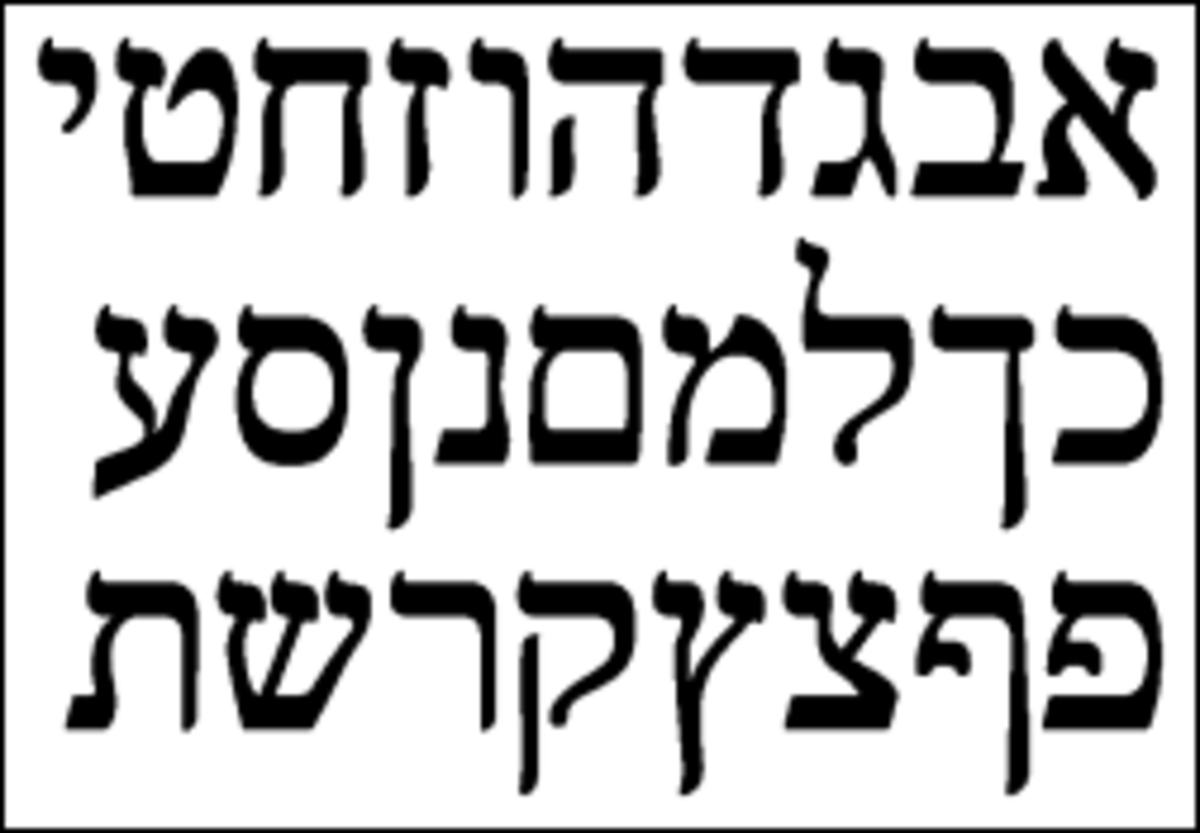
French has a significant presence in Israel, primarily due to the influx of immigrants from North Africa during the mid-20th century. French played a crucial role in education, culture, and diplomatic relations during the early decades of the Israeli state.
In the 1950s and 1960s, French was widely used as a medium of instruction in schools, particularly in North African immigrant communities. French-language newspapers, magazines, and radio stations catered to the large French-speaking population.
Education
Today, French continues to be taught as a foreign language in Israeli schools, although its popularity has declined in recent decades. Several French-language schools and cultural centers operate in Israel, providing educational opportunities for students interested in French language and culture.
Culture
French has also left a lasting mark on Israeli culture. Many French words and expressions have been adopted into Hebrew, and French literature, music, and cinema continue to be popular in Israel. The French Institute in Israel promotes cultural exchange and organizes events that celebrate French culture.
Diplomatic Relations
French has played a significant role in Israel’s diplomatic relations. France was one of the first countries to recognize the State of Israel, and the two countries have maintained close diplomatic ties ever since. French has been used as a language of diplomacy between Israel and France, and it is also used in international organizations where both countries are members.
Amharic Language
Amharic, an Ethiopian Semitic language, has gained a significant presence in Israel due to the immigration of Ethiopian Jews, known as Beta Israel, to the country. Amharic plays a vital role in preserving Ethiopian-Israeli identity, fostering cultural connections, and facilitating communication within the community.
Religious and Cultural Organizations
Amharic is widely used in religious and cultural organizations established by Ethiopian-Israelis. These organizations aim to maintain and promote Ethiopian Jewish traditions and customs in Israel.
- Ethiopian Jewish Community Center (EJCC):Located in Jerusalem, the EJCC serves as a hub for Ethiopian-Israelis, offering religious services, cultural events, and educational programs.
- Kes Kulanu (We Are All One):A non-profit organization that provides social, cultural, and educational support to Ethiopian-Israelis, including language classes and cultural workshops.
Community Communication
Amharic is also a primary language of communication within the Ethiopian-Israeli community. It is used in everyday conversations, community gatherings, and social media platforms.
- Amharic Radio Stations:Several radio stations in Israel broadcast programs in Amharic, catering to the Ethiopian-Israeli population.
- Amharic Newspapers and Magazines:Publications like “Tezeta” and “Tahelka” provide news and information to Ethiopian-Israelis in their native language.
Cultural Significance, What language do they speak in israel
Amharic holds immense cultural significance for Ethiopian-Israelis, connecting them to their ancestral heritage and the broader Ethiopian diaspora. It is a symbol of their unique identity and a means of preserving their cultural practices.
| Organization | Location | Objectives | Target Audience |
|---|---|---|---|
| Ethiopian Jewish Community Center (EJCC) | Jerusalem | Religious services, cultural events, education | Ethiopian-Israelis |
| Kes Kulanu (We Are All One) | Nationwide | Social, cultural, educational support | Ethiopian-Israelis |
| Ethiopian Hebrew Congregation | Petah Tikva | Religious services, community events | Ethiopian-Israelis |
| Amharic Radio Station | Jerusalem, Tel Aviv | News, music, talk shows | Ethiopian-Israelis |
Dialogue
The following dialogue highlights the use of Amharic in everyday communication among Ethiopian-Israelis:
Person A:ሰላም መልካም ቀን! (Hello, good morning!) Person B:ሰላም! ቀን ምን አለ? (Hello! How are you today?) Person A:እኔ ደስ አለሁ። አንተስ? (I am well. And you?) Person B:እኔም ደስ አለሁ። (I am also well.)
Challenges and Promotion
Despite its importance, Amharic speakers in Israel face challenges such as language barriers and discrimination. However, there are efforts to promote the use and preservation of Amharic through educational initiatives and community support programs.
- Educational Programs:The Israeli government and non-profit organizations offer Amharic language classes to Ethiopian-Israelis, especially children and youth.
- Community Support Programs:Organizations like the EJCC and Kes Kulanu provide resources and support to Amharic speakers, promoting cultural identity and language preservation.
Spanish Language
Spanish is spoken by a significant population in Israel, primarily among immigrants from Latin America. These immigrants have brought their language and culture to Israel, contributing to the country’s diverse linguistic landscape.
Spanish is used in various religious, cultural, and social gatherings within the Spanish-speaking community in Israel. There are Spanish-speaking churches and religious organizations that cater to the spiritual needs of the community. Cultural events, such as festivals and concerts, often feature Spanish music, dance, and food, providing a platform for the community to celebrate and share its heritage.
The official languages of Israel are Hebrew and Arabic, with Hebrew being the primary language. However, many other languages are spoken in Israel, reflecting the country’s diverse population. Just as in Israel, Switzerland also boasts a multilingual society, with German, French, Italian, and Romansh all being official languages.
What language do people in Switzerland speak ? The answer depends on the region, as each canton has its own official language or languages. For instance, the canton of Zurich primarily speaks German, while the canton of Geneva primarily speaks French.
Demographics and Geographic Distribution
Spanish speakers in Israel are primarily concentrated in urban centers, particularly in Tel Aviv and Jerusalem. They constitute a significant portion of the immigrant population from Latin American countries, including Argentina, Chile, Mexico, and Colombia. The exact number of Spanish speakers in Israel is not precisely known, but estimates suggest it is in the tens of thousands.
Cultural Significance, What language do they speak in israel
Spanish plays a vital role in identity formation and community building among Spanish-speaking immigrants in Israel. It serves as a bridge connecting them to their home countries and provides a sense of belonging within the diverse Israeli society. Spanish-speaking organizations and community groups organize events and activities that promote cultural exchange and foster a sense of community.
German Language

German has a significant historical presence in Israel, primarily due to the immigration of German-speaking Jews from Central Europe, particularly during the 1930s and 1940s. These immigrants brought their language, culture, and traditions to Israel, which influenced Israeli society in various ways.
The official languages of Israel are Hebrew and Arabic. Hebrew is the primary language of instruction in schools and universities, while Arabic is widely spoken in the Arab community. Additionally, many Israelis speak English, Russian, or other languages due to the country’s diverse population.
The linguistic diversity of Israel mirrors the complex history and cultural influences that have shaped the region, similar to the diverse linguistic landscape of India, where what language is indian is a question with a complex answer due to the many languages spoken across its vast and diverse land.
Religious and Cultural Institutions
German is used in religious institutions, especially in synagogues and yeshivas affiliated with German-speaking Jewish communities. It is also used in cultural institutions, such as the Goethe-Institut, which promotes German language and culture in Israel.
Academic Institutions
German is taught as a foreign language in many Israeli schools and universities. It is also used in academic research and publications, particularly in fields such as history, philosophy, and literature.
Cultural Significance, What language do they speak in israel
German has had a significant influence on Israeli literature, music, and other art forms. Many Israeli writers, musicians, and artists have been influenced by German culture and language. The debate over the place of German in Israeli identity continues, with some arguing for its preservation as a cultural heritage and others emphasizing the importance of Hebrew as the national language.
Romanian Language

Immigrants from Romania have significantly contributed to the linguistic diversity of Israel. Romanian speakers constitute a notable community within the Israeli population, particularly in urban centers such as Tel Aviv, Jerusalem, and Haifa. According to the 2019 Israel Central Bureau of Statistics, there are approximately 45,000 Romanian-born individuals residing in Israel, representing a substantial portion of the Romanian diaspora.Romanian is used in various religious, cultural, and community organizations in Israel.
The Romanian Orthodox Church plays a central role in preserving Romanian heritage and fostering a sense of community among Romanian-speaking immigrants. Romanian-language religious services, cultural events, and publications are organized by the church to cater to the spiritual and cultural needs of the community.
Additionally, Romanian-language newspapers, radio programs, and online forums serve as important platforms for communication and information sharing within the Romanian-speaking community in Israel.The presence of Romanian speakers in Israel has contributed to the cultural richness of the country. Romanian-language literature, music, and cuisine have been introduced to Israeli society, enriching the cultural landscape and fostering intercultural exchange.
Romanian-speaking immigrants have also played an active role in various sectors of Israeli society, including academia, business, and the arts, contributing to the country’s economic and cultural development.
Challenges and Opportunities
Despite the significant presence of Romanian speakers in Israel, the Romanian language faces challenges related to language preservation, integration, and intergenerational transmission. The younger generations of Romanian immigrants may be less proficient in Romanian due to factors such as assimilation into Israeli society and the dominance of Hebrew as the primary language of instruction in schools.
To address these challenges, Romanian-speaking communities have established language schools, cultural centers, and youth programs aimed at promoting the Romanian language and heritage among younger generations.
Key Findings
| Key Finding | Insight |
|---|---|
| Number of Romanian speakers in Israel | Approximately 45,000 Romanian-born individuals |
| Role of religious and cultural organizations | Preservation of Romanian heritage and fostering a sense of community |
| Cultural significance of Romanian | Enrichment of the Israeli cultural landscape and intercultural exchange |
| Challenges faced by Romanian-speaking communities | Language preservation, integration, and intergenerational transmission |
| Initiatives to promote Romanian | Language schools, cultural centers, and youth programs |
Recommendations
- Support Romanian-language education in schools and community centers
- Promote Romanian-language media and cultural events
- Encourage intergenerational transmission of Romanian language and culture
- Provide resources and support for Romanian-speaking immigrants
- Foster collaboration between Romanian-speaking communities and Israeli institutions
Summary
The Romanian language has a significant presence in Israel due to the large number of Romanian immigrants. Romanian is used in religious, cultural, and community organizations, contributing to the preservation of Romanian heritage and fostering a sense of community. However, challenges exist related to language preservation and intergenerational transmission.
Romanian-speaking communities have implemented initiatives to promote the Romanian language and culture, and continued support is crucial to ensure the vitality of Romanian in Israel.
Polish Language

Polish has a notable presence in Israel due to the significant immigration of Holocaust survivors from Poland. These survivors brought their language and culture to Israel, contributing to the country’s linguistic diversity.
Religious and Cultural Significance
Polish is used within religious and cultural organizations established by Polish-speaking immigrants. Synagogues, community centers, and cultural groups serve as platforms for Polish language preservation and cultural expression. These organizations foster a sense of community and cultural heritage among Polish-speaking Israelis.
Community Organizations
Polish-speaking Israelis have established various community organizations that promote Polish language and culture. These organizations organize events, publish newspapers, and maintain websites in Polish, helping to sustain the language within the community.
Cultural Heritage
Polish language and culture hold significant value for Polish-speaking Israelis. It serves as a connection to their heritage, history, and the legacy of their ancestors who survived the Holocaust. The preservation of Polish language and culture in Israel ensures the continuity of their cultural identity and the commemoration of their past.
Hungarian Language
Hungarian Speakers in Israel
Hungarian speakers in Israel primarily comprise immigrants from Hungary who arrived during different waves of immigration, particularly after the 1956 Hungarian Revolution and in the 1990s.
Use of Hungarian in Religious, Cultural, and Community Organizations
Hungarian is used within religious communities, with Hungarian-speaking synagogues and prayer groups in cities like Jerusalem and Tel Aviv. Cultural organizations such as the Hungarian Cultural Association in Israel promote Hungarian language and culture through events, lectures, and language classes.
Cultural Significance of Hungarian in Israel
Hungarian maintains cultural significance for many Hungarian immigrants in Israel. It serves as a link to their heritage and allows them to connect with other Hungarian speakers. Hungarian is used in community gatherings, social events, and cultural performances.
Experience of a Hungarian Immigrant Maintaining Language and Culture
Maria, a Hungarian immigrant who arrived in Israel in the 1960s, actively maintains her Hungarian language and culture. She attends Hungarian-language religious services, participates in cultural events, and regularly communicates with her family in Hungary.
Hungarian Organizations and Institutions in Israel
| Organization | Location | Activities |
|---|---|---|
| Hungarian Cultural Association in Israel | Jerusalem | Cultural events, language classes, community gatherings |
| Hungarian Synagogue in Jerusalem | Jerusalem | Religious services, community events |
| Hungarian House in Tel Aviv | Tel Aviv | Cultural center, language classes, exhibitions |
Hungarian-Language Publications in Israel
- Magyar Újság(newspaper)
- Magyar Rádió(online radio station)
- Magyar Szó(website)
Challenges and Opportunities for Hungarian Speakers in Israel
Hungarian speakers in Israel face challenges such as language maintenance in a predominantly Hebrew-speaking society. However, opportunities exist for language preservation through cultural organizations, language classes, and community events.
Future of Hungarian Language and Culture in Israel
The future of Hungarian language and culture in Israel depends on the continued efforts of Hungarian-speaking communities to preserve and transmit their heritage to future generations.
Sign Languages

Sign languages are essential means of communication for deaf and hard-of-hearing individuals, enabling them to express themselves and engage with the world around them. In Israel, sign languages play a significant role in the deaf community, facilitating education, healthcare, employment, and social interactions.
Types of Sign Languages in Israel
Several sign languages are used in Israel, each with its own distinct characteristics and user base:
- Israeli Sign Language (ISL):The most widely used sign language in Israel, developed by deaf Israelis over many years.
- International Sign Language (ISL):A global sign language used for communication among deaf people from different countries.
- American Sign Language (ASL):Used by some deaf immigrants from the United States and their families.
- Arabic Sign Language (ArSL):Used by deaf individuals from Arabic-speaking countries who reside in Israel.
- Russian Sign Language (RSL):Used by deaf immigrants from the former Soviet Union.
Prevalence and Cultural Significance
ISL is the dominant sign language in Israel, with an estimated 20,000 users. It is recognized as an official language by the Israeli government and is used in various educational, social, and cultural settings. Other sign languages are used by smaller communities, reflecting the diversity of the deaf population in Israel.
Sign languages have a rich cultural significance in Israel. They have been developed and refined over generations, reflecting the unique experiences and perspectives of the deaf community. Sign languages embody the cultural identity and heritage of deaf Israelis, fostering a sense of belonging and shared experiences.
Challenges and Opportunities
The deaf community in Israel faces challenges related to language access and communication. These include:
- Limited availability of sign language interpreters in various settings
- Lack of awareness and understanding of sign languages among the general population
- Educational disparities and limited employment opportunities for deaf individuals
However, there are also opportunities for progress. The Israeli government has taken steps to promote sign language use and support the deaf community, including:
- Recognizing ISL as an official language
- Providing funding for sign language interpreter training
- Mandating sign language instruction in schools for deaf students
Technology and Sign Language
Technology has played a significant role in supporting the use of sign languages in Israel. Video conferencing platforms and online resources have enabled deaf individuals to connect with each other and access information and services remotely.
Mobile applications and software specifically designed for deaf users have also emerged, providing tools for communication, education, and social networking. These technological advancements have expanded the possibilities for deaf Israelis to participate fully in society.
Sign Language in Various Settings
Sign languages are used in a wide range of settings in Israel, including:
- Education:Deaf students receive instruction in ISL, and sign language interpreters are provided in mainstream schools.
- Healthcare:Sign language interpreters facilitate communication between deaf patients and medical professionals.
- Workplace:Employers are increasingly recognizing the importance of sign language accessibility, providing interpreters and other accommodations.
- Social and Cultural Events:Sign language interpreters are present at public events, cultural performances, and religious ceremonies.
Legal and Policy Framework
The Israeli government has implemented several legal and policy measures to support the use of sign languages:
- Law for the Rights of Persons with Disabilities (1998):Recognizes ISL as an official language and mandates its use in various settings.
- National Plan for the Deaf Community (2015):Artikels strategies for promoting sign language use and improving the quality of life for deaf Israelis.
- Regulations for the Recognition of Sign Language Interpreters (2018):Establishes standards and qualifications for sign language interpreters.
Future Prospects
The future prospects for sign languages in Israel are promising. The growing recognition and support for sign language use, combined with technological advancements, are creating new opportunities for deaf individuals to participate fully in society.
Continued research and advocacy are essential to address the remaining challenges and ensure that deaf Israelis have equal access to language, education, employment, and social inclusion.
Recommendations
To further support the deaf community in Israel, the following recommendations are proposed:
- Increase the number of trained sign language interpreters and make their services more widely available.
- Promote awareness and understanding of sign languages among the general population through educational campaigns and media representation.
- Provide more opportunities for deaf individuals to acquire sign language skills, including early intervention programs and adult education classes.
- Encourage research on sign languages in Israel, including their linguistic features, cultural significance, and educational implications.
- Continue to develop and implement policies that support the use of sign languages in all aspects of life, ensuring equal access and opportunities for deaf Israelis.
Other Minority Languages
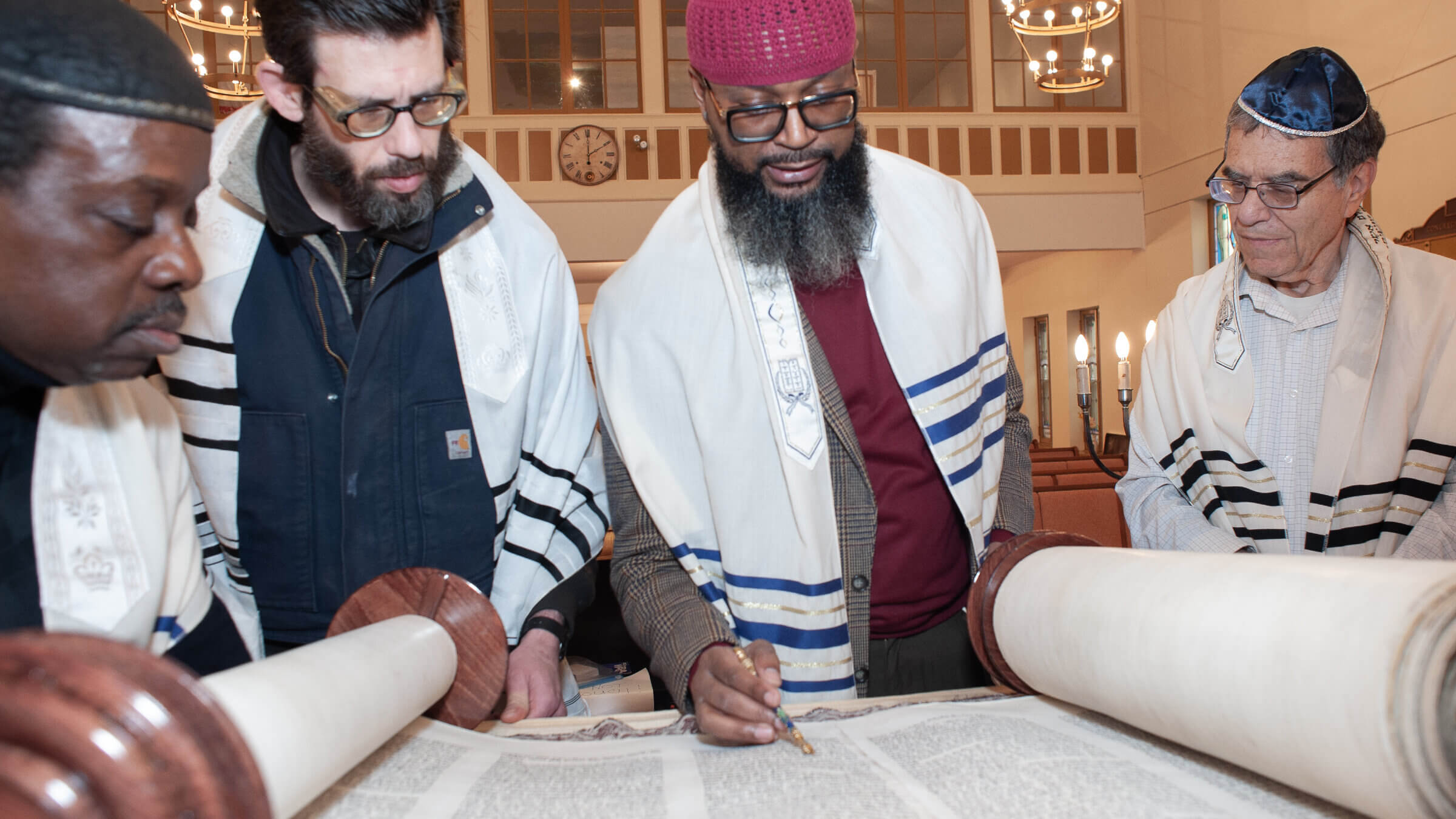
In addition to the major languages spoken in Israel, there are numerous other minority languages spoken by smaller communities. These languages reflect the diverse cultural heritage of Israel’s population and play a significant role in preserving the cultural identities of these communities.
Armenian Language
Armenian is spoken by the Armenian community in Israel, which has a long history in the country dating back to the 18th century. Armenian is used in religious ceremonies, cultural events, and educational institutions within the Armenian community.
Georgian Language
Georgian is spoken by the Georgian community in Israel, which arrived in the country in the 1990s. Georgian is used in social gatherings, cultural events, and religious services within the Georgian community.
Bulgarian Language
Bulgarian is spoken by the Bulgarian community in Israel, which arrived in the country primarily after the collapse of the Soviet Union. Bulgarian is used in community events, cultural activities, and educational settings within the Bulgarian community.
Language Policy and Planning

Israel has implemented various language policy and planning initiatives to promote linguistic diversity and integration. These initiatives aim to preserve the country’s rich linguistic heritage, facilitate communication between different language groups, and foster a sense of national unity.
One of the key initiatives is the recognition of Arabic as an official language alongside Hebrew. This policy ensures that Arabic-speaking citizens have equal access to public services, education, and media in their native language. Additionally, the government provides support for the teaching and preservation of minority languages, such as Yiddish, French, and Amharic.
Challenges and Successes
While these initiatives have been successful in promoting linguistic diversity, they have also faced challenges. One challenge is the need to balance the preservation of minority languages with the promotion of Hebrew as the primary language of the state. Another challenge is the integration of new immigrant populations, who may not speak either Hebrew or Arabic.
Despite these challenges, Israel’s language policy and planning initiatives have been largely successful. They have helped to create a more inclusive and multilingual society, where citizens can communicate and participate in public life in their native languages.
Future of Language Policy and Planning
Looking to the future, Israel’s language policy and planning initiatives will likely continue to focus on promoting linguistic diversity and integration. The government is expected to continue to support the teaching and preservation of minority languages, as well as to develop new strategies for integrating new immigrant populations.
As Israel’s population becomes increasingly diverse, its language policy and planning initiatives will play a vital role in ensuring that all citizens feel included and have the opportunity to participate fully in society.
FAQs
What is the official language of Israel?
Hebrew is the official language of Israel.
What other languages are spoken in Israel?
Arabic and English are also widely spoken in Israel.
Why are there so many different languages spoken in Israel?
Israel has a long and complex history, and this is reflected in the variety of languages that are spoken there.
