What language do Peruvians speak? This question delves into the rich tapestry of languages that make up the linguistic landscape of Peru, a nation where Spanish reigns supreme yet indigenous tongues endure, each carrying a unique cultural significance.
The Spanish language arrived in Peru with the Spanish conquistadors in the 16th century, leaving an indelible mark on the country’s linguistic identity. Today, Spanish is the official language of Peru and the primary means of communication for the majority of the population.
However, beneath this linguistic veneer lies a vibrant array of indigenous languages, each with its own distinct history and cultural significance.
Spanish Language in Peru
Spanish is the official and dominant language spoken in Peru, with over 90% of the population using it as their primary language. Its widespread adoption can be attributed to the country’s colonial history under the Spanish Empire.
Historical Factors
- Spanish was introduced to Peru by Spanish conquistadors in the 16th century.
- It became the official language of the Viceroyalty of Peru, established in 1542.
- Spanish gained prominence through education, administration, and the Catholic Church.
Dialects and Distribution
Spanish in Peru exhibits regional variations, with distinct dialects spoken in different parts of the country.
- Coastal Spanish is the most widespread, spoken in the coastal cities of Lima, Arequipa, and Trujillo.
- Andean Spanish is spoken in the mountainous regions, influenced by Quechua and Aymara.
- Amazonian Spanish is spoken in the Amazon rainforest, influenced by indigenous languages.
Influence on Other Languages
Spanish has had a significant impact on other languages spoken in Peru, such as Quechua and Aymara.
- Many loanwords from Spanish have been incorporated into Quechua and Aymara.
- Spanish has influenced the grammar and syntax of these languages.
Role in Peruvian Culture
Spanish is an integral part of Peruvian literature, music, and popular culture.
- Peruvian literature is renowned for its Spanish-language works, including those by Mario Vargas Llosa and Alfredo Bryce Echenique.
- Traditional Peruvian music, such as Andean folk and Creole music, often features Spanish lyrics.
- Spanish is the primary language used in Peruvian media, including television, radio, and print.
Regional Variations of Spanish
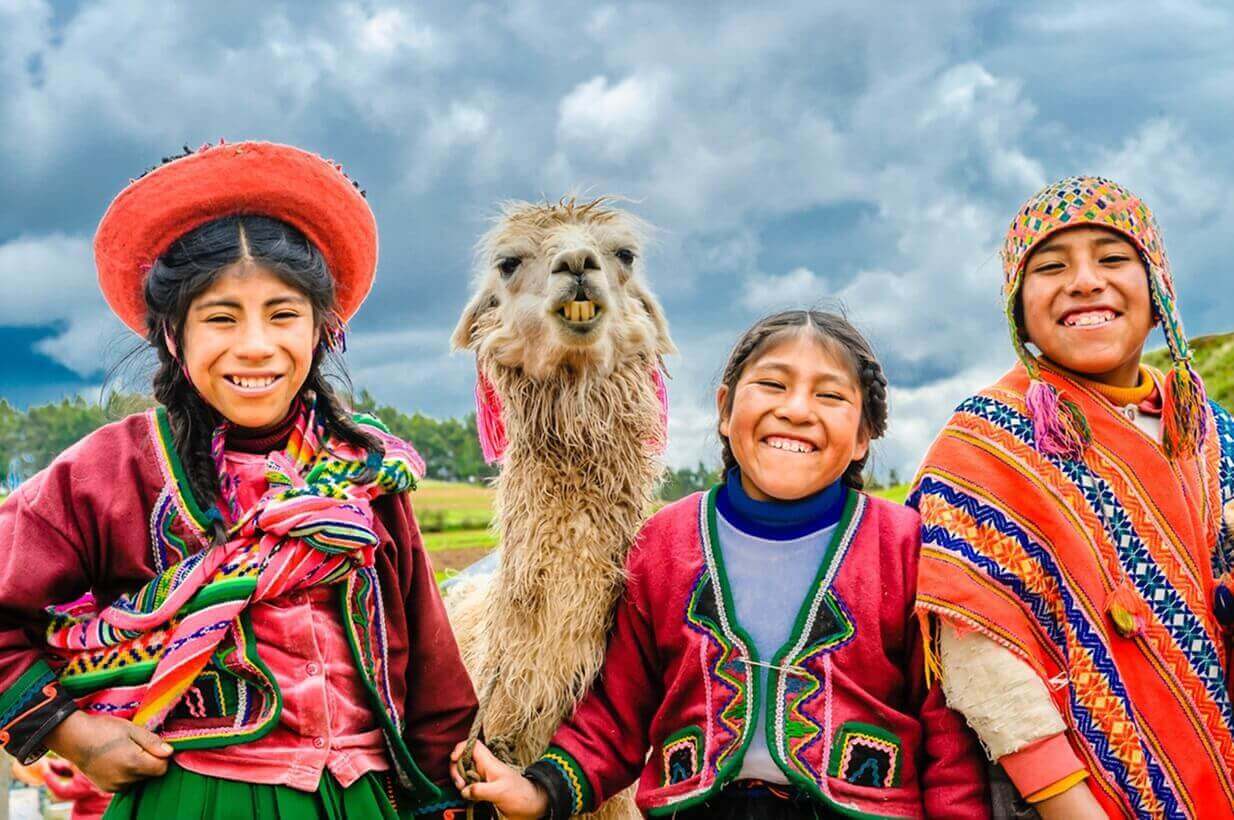
Spanish is the official language of Peru and is spoken by the majority of the population. However, there are several regional variations of Spanish spoken in Peru, each with its own unique characteristics.
The most common dialect of Spanish spoken in Peru is Coastal Spanish, which is spoken in the coastal regions of the country. Coastal Spanish is characterized by its use of the “voseo” pronoun, which is used to address someone informally.
Other dialects of Spanish spoken in Peru include Andean Spanish, which is spoken in the Andean highlands, and Amazonian Spanish, which is spoken in the Amazon rainforest.
The following table summarizes the different dialects and accents of Spanish spoken in Peru, their geographical distribution, and their key features:
| Dialect/Accent | Geographical Distribution | Key Features |
|---|---|---|
| Coastal Spanish | Coastal regions | Use of the “voseo” pronoun |
| Andean Spanish | Andean highlands | Use of the “tú” pronoun, retention of the “s” sound in final syllables |
| Amazonian Spanish | Amazon rainforest | Use of the “usted” pronoun, influence of indigenous languages |
The following map of Peru highlights the different regions where each dialect or accent of Spanish is spoken:
[Image of a map of Peru highlighting the different regions where each dialect or accent of Spanish is spoken]
Provide a brief overview of the history of indigenous languages in Peru.
Indigenous languages in Peru have a long and rich history, dating back to the pre-Incan period. The Incas, who ruled Peru from the 13th to the 16th century, imposed their language, Quechua, on their subjects, but many indigenous languages continued to be spoken.
After the Spanish conquest in the 16th century, Spanish became the official language of Peru, and the use of indigenous languages declined. However, many indigenous languages have survived and are still spoken today.
Efforts to preserve and revitalize indigenous languages
In recent years, there have been growing efforts to preserve and revitalize indigenous languages in Peru. These efforts include:
- The creation of bilingual education programs in indigenous languages.
- The development of dictionaries and other language resources.
- The establishment of indigenous language radio and television stations.
- The training of indigenous language teachers.
Challenges facing indigenous languages in Peru, What language do peruvians speak
Despite these efforts, indigenous languages in Peru face a number of challenges, including:
- The dominance of Spanish in the media and education.
- The lack of economic opportunities for indigenous language speakers.
- The discrimination against indigenous language speakers.
Quechua and Aymara
Quechua and Aymara are two of the most significant indigenous languages spoken in Peru, with a combined number of speakers exceeding 10 million. These languages hold immense historical and cultural importance, and continue to play a vital role in the lives of many Peruvians.
Quechua, the language of the Inca Empire, is spoken by over 8 million people in Peru, Bolivia, Ecuador, and Colombia. It is the most widely spoken indigenous language in South America and has official status in all four countries. Aymara, on the other hand, is spoken by around 2.3 million people in Peru and Bolivia, and is the official language of both countries.
Usage in Everyday Life
Both Quechua and Aymara are used in a variety of contexts in everyday life in Peru. Quechua is used as a medium of instruction in schools in Peru and Bolivia, and is also used in government proceedings and the media.
Aymara is used in government proceedings in Peru and Bolivia, and is also used in the media.
Challenges and Opportunities
Quechua and Aymara face a number of challenges in the 21st century, including globalization and the spread of Spanish, lack of resources for teaching and learning, and discrimination against indigenous languages. However, there are also a number of opportunities for the revitalization of these languages, including increased awareness of their importance, government support, and the use of technology.
Bilingualism and Multilingualism
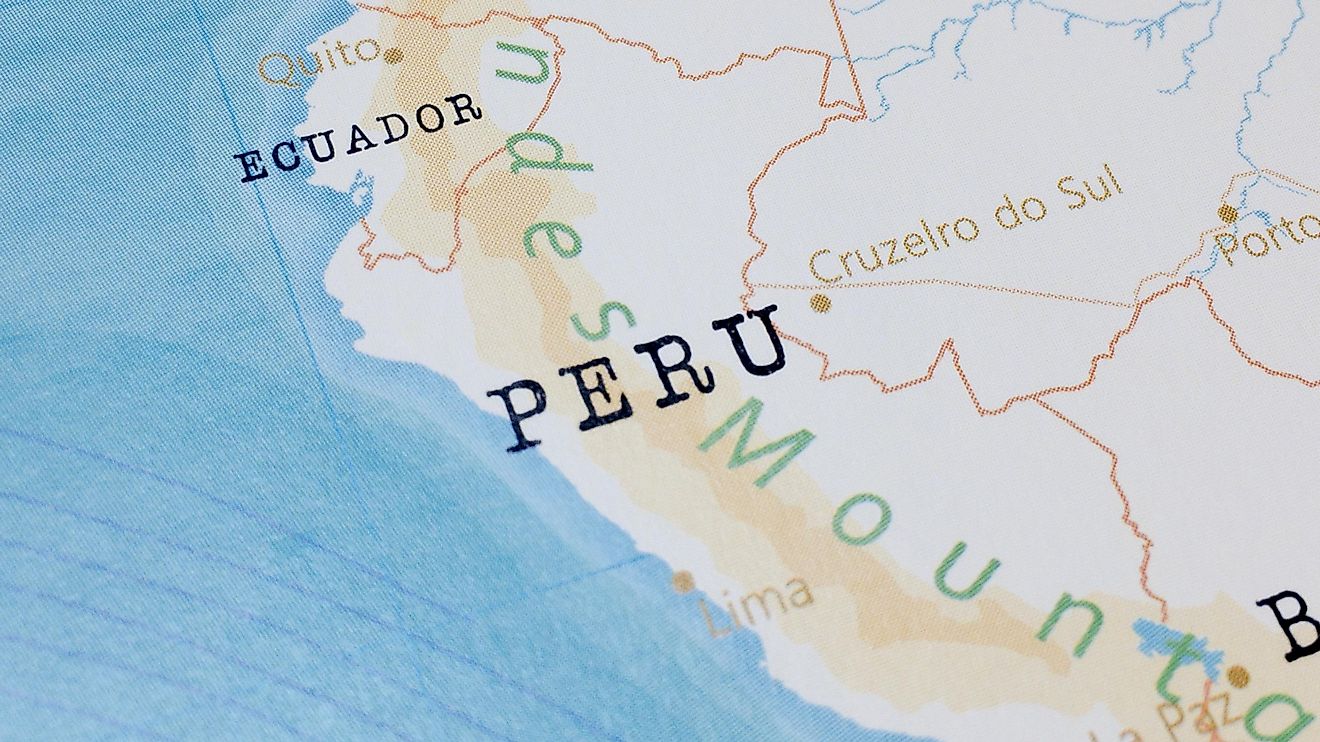
In Peru, bilingualism and multilingualism are prevalent due to the country’s diverse linguistic landscape. The presence of multiple indigenous languages alongside Spanish has shaped language use and proficiency patterns.
Factors influencing language choice include geographic location, social status, and education level. Spanish remains the dominant language in urban areas, government, and media, while indigenous languages are more prevalent in rural communities.
Language Proficiency
- Spanish proficiency varies depending on socio-economic background and education. Urban residents tend to have higher Spanish proficiency than rural residents.
- Indigenous language proficiency is generally higher among older generations and in communities where indigenous languages are the primary means of communication.
- Bilingualism and multilingualism are common in areas where indigenous languages and Spanish coexist. Many Peruvians speak both Spanish and an indigenous language, with varying degrees of proficiency in each.
Education and Language Policy
Education plays a crucial role in promoting and preserving Peruvian languages. The Peruvian government has implemented various policies and initiatives to support language diversity, including:
Bilingual Education Programs
- Intercultural Bilingual Education (EIB) program: Launched in 1975, EIB aims to provide education in both Spanish and indigenous languages to students from indigenous communities.
- Early Childhood Education (ECE) in Indigenous Languages: The government has supported ECE programs that use indigenous languages as the primary medium of instruction.
Language Revitalization Initiatives
- National Institute of Indigenous Languages (INAL): INAL works to promote and preserve indigenous languages through research, documentation, and training.
- Community-Based Language Development Projects: The government has supported projects that involve communities in developing and implementing language preservation strategies.
Challenges and Areas for Improvement
Despite these efforts, challenges remain in effectively supporting language diversity in Peru. These include:
- Limited access to quality bilingual education, especially in urban areas.
- Insufficient teacher training and resources for indigenous language instruction.
- Negative attitudes and biases towards indigenous languages.
Successful Language Diversity Programs
Several educational programs and projects have successfully supported language diversity in Peru:
- The “Revive Our Languages” project in the Amazon region, which has helped revitalize several indigenous languages.
- The “Amawta Yachaywasi” project, which provides higher education in Quechua and Aymara.
Community Involvement and Engagement
Community involvement is essential for language preservation efforts. Communities can participate in developing language policies, creating language materials, and supporting language-learning initiatives.
Future Directions
Future directions for education and language policy in Peru include:
- Expanding access to quality bilingual education.
- Strengthening teacher training and resources.
- Promoting positive attitudes towards indigenous languages.
- Exploring the use of technology to support language learning and preservation.
Media and Language
The media plays a significant role in shaping language norms in Peru. Television, radio, and print media all contribute to the dissemination of standard Spanish and the promotion of certain linguistic features over others.
Television
Television is the most influential medium in Peru, and its impact on language use is profound. The vast majority of Peruvians watch television regularly, and the programs they watch often feature characters who speak standard Spanish. This exposure to standard Spanish helps to reinforce its status as the prestige dialect and encourages viewers to adopt its features in their own speech.
Radio
Radio is another important medium in Peru, and it also plays a role in shaping language norms. Radio programs often feature discussions of current events and social issues, and these discussions can help to introduce new words and phrases into the Peruvian lexicon.
Radio also provides a platform for indigenous languages, and some stations broadcast programs in Quechua and Aymara.
Print Media
Print media, such as newspapers and magazines, also contribute to the dissemination of standard Spanish in Peru. Newspapers often publish articles on language usage, and these articles can help to raise awareness of the importance of using standard Spanish in formal contexts.
Magazines often feature articles on fashion and culture, and these articles can help to introduce new words and phrases into the Peruvian lexicon.
Language and Identity: What Language Do Peruvians Speak
Language plays a vital role in shaping and reflecting Peruvian identity. It serves as a powerful tool for expressing cultural values, traditions, and a sense of belonging.
Spanish, the official language of Peru, carries the weight of the country’s colonial past and its connection to the wider Spanish-speaking world. However, indigenous languages, particularly Quechua and Aymara, remain deeply intertwined with Peruvian identity, particularly in rural and Andean communities.
Quechua and Identity
Quechua, spoken by over 3 million Peruvians, is a living testament to the rich cultural heritage of the Inca Empire. It is a language of poetry, music, and tradition, carrying within it the wisdom and worldview of its speakers.
- Quechua literature, such as the works of José María Arguedas, has played a significant role in shaping Peruvian national identity and fostering a sense of cultural pride.
- The preservation and revitalization of Quechua is seen as a vital step in safeguarding Peru’s cultural diversity and connecting with its indigenous roots.
Aymara and Identity
Aymara, spoken by over 400,000 Peruvians, is another important indigenous language that contributes to Peruvian identity. It is closely associated with the traditions and customs of the Aymara people, who inhabit the high Andean regions.
- Aymara oral traditions, such as storytelling and poetry, have been passed down through generations, preserving the cultural memory and values of the Aymara community.
- The use of Aymara in education and media is seen as a way to empower the Aymara people and promote their cultural rights.
Language and Social Stratification
In Peru, language use is closely tied to social class. Spanish is the dominant language and is associated with higher social status and economic opportunities. Indigenous languages, such as Quechua and Aymara, are often spoken by people from lower socioeconomic backgrounds and are sometimes associated with lower social status.
This relationship between language and social class can have a significant impact on people’s lives. For example, people who speak Spanish are more likely to have access to education, employment, and healthcare than those who speak only indigenous languages.
Spanish is the official language of Peru, spoken by the majority of the population. However, there are also numerous indigenous languages spoken in Peru, including Quechua and Aymara. If you’re a Peruvian who wants to watch Netflix in a different language, you can learn how do you change language on netflix to enjoy your favorite shows and movies in your preferred language.
Language Use as an Indicator of Social Status
- Spanish is the official language of Peru and is used in government, education, and the media.
- People who speak Spanish are more likely to be employed in professional and managerial positions.
- People who speak Spanish are more likely to have higher incomes than those who speak only indigenous languages.
Language Use and Influence on Opportunities
- People who speak Spanish are more likely to have access to education.
- People who speak Spanish are more likely to have access to employment.
- People who speak Spanish are more likely to have access to healthcare.
Language and Gender
In Peruvian society, gender plays a significant role in shaping language use. The Spanish language, as spoken in Peru, exhibits gendered patterns that reflect and perpetuate traditional gender roles and expectations.
One aspect of gendered language use in Peru is the use of different forms of address for men and women. For example, the formal form of address for a man is “usted,” while the formal form of address for a woman is “usted” or “señora.” Similarly, the informal form of address for a man is “tú,” while the informal form of address for a woman is “tú” or “vos.” These distinctions in address reflect the different social roles and expectations associated with men and women in Peruvian society.
Spanish is the official language of Peru, spoken by the majority of the population. However, there are also numerous indigenous languages spoken throughout the country, such as Quechua and Aymara. While HTML is not a programming language in the traditional sense, it is a markup language used to create the structure of web pages.
It is used to define the layout of a web page and to add content to it. Is HTML a programming language ? This question is often debated, but the answer is generally no. HTML is not a programming language because it does not allow you to create dynamic or interactive web pages.
However, HTML is an essential part of web development, and it is used by web developers to create the structure of every website.
Gendered Language in the Media
The media in Peru also plays a role in perpetuating gendered language patterns. For example, studies have shown that female characters in Peruvian television programs are often portrayed as passive and submissive, while male characters are portrayed as active and dominant.
This portrayal of gender roles in the media reinforces traditional gender stereotypes and expectations.
Language and Migration

Migration has a significant impact on language use in Peru. The movement of people from rural to urban areas, as well as international migration, has led to increased linguistic diversity in the country.
Migrants often face challenges in terms of language acquisition and preservation. They may need to learn a new language to communicate in their new environment, while also wanting to maintain their native language. This can be a difficult balancing act, especially for those who come from indigenous language backgrounds.
Challenges of Language Acquisition
- Migrants may face discrimination or prejudice based on their language.
- Migrants may have difficulty accessing language learning resources.
- Migrants may experience language loss or attrition over time.
Opportunities for Language Preservation
- Migrants can form language communities to support each other.
- Migrants can participate in language revitalization programs.
- Migrants can use technology to stay connected with their native language.
Language and Technology
Technology has significantly influenced language use in Peru, shaping norms, facilitating acquisition, and presenting challenges and opportunities for preservation.
Social Media and Messaging Apps
Social media platforms like Facebook and Twitter, as well as messaging apps such as WhatsApp, have become pervasive in Peru, influencing language use in several ways:
- Informalization:These platforms promote informal language use, with users employing colloquialisms, slang, and emojis.
- Spread of Neologisms:Social media and messaging apps facilitate the rapid spread of new words and phrases, often derived from internet culture or popular trends.
- Language Mixing:These platforms allow for seamless mixing of Spanish with indigenous languages, particularly among bilingual speakers.
Language Acquisition and Education
Technology has transformed language acquisition and education in Peru:
- Online Learning:Online language courses and platforms provide accessible and flexible options for language learners, complementing traditional classroom instruction.
- Interactive Tools:Language learning apps and software offer interactive exercises, games, and simulations to enhance engagement and retention.
- Immersive Experiences:Virtual reality and augmented reality technologies create immersive language learning environments, allowing learners to experience the target language in context.
Language Preservation and Revitalization
Technology presents both challenges and opportunities for language preservation and revitalization:
- Challenges:The dominance of Spanish online and the potential for digital assimilation pose threats to indigenous languages.
- Opportunities:Digital platforms provide new avenues for language documentation, sharing, and teaching, empowering communities to revitalize their languages.
Ethical Implications
Technology-mediated language use raises ethical considerations:
- Language Bias:Language models and algorithms can exhibit bias towards certain languages and dialects, potentially perpetuating existing inequalities.
- Privacy Concerns:Social media and messaging apps collect vast amounts of language data, raising concerns about privacy and potential misuse.
Language and Tourism
Language plays a pivotal role in Peru’s tourism industry, serving as a bridge between visitors and the country’s rich cultural heritage. With Spanish as the official language, tourists from Spanish-speaking countries have a significant advantage in navigating Peru. However, for those from non-Spanish-speaking regions, language barriers can pose challenges and hinder effective communication.
Challenges Faced by Tourists
- Communication Difficulties:Language barriers can make it challenging for tourists to interact with locals, ask for directions, or engage in meaningful conversations.
- Limited Access to Information:Tourists may face difficulties accessing information about attractions, transportation, and services due to language barriers, as materials may not be available in their native language.
- Cultural Misunderstandings:Language differences can lead to misunderstandings and misinterpretations, potentially affecting the overall tourism experience.
Opportunities for Tourists
- Language Learning Opportunities:Peru provides an excellent opportunity for tourists to immerse themselves in Spanish, learning new vocabulary and phrases to enhance their interactions.
- Cultural Exchange:Language barriers can also present opportunities for cultural exchange, as tourists and locals attempt to communicate and understand each other’s perspectives.
- Enhanced Travel Experiences:With improved language skills, tourists can delve deeper into Peru’s cultural traditions, connect with locals, and gain a more authentic travel experience.
Language and the Arts
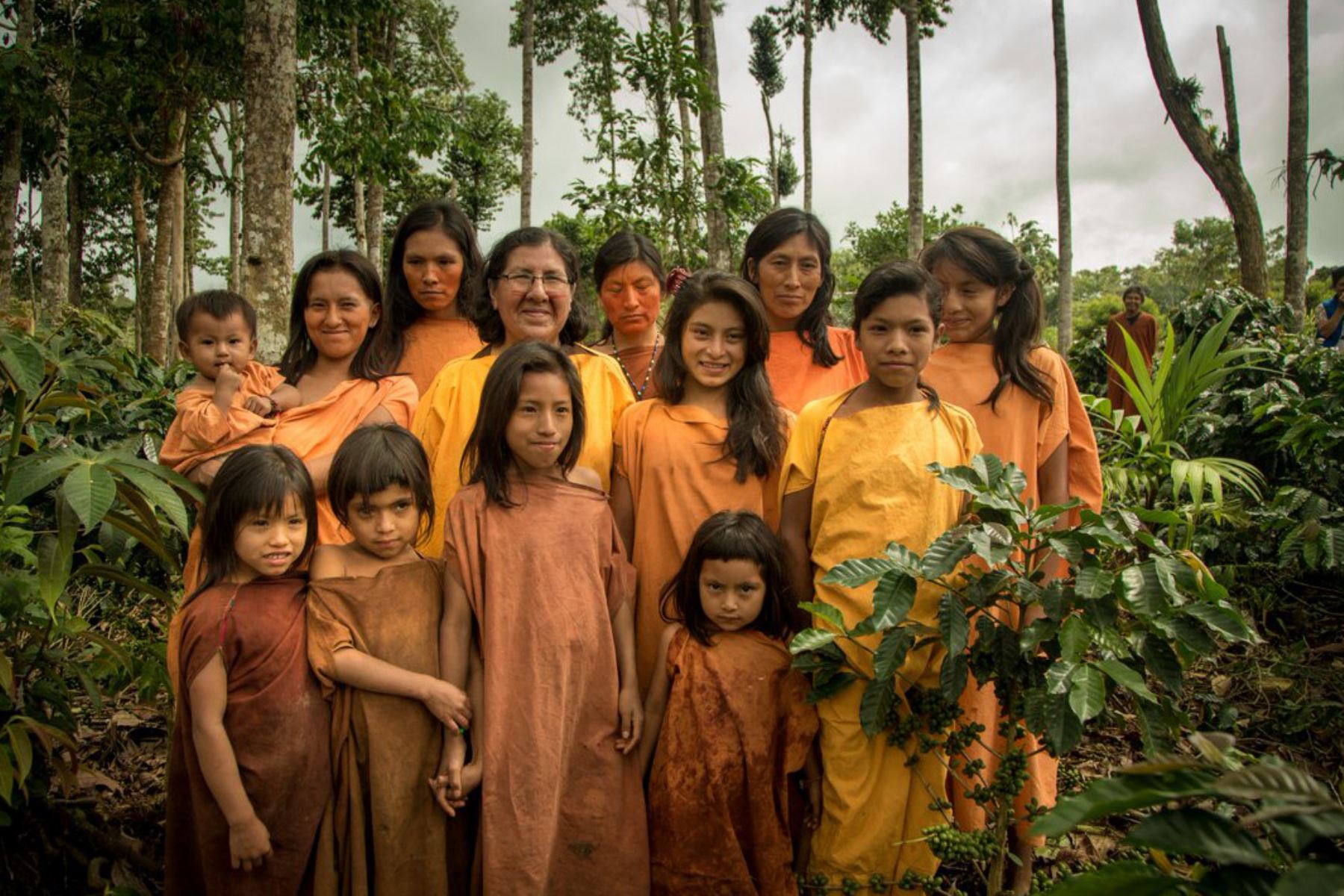
Language plays a vital role in shaping the artistic expression of Peruvian culture. Peruvian art forms, including literature, music, and other art forms, are deeply influenced by the country’s diverse linguistic landscape, which includes Spanish, Quechua, Aymara, and other indigenous languages.
These languages provide a rich and expressive medium for Peruvian artists to convey their cultural heritage, traditions, and unique perspectives.
Literary Expression
Peruvian literature is renowned for its vibrant use of language, drawing inspiration from both Spanish and indigenous languages. Writers like Mario Vargas Llosa, José María Arguedas, and Alfredo Bryce Echenique have masterfully employed language to explore themes of identity, social inequality, and the complexities of Peruvian society.
The use of Quechua and Aymara in contemporary Peruvian literature adds a distinct flavor, providing insights into the experiences and perspectives of indigenous communities.
Musical Traditions
Music is an integral part of Peruvian culture, with diverse genres ranging from traditional Andean folk music to contemporary urban styles. Language plays a crucial role in shaping the lyrics and melodies of Peruvian music. Quechua and Aymara lyrics are often used in folk songs, conveying stories, legends, and cultural traditions.
Contemporary Peruvian musicians like Susana Baca and Eva Ayllón have gained international recognition for their fusion of traditional and modern musical styles, incorporating elements of indigenous languages into their compositions.
Visual Arts
Language also influences the visual arts in Peru. Indigenous artists often incorporate symbols, motifs, and designs inspired by their native languages into their paintings, sculptures, and textiles. These artistic expressions reflect the cultural heritage and worldview of indigenous communities, providing a visual representation of their linguistic and cultural traditions.
Cultural Identity and Interpretation
The unique linguistic features of Peruvian art forms contribute to their distinct identity and cultural significance. The use of indigenous languages in art allows artists to connect with their cultural roots and express their experiences in a meaningful way. For audiences, language influences the interpretation and reception of Peruvian art.
Understanding the linguistic context and cultural nuances enhances the appreciation and understanding of the artwork.
Translation and Global Impact
Translation plays a crucial role in promoting Peruvian art and culture on a global scale. Translating Peruvian literature, music, and other art forms into different languages makes them accessible to a wider audience, allowing people from around the world to engage with the richness and diversity of Peruvian culture.
Translation helps bridge cultural gaps and fosters a deeper understanding of Peruvian artistic expression.
Future of Peruvian Languages
The future of Peruvian languages is uncertain. Globalization and other factors are contributing to the decline of many indigenous languages around the world, and Peruvian languages are no exception. However, there are also a number of initiatives underway to preserve and revitalize Peruvian languages, and these efforts may help to ensure their survival.
15.1 Define the scope of the analysis
The analysis will focus on the following Peruvian languages:
- Quechua
- Aymara
- Other indigenous languages spoken in Peru
The analysis will consider the time frame from the present day to the year 2050.
15.2 Analyze the current state of Peruvian languages
The current number of speakers of each Peruvian language is difficult to determine, as there is no reliable census data. However, it is estimated that there are approximately 4 million Quechua speakers and 2 million Aymara speakers in Peru. Other indigenous languages spoken in Peru have much smaller numbers of speakers.
The trends in language use and transmission are also difficult to determine, but there is some evidence that the use of indigenous languages in Peru is declining. This is due to a number of factors, including the increasing urbanization of the Peruvian population and the dominance of Spanish in the media and education.
15.3 Identify the threats to Peruvian languages
The following are some of the threats to Peruvian languages:
- Globalization
- Urbanization
- The dominance of Spanish in the media and education
- Lack of intergenerational transmission
Globalization is a major threat to Peruvian languages because it leads to increased contact between different cultures and languages. This can lead to the loss of indigenous languages as people adopt the language of the dominant culture.
Urbanization is another major threat to Peruvian languages because it leads to the loss of traditional ways of life. In urban areas, people are less likely to speak indigenous languages because they are not needed for everyday communication.
The dominance of Spanish in the media and education is also a major threat to Peruvian languages. Spanish is the official language of Peru, and it is the language of instruction in most schools. This means that many Peruvian children are not exposed to indigenous languages in school.
Lack of intergenerational transmission is another major threat to Peruvian languages. In many Peruvian families, parents are no longer passing on their indigenous languages to their children. This is due to a number of factors, including the stigma associated with indigenous languages and the desire to give children the best possible chance of success in life.
15.4 Identify the opportunities for Peruvian language preservation and revitalization
The following are some of the opportunities for Peruvian language preservation and revitalization:
- Government support
- Community-based initiatives
- Educational programs
- Media initiatives
Government support is essential for the preservation and revitalization of Peruvian languages. The government can provide funding for language programs, support community-based initiatives, and promote the use of indigenous languages in the media and education.
Community-based initiatives are also essential for the preservation and revitalization of Peruvian languages. These initiatives can include language classes, cultural events, and other activities that promote the use of indigenous languages.
Educational programs are another important opportunity for the preservation and revitalization of Peruvian languages. Schools can offer language classes, incorporate indigenous languages into the curriculum, and create a supportive environment for the use of indigenous languages.
Media initiatives can also play a role in the preservation and revitalization of Peruvian languages. The media can broadcast programs in indigenous languages, feature indigenous language speakers, and promote the use of indigenous languages in the media.
15.5 Develop recommendations for the future of Peruvian languages
The following are some recommendations for the future of Peruvian languages:
- The government should provide more support for the preservation and revitalization of Peruvian languages.
- Community-based initiatives should be supported and encouraged.
- Educational programs should be developed to promote the use of indigenous languages.
- Media initiatives should be developed to promote the use of indigenous languages in the media.
By implementing these recommendations, we can help to ensure the survival of Peruvian languages and the cultural diversity of Peru.
User Queries
What is the official language of Peru?
Spanish is the official language of Peru.
What are the most widely spoken indigenous languages in Peru?
Quechua and Aymara are the most widely spoken indigenous languages in Peru.
Is it difficult to learn Spanish in Peru?
The difficulty of learning Spanish in Peru depends on your native language and language learning skills.
