What language does they speak in finland? The answer to this question is not as straightforward as one might think. Finland is a linguistically diverse country, with a rich tapestry of languages spoken throughout its borders. In this comprehensive guide, we will delve into the official languages, regional languages, minority languages, and the role of language in Finnish society, exploring the historical, cultural, and contemporary significance of each.
From the official languages of Finnish and Swedish to the regional languages of Sami and Karelian, and the minority languages of Romani, Russian, and Estonian, Finland’s linguistic landscape is a reflection of its diverse history and cultural heritage. We will examine the influence of these languages on Finnish identity, education, media, and business, and explore the challenges and opportunities facing language use in Finland in an increasingly globalized world.
Official Languages
Finland has two official languages: Finnish and Swedish.
Finnish is the native language of the majority of the population (92%), while Swedish is spoken by about 5% of the population. Both languages have equal status in law and are used in all official government documents and public services.
Historical and Cultural Significance
Finnish is a Uralic language, while Swedish is an Indo-European language. The two languages have been in contact for centuries, and there has been some mutual influence between them. For example, many Finnish words have been borrowed from Swedish, and vice versa.
The historical and cultural significance of Finnish and Swedish in Finland is complex. Finnish is the language of the majority of the population and is seen as the national language. However, Swedish has a long history in Finland and is still spoken by a significant minority of the population.
As a result, both languages are important to the cultural heritage of Finland.
Regional Languages
In addition to Finnish and Swedish, several regional languages are spoken in Finland, each with its own geographical distribution and cultural significance.
Sami Languages
The Sami languages are spoken by the Sami people, an indigenous population of northern Scandinavia. In Finland, there are three main Sami languages: Northern Sami, Inari Sami, and Skolt Sami. Northern Sami is the most widely spoken, with approximately 2,000 speakers in Finland.
Inari Sami is spoken by about 300 people, and Skolt Sami by about 350 people.
The Sami languages are closely related to Finnish and Estonian, but they have their own unique grammar and vocabulary. They are also endangered languages, and efforts are being made to preserve and revitalize them.
Karelian
Karelian is a Finno-Ugric language spoken in the Karelia region of eastern Finland. It is closely related to Finnish, but it has its own distinct dialect and cultural identity. There are approximately 5,000 speakers of Karelian in Finland.
Karelian is an important part of the cultural heritage of the Karelia region. It is used in literature, music, and other forms of cultural expression.
Minority Languages

In addition to the official languages, Finland is home to several minority languages. These languages are spoken by communities that have historically or culturally distinct identities within the Finnish population.
The most prominent minority languages in Finland include Romani, Russian, and Estonian. Each of these languages has its own unique history and cultural significance within the Finnish context.
Romani
The Romani language is spoken by the Romani people, an ethnic group that originated in the Indian subcontinent. The Romani people have a long history of migration and settlement throughout Europe, and they have brought their language with them to Finland.
The Romani language is a member of the Indo-Aryan branch of the Indo-European language family. It is closely related to Hindi and other languages of northern India. The Romani language has been influenced by the various languages that the Romani people have encountered during their migrations, and it has developed a number of unique features that distinguish it from other Indo-Aryan languages.
In Finland, Finnish and Swedish are the official languages, with Finnish being the majority language. The language spoken in Venezuela is predominantly Spanish, with other languages such as what language do venezuelans speak spoken by smaller groups. Returning to Finland, Finnish is spoken by over 90% of the population, while Swedish is spoken by about 5%.
Both languages are taught in schools and used in government and business.
Russian
The Russian language is spoken by the Russian minority in Finland. The Russian minority has its roots in the Russian Empire’s expansion into Finland in the 18th and 19th centuries. After Finland gained independence in 1917, the Russian minority remained in Finland, and they have continued to speak their language.
The Russian language is a member of the East Slavic branch of the Indo-European language family. It is closely related to Ukrainian and Belarusian. The Russian language is the official language of Russia, and it is also spoken in many other countries in Eastern Europe and Central Asia.
Estonian
The Estonian language is spoken by the Estonian minority in Finland. The Estonian minority has its roots in the close historical and cultural ties between Finland and Estonia. Many Estonians have migrated to Finland over the centuries, and they have brought their language with them.
The Estonian language is a member of the Finno-Ugric branch of the Uralic language family. It is closely related to Finnish and Hungarian. The Estonian language is the official language of Estonia, and it is also spoken in some parts of Russia.
Education and Language
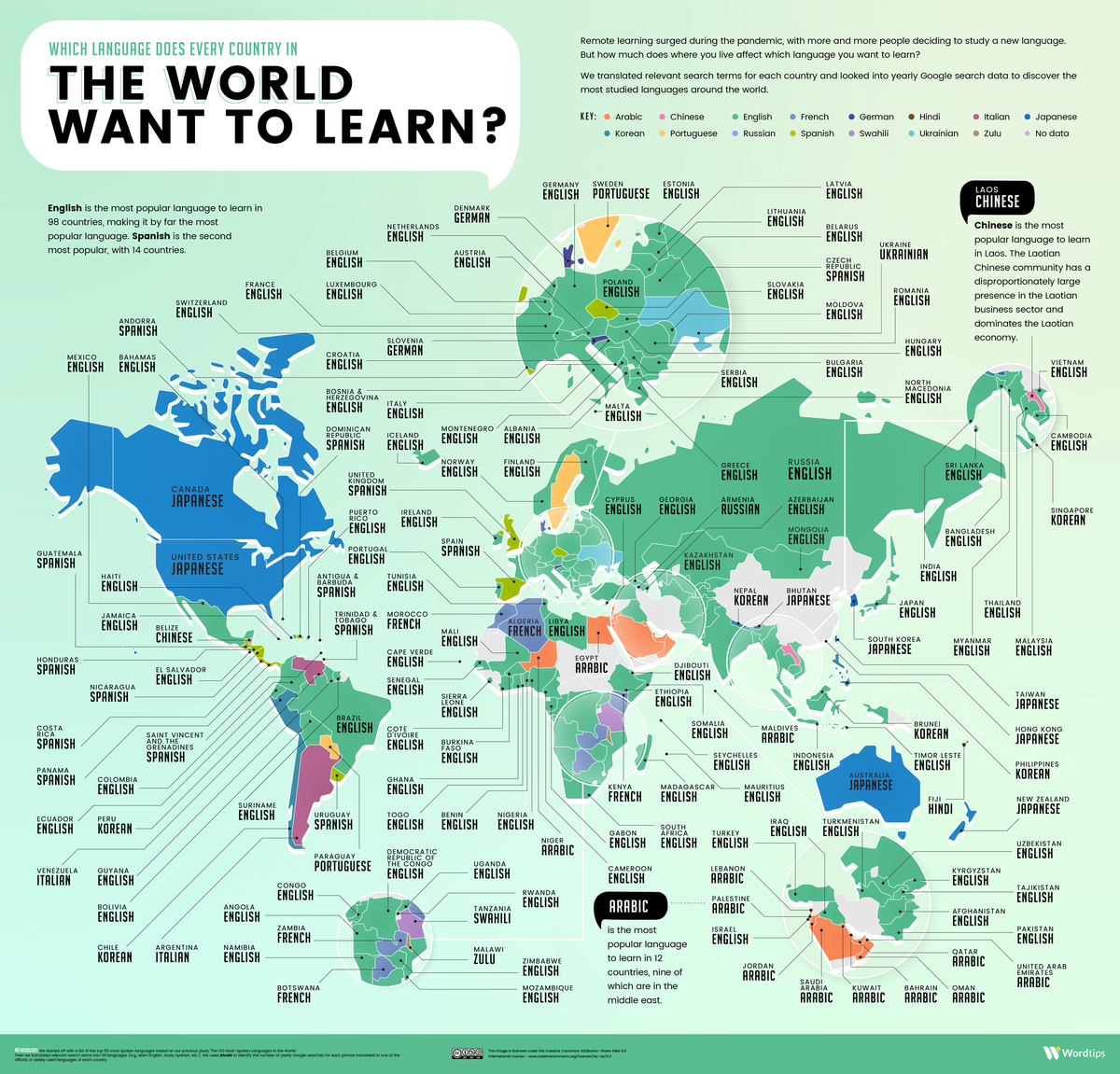
Education plays a crucial role in promoting and preserving different languages in Finland. The Finnish education system emphasizes multilingualism and provides support for students to learn multiple languages.
Language policies and initiatives in schools and universities include:
Language Policies in Schools
- Finnish and Swedish are the official languages of education in Finland, and all students are entitled to receive instruction in both languages.
- Students from language minority groups have the right to receive mother tongue instruction in their native language.
- Schools offer a variety of foreign language courses, including English, German, French, and Russian.
Language Policies in Universities
- Finnish and Swedish are the main languages of instruction at Finnish universities, but some programs are also offered in English.
- Universities offer a wide range of language courses, including courses in Finnish, Swedish, and other foreign languages.
- Universities also conduct research on language learning and teaching, and they contribute to the development of language policies and initiatives.
Language Contact and Influence
Finnish has been influenced by various languages throughout its history. These influences are evident in the language’s vocabulary, grammar, and cultural concepts.
One of the most significant influences on Finnish has been from the Germanic languages, particularly Swedish. Swedish has been spoken in Finland for centuries, and its influence is evident in the Finnish vocabulary. Many Finnish words are borrowed from Swedish, including words for everyday objects, abstract concepts, and technical terms.
Loanwords
- talo(house)
- koulu(school)
- pöytä(table)
- kirja(book)
- tietokone(computer)
In addition to loanwords, Finnish has also borrowed grammatical features from Swedish. For example, the Finnish definite article is borrowed from Swedish, and the use of the passive voice in Finnish is also influenced by Swedish.
Grammatical Features
- Definite article: -n
- Passive voice: -taan/-tään
Finnish has also been influenced by other languages, including Russian, Estonian, and Sami. These influences are evident in the vocabulary and cultural concepts of Finnish.
Cultural Concepts
- sauna(bathhouse)
- sisu(determination)
- talkoot(voluntary work)
The influence of different languages on Finnish is a testament to the language’s rich history and its contact with other cultures. These influences have shaped the Finnish language and made it the unique and vibrant language it is today.
Language Policy and Planning
Finland has a long history of language policy and planning, dating back to the 19th century. The goal of these policies has been to maintain linguistic diversity while promoting national unity. This has been a challenging task, given Finland’s multilingual population and the country’s history of political and social divisions.
One of the most important aspects of Finland’s language policy is the promotion of bilingualism. Finnish and Swedish are both official languages of Finland, and all citizens have the right to receive education and government services in either language. This policy has been successful in promoting linguistic diversity and ensuring that all citizens have equal access to public services.
Challenges of Language Policy
Despite the success of Finland’s language policy, there are still some challenges that need to be addressed. One challenge is the declining use of Swedish in Finland. While Swedish is still an official language, its use has been declining in recent decades.
This is due in part to the increasing number of immigrants who do not speak Swedish, as well as the growing dominance of English in international communication.
Another challenge is the need to promote linguistic diversity in the face of globalization. The increasing dominance of English in the global economy and culture poses a threat to linguistic diversity in Finland. The Finnish government is working to promote linguistic diversity by supporting minority languages and encouraging the use of Finnish in international communication.
Language in the Media
The Finnish media landscape is multilingual, reflecting the country’s diverse linguistic heritage and the influence of neighboring languages. Finnish and Swedish are the two official languages, and both are widely used in media. In addition, minority languages such as Sami and Romani are also present in the media to some extent.
Factors Shaping Language Choice
The choice of language in Finnish media is influenced by several factors, including the target audience, the topic being covered, and the media platform. Finnish is the dominant language in most media outlets, but Swedish is also used in some newspapers, television programs, and radio stations.
Minority languages are typically used in media outlets that are specifically targeted at those communities.
Impact of Media on Language Use
The media plays a significant role in shaping language use in Finland. The widespread use of Finnish in the media has contributed to the standardization of the language and the spread of its use throughout the country. Similarly, the use of Swedish in the media has helped to maintain the vitality of the Swedish-speaking minority in Finland.
Translation and Dubbing
Translation and dubbing are common practices in the Finnish media landscape. Foreign films and television programs are typically dubbed into Finnish or Swedish, and subtitles are often provided for programs in other languages. This has helped to make foreign media more accessible to Finnish audiences and has also contributed to the spread of Finnish and Swedish as international languages.
Language in Media for Social and Political Agendas
The use of language in media can also be used to promote social and political agendas. For example, some media outlets may use certain words or phrases to frame issues in a particular way or to influence public opinion. This can have a significant impact on how people think about and discuss certain issues.
Challenges and Opportunities for Multilingualism
The Finnish media landscape is becoming increasingly multilingual, reflecting the country’s growing diversity. This presents both challenges and opportunities for the media industry. On the one hand, it can be difficult to cater to the needs of all linguistic groups.
On the other hand, multilingualism can also be seen as an opportunity to reach a wider audience and to promote understanding between different cultures.
Explore the role of language in shaping Finnish identity and national consciousness

The Finnish language has played a central role in shaping Finnish identity and national consciousness. It is a symbol of national unity and pride, and has been used to promote Finnish culture and values. The Finnish language has also been used to challenge Finnish identity, and has been a source of tension between Finland and its neighbors.
Language and national unity
The Finnish language has been a unifying force for Finns. It has helped to create a sense of common identity and belonging among Finns, despite the country’s regional and cultural diversity. The Finnish language has also been used to promote Finnish culture and values.
For example, the Finnish national anthem, “Maamme,” is written in Finnish and celebrates the country’s natural beauty and history.
Language and national identity
The Finnish language has also been used to challenge Finnish identity. In the 19th century, some Finnish nationalists argued that Finland should be independent from Russia and that the Finnish language should be the official language of the country. This led to a period of tension between Finland and Russia, and ultimately to Finland’s independence in 1917.
Language and social integration
The Finnish language is also important for social integration in Finland. Immigrants to Finland are required to learn Finnish in order to become citizens. This helps to ensure that immigrants can participate fully in Finnish society and that they can feel a sense of belonging to the country.
Language and Literature

The Finnish language plays a significant role in Finnish literature, influencing its unique grammatical structure and vocabulary. The language’s distinct features, such as vowel harmony and extensive use of compound words, have shaped the development of Finnish literary forms.
Prominent Finnish Writers and Their Contributions
Prominent Finnish writers have made significant contributions to the development of the Finnish language and literature. These include:
- Elias Lönnrot: Known for compiling the national epic, Kalevala, which significantly influenced the development of the Finnish literary language.
- Aleksis Kivi: Credited with writing the first significant novel in Finnish, Seitsemän veljestä(Seven Brothers), which helped establish Finnish as a literary language.
- Eino Leino: A renowned poet and playwright known for his lyrical use of language and exploration of Finnish mythology.
- Mika Waltari: An internationally acclaimed novelist whose works, such as The Egyptian, have been translated into numerous languages.
- Tove Jansson: Known for her beloved children’s book series, Moomins, which have been translated into over 50 languages.
Key Characteristics of Finnish Language and Its Influence on Finnish Literature
The following table summarizes the key characteristics of the Finnish language and their influence on Finnish literature:
| Characteristic | Influence on Finnish Literature |
|---|---|
| Vowel Harmony | Creates a melodic and lyrical quality in Finnish writing. |
| Extensive Use of Compound Words | Allows for the creation of precise and nuanced descriptions. |
| Rich Morphology | Provides writers with a wide range of grammatical tools to express complex ideas. |
| Distinct Syntax | Influences the structure and flow of Finnish literary works. |
Role of Language in a Specific Finnish Literary Work
In Elias Lönnrot’s Kalevala, the use of language plays a crucial role in shaping the work’s meaning and impact:
- Vowel Harmony: Creates a sense of unity and cohesion throughout the epic.
- Compound Words: Allow for the precise description of mythical creatures and events.
- Parallelism: Emphasizes important themes and creates a rhythmic effect.
Timeline of Important Events in Finnish Language and Literature, What language does they speak in finland
The following timeline highlights important events in the history of Finnish language and literature:
- 1544: Mikael Agricola publishes the first book in Finnish, the Abckiria.
- 1835: Elias Lönnrot publishes the first edition of the Kalevala.
- 1870: Aleksis Kivi publishes Seitsemän veljestä, establishing Finnish as a literary language.
- 1906: The Finnish Language Act is passed, making Finnish an official language of Finland.
- 1945: Finland becomes a member of the United Nations, promoting Finnish language and literature internationally.
Language and Technology
Technology has had a significant impact on language use in Finland. The widespread adoption of the internet and mobile devices has led to a dramatic increase in the use of digital communication, which has in turn had a number of effects on language practices.
One of the most noticeable effects of technology on language use has been the rise of new forms of communication, such as texting, instant messaging, and social media. These new forms of communication have their own unique conventions and norms, which have influenced the way that people use language in other contexts.
Social Media and Online Platforms
Social media and online platforms have become increasingly important in Finnish society, and they have had a significant impact on the way that people use language. These platforms provide a space for people to connect with each other and share information, and they have also become a major source of news and entertainment.
- The use of social media has led to an increase in the use of informal language and slang.
- It has also led to the development of new words and phrases, such as “selfie” and “hashtag”.
- Social media has also made it easier for people to connect with others who share their interests, which has led to the formation of online communities that use their own unique language and jargon.
Digital Communication
Digital communication has also had a significant impact on language use in Finland. The use of email, instant messaging, and other forms of digital communication has led to a decrease in the use of formal language.
- Digital communication is often more informal and conversational than traditional forms of communication, such as letters or phone calls.
- This has led to a blurring of the lines between formal and informal language.
- Digital communication has also made it easier for people to communicate with each other across geographical and cultural boundaries, which has led to an increase in the use of international and non-native languages.
Language and Tourism
Language plays a pivotal role in Finnish tourism, facilitating communication between international visitors and Finnish service providers. Providing multilingual services enhances the tourist experience, fostering understanding and creating a welcoming atmosphere.
Challenges and Opportunities
The challenges associated with providing multilingual services include the need for skilled interpreters and translators, the cost of providing materials in multiple languages, and the potential for language barriers to hinder effective communication.
However, these challenges also present opportunities to improve the tourist experience. By investing in language training for tourism professionals, Finland can create a more inclusive and welcoming environment for international visitors.
Examples of Language Enhancement
- Multilingual signage and brochures at tourist attractions
- Audio guides in multiple languages
- Language-specific tours and activities
- Online translation services and mobile apps
Leveraging Technology
Technology can play a crucial role in improving language accessibility for tourists. Machine translation tools can provide real-time translation of signs, menus, and other materials. Augmented reality apps can overlay translated text onto real-world objects.
Training Tourism Professionals
To effectively communicate with international visitors, tourism professionals should be trained in language skills and cultural sensitivity. This includes learning basic phrases in common tourist languages, understanding cultural norms, and developing empathy for visitors from diverse backgrounds.
Language and Business: What Language Does They Speak In Finland
In Finland, language plays a vital role in business and commerce, shaping communication, negotiation, and overall economic interactions.
Proficiency in Finnish is essential for domestic business operations, enabling effective communication with customers, colleagues, and partners. Finnish is the official language of the country, and its use fosters a sense of cultural understanding and inclusivity.
International Trade and Economic Cooperation
For international trade and economic cooperation, proficiency in foreign languages, particularly English, is crucial. English serves as a global lingua franca, facilitating communication and understanding across borders.
Finnish businesses that engage in international trade often require employees with strong English skills to negotiate contracts, conduct presentations, and correspond with foreign partners. Proficiency in English enables Finnish companies to compete effectively in the global marketplace and foster economic growth.
Finnish is the official language of Finland, spoken by the majority of the population. However, other languages are also spoken in Finland, such as Swedish, which is an official minority language. In comparison, the official languages of Syria are Arabic and Kurdish.
What language do they speak in Syria ? Arabic is the most widely spoken language in Syria, followed by Kurdish. Other languages spoken in Syria include Armenian, Circassian, and Turkmen.
Language and Immigration
Immigration has had a significant impact on language use in Finland, leading to changes in language use patterns, the emergence of new linguistic communities, and the development of government policies and initiatives related to language integration. This report examines the impact of immigration on language use in Finland, including the challenges and opportunities associated with integrating new languages into Finnish society.
Changes in Language Use Patterns
Immigration has led to an increase in the number of languages spoken in Finland. In 2020, over 150 languages were spoken in Finland, up from just over 100 in 2000. The most common immigrant languages are Arabic, Somali, Russian, and English.
The use of immigrant languages has also increased in public spaces. For example, in Helsinki, the capital of Finland, it is common to hear Arabic, Somali, and Russian spoken in shops, restaurants, and on public transportation.
Emergence of New Linguistic Communities
Immigration has also led to the emergence of new linguistic communities in Finland. These communities are often based around shared language and culture. For example, there are Somali-speaking communities in Helsinki, Turku, and Tampere. These communities provide support and services to Somali immigrants, including language classes, cultural events, and social activities.
Government Policies and Initiatives Related to Language Integration
The Finnish government has implemented a number of policies and initiatives to promote language integration. These include:
- Language classes for immigrants
- Translation and interpretation services
- Support for bilingual education
- Public awareness campaigns about the importance of language integration
Speculate on the future of language use in Finland
The future of language use in Finland is likely to be shaped by a number of factors, including:
- Globalization:The increasing interconnectedness of the world is leading to greater contact between people from different language backgrounds. This is likely to result in increased language diversity in Finland, as well as increased pressure on the Finnish language to adapt to new global realities.
- Technology:The development of new technologies is also having a major impact on language use. The internet and social media are making it easier for people to communicate with each other across borders, and this is leading to the spread of new languages and the decline of others.
- Demographics:The demographic changes taking place in Finland are also likely to have an impact on language use. The aging population is leading to a decline in the number of native Finnish speakers, while the increasing number of immigrants is leading to a greater diversity of languages being spoken in the country.
These factors are likely to have a complex and multifaceted impact on language use in Finland. On the one hand, they are likely to lead to increased language diversity and the decline of the Finnish language. On the other hand, they may also lead to new opportunities for language learning and the development of new forms of multilingualism.
Potential trends and challenges related to language diversity, technology, and globalization
Some of the potential trends and challenges related to language diversity, technology, and globalization include:
- The decline of the Finnish language:The Finnish language is likely to face increasing pressure from other languages, particularly English. This is due to a number of factors, including the globalization of the economy, the increasing use of English in education and the media, and the immigration of non-native Finnish speakers.
- The rise of new languages:The increasing interconnectedness of the world is leading to the spread of new languages. This is particularly true in Finland, which is home to a large number of immigrants from different language backgrounds.
- The development of new forms of multilingualism:The increasing diversity of languages in Finland is leading to the development of new forms of multilingualism. This includes the use of multiple languages in everyday life, as well as the development of new ways of learning and teaching languages.
These trends and challenges are likely to have a significant impact on Finnish society. They will require new policies and initiatives to ensure that all citizens have access to the language skills they need to succeed in the 21st century.
Examples of how language use is evolving in Finland today
There are a number of examples of how language use is evolving in Finland today. These include:
- The increasing use of English in education:English is becoming increasingly common as a language of instruction in Finnish schools. This is due to the globalization of the economy and the increasing importance of English in international communication.
- The use of multiple languages in everyday life:It is becoming increasingly common for Finns to use multiple languages in their everyday lives. This is due to the increasing diversity of the Finnish population and the increasing interconnectedness of the world.
- The development of new forms of multilingualism:Finns are developing new ways of learning and teaching languages. This includes the use of online resources and the development of new language learning methods.
These examples show that language use in Finland is changing rapidly. These changes are likely to continue in the future, and they will have a significant impact on Finnish society.
Ways that Finland can prepare for the future of language use
There are a number of ways that Finland can prepare for the future of language use. These include:
- Investing in language education:Finland should invest in language education to ensure that all citizens have the language skills they need to succeed in the 21st century. This includes providing access to language learning opportunities for all ages and backgrounds.
- Promoting multilingualism:Finland should promote multilingualism as a way of celebrating the diversity of the Finnish population. This includes encouraging the use of multiple languages in everyday life and supporting the development of new forms of multilingualism.
- Developing new language policies:Finland should develop new language policies to address the challenges of language diversity and globalization. These policies should be based on the principles of equity, access, and inclusion.
By taking these steps, Finland can prepare for the future of language use and ensure that all citizens have the language skills they need to succeed in the 21st century.
Table summarizing the key trends and challenges facing language use in Finland
The following table summarizes the key trends and challenges facing language use in Finland:
| Trend or challenge | Potential impact | Possible mitigation strategies |
|---|---|---|
| Decline of the Finnish language | Loss of cultural heritage, decreased access to information and services for non-native speakers | Invest in Finnish language education, promote the use of Finnish in public life |
| Rise of new languages | Increased language diversity, challenges for communication and integration | Promote multilingualism, provide language learning opportunities for immigrants |
| Development of new forms of multilingualism | New opportunities for communication and learning, challenges for language policy and education | Support the development of new language learning methods, promote multilingualism in education and society |
| Globalization | Increased pressure on the Finnish language, increased need for language skills | Invest in language education, promote multilingualism, develop new language policies |
| Technology | New opportunities for language learning and communication, challenges for language policy and education | Develop new language learning technologies, promote the use of technology in language education |
| Demographics | Aging population, increasing number of immigrants | Provide language learning opportunities for the elderly, promote multilingualism in immigration policy |
Language and the Arts

Language plays a crucial role in shaping Finnish arts and culture, reflecting the country’s unique history, identity, and worldview. In theater, music, dance, and other artistic expressions, language serves as a powerful tool for conveying emotions, exploring social issues, and preserving cultural traditions.
Theater
Finnish theater has a rich tradition of using language to explore complex themes and characters. Playwrights like August Strindberg, Minna Canth, and Maria Jotuni have employed language to depict the struggles and aspirations of Finnish society. Contemporary Finnish theater continues to engage with language, using it to create immersive and thought-provoking experiences.
Music
Language is integral to Finnish music, from traditional folk songs to contemporary pop and rock. Lyrics often convey deeply personal and introspective themes, reflecting the Finnish emphasis on emotional expression. Singers like Tarja Turunen and Nightwish have gained international recognition for their use of Finnish lyrics, showcasing the language’s melodic and evocative qualities.
Dance
In Finnish dance, language manifests itself through movement and gesture. Choreographers draw inspiration from Finnish mythology and folklore, using language as a means to express cultural identity and explore universal themes. Contemporary Finnish dance companies like Tero Saarinen Company and Zodiak Dance Company experiment with language in innovative ways, blurring the boundaries between dance and theater.
Contemporary Finnish Literature
Contemporary Finnish literature is renowned for its exploration of language and identity. Authors like Sofi Oksanen, Kjell Westö, and Kari Hotakainen have used language to examine the complexities of Finnish history, society, and individual experience. Their works often grapple with the relationship between language, power, and the construction of national identity.
Finnish Mythology and Folklore
Finnish mythology and folklore have profoundly influenced the use of language in Finnish arts. Ancient myths and legends provide a rich source of imagery, symbolism, and language that artists draw upon to create works that resonate with Finnish audiences. The epic poem “Kalevala,” compiled by Elias Lönnrot, has had a particularly significant impact on Finnish art and culture, shaping the language and worldview of the Finnish people.
Multimedia Presentation
A multimedia presentation exploring the use of language in Finnish arts and culture could include:
- Excerpts from Finnish plays, films, and music
- Interviews with Finnish artists discussing their use of language
- Analysis of the relationship between language and identity in Finnish art
- Interactive exercises allowing participants to experience the power of Finnish language in different artistic contexts
Commonly Asked Questions
What are the official languages of Finland?
Finnish and Swedish are the two official languages of Finland.
What regional languages are spoken in Finland?
Sami and Karelian are the two main regional languages spoken in Finland.
What minority languages are spoken in Finland?
Romani, Russian, and Estonian are the three main minority languages spoken in Finland.
