What language is spoken in estonia – Estonia, a nation nestled on the shores of the Baltic Sea, boasts a rich linguistic heritage. The official language of Estonia is Estonian, a unique and fascinating language that has played a pivotal role in shaping the country’s culture and identity.
This comprehensive guide delves into the intriguing world of the Estonian language, exploring its historical evolution, grammatical intricacies, regional dialects, and its significance in Estonian society. We will also uncover the challenges and opportunities faced by the Estonian language in the modern era, examining its role in education, media, and the arts.
Estonian Language
Estonian, a Finno-Ugric language, is spoken by approximately 1.1 million people, primarily in Estonia. It is closely related to Finnish, Karelian, and Veps, and more distantly to Hungarian and the Sami languages.Estonian has a long and complex history, with influences from various languages and cultures.
The earliest known written records of Estonian date back to the 13th century, and the language has undergone significant changes over the centuries.
Unique Features of Estonian Grammar and Vocabulary
One of the most striking features of Estonian grammar is its agglutinative nature. This means that words are formed by adding suffixes to a root word, rather than using prepositions or articles. For example, the word “maja” means “house”, while “majas” means “in the house”.Estonian also has a very rich system of verb conjugation.
Verbs can be conjugated for person, number, tense, mood, and aspect. This can make Estonian grammar seem complex to learners, but it also allows for a great deal of precision and nuance in expression.In terms of vocabulary, Estonian has borrowed words from a variety of languages, including German, Swedish, Russian, and Finnish.
However, the core vocabulary of Estonian is Finno-Ugric in origin. This gives Estonian a unique flavor that sets it apart from other Indo-European languages.
Common Estonian Phrases and Their English Translations
Here are some common Estonian phrases and their English translations:* Tere
- Hello
- Aitäh
- Thank you
- Palun
- Please
- Vabandust
- Excuse me
- Mina ei oska eesti keelt
- I don’t speak Estonian
Regional Dialects
The Estonian language exhibits regional variations, resulting in distinct dialects spoken in different parts of the country. These dialects have developed over centuries due to geographical isolation, cultural influences, and historical events.
Geographical Distribution
Estonia is divided into two main dialect areas: Northern and Southern. The Northern dialect is spoken in the northern and western regions, including the islands of Saaremaa and Hiiumaa. The Southern dialect is spoken in the southern and eastern parts of the country.
| Dialect | Geographical Distribution |
|---|---|
| Northern | Northern and western regions, including Saaremaa and Hiiumaa |
| Southern | Southern and eastern parts of the country |
Linguistic Differences
The regional dialects of Estonian differ in several linguistic aspects, including phonology, morphology, syntax, and vocabulary.
Phonology
- Northern dialect: Characterized by diphthongs, such as /ei/ and /ou/, and the absence of the phoneme /õ/.
- Southern dialect: Has a wider range of vowels, including /õ/, and lacks diphthongs.
Morphology
- Northern dialect: Uses the genitive case ending “-e” instead of “-i” in the Southern dialect.
- Southern dialect: Has a distinct set of verb forms for the imperative mood.
Syntax
- Northern dialect: Uses the word order “subject-verb-object,” while the Southern dialect prefers “subject-object-verb.”
- Southern dialect: Employs a unique construction called the “double object” in certain grammatical structures.
Vocabulary
- Northern dialect: Has many words borrowed from Swedish and German.
- Southern dialect: Contains more loanwords from Russian and Latvian.
Social and Cultural Factors
The development and distribution of Estonian dialects have been influenced by social and cultural factors, such as:
- Geographical isolation: Dialects developed in areas with limited communication with other regions.
- Cultural influences: Contact with neighboring countries and languages has shaped the vocabulary and pronunciation of dialects.
- Historical events: Political and administrative changes have contributed to the spread and decline of certain dialects.
Examples
Here are some examples of texts in different Estonian dialects:
- Northern dialect: “Mina lähen poodi.” (I am going to the store.)
- Southern dialect: “Mina lähen poodi.” (I am going to the store.)
Language Education
The Estonian language education system is designed to ensure that all students have the opportunity to develop proficiency in Estonian as a first or second language. The system is based on the principle of immersion, with students being taught in Estonian from the earliest grades.
Estonian is taught as a first language to all students in Estonia, regardless of their ethnic background. Students begin learning Estonian in kindergarten and continue through secondary school. The Estonian language curriculum is designed to develop students’ proficiency in all four language skills: listening, speaking, reading, and writing.
The official language spoken in Estonia is Estonian, a Uralic language closely related to Finnish. Like many countries around the world, there are other languages spoken in Estonia too. In the same way, the Philippines has a number of languages spoken, with Filipino and English being the official languages.
However, in Estonia, Estonian is the predominant language, spoken by the majority of the population.
Methods Used to Teach Estonian
There are a variety of methods used to teach Estonian as a first and second language. Some of the most common methods include:
- The communicative approach, which focuses on developing students’ ability to communicate in real-life situations.
- The task-based approach, which involves students completing tasks that require them to use Estonian in a meaningful way.
- The content-based approach, which integrates Estonian language learning with other subject areas, such as history, geography, and science.
Estonian Language Proficiency
According to a 2020 study by the European Commission, 99% of Estonians aged 15 and over can speak Estonian. This is one of the highest rates of native language proficiency in the European Union.
The study also found that 63% of Estonians can speak English, 32% can speak Russian, and 18% can speak German. This indicates that Estonians are generally proficient in multiple languages.
Challenges Faced by Estonian Language Learners
There are a number of challenges that Estonian language learners may face. Some of the most common challenges include:
- The Estonian language is not closely related to any other major language, which can make it difficult for learners to find cognates or other familiar words.
- Estonian has a complex vowel system, which can be difficult for learners to master.
- Estonian grammar is relatively complex, with a number of irregular verbs and noun declensions.
Levels of Estonian Language Proficiency
The Estonian language proficiency scale is divided into six levels:
| Level | Skills |
|---|---|
| A1 | Can understand and use familiar everyday expressions and very basic phrases aimed at satisfying specific needs. Can introduce him/herself and others and can ask and answer questions about personal details such as where he/she lives, people he/she knows, and things he/she has. Can interact in a simple way provided the other person talks slowly and clearly and is prepared to help. |
| A2 | Can understand sentences and frequently used expressions related to areas of most immediate relevance (e.g. very basic personal and family information, shopping, local geography, employment). Can communicate in simple and routine tasks requiring a simple and direct exchange of information on familiar and routine matters. Can describe in simple terms aspects of his/her background, immediate environment and matters in areas of immediate need. |
| B1 | Can understand the main points of clear standard input on familiar matters regularly encountered in work, school, leisure, etc. Can deal with most situations likely to arise whilst travelling in an area where the language is spoken. Can produce simple connected text on topics that are familiar or of personal interest. Can describe experiences and events, dreams, hopes and ambitions and briefly give reasons and explanations for opinions and plans. |
| B2 | Can understand the main ideas of complex text on both concrete and abstract topics, including technical discussions in his/her field of specialization. Can interact with a degree of fluency and spontaneity that makes regular interaction with native speakers quite possible without strain for either party. Can produce clear, detailed text on a wide range of subjects and explain a viewpoint on a topical issue giving the advantages and disadvantages of various options. |
| C1 | Can understand a wide range of demanding, longer texts, and recognize implicit meaning. Can express him/herself fluently and spontaneously without much obvious searching for expressions. Can use language flexibly and effectively for social, academic and professional purposes. Can produce clear, well-structured, detailed text on complex subjects, showing controlled use of organizational patterns, connectors and cohesive devices. |
| C2 | Can understand with ease virtually everything heard or read. Can summarize information from different spoken and written sources, reconstructing arguments and accounts in a coherent presentation. Can express him/herself spontaneously, very fluently and precisely, differentiating finer shades of meaning even in the most complex situations. |
Resources for Learning Estonian
There are a number of resources available for learning Estonian as a foreign language. Some of the most popular resources include:
- Duolingo
- Babbel
- Lingvist
- Estonian Language School
- Tartu University
Language Policy: What Language Is Spoken In Estonia
The Estonian government’s language policy is designed to protect and promote the Estonian language. The policy has three main goals: to ensure that Estonian remains the official language of Estonia, to promote the use of Estonian in all spheres of public life, and to support the learning of Estonian by non-native speakers.
Estonian is the official language of Estonia and is used in all official communication, including government documents, laws, and court proceedings. Estonian is also the primary language of instruction in schools and universities. The government provides support for Estonian language learning through a variety of programs, including language classes for non-native speakers and financial assistance for students studying Estonian.
Impact on Other Languages
The Estonian government’s language policy has had a significant impact on the use of other languages in Estonia. Russian, which was once the lingua franca of Estonia, is now spoken by a much smaller percentage of the population. The use of English has also declined in recent years, although it is still widely used in business and academia.
The Estonian government’s language policy has been criticized by some for being too restrictive. However, the government maintains that the policy is necessary to protect the Estonian language and culture.
Minority Languages
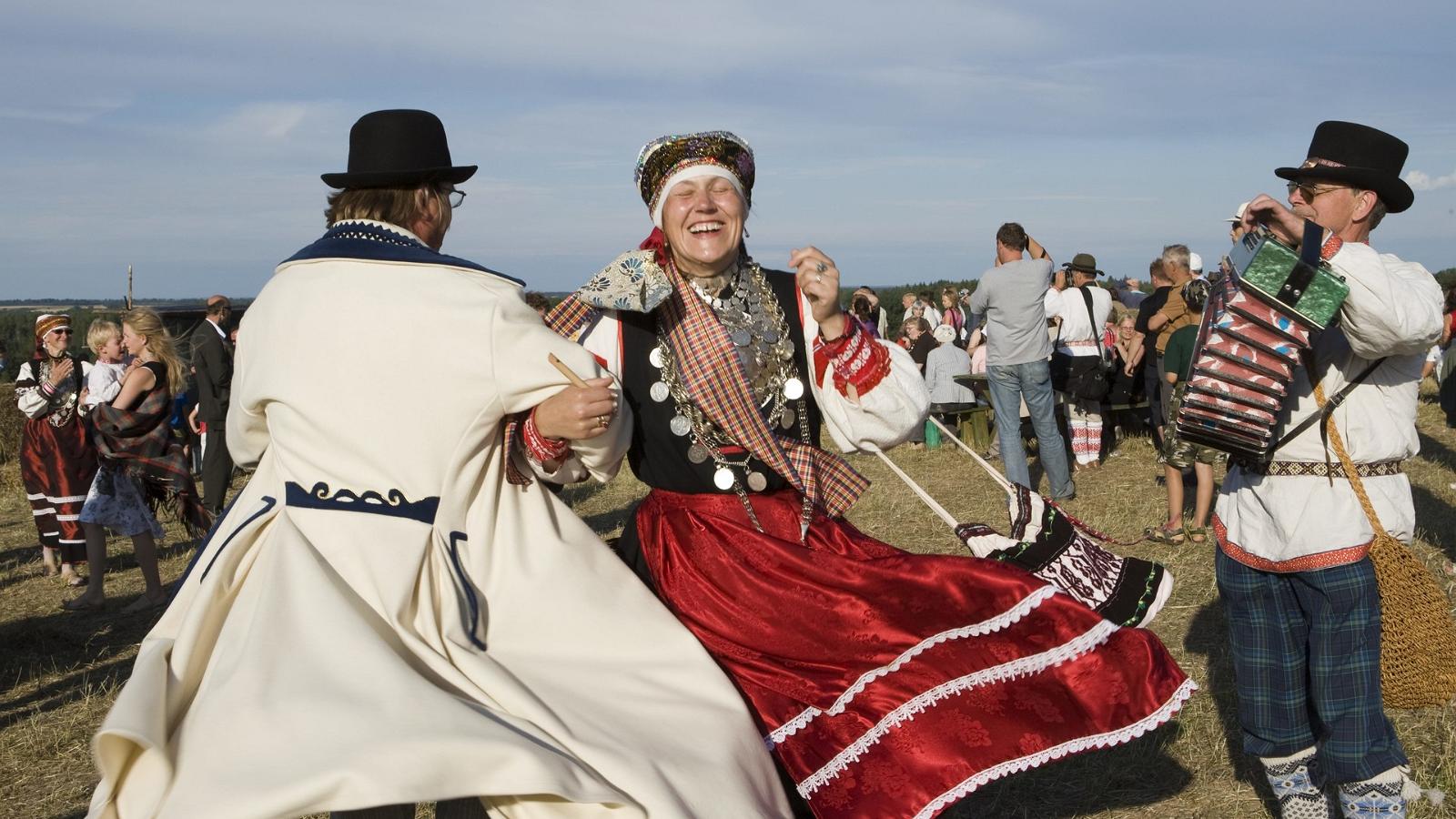
In addition to Estonian, several minority languages are spoken in Estonia. These languages include Russian, Ukrainian, Finnish, and Belarusian.
The Estonian government provides legal protections and support for minority languages. The Language Act of 2003 recognizes Russian as a regional language in areas where at least 50% of the population is Russian-speaking. This status grants Russian speakers the right to use their language in local government, education, and the media.
Educational opportunities
The Estonian government also provides funding for minority language education. There are over 100 minority language schools in Estonia, offering instruction in Russian, Ukrainian, Finnish, and Belarusian.
Media representation
There are several minority language media outlets in Estonia, including newspapers, radio stations, and television channels. These outlets provide news and information in minority languages, helping to keep minority language communities informed and connected.
Cultural events and festivals
The Estonian government supports minority language cultural events and festivals. These events provide opportunities for minority language communities to celebrate their culture and traditions.
Challenges faced by minority language communities in Estonia
Despite the legal protections and support provided by the Estonian government, minority language communities in Estonia still face some challenges.
Language discrimination
Some minority language speakers report experiencing discrimination in Estonia. This discrimination can take the form of verbal abuse, denial of services, or even physical violence.
Lack of resources
Minority language communities in Estonia often lack access to resources, such as books, movies, and other materials in their native language. This can make it difficult for minority language speakers to maintain their language skills.
Assimilation pressures
Minority language communities in Estonia are under pressure to assimilate into the Estonian-speaking majority. This pressure can come from schools, workplaces, and even family members.
Recommendations for strengthening the protection and support of minority languages in Estonia, What language is spoken in estonia
There are several things that can be done to strengthen the protection and support of minority languages in Estonia. These include:
- Increasing funding for minority language education
- Providing more resources for minority language communities
- Raising awareness of the importance of minority languages
- Encouraging minority language speakers to use their language in all aspects of their lives
By taking these steps, the Estonian government can help to ensure that minority languages continue to thrive in Estonia.
Language Contact and Influence
Estonian has been influenced by various languages throughout its history, including Finnic, Germanic, and Slavic languages. It has also influenced neighboring languages, such as Finnish, Latvian, and Russian.
One of the most significant influences on Estonian has been from Germanic languages, particularly Low German. This is due to the long period of German rule over Estonia from the 13th to the 19th centuries. As a result, Estonian has adopted many loanwords from Low German, such as aken(window), kapp(cupboard), and tool(chair).
Loanwords from Other Languages
- Kohv(coffee) – from German Kaffee
- Suhkur(sugar) – from German Zucker
- Piim(milk) – from Slavic *pilko
- Raamat(book) – from German Buch
- Kool(school) – from German Schule
Estonian has also influenced neighboring languages. For example, Finnish has adopted several loanwords from Estonian, such as saun(sauna) and talkoot(cooperative work party). Russian has also borrowed some words from Estonian, such as kopikas(a small coin) and räästa(a headland).
Language Technology
The development of Estonian language technology has been driven by a combination of government initiatives, research institutions, and private companies. The Estonian government has played a key role in supporting the development of Estonian language technology through funding research and development projects and promoting the use of Estonian-language software and tools in government agencies.
Research institutions, such as the University of Tartu and the Tallinn University of Technology, have also played a significant role in the development of Estonian language technology, conducting research on natural language processing, machine translation, and other areas of language technology.
Availability of Estonian-language Software, Tools, and Resources
There is a wide range of Estonian-language software, tools, and resources available, including operating systems, productivity tools, educational software, and games. The Estonian government has developed a number of Estonian-language software tools, including the eesti.ee portal, which provides access to a variety of government services online, and the e-Tax system, which allows taxpayers to file their taxes online.
There are also a number of Estonian-language productivity tools available, such as the office suite LibreOffice and the email client Thunderbird. In addition, there is a growing number of Estonian-language educational software available, such as the learning management system Moodle and the digital textbook platform Koolielu.
Challenges and Opportunities for Further Development
The development of Estonian language technology faces a number of challenges, including the small size of the Estonian-speaking population and the lack of funding for research and development. However, there are also a number of opportunities for further development, such as the use of artificial intelligence and machine learning to improve the quality and functionality of Estonian-language resources.
Recommendations for Further Development
To overcome the challenges and seize the opportunities for further development of Estonian language technology, a number of actions could be taken by government, research institutions, and private companies. The government could provide additional funding for research and development projects and promote the use of Estonian-language software and tools in government agencies.
Research institutions could focus on developing new and innovative Estonian-language resources, and private companies could develop commercial products and services that use Estonian language technology.
Cultural Significance
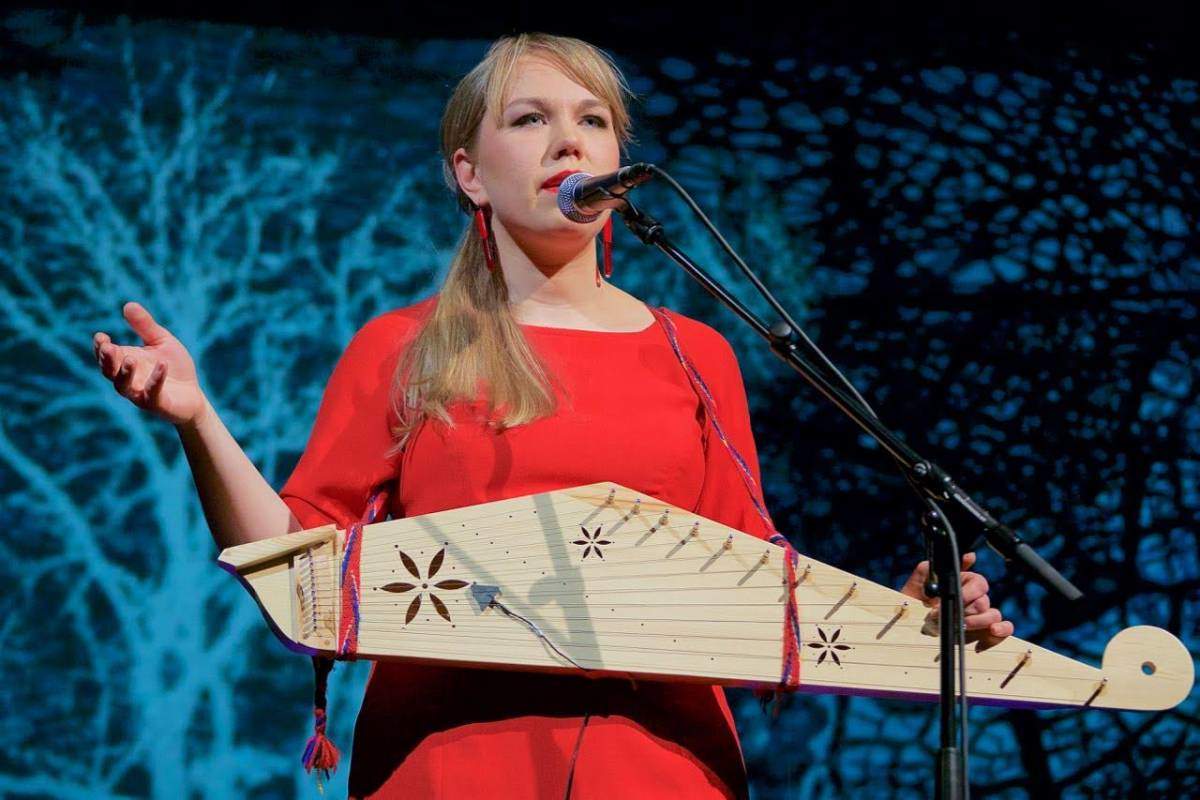
Estonian language plays a crucial role in shaping the cultural identity of Estonia and its people. It is the native language of the majority of Estonians and serves as a vital means of communication, cultural expression, and preservation of heritage.
Estonian is deeply embedded in Estonian literature, music, and other art forms. Many renowned Estonian writers, poets, and musicians have used the language to create works that reflect the country’s unique history, traditions, and perspectives.
Use in Literature
Estonian literature has a rich history dating back centuries. Notable authors such as Jaan Kross, A.H. Tammsaare, and Friedebert Tuglas have crafted masterpieces that explore Estonian identity, history, and social issues. These works have not only enriched Estonian culture but also gained international recognition.
Use in Music
Estonian music is renowned for its unique blend of traditional folk melodies and contemporary influences. Many Estonian composers, such as Arvo Pärt, Veljo Tormis, and Erkki-Sven Tüür, have achieved global acclaim for their innovative works. Estonian folk songs, known as “runo songs,” are an integral part of the country’s cultural heritage and continue to be performed and celebrated.
Importance of Preservation
Preserving the Estonian language is essential for safeguarding Estonia’s cultural heritage. The language embodies the country’s history, traditions, and values. By promoting the use of Estonian in education, media, and public life, the government and cultural institutions ensure that future generations can connect with their cultural roots and continue to develop the language’s rich legacy.
– Discuss the use of Estonian in online communication and social media, including specific examples of how it is used in different platforms and contexts.
Estonian is actively used in online communication and social media, reflecting the country’s high internet penetration rate and digital literacy. Estonians frequently use their native language in various online platforms and contexts.
Social Media
- Facebook:Estonian is the primary language used by Estonians on Facebook, with a significant number of Estonian-language groups and pages.
- Twitter:While English is more common on Twitter, Estonian is also used, particularly for discussions related to local news and events.
- Instagram:Estonian is widely used on Instagram, with many Estonians using the platform to share photos and videos in their native language.
Messaging and Chat Apps
- WhatsApp:Estonian is the dominant language used in WhatsApp groups and chats among Estonians.
- Telegram:Estonian-language channels and groups are popular on Telegram, covering various topics from news to entertainment.
- Discord:Estonian is used in Discord servers dedicated to Estonian communities, gaming, and other interests.
Online Forums and Discussion Boards
- Eesti Ekspress:The online forum of the Estonian newspaper Eesti Ekspress is a popular platform for discussions in Estonian.
- Delfi:The Delfi online forum is another major platform where Estonians engage in discussions using their native language.
- Reddit:While English is more common on Reddit, there is an active Estonian-language subreddit, r/Eesti, where Estonians discuss various topics.
– Explain the importance of Estonian language skills for tourists visiting Estonia.
Estonia is a beautiful country with a rich culture and history. While English is spoken in many tourist areas, learning a few basic Estonian phrases can greatly enhance your travel experience. It shows respect for the local culture, helps you connect with locals, and makes it easier to navigate and get around.
Tips and resources for travelers to learn basic Estonian phrases.
There are many ways to learn basic Estonian phrases. You can use language learning apps, take online courses, or hire a tutor. There are also many free resources available online, such as phrasebooks and dictionaries.
Language and Business
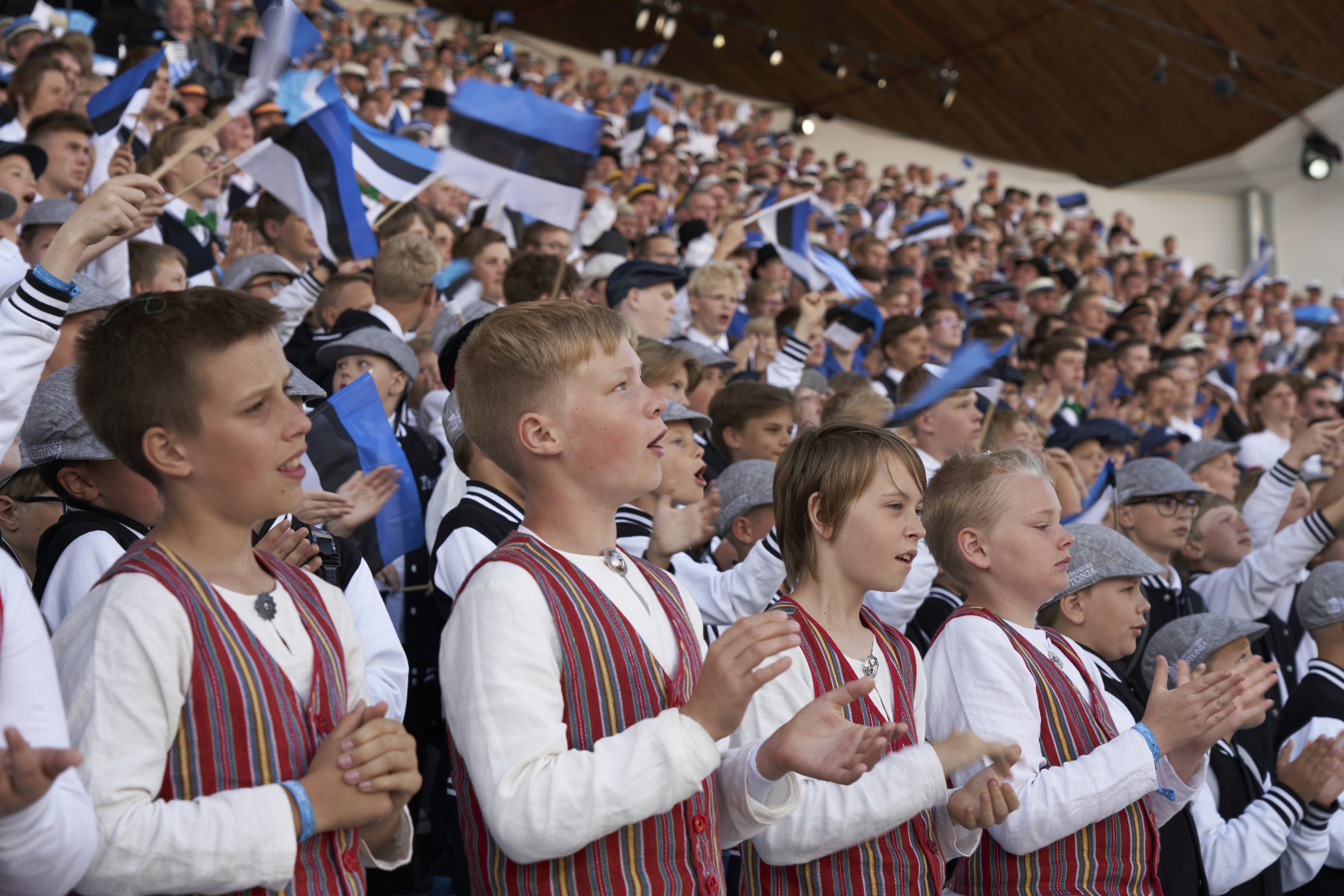
Estonian is an important language for international business and trade. As Estonia is a member of the European Union and the Eurozone, it is a key player in the European economy. Estonian language skills are essential for businesses that want to operate in Estonia or trade with Estonian companies.There are several reasons why Estonian language proficiency is important in business negotiations and communication.
First, it shows that you are serious about doing business in Estonia. Second, it helps you to build rapport with Estonian business partners. Third, it ensures that there is no misunderstanding in communication.
Tips for Communicating Effectively in Estonian
There are a few tips that businesses can follow to communicate effectively in Estonian:
- Learn some basic Estonian phrases.
- Hire an interpreter or translator if you do not speak Estonian.
- Be patient and respectful when communicating with Estonian business partners.
- Use clear and concise language.
- Avoid using slang or jargon.
Language and Education

Estonian is the medium of instruction in all levels of education in Estonia, from primary school to university. The Estonian language is mandatory in all schools, and it is the only language of instruction in public schools. Private schools may offer instruction in other languages, but Estonian must still be taught as a subject.The effectiveness of Estonian-language instruction varies depending on the subject.
In subjects such as literature and history, where the content is closely tied to Estonian culture, instruction in Estonian is generally more effective. In subjects such as mathematics and science, where the content is more universal, instruction in other languages may be equally effective.There are a number of challenges to improving Estonian language education.
One challenge is the lack of qualified Estonian language teachers. Another challenge is the increasing use of English in higher education and the workplace. This can lead to students neglecting their Estonian language skills.Despite these challenges, there are a number of opportunities for improving Estonian language education.
One opportunity is to develop new teaching methods that are more engaging and effective. Another opportunity is to increase the number of qualified Estonian language teachers. By a
Estonian is the official language of Estonia, spoken by around 900,000 people worldwide. It belongs to the Finnic branch of the Uralic languages, closely related to Finnish and Karelian. Unlike most Indo-European languages, Estonian uses a case system rather than prepositions to indicate grammatical relationships.
This feature is shared with other Uralic languages, as well as with some Altaic languages like Turkish. Whether HTML, which is used to create the structure of web pages, is considered a programming language is a separate question. Is HTML a programming language ?
While it lacks the computational power of languages like Java or Python, HTML is essential for creating the foundation of websites, enabling the display of text, images, and other elements.
ddressing these challenges and seizing these opportunities, Estonia can improve the quality of Estonian language education and ensure that future generations of Estonians are able to communicate effectively in their native language.
Primary and Secondary Education
Estonian is the sole medium of instruction in public primary and secondary schools in Estonia. All students must study Estonian language and literature as part of the core curriculum. The Estonian language curriculum is designed to develop students’ proficiency in all four language skills: listening, speaking, reading, and writing.The effectiveness of Estonian-language instruction in primary and secondary schools is generally high.
Students typically achieve a good level of proficiency in Estonian by the end of secondary school. This is due in part to the fact that Estonian is the language of everyday life in Estonia. Students are exposed to Estonian both in school and outside of school, which helps them to develop their language skills naturally.There are a number of challenges to improving Estonian language education in primary and secondary schools.
One challenge is the increasing use of English in higher education and the workplace. This can lead to students neglecting their Estonian language skills. Another challenge is the lack of qualified Estonian language teachers.Despite these challenges, there are a number of opportunities for improving Estonian language education in primary and secondary schools.
One opportunity is to develop new teaching methods that are more engaging and effective. Another opportunity is to increase the number of qualified Estonian language teachers.
Higher Education
Estonian is the primary medium of instruction in higher education in Estonia. However, English is also widely used, especially in international programs and courses. Students are required to demonstrate proficiency in Estonian in order to graduate from a higher education institution.The effectiveness of Estonian-language instruction in higher education varies depending on the subject.
In subjects such as literature and history, where the content is closely tied to Estonian culture, instruction in Estonian is generally more effective. In subjects such as mathematics and science, where the content is more universal, instruction in other languages may be equally effective.There are a number of challenges to improving Estonian language education in higher education.
One challenge is the increasing use of English in higher education and the workplace. This can lead to students neglecting their Estonian language skills. Another challenge is the lack of qualified Estonian language teachers.Despite these challenges, there are a number of opportunities for improving Estonian language education in higher education.
One opportunity is to develop new teaching methods that are more engaging and effective. Another opportunity is to increase the number of qualified Estonian language teachers.
Language and Media
The Estonian-language media landscape is diverse and vibrant, encompassing newspapers, magazines, radio, and television. These outlets play a crucial role in promoting Estonian language use and culture, fostering a sense of national identity and community.
Major publications and broadcasters include:
| Outlet | Type | Circulation/Audience | Ownership |
|---|---|---|---|
| Postimees | Newspaper | ~100,000 | Estonian Media Group |
| Õhtuleht | Newspaper | ~80,000 | Ekspress Group |
| Eesti Päevaleht | Newspaper | ~40,000 | Delfi Media |
| Eesti Rahvusringhääling (ERR) | Public broadcaster | ~90% of Estonians | Government-owned |
| Kanal 2 | Commercial broadcaster | ~40% of Estonians | TV3 Group |
| TV3 | Commercial broadcaster | ~30% of Estonians | All Media Baltics |
Role of Media in Promoting Estonian Language
Estonian-language media outlets have been instrumental in preserving and promoting the Estonian language. They provide a platform for Estonian-language content, ensuring its continued use and visibility. By featuring news, entertainment, and cultural programming in Estonian, these outlets contribute to the maintenance of the language’s vitality and relevance.
For example, ERR, the public broadcaster, has a mandate to promote Estonian language and culture. It offers a wide range of programming in Estonian, including news, documentaries, educational programs, and entertainment shows. ERR also plays a key role in preserving the Estonian language through its extensive archives of Estonian-language content.
Impact of Government Policies and Regulations
Government policies and regulations have also played a significant role in shaping the Estonian-language media landscape. The Estonian Language Act, passed in 1995, requires that all public communication in Estonia be conducted in Estonian. This has helped to ensure the continued use of Estonian in the media and other public spheres.
However, some critics argue that the Language Act has also had a negative impact on the media. They argue that the requirement to use Estonian in all public communication has limited the ability of media outlets to reach non-Estonian speakers, particularly in the Russian-speaking minority community.
Challenges and Opportunities in the Digital Age
The digital age has brought both challenges and opportunities for Estonian-language media. On the one hand, the rise of social media and online news platforms has created new opportunities for reaching and engaging audiences. On the other hand, these new platforms have also increased competition for attention and revenue.
To meet these challenges, Estonian-language media outlets are exploring innovative strategies to reach and engage audiences in the digital realm. For example, ERR has launched a streaming service offering Estonian-language content on demand. Other outlets are partnering with social media influencers to promote their content to new audiences.
Language and the Arts
Estonian language plays a vital role in shaping the nation’s artistic expression, particularly in literature, music, and theater. Its unique grammar and vocabulary offer a distinct lens through which Estonian artists interpret the world.
Literature
Estonian literature has a rich history, with roots in ancient folklore and mythology. Modern Estonian literature emerged in the 19th century and has produced notable authors such as Eduard Vilde, Anton Hansen Tammsaare, and Jaan Kross. Estonian literature often explores themes of national identity, history, and the human condition.
Language and Society

The Estonian language is deeply intertwined with Estonian society and culture. It plays a significant role in shaping national identity, fostering cultural heritage, and facilitating communication within the community. The social factors influencing Estonian language use and development include:
- Historical Events:Estonia’s history of occupation and foreign influence has shaped the development of the Estonian language. The language has undergone periods of suppression and revival, reflecting the country’s political and cultural landscape.
- Education:The Estonian education system places a strong emphasis on Estonian language proficiency. This ensures that younger generations acquire a high level of fluency and maintain the vitality of the language.
- Media and Arts:Estonian language is widely used in media, literature, and the arts. This exposure contributes to the language’s visibility and usage in various domains of public life.
- Cultural Identity:The Estonian language is a symbol of national identity and cultural heritage. It fosters a sense of belonging and unity among Estonians, connecting them to their history and traditions.
- Globalization:Globalization has brought both challenges and opportunities for the Estonian language. While it has increased exposure to other languages, it has also raised awareness of the importance of preserving and promoting Estonian.
The Estonian language plays a crucial role in shaping Estonian society and culture. It serves as a medium of communication, a repository of cultural heritage, and a symbol of national identity. The social factors discussed above continue to influence the use and development of the Estonian language, ensuring its vitality and significance in the context of globalization and cultural change.
Detailed FAQs
What is the official language of Estonia?
Estonian
What language family does Estonian belong to?
Uralic languages, Finno-Ugric branch
Are there any regional dialects of Estonian?
Yes, there are several regional dialects, each with its own unique characteristics.
What is the role of Estonian in Estonian society?
Estonian is the official language of Estonia and plays a vital role in education, government, media, and cultural expression.
