Embark on a linguistic adventure as we delve into the intriguing question of what language is closest to English. Join us as we unravel the intricate tapestry of language similarities, tracing historical connections and dissecting phonological patterns.
Our journey begins with an exploration of linguistic similarity, uncovering the factors that bind languages together. We’ll then venture into the annals of history, tracing the profound influence of Old English, Middle English, and French on the evolution of modern English.
Linguistic Similarity

Linguistic similarity refers to the degree to which two languages share common features, such as vocabulary, grammar, and pronunciation. It is often measured using various techniques, including lexical similarity (overlap in vocabulary), syntactic similarity (similarity in sentence structure), and phonological similarity (similarity in sound patterns).
Several factors contribute to linguistic similarity, including:
Shared Ancestry
Languages that share a common ancestral language tend to exhibit greater similarity. For example, English, German, and Dutch are all Germanic languages that share a common ancestor, resulting in significant lexical and grammatical similarities.
Geographical Proximity
Languages spoken in close geographical proximity often influence each other, leading to the adoption of similar words, phrases, and grammatical structures. For instance, Spanish and Portuguese, spoken in neighboring countries, share many lexical and grammatical features.
The closest language to English is Frisian, a language spoken in the Netherlands. It shares a lot of vocabulary and grammar with English, making it relatively easy for English speakers to learn. If you’re looking for an easy language to learn, Frisian is a great option.
For more information on the easiest languages to learn, check out this article: What’s the easiest language to learn . Frisian is a fascinating language with a rich history, and it’s definitely worth checking out if you’re interested in learning a new language.
Cultural Exchange
Cultural exchange, such as trade, travel, and colonization, can facilitate the transfer of linguistic features between languages. For example, English has borrowed numerous words from French, reflecting the historical influence of French on English.
Examples of Languages Highly Similar to English, What language is closest to english
- Frisian (spoken in the Netherlands)
- Yiddish (spoken by Ashkenazi Jews)
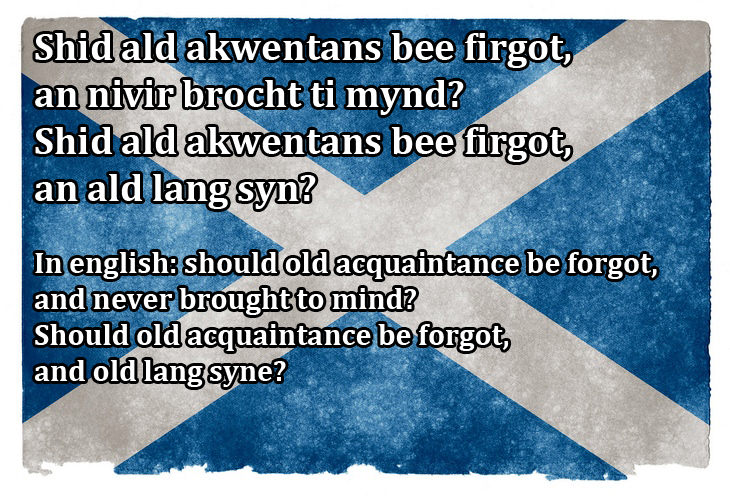
- Scots (spoken in Scotland)
- Afrikaans (spoken in South Africa)
- Norwegian
Historical Connections
English has a rich and diverse history, with influences from many different languages. The most significant of these influences are Old English, Middle English, and French.
Old English is the language spoken in England from the 5th to the 11th centuries. It was a Germanic language, closely related to Frisian, Dutch, and German. Old English was heavily influenced by Latin, due to the Roman occupation of Britain.
Middle English is the language spoken in England from the 11th to the 15th centuries. It was a transitional period between Old English and Modern English, and was heavily influenced by French, due to the Norman conquest of England in 1066.
French has had a significant impact on English vocabulary and grammar. Many English words are derived from French, including words related to government, law, and fashion. French has also influenced English grammar, particularly in the use of prepositions and articles.
Specific Languages that have Influenced English
- Latin:Latin has had a significant impact on English vocabulary, particularly in the areas of law, science, and medicine.
- Greek:Greek has also influenced English vocabulary, particularly in the areas of philosophy, science, and religion.
- Celtic languages:The Celtic languages have influenced English vocabulary, particularly in the areas of place names and personal names.
- Norse languages:The Norse languages have influenced English vocabulary, particularly in the areas of seafaring and warfare.
Phonological Similarities: What Language Is Closest To English
Phonological similarities between languages can impact intelligibility and language learning. Comparing sound systems, including vowel and consonant inventories, stress patterns, and intonation, provides insights into these connections.
Among the languages spoken worldwide, English stands out as a prominent one. Its influence has spread far and wide, and its closest relative is Frisian, a language spoken in the Netherlands. However, when it comes to Taiwan, the linguistic landscape is different.
Mandarin Chinese is the official language, and the majority of the population speaks it. If you’re curious to know more about the language spoken in Taiwan, you can check out this informative article: What Language is Spoken in Taiwan . Mandarin Chinese is a tonal language with a rich history and a vast number of speakers.
Understanding its nuances can open up a whole new world of communication and cultural exchange.
For instance, English shares many phonological features with Germanic languages like Dutch and German, making them relatively intelligible to English speakers. However, tonal languages like Mandarin Chinese pose greater challenges due to their distinct intonation patterns.
Vowel and Consonant Inventories
The number and types of vowels and consonants in a language can affect intelligibility. English has a relatively large vowel inventory, including both short and long vowels, which can be challenging for speakers of languages with fewer vowels.
Similarly, the presence or absence of certain consonants, such as the “th” sound in English, can create difficulties for learners whose native languages lack those sounds.
Stress Patterns
Stress patterns, or the emphasis placed on certain syllables in a word, can also impact intelligibility. English has a variable stress pattern, meaning the stressed syllable can change depending on the word, while languages like French have a fixed stress pattern, placing emphasis on the final syllable.
Differences in stress patterns can lead to mispronunciations and misunderstandings, especially in words with multiple syllables.
Intonation
Intonation, or the rise and fall of pitch in speech, conveys meaning and emotions. English has a relatively flat intonation pattern compared to languages like Spanish or Mandarin Chinese, which use intonation more expressively.
Misinterpretations can occur when speakers of languages with different intonation patterns fail to recognize the intended meaning.
Syntactic Structures

Syntactic structures refer to the rules and patterns that govern how words are arranged in a sentence to convey meaning. Different languages have varying syntactic structures, influencing the order of words, sentence construction, and grammatical elements.
English follows a subject-verb-object (SVO) word order, where the subject precedes the verb, followed by the object. For instance, “The boy kicks the ball.” This SVO structure is common in many Indo-European languages.
Verb Placement
Verb placement is crucial in English syntax. Verbs typically occupy the second position in a sentence, with the subject coming first. This rule applies to both simple and complex sentences.
For example:
- Simple sentence: “The dog barks.” (Subject: The dog, Verb: barks)
- Complex sentence: “When the bell rings, the students leave.” (Subject: The students, Verb: leave)
Lexical Overlap

Lexical overlap refers to the extent to which two languages share similar words. This overlap can be attributed to several factors, including cognates, borrowed words, and international vocabulary.
Cognates are words that share a common origin in an ancestral language. For instance, the English word “father” and the Spanish word “padre” are cognates, both derived from the Latin word “pater”.
Borrowed Words
Borrowed words are words that have been adopted from another language. English has borrowed words from many languages, including French, Latin, and Greek. For example, the word “bureau” is borrowed from French, and the word “computer” is borrowed from Latin.
International Vocabulary
International vocabulary refers to words that are used across multiple languages. These words are often related to science, technology, and other specialized fields. For instance, the word “internet” is an international vocabulary that is used in many languages.
Lexical overlap can significantly impact communication and language comprehension. It allows speakers of different languages to communicate more effectively and understand each other’s speech more easily.
Essential FAQs
Which language shares the most vocabulary with English?
French, with an estimated 29% of English words having French origins.
What language has the most similar grammar to English?
Dutch, due to its shared Germanic roots and similar word order patterns.
Is there a language that is easier for English speakers to learn?
Generally, languages within the Germanic language family, such as Dutch, Swedish, or Norwegian, are considered easier for English speakers to learn due to their shared vocabulary and grammatical structures.
