What language they speak in hong kong – Hong Kong, a vibrant metropolis where East meets West, is a linguistic melting pot where Cantonese, Mandarin, and English coexist and interact in fascinating ways. This article delves into the complex tapestry of languages spoken in Hong Kong, examining their historical roots, cultural significance, and the dynamic interplay between them.
From the bustling streets of Kowloon to the serene landscapes of the New Territories, language plays a pivotal role in shaping the identity, communication, and social fabric of Hong Kong. Join us as we embark on a journey to uncover the intricate world of languages spoken in this unique and captivating city.
Language Prevalence in Hong Kong
Hong Kong is a vibrant and diverse city where multiple languages coexist. The primary languages spoken in Hong Kong are Cantonese, Mandarin, and English. Cantonese, a Yue dialect, is the native language of the majority of Hong Kong’s population and is widely used in everyday communication, media, and business.
Mandarin, the official language of China, has gained increasing prominence in Hong Kong in recent years due to the city’s close economic and political ties with mainland China. English, a legacy of British colonial rule, remains an important language in Hong Kong and is widely used in government, education, and international business.
Cantonese
- Native language of the majority of Hong Kong’s population
- Widely used in everyday communication, media, and business
- Part of the Yue dialect group, spoken in southern China and Hong Kong
Mandarin
- Official language of China
- Gained prominence in Hong Kong due to close economic and political ties with mainland China
- Increasingly used in education, government, and business
English
- Legacy of British colonial rule
- Important language in government, education, and international business
- Widely used in tourism, hospitality, and other sectors catering to international visitors
Cantonese in Hong Kong
/what-is-the-difference-between-mandarin-and-cantonese-1535880.jpg-v4-5b3b849846e0fb003e8f2276.png "Cantonese asianinspirations asian")
Cantonese is the predominant language spoken in Hong Kong, with over 90% of the population speaking it as their native tongue. Its history and origins in Hong Kong are closely tied to the city’s unique cultural and linguistic landscape.
Origins and History
The roots of Cantonese in Hong Kong can be traced back to the mass immigration of Cantonese-speaking people from Guangdong Province in Southern China during the 19th century. As Hong Kong became a major trading hub, Cantonese became the lingua franca for commerce and communication among the diverse population.
Distinctive Features
Cantonese in Hong Kong has developed distinctive features that set it apart from other varieties of Cantonese. These include:
- Pronunciation:Cantonese in Hong Kong is known for its distinctive tones and vowel sounds. For example, the word “fan” (飯) has six different pronunciations depending on the tone used.
- Grammar:Hong Kong Cantonese has some unique grammatical structures, such as the use of the particle “ga” (㗎) to indicate emphasis or contrast.
- Vocabulary:Hong Kong Cantonese has adopted many loanwords from English and other languages, such as “gaai” (街) for “street” and “bing” (兵) for “soldier”.
Cultural Significance
Cantonese plays a vital role in Hong Kong society and culture. It is the primary language used in everyday life, including in business, education, and the media.
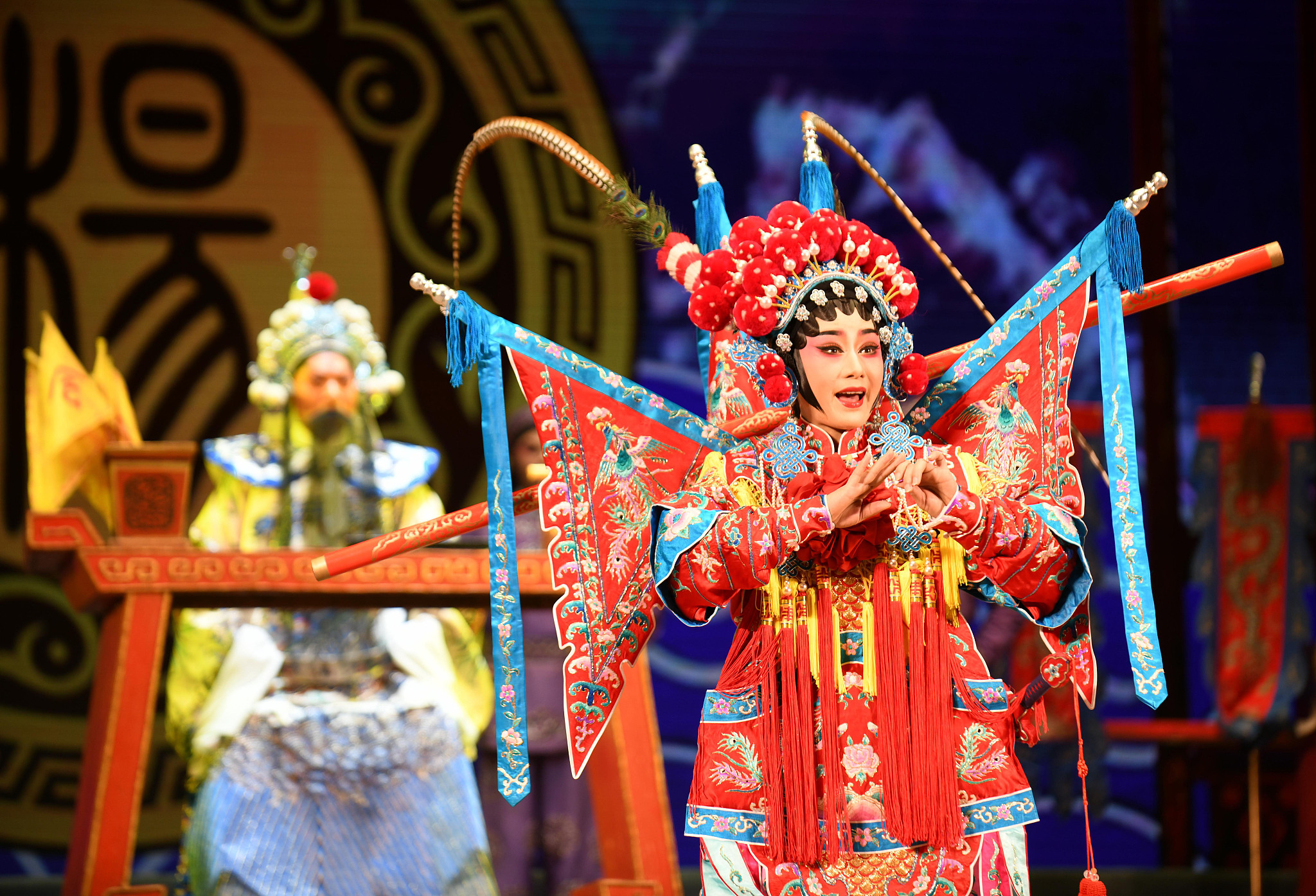
Cantonese is also closely associated with Hong Kong’s cultural identity. It is used in traditional Cantonese opera, popular music, and films, and is an integral part of the city’s vibrant cultural scene.
Current Status and Future Prospects
Cantonese remains the dominant language in Hong Kong, but it is facing some challenges. The rise of Mandarin as the official language of China and the increasing globalization of Hong Kong have led to some concerns about the future of Cantonese.
However, there are also efforts to preserve and promote Cantonese in Hong Kong. The government has implemented policies to support Cantonese education and cultural activities, and many Cantonese-speaking organizations are working to keep the language alive.
Personal Experiences with Cantonese in Hong Kong
As a native Cantonese speaker who grew up in Hong Kong, Cantonese has played a profound role in shaping my cultural identity and interactions with others.
Cantonese is the most widely spoken language in Hong Kong, followed by English. However, there are also a number of other languages spoken in the city, including Mandarin, Hakka, and Shanghainese. Similarly, in Jordan, Arabic is the official language, but English is also widely spoken, especially in the business community.
To learn more about the languages spoken in Jordan, you can refer to this comprehensive article: What language is spoken in Jordan. Returning to Hong Kong, the city’s diverse linguistic landscape reflects its unique history and cultural heritage.
Cantonese has allowed me to connect with my family, friends, and community. It has also given me a sense of belonging and pride in my city’s unique cultural heritage.
Mandarin in Hong Kong
The use of Mandarin in Hong Kong has grown significantly in recent decades. This growth can be attributed to a number of factors, including the increasing number of Mandarin speakers in Hong Kong, the promotion of Mandarin by the government, and the increasing economic ties between Hong Kong and mainland China.
Historical Development of Mandarin in Hong Kong
The history of Mandarin in Hong Kong can be traced back to the early 20th century. At that time, Mandarin was the official language of the Qing dynasty, which ruled over China from 1644 to 1912. As a result, Mandarin was taught in schools in Hong Kong, and it was used in government and business.
After the fall of the Qing dynasty, Mandarin continued to be used in Hong Kong, but its use declined somewhat. This was due in part to the rise of Cantonese as the dominant language in Hong Kong. Cantonese is a dialect of Chinese that is spoken by the majority of people in Hong Kong.
In the 1990s, the use of Mandarin in Hong Kong began to increase again. This was due in part to the increasing number of Mandarin speakers in Hong Kong. Many of these Mandarin speakers were immigrants from mainland China who came to Hong Kong to work or study.
The government of Hong Kong has also played a role in promoting the use of Mandarin. In 1997, the government introduced a policy of “bilingualism and trilingualism” in schools. This policy requires schools to teach both Cantonese and Mandarin, and it also encourages students to learn a third language, such as English.
The increasing use of Mandarin in Hong Kong has had a number of benefits. It has helped to improve communication between Hong Kong and mainland China. It has also made it easier for Mandarin speakers to live and work in Hong Kong.
Challenges and Opportunities
The increasing use of Mandarin in Hong Kong has also presented a number of challenges. One challenge is that it can be difficult for Cantonese speakers to learn Mandarin. This is because Mandarin is a tonal language, and Cantonese is not.
As a result, Cantonese speakers may have difficulty distinguishing between different Mandarin tones.
Another challenge is that the increasing use of Mandarin can lead to social division. Some Cantonese speakers feel that Mandarin is being imposed on them, and they resent the government’s promotion of Mandarin.
Despite these challenges, the increasing use of Mandarin in Hong Kong is likely to continue. This is due to the increasing economic ties between Hong Kong and mainland China. As these ties continue to grow, the demand for Mandarin speakers in Hong Kong will continue to increase.
Conclusion
The use of Mandarin in Hong Kong has grown significantly in recent decades. This growth is likely to continue as the economic ties between Hong Kong and mainland China continue to grow.
English in Hong Kong

English is one of the three official languages of Hong Kong, along with Cantonese and Mandarin. It has been widely used in Hong Kong for over 150 years, and it continues to play an important role in the city’s economy, education, and international communication.
The historical and economic factors that have led to the widespread use of English in Hong Kong include:
Historical factors
- British colonization:Hong Kong was a British colony from 1842 to 1997. During this time, English was the official language of the government and the medium of instruction in schools.
- The Opium Wars:The Opium Wars (1839-1842) were fought between China and Great Britain over the British trade of opium in China. The British victory in the wars led to the signing of the Treaty of Nanking, which ceded Hong Kong to Britain.
- The Treaty of Nanking:The Treaty of Nanking (1842) gave Britain control over Hong Kong. The treaty also allowed British merchants and missionaries to live and work in Hong Kong.
- The influx of British merchants and missionaries:After the signing of the Treaty of Nanking, many British merchants and missionaries came to Hong Kong. They brought with them their language and culture, which had a significant impact on Hong Kong’s development.
Economic factors
- Hong Kong’s role as a trading hub:Hong Kong is a major trading hub in Asia. English is the language of international business, so it is essential for Hong Kong’s businesses to be able to communicate with their customers and partners around the world.
- The need for a common language for international business:English is the most widely spoken language in the world, so it is the most practical choice for a common language for international business.
- The growth of the tourism industry:Hong Kong is a popular tourist destination. English is the language of tourism, so it is important for Hong Kong’s tourism industry to be able to communicate with visitors from all over the world.
Language Policy in Hong Kong
:max_bytes(150000):strip_icc()/about-canotonese-cuisuine-694173_final4-324561f45fe94a3f9f9c7a00e941b0d1.jpg "Mandarin cantonese spoken tripsavvy mandarijn gesproken taal bedanya bahasa kanton chinees hvad forskellen mellem")
Hong Kong’s language policy has a complex history, shaped by the territory’s unique political and social context. The government’s official language policy is bilingual, with both Chinese and English recognized as official languages. However, Cantonese is the dominant spoken language in Hong Kong, with over 90% of the population speaking it as their first language.
Mandarin, the standard variety of Chinese, is also widely spoken, particularly in the education system and in government and business settings.
Education
The government’s language policy has significant implications for education in Hong Kong. In primary and secondary schools, the medium of instruction is primarily Cantonese, with English as a compulsory subject. However, there are also a number of English-medium schools, which are particularly popular among expatriate and affluent families.
At the tertiary level, most universities offer courses in both Cantonese and English.
Public Services
In the public sector, both Chinese and English are used as official languages. However, there is a preference for Cantonese in most government departments and agencies. This can create challenges for non-Cantonese speakers, who may have difficulty accessing public services or communicating with government officials.
Media
In the media, both Chinese and English are widely used. There are a number of Chinese-language newspapers and television channels, as well as a number of English-language newspapers and television channels. However, there is a growing trend towards the use of Cantonese in the media, particularly in popular culture.
Ongoing Debates and Controversies
Hong Kong’s language policy is a subject of ongoing debate and controversy. Some argue that the government should adopt a more proactive approach to promoting Cantonese, while others argue that English should be the sole official language. There are also concerns about the impact of language policy on linguistic diversity and social cohesion in Hong Kong.
Timeline of Key Events and Milestones
- 1842: Hong Kong is ceded to the British Empire.
- 1883: English is established as the sole official language of Hong Kong.
- 1974: Cantonese is recognized as an official language of Hong Kong.
- 1997: Hong Kong is returned to China.
- 2000: The government adopts a bilingual language policy, with both Chinese and English as official languages.
Table of Arguments for and Against Different Language Policies
| Argument | For | Against |
|---|---|---|
| Cantonese should be the sole official language of Hong Kong. | – Cantonese is the native language of the majority of Hong Kong people.
| – English is an international language that would give Hong Kong a competitive advantage.
|
| English should be the sole official language of Hong Kong. | – English is an international language that would give Hong Kong a competitive advantage.
| – Cantonese is the native language of the majority of Hong Kong people.
|
| Hong Kong should maintain its bilingual language policy. | – A bilingual language policy allows Hong Kong to maintain its unique cultural identity while also benefiting from the advantages of English.
| – A bilingual language policy can be confusing and inefficient.
|
Quotes from Experts and Stakeholders
“Hong Kong’s bilingual language policy is a unique and valuable asset. It allows Hong Kong to maintain its cultural identity while also benefiting from the advantages of English.”
Professor Stephen Matthews, University of Hong Kong
“The government should adopt a more proactive approach to promoting Cantonese. Cantonese is the native language of the majority of Hong Kong people, and it is an important part of our cultural identity.”Mr. Tsang Yok-sing, President of the Hong Kong Chinese Language Union
“English is an international language that would give Hong Kong a competitive advantage. The government should adopt English as the sole official language of Hong Kong.”Mr. Edward Leung, Chairman of the Hong Kong English Schools Foundation
Recommendations for Improving Language Policy in Hong Kong
There are a number of ways to improve language policy in Hong Kong. These include:
- Increasing funding for Cantonese language education.
- Developing more English-language resources for non-Cantonese speakers.
- Promoting the use of Cantonese in the media and public sphere.
- Encouraging dialogue and cooperation between different linguistic communities.
Language Learning in Hong Kong
Hong Kong offers a wide range of language learning opportunities for individuals looking to improve their proficiency in Cantonese, Mandarin, or English. Language schools, university programs, private tutors, online courses, and language exchange groups are all available.
Motivations and Challenges
There are several motivations for learning a new language in Hong Kong. Career advancement is a primary driver, as proficiency in Cantonese, Mandarin, and English can enhance job prospects in various industries. Social integration is another motivation, as learning the local languages can facilitate communication and foster relationships with the local community.
Cultural immersion is also a factor, as language learning provides a deeper understanding of Hong Kong’s diverse cultural heritage.
However, there are also challenges associated with learning Cantonese, Mandarin, and English in Hong Kong. The tonal nature of Cantonese can be particularly difficult for non-native speakers to master. Mandarin, while less commonly spoken in Hong Kong outside of formal settings, is still an important language for business and communication with mainland China.
English proficiency in Hong Kong can vary widely, with native speakers often having a significant advantage over non-native speakers.
Effectiveness of Language Learning Methods
The effectiveness of different language learning methods and resources varies depending on individual learning styles and preferences. Traditional classroom instruction provides a structured approach with regular feedback from a teacher. Immersive language learning, such as living in a host country or participating in language exchange programs, offers a more authentic and natural learning experience.
Technology-assisted language learning, including language learning apps and software, provides convenience and flexibility.
Method/Resource Effectiveness Pros Cons Traditional Classroom Structured and supportive Regular feedback, peer interaction Less flexibility, can be less engaging Immersive Language Learning Authentic and natural Rapid progress, cultural immersion Can be challenging, requires relocation Technology-Assisted Language Learning Convenient and flexible Personalized learning, interactive exercises Limited feedback, can be isolating Language and Culture in Hong Kong
Language and culture are intricately intertwined in Hong Kong, with each influencing and reflecting the other. The unique linguistic landscape of Hong Kong, featuring a blend of Cantonese, Mandarin, and English, has played a significant role in shaping the city’s cultural identity and traditions.
Language as a Reflection of Hong Kong’s Cultural Identity
Cantonese, the native language of most Hong Kongers, is deeply embedded in the city’s culture. It reflects the Cantonese heritage of the majority population and serves as a symbol of local identity. Cantonese is used in everyday communication, media, and entertainment, showcasing the city’s distinct cultural traditions and values.
Language as a Preserver and Transmitter of Cultural Traditions
Language plays a crucial role in preserving and transmitting Hong Kong’s cultural traditions. Cantonese opera, a UNESCO-recognized intangible cultural heritage, is performed and enjoyed primarily in Cantonese. Traditional festivals and customs are often celebrated with specific Cantonese phrases and rituals, ensuring their continuity across generations.
Language as a Bridge between Cultures
Hong Kong’s multilingual environment has fostered a unique cultural landscape where different languages coexist and interact. Mandarin, the official language of China, is increasingly prevalent in Hong Kong due to increased economic and cultural ties with the mainland. English, a legacy of British colonialism, continues to be widely used in business, education, and international communication.
This linguistic diversity has created a vibrant cultural melting pot where different languages and cultures blend and influence each other. It has fostered a sense of cultural openness and tolerance, allowing Hong Kong to embrace and celebrate its unique identity while remaining connected to the broader Chinese and global communities.
Language and Identity in Hong Kong
Language plays a crucial role in shaping individual and collective identities in Hong Kong. The city’s unique linguistic landscape, influenced by its colonial past and close proximity to Mainland China, has resulted in a complex relationship between language and identity.
Cantonese, the native language of Hong Kong, is a source of pride and belonging for many Hongkongers. It is seen as a symbol of their distinct cultural identity and a way to connect with their heritage. The use of Cantonese in everyday life, media, and education reinforces a sense of local identity and distinguishes Hongkongers from mainland Chinese.
Mandarin and National Identity
In recent years, the increasing use of Mandarin, the official language of China, has sparked debates about national identity in Hong Kong. While some view Mandarin as a bridge to the mainland and a symbol of national unity, others perceive it as a threat to Cantonese and their local identity.
The government’s efforts to promote Mandarin in schools and public spaces have raised concerns about the erosion of Cantonese and the dilution of Hong Kong’s unique cultural heritage.
The people of Hong Kong primarily speak Cantonese, which is a dialect of Chinese. However, due to its colonial history and international status, English is also widely spoken. This linguistic diversity mirrors the complex cultural heritage of Hong Kong, where influences from both the East and West have converged.
The same can be said for the etymology of the word “acai,” which originates from the Tupi language of Brazil. What language is acai ? It is a fruit native to the Amazon rainforest, and its name reflects the rich linguistic tapestry of the region.
English and Global Identity
English, the legacy of British colonialism, continues to play a significant role in Hong Kong’s linguistic landscape. It is widely used in business, education, and international communication. Proficiency in English is often seen as a mark of global citizenship and provides access to opportunities beyond Hong Kong.
However, the dominance of English in certain domains has also led to concerns about the marginalization of Cantonese and the potential loss of local cultural traditions.
Language and Social Mobility in Hong Kong
In Hong Kong, language plays a crucial role in social mobility and economic opportunities. Proficiency in Cantonese, Mandarin, and English can significantly impact career prospects and social status.
Advantages of Language Proficiency
- Cantonese:Native proficiency in Cantonese provides access to local networks, businesses, and communities.
- Mandarin:Proficiency in Mandarin opens doors to mainland China’s vast market and career opportunities.
- English:English fluency enables communication with international businesses, organizations, and individuals.
Disadvantages of Language Proficiency
- Cantonese:Limited use outside of Hong Kong, which can hinder career advancement in globalized industries.
- Mandarin:Learning Mandarin can be challenging for non-native speakers, potentially limiting access to certain opportunities.
- English:While widely used in business, English proficiency may not be sufficient for deep cultural understanding or integration.
Impact on Career Prospects and Social Status
Proficiency in Cantonese, Mandarin, and English can enhance career prospects by expanding job opportunities, increasing earning potential, and fostering professional networks. Additionally, language proficiency influences social status, as it reflects cultural capital, education level, and global connectedness.
Examples of Language Influence
Numerous individuals in Hong Kong have experienced significant social and economic mobility due to their language proficiency. For example, a Cantonese-speaking entrepreneur successfully launched a local business, while a Mandarin-proficient professional secured a high-paying position in mainland China. Conversely, individuals with limited English proficiency may face barriers in accessing international opportunities.
Language and Technology in Hong Kong
Technology has significantly influenced language use and communication in Hong Kong, shaping the linguistic landscape and facilitating the spread of Cantonese, Mandarin, and English.
The widespread adoption of smartphones, social media, and instant messaging apps has created new channels for language interaction, blurring the boundaries between spoken and written communication. Cantonese, in particular, has thrived in these digital spaces, with users embracing the use of Cantonese slang, emojis, and voice messages to express themselves.
Spread of Cantonese, Mandarin, and English
Technology has played a crucial role in promoting the use of Cantonese, Mandarin, and English in Hong Kong. Cantonese remains the dominant spoken language in everyday life, but technology has enabled Mandarin to gain prominence in formal settings, such as education and government.
- Cantonese: Social media platforms like Facebook and Instagram have become major hubs for Cantonese content, with users sharing news, entertainment, and personal stories in their native tongue.
- Mandarin: The Chinese government’s promotion of Mandarin as the national language has been supported by technology. Mandarin-language apps and online resources have made it easier for Hong Kong residents to learn and practice the language.
- English: Hong Kong’s international status has fostered the use of English in business, education, and tourism. Technology has facilitated the spread of English through online courses, language-learning apps, and English-language content on the internet.
Challenges and Opportunities for Language Preservation and Development
While technology offers opportunities for language spread, it also presents challenges for language preservation and development.
- Language Mixing: The use of technology often leads to the mixing of languages, as users incorporate words and phrases from different languages into their communication. This can pose challenges for language preservation, as it may lead to the dilution of distinct language features.
- Language Standardization: The widespread use of technology can also contribute to the standardization of languages, as users adopt common spelling, grammar, and vocabulary to facilitate communication across platforms. This can limit the diversity of language variants and hinder the preservation of local dialects.
- Language Vitality: The impact of technology on language vitality is complex. On the one hand, technology can provide new opportunities for language use and revitalization. On the other hand, it can also lead to the dominance of certain languages and the decline of others.
Despite these challenges, technology also presents opportunities for language preservation and development. Language-learning apps and online resources can make it easier for people to learn and practice minority languages. Additionally, technology can be used to document and archive endangered languages, preserving them for future generations.
Language and Media in Hong Kong
Hong Kong’s media landscape is diverse, with a wide range of outlets catering to different audiences. The media plays a significant role in shaping language use in the city, as it is a primary source of information and entertainment for many residents.
Cantonese, Mandarin, and English are all used in different media outlets, with each language serving a specific purpose and audience.
Cantonese in Media
Cantonese is the most widely spoken language in Hong Kong, and it is also the dominant language in the media. Most local television and radio broadcasts are in Cantonese, as are the majority of newspapers and magazines. Cantonese is also used in a variety of online media, including websites, blogs, and social media platforms.
The use of Cantonese in the media has helped to maintain the language’s vitality in Hong Kong. Cantonese is seen as the language of the local community, and it is used to express a wide range of emotions and ideas.
The media has also played a role in promoting Cantonese culture, as it is often used to showcase local traditions and customs.
Mandarin in Media
Mandarin is the official language of China, and it is also one of the official languages of Hong Kong. Mandarin is used in a variety of media outlets in Hong Kong, including television, radio, and print. It is also the language of instruction in most schools in Hong Kong.
The use of Mandarin in the media has helped to promote the language in Hong Kong. Mandarin is seen as the language of education and government, and it is increasingly being used in business and commerce. The media has also played a role in promoting Mandarin culture, as it is often used to showcase Chinese traditions and customs.
English in Media
English is the third official language of Hong Kong, and it is also widely used in the media. English is used in a variety of television and radio broadcasts, as well as in newspapers, magazines, and online media. English is also the language of instruction in some schools in Hong Kong.
The use of English in the media has helped to promote the language in Hong Kong. English is seen as the language of international communication, and it is increasingly being used in business and commerce. The media has also played a role in promoting English culture, as it is often used to showcase Western traditions and customs.
Influence of Media on Language Attitudes and Language Change
The media has a significant influence on language attitudes and language change in Hong Kong. The use of Cantonese, Mandarin, and English in the media has helped to shape the way that these languages are perceived by the public. The media has also played a role in promoting language change, as it has helped to introduce new words and phrases into the Hong Kong lexicon.
For example, the use of Cantonese in popular television dramas has helped to make the language more popular among young people. Similarly, the use of Mandarin in news broadcasts has helped to promote the language among older people. The media has also played a role in introducing new words and phrases into the Hong Kong lexicon, such as “lai see” (a red envelope given during Chinese New Year) and “yum cha” (afternoon tea).
Language and Education in Hong Kong: What Language They Speak In Hong Kong
Education plays a pivotal role in shaping language use and attitudes in Hong Kong. The government’s language policies and practices in schools and universities have a significant impact on language proficiency and linguistic diversity.
Hong Kong’s education system is trilingual, with English, Chinese (Cantonese), and Putonghua (Mandarin) being the official languages of instruction. In primary and secondary schools, English is the primary medium of instruction for most subjects, while Chinese (Cantonese) is used for Chinese language, Chinese history, and Chinese literature.
Putonghua is taught as a subject from Primary 3 onwards.
Language Policies and Practices in Schools
The government’s language policies in schools aim to promote trilingualism and to ensure that students are proficient in both English and Chinese. Schools are required to provide at least 60% of instruction in English, with the remaining 40% in Chinese (Cantonese).
However, in practice, many schools provide more than 60% of instruction in English, especially in secondary schools.
The use of English as the primary medium of instruction has been controversial, with some critics arguing that it disadvantages students from Chinese-speaking backgrounds. However, the government maintains that English is essential for students’ future success in a globalized world.
Language Policies and Practices in Universities
In universities, English is the primary medium of instruction, with some exceptions for courses taught in Chinese or Putonghua. Students are required to demonstrate proficiency in English in order to be admitted to university.
The use of English as the primary medium of instruction in universities has been less controversial than in schools. However, there have been some concerns that it may disadvantage students from non-English-speaking backgrounds.
Impact of Education on Language Proficiency and Linguistic Diversity
Education has a significant impact on language proficiency and linguistic diversity in Hong Kong. Students who are educated in English-medium schools are more likely to be proficient in English than those who are educated in Chinese-medium schools. However, students who are educated in Chinese-medium schools are more likely to be proficient in Chinese than those who are educated in English-medium schools.
Education also has an impact on linguistic diversity. The use of English as the primary medium of instruction in schools and universities has led to a decline in the use of Chinese (Cantonese) and Putonghua in the workplace and in public life.
Language and Tourism in Hong Kong
Hong Kong’s diverse linguistic landscape plays a crucial role in promoting tourism. With Cantonese as the native tongue and English as the official language, the city caters to a wide range of international visitors. However, language barriers can sometimes hinder the tourist experience.
Overcoming Language Barriers
To enhance the tourist experience, Hong Kong has implemented various measures to overcome language barriers. These include:
- Multilingual Signage:Tourist attractions, transportation hubs, and public spaces are equipped with multilingual signage to guide visitors.
- Translation Services:Tourist information centers and major attractions offer translation services to assist visitors with communication.
- Language Apps:Mobile apps like Google Translate and iTranslate provide real-time translation, enabling visitors to communicate with locals.
Opportunities and Challenges of Multilingual Services
Providing multilingual services for tourists presents both opportunities and challenges. Opportunities include:
- Enhanced Visitor Experience:Removing language barriers improves the overall tourist experience, making it more accessible and enjoyable.
- Increased Accessibility:Multilingual services cater to a broader range of visitors, including those from non-English-speaking countries.
li> Economic Benefits:Tourism revenue can increase as more visitors feel comfortable and welcomed.
Challenges include:
- Cost:Providing multilingual services requires significant investment in translation, signage, and staff training.
- Accuracy:Ensuring the accuracy of translations is crucial for effective communication and safety.
- Cultural Sensitivity:Translating cultural nuances and idioms can be challenging, requiring careful consideration to avoid misinterpretation.
Future of Language in Hong Kong
The linguistic landscape of Hong Kong is constantly evolving, shaped by a complex interplay of factors such as globalization, technological advancements, and language policy changes. Speculating on the future of language use and development in Hong Kong requires careful consideration of these factors and their potential implications for society and culture.
Factors Shaping the Linguistic Landscape, What language they speak in hong kong
* Globalization and increased international connectivity will likely continue to drive the spread of English as a global lingua franca, potentially influencing language use in Hong Kong.
- Technological advancements, such as machine translation and artificial intelligence, may facilitate multilingual communication and reduce language barriers, potentially impacting the use of local languages.
- Language policy changes, such as the promotion of Putonghua (Mandarin) as the national language of China, may have implications for the use of Cantonese and English in Hong Kong.
Implications for Hong Kong Society and Culture
* The increasing multilingualism in Hong Kong presents both challenges and opportunities. It may lead to greater cultural diversity and understanding but also potential communication barriers and social divisions.
- The potential decline of Cantonese, the native language of many Hong Kongers, could have significant implications for cultural identity and heritage.
- The role of English as a global language may continue to grow, potentially impacting the use of Cantonese and Putonghua in education, business, and government.
Role of Technology
* Technology will likely play a crucial role in shaping language use and development in Hong Kong. Machine translation and language learning apps may facilitate communication across linguistic barriers.
Social media and online platforms may influence language use, potentially leading to the emergence of new linguistic norms and the spread of informal language.
Impact of Globalization
* Globalization will likely continue to promote the spread of English as a global language, potentially leading to its increased use in Hong Kong.
Increased international trade and travel may also influence the use of other languages, such as Japanese, Korean, and Spanish.
Challenges and Opportunities of Multilingualism
* Hong Kong’s increasing multilingualism presents both challenges and opportunities. It may foster greater cultural diversity and understanding but also requires effective language policies and education systems to mitigate potential communication barriers.
The government and educational institutions play a crucial role in promoting linguistic diversity and fostering a supportive environment for language learning.
Language Policy Changes
* Language policy changes, such as the promotion of Putonghua, may have implications for the use of Cantonese and English in Hong Kong.
It is important to consider the potential impact of such changes on linguistic diversity, cultural heritage, and social cohesion.
Recommendations for a Vibrant and Inclusive Linguistic Environment
* Foster a supportive environment for language learning and multilingualism.
- Promote the preservation and revitalization of Cantonese as a vibrant part of Hong Kong’s cultural heritage.
- Encourage the use of English as a global language while also recognizing the importance of local languages.
- Implement language policies that balance the need for international connectivity with the preservation of linguistic diversity.
- Support the development of innovative language technologies to facilitate communication and language learning.
Essential FAQs
What is the most commonly spoken language in Hong Kong?
Cantonese is the most widely spoken language in Hong Kong, with approximately 90% of the population using it as their native tongue.
Is English an official language of Hong Kong?
Yes, English is one of the two official languages of Hong Kong, along with Chinese.
What are the challenges of learning Cantonese?
Cantonese is known for its complex tonal system, which can be challenging for non-native speakers to master.
How has technology influenced language use in Hong Kong?
Technology has played a significant role in facilitating communication and language learning in Hong Kong, with the widespread use of smartphones, social media, and language-learning apps.


/__opt__aboutcom__coeus__resources__content_migration__serious_eats__seriouseats.com__images__2014__10__20141014-dim-sum-robyn-lee-c8850419c04f403e935a2eb9afa7ee12.jpg "Cantonese everything robyn dim sum dissapore seriouseats")
/GettyImages-521142357-580b7da33df78c2c73a0a61f.jpg "Cantonese cuisine posted")

