What language was the original Bible written in? The answer to this question is more complex than you might think. The Bible was written over a long period of time, and in different parts of the world. As a result, it was written in a variety of languages.
The Old Testament was primarily written in Hebrew, with some portions in Aramaic. The New Testament was written in Greek.
The Bible has been translated into hundreds of languages. The most common language for Bible translation is English. However, there are also many Bibles available in Spanish, French, Chinese, and other languages.
Original Languages of the Bible: What Language Was The Original Bible Written In

The Bible, a collection of sacred texts, was written in various languages over a period of centuries. The original languages of the Bible are Hebrew, Aramaic, and Greek.
The Old Testament was primarily written in Hebrew, with some portions written in Aramaic. The New Testament was written in Greek, the common language of the Roman Empire during that time.
Books of the Bible and Their Original Languages
| Book | Original Language | Approximate Date of Composition |
|---|---|---|
Genesis
| Hebrew | 1500
|
| Ezra 4:8 6 18, 7:12-26 | Aramaic | 5th century BCE |
| Daniel 2:4b 7 28 | Aramaic | 6th century BCE |
Matthew
| Greek | 50
|
Significance of Each Language
Hebrew was the language of the Israelites and was used for religious and cultural purposes. Aramaic became a common language in the Middle East during the Babylonian exile and was used for some official documents and portions of the Bible.
Greek was the language of the New Testament and was widely spoken in the Roman Empire. The use of Greek allowed the message of the Bible to reach a broader audience.
Old Testament Languages
The Old Testament, the first part of the Christian Bible, was primarily written in Hebrew, the ancient language of the Israelites.
However, certain portions of the Old Testament, such as the books of Daniel and Ezra, contain passages written in Aramaic, a closely related Semitic language.
Languages Used in the Old Testament
| Language | Time Period | Significance |
|---|---|---|
| Hebrew | 15th-1st century BCE | The primary language of the Old Testament, used for most of the text. |
| Aramaic | 7th-5th century BCE | Used in certain portions of the Old Testament, particularly during the Persian period. |
The use of different languages in the Old Testament reflects the historical and cultural context in which it was written.
Understanding the original languages of the Old Testament is crucial for biblical scholarship, as it allows scholars to access the text in its original form and interpret it more accurately.
New Testament Languages

The New Testament, the second major part of the Christian Bible, was written in two languages: Greek and Aramaic.
Original Language of the New Testament
The vast majority of the New Testament was written in Greek, the common language of the eastern Mediterranean region during the first century AD. Greek was the language of commerce, government, and culture, and it was widely spoken and understood throughout the Roman Empire.
There are a few passages in the New Testament that are written in Aramaic, the language spoken by Jesus and his disciples. These passages include the words of Jesus on the cross (Matthew 27:46) and the angel’s announcement to Mary (Luke 1:28).
Aramaic was the common language of Judea in the first century AD, and it was likely the language that Jesus and his disciples spoke.
Significance of Greek in the Writing of the New Testament
The use of Greek in the writing of the New Testament was significant for several reasons. First, it allowed the New Testament to be widely read and understood throughout the Roman Empire. Greek was the language of the educated elite, and it was the language of the Roman government.
By writing the New Testament in Greek, the early Christians were able to reach a much wider audience than they would have been able to if they had written it in Aramaic.
Second, the use of Greek in the New Testament helped to legitimize Christianity. Greek was the language of philosophy and literature, and it was the language of the Roman Empire. By writing the New Testament in Greek, the early Christians were able to show that Christianity was a legitimate religion, worthy of serious consideration.
Third, the use of Greek in the New Testament helped to preserve the Christian faith. Greek was a written language, and it allowed the New Testament to be copied and distributed throughout the Roman Empire. This helped to ensure that the Christian faith would survive and grow, even in times of persecution.
Translations and Interpretations

The Bible has been translated into more than 3,000 languages, making it the most translated book in history. The history of Bible translation dates back to the early days of the Christian church, when the New Testament was translated from Greek into Latin, Syriac, and Coptic.
In the Middle Ages, the Bible was translated into vernacular languages such as English, French, and German. The Reformation led to a surge in Bible translation, as Protestants sought to make the Bible accessible to all Christians. In the 19th and 20th centuries, Bible translation became a global enterprise, with missionaries translating the Bible into hundreds of new languages.
Methods and Approaches to Bible Translation
There are two main methods of Bible translation: formal equivalence and dynamic equivalence. Formal equivalence translations aim to translate the original text as literally as possible, while dynamic equivalence translations aim to translate the meaning of the original text into the target language.
There are also a number of different approaches to Bible translation, including word-for-word translation, thought-for-thought translation, and paraphrase translation.
Challenges and Complexities of Bible Translation
Bible translation is a complex and challenging task. Translators must not only be fluent in both the source and target languages, but they must also have a deep understanding of the Bible and its cultural and historical context. Translators must also be able to deal with the challenges of translating idioms, metaphors, and other figures of speech.
In addition, translators must be sensitive to the cultural and religious beliefs of the target audience.
Successful and Controversial Bible Translations
Some of the most successful Bible translations include the King James Version (KJV), the New International Version (NIV), and the Revised Standard Version (RSV). These translations have been widely praised for their accuracy, readability, and faithfulness to the original text.
However, there have also been a number of controversial Bible translations, such as the New World Translation of the Holy Scriptures, which has been criticized for its bias towards the Jehovah’s Witnesses.
Impact of Bible Translation on Different Cultures and Societies
Bible translation has had a profound impact on different cultures and societies. The Bible has been used to spread Christianity, to promote literacy, and to foster social and cultural change. In some cases, Bible translation has even led to the development of new languages.
Importance of Accurate and Accessible Bible Translation
Accurate and accessible Bible translation is essential for the spread of Christianity and for the growth of the church. The Bible is the foundation of Christian faith, and it is important that all Christians have access to an accurate and reliable translation of the Bible.
In addition, Bible translation can play a vital role in promoting literacy and fostering social and cultural change.
Language and Biblical Interpretation
The original languages of the Bible, Hebrew and Greek, exert a profound influence on its interpretation. These languages possess unique grammatical structures, vocabularies, and idioms that shape the meaning of the biblical text.
For example, the Hebrew language employs a system of verbal tenses that convey subtle nuances of time and aspect. The Greek language, on the other hand, utilizes a complex system of articles and prepositions that indicate the relationships between words and phrases.
Nuances of Language and Biblical Understanding
These linguistic nuances can significantly impact the interpretation of biblical passages. Consider the following examples:
- Tense in Hebrew:The Hebrew verb system distinguishes between perfect and imperfect tenses, which can indicate whether an action is completed or ongoing. In Genesis 1:1, the use of the perfect tense (“In the beginning, God created”) suggests that the act of creation is complete and eternal.
- Articles in Greek:The Greek article “ho” (the) serves to define or particularize a noun. In John 1:1, the phrase “the Word” (ho Logos) emphasizes the specific and unique nature of Jesus Christ.
- Prepositions in Greek:Greek prepositions convey various spatial and temporal relationships. In Romans 5:8, the preposition “dia” (through) indicates that God’s love is mediated through the death of Christ.
By carefully considering the original languages of the Bible, interpreters can gain a deeper understanding of the intended meaning of the text and avoid potential misunderstandings that may arise from translations into other languages.
Textual Criticism and Language

Language plays a crucial role in textual criticism, the discipline that examines the original texts of the Bible to determine their authenticity and accuracy. By analyzing the language of the biblical texts, scholars can identify textual variants, which are different versions of the same passage that have arisen over time due to errors in copying or transmission.
Language Analysis and Textual Variants
Language analysis helps identify textual variants by examining the following aspects:
- Vocabulary:Different words or phrases may be used in different versions of the same passage, indicating a possible textual variant.
- Grammar:Variations in grammar, such as different verb tenses or sentence structures, can also point to textual variants.
- Syntax:The order of words and phrases in a sentence can vary between different versions, suggesting a textual variant.
- Stylistic Features:Differences in style, such as the use of different literary devices or rhetorical techniques, can indicate textual variants.
By carefully analyzing these linguistic features, textual critics can identify and evaluate textual variants, helping to determine the most accurate and reliable version of the biblical text.
The original Bible was written in three languages: Hebrew, Aramaic, and Greek. Hebrew was the primary language used, with Aramaic being used for certain sections of the Old Testament and Greek for the New Testament. The language spoken in Cuba today is primarily Spanish, with a small percentage of the population speaking other languages such as Haitian Creole and English.
What language spoken in cuba has a rich history and is influenced by the various cultures that have inhabited the island over the centuries. Returning to the original Bible, its languages have had a profound impact on the development of Western civilization and continue to be studied by scholars and theologians around the world.
– Identify unique linguistic features of the original biblical languages, including but not limited to
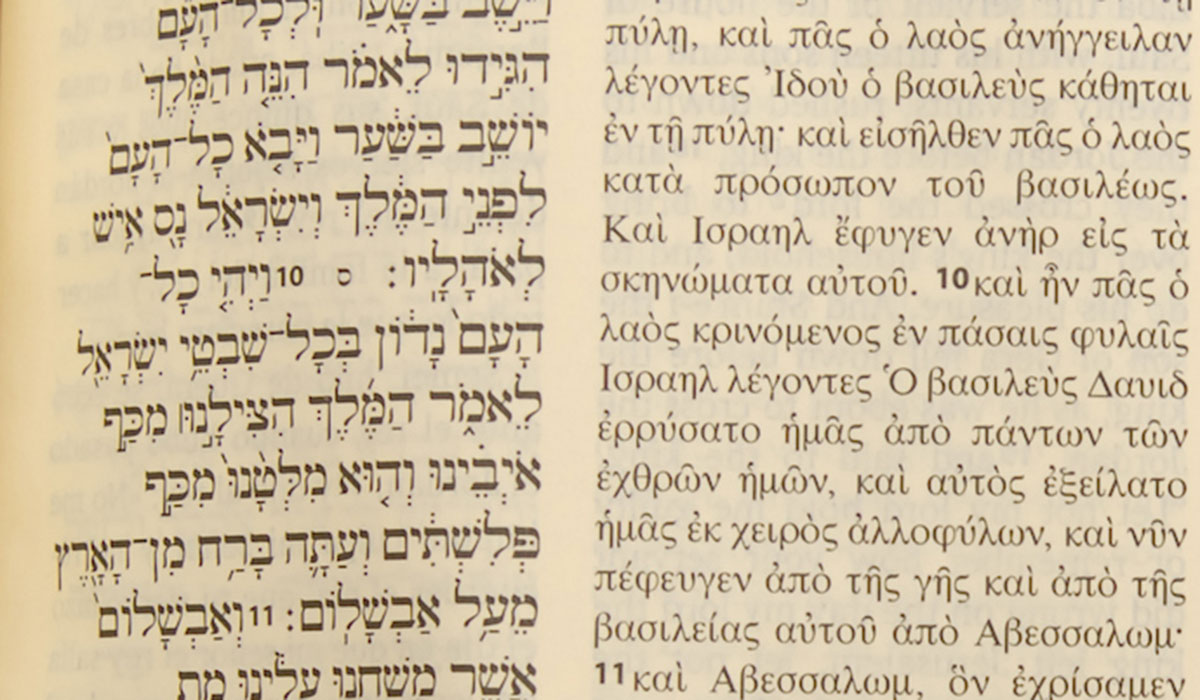
The original biblical languages, namely Hebrew, Aramaic, and Greek, exhibit unique linguistic features that have significantly influenced the interpretation and understanding of the biblical text. These features include grammatical structures, vocabulary, phonology, and morphology, which reflect the historical and cultural context in which the Bible was written.
Grammatical Structures
The grammatical structures of the original biblical languages differ from modern languages in several ways. For instance, Hebrew employs a verb-subject-object word order, while Greek utilizes a subject-verb-object order. Additionally, Hebrew lacks tenses in the modern sense, relying instead on aspects to indicate the temporal relationship between events.
These grammatical structures impact the interpretation of the text, as they shape the way readers perceive the sequence and emphasis of events.
Vocabulary
The vocabulary of the original biblical languages is rich and diverse, reflecting the cultural and historical context in which the Bible was written. Many words have multiple meanings, and their interpretation often depends on the context in which they are used.
For example, the Hebrew word “ruach” can mean “wind,” “spirit,” or “breath,” depending on the context. This semantic complexity requires careful consideration when translating and interpreting the biblical text.
Phonology
The phonology of the original biblical languages, particularly Hebrew, is characterized by a distinctive system of vowel sounds. Hebrew vowels are not written explicitly but are indicated by diacritical marks. This system of vowel notation can impact the pronunciation and interpretation of the text, as different vowel sounds can change the meaning of words.
Morphology
The morphology of the original biblical languages involves the use of prefixes, suffixes, and infixes to modify the meaning of words. For example, in Hebrew, the prefix “he” indicates the definite article, while the suffix “-im” indicates the plural form.
These morphological features provide additional layers of meaning and nuance to the biblical text.
Historical Context and Language
The historical context of the biblical period significantly influenced the languages used in the Bible. Cultural and political factors played a crucial role in shaping the development and use of these languages.
The Bible was written over a long period of time, spanning several centuries. During this time, the people of the biblical world lived in a variety of geographic locations, and they came into contact with different cultures and languages. These interactions had a profound impact on the languages used in the Bible.
Key Languages of the Biblical Period
The following table summarizes the key languages used in the biblical period, including their geographic distribution, time periods, and cultural influences:
| Language | Geographic Distribution | Time Period | Cultural Influences |
|---|---|---|---|
| Hebrew | Canaan, Israel, Judah | c. 10th-1st centuries BCE | Semitic, Canaanite, Babylonian |
| Aramaic | Mesopotamia, Syria, Palestine | c. 8th century BCE-1st century CE | Semitic, Akkadian, Persian |
| Greek | Greece, Macedonia, Roman Empire | c. 4th century BCE-1st century CE | Indo-European, Hellenistic |
Development of the Hebrew Language
The Hebrew language developed over a long period of time. It originated as a Canaanite language, spoken by the people who lived in the land of Canaan. Over time, Hebrew came into contact with other languages, such as Akkadian and Aramaic, and it was influenced by these languages.
The Hebrew language used in the Old Testament is different from the Hebrew language spoken today. The Old Testament Hebrew is a more archaic form of the language, and it contains many words and phrases that are no longer used in modern Hebrew.
Role of Aramaic in the Biblical Period
Aramaic was a major language in the biblical period. It was the lingua franca of the Persian Empire, and it was used by the Jews who lived in exile in Babylon. Aramaic had a significant influence on both Hebrew and Greek, and it is the language of some parts of the Old Testament and the New Testament.
Linguistic Diversity of the New Testament
The New Testament was written in Greek, but it reflects the linguistic diversity of the early Christian church. The writers of the New Testament came from different backgrounds, and they spoke different languages. As a result, the New Testament contains words and phrases from a variety of languages, including Hebrew, Aramaic, and Greek.
Language and the Transmission of Biblical Texts
The preservation and transmission of biblical texts over time involved meticulous methods and the intricate role of language in ensuring their accuracy and integrity.
The original biblical texts were meticulously preserved and transmitted through various methods, including:
- Oral tradition:The texts were initially transmitted orally, with individuals memorizing and reciting them within communities.
- Scribal tradition:As writing became more prevalent, scribes played a crucial role in copying and preserving the texts, ensuring their accuracy and consistency.
- Canonization:The process of establishing a fixed and authoritative collection of biblical texts, known as the canon, helped preserve and protect the integrity of the texts.
Language played a pivotal role in the accuracy and integrity of the biblical texts:
- Textual criticism:The study of textual variants and the analysis of different manuscript traditions allowed scholars to reconstruct the original text and identify potential errors or alterations.
- Translation:The translation of biblical texts into various languages facilitated their dissemination and accessibility to wider audiences, while also raising challenges in maintaining their original meaning and context.
- Interpretation:The interpretation of biblical texts is influenced by the language used, with different linguistic features shaping the understanding and application of the texts.
Modern Scholarship and Biblical Languages
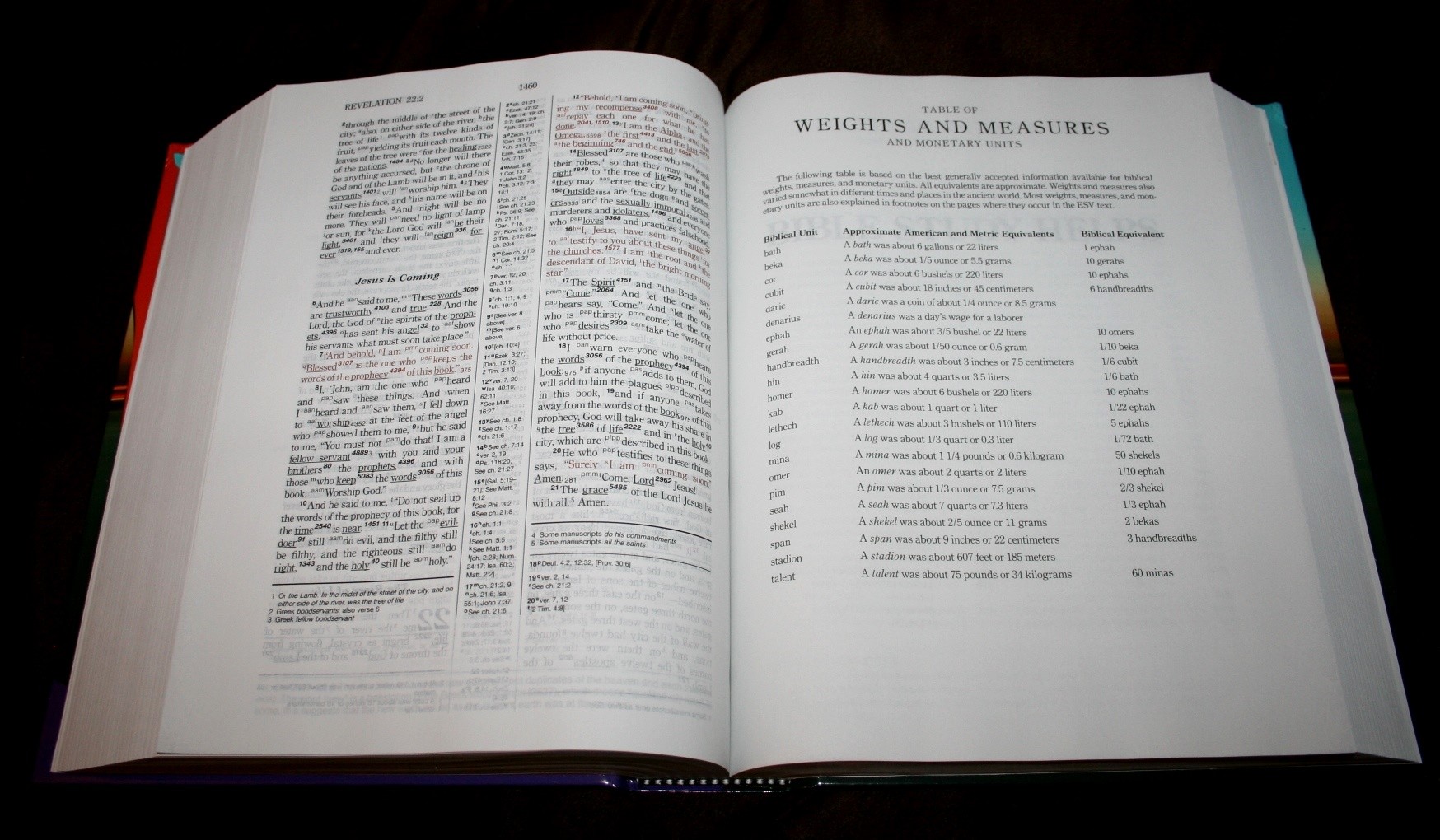
Modern scholarship has made significant advancements in the study of biblical languages. The availability of ancient manuscripts, the development of new linguistic tools, and the application of modern technology have greatly enhanced our understanding of the original languages of the Bible.
One of the most significant advancements has been the discovery and analysis of ancient biblical manuscripts. These manuscripts, which include the Dead Sea Scrolls and the Codex Sinaiticus, have provided scholars with a more accurate understanding of the original text of the Bible.
They have also helped to identify textual variants and to trace the development of the biblical text over time.
In addition to the discovery of ancient manuscripts, the development of new linguistic tools has also aided in the study of biblical languages. These tools include computer programs that can analyze the grammar and syntax of biblical texts, as well as databases that can search for specific words and phrases.
These tools have made it possible for scholars to conduct more detailed and comprehensive studies of biblical languages than ever before.
Computer-Aided Analysis
Computer-aided analysis has become an essential tool for biblical scholars. These tools can be used to analyze the grammar, syntax, and vocabulary of biblical texts, as well as to identify textual variants and to trace the development of the biblical text over time.
One of the most common computer-aided analysis tools is the BibleWorks software program. BibleWorks allows scholars to search for specific words and phrases in the Bible, as well as to compare different versions of the Bible side-by-side. BibleWorks also includes a number of other tools that can be used to analyze biblical texts, such as a morphological analyzer and a concordance.
Digital Resources, What language was the original bible written in
The development of digital resources has also greatly aided in the study of biblical languages. These resources include online databases that can be used to search for specific words and phrases in the Bible, as well as digital editions of ancient biblical manuscripts.
These resources have made it possible for scholars to access a wealth of information about biblical languages that was previously unavailable.
Language and the Study of Biblical Theology

The original languages of the Bible, Hebrew and Greek, play a crucial role in the study of biblical theology. They provide a window into the historical and cultural context of the biblical texts, and they offer insights into the theological concepts that the biblical authors intended to convey.
How the Original Languages Contribute to a Deeper Understanding of Biblical Theology
- The original languages allow us to access the nuances and subtleties of the biblical text that may be lost in translation.
- They provide insights into the cultural and historical context of the biblical texts, which can help us to understand the meaning of the texts in their original context.
- The original languages can help us to identify and understand the key theological concepts in the Bible, and they can provide insights into the development of these concepts over time.
Examples of How Language Analysis Sheds Light on Theological Concepts
For example, the Hebrew word “hesed” is often translated as “lovingkindness” or “mercy.” However, a closer examination of the word’s usage in the Old Testament reveals that it has a much richer and more nuanced meaning. Hesed refers to a covenant relationship between two parties, and it involves loyalty, faithfulness, and steadfast love.
The Role of Grammar, Syntax, and Semantics in Interpreting Biblical Texts
Grammar, syntax, and semantics are essential tools for interpreting biblical texts. Grammar refers to the rules that govern the structure of a language, syntax refers to the way that words are combined to form sentences, and semantics refers to the meaning of words and sentences.
By understanding the grammar, syntax, and semantics of the biblical languages, we can better understand the meaning of the biblical texts. For example, the Greek word “pistis” can be translated as “faith” or “belief.” However, the grammatical context of the word can help us to determine which translation is more appropriate.
How Word Studies and Lexicographical Research Enhance Our Understanding of Theological Terms
Word studies and lexicographical research can provide valuable insights into the meaning of theological terms. Word studies involve examining the usage of a particular word or phrase in the biblical texts, while lexicographical research involves studying the history and development of words.
By conducting word studies and lexicographical research, we can gain a deeper understanding of the meaning of theological terms and how they have been used throughout history.
The Impact of Translation on the Interpretation of Biblical Theology
The translation of the Bible from its original languages into other languages has a significant impact on the interpretation of biblical theology. Different translations may use different words and phrases to translate the same biblical text, and this can lead to different interpretations of the text.
It is important to be aware of the impact of translation on the interpretation of biblical theology, and to use multiple translations when studying the Bible.
Guidance on How to Use Language Analysis Tools Effectively in Biblical Studies
There are a number of language analysis tools that can be used to study the Bible. These tools include concordances, dictionaries, and grammars.
Concordances allow us to find all the occurrences of a particular word or phrase in the Bible. Dictionaries provide definitions of words and phrases. Grammars provide information about the grammar and syntax of the biblical languages.
By using these tools, we can gain a deeper understanding of the meaning of the biblical texts.
Table Summarizing the Key Contributions of Language Analysis to Biblical Theology
| Contribution | Description |
|---|---|
| Access to the nuances and subtleties of the biblical text | The original languages allow us to access the nuances and subtleties of the biblical text that may be lost in translation. |
| Insights into the cultural and historical context of the biblical texts | The original languages provide insights into the cultural and historical context of the biblical texts, which can help us to understand the meaning of the texts in their original context. |
| Identification and understanding of key theological concepts | The original languages can help us to identify and understand the key theological concepts in the Bible, and they can provide insights into the development of these concepts over time. |
Sample Essay Demonstrating How Language Analysis Can Illuminate a Specific Theological Concept
The Greek word “agape” is often translated as “love” in the Bible. However, a closer examination of the word’s usage in the New Testament reveals that it has a much richer and more nuanced meaning.
Agape refers to a selfless, unconditional love that is not based on emotion or feeling. It is a love that is commanded by God, and it is a love that we are called to have for God and for others.
The original Bible was written in a combination of Hebrew, Aramaic, and Greek. Belize, on the other hand, is a country in Central America where the official language is English. What language does Belize speak ? This is an interesting question that can be explored further.
By understanding the meaning of agape, we can gain a deeper understanding of the nature of God and of our relationship with him. We can also gain a deeper understanding of the ethical implications of the Christian faith.
– Discuss the impact of biblical languages on the development of Western culture, including
The influence of Hebrew and Greek on the development of Western literature
The Bible has had a profound impact on the development of Western literature. The Hebrew and Greek languages of the Bible have influenced the development of Western literature in a number of ways.
- The Bible has provided a rich source of imagery and symbolism for Western literature. Many of the most familiar images and symbols in Western literature, such as the serpent, the lamb, and the cross, come from the Bible.
- The Bible has also influenced the development of Western literary genres. The epic poem, the lyric poem, and the drama all have their roots in the Bible.
- The Bible has also influenced the development of Western literary style. The Bible’s use of simple, direct language has had a profound impact on the development of Western prose style.
The role of the Bible in the development of Western art and music
The Bible has also played a major role in the development of Western art and music. The Bible has provided a rich source of inspiration for Western artists and musicians.
- Many of the most famous works of Western art, such as Michelangelo’s David and Raphael’s Sistine Madonna, are based on biblical themes.
- The Bible has also been a major source of inspiration for Western music. Many of the most famous pieces of Western music, such as Bach’s St. Matthew Passion and Handel’s Messiah, are based on biblical texts.
The impact of the Bible on the development of Western thought and philosophy
The Bible has also had a major impact on the development of Western thought and philosophy. The Bible’s teachings on morality, ethics, and justice have had a profound influence on the development of Western civilization.
- The Bible has also been a major source of inspiration for Western philosophers. Many of the most famous Western philosophers, such as Plato, Aristotle, and Augustine, were influenced by the Bible.
The Importance of Preserving Biblical Languages

The preservation of the original biblical languages, Hebrew, Aramaic, and Greek, is of paramount importance for several reasons. These languages provide access to the original text of the Bible, allowing scholars and readers to engage with the scriptures in their original form.
This is crucial for understanding the nuances and subtleties of the text, as well as the historical and cultural context in which it was written.Preserving biblical languages also contributes to the preservation of cultural heritage. The Bible has played a significant role in shaping Western civilization, and its languages are integral to understanding the development of religious, philosophical, and literary traditions.
By protecting these languages, we preserve a valuable part of our collective history.
Efforts to Protect and Promote Biblical Languages
Recognizing the importance of preserving biblical languages, various efforts have been made to protect and promote their study. These include:
- Establishing academic programs and institutions dedicated to the study of biblical languages.
- Creating resources such as dictionaries, grammars, and online databases to facilitate the study of these languages.
- Promoting the use of biblical languages in religious services and academic settings.
- Encouraging the translation of the Bible into new languages, making it accessible to a wider audience.
These efforts contribute to the continued preservation and transmission of biblical languages, ensuring their availability for future generations.
FAQ Compilation
What is the original language of the Old Testament?
The original language of the Old Testament is Hebrew.
What is the original language of the New Testament?
The original language of the New Testament is Greek.
Why is it important to know the original language of the Bible?
Knowing the original language of the Bible can help you to better understand the meaning of the text.
