What languages are spoken in peru – Peru is a country with a rich linguistic diversity, boasting over 70 indigenous languages alongside Spanish, the official language. This article delves into the fascinating world of Peruvian languages, exploring their historical evolution, geographical distribution, and sociocultural significance.
From the widespread use of Spanish to the resilience of indigenous languages like Quechua and Aymara, this analysis provides a comprehensive overview of the linguistic landscape of Peru.
Official Languages of Peru
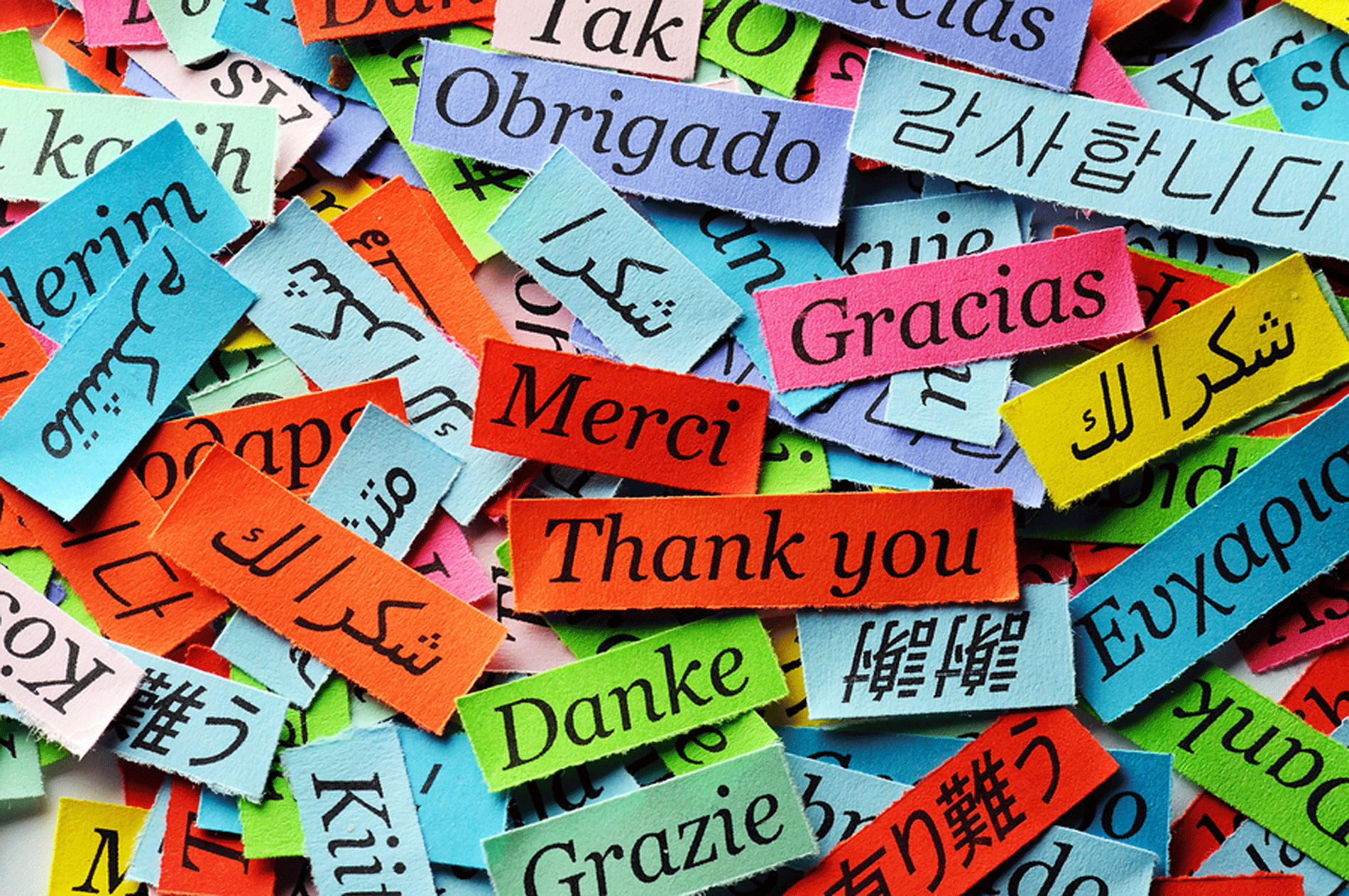
Peru has two official languages: Spanish and Quechua. Spanish is the most widely spoken language in the country, while Quechua is the most widely spoken indigenous language.Spanish is a Romance language that was brought to Peru by Spanish conquistadors in the 16th century.
It is the language of government, education, and commerce. Quechua is an indigenous language that was spoken by the Inca Empire before the arrival of the Spanish. It is still spoken by many indigenous communities in Peru, particularly in the Andes region.
Language Families
Spanish belongs to the Indo-European language family, which also includes English, French, German, and Russian. Quechua belongs to the Quechuan language family, which also includes Aymara and other indigenous languages of the Andes region.
Indigenous Languages of Peru
Peru boasts a rich tapestry of indigenous languages, reflecting its diverse cultural heritage. These languages have been spoken for centuries by the country’s indigenous communities, each carrying unique traditions, beliefs, and ways of life.
There are approximately 48 indigenous languages currently recognized in Peru, belonging to various language families. The main families represented include Quechua, Aymara, and Amazonian languages.
Language Families
| Language Family | Number of Languages | Example Languages |
|---|---|---|
| Quechua | 30 | Quechua Chanka, Quechua Cusco, Quechua Huaylas |
| Aymara | 2 | Aymara Central, Aymara Southern |
| Amazonian | 16 | Asháninka, Shipibo-Konibo, Witoto |
The geographical distribution of these languages is vast, with Quechua and Aymara primarily spoken in the Andes region, while Amazonian languages are found in the Amazon rainforest.
Current Status and Challenges
Indigenous languages in Peru face various challenges, including:
- Limited recognition and support in education and government institutions
- Language loss due to urbanization and assimilation
- Lack of resources for language preservation and revitalization
Preservation and Promotion
Preserving and promoting indigenous languages is crucial for maintaining cultural diversity and safeguarding the heritage of Peru. Strategies include:
- Incorporating indigenous languages into education curricula
- Supporting community-based language revitalization efforts
- Encouraging the use of indigenous languages in media and public spaces
Spanish in Peru
Spanish is the dominant language in Peru, spoken by the vast majority of the population. It arrived in Peru with the Spanish conquest in the 16th century and has since become the official language of the country. Spanish is used in government, education, media, and business, and it is the primary language of communication for most Peruvians.
Historical Evolution
Spanish in Peru has undergone a number of changes since its introduction in the 16th century. The most significant change was the development of a number of regional dialects, each with its own unique pronunciation, vocabulary, and grammar. These dialects are still spoken today, and they reflect the diverse cultural and geographical regions of Peru.
Regional Variations
The most common dialects of Spanish spoken in Peru are:
- Coastal Spanish: Spoken in the coastal regions of Peru, including Lima, Callao, and Trujillo.
- Highland Spanish: Spoken in the Andean highlands of Peru, including Cusco, Arequipa, and Huancayo.
- Amazonian Spanish: Spoken in the Amazonian rainforest of Peru, including Iquitos and Pucallpa.
Each of these dialects has its own unique characteristics, but they are all mutually intelligible. In addition to these regional dialects, there are also a number of minority languages spoken in Peru, including Quechua, Aymara, and other indigenous languages.
Quechua in Peru
Quechua is the most widely spoken indigenous language in Peru, with an estimated 4 million speakers. It is the second most spoken language in the country after Spanish.
Peru boasts a diverse linguistic landscape, with Spanish serving as the official language. However, indigenous languages such as Quechua and Aymara remain widely spoken. Interestingly, in the distant land of Jordan, a different linguistic landscape unfolds. Curious minds may delve into the fascinating language spoken in Jordan by following this insightful link: What language do they speak in Jordan?
Returning to Peru, the vibrant linguistic tapestry continues with various Amazonian languages adding to the nation’s rich cultural heritage.
Quechua is a Quechuan language, a family of languages spoken in the Andes region of South America. There are many different dialects of Quechua, and the ones spoken in Peru are classified into two main groups: Quechua I and Quechua II.
Quechua I is spoken in the northern and central highlands, while Quechua II is spoken in the southern highlands.
Historical and Cultural Importance
Quechua has a long and rich history in Peru. It was the official language of the Inca Empire, and it is still spoken by many indigenous communities in the country today. Quechua is also an important part of Peruvian culture, and it is used in music, literature, and art.
Aymara in Peru
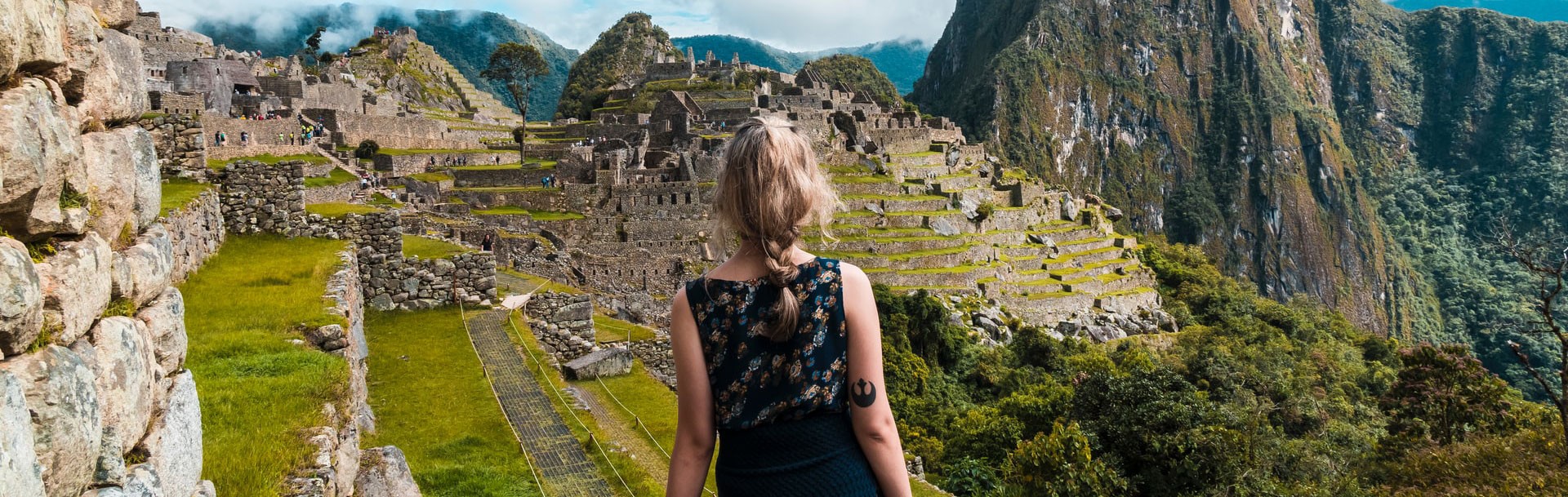
Aymara is an indigenous language spoken in the southern Andes of Peru, primarily in the regions of Puno, Moquegua, and Tacna. It is one of the two official indigenous languages of Peru, alongside Quechua. According to the 2017 Peruvian census, there are approximately 450,000 Aymara speakers in Peru, representing about 1.5% of the total population.
In Peru, the official languages are Spanish and Quechua, but there are also many other languages spoken by indigenous communities. Just like Peru, many countries around the world have their own unique linguistic landscapes. For example, the official language of France is French, although there are also many regional languages spoken throughout the country.
To learn more about the language spoken in France, you can visit this website. Returning to Peru, the presence of these diverse languages reflects the country’s rich cultural heritage and the importance of preserving linguistic diversity.
Distribution and Usage
Aymara is spoken in a geographically isolated region of the southern Andes, with the majority of speakers concentrated in the Lake Titicaca basin. The language is used for communication within Aymara communities, in education, and in local government. It is also used in cultural and religious ceremonies, and is an important part of the cultural identity of the Aymara people.
Linguistic Relationship with Quechua
Aymara is a member of the Aymaran language family, which is distinct from the Quechuan language family. However, Aymara and Quechua have been in contact for centuries, and have influenced each other in terms of vocabulary, grammar, and pronunciation. For example, both languages share a number of loanwords, and have similar grammatical structures.
However, there are also significant differences between the two languages, such as in their phonological systems and their use of tense and aspect.
Efforts to Preserve and Promote Aymara
There are a number of efforts underway to preserve and promote the Aymara language in Peru. The Peruvian government has recognized Aymara as an official language, and has implemented policies to support its use in education and government. There are also a number of community-based projects that are working to revitalize the language and promote its use among younger generations.
Key Characteristics of Aymara in Peru
The following table summarizes the key characteristics of Aymara in Peru:
| Characteristic | Description |
|---|---|
| Dialectal Variation | Aymara has a number of dialects, which vary in terms of pronunciation, vocabulary, and grammar. The most widely spoken dialect is Central Aymara, which is spoken in the Lake Titicaca basin. |
| Sociolinguistic Status | Aymara is an official language of Peru, but it is not as widely spoken as Spanish or Quechua. It is primarily spoken in rural areas, and is often associated with poverty and low social status. |
| Vitality | Aymara is considered to be a moderately endangered language. The number of speakers is declining, particularly among younger generations. However, there are a number of efforts underway to revitalize the language. |
“Aymara is a vital part of the cultural heritage of Peru. It is a language that has been spoken for centuries, and it is a testament to the resilience of the Aymara people. We must continue to support the preservation and promotion of Aymara, so that it can continue to be spoken for generations to come.”
– Peruvian Minister of Culture Alejandro Neyra
Challenges Faced by Aymara Speakers
Aymara speakers in Peru face a number of challenges, including language discrimination, economic marginalization, and the influence of Spanish. Language discrimination is a common problem, and Aymara speakers are often treated with disrespect or prejudice. Economic marginalization is another challenge, as Aymara speakers are often concentrated in rural areas with limited economic opportunities.
The influence of Spanish is also a threat to the Aymara language, as many young Aymara speakers are switching to Spanish as their primary language.
Other Indigenous Languages
Apart from the official languages and Quechua and Aymara, numerous other indigenous languages are spoken in Peru, representing the rich linguistic diversity of the country. These languages belong to various language families and are spoken by communities across different regions.
The following table provides a glimpse of some of the additional indigenous languages spoken in Peru, along with their language families and approximate number of speakers:
Table of Additional Indigenous Languages in Peru
| Language Name | Language Family | Approximate Number of Speakers |
|---|---|---|
| Asháninka | Arawakan | 60,000 |
| Awajún | Jivaroan | 35,000 |
| Shipibo-Konibo | Panoan | 30,000 |
| Yanesha’ | Arawakan | 25,000 |
| Kichwa | Quechuan | 20,000 |
| Huitoto | Witotoan | 15,000 |
| Matsés | Panoan | 10,000 |
| Achuar | Jivaroan | 8,000 |
| Shawi | Cahuapanan | 5,000 |
| Jaqaru | Aymara | 2,000 |
– Discuss the presence and influence of foreign languages in Peru, such as English, French, and German.
Foreign languages have a significant presence in Peru, primarily due to historical, economic, and cultural factors. English, French, and German are the most widely spoken foreign languages, each playing a distinct role in Peruvian society.
English, as a global lingua franca, is increasingly important in Peru for international communication, business, and education. Its presence is particularly strong in urban areas and among younger generations.
French in Peru
French has a historical legacy in Peru, dating back to the 19th century when it was the language of diplomacy and elite education. Today, French remains influential in certain sectors, such as academia, culture, and tourism.
German in Peru
German immigration has contributed to the presence of German in Peru. German-Peruvian communities maintain their language and culture, and German is taught in some schools and universities.
Language Education in Peru
Language education in Peru is crucial for the preservation and promotion of linguistic diversity and for ensuring equal opportunities for all citizens. The government, educational institutions, and communities play vital roles in shaping language education policies and practices.
Government Policies and Initiatives
The Peruvian government has adopted a national language policy that recognizes the importance of both Spanish and indigenous languages. Specific programs and initiatives have been implemented to promote language education, including:
- National Curriculum for Bilingual Intercultural Education:This curriculum integrates indigenous languages and cultures into the educational system, promoting bilingualism and intercultural understanding.
- Teacher Training Programs:The government provides training for teachers in bilingual education, equipping them with the skills and knowledge to effectively teach in multiple languages.
- Materials Development:The government supports the development and distribution of teaching materials in indigenous languages to enhance the availability of resources for bilingual education.
Bilingual Education Programs
Bilingual education programs are widely available in Peru, with different models implemented to cater to the diverse linguistic needs of the population. These models include:
- Immersion Model:Students are taught in their indigenous language for the majority of the day, with Spanish gradually introduced as a second language.
- Transitional Model:Students receive instruction in both their indigenous language and Spanish, with a gradual shift towards Spanish as the primary language of instruction.
Challenges and Opportunities
While language education in Peru has made significant progress, challenges remain:
- Lack of Resources:Many schools in indigenous communities lack adequate resources, including qualified teachers, teaching materials, and infrastructure.
- Teacher Training:Ensuring that teachers are adequately trained in bilingual education methods is an ongoing challenge.
- Standardization of Indigenous Languages:The diversity of indigenous languages poses challenges for the development of standardized teaching materials and curricula.
Despite these challenges, there are opportunities to improve language education in Peru:
- Technology Integration:Utilizing technology can enhance language learning opportunities, especially in remote areas.
- Community Involvement:Engaging indigenous communities in language education programs ensures their relevance and effectiveness.
- Recognition of Indigenous Languages:Valuing and promoting indigenous languages strengthens cultural identity and supports linguistic diversity.
Data and Evidence
Data indicates that language proficiency levels in Peru vary significantly across regions and languages. Bilingual education programs have been shown to improve student language skills and academic outcomes, particularly in reading and writing.
Comparative Analysis
In comparison to other countries in the region, Peru has made significant strides in promoting bilingual education. However, challenges related to resource allocation and teacher training persist. Lessons learned from international experiences, such as the success of immersion models in New Zealand, can inform policy and practice in Peru.
Language and Culture
Language and culture are inextricably linked in Peru. The diverse languages spoken in the country reflect the rich cultural traditions of its people.
Each language embodies a unique worldview, shaping the way its speakers perceive and interact with the world. For instance, the Quechua language has a complex system of spatial orientation that reflects the Andean cosmology, where the world is divided into three realms: the upper world (hanan pacha), the middle world (kay pacha), and the lower world (uku pacha).
Cultural Practices and Beliefs Expressed Through Language
Many cultural practices and beliefs are expressed through language in Peru. For example, the concept of “ayni” in Quechua refers to a reciprocal exchange of labor or goods. This concept is deeply ingrained in Andean culture, where communities rely on cooperation and mutual support.
Similarly, the Aymara language has a rich vocabulary related to herding and agriculture, reflecting the importance of these activities in Aymara culture. The language also includes terms for various types of weather conditions, demonstrating the Aymara’s close connection to the natural environment.
Language and Identity
Language plays a pivotal role in shaping Peruvian identity, serving as a source of pride, connection, and cultural preservation. It fosters a sense of belonging and unity among Peruvians, transcending geographical and cultural boundaries.
Language as a Source of Pride
Peru’s diverse linguistic landscape is a testament to its rich cultural heritage. The preservation and celebration of indigenous languages, such as Quechua and Aymara, instill a sense of pride in Peruvians. These languages connect them to their ancestral roots and contribute to a collective national identity.
Language as a Source of Connection
Language facilitates communication and fosters connections within communities. In Peru, where over 40 indigenous languages are spoken, language serves as a bridge between different ethnic groups. It allows for the exchange of ideas, traditions, and experiences, promoting mutual understanding and respect.
Language as a Tool for Cultural Preservation
Indigenous languages are vital for preserving Peru’s cultural heritage. They embody traditional knowledge, beliefs, and customs that are passed down through generations. By safeguarding these languages, Peruvians ensure the continuity of their cultural identity and the transmission of their ancestral wisdom.
Provide specific examples of how technology has influenced language use in Peru
Technology has significantly influenced language use in Peru, particularly in the areas of communication, education, and media consumption.
In terms of communication, the widespread adoption of smartphones and social media platforms has led to increased use of written language, particularly among younger generations. This has also facilitated communication across different regions of the country, breaking down geographical barriers and promoting greater linguistic diversity.
Messaging Applications
Messaging applications like WhatsApp and Telegram have become ubiquitous in Peru, allowing users to communicate with each other in real-time using text, voice, and video. These platforms have also introduced new forms of linguistic expression, such as emojis and stickers, which have become widely adopted in everyday communication.
Online Education
Technology has also played a significant role in language education in Peru. Online learning platforms and language-learning apps have made it easier for people to access language learning resources and improve their proficiency in various languages.
For example, the Peruvian Ministry of Education has launched a virtual platform called “Aprendo en Casa” (I Learn at Home), which provides free online educational content, including language lessons, to students across the country.
Digital Media
The proliferation of digital media, including online newspapers, websites, and streaming services, has also influenced language use in Peru. These platforms have made it possible for people to access a wider range of content in different languages, exposing them to new vocabulary and linguistic structures.
For example, the popular Peruvian streaming service “Netflix” offers a wide variety of movies and TV shows in Spanish, Quechua, and Aymara, promoting the use and preservation of indigenous languages.
Language and Tourism
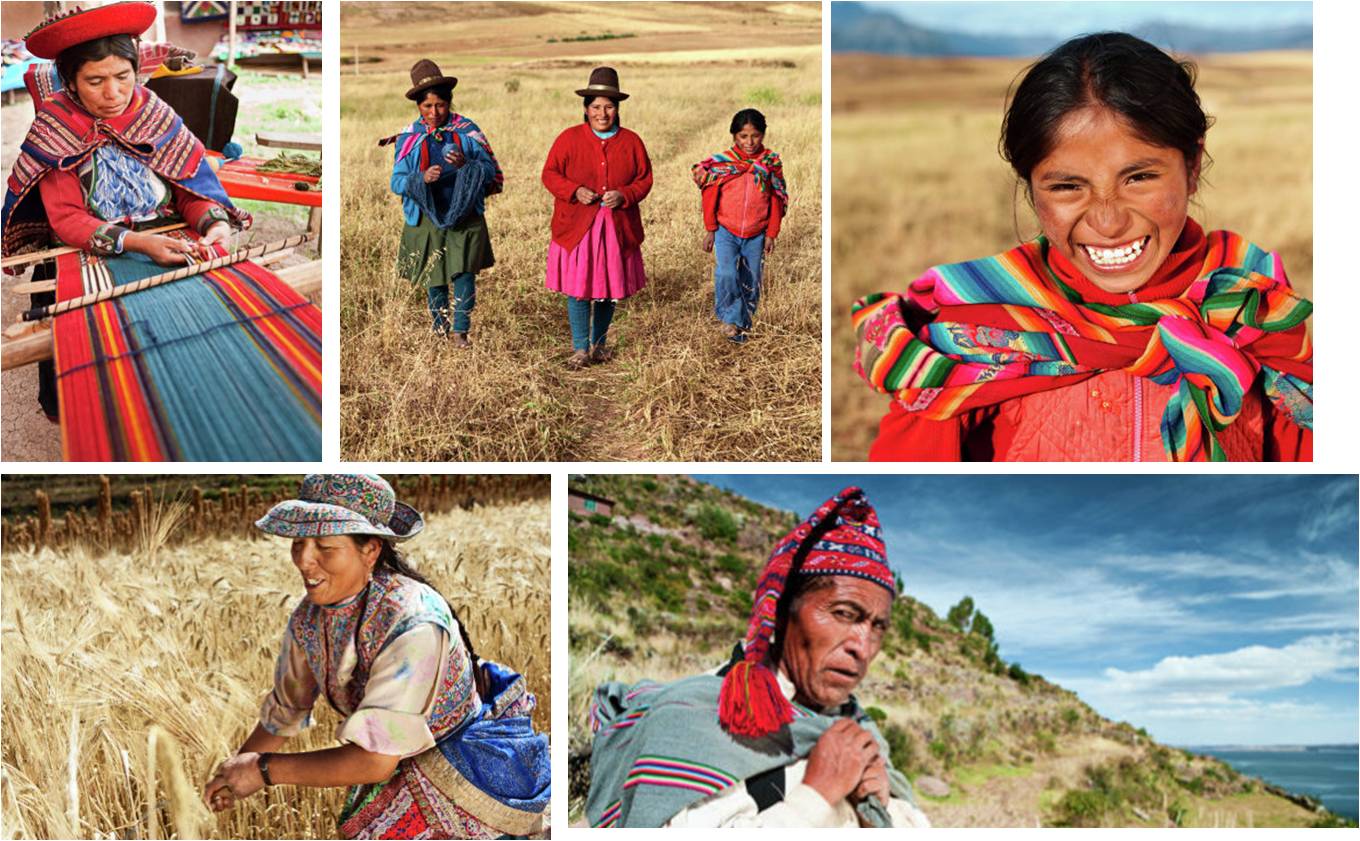
Language plays a crucial role in tourism, facilitating communication between travelers and locals. In Peru, the presence of multiple languages, including Spanish, Quechua, and Aymara, can impact the tourism experience.
Language Services for Tourism
Adequate language services are essential for a positive tourism experience. These services include translation and interpretation, language training for tourism personnel, and the provision of multilingual signage and materials.
Language Barriers
Language barriers can hinder communication and limit the ability of tourists to fully engage with the local culture and attractions. Misunderstandings, delays, and frustrations can arise when tourists and locals cannot communicate effectively.
Recommendations for Language Accessibility
To promote language accessibility in tourism, the following recommendations can be considered:
- Encourage tourism personnel to learn basic phrases in indigenous languages.
- Provide multilingual signage and brochures at tourist sites and attractions.
- Offer language interpretation services at key tourist destinations.
- Develop language training programs for tourism workers.
- Collaborate with local communities to incorporate indigenous languages into tourism experiences.
Language and the Future
The future of languages in Peru is shaped by various factors, including globalization, migration, urbanization, and technology. These factors can influence language use, language shift, and language vitality.
Globalization and Migration
Globalization and migration can lead to increased language contact and language shift. As people move across borders, they bring their languages with them, which can lead to the introduction of new languages into Peru. Additionally, globalization can lead to increased exposure to dominant languages, such as English, which can influence the use of Peruvian languages.
Technology, What languages are spoken in peru
Technology can also influence the future of Peruvian languages. The internet and social media provide new platforms for language use and can help to connect speakers of different languages. However, technology can also lead to language loss, as people may shift towards using dominant languages online.
Government Policies and Educational Initiatives
Government policies and educational initiatives can play a role in shaping the future of Peruvian languages. Policies that support language diversity and provide funding for language preservation can help to ensure the vitality of Peruvian languages. Educational initiatives that promote the use of Peruvian languages in schools can also help to ensure that future generations of Peruvians have the opportunity to learn and use their native languages.
Preservation and Vitality
Ensuring the preservation and vitality of Peruvian languages requires a multifaceted approach. Existing initiatives and best practices include digital language archives, community language workshops, and language immersion programs. Involving indigenous communities and language speakers in language preservation efforts is crucial for the success of these initiatives.
Conclusion
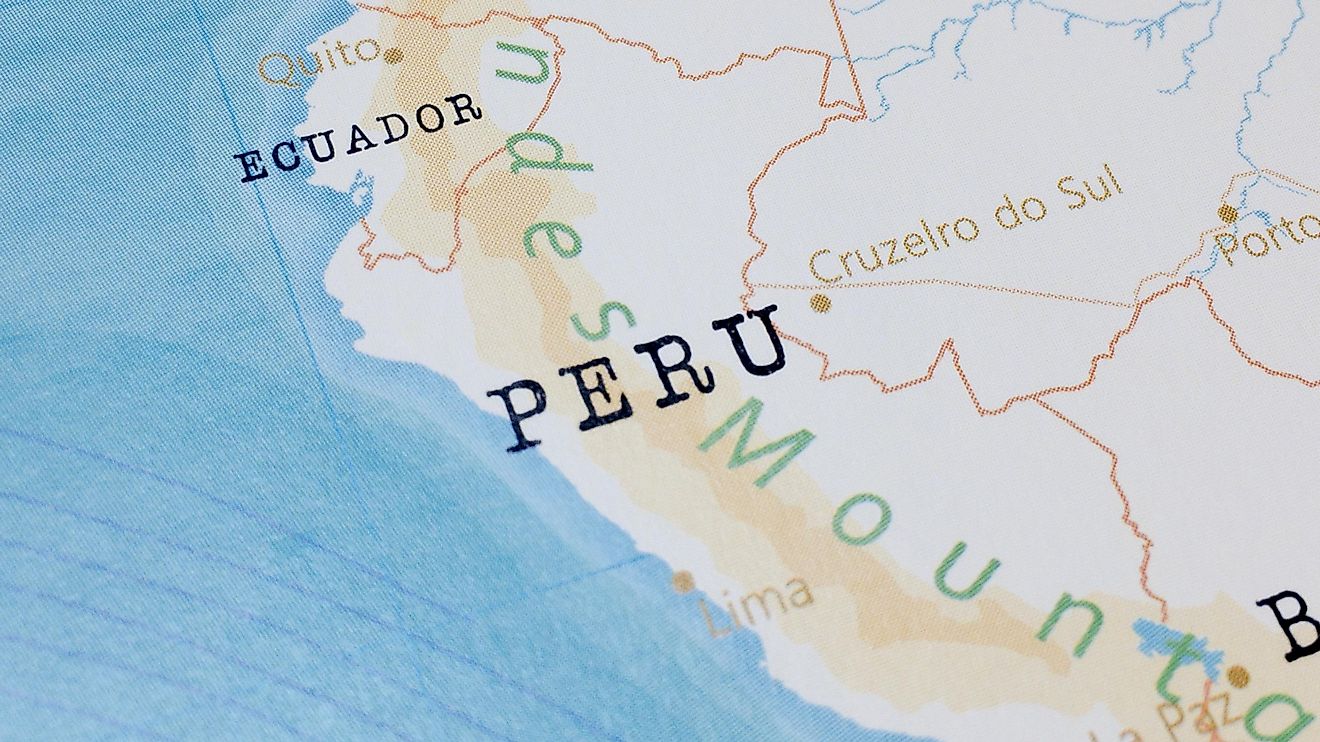
The diversity of languages spoken in Peru is a testament to the country’s rich cultural heritage and its historical significance as a meeting point for different cultures. The official language, Spanish, has played a crucial role in unifying the nation and facilitating communication across its diverse regions.
Indigenous languages, particularly Quechua and Aymara, have retained their vitality and continue to be spoken by a significant portion of the population, contributing to the country’s linguistic and cultural landscape.
Importance of Language Diversity
The presence of multiple languages in Peru brings numerous benefits to Peruvian society. It fosters cultural diversity, allowing different ethnic groups to preserve their unique identities and traditions. It also contributes to social cohesion by creating a sense of belonging and shared heritage among speakers of the same language.
Furthermore, language diversity can stimulate economic growth by promoting tourism and facilitating communication in international trade.
Further Research and Exploration
The study of languages in Peru offers a fertile ground for further research and exploration. Investigating the impact of globalization on language use can provide insights into the dynamics of language change and adaptation in a rapidly interconnected world. Additionally, examining the role of indigenous languages in education can inform policy-making and pedagogical practices aimed at revitalizing and preserving these languages.
Promoting Language Diversity
To promote language diversity and revitalize endangered languages, several actionable steps can be taken. Policy recommendations include recognizing and supporting indigenous languages in education, media, and official communication. Community-based initiatives, such as language revitalization programs and cultural events, can also play a vital role in preserving and promoting linguistic diversity.
Language Diversity in National and International Policies
Incorporating language diversity into national and international policies is essential for safeguarding and promoting the linguistic heritage of Peru. This can be achieved through measures such as incorporating indigenous languages into educational curricula, supporting media outlets that broadcast in multiple languages, and promoting the preservation of cultural heritage sites associated with specific languages.
General Inquiries: What Languages Are Spoken In Peru
What is the official language of Peru?
Spanish
What is the most widely spoken indigenous language in Peru?
Quechua
How many indigenous languages are spoken in Peru?
Over 70
Is English widely spoken in Peru?
No, Spanish is the dominant language in most regions.
