What languages are spoken in the Netherlands? The answer to this question reveals a rich linguistic landscape that reflects the country’s diverse history and cultural heritage. From the official language of Dutch to the vibrant regional dialects and the languages brought by immigrant communities, the Netherlands is a nation where languages intertwine and shape the lives of its people.
In this comprehensive guide, we will delve into the fascinating world of languages spoken in the Netherlands, exploring their origins, usage, and significance. We will uncover the official language policies, examine the impact of immigration on the linguistic landscape, and discuss the role of language in education, business, and public life.
Join us on this linguistic journey as we unravel the tapestry of languages that make the Netherlands a truly multilingual society.
Official Languages
The Netherlands has two official languages: Dutch and Frisian. Dutch is the primary language spoken by the vast majority of the population, while Frisian is an official language in the northern province of Friesland.
Official documents and communication from the government and other official bodies are typically published in both Dutch and Frisian. In Friesland, local government documents and communication may be published in Frisian only.
Official Language Policy
The Netherlands’ official language policy aims to promote and protect both Dutch and Frisian. The government provides funding for Frisian language education and cultural activities, and it encourages the use of Frisian in official settings.
Regional Languages
The Netherlands is a multilingual country with a rich linguistic diversity. Besides the official language, Dutch, several regional languages are spoken in different parts of the country. These languages have a long history and cultural significance, and they continue to play an important role in the lives of many Dutch people.
The most prominent regional languages in the Netherlands are Frisian, Low Saxon, and Limburgish. These languages are recognized under the European Charter for Regional or Minority Languages and enjoy varying degrees of protection and support from the Dutch government.
Frisian
Frisian is a West Germanic language spoken in the province of Friesland in the northern Netherlands. It is closely related to English and German and has a rich literary tradition dating back to the Middle Ages. The most famous Frisian writer is Rink van der Velde, who wrote the epic poem “De Alde Friezen” in the 19th century.
Frisian is an official language of Friesland and is used in education, government, and the media. The Frisian Academy is responsible for promoting and preserving the Frisian language and culture.
Low Saxon
Low Saxon is a West Germanic language spoken in the eastern and northern Netherlands. It is a dialect continuum with various regional variations. The most well-known Low Saxon writer is Jan Boer, who wrote the novel “Harm Jan” in the 20th century.
Low Saxon is recognized as a regional language under the European Charter for Regional or Minority Languages. The Dutch government provides some support for Low Saxon, including funding for language education and cultural activities.
Limburgish
Limburgish is a West Germanic language spoken in the province of Limburg in the southeastern Netherlands. It is influenced by both German and Dutch and has a strong oral tradition. The most famous Limburgish writer is Wiel Kusters, who wrote the novel “De Aanslag” in the 1980s.
Limburgish is recognized as a regional language by the Dutch government and is used in education and the media. The Limburgish Language and Culture Foundation is responsible for promoting and preserving the Limburgish language and culture.
Immigrant Languages
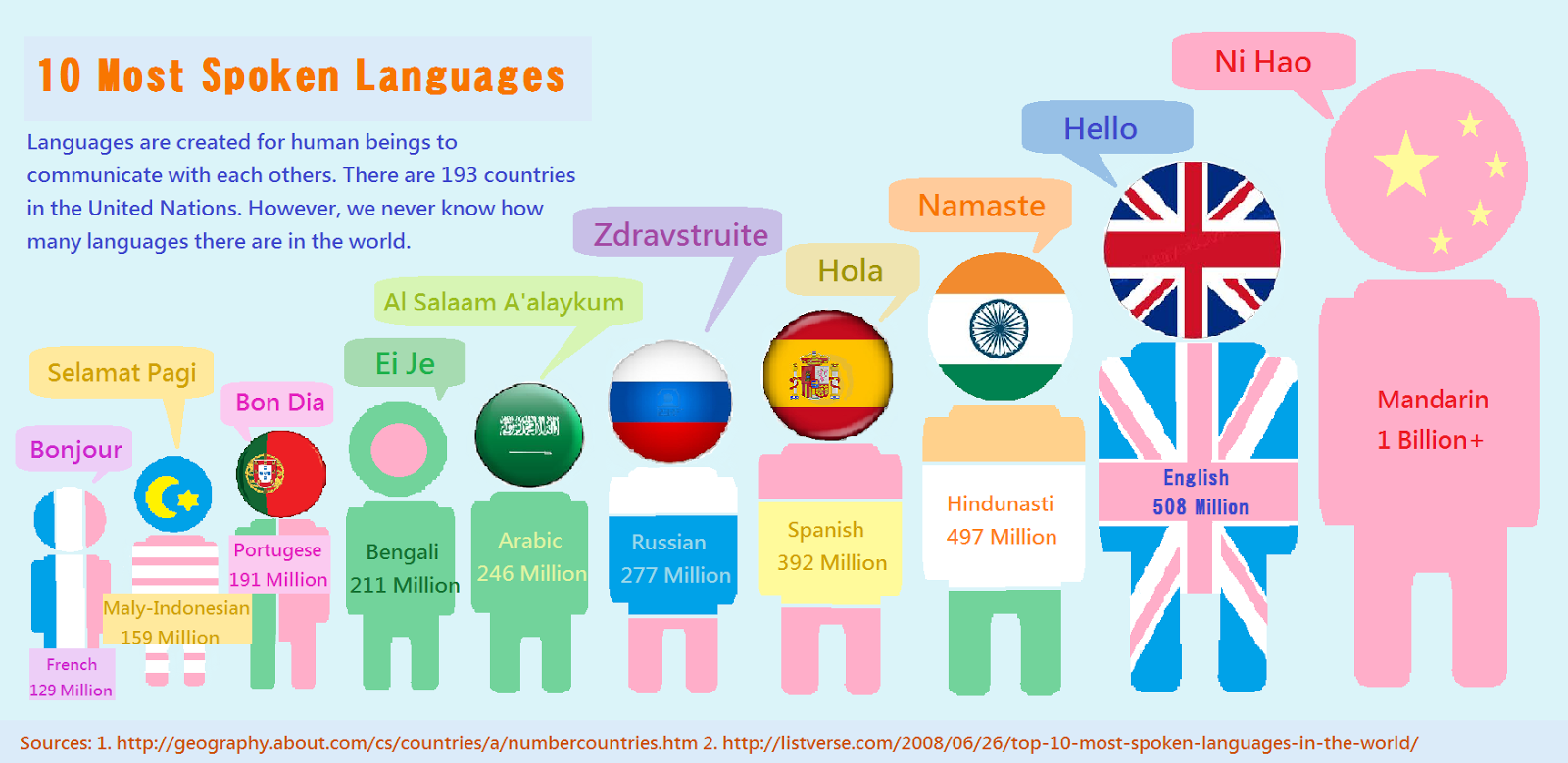
The Netherlands is a country with a long history of immigration, which has resulted in a diverse linguistic landscape. In addition to Dutch, the official language, there are a number of immigrant languages spoken in the Netherlands, including Turkish, Arabic, Berber, Spanish, and Chinese.
The presence of these languages is due to a number of factors, including the country’s colonial past, its role as a trade and transportation hub, and its relatively liberal immigration policies. In recent years, the number of immigrants to the Netherlands has increased, and this has led to a corresponding increase in the number of immigrant languages spoken in the country.
Impact on Linguistic Landscape, What languages are spoken in the netherlands
The influx of immigrant languages has had a significant impact on the linguistic landscape of the Netherlands. In some areas, immigrant languages are now the dominant language spoken in public spaces. This has led to some tensions between native Dutch speakers and immigrant communities, as well as concerns about the preservation of the Dutch language.
However, the presence of immigrant languages has also had a positive impact on the Netherlands. These languages have enriched the country’s cultural landscape and have helped to make the Netherlands a more welcoming place for immigrants.
Language Education
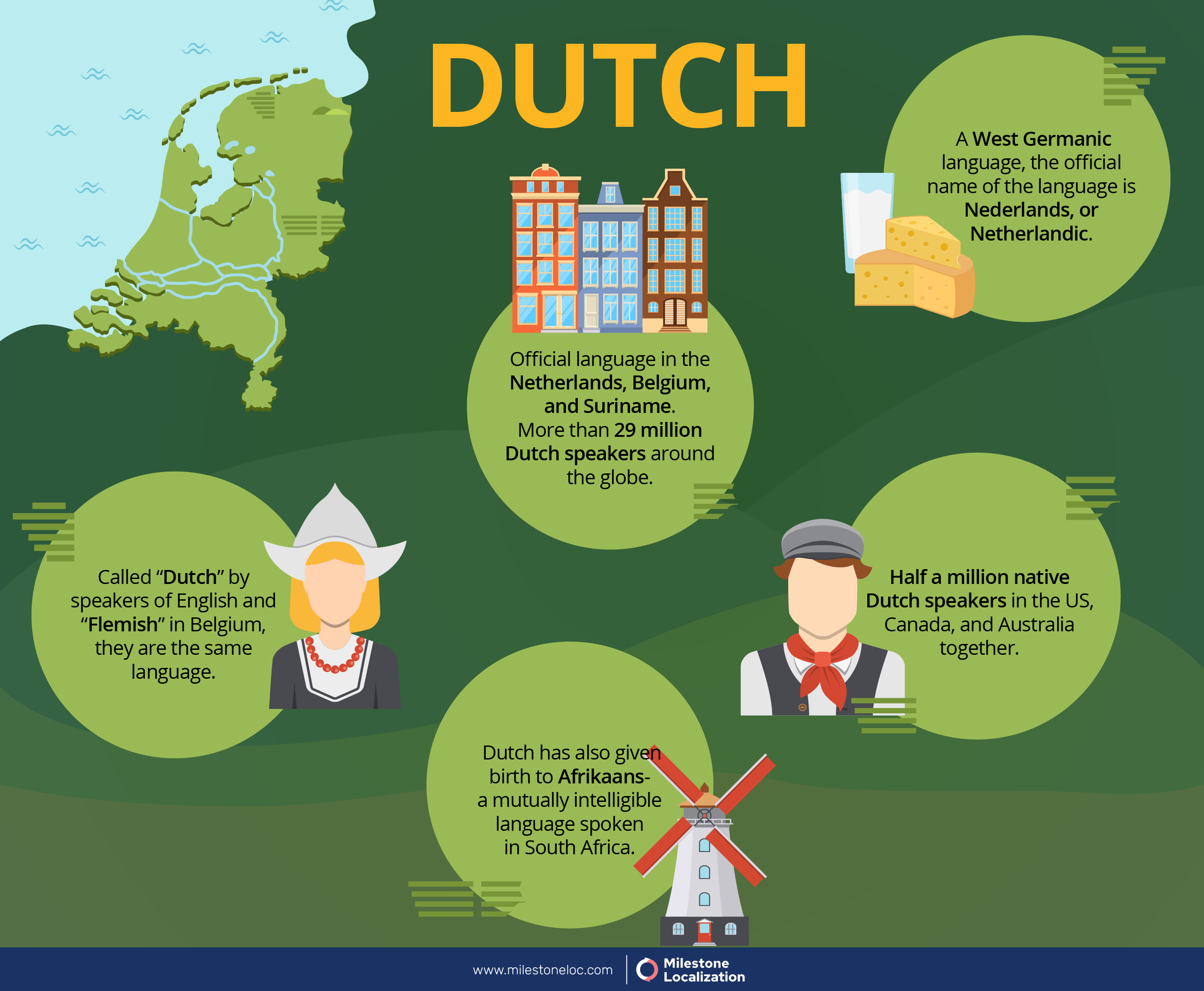
The Netherlands boasts a robust language education system that emphasizes proficiency in multiple languages. The Dutch government recognizes the importance of language skills in a globalized world and has implemented policies to promote language learning from a young age.
Compulsory and Elective Language Courses
In primary schools, English is introduced as a compulsory subject from the fourth grade onwards. Students continue to study English throughout secondary school, with the option to add a second foreign language, typically French, German, or Spanish. At the tertiary level, universities offer a wide range of language courses, including less commonly taught languages such as Arabic, Chinese, and Russian.
Language Learning Programs for Adults
The Netherlands offers a diverse range of language learning programs for adults, catering to various needs and preferences. These programs are available through private language schools, community colleges, and online platforms. The modes of learning include in-person classes, online courses, and blended learning models that combine both approaches.
The Netherlands is a diverse country with a rich linguistic landscape. The official language of the Netherlands is Dutch, also known as Netherlandic, which is spoken by the vast majority of the population. However, other languages are also spoken in the Netherlands, including Frisian, which is an official language in the northern province of Friesland, and various regional dialects.
Additionally, English is widely spoken as a second language, particularly in business and academia. For more information on the languages spoken in the Netherlands, please refer to the following resource: what language netherlands.
Language Proficiency Levels and Certification Exams
The Common European Framework of Reference for Languages (CEFR) is widely used in the Netherlands to assess language proficiency. The CEFR defines six levels of language proficiency: A1, A2, B1, B2, C1, and C2. Various certification exams are available to demonstrate language proficiency, including the Cambridge English exams, the Test of English as a Foreign Language (TOEFL), and the International English Language Testing System (IELTS).
Role of Language Education in the Labor Market and Higher Education
Language proficiency is highly valued in the Dutch labor market, particularly in sectors such as business, finance, and tourism. Employers often seek candidates who are fluent in multiple languages to facilitate international communication and collaboration. Language skills are also essential for pursuing higher education in the Netherlands, as many universities offer programs taught in English or require proficiency in a foreign language for admission.
Challenges and Opportunities
The Netherlands faces challenges in maintaining a high standard of language education while accommodating the diverse linguistic needs of its population. The influx of immigrants has led to a growing demand for language learning programs tailored to specific language groups.
Additionally, the rise of online language learning platforms has created opportunities for flexible and accessible language learning.
Summary Table
The following table summarizes the key features of the language education system in the Netherlands:| Feature | Description ||—|—|| Compulsory Languages | English from grade 4 onwards || Elective Languages | French, German, Spanish, and others || Adult Language Learning | Diverse programs through private schools, community colleges, and online platforms || Language Proficiency Levels | CEFR levels A1-C2 || Certification Exams | Cambridge English exams, TOEFL, IELTS || Role in Labor Market | Highly valued in business, finance, and tourism || Role in Higher Education | Essential for admission and participation in programs taught in English or foreign languages || Challenges | Meeting the diverse linguistic needs of the population || Opportunities | Rise of online language learning platforms |
Language Policy: What Languages Are Spoken In The Netherlands
The Dutch government has implemented a variety of language policies aimed at promoting language diversity and integration. These policies have been shaped by historical, societal, and economic factors.
Rationale for Language Policies
Historically, the Netherlands has been a multilingual country, with Dutch, Frisian, and Low Saxon being the three official languages. However, in the 20th century, there was a shift towards monolingualism, with Dutch becoming the dominant language in education, government, and the media.
This shift was motivated by a desire to create a more unified national identity and to improve economic efficiency.In recent decades, there has been a renewed interest in language diversity, driven by factors such as globalization, immigration, and the rise of multiculturalism.
The Dutch government has responded to this by implementing a number of policies aimed at promoting language diversity and integration.
Effectiveness of Language Policies
The effectiveness of the Dutch government’s language policies is a matter of debate. Some studies have shown that these policies have been successful in promoting language diversity and integration, while others have found that they have had limited impact.One of the most successful language policies has been the introduction of Frisian as an official language in the province of Friesland.
This policy has helped to revitalize the Frisian language and has given the Frisian people a greater sense of cultural identity.However, other language policies have been less successful. For example, the government’s policy of encouraging immigrants to learn Dutch has had limited impact.
This is because many immigrants are already fluent in Dutch when they arrive in the Netherlands, and others find it difficult to learn a new language as adults.
Challenges and Gaps in Language Policies
There are a number of challenges and gaps in the Dutch government’s language policies. One challenge is the fact that there is no clear definition of what constitutes a “minority language.” This makes it difficult to develop and implement policies that are effective in promoting language diversity.Another challenge is the lack of resources available to support minority languages.
For example, there are few Frisian-language schools and media outlets. This makes it difficult for Frisian speakers to use their language in all aspects of their lives.
Role of Language Education
Language education plays a vital role in promoting language diversity and integration. By providing opportunities for people to learn minority languages, the government can help to ensure that these languages continue to be spoken and used.There are a number of best practices for language education that can help to promote language diversity and integration.
These include:* Starting language instruction at a young age
- Using immersive teaching methods
- Providing opportunities for students to use the language outside of the classroom
- Supporting minority language communities
Specific Examples
There are a number of specific examples that illustrate the impact of language policies on individuals, communities, and society as a whole.One example is the case of the Frisian language. The Dutch government’s policy of recognizing Frisian as an official language has helped to revitalize the language and has given the Frisian people a greater sense of cultural identity.Another example is the case of the Turkish language.
The Dutch government’s policy of encouraging Turkish immigrants to learn Dutch has had limited impact. This is because many Turkish immigrants are already fluent in Dutch when they arrive in the Netherlands, and others find it difficult to learn a new language as adults.These examples illustrate the complex and multifaceted nature of language policies.
There is no one-size-fits-all approach, and the effectiveness of any policy will depend on a number of factors, including the specific language, the community in which it is spoken, and the broader social and economic context.
Language Use in Media
The Netherlands has a diverse media landscape, with a wide range of print, broadcast, and online outlets. The choice of language used in these media outlets is influenced by several factors, including the target audience, the nature of the content, and the legal framework.
Print Media
Dutch is the dominant language in print media in the Netherlands. Most newspapers, magazines, and books are published in Dutch. However, there are also a number of publications in other languages, such as English, Turkish, and Arabic. These publications are typically targeted at specific immigrant communities.
Broadcast Media
Dutch is also the main language of broadcast media in the Netherlands. However, there are a number of television and radio channels that broadcast in other languages. These channels are typically targeted at specific immigrant communities or at audiences with a particular interest in a particular language or culture.
Online Media
The use of language in online media is more varied than in print or broadcast media. Dutch is the most common language used on Dutch websites, but there is also a significant amount of content available in other languages. This content is often targeted at specific immigrant communities or at audiences with a particular interest in a particular language or culture.
Factors Influencing Language Choice
The choice of language used in media outlets in the Netherlands is influenced by several factors, including:
- Target audience:The language used in a media outlet is typically chosen to match the language of the target audience.
- Nature of the content:The nature of the content can also influence the choice of language. For example, news and current affairs programs are typically broadcast in Dutch, while entertainment programs may be broadcast in a variety of languages.
- Legal framework:The Dutch government has a number of laws and regulations that govern the use of language in media outlets. These laws and regulations are designed to protect the rights of linguistic minorities and to ensure that all citizens have access to information in their own language.
Language Use in Business
The Netherlands has a diverse business landscape, where multiple languages are used in communication. Understanding the language dynamics in business is crucial for effective communication and successful international collaborations.
Dutch is the official language of the Netherlands and is widely used in business communication within the country. However, due to the country’s globalized economy and international orientation, English has emerged as a prominent language in business.
Importance of Language Proficiency for International Trade and Investment
Language proficiency is vital for international trade and investment. Effective communication between businesses from different countries requires a shared understanding of language. Proficiency in the target language allows for clear and precise communication, reducing misunderstandings and fostering stronger business relationships.
- Facilitates seamless negotiation and contract agreements.
- Enhances cultural understanding and bridges communication gaps.
- Builds trust and rapport among international business partners.
Role of English as a Lingua Franca in Business
English has become the lingua franca in global business due to its widespread adoption as a second language and its use as the primary language of international communication. In the Netherlands, English is commonly used in:
- International business meetings and conferences.
- Cross-border trade and investment negotiations.
- Communication with international clients and partners.
Proficiency in English provides Dutch businesses with a competitive advantage in the global marketplace, enabling them to engage with a broader network of international partners.
Language Use in Education

The Netherlands has a diverse linguistic landscape, and this diversity is reflected in the languages used in education. Dutch is the official language of the Netherlands and is the primary language of instruction in all levels of education. However, other languages are also used in education, including Frisian, English, and Turkish.
Primary and Secondary Education
In primary and secondary education, Dutch is the main language of instruction. However, Frisian is also used as a medium of instruction in some schools in the province of Friesland. English is also increasingly being used as a language of instruction, particularly in international schools and in higher education.
Higher Education
In higher education, Dutch is the primary language of instruction at most universities. However, some universities also offer programs in English, particularly in fields such as business, engineering, and science. In addition, some universities offer programs in other languages, such as German, French, and Spanish.
Impact of Language Use on Educational Outcomes
The use of different languages in education can have a significant impact on educational outcomes. Students who are not proficient in the language of instruction may struggle to keep up with their peers and may be at a disadvantage in terms of academic achievement.
In addition, students who are not proficient in the language of instruction may be less likely to participate in class and may have difficulty accessing resources.There is a growing body of research that suggests that students who are taught in their native language or in a language that they are proficient in tend to perform better academically than students who are taught in a language that they are not proficient in.
This research suggests that it is important to provide students with access to education in a language that they can understand and use effectively.
Recommendations for Future Research and Policy
There are a number of recommendations that can be made for future research and policy on language use in education in the Netherlands. These recommendations include:
- Conducting more research on the impact of language use on educational outcomes, particularly for students who are not proficient in the language of instruction.
- Developing policies that support the use of native languages or languages of proficiency in education.
- Providing teachers with training and resources to help them teach students who are not proficient in the language of instruction.
- Increasing access to education in different languages, including Frisian, English, and other languages spoken by immigrant communities.
By implementing these recommendations, the Netherlands can ensure that all students have access to a quality education, regardless of their linguistic background.
Language Use in Public Services

The Netherlands offers a diverse range of public services, and it is essential to ensure that these services are accessible to all citizens, regardless of their linguistic background. This section explores the languages used in public services in the Netherlands, the legal obligations regarding language accessibility, and the challenges and opportunities in providing multilingual public services.
Legal Obligations Regarding Language Accessibility
The Dutch constitution and the Language Act of 2005 establish the legal framework for language use in public services. According to these regulations, public authorities are obligated to provide services in Dutch, the official language of the Netherlands. However, there are exceptions to this rule.
In municipalities with a large population of non-native speakers, public authorities may also provide services in other languages, such as English, French, German, or Turkish.
Challenges and Opportunities in Providing Multilingual Public Services
Providing multilingual public services comes with both challenges and opportunities. One of the main challenges is the cost of translation and interpretation services. Another challenge is ensuring that all public servants are proficient in the languages necessary to serve the diverse population of the Netherlands.
Despite these challenges, providing multilingual public services also presents several opportunities. By offering services in multiple languages, public authorities can improve access to essential services for non-native speakers, foster social inclusion, and promote cultural diversity. Additionally, providing multilingual services can enhance the image of the Netherlands as an inclusive and welcoming society.
Language Use in Healthcare
The Netherlands provides healthcare services in multiple languages to cater to its diverse population. Dutch is the official language used in healthcare settings, ensuring that the majority of the population can access healthcare information and services in their native language.English is also widely used in healthcare, particularly in academic and research settings.
Many medical journals, textbooks, and conferences are published in English, and healthcare professionals often need to be proficient in English to stay updated with the latest medical advancements.In addition to Dutch and English, other immigrant languages are also used in healthcare to accommodate the needs of non-native speakers.
Languages such as Turkish, Arabic, and Spanish are spoken by significant immigrant communities in the Netherlands, and healthcare providers often need to be able to communicate with patients in these languages to provide effective care.Language proficiency is crucial for effective patient-provider communication in healthcare.
When patients can communicate with their healthcare providers in their native language, they are more likely to:
- Understand their diagnosis and treatment options
- Feel comfortable asking questions and expressing their concerns
- Adhere to their treatment plans
Improved patient-provider communication leads to better health outcomes, including higher patient satisfaction, reduced medical errors, and improved adherence to treatment plans. Additionally, providing healthcare services in multiple languages demonstrates cultural sensitivity and respect for the diverse backgrounds of patients.However, providing multilingual healthcare services comes with challenges.
Language barriers can hinder communication between healthcare providers and patients, leading to misunderstandings and potential medical errors. To address these challenges, various strategies are employed, including:
- Interpreter services: Trained interpreters can assist in communication between healthcare providers and patients who do not share a common language.
- Cultural competency training: Healthcare providers can receive training to improve their understanding of different cultures and communication styles, enhancing their ability to provide culturally sensitive care.
- Patient education materials: Healthcare information can be translated into multiple languages to ensure that patients have access to accurate and understandable information about their health.
By implementing these strategies, healthcare providers can effectively provide multilingual healthcare services, ensuring that all patients have access to quality healthcare regardless of their language background.
Language Use in the Legal System
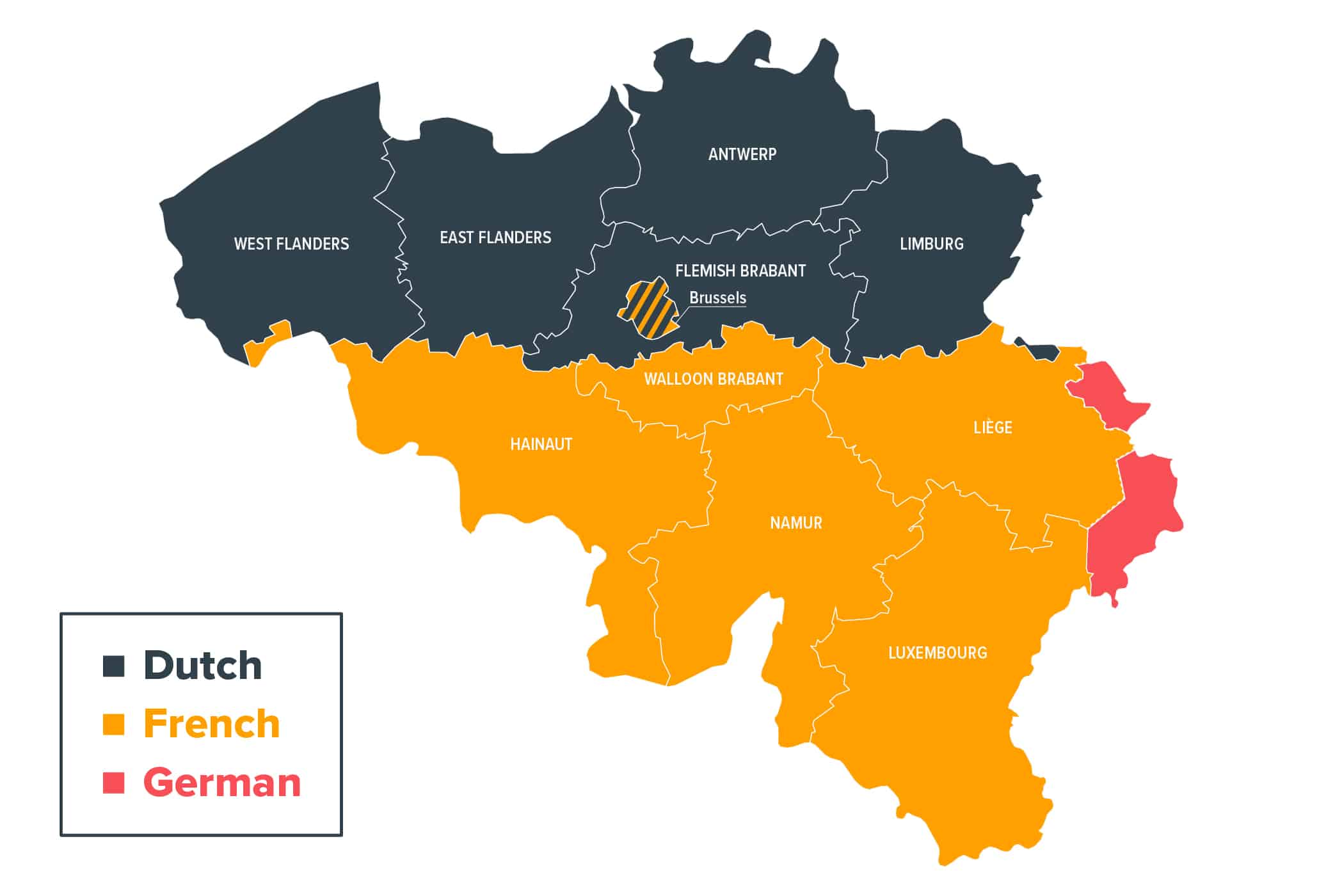
In the Netherlands, the legal system operates primarily in Dutch, which is the official language of the country. However, the Frisian language also enjoys official status in the province of Friesland, and it can be used in legal proceedings within that region.
In addition to Dutch and Frisian, foreign languages may also be used in the legal system in certain circumstances. For example, if a defendant does not speak Dutch or Frisian, they have the right to an interpreter. The court will provide an interpreter at no cost to the defendant.
Furthermore, documents that are not in Dutch or Frisian may need to be translated into one of these languages before they can be used in court.
Challenges and Opportunities
Ensuring language access in the legal system can be challenging, particularly in cases where the defendant does not speak Dutch or Frisian. The availability of interpreters can be limited, and the cost of interpretation services can be high. Additionally, cultural barriers can make it difficult for defendants to understand the legal process and to communicate effectively with their attorneys.
Despite these challenges, there are also opportunities to improve language access in the legal system. The use of technology, such as video conferencing and remote interpretation, can help to reduce the cost and improve the availability of interpretation services. Additionally, the training of legal professionals in cultural competency can help to break down cultural barriers and ensure that all defendants have a fair and equitable opportunity to participate in the legal process.
The Netherlands is a multilingual country, with Dutch being the official language. However, there are also significant populations of speakers of Frisian, Low Saxon, and English. What language is acai ? Acai is a fruit that is native to the Amazon rainforest, and its name comes from the Tupian language.
The Netherlands is a country with a rich linguistic heritage, and its languages reflect the country’s diverse history and culture.
Recommendations
To improve language access in the legal system, the following recommendations are proposed:
- Increase the availability of interpretation services by investing in training and recruitment programs for interpreters.
- Provide financial assistance to defendants who cannot afford the cost of interpretation services.
- Train legal professionals in cultural competency to ensure that they are able to effectively communicate with defendants from diverse backgrounds.
- Develop and implement language access plans that Artikel the steps that will be taken to ensure that all defendants have access to language services.
By implementing these recommendations, the Netherlands can improve language access in the legal system and ensure that all defendants have a fair and equitable opportunity to participate in the legal process.
Language Use in Tourism
The Netherlands, known for its diverse cultural heritage and welcoming atmosphere, has a vibrant tourism industry that caters to visitors from around the world. The country’s strategic location, rich history, and picturesque landscapes make it an attractive destination for tourists seeking a unique and memorable experience.
To ensure effective communication and cater to the diverse linguistic needs of visitors, language plays a crucial role in the Dutch tourism industry.
Language proficiency is of paramount importance for tourism professionals in the Netherlands. With English being the most widely spoken foreign language, it serves as a common language for communication with international tourists. However, to provide a truly personalized and immersive experience, proficiency in other languages spoken by significant tourist groups is highly beneficial.
For instance, German is spoken by a large number of visitors from neighboring Germany, while French and Spanish are important languages for tourists from France and Spain, respectively.
Challenges and Opportunities in Providing Multilingual Tourism Services
Providing multilingual tourism services presents both challenges and opportunities for the Dutch tourism industry. One challenge lies in the need to train and employ staff who are proficient in multiple languages. This can be particularly challenging for smaller businesses with limited resources.
However, it is crucial for tourism professionals to recognize the importance of language skills and invest in training programs to enhance their linguistic abilities.
Despite the challenges, multilingual tourism services offer significant opportunities for the Dutch tourism industry. By catering to the linguistic needs of visitors, businesses can create a more welcoming and inclusive environment, fostering positive relationships and enhancing the overall tourist experience.
Moreover, multilingual services can help businesses reach a wider audience, attracting tourists from diverse linguistic backgrounds and expanding their customer base.
Language Use in Technology
In the Netherlands, technology plays a vital role in various sectors, including software development, hardware manufacturing, and IT services. The use of languages in technology is influenced by factors such as globalization, international collaboration, and the availability of skilled professionals.
Role of Dutch and English
Dutch and English are the two primary languages used in technology in the Netherlands. Dutch is the official language of the country and is commonly used in software development for domestic markets. However, English has become increasingly dominant in the global technology industry, and its use in the Netherlands has expanded significantly.
English is widely used in software development, hardware manufacturing, and IT services, particularly for products and services intended for international markets.
Impact of Globalization
Globalization has had a significant impact on language use in technology in the Netherlands. The increased interconnectedness of the world has led to a greater demand for software and hardware products that can be used by a global audience. This has resulted in a shift towards English as the lingua franca of technology, as it is the most widely spoken language worldwide and facilitates communication and collaboration among professionals from different countries.
Skilled Professionals
The availability of skilled professionals is another factor influencing language use in technology in the Netherlands. The Netherlands has a highly educated workforce with a strong command of both Dutch and English. This has made it an attractive location for multinational technology companies, which can find skilled professionals who can work effectively in both languages.
FAQ
What is the official language of the Netherlands?
Dutch is the official language of the Netherlands.
What regional dialects are spoken in the Netherlands?
Frisian, Low Saxon, and Limburgish are the three main regional dialects spoken in the Netherlands.
What are some of the immigrant languages spoken in the Netherlands?
Turkish, Arabic, Spanish, and English are among the most common immigrant languages spoken in the Netherlands.
