How many Indian languages are spoken in India? This question sets the stage for this enthralling narrative, offering readers a glimpse into a story that is rich in detail and brimming with originality from the outset. India is a land of linguistic diversity, with a multitude of languages spoken across its vast expanse.
From the bustling streets of Mumbai to the serene backwaters of Kerala, the symphony of languages weaves a vibrant tapestry that reflects the country’s cultural heritage and historical evolution.
This exploration will delve into the fascinating world of Indian languages, examining their origins, classifications, and the sociolinguistic factors that shape their usage. We will uncover the stories behind the official languages of India, exploring their significance and the challenges they face.
The regional distribution of languages will be mapped, revealing the intricate tapestry of linguistic diversity across the country. The historical evolution of Indian languages will be traced, shedding light on the influences that have shaped their development.
Overview of Indian Languages
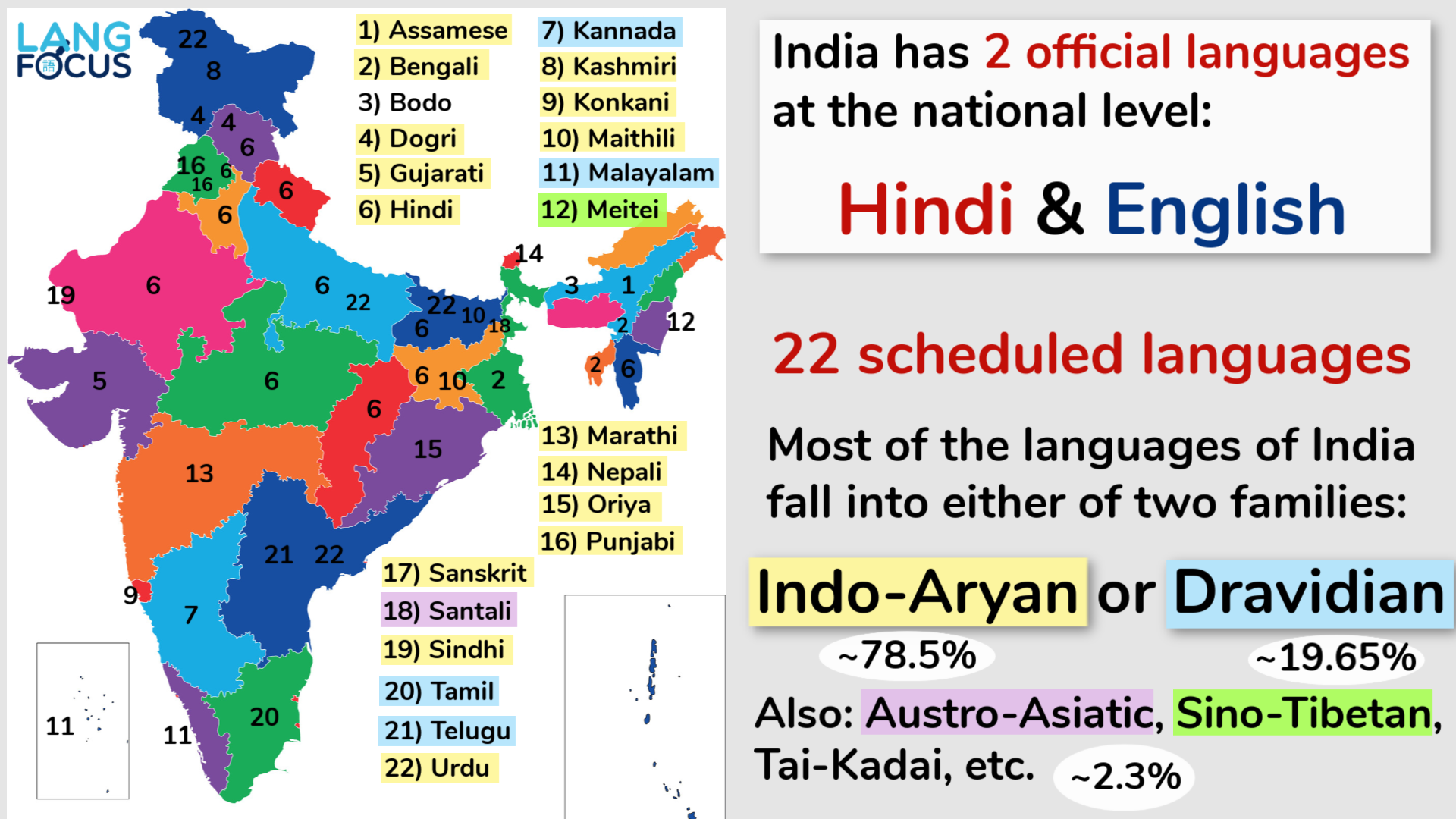
India is a linguistically diverse country with a rich and complex linguistic landscape. The country is home to over 780 languages, making it one of the most linguistically diverse regions in the world. These languages belong to several language families, including Indo-Aryan, Dravidian, Austroasiatic, Sino-Tibetan, and Tai-Kadai.
The diversity of languages in India is a result of several historical and cultural factors. The country has been a crossroads of civilizations for centuries, and different groups of people have migrated to and settled in India over time. These groups have brought their own languages and cultures, which have influenced the linguistic landscape of the country.
Historical and Cultural Factors
The historical and cultural factors that have influenced the diversity of languages spoken in India include:
- Geography:India’s vast and varied geography has contributed to the diversity of languages spoken in the country. The country’s mountainous regions, rivers, and deserts have acted as barriers to communication, leading to the development of different languages in different parts of the country.
- History:India has a long and complex history, which has seen the rise and fall of many different empires and kingdoms. These empires and kingdoms have often patronized different languages, which has led to the development of a wide variety of literary traditions in India.
- Culture:India is a culturally diverse country, with a wide range of religions, customs, and traditions. These cultural differences have also contributed to the diversity of languages spoken in the country.
Classification of Indian Languages
The linguistic landscape of India is incredibly diverse, with over 780 languages spoken across the country. These languages belong to various language families and subfamilies, each with its unique characteristics and history.
The major language families present in India include:
Indo-Aryan Languages
- Hindi
- Urdu
- Bengali
- Marathi
- Gujarati
- Punjabi
- Odia
- Assamese
- Maithili
- Bhojpuri
- Rajasthani
These languages are spoken by a majority of the Indian population and share a common ancestor in Sanskrit, the classical language of ancient India.
Dravidian Languages
- Tamil
- Telugu
- Kannada
- Malayalam
- Tulu
- Kodava
- Gondi
- Kurukh
Dravidian languages are spoken in southern India and are unrelated to the Indo-Aryan languages. They are characterized by their unique grammatical structures and vocabulary.
India is a linguistically diverse country with over 122 major languages and 1599 other languages. In contrast, Uganda, a country in East Africa, has over 40 languages spoken by its diverse population. The official language of Uganda is English, but the most widely spoken language is Luganda, a Bantu language spoken by the Baganda people.
Returning to India, the number of languages spoken reflects the country’s rich cultural heritage and the influence of various historical factors.
Tibeto-Burman Languages
- Nepali
- Manipuri
- Bodo
- Kachin
- Naga
Tibeto-Burman languages are spoken in the northeastern region of India and are related to the languages of Tibet and Burma. They are known for their tonal systems and complex consonant clusters.
Austroasiatic Languages
- Santali
- Munda
- Ho
Austroasiatic languages are spoken by tribal communities in eastern and central India. They are characterized by their non-tonal nature and unique grammatical features.
Official Languages of India
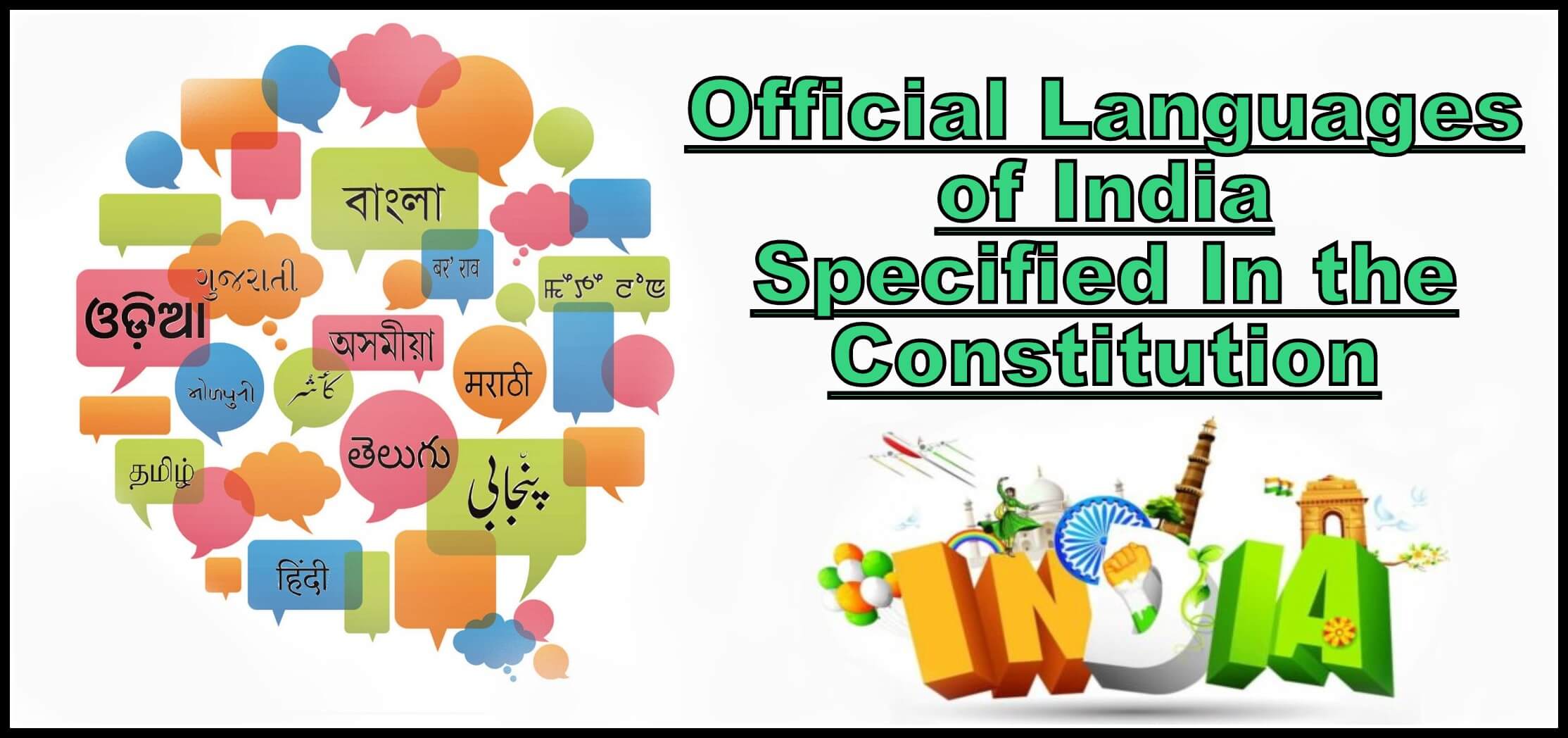
The concept of official languages in India stems from the need for effective communication and administration across a diverse linguistic landscape. The Indian constitution recognizes 22 official languages, which serve as the primary medium of communication for government, education, and public discourse in their respective regions.
List of Official Languages
- Assamese
- Bengali
- Bodo
- Dogri
- Gujarati
- Hindi
- Kannada
- Kashmiri
- Konkani
- Maithili
- Malayalam
- Manipuri
- Marathi
- Nepali
- Odia
- Punjabi
- Rajasthani
- Sanskrit
- Santali
- Sindhi
- Tamil
- Telugu
- Urdu
Geographic Distribution and Cultural Importance
The official languages of India are geographically distributed across the country, each with its own distinct cultural significance. For example, Hindi is widely spoken in northern India and is the official language of the Union government. Tamil is the primary language of the southern state of Tamil Nadu and holds cultural and historical importance in the region.
Marathi is spoken in the western state of Maharashtra and is associated with the vibrant cultural heritage of the Maratha empire.
Regional Distribution of Languages
The regional distribution of languages in India is a complex and fascinating subject, reflecting the country’s rich cultural and linguistic diversity. Major languages are spoken in distinct regions, influenced by historical, geographical, and cultural factors.
One of the most striking features of the regional distribution of languages in India is the presence of major language families in different parts of the country. The Indo-Aryan languages, which include Hindi, Bengali, Marathi, and Gujarati, are spoken in the north and central regions of India.
The Dravidian languages, which include Tamil, Telugu, Kannada, and Malayalam, are spoken in the south. The Austroasiatic languages, such as Santali and Mundari, are spoken in eastern and central India. The Tibeto-Burman languages, such as Tibetan and Burmese, are spoken in the north-eastern region of India.
Factors Contributing to Regional Variations
Several factors have contributed to the regional variations in language usage in India. These include:
- Geography:The geographical barriers, such as mountains and rivers, have played a significant role in shaping the linguistic landscape of India. Different regions have developed their own distinct languages due to limited communication and interaction with other regions.
- History:The history of India has been marked by invasions and migrations, which have influenced the distribution of languages. For example, the Indo-Aryan languages were brought to India by the Aryan invaders, while the Dravidian languages are thought to have been spoken by the indigenous people of India.
- Culture:The cultural diversity of India has also contributed to the regional variations in language usage. Different regions have developed their own unique cultures, which are reflected in their languages.
Summary and Implications
The regional distribution of languages in India is a complex and dynamic phenomenon, influenced by a variety of factors. This diversity poses challenges for language policy and education in India. The government has adopted a policy of promoting multilingualism, recognizing the importance of preserving and promoting all the languages of India.
However, there are ongoing debates about the allocation of resources and the role of English in education.
Minority Languages and Dialects
In India, minority languages and dialects refer to languages and linguistic varieties spoken by relatively smaller populations compared to the major languages. These languages often have a limited geographical distribution and are used by specific communities or groups.
With over 120 languages spoken in India, the linguistic diversity of the country is astounding. However, just across the Palk Strait, the island nation of Sri Lanka boasts its own unique linguistic landscape. What language speak in sri lanka ?
The answer is Sinhala and Tamil, the official languages of the country. Returning to the topic of Indian languages, the sheer number spoken within its borders is a testament to the rich cultural heritage of the subcontinent.
There are numerous minority languages and dialects spoken across India, each with its unique cultural and linguistic characteristics. Some notable examples include:
Examples of Minority Languages and Dialects
- Tulu: Spoken in the southwestern state of Karnataka.
- Konkani: Spoken along the western coast of India, primarily in Goa and neighboring areas.
- Bodo: Spoken in the northeastern state of Assam and parts of West Bengal.
- Ladakhi: Spoken in the northernmost region of Ladakh.
- Gondi: Spoken by the Gond tribe in central India.
Challenges Faced by Minority Language Communities
Minority language communities in India face various challenges, including:
- Limited recognition and support: Many minority languages lack official recognition and support from the government and educational institutions.
- Language loss: Due to factors such as urbanization, migration, and globalization, minority languages are facing a risk of extinction.
- Discrimination and prejudice: Speakers of minority languages may experience discrimination or prejudice from dominant language communities.
Importance of Preserving Minority Languages and Dialects
Preserving minority languages and dialects is crucial for several reasons:
- Cultural heritage: Minority languages are an integral part of India’s rich cultural heritage and diversity.
- Linguistic diversity: India’s linguistic diversity is a source of pride and a reflection of its cultural richness.
- Cognitive development: Research suggests that exposure to multiple languages can enhance cognitive abilities.
Table of Minority Languages and Dialects
The following table provides a partial list of minority languages and dialects spoken in India, along with their geographical distribution and approximate number of speakers:
| Language/Dialect | Geographical Distribution | Number of Speakers |
|---|---|---|
| Tulu | Karnataka | 2.5 million |
| Konkani | Goa, Maharashtra, Karnataka | 2.8 million |
| Bodo | Assam, West Bengal | 1.5 million |
| Ladakhi | Ladakh | 0.2 million |
| Gondi | Central India | 2.5 million |
Resources for Minority Language Communities
Several organizations and websites support minority language communities in India, including:
- Central Institute of Indian Languages (CIIL): A government-funded institution dedicated to research and development of Indian languages.
- National Institute of Minority Language Education (NIMLE): A government-funded institute that promotes education in minority languages.
- Endangered Languages Project: A non-profit organization that works to preserve and document endangered languages.
Endangered Languages of India

Endangered languages are languages that are facing a decline in the number of speakers, putting their existence at risk. Preserving endangered languages is crucial for maintaining cultural diversity, historical continuity, and linguistic heritage.
India is home to a vast linguistic landscape, but many of its languages are facing endangerment. The major endangered languages of India include:
Major Endangered Languages of India
- Nahari:Spoken by the Bhil tribe in Madhya Pradesh and Gujarat, Nahari has only a few hundred speakers remaining.
- Kurukh:Belonging to the Dravidian language family, Kurukh is spoken by the Oraon tribe in Jharkhand, Odisha, and West Bengal, with a population of around 2 million speakers.
- Kuvi:Spoken by the Kuvi tribe in Andhra Pradesh and Odisha, Kuvi has approximately 400,000 speakers.
- Bodo:A Sino-Tibetan language spoken in Assam, Bodo has around 1.5 million speakers, but its usage is declining due to the influence of Assamese.
- Mising:Another Sino-Tibetan language spoken in Assam, Mising has approximately 500,000 speakers, facing endangerment due to assimilation and language shift.
Factors contributing to language endangerment in India include:
- Globalization and urbanization:The spread of dominant languages like English and Hindi has led to a decline in the use of minority languages.
- Lack of education and resources:Many endangered languages lack written scripts, educational materials, and opportunities for intergenerational transmission.
- Cultural assimilation:Minority language speakers may face pressure to assimilate into the dominant culture, leading to a decline in their language use.
Efforts to preserve endangered languages in India include:
- Language documentation and revitalization projects:Linguists and researchers are working to document endangered languages and develop materials for language learning and teaching.
- Community-based initiatives:Indigenous communities are actively involved in preserving their languages through cultural events, storytelling, and language classes.
- Government support:The Indian government has established the National Mission for Manuscripts to support the preservation and digitization of endangered languages.
Multilingualism in India

India is a multilingual country with a rich linguistic heritage. Multilingualism refers to the ability of an individual to speak and understand multiple languages. It is a common phenomenon in India, where people often speak more than one language due to the country’s diverse linguistic landscape.
According to the 2011 census, approximately 20% of the Indian population is multilingual. This means that around 248 million Indians can speak, read, and write in two or more languages. The percentage of multilingualism varies across different regions and states in India.
Benefits and Challenges of Multilingualism
Multilingualism offers several benefits to individuals and society. It enhances cognitive abilities, improves memory, and increases cultural awareness. Multilingual individuals have better problem-solving skills, are more creative, and have higher levels of empathy.
However, multilingualism also poses certain challenges. Language barriers can hinder communication and access to information. Discrimination against non-native speakers can also be a problem in some cases.
Major Languages and Multilingualism
India is home to a vast number of languages. The major languages spoken in India include Hindi, English, Bengali, Telugu, Marathi, Tamil, Gujarati, Kannada, Malayalam, and Odia. Multilingualism is common within these languages. For example, many people in North India speak Hindi as their native language but also know English or another regional language.
Role of Multilingualism in Indian Culture and Society
Multilingualism plays a vital role in Indian culture and society. It fosters unity and diversity, allowing people from different linguistic backgrounds to communicate and interact with each other. Multilingualism has also influenced Indian literature, art, and music, creating a rich and vibrant cultural landscape.
Challenges Faced by Multilingual Individuals
Multilingual individuals in India may face certain challenges, such as language barriers and discrimination. They may also experience difficulties in accessing education and employment opportunities if they are not proficient in the dominant language of the region.
Promoting Multilingualism
To promote multilingualism and its benefits in India, several measures can be taken. These include encouraging language learning in schools and universities, providing resources for multilingual education, and promoting tolerance and understanding of different languages and cultures.
Language Policy in India
India’s language policy has undergone significant evolution since the country’s independence. The policy aims to promote and protect the diverse linguistic heritage of India while also fostering national unity and integration.
Role of the Government
The Indian government plays a crucial role in shaping language policy through various initiatives:
- Constitutional Provisions:The Indian Constitution recognizes 22 official languages, including Hindi and English. It also protects the right of individuals to conserve and develop their languages.
- Language Commissions:The government has established various commissions, such as the Central Hindi Committee and the National Council for Promotion of Urdu Language, to promote and develop specific languages.
- Educational Policies:The government encourages the use of regional languages in education and provides support for the teaching and learning of Indian languages.
- Language Development Programs:The government funds programs aimed at preserving and revitalizing endangered languages and promoting the use of Indian languages in various domains.
Debates and Controversies
Language policy in India has been the subject of debates and controversies, particularly surrounding the status of Hindi as the national language:
- Hindi as the National Language:Some groups advocate for Hindi to be the sole national language, while others argue for the preservation and promotion of regional languages.
- Imposition of Hindi:There have been concerns about the imposition of Hindi in non-Hindi speaking regions, leading to resistance and demands for the protection of local languages.
- English as a Link Language:The role of English as a link language in education, business, and communication has been debated, with some advocating for its continued use and others calling for a shift towards Indian languages.
– Discuss the role of language in education in India, with specific emphasis on the importance of regional languages and mother tongues in fostering inclusive and equitable education.
In India, language plays a pivotal role in education. The use of regional languages and mother tongues in the classroom is crucial for fostering inclusive and equitable education, ensuring that all students have the opportunity to succeed.
Importance of Regional Languages and Mother Tongues
- Cognitive Development:Research shows that children who are taught in their mother tongue or regional language demonstrate better cognitive development, comprehension, and problem-solving skills.
- Cultural Identity:Using regional languages and mother tongues in education helps preserve and promote cultural diversity, fostering a sense of belonging and pride among students.
- Inclusivity:By accommodating linguistic diversity, education becomes more inclusive, allowing all students to participate fully in the learning process, regardless of their linguistic background.
- Educational Equity:Using regional languages and mother tongues reduces the language barrier, ensuring equal opportunities for educational success for all students, particularly those from marginalized communities.
Language and Media
Language plays a significant role in the media landscape of India, a country with immense linguistic diversity. The representation of different languages in print, broadcast, and digital media shapes language use and attitudes within society.
In print media, newspapers and magazines cater to readers of various linguistic backgrounds. Major national dailies publish editions in multiple languages, including Hindi, English, and regional languages like Tamil, Telugu, and Bengali. Regional newspapers and magazines focus on local news and issues, contributing to the preservation and promotion of regional languages.
Broadcast Media
Broadcast media, including television and radio, has a far-reaching impact on language use. National television channels broadcast programs in Hindi and English, along with regional channels catering to specific linguistic regions. The availability of regional language programming has contributed to the growth and standardization of regional languages.
Radio remains a popular medium, particularly in rural areas. Community radio stations play a vital role in promoting local languages and cultures, broadcasting news, educational programs, and entertainment in regional dialects.
Digital Media
The rise of digital media has further diversified the language landscape. Social media platforms, websites, and online news portals provide content in a wide range of languages. Regional language content is gaining popularity, with users creating and consuming content in their native tongues.
However, there is a digital divide in terms of language access. While major platforms offer multilingual interfaces, many websites and online resources are available only in English or Hindi. This can limit access to information and services for non-native speakers.
The media plays a crucial role in shaping language attitudes. The prominence of certain languages in media can influence perceptions of their status and importance. Representation of regional languages in mainstream media contributes to their vitality and recognition.
Language and Technology
Technology has significantly impacted language use in India. Social media, messaging apps, and other digital platforms have played a crucial role in promoting and preserving Indian languages.
Impact of Technology on Language Use in India
Spread of English and its Impact on Indian Languages
- English has gained prominence in India due to globalization, education, and employment opportunities.
- This has led to the spread of English at the expense of some Indian languages, particularly in urban areas.
- However, many Indian languages continue to thrive in rural areas and among specific communities.
Development of New Forms of Communication, such as Hinglish
- Technology has facilitated the emergence of new forms of communication, such as Hinglish, a blend of Hindi and English.
- Hinglish has become popular in urban areas and among younger generations, reflecting the increasing interconnectedness and multilingualism in India.
Role of Technology in Language Preservation and Revitalization
- Technology has provided new opportunities for language preservation and revitalization.
- Online resources, such as dictionaries, grammar guides, and language-learning apps, make it easier for people to learn and preserve their native languages.
- Digital archives and databases help document and preserve endangered languages.
Potential of Technology for Language Learning and Revitalization
Use of Online Resources for Language Learning
- Online resources, such as Duolingo, Babbel, and Memrise, offer interactive and accessible ways to learn new languages.
- These resources provide personalized learning experiences, allowing users to learn at their own pace and focus on specific areas.
Development of Language-Learning Apps
- Language-learning apps, such as Drops, HelloTalk, and Tandem, connect learners with native speakers and provide immersive learning experiences.
- These apps facilitate language exchange, allowing learners to practice speaking, listening, and writing in a real-world context.
Use of Technology to Support Language Revitalization Efforts
- Technology can support language revitalization efforts by providing tools for language documentation, teaching, and community engagement.
- For example, the Endangered Languages Documentation Programme (ELDP) uses digital tools to document and preserve endangered languages.
Language and Cultural Identity
Language plays a pivotal role in shaping and reflecting the cultural identity of a society. In India, with its diverse linguistic landscape, language serves as a conduit for expressing and transmitting cultural heritage. The relationship between language and cultural identity is multifaceted, as language:
Language Embodies Cultural Values
Language embodies cultural values, beliefs, and practices. The words and phrases used in a language often reflect the worldview and experiences of the community that speaks it. For example, in many Indian languages, there are specific terms for extended family relationships, indicating the importance of family ties in Indian culture.
Language Preserves Cultural Heritage
Language serves as a repository of cultural heritage. Oral traditions, folktales, songs, and proverbs passed down through generations are often preserved in local languages. These narratives and expressions provide insights into the history, traditions, and beliefs of a community.
Language Fosters Cultural Unity and Diversity
Language can both promote cultural unity and diversity within a society. While a shared national language like Hindi fosters a sense of unity among Indians, regional languages and dialects contribute to the preservation and expression of diverse cultural identities.
| Contribution | Description |
|---|---|
| Embodiment of Cultural Values | Language reflects and reinforces cultural values, beliefs, and practices. |
| Preservation of Cultural Heritage | Language serves as a repository for oral traditions, folktales, and other forms of cultural expression. |
| Fostering Cultural Unity and Diversity | Language promotes both national unity and the preservation of diverse regional and local cultural identities. |
Language and Local Cultural Identities, How many indian languages are spoken in india
Regional languages play a significant role in shaping local cultural identities within India. They are often associated with specific regions, communities, and traditions. For instance, the use of Marathi in Maharashtra, Tamil in Tamil Nadu, and Bengali in West Bengal reinforces the distinct cultural identities of these states.
Language in Cultural Unity and Diversity
Language has been used to promote both cultural unity and diversity in India. The adoption of Hindi as the official language has fostered a sense of national unity, while the recognition and promotion of regional languages has preserved and celebrated the country’s linguistic and cultural diversity.
– Analyze the role of language in social stratification in India, particularly focusing on the caste system.: How Many Indian Languages Are Spoken In India
Language plays a significant role in social stratification in India, particularly in relation to the caste system. The caste system is a hierarchical social structure that divides society into different groups based on birth, occupation, and ritual status. Language is often used as a marker of caste identity, and different castes often speak different dialects or languages.
Language as a Marker of Social Status
Language can be used as a marker of social status in India. For example, the use of honorifics is common in Indian society, and the choice of honorific can indicate the speaker’s social status relative to the listener. Additionally, certain languages or dialects are associated with particular castes or social groups.
For example, Sanskrit is often associated with the upper castes, while Dravidian languages are often associated with the lower castes.
Language and National Integration
In a diverse country like India, with its multitude of languages, language plays a crucial role in fostering national integration. It serves as a bridge between different linguistic communities, promoting unity and understanding.
Successful Initiatives to Promote Linguistic Harmony
- Three-Language Formula:Introduced in 1968, this policy encourages students to learn three languages: Hindi, English, and their regional language. This promotes multilingualism and helps bridge the linguistic divide.
- National Integration Council:Established in 1961, this council promotes national integration through various initiatives, including the use of language as a unifying force.
- Sahitya Akademi:This national academy promotes Indian literature in all languages, recognizing the cultural diversity and linguistic heritage of the country.
Language and Globalization
Globalization has significantly impacted language use in India. The spread of English and other global languages has created both challenges and opportunities for the country’s linguistic landscape.
One of the most significant impacts of globalization on language use in India has been the spread of English. English has become the language of international business, education, and media, and its use in India has increased dramatically in recent decades.
Factors Contributing to the Spread of English in India
- British colonial legacy
- Growth of multinational corporations
- Expansion of higher education
- Influence of global media
The spread of English has had a number of consequences for language use in India. On the one hand, it has provided Indians with access to global knowledge and opportunities. On the other hand, it has led to concerns about the decline of regional languages and the erosion of linguistic diversity.
Impact of Globalization on Regional Languages
- Decline in the use of regional languages in education
- Loss of linguistic diversity
- Cultural homogenization
Despite the challenges, globalization has also created opportunities for language use in India. The spread of English has facilitated India’s economic and cultural integration with the global community.
Role of Language in India’s Participation in the Globalized World
- Access to global knowledge and ideas
- Participation in international trade and commerce
- Promotion of cultural exchange
The use of English as the medium of instruction in higher education in India is a complex issue with both advantages and disadvantages.
Challenges and Opportunities of Using English in Higher Education
Challenges:
- Access to education for students from non-English speaking backgrounds
- Loss of regional languages and cultures
- Cultural alienation
Opportunities:
- Improved access to global knowledge and research
- Enhanced employability in international job markets
- Promotion of cross-cultural understanding
In conclusion, globalization has had a profound impact on language use in India. The spread of English and other global languages has created both challenges and opportunities for the country’s linguistic landscape. It is important to find ways to balance the benefits of globalization with the need to preserve India’s rich linguistic diversity.
Popular Questions
How many languages are spoken in India?
There are 22 official languages recognized by the Indian constitution, and over 122 major languages and 1500 dialects spoken throughout the country.
What is the most widely spoken language in India?
Hindi is the most widely spoken language in India, with over 500 million native speakers.
What are the major language families of India?
The major language families of India include Indo-Aryan, Dravidian, Austroasiatic, Tibeto-Burman, and Sino-Tibetan.
What are the challenges facing Indian languages?
Indian languages face challenges such as language endangerment, the spread of English, and the influence of globalization.
