Is Aramaic a dead language? The answer to this question is not as straightforward as one might think. Aramaic, once a vibrant and widely spoken language, has a rich history and a complex present. This academic presentation will explore the fascinating journey of Aramaic, from its ancient origins to its modern-day revival efforts, shedding light on its significance and the factors that have shaped its evolution.
Aramaic, a member of the Semitic language family, has a long and storied past. It was the lingua franca of the Middle East during the Achaemenid Empire and played a significant role in the development of Christianity and Judaism. However, over time, Aramaic faced decline and fragmentation, leading to the emergence of various dialects and a gradual shift towards other languages.
Introduction

Aramaic is an ancient Semitic language that played a significant role in the Middle East for centuries. It was the lingua franca of the Neo-Assyrian and Neo-Babylonian empires and was widely used in the region during the Persian, Hellenistic, and Roman periods.
Today, Aramaic is no longer a widely spoken language, but it is still used in religious ceremonies and as a literary language by various ethnic groups in the Middle East, including Jews, Christians, and Mandaeans.
Distribution of Aramaic Dialects
Modern Aramaic dialects are spoken in several countries in the Middle East, including Syria, Iraq, Iran, Turkey, and Israel. These dialects can be broadly classified into two main groups: Western Aramaic and Eastern Aramaic.
Western Aramaic dialects are spoken in the Levant region, including Syria, Lebanon, and Israel. Eastern Aramaic dialects are spoken in Iraq, Iran, and Turkey.
Factors Contributing to the Decline of Aramaic
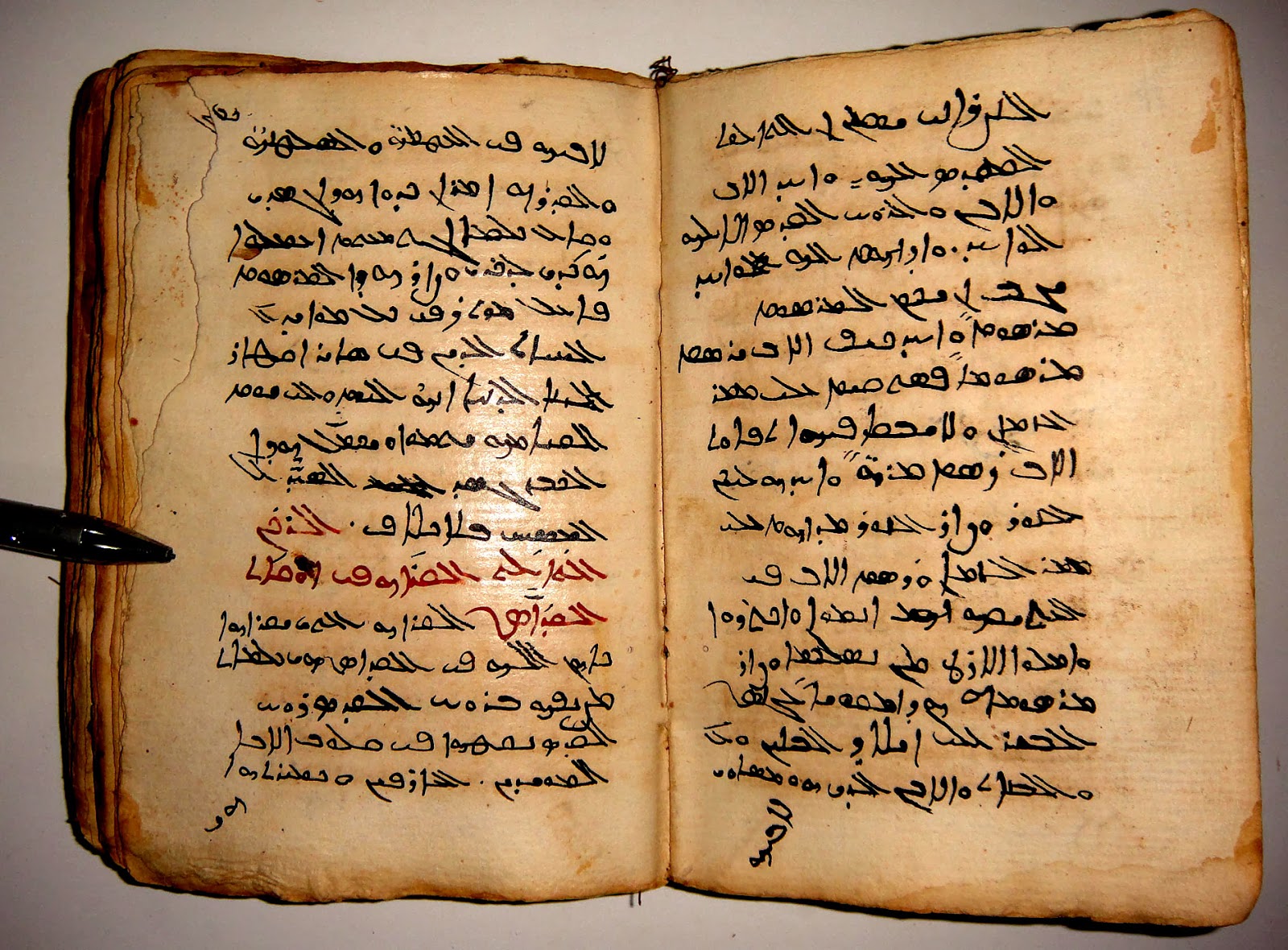
The decline of Aramaic as a widely spoken language was a gradual process influenced by several historical events and societal shifts. These factors collectively contributed to the language’s diminished use and eventual replacement by other languages.
Historical Events and Societal Shifts
- Conquests and Assimilation:The conquests of Alexander the Great in the 4th century BCE and the subsequent Hellenistic influence in the Middle East led to the spread of Greek language and culture. This resulted in the assimilation of Aramaic-speaking populations into Greek-speaking societies, contributing to the decline of Aramaic.
- Rise of Arabic:The rise of Islam in the 7th century CE brought about the spread of Arabic as the language of religion and government. This led to a gradual shift from Aramaic to Arabic in many regions, especially in the Arabian Peninsula and North Africa.
- Political Fragmentation:The political fragmentation of the Middle East after the collapse of the Roman Empire created smaller states and principalities, each with its own local language and culture. This fragmentation hindered the widespread use of Aramaic as a common language.
Language Replacement and Assimilation
In addition to historical events, language replacement and assimilation also played a significant role in the decline of Aramaic.
- Prestige and Dominance:The languages of dominant political and cultural powers often gain prestige and become more widely spoken. In the case of Aramaic, the rise of Greek and Arabic as the languages of powerful empires led to their adoption by many people who previously spoke Aramaic.
- Economic Factors:The economic benefits of speaking a dominant language, such as access to trade and education, motivated many Aramaic speakers to adopt the languages of their conquerors or neighbors.
- Cultural Assimilation:Intermarriage and cultural exchange between different linguistic groups led to the assimilation of Aramaic-speaking communities into other cultures and the adoption of their languages.
These factors collectively contributed to the gradual decline of Aramaic as a widely spoken language, leading to its eventual replacement by other languages in many regions.
Geographic Distribution of Modern Aramaic

Modern Aramaic is spoken in various regions across the Middle East, with significant communities in Syria, Iraq, Turkey, Iran, and Israel. Despite its decline as a primary language, Aramaic has survived in isolated pockets and among religious communities that have preserved its use in liturgy and religious texts.
Number of Speakers
The exact number of modern Aramaic speakers is difficult to determine due to the lack of comprehensive census data and the fluidity of language use in multilingual regions. However, estimates suggest that there are approximately:
- 250,000-300,000 speakers in Syria
- 150,000-200,000 speakers in Iraq
- 50,000-100,000 speakers in Turkey
- 20,000-30,000 speakers in Iran
- 10,000-15,000 speakers in Israel
Geographic Distribution
The geographic distribution of modern Aramaic is concentrated in the following regions:
- Syria:The largest concentration of Aramaic speakers is found in northeastern Syria, particularly in the Khabur River Valley and the city of Qamishli.
- Iraq:Aramaic is spoken in northern Iraq, primarily in the Nineveh Plains and the city of Erbil.
- Turkey:Aramaic-speaking communities are located in southeastern Turkey, near the Syrian border.
- Iran:Aramaic is spoken in northwestern Iran, in the Urmia region.
- Israel:Aramaic is used in religious contexts by Jewish communities, particularly in Jerusalem and Safed.
Modern Aramaic Dialects

Modern Aramaic dialects are classified into two main groups: Eastern Aramaic and Western Aramaic. Eastern Aramaic dialects are spoken in Iraq, Iran, and Afghanistan, while Western Aramaic dialects are spoken in Syria, Lebanon, and Israel.Linguistic similarities among these dialects include a shared vocabulary and grammar.
However, there are also significant differences in pronunciation, morphology, and syntax. For example, Eastern Aramaic dialects have a more complex vowel system than Western Aramaic dialects. Additionally, Eastern Aramaic dialects have a different set of pronominal suffixes than Western Aramaic dialects.
Eastern Aramaic Dialects
Eastern Aramaic dialects include:
- Assyrian Neo-Aramaic
- Chaldean Neo-Aramaic
- Turoyo
These dialects are spoken by Assyrian, Chaldean, and Turoyo communities in Iraq, Iran, and Afghanistan. They share a common vocabulary and grammar, but there are also significant differences in pronunciation and morphology.
While Aramaic may be considered a dead language, its influence can still be seen in various aspects of modern life. One such example is the language spoken in Slovenia. Slovenian , the official language of Slovenia, contains numerous loanwords and grammatical structures derived from Aramaic, a testament to the far-reaching impact of this ancient language on the linguistic landscape of the world.
Western Aramaic Dialects
Western Aramaic dialects include:
- Western Neo-Aramaic
- Ma’lula Aramaic
- Jebb’adin Aramaic
These dialects are spoken by Christian communities in Syria, Lebanon, and Israel. They share a common vocabulary and grammar, but there are also significant differences in pronunciation and syntax.
Revitalization Efforts for Aramaic

In the face of decline, various initiatives have emerged to revive and preserve Aramaic. These efforts aim to revitalize the language through education, community engagement, and cultural promotion.
Educational initiatives include the establishment of Aramaic language schools and programs in areas where the language is still spoken. These programs focus on teaching Aramaic to younger generations, fostering fluency, and promoting cultural identity.
Challenges
- Limited resources and funding for Aramaic revitalization programs.
- Competition from dominant languages in education and media.
- Lack of standardized teaching materials and curriculum.
Successes
- Establishment of Aramaic language schools and programs in various countries.
- Growing interest in Aramaic among scholars and researchers.
- Increased awareness of the importance of preserving Aramaic heritage.
Community engagement initiatives involve organizing cultural events, workshops, and gatherings where Aramaic can be used and celebrated. These events promote a sense of community and provide opportunities for language practice.
Cultural promotion efforts include the production of Aramaic literature, music, and films. These creative works not only showcase the beauty and richness of the language but also contribute to its revitalization by making it accessible to a wider audience.
Despite the challenges, revitalization efforts for Aramaic have made significant progress in recent years. Educational programs, community engagement initiatives, and cultural promotion efforts have contributed to a renewed interest in the language and a growing number of speakers.
Aramaic in Religious Texts

Aramaic holds significant importance in various major religious texts and practices. It played a crucial role in the development and dissemination of these religions, serving as the language of communication, scholarship, and liturgy.
Although Aramaic is often classified as a dead language, it is still spoken by a small number of people in certain regions. In Trinidad and Tobago, for example, the official language is English, but many people also speak a dialect of Spanish known as Trinidadian Creole.
Despite its widespread use in ancient times, Aramaic has largely disappeared from everyday conversation and is now primarily used in religious contexts.
In the Hebrew Bible (Old Testament), Aramaic appears in several passages, particularly in the books of Daniel and Ezra. These sections provide insights into the historical and cultural context of the Jewish people during the Babylonian exile. Aramaic also features in the Targums, Aramaic translations and interpretations of the Hebrew Bible, which were used in synagogues for educational purposes.
Aramaic in the Talmud
Aramaic is the primary language of the Talmud, a vast collection of Jewish religious law and commentary. Compiled over centuries by rabbis in Babylonia and Palestine, the Talmud is written primarily in Aramaic, with some Hebrew sections. It serves as a foundational text for Jewish religious practice and legal interpretation.
Aramaic in Christian Texts
In the New Testament of the Christian Bible, Aramaic is believed to have been the language spoken by Jesus and his disciples. While the Gospels were written in Greek, certain phrases and expressions in Aramaic are preserved, offering glimpses into the original context of Jesus’ teachings.
Aramaic also appears in the liturgy and prayers of various Christian denominations.
Aramaic in Islamic Texts
Aramaic played a significant role in the early development of Islam. The Quran, the central religious text of Islam, contains several passages written in Aramaic, primarily in the opening chapter (Surah al-Fatihah). These passages are considered sacred and are often recited in prayers and religious ceremonies.
Role in Religious Practices
Aramaic continues to be used in religious practices and ceremonies across various faiths. In Jewish synagogues, Aramaic is employed in the chanting of certain prayers and blessings. In Christian churches, Aramaic is often used in liturgical music and hymns. Similarly, in Islamic mosques, Aramaic passages from the Quran are recited during prayers and religious gatherings.
Cultural and Literary Heritage of Aramaic
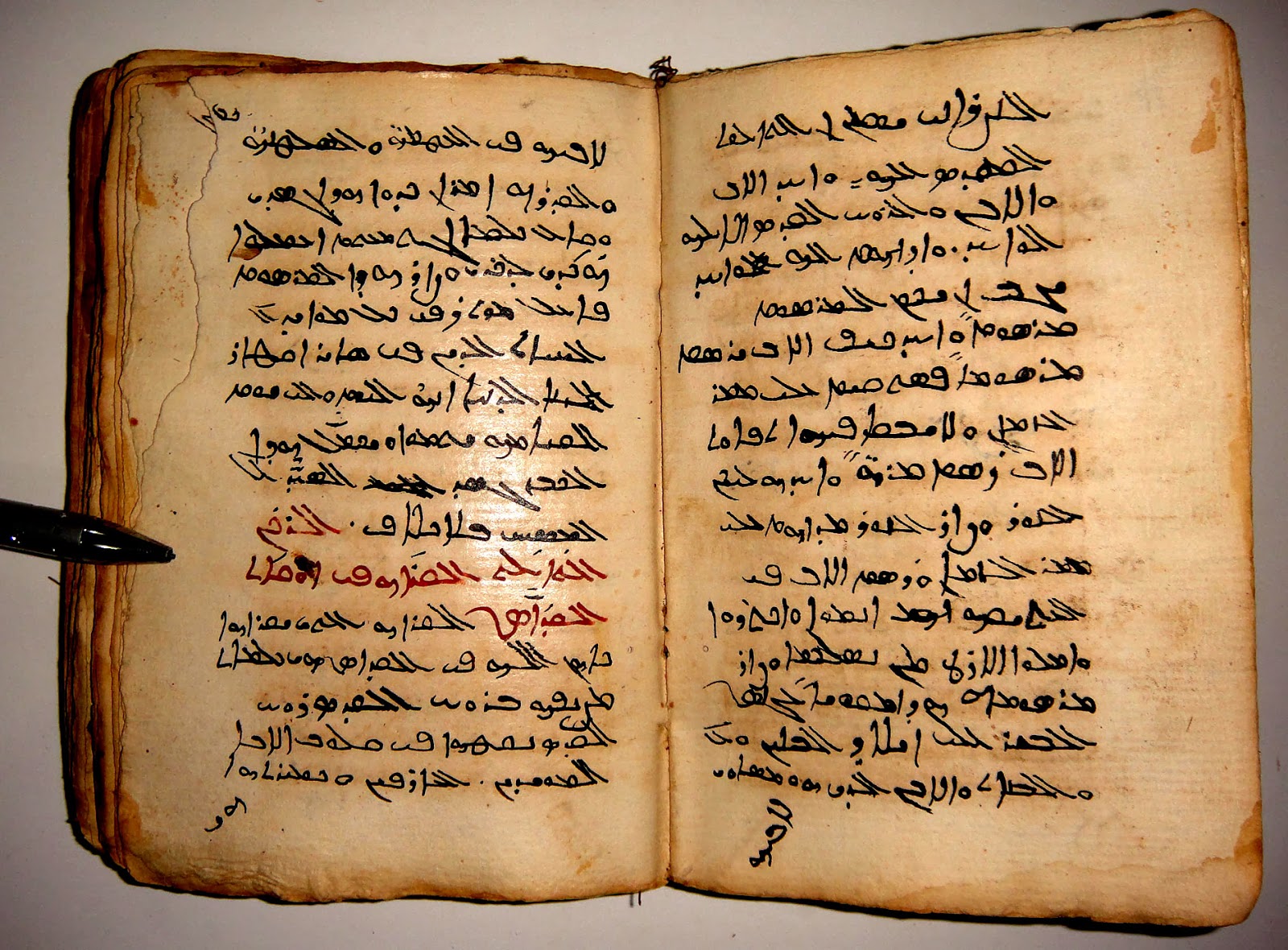
Aramaic has a rich cultural and literary heritage, encompassing a vast body of literature, religious texts, and cultural traditions. Its significance extends beyond its role as a spoken language, as it serves as a repository of ancient knowledge and wisdom.
Literary Works
Aramaic literature includes a diverse range of genres, from religious texts to historical chronicles, philosophical treatises, and poetic works. Some of the most notable literary works in Aramaic include:
- The Aramaic Bible: Portions of the Old Testament, including the books of Daniel and Ezra, are written in Aramaic.
- The Targums: Aramaic translations and interpretations of the Hebrew Bible.
- The Talmud: A vast collection of Jewish law and tradition, much of which is written in Aramaic.
- The Book of Enoch: An ancient apocalyptic text that provides insights into Jewish beliefs and eschatology.
- The Syriac New Testament: The New Testament translated into Aramaic.
Cultural Traditions
Aramaic has also played a significant role in shaping cultural traditions and practices. It has been the language of:
- The Babylonian Talmudic academies
- Early Christian communities in the Middle East
- Various Jewish sects, including the Samaritans and Karaites
- The Mandaeans, a Gnostic religious group
Importance of Aramaic
The study of Aramaic is crucial for understanding ancient cultures and civilizations. It provides insights into the religious, social, and political life of the ancient Near East. Aramaic has also influenced other languages and cultures, including:
- Hebrew: Aramaic loanwords and grammatical structures have significantly influenced Modern Hebrew.
- Arabic: Aramaic has contributed vocabulary and grammatical features to Arabic.
- Greek: The Greek New Testament contains Aramaic loanwords and phrases.
| Literary Work/Tradition | Description |
|---|---|
| Aramaic Bible | Portions of the Old Testament written in Aramaic |
| Targums | Aramaic translations and interpretations of the Hebrew Bible |
| Talmud | Collection of Jewish law and tradition, written primarily in Aramaic |
| Book of Enoch | Ancient apocalyptic text providing insights into Jewish beliefs and eschatology |
| Syriac New Testament | New Testament translated into Aramaic |
| Babylonian Talmudic academies | Centers of Jewish learning and scholarship, where Aramaic was the language of instruction |
| Early Christian communities in the Middle East | Aramaic was the common language of many early Christian communities |
| Samaritans | Jewish sect that uses Aramaic as its liturgical language |
| Karaites | Jewish sect that emphasizes the study of the Hebrew Bible in its original Aramaic form |
| Mandaeans | Gnostic religious group that uses Aramaic as its sacred language |
Significance in Western Civilization
Aramaic has played a significant role in the development of Western civilization. As the lingua franca of the ancient Near East, it facilitated cultural exchange and the spread of ideas. Aramaic was also the language of Jesus Christ and the early Christian Church, which contributed to its importance in Western religious and cultural traditions.
The study of Aramaic continues to be vital for understanding the origins and evolution of Western civilization. It provides a window into the beliefs, practices, and languages of ancient peoples, shedding light on the foundations of our modern world.
Aramaic in Modern Literature

Aramaic, once a widely spoken language in the ancient Middle East, has experienced a resurgence in modern literature. Contemporary writers and poets have embraced Aramaic as a means to connect with their cultural heritage and explore themes of identity, spirituality, and loss.
Literary Techniques and Themes, Is aramaic a dead language
Aramaic is employed in modern literature to create a sense of authenticity and historical depth. By incorporating Aramaic phrases or passages, authors can evoke the ancient world and connect their characters to a rich cultural tradition. Additionally, Aramaic’s unique grammatical structures and vocabulary offer writers new possibilities for literary expression.
Examples of Aramaic Usage
- The Book of Sandby Jorge Luis Borges features a character who speaks Aramaic, adding a layer of mystery and otherworldliness to the narrative.
- The Aleppo Codexby Matti Friedman incorporates Aramaic texts to explore the history and significance of the ancient manuscript.
- The Dove’s Necklaceby Abraham Yehoshua includes Aramaic prayers and incantations, reflecting the protagonist’s spiritual journey.
Significance and Impact
The use of Aramaic in contemporary literature serves multiple purposes. It allows authors to delve into themes of cultural identity, bridging the gap between the ancient and modern worlds. Aramaic also adds a sense of authenticity and depth to literary works, enriching the reader’s understanding of the characters and their experiences.
Contribution to Literary Development
Aramaic contributes to the development of literary themes and characters by providing a unique linguistic and cultural context. Its use in modern literature allows authors to explore new dimensions of identity, history, and spirituality. By incorporating Aramaic, writers can create characters that are rooted in a rich cultural heritage and evoke a sense of historical continuity.
Creative Piece Incorporating Aramaic
Aramaic whispers in the wind,Echoes of a forgotten land. Words that dance on ancient tongues, A bridge between time and songs.
This short poem utilizes Aramaic words and imagery to convey a sense of nostalgia and connection to the past.
Discuss the role of Aramaic in academic institutions and research programs
Aramaic studies have a rich history in academic institutions, with universities and research centers around the world offering programs and courses dedicated to the study of this ancient language. Aramaic has been a significant language of scholarship, religious texts, and cultural heritage for centuries, and its study provides valuable insights into the history, cultures, and religions of the Middle East and beyond.
Research Centers and Universities
Numerous universities and research centers offer Aramaic studies programs, including:
- The University of Oxford’s Oriental Institute
- The University of Cambridge’s Faculty of Asian and Middle Eastern Studies
- The Hebrew University of Jerusalem’s Department of Hebrew Language
- The University of Chicago’s Department of Near Eastern Languages and Civilizations
- The University of California, Berkeley’s Department of Near Eastern Studies
Methodologies and Approaches
The study of Aramaic employs various methodologies and approaches, including:
- Philological approach:Examines the language’s structure, grammar, and vocabulary.
- Historical approach:Investigates the language’s development and evolution over time.
- Literary approach:Analyzes Aramaic texts, including religious, historical, and literary works.
Research Projects and Publications
Aramaic studies have produced numerous research projects and publications, utilizing the aforementioned methodologies. Some notable examples include:
- The Aramaic Bible Project, a multi-volume critical edition of the Aramaic portions of the Old Testament.
- The Dictionary of Targumim, Talmud, and Midrash, a comprehensive dictionary of Aramaic words found in Jewish religious texts.
- The Aramaic Dialect Project, a comparative study of modern Aramaic dialects spoken in different regions.
Current State and Future Research
Aramaic studies continue to thrive in academic institutions, with scholars actively engaged in research and teaching. The field offers numerous opportunities for future research, including:
- Further exploration of the historical development and diversity of Aramaic dialects.
- Analysis of the role of Aramaic in cultural exchange and transmission of knowledge.
- Examination of the influence of Aramaic on other languages and cultures.
Future of Aramaic: Is Aramaic A Dead Language
The future of Aramaic is difficult to predict with certainty, as it depends on a variety of factors, including the political, social, and cultural conditions in the regions where it is spoken. However, there are some trends that may provide some insight into its potential trajectory.One factor that may influence the survival of Aramaic is the growing interest in its cultural and religious heritage.
In recent years, there has been a revival of interest in Aramaic among scholars and religious communities, and this has led to increased efforts to preserve and revitalize the language. For example, there are now a number of organizations dedicated to teaching Aramaic and promoting its use in religious and cultural contexts.Another factor that may contribute to the survival of Aramaic is the growing use of the internet and social media.
These platforms have made it possible for Aramaic speakers from all over the world to connect with each other and share their culture and language. This has helped to create a sense of community among Aramaic speakers and has provided a platform for them to promote their language and culture.However, there are also some factors that may contribute to the decline of Aramaic.
One of the biggest challenges facing Aramaic is the lack of official recognition and support. In most countries where it is spoken, Aramaic is not an official language, and this means that it is not taught in schools or used in government or business.
This lack of official support makes it difficult for Aramaic to compete with other, more widely spoken languages.Another challenge facing Aramaic is the emigration of its speakers. In recent decades, many Aramaic speakers have left their homelands in search of better economic opportunities.
This has led to a decline in the number of Aramaic speakers in many regions, and it has made it more difficult for the language to be passed on to younger generations.Despite these challenges, there are still reasons to be hopeful about the future of Aramaic.
The growing interest in its cultural and religious heritage, as well as the increasing use of the internet and social media, may help to ensure its survival. However, it is important to remember that the future of Aramaic depends on the efforts of its speakers and the support of the communities in which it is spoken.
Factors that may influence its survival or decline
- Growing interest in its cultural and religious heritage
- Increased use of the internet and social media
- Lack of official recognition and support
- Emigration of its speakers
Comparative Analysis of Aramaic Dialects
A comparative analysis of Aramaic dialects offers insights into the linguistic diversity and evolution of this ancient language. By examining the grammatical structures, vocabulary, and pronunciation of different dialects, we can identify patterns and trends that shed light on the history and development of Aramaic.
Grammatical Structures
- Tense and aspect systems vary across dialects, with some dialects employing a two-tense system (past and present) while others have a more complex system.
- The use of verbal prefixes and suffixes differs, with some dialects using prefixes to mark tense and aspect, while others use suffixes.
- Noun declension patterns show variation, with some dialects exhibiting a two-case system (nominative and oblique) while others have a more elaborate system.
Vocabulary
- The vocabulary of Aramaic dialects reflects their geographic distribution and historical influences. Dialects spoken in close proximity often share similar vocabulary, while dialects spoken in distant regions may have significant differences.
- Loanwords from other languages, such as Arabic, Persian, and Turkish, have entered Aramaic dialects over time, influencing their vocabulary.
- Dialectal variations in vocabulary can provide clues about the cultural and historical interactions between different Aramaic-speaking communities.
Pronunciation
- The pronunciation of vowels and consonants varies across Aramaic dialects, with some dialects exhibiting distinctive sound shifts and mergers.
- Dialectal differences in pronunciation can be attributed to factors such as geographic isolation, language contact, and historical sound changes.
- The analysis of pronunciation patterns can contribute to our understanding of the phonetic evolution of Aramaic dialects.
The comparative analysis of Aramaic dialects reveals a rich tapestry of linguistic diversity. By identifying similarities and differences across dialects, we gain insights into the historical development and evolution of Aramaic. This analysis contributes to our understanding of the dynamics of language change and the factors that shape the evolution of languages over time.
– List the major dialects of Aramaic and provide a brief description of each
Aramaic, an ancient Semitic language, has a rich and diverse history, with various dialects emerging over time. These dialects exhibit unique characteristics that reflect the diverse regions where they were spoken.
The major dialects of Aramaic include:
Imperial Aramaic
Imperial Aramaic, also known as Official Aramaic, was the official language of the Achaemenid Empire. It was used for administrative purposes and served as a lingua franca throughout the empire, facilitating communication between different regions.
Biblical Aramaic
Biblical Aramaic refers to the Aramaic portions found within the Hebrew Bible, primarily in the books of Daniel and Ezra. It played a significant role in Jewish religious and cultural life and influenced the development of later Aramaic dialects.
Syriac
Syriac is a dialect of Aramaic that emerged in the region of Edessa in Mesopotamia. It became the liturgical language of the Syriac Christian churches and was widely used in theological writings, literature, and scientific texts.
Mandaic
Mandaic is a dialect spoken by the Mandaeans, a Gnostic religious group. It has preserved many archaic features and is considered one of the most conservative Aramaic dialects.
Targumic Aramaic
Targumic Aramaic is the language of the Targums, Aramaic translations or interpretations of the Hebrew Bible. It played a crucial role in Jewish education and liturgy and influenced the development of other Aramaic dialects.
Influence of Aramaic on Hebrew
Aramaic significantly influenced Hebrew, especially during the Second Temple period. Aramaic loanwords, grammatical structures, and cultural concepts became common in Hebrew texts and continue to be used in modern Hebrew.
Loanwords
- Mal’akh(angel) – מלַך
- Gev(back) – גב
- Din(judgment) – דין
- Shiflut(abasement) – שִׁפְלוּת
Grammatical Structures
- The use of the definite article ha-
- The use of the infinitive construct
- The use of the passive participle
Cultural Concepts
- The concept of angels
- The concept of demons
- The concept of the afterlife
Resources for Studying Aramaic
Aramaic studies have benefited from various resources that aid in language learning, research, and exploration of its cultural heritage. These resources include online platforms, books, and institutions dedicated to the preservation and advancement of Aramaic.
Online resources provide a convenient and accessible way to engage with Aramaic. Several websites offer language learning programs, interactive exercises, and online dictionaries. These platforms allow learners to practice pronunciation, grammar, and vocabulary at their own pace. Additionally, research databases and digital archives provide access to a vast collection of Aramaic texts, manuscripts, and scholarly articles.
Books and Publications
Numerous books and publications are available for those interested in studying Aramaic. Textbooks provide a comprehensive introduction to the language, covering its grammar, syntax, and vocabulary. Reference works, such as dictionaries and encyclopedias, offer detailed information on Aramaic words, phrases, and cultural context.
Monographs and research papers delve into specific aspects of Aramaic, exploring its historical development, dialects, and literary traditions.
Institutions and Organizations
Institutions and organizations dedicated to Aramaic studies play a vital role in promoting research, education, and cultural preservation. Universities and colleges offer courses in Aramaic language, literature, and history. Research centers and institutes conduct scholarly projects, organize conferences, and publish academic journals.
Cultural organizations work to revitalize Aramaic dialects, promote its use in contemporary contexts, and raise awareness of its rich heritage.
User Queries
Is Aramaic completely extinct?
No, Aramaic is not completely extinct. While it is no longer widely spoken as a native language, several dialects of Aramaic are still spoken by communities in the Middle East, including Northeastern Neo-Aramaic, Western Neo-Aramaic, and Turoyo.
What is the significance of Aramaic in religious texts?
Aramaic played a significant role in the development of religious texts, particularly in the Hebrew Bible and the New Testament. Portions of the Bible, including the Book of Daniel and parts of the Book of Ezra, were written in Aramaic.
Aramaic was also the language spoken by Jesus and his disciples, and many of his teachings were recorded in Aramaic.
What are the challenges facing the revival of Aramaic?
The revival of Aramaic faces several challenges, including a lack of native speakers, competition from dominant languages, and limited resources for language learning and preservation. Additionally, political and social factors can also impact the success of revival efforts.
