What are switzerland’s official languages – Embarking on an exploration of Switzerland’s official languages, we delve into a tapestry of linguistic diversity that has shaped the nation’s cultural identity, fostered social cohesion, and driven economic prosperity.
Switzerland’s unique multilingualism, with four official languages – German, French, Italian, and Romansh – has its roots in the country’s rich history and geography. Each language holds cultural and historical significance, reflecting the diverse influences that have shaped Switzerland over centuries.
Official Languages of Switzerland
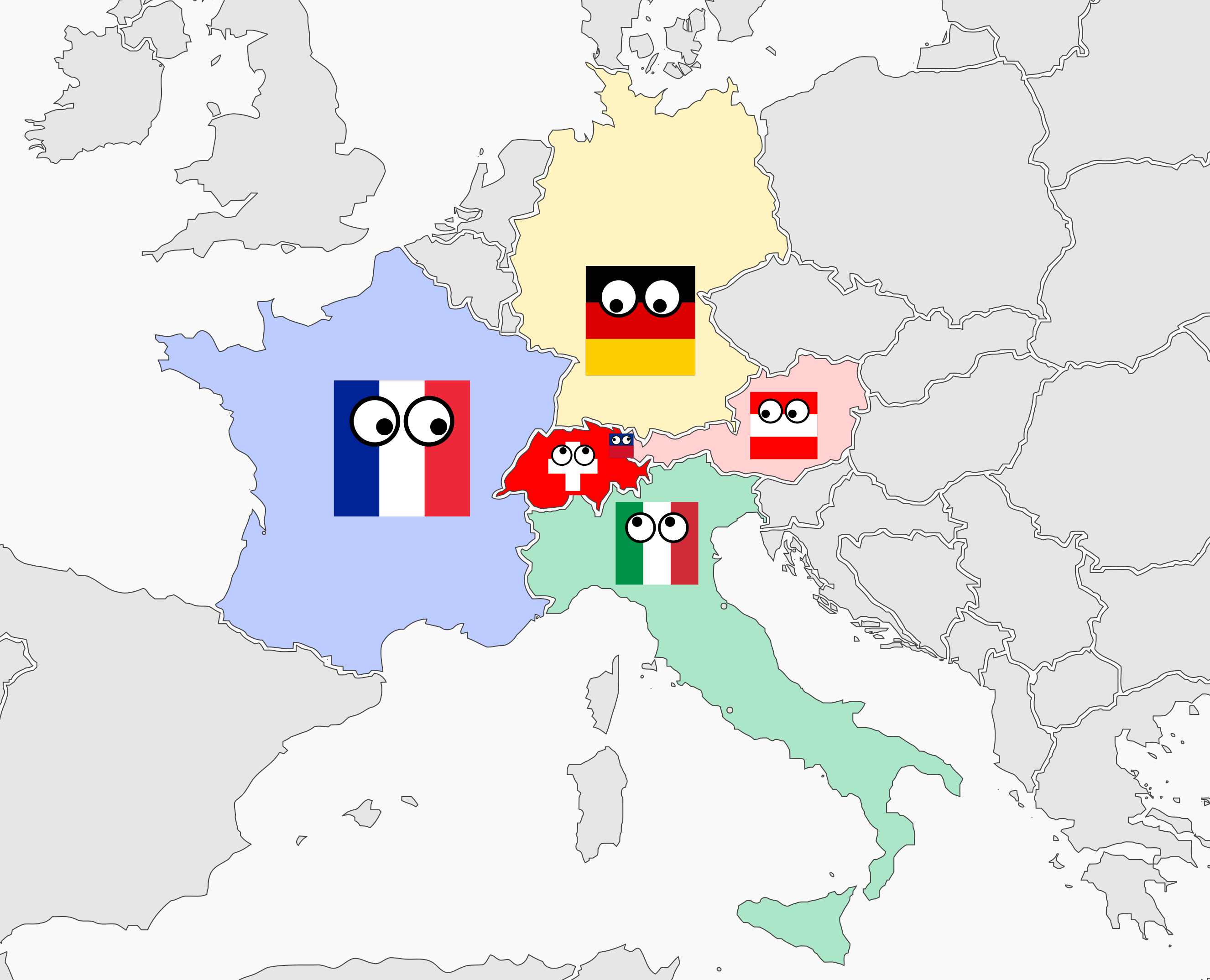
Switzerland is a multilingual country with four official languages: German, French, Italian, and Romansh. The linguistic diversity of Switzerland reflects its rich history and cultural heritage, as well as its geographic position at the crossroads of Europe.
German is the most widely spoken language in Switzerland, with approximately 63% of the population speaking it as their first language. German is spoken primarily in the northern and central parts of the country, including the cities of Zurich, Bern, and Basel.
French is the second most common language in Switzerland, spoken by about 23% of the population. French is primarily spoken in the western part of the country, including the cities of Geneva and Lausanne.
Italian is spoken by about 8% of the population and is primarily concentrated in the southern part of the country, including the canton of Ticino and the city of Lugano.
Romansh is the least widely spoken official language in Switzerland, with only about 1% of the population speaking it as their first language. Romansh is spoken in the southeastern part of the country, in the canton of Graubünden.
Historical and Cultural Significance
The linguistic diversity of Switzerland is a reflection of its rich history and cultural heritage. The country has been shaped by the influence of different cultures and languages over the centuries, including the Celts, Romans, and Germanic tribes.
German is the dominant language in Switzerland due to the country’s historical ties to the Holy Roman Empire. French and Italian were introduced to Switzerland through conquest and immigration, while Romansh is a remnant of the Raetian language spoken by the ancient inhabitants of the Alps.
The multilingual nature of Switzerland has had a profound impact on its culture and society. The country has a strong tradition of multilingualism, and many Swiss people are fluent in two or more languages. This linguistic diversity has contributed to Switzerland’s reputation as a center of international diplomacy and cooperation.
| Language | Regions of Use | Historical Origins |
|---|---|---|
| German | Northern and central Switzerland | Holy Roman Empire |
| French | Western Switzerland | Conquest and immigration |
| Italian | Southern Switzerland | Conquest and immigration |
| Romansh | Southeastern Switzerland | Raetian language |
Geographical Distribution of Languages
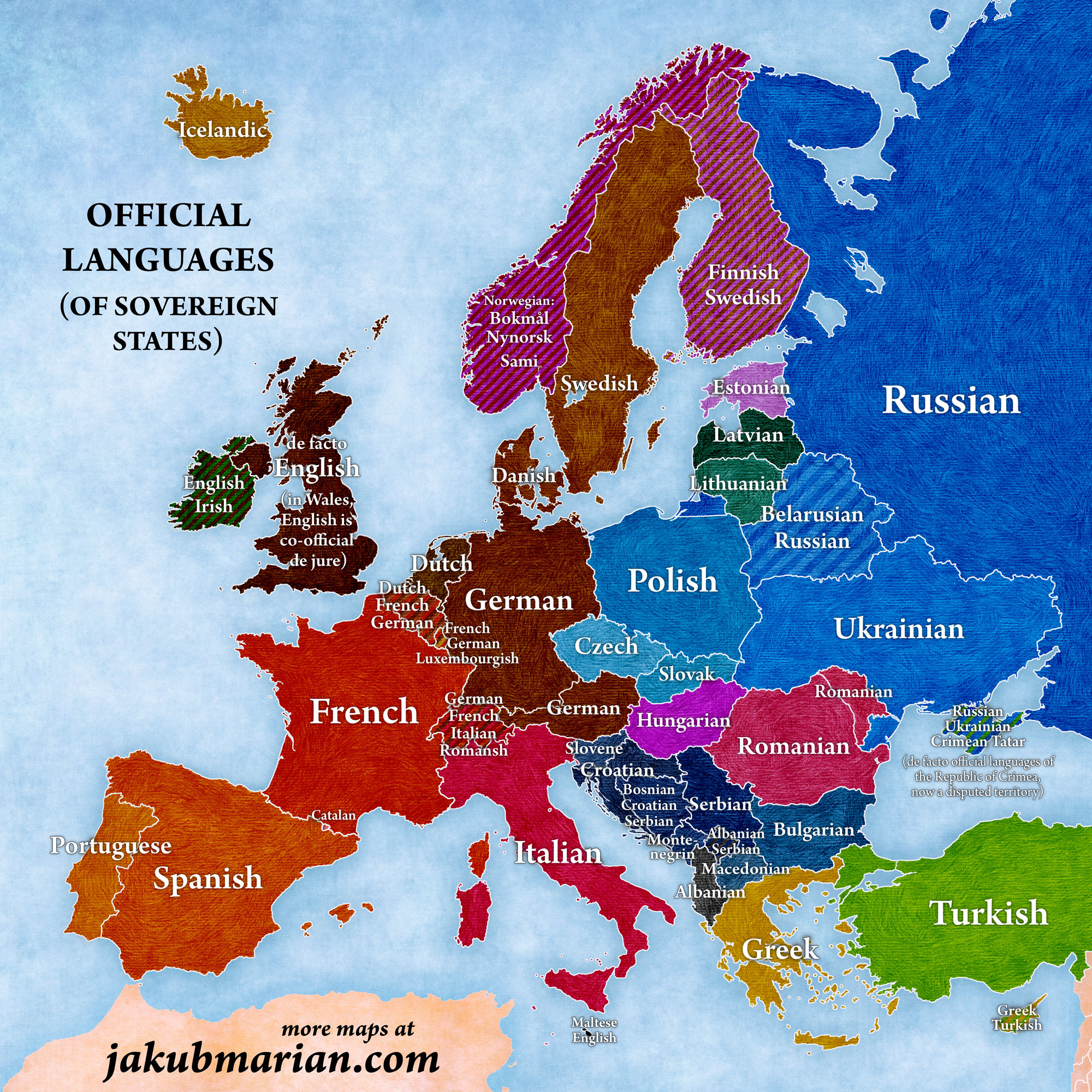
Switzerland is a multilingual country with four official languages: German, French, Italian, and Romansh. The distribution of these languages across different regions of Switzerland is influenced by a variety of factors, including history, migration, and geography.
The German-speaking region is the largest, covering the northern and eastern parts of Switzerland. It is home to around 63% of the population and includes the major cities of Zurich, Bern, and Basel. The French-speaking region is located in the west and includes the cantons of Geneva, Vaud, and Neuchâtel.
It is home to around 23% of the population.
The Italian-speaking region is located in the south and includes the canton of Ticino. It is home to around 8% of the population. The Romansh-speaking region is located in the southeast and includes the canton of Graubünden. It is home to around 1% of the population.
Linguistic Diversity within Regions
Each of Switzerland’s linguistic regions is home to a variety of minority languages and dialects. In the German-speaking region, these include Swiss German, Alemannic, and Yiddish. In the French-speaking region, they include Arpitan and Franco-Provençal. In the Italian-speaking region, they include Lombard and Ticinese.
Switzerland’s official languages are German, French, Italian, and Romansh. These four languages are spoken by different communities throughout the country, reflecting Switzerland’s cultural diversity. For instance, German is the most widely spoken language in Switzerland, followed by French and Italian.
Interestingly, Ethiopia, a country located in the Horn of Africa, also has a diverse linguistic landscape. To explore the languages spoken in Ethiopia, you can refer to this informative article: What Language They Speak in Ethiopia. Returning to Switzerland’s official languages, it’s noteworthy that Romansh, the fourth official language, is spoken by a small community in the southeastern part of the country.
In the Romansh-speaking region, they include Sursilvan, Sutsilvan, and Surmiran.
Switzerland has four official languages: German, French, Italian, and Romansh. The use of these languages is defined by the country’s constitution, which also recognizes that “British” is not a language but rather a dialect of English. Is British a language ?
No, it is not. However, the Swiss constitution acknowledges that British English is a recognized variety of the English language and is used in some official contexts.
The linguistic diversity of Switzerland is a reflection of its rich history and culture. The different languages and dialects have played an important role in shaping the cultural identity of each region and have contributed to the country’s overall social cohesion.
Language Use in Government and Education

In Switzerland, the official languages are used in government institutions at all levels. At the federal level, all official documents and communications are issued in German, French, Italian, and Romansh. The cantonal and municipal governments also use the official languages, with the specific language(s) used varying depending on the region.
For example, in the canton of Bern, German is the official language, while in the canton of Geneva, French is the official language.In the Swiss education system, the language of instruction is determined by the canton in which the school is located.
In most cantons, the language of instruction is the majority language of the canton. However, there are some exceptions to this rule. For example, in the canton of Bern, German is the language of instruction in most schools, but there are also some schools that offer instruction in French or Italian.
Language Rights and Protection
Switzerland has a strong legal framework in place to protect and promote the linguistic diversity of the country. The Federal Constitution guarantees equal rights for all official languages, and there are specific laws and regulations that protect the rights of linguistic minorities.
One of the most important laws is the Federal Law on Languages (Sprachengesetz), which was adopted in 1996. This law establishes the legal basis for the protection and promotion of the official languages and sets out the rights and obligations of the federal government, the cantons, and the municipalities in this regard.
Role of Organizations and Institutions
In addition to the legal framework, there are a number of organizations and institutions that play a role in promoting and safeguarding linguistic diversity in Switzerland. These include:
- The Federal Office for Culture (Bundesamt für Kultur, BAK): The BAK is responsible for implementing the Federal Law on Languages and for promoting linguistic diversity in Switzerland. It provides financial support to projects that promote the use and teaching of the official languages, and it also works to raise awareness of the importance of linguistic diversity.
- The Swiss Academy of Humanities and Social Sciences (Schweizerische Akademie der Geistes- und Sozialwissenschaften, SAGW): The SAGW is an independent organization that promotes research in the humanities and social sciences. It has a special commission on linguistic diversity that works to promote research on the official languages of Switzerland and to raise awareness of the importance of linguistic diversity.
- The Swiss Language Council (Schweizerischer Rat für die Sprachen, SRS): The SRS is a consultative body that advises the federal government on matters related to linguistic diversity. It is composed of representatives from the cantons, the municipalities, and the linguistic communities.
The SRS provides input on the development of language policies and makes recommendations on how to promote linguistic diversity in Switzerland.
Language and Cultural Identity
In Switzerland, language plays a vital role in shaping cultural identity. The country’s diverse linguistic landscape has fostered distinct cultural practices, traditions, and values within each language region.
For instance, the German-speaking regions are known for their emphasis on precision, punctuality, and order. The French-speaking regions are renowned for their elegance, sophistication, and love of the arts. The Italian-speaking region is characterized by its warmth, hospitality, and passion for food and wine.
The Romansh-speaking region is known for its strong sense of community and tradition.
The following table lists the four official languages of Switzerland and their corresponding cultural regions:
| Language | Cultural Region |
|---|---|
| German | German-speaking Switzerland |
| French | French-speaking Switzerland |
| Italian | Italian-speaking Switzerland |
| Romansh | Romansh-speaking Switzerland |
The map below shows the distribution of language groups in Switzerland:
[Insert map of language distribution in Switzerland]
Language also plays a crucial role in promoting national unity and diversity in Switzerland. The country’s multilingualism has fostered a sense of tolerance and understanding among its citizens. The use of multiple languages in government, education, and the media ensures that all citizens have equal access to information and participation in society.
Language and Economic Development
Switzerland’s multilingualism has a significant impact on its economic growth and international competitiveness. The country’s ability to communicate and conduct business in multiple languages provides advantages in global trade, tourism, and international relations.
One of the main advantages of multilingualism is that it facilitates international trade. Swiss companies can communicate with customers and partners in different languages, allowing them to expand their market reach and increase their exports. Additionally, multilingualism enhances Switzerland’s attractiveness as a destination for foreign investment, as it reduces language barriers and makes it easier for international companies to operate in the country.
Role of Language Education
Language education plays a crucial role in promoting economic development and social inclusion in Switzerland. The country invests heavily in language education, ensuring that citizens have the skills to communicate effectively in multiple languages. This investment has contributed to Switzerland’s high levels of literacy and numeracy, which are essential for economic growth and innovation.
Multilingualism also fosters social inclusion by allowing individuals from different linguistic backgrounds to participate fully in society. It promotes cultural diversity and understanding, creating a more cohesive and inclusive society.
Best Practices and Policy Recommendations
To leverage multilingualism as an economic asset, Switzerland has implemented several best practices and policy recommendations. These include:
- Investing in language education at all levels of the education system
- Promoting the use of multiple languages in government and public services
- Encouraging businesses to adopt multilingual communication strategies
- Supporting cultural initiatives that promote linguistic diversity
By implementing these measures, Switzerland has created a multilingual environment that supports economic growth, international competitiveness, and social inclusion.
Specific Examples and Case Studies
There are numerous examples of how multilingualism has benefited Switzerland’s economy. For instance, the country’s tourism industry has flourished due to its ability to cater to visitors from different language backgrounds. Additionally, Swiss companies have been able to expand their operations globally thanks to their multilingual workforce.
One specific case study is the success of the Swiss pharmaceutical industry. Switzerland is home to some of the world’s leading pharmaceutical companies, and their ability to communicate and conduct research in multiple languages has been a major factor in their success.
Language Learning and Acquisition: What Are Switzerland’s Official Languages
In Switzerland, where multiple languages coexist, language learning is a crucial aspect of education and everyday life. Various methods are available for language acquisition, each catering to different learning styles and preferences.
Traditional Classroom Learning
Traditional classroom learning remains a widely adopted method in Switzerland. Language classes are offered in schools, universities, and private language schools, providing structured lessons and opportunities for interaction with native speakers.
Online Courses
Online courses offer flexibility and convenience for language learners. Platforms like Duolingo, Babbel, and Rosetta Stone provide interactive lessons, exercises, and personalized learning paths.
Immersion Programs
Immersion programs offer an intensive language learning experience by placing learners in a native-speaking environment. Participants live with host families, attend local schools or language institutes, and engage in daily interactions with native speakers.
Language Exchange Programs
Language exchange programs connect learners with native speakers of different languages. Participants engage in one-on-one conversations or group discussions, fostering language fluency and cultural exchange.
Challenges and Strategies for Multilingualism
Acquiring proficiency in multiple languages presents challenges such as language barriers, cultural differences, and cognitive load. Effective strategies include setting realistic goals, practicing regularly, embracing immersion opportunities, and seeking support from language exchange partners or tutors.
Role of Technology in Language Learning
Technology plays a significant role in language learning. Language learning apps, software, and online resources provide interactive exercises, vocabulary builders, and grammar checkers. These tools enhance accessibility and personalization of language learning.
Cultural Immersion and Language Exchange
Cultural immersion and language exchange are essential for effective language acquisition. Engaging with native speakers in authentic contexts helps learners develop fluency, improve pronunciation, and gain cultural insights.
Benefits and Challenges of Multilingualism
Multilingualism in Switzerland offers benefits such as improved cognitive abilities, enhanced job prospects, and increased cultural understanding. However, it also poses challenges related to language interference, potential loss of native language proficiency, and the need for continuous language maintenance.
Resources for Language Learners
Switzerland provides numerous resources for language learners. Language schools, language exchange groups, and online communities offer opportunities for practice, networking, and support.
– Discuss the impact of multilingualism on the development of national and cultural identities in Switzerland.

Multilingualism has profoundly shaped the national and cultural identities of Switzerland. The coexistence of multiple languages has fostered a unique sense of diversity and inclusivity, allowing individuals to identify with different linguistic communities while maintaining a shared sense of Swissness.
Impact on Cultural Identity
- Preservation of Regional Cultures:Multilingualism has preserved distinct regional cultures and traditions. Each language group has its own customs, festivals, and literary traditions, contributing to the richness and diversity of Swiss culture.
- Intercultural Exchange:The ability to communicate in multiple languages facilitates intercultural exchange and understanding. Individuals from different linguistic backgrounds can interact and share ideas, fostering a sense of mutual respect and appreciation.
Impact on National Identity
- Symbol of Unity:Multilingualism is a symbol of national unity, representing the diversity and inclusiveness of Swiss society. It transcends linguistic boundaries and fosters a sense of shared identity among Swiss citizens.
- International Recognition:Switzerland’s multilingualism has gained international recognition and respect. It is often cited as an example of successful language management and cultural diversity.
Language and Technology
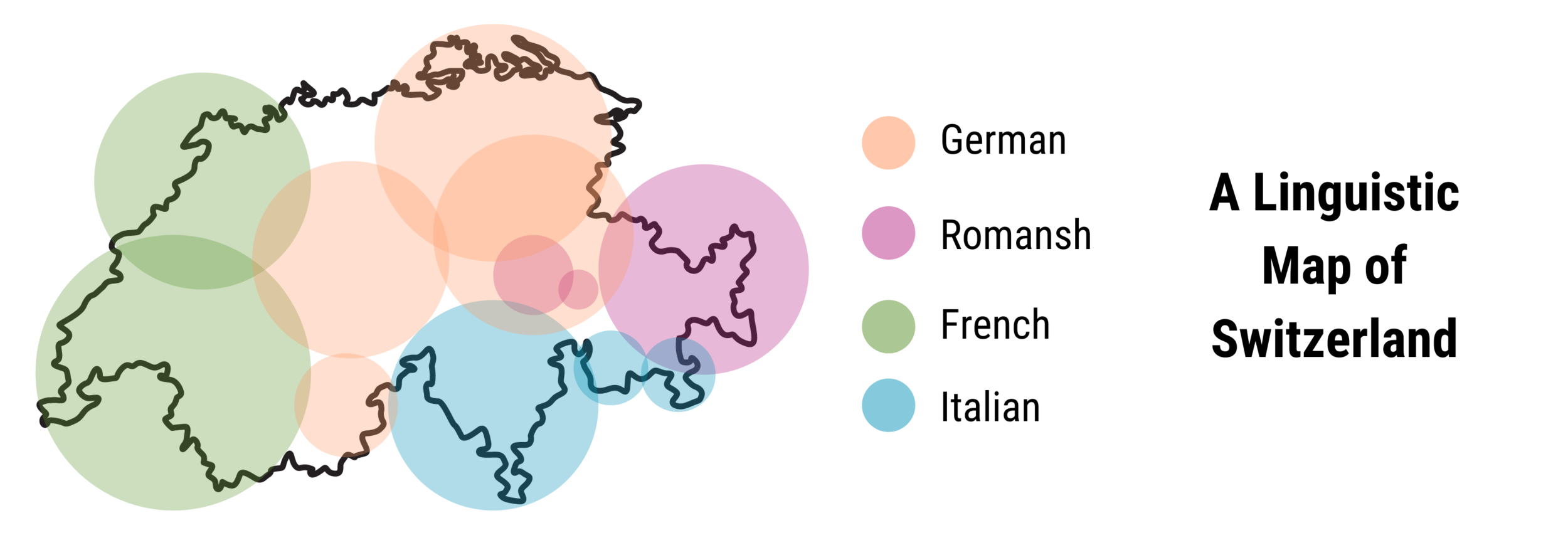
Technology plays a significant role in promoting and preserving official languages in Switzerland. Digital communication and social media have a profound impact on language use, shaping the ways in which individuals interact and express themselves.
One of the key ways in which technology promotes official languages is through the provision of digital tools and resources. The Swiss government has invested heavily in digitizing official documents, making them accessible to a wider audience. This has helped to ensure that all citizens have equal access to information and services in their preferred language.
Digital Communication and Social Media
Digital communication and social media have also had a significant impact on language use in Switzerland. The widespread adoption of smartphones and social media platforms has led to a dramatic increase in the use of informal language and dialects. This has had a positive impact on the vitality of minority languages, as it has allowed speakers to connect with each other and share their culture and traditions.
However, the use of digital communication and social media has also raised concerns about the potential for language loss. The dominance of English on the internet and social media platforms can lead to a decline in the use of official languages.
This is particularly concerning for minority languages, which may not have a strong presence online.
Future of Official Languages
The future of official languages in Switzerland is shaped by a complex interplay of globalization, migration, technological advancements, and government policies. Globalization has increased cross-border communication and economic interdependence, leading to a greater demand for multilingualism in the workforce. Migration has brought new linguistic communities to Switzerland, diversifying the linguistic landscape and challenging the traditional dominance of the four official languages.
Technological advancements, such as machine translation and artificial intelligence, have the potential to transform language use and communication patterns.
Role of Education, Media, and Government Policies
Education plays a crucial role in shaping the future of official languages by promoting language learning and fostering multilingualism. The Swiss education system emphasizes language proficiency in multiple official languages, ensuring that students develop the skills necessary to navigate the country’s linguistic diversity.
Media also plays a significant role in shaping language use and attitudes. The availability of media content in different official languages promotes their use and contributes to the maintenance of linguistic diversity. Government policies, such as language laws and funding for language programs, can also influence the status and use of official languages.
Impact of Artificial Intelligence and Machine Translation
Artificial intelligence (AI) and machine translation (MT) have the potential to impact the use and status of official languages in Switzerland. AI-powered language translation tools can facilitate communication across linguistic barriers, reducing the need for human translation services. However, they may also pose challenges to the preservation of linguistic diversity if they are not developed in a way that supports all official languages.
Challenges and Opportunities
The future of official languages in Switzerland presents both challenges and opportunities. Globalization and migration may lead to increased linguistic diversity and the need for more inclusive language policies. Technological advancements can provide new tools for language learning and communication but may also challenge the traditional dominance of official languages.
By embracing multilingualism, investing in language education, and developing language policies that support linguistic diversity, Switzerland can harness the opportunities presented by these challenges and ensure the vitality of its official languages.
Comparison to Other Multilingual Countries
Switzerland’s multilingualism is comparable to that of other multilingual countries, such as Canada, Belgium, and Luxembourg. These countries have adopted various language policies and practices to accommodate their diverse linguistic populations.
One similarity among these countries is the recognition of multiple official languages. Canada has two official languages, English and French, while Belgium has three: Dutch, French, and German. Luxembourg has three official languages as well: Luxembourgish, French, and German.
Language Policies and Practices
However, there are also differences in the language policies and practices of these countries. For example, Switzerland has a decentralized language policy, with each canton responsible for determining its own official languages. This has led to a high degree of linguistic diversity within the country.
In contrast, Canada has a more centralized language policy, with the federal government playing a significant role in promoting bilingualism. This has resulted in a more uniform distribution of English and French across the country.
Challenges
All of these countries face challenges in managing their linguistic diversity. One common challenge is the need to ensure that all citizens have access to essential services in their own language.
Another challenge is the promotion of linguistic harmony and cooperation among different language groups. This can be difficult to achieve in countries with a history of linguistic conflict or tension.
Include a table summarizing the key findings from sociolinguistic research on language use and attitudes in Switzerland, including data on language proficiency, language use in different domains, and attitudes towards different languages.
The following table summarizes the key findings from sociolinguistic research on language use and attitudes in Switzerland, including data on language proficiency, language use in different domains, and attitudes towards different languages:
| Language | Proficiency | Use in different domains | Attitudes |
|---|---|---|---|
| German | High | Official language; used in government, education, and the media | Positive |
| French | High | Official language; used in government, education, and the media | Positive |
| Italian | High | Official language; used in government, education, and the media | Positive |
| Romansh | Low | Official language; used in government and education in some areas | Positive |
| English | High | Widely used as a foreign language | Positive |
Language and Tourism
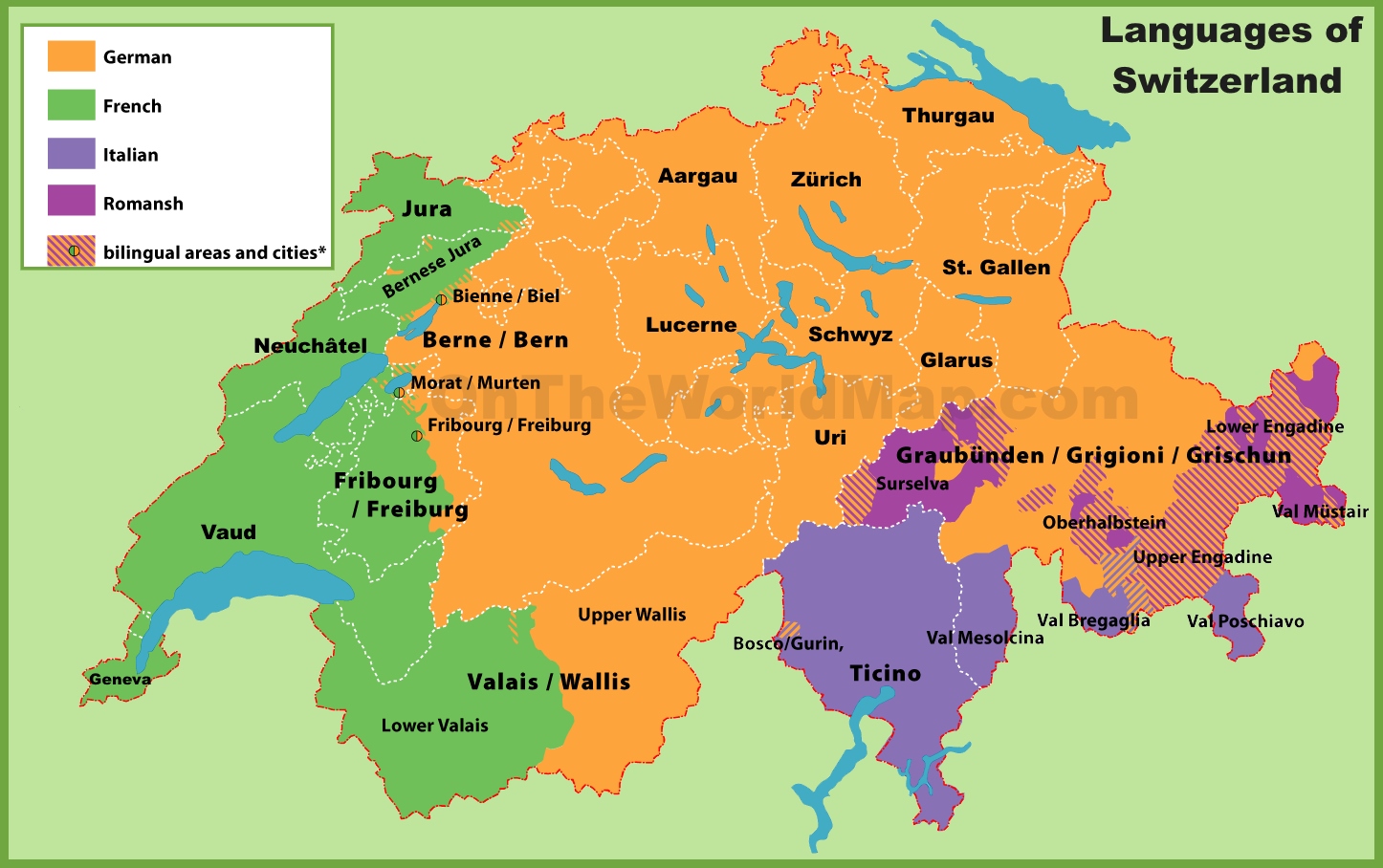
Switzerland’s multilingualism plays a vital role in promoting tourism and showcasing its rich cultural heritage. The country’s official languages, German, French, Italian, and Romansh, reflect its diverse linguistic and cultural landscape, each contributing to the unique experiences offered to international visitors.
Multilingualism in Switzerland enhances the tourist experience by enabling visitors to interact with locals and access information in their preferred language. This fosters a welcoming and inclusive atmosphere, encouraging visitors to explore the country’s diverse regions and cultural attractions.
Challenges and Opportunities
Providing multilingual services to international visitors presents both challenges and opportunities. The need to translate and interpret information into multiple languages can be demanding, but it also creates opportunities for language-related employment and intercultural exchange.
Moreover, Switzerland’s multilingualism has spurred the development of innovative language technologies, such as translation apps and multilingual websites, which enhance accessibility and communication for visitors.
Case Studies
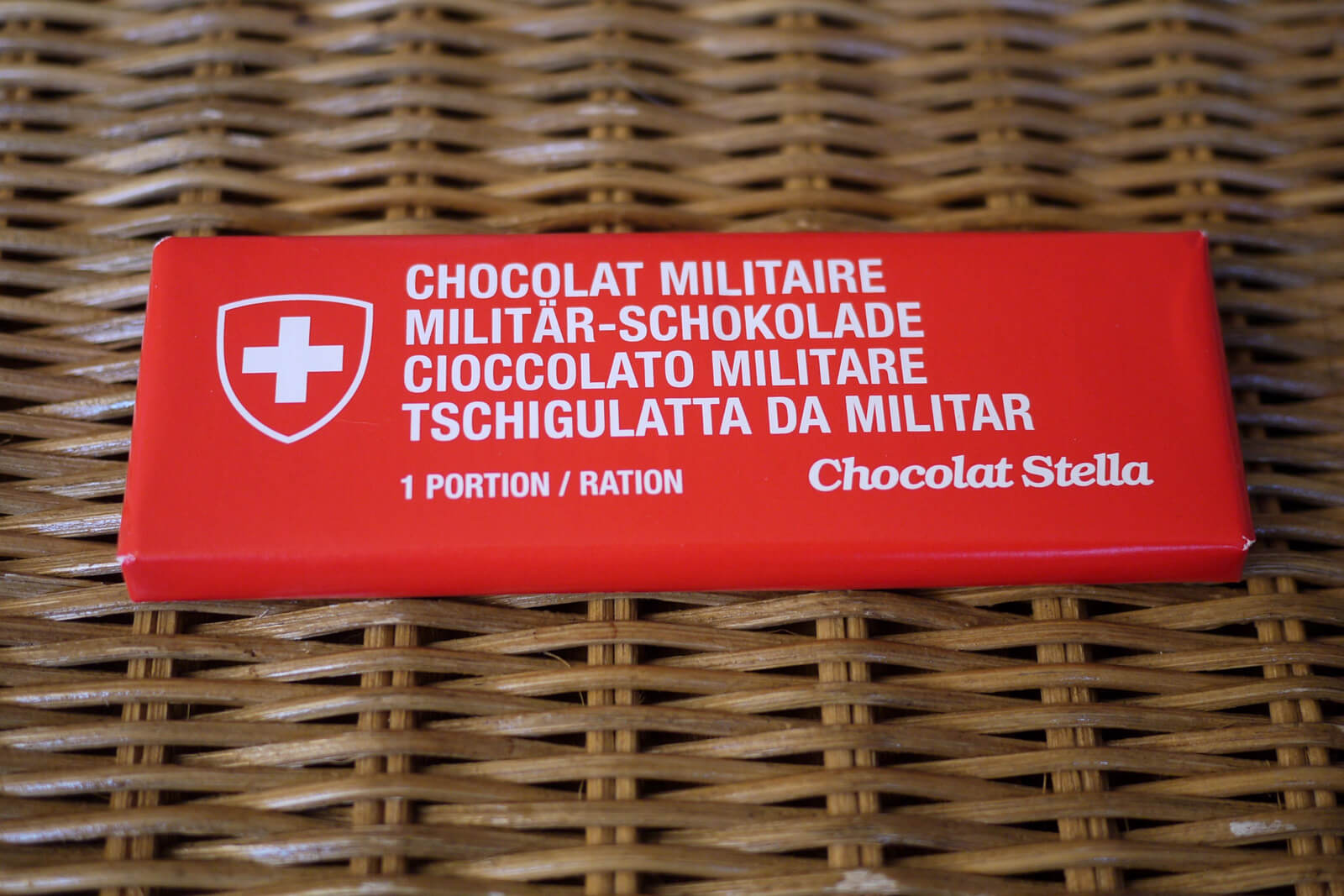
Switzerland’s successful multilingualism serves as a model for other countries seeking to manage linguistic diversity. Several initiatives have been instrumental in preserving and promoting the country’s official languages.
One notable initiative is the “Language Concordat,” a landmark agreement signed in 1990 that established a framework for language rights and cooperation among the cantons. The Concordat mandates the protection and promotion of all four official languages, ensuring that citizens have access to public services, education, and cultural activities in their preferred language.
Language Education
Switzerland’s education system plays a crucial role in fostering multilingualism. From an early age, children are exposed to multiple languages through immersion programs and language classes. The country has also implemented innovative approaches to language learning, such as the “CLIL” (Content and Language Integrated Learning) method, which integrates language instruction into other subject areas.
Community Engagement
Community engagement initiatives have been vital in promoting language diversity. Local organizations and cultural associations organize events, workshops, and language exchange programs that bring together speakers of different languages. These initiatives foster a sense of community and encourage language learning outside of formal educational settings.
Conclusion
Switzerland’s multilingualism is a defining characteristic of the country, shaping its society, culture, and economy. The official languages of German, French, Italian, and Romansh have coexisted for centuries, each contributing to the country’s rich linguistic heritage.
The preservation and promotion of these languages are essential for maintaining Switzerland’s cultural diversity and national identity. Multilingualism fosters understanding, tolerance, and cooperation among different linguistic communities, contributing to social cohesion and harmony.
Impact on Society and Culture
Multilingualism has profoundly influenced Swiss society and culture. It has led to a vibrant and diverse linguistic landscape, where individuals can express themselves in their native tongue and engage with people from different linguistic backgrounds.
The country’s multilingualism has also fostered a culture of tolerance and respect for different languages and cultures. It has promoted cultural exchange and collaboration, enriching the country’s artistic, literary, and intellectual landscape.
Economic Benefits, What are switzerland’s official languages
Multilingualism has significant economic benefits for Switzerland. It enhances the country’s competitiveness in the global marketplace by providing a skilled workforce that can communicate effectively with international partners.
Additionally, multilingualism attracts foreign investment and tourism, as visitors appreciate the ease of communication and the opportunity to experience the country’s diverse linguistic and cultural heritage.
Challenges and the Future
While multilingualism is a strength for Switzerland, it also presents challenges. Maintaining linguistic diversity requires ongoing efforts to promote language learning, preserve minority languages, and ensure equal opportunities for all linguistic communities.
Looking to the future, it is crucial for Switzerland to continue investing in multilingualism and fostering a positive attitude towards language diversity. By doing so, the country can preserve its rich linguistic heritage and ensure that multilingualism remains a cornerstone of its society, culture, and economy.
Common Queries
What are the four official languages of Switzerland?
German, French, Italian, and Romansh
How does multilingualism impact Swiss culture?
It fosters cultural exchange, promotes understanding, and enriches the nation’s identity
What are the economic benefits of multilingualism in Switzerland?
It enhances international competitiveness, attracts foreign investment, and promotes tourism
