Will you marry me in spanish language – With “Will you marry me?” echoing in Spanish-speaking cultures, this article embarks on a captivating journey into the romantic traditions, cultural variations, and emotional significance surrounding this timeless question. From the intimate settings to the heartfelt expressions, we delve into the nuances that make a Spanish marriage proposal an unforgettable experience.
Unveiling the direct translation and cultural context, we explore the romantic settings where these proposals often unfold, showcasing the traditional and modern customs that shape these moments. Along the way, we’ll uncover a treasure trove of Spanish phrases and vocabulary, providing examples of their usage in different contexts.
Phrases and Vocabulary

Beyond the essential phrases, there are additional Spanish phrases and vocabulary related to marriage proposals that can enhance your expression and make your proposal more meaningful. These phrases cover various aspects of the proposal, from expressing your love and commitment to seeking consent and celebrating the occasion.
Let’s explore some of these additional phrases and their usage in different contexts:
Expressing Love and Commitment
- Te amo más que a mi vida:I love you more than life itself.
- Eres mi alma gemela:You are my soulmate.
- Quiero pasar el resto de mi vida contigo:I want to spend the rest of my life with you.
Seeking Consent
- ¿Te casarías conmigo?:Will you marry me?
- ¿Quieres ser mi esposa/esposo?:Do you want to be my wife/husband?
- ¿Me harías el honor de casarte conmigo?:Would you do me the honor of marrying me?
Celebrating the Occasion
- ¡Sí, quiero!:Yes, I do!
- ¡Estoy tan feliz!:I’m so happy!
- ¡Brindemos por nuestro futuro juntos!:Let’s toast to our future together!
Cultural Variations

Marriage proposal traditions vary significantly across Spanish-speaking countries, influencing the language used and the overall experience. These variations reflect cultural norms, social customs, and regional differences.
In some countries, such as Spain and Argentina, a formal proposal with an engagement ring is common. The man typically gets down on one knee and presents the ring, accompanied by a romantic speech or poem.
Latin America
In Latin American countries like Mexico and Colombia, marriage proposals tend to be more elaborate and involve the participation of family and friends. The man may ask for the woman’s hand in marriage from her parents first, and then arrange a special proposal setting with decorations, music, and loved ones present.
Caribbean
In Caribbean countries like Cuba and the Dominican Republic, proposals often incorporate local customs and traditions. For example, in Cuba, the man may bring a small gift of flowers or a piece of jewelry as a symbol of his intentions.
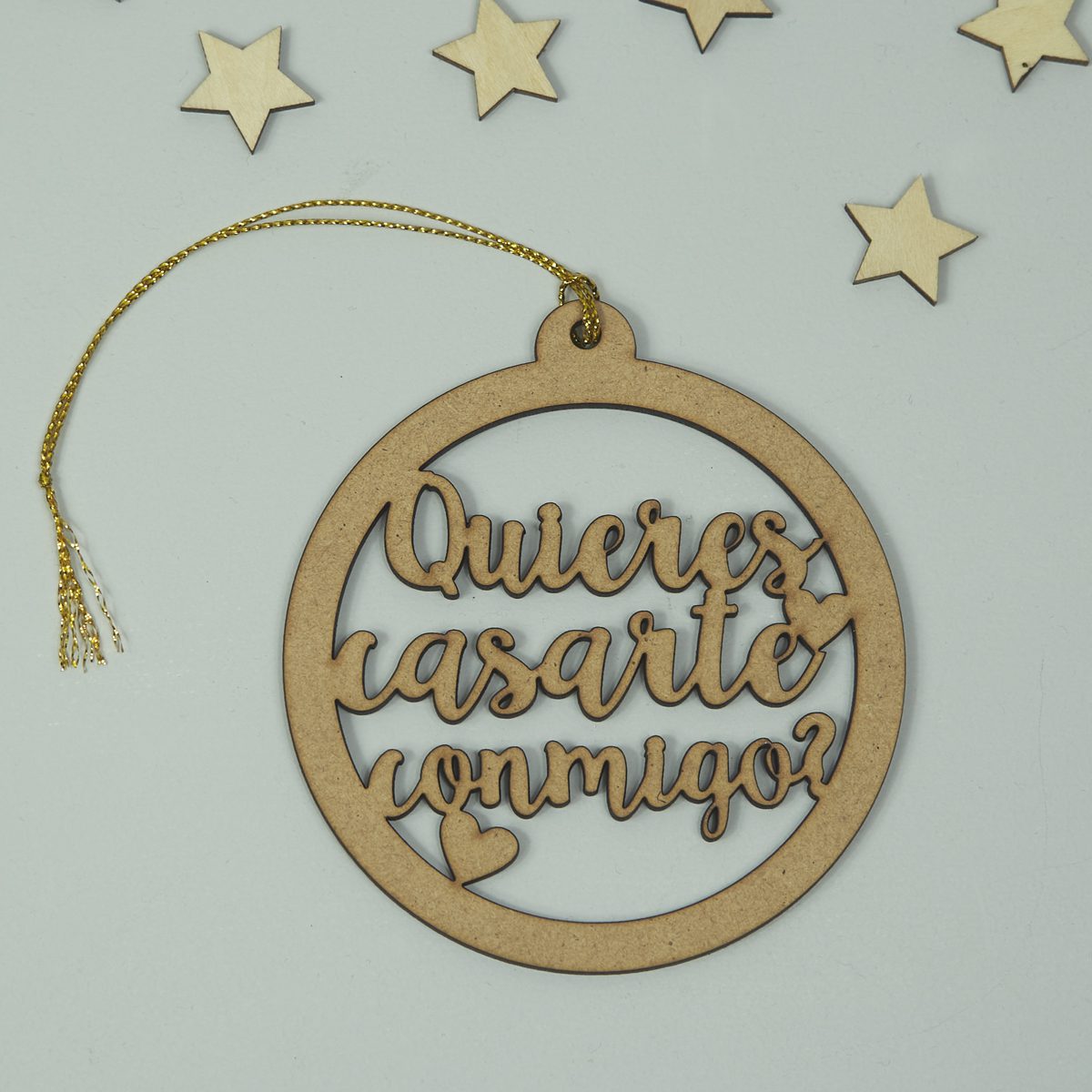
Planning to pop the question in the Dominican Republic? Make sure you know the local lingo! The official language spoken in the Dominican Republic is Spanish, so if you’re wondering “will you marry me” in Spanish, it’s “¿Quieres casarte conmigo?”.
For more insights into the language and culture, check out this informative article: what is the language spoken in dominican republic . With this knowledge, you’ll be able to express your love and commitment in the language of the heart!
Language Variations
The language used in marriage proposals also varies depending on the country. In Spain, the traditional phrase is “¿Quieres casarte conmigo?” (Do you want to marry me?). In Mexico, the phrase is “¿Te quieres casar conmigo?” (Do you want to get married with me?).
The Spanish phrase “will you marry me” is “¿Quieres casarte conmigo?”. If you’re planning to propose in Spanish, it’s important to practice your pronunciation. You can also learn more about Spanish grammar and vocabulary by checking out resources like where are you going in spanish language . With a little preparation, you’ll be able to pop the question in Spanish like a pro!
Emotional Impact: Will You Marry Me In Spanish Language

Marriage proposals in Spanish carry immense emotional significance, reflecting the deep-rooted cultural values and societal expectations surrounding this momentous event. The act of proposing marriage is not taken lightly; it represents a profound commitment and a lifelong bond between two individuals.
Cultural Expectations and Societal Pressures
In Spanish-speaking cultures, marriage is highly valued and seen as a sacred union. There are significant cultural expectations and societal pressures surrounding marriage proposals, which can influence the emotional impact of the event. Families and communities often play an active role in the proposal process, offering support and guidance to the couple.
Historical Context
Marriage proposal traditions in Spanish-speaking cultures have a rich history dating back centuries. These traditions have been shaped by various cultural influences, including Catholicism, Spanish colonialism, and regional customs.
In the past, marriage proposals were often arranged by families, and the emphasis was on social status and economic stability rather than romantic love. However, over time, the role of personal choice and romantic affection has become increasingly important in the decision to marry.
Catholic Influence
Catholicism has played a significant role in shaping marriage proposal traditions in Spanish-speaking cultures. The Catholic Church emphasizes the importance of marriage as a sacred sacrament and encourages couples to seek blessings from the church before getting married.
Traditionally, marriage proposals in Spanish-speaking cultures have involved a formal request for the bride’s hand in marriage from her father. This request was often made by the groom’s parents or a close family member.
Spanish Colonialism
Spanish colonialism also influenced marriage proposal traditions in Spanish-speaking cultures. During the colonial period, Spanish settlers brought their own customs and traditions to the Americas, which influenced the way that marriage proposals were conducted.
For example, the tradition of using a diamond engagement ring as a symbol of commitment and love was introduced to Spanish-speaking cultures by Spanish settlers.
Regional Customs, Will you marry me in spanish language
In addition to the influence of Catholicism and Spanish colonialism, regional customs have also played a role in shaping marriage proposal traditions in Spanish-speaking cultures.
For example, in some Spanish-speaking countries, it is customary for the groom to serenade his beloved with a romantic song before proposing.
FAQs
How do you say “Will you marry me?” in Spanish?
¿Quieres casarte conmigo?
What is the cultural significance of a marriage proposal in Spanish-speaking cultures?
Marriage proposals in Spanish-speaking cultures are often seen as a significant milestone in a relationship, representing a deep commitment and a desire to build a life together.
Are there any specific customs or traditions associated with marriage proposals in Spanish-speaking countries?
Yes, there are various customs and traditions associated with marriage proposals in Spanish-speaking countries, such as asking for the blessing of the woman’s parents, exchanging rings, and having a formal engagement party.


.gallery-container {
display: flex;
flex-wrap: wrap;
gap: 10px;
justify-content: center;
}
.gallery-item {
flex: 0 1 calc(33.33% – 10px); /* Fleksibilitas untuk setiap item galeri */
overflow: hidden; /* Pastikan gambar tidak melebihi batas kotak */
position: relative;
margin-bottom: 20px; /* Margin bawah untuk deskripsi */
}
.gallery-item img {
width: 100%;
height: 200px;
object-fit: cover; /* Gambar akan menutupi area sepenuhnya */
object-position: center; /* Pusatkan gambar */
}
.image-description {
text-align: center; /* Rata tengah deskripsi */
}
@media (max-width: 768px) {
.gallery-item {
flex: 1 1 100%; /* Full width di layar lebih kecil dari 768px */
}
}
