What languages are spoken in thailand – Thailand is a land of linguistic diversity, where the official language of Thai coexists with a vibrant array of regional, minority, and foreign tongues. This article takes you on a journey through the languages spoken in Thailand, exploring their history, usage, and cultural significance.
From the bustling streets of Bangkok to the serene temples of Chiang Mai, language plays a vital role in shaping the Thai identity and connecting people from all walks of life.
Official Language
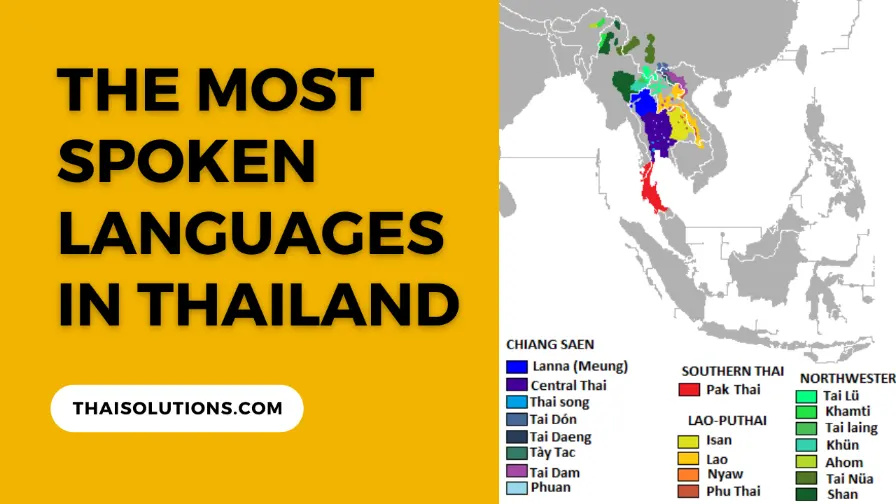
The official language of Thailand is Thai, known as Phasa Thaiin Thai.
Thai is a tonal language with five tones, and it is spoken by the majority of the population. It is also the language of government, education, and the media.
History of Thai
Thai is a member of the Tai-Kadai language family, and it is believed to have originated in southern China. The Thai people migrated to Southeast Asia around the 13th century, and they brought their language with them.
Thai has been influenced by a number of other languages, including Sanskrit, Pali, Khmer, and Lao.
Regional Languages
Thailand is a multilingual country with a diverse array of regional languages spoken throughout the country. These languages are an integral part of the cultural heritage and identity of the people who speak them.
The regional languages of Thailand can be broadly classified into four main groups: Tai, Lao, Khmer, and Mon-Khmer. Each of these groups has its own distinct characteristics and is spoken in different parts of the country.
Tai Languages
The Tai languages are the most widely spoken regional languages in Thailand. They are spoken by the majority of the population and are the official languages of the country. The most common Tai language is Thai, which is spoken by over 90% of the population.
Other Tai languages spoken in Thailand include Lanna, Isan, and Shan.
Minority Languages

Thailand is a linguistically diverse country, with numerous minority languages spoken alongside the official Thai language. These languages represent the cultural heritage of various ethnic groups residing in different regions of Thailand.
Minority languages in Thailand can be broadly classified into three major groups: Austroasiatic, Tai-Kadai, and Hmong-Mien. Austroasiatic languages are primarily spoken in the northeastern region of Thailand, while Tai-Kadai languages are found in the northern and northwestern regions. Hmong-Mien languages are spoken by ethnic Hmong and Mien communities in the mountainous areas of northern Thailand.
In Thailand, the official language is Thai, spoken by the majority of the population. However, the country is home to a diverse range of ethnic groups, each with its own unique language. To learn more about the languages spoken in other parts of the world, you can check out this article about what language they speak in taiwan . Returning to Thailand, other commonly spoken languages include Isan, spoken in the northeast, and Lanna, spoken in the north.
Austroasiatic Languages, What languages are spoken in thailand
Austroasiatic languages spoken in Thailand include Khmer, Mon, and Vietnamese. Khmer is the official language of Cambodia and is spoken by a significant Khmer population in northeastern Thailand. Mon is an ancient language that has been spoken in Thailand for centuries and is closely related to Khmer.
Vietnamese is spoken by ethnic Vietnamese communities in Thailand, particularly in the northeastern and eastern regions.
Tai-Kadai Languages
Tai-Kadai languages spoken in Thailand include Lao, Shan, and Lue. Lao is the official language of Laos and is spoken by ethnic Lao communities in northeastern Thailand. Shan is spoken by ethnic Shan communities in northern Thailand and is closely related to Lao.
Lue is a Tai language spoken by ethnic Lue communities in northern Thailand.
Hmong-Mien Languages
Hmong-Mien languages spoken in Thailand include Hmong and Mien. Hmong is spoken by ethnic Hmong communities in northern Thailand and is divided into several dialects. Mien is spoken by ethnic Mien communities in northern Thailand and is closely related to Hmong.
Foreign Language Influence: What Languages Are Spoken In Thailand

Thai language has been influenced by various foreign languages throughout its history. Sanskrit, Pali, Khmer, and Mon languages have all contributed to the development of Thai vocabulary, grammar, and writing system.
In modern times, globalization and tourism have further increased the influence of foreign languages on Thai. English has become the lingua franca of international communication, and many Thai people are learning English to improve their job prospects and connect with the global community.
Impact of Globalization and Tourism
Globalization has led to increased trade and travel between Thailand and other countries. This has resulted in a greater exposure to foreign languages and cultures, which has had a significant impact on Thai language.
- Increased use of English:English is now widely used in business, education, and tourism in Thailand. Many Thai people are learning English to improve their job prospects and connect with the global community.
- Adoption of foreign words:Thai language has adopted many foreign words, especially from English. These words are often used in everyday conversation and writing.
- Changes in grammar and syntax:Globalization has also led to some changes in Thai grammar and syntax. For example, the use of passive voice and conditional sentences has become more common in Thai.
Language Education
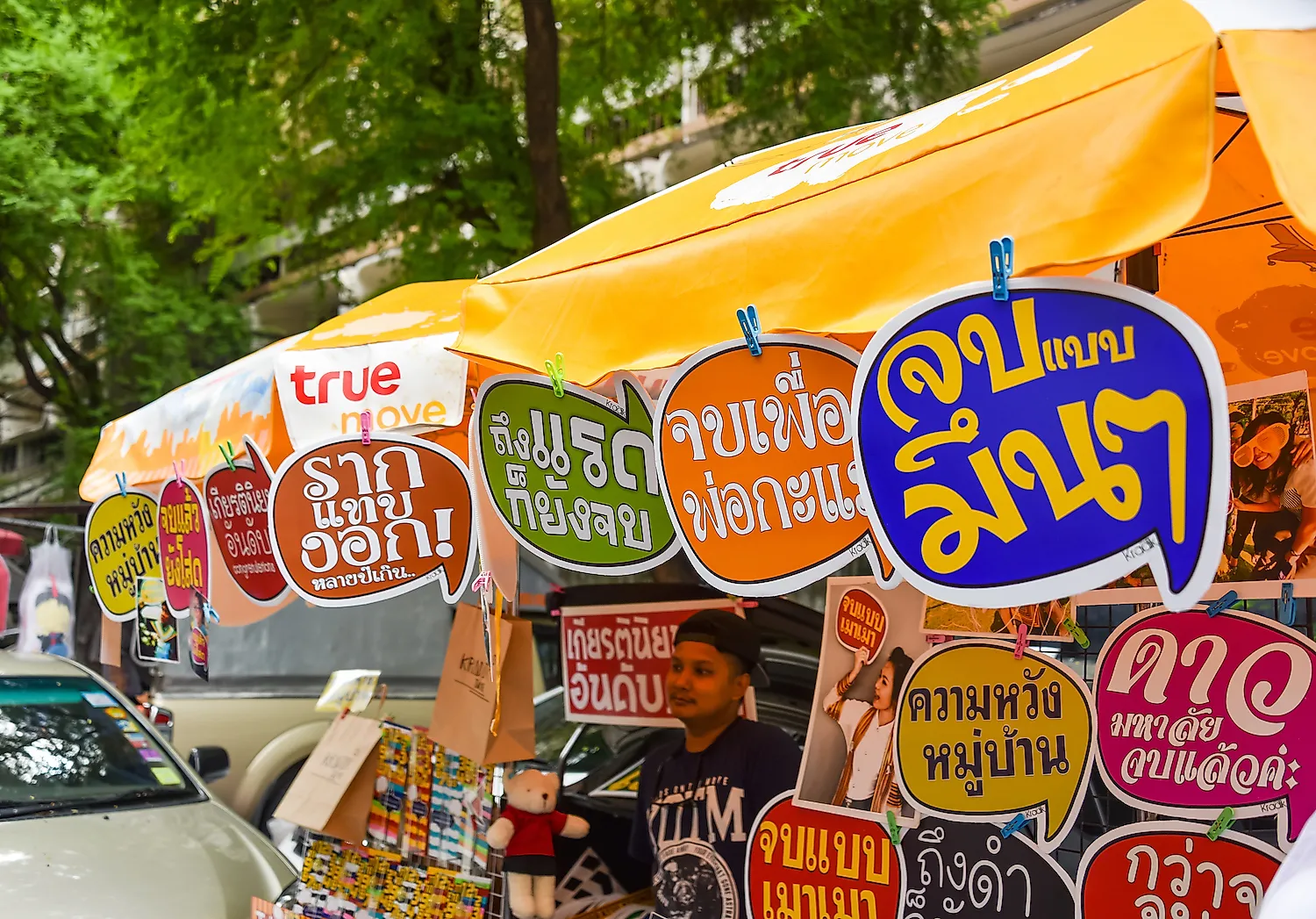
Language education in Thailand is a crucial aspect of the country’s education system. The Thai government places great importance on language learning, recognizing its significance for economic development, global communication, and cultural understanding.The Ministry of Education oversees language education in Thailand, setting curriculum standards and providing resources for schools and universities.
Thai is the official language of Thailand, and is spoken by the vast majority of the population. However, there are also a number of minority languages spoken in Thailand, including Lao, Khmer, and Karen. If you’re curious about the language spoken in Monaco, click here to learn more.
Back to Thailand, the prevalence of English as a second language is also growing, particularly in urban areas and among younger people.
English is the primary foreign language taught in schools, with other languages such as Chinese, Japanese, and French also offered in some institutions.
Availability of Language Courses
Language courses are widely available in Thailand, ranging from beginner to advanced levels. Schools offer English language programs as part of the regular curriculum, while universities provide a variety of language courses for students majoring in languages or international studies.Private
language schools and language centers also offer a wide range of language courses for both Thai and international students. These schools provide flexible schedules and tailored programs to meet the specific needs of learners.
Importance of Language Learning
Language learning is highly valued in Thailand. Proficiency in foreign languages opens up opportunities for higher education, employment, and international travel. English, in particular, is seen as a gateway to global communication and economic success.The Thai government encourages language learning through various initiatives, such as English-language immersion programs in schools and scholarships for students studying foreign languages.
As a result, many Thais are proficient in English and other foreign languages, contributing to Thailand’s status as a regional hub for international business and tourism.
Sociolinguistic Situation
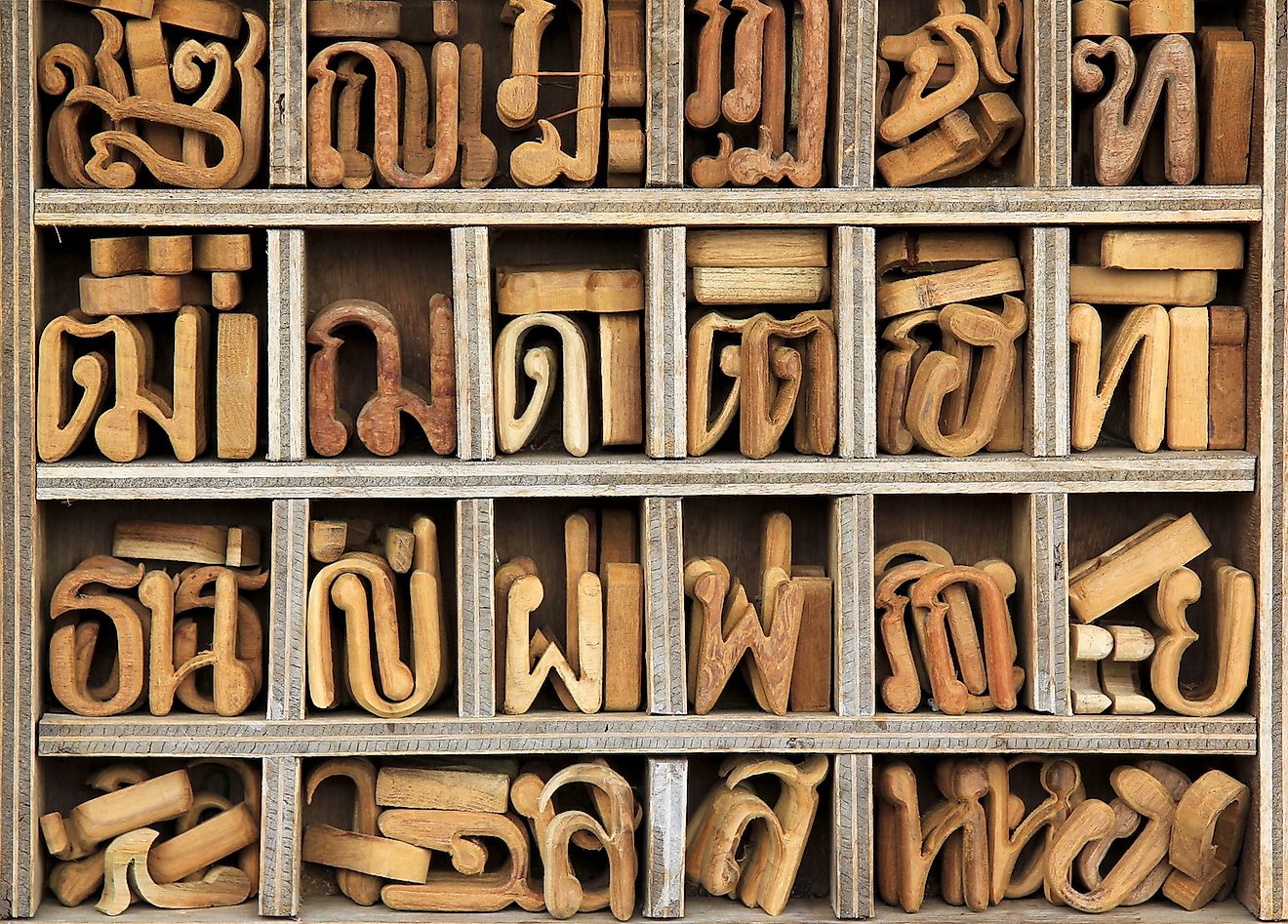
Thailand has a diverse sociolinguistic situation with a complex interplay between language, culture, and identity. The official language, Standard Thai, is widely spoken and serves as the medium of instruction in education and government. However, there are also numerous regional languages, minority languages, and foreign language influences that contribute to the linguistic landscape of the country.
Relationship between Language, Culture, and Identity
Language plays a vital role in shaping Thai culture and identity. Standard Thai is associated with formal settings and education, while regional languages are used in more informal contexts and are often associated with specific ethnic groups. Minority languages, spoken by various ethnic communities, also contribute to the cultural diversity of Thailand.
Foreign language influences, particularly from English and Chinese, are also present in the Thai language, reflecting the country’s historical and cultural interactions with other countries.
Language Policy
Thailand’s language policy aims to promote and preserve the Thai language as the national language while respecting and supporting the linguistic diversity of the country. The policy recognizes the importance of regional and minority languages in maintaining cultural heritage and identity.
Aims of the Language Policy
- Promote the Thai language as the official language for communication, education, and government.
- Preserve and promote regional and minority languages to protect cultural diversity.
- Support language education and research to enhance linguistic skills and understanding.
Effectiveness of the Language Policy
The effectiveness of Thailand’s language policy is reflected in the widespread use of Thai as the national language and the continued vitality of regional and minority languages. The policy has contributed to:
- Strengthening national unity and identity.
- Preserving cultural diversity and heritage.
- Enhancing communication and understanding among different linguistic communities.
Language Planning
Thailand has a long history of language planning, with efforts dating back to the early 20th century. The primary goal of language planning in Thailand has been to promote the use of the Thai language as the national language and to preserve and revitalize endangered languages.
One of the most significant language planning initiatives in Thailand was the establishment of the Royal Institute of Thailand in 1932. The institute is responsible for developing and maintaining the Thai language, including setting standards for spelling, grammar, and pronunciation.
It also promotes the use of Thai in education, government, and the media.
Preservation and Revitalization of Endangered Languages
In addition to promoting the Thai language, Thailand has also made efforts to preserve and revitalize endangered languages. The country has a number of indigenous languages, many of which are spoken by small and isolated communities. These languages are often threatened by assimilation and language loss.
To address this issue, the Thai government has implemented a number of programs to support endangered languages. These programs include language documentation, language teaching, and community-based language revitalization projects. The goal of these programs is to help preserve and revitalize endangered languages and to ensure that they continue to be spoken by future generations.
FAQ Insights
What is the official language of Thailand?
Thai is the official and national language of Thailand.
What are some of the regional languages spoken in Thailand?
Some of the regional languages spoken in Thailand include Lanna (northern Thailand), Isan (northeastern Thailand), and Pattani Malay (southern Thailand).
Are there any minority languages spoken in Thailand?
Yes, there are several minority languages spoken in Thailand, including Akha, Karen, and Hmong.
How has foreign language influence affected the Thai language?
The Thai language has been influenced by a variety of foreign languages, including Sanskrit, Pali, Khmer, and English.
What is the importance of language education in Thailand?
Language education in Thailand is important for preserving the country’s linguistic diversity and promoting cultural understanding.
