Can you learn sign language on Duolingo? This is a question that many people have asked, especially those who are interested in learning sign language but are not sure where to start. In this article, we will explore whether or not Duolingo offers a course for learning sign language, and if not, we will provide some alternative platforms or resources for learning sign language.
Duolingo is a popular language learning platform that offers courses in over 100 languages. However, at this time, Duolingo does not offer a course for learning sign language. There are a few reasons why this may be the case. First, sign language is a visual language, and it can be difficult to teach it effectively through a text-based platform like Duolingo.
Second, sign language is a complex language with its own grammar and syntax, and it would be difficult to fit all of the necessary content into a Duolingo course.
Overview of Duolingo
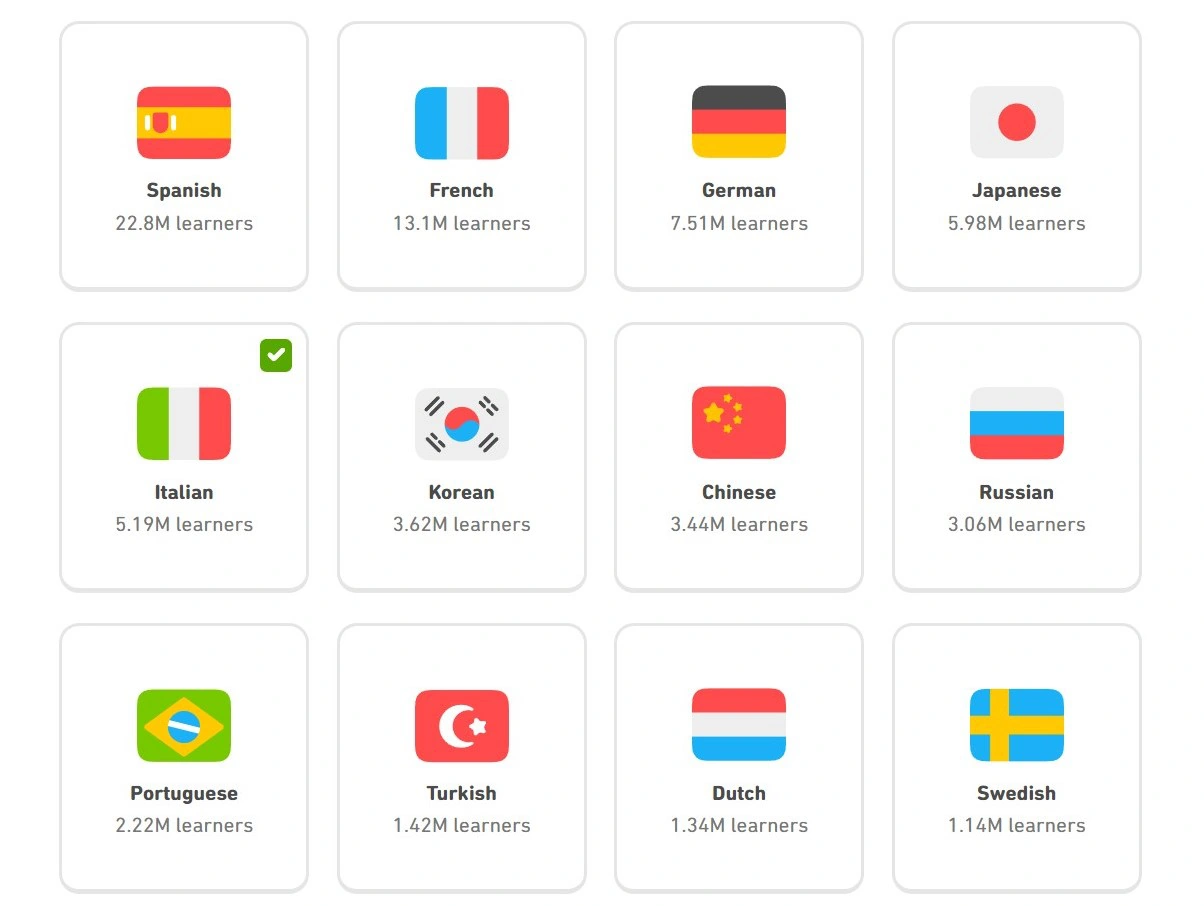
Duolingo is a free language learning platform that makes learning languages fun and accessible to everyone.
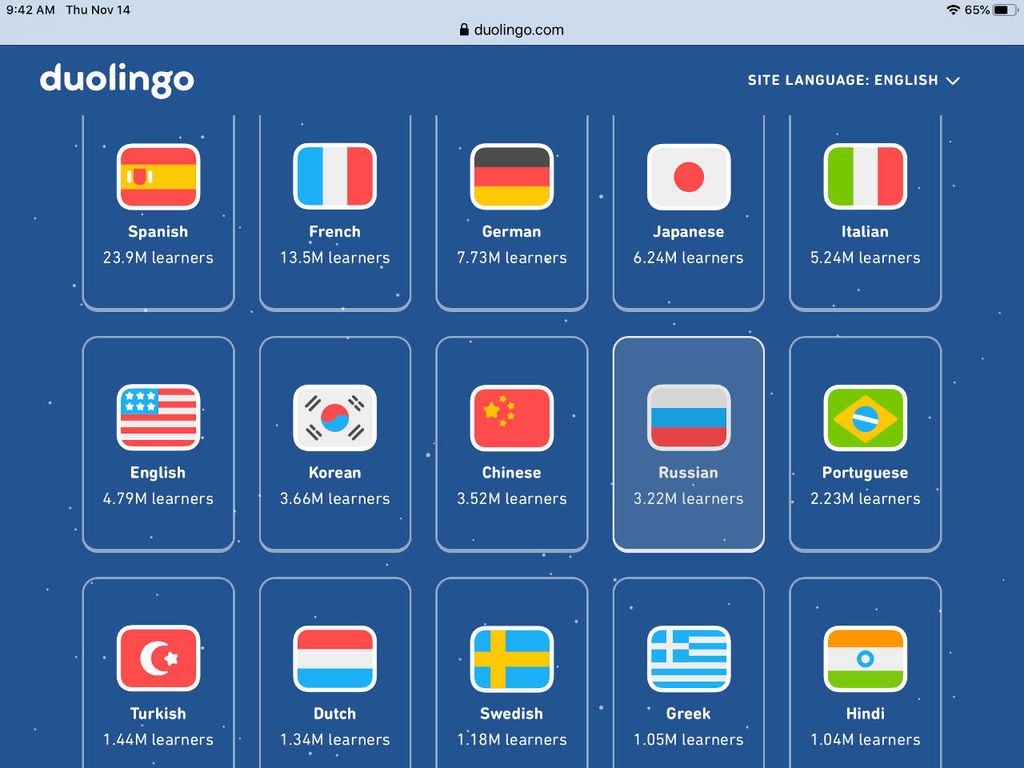
Founded in 2011, Duolingo has become one of the most popular language learning apps in the world, with over 500 million users. The platform offers courses in over 100 languages, including popular languages like Spanish, French, and English, as well as less commonly taught languages like Esperanto and Navajo.
Courses Offered
Duolingo’s courses are designed to be engaging and effective, using a variety of interactive exercises to help learners build their vocabulary, grammar, and pronunciation skills. The platform also offers a gamified experience, with users earning points and leveling up as they progress through the lessons.
- Spanish
- French
- German
- Italian
- Portuguese
- Chinese
- Japanese
- Korean
- Russian
- Arabic
- Esperanto
- Navajo
Duolingo’s Approach to Language Learning

Duolingo adopts a unique and engaging approach to language learning, characterized by its gamified and interactive elements. This approach has proven effective in capturing the attention of learners and fostering their progress.
At the core of Duolingo’s methodology lies the concept of spaced repetition, a learning technique that involves reviewing material at increasing intervals to enhance retention. Duolingo employs this technique by presenting learners with lessons in short, manageable chunks, followed by periodic reviews to reinforce the learned material.
Micro-lessons
Duolingo’s lessons are designed as bite-sized micro-lessons, each focusing on a specific language concept or skill. These micro-lessons are interactive and often incorporate gamified elements, such as quizzes, puzzles, and challenges. This approach helps maintain learners’ engagement and motivation, making the learning process enjoyable and less daunting.
Effectiveness of Duolingo’s Approach, Can you learn sign language on duolingo
Research and user feedback have demonstrated the effectiveness of Duolingo’s approach to language learning. Studies have shown that consistent use of Duolingo can lead to significant improvements in vocabulary, grammar, and speaking skills. Additionally, user testimonials often highlight the platform’s ability to make language learning accessible, engaging, and fun.
Sign Language on Duolingo: Can You Learn Sign Language On Duolingo
As of now, Duolingo does not offer any courses specifically dedicated to learning sign language.
If you’re curious about expanding your language skills, you might wonder if you can learn sign language on Duolingo. While Duolingo doesn’t currently offer sign language courses, there are many other resources available to help you get started. For example, you can explore what language spoken in taiwan or delve into sign language learning platforms like SignSchool or HandSpeak.
There are several reasons why Duolingo may not have a sign language course. One possibility is the complexity of sign language. Unlike spoken languages, which can be represented using text, sign languages are visual languages that involve gestures, facial expressions, and body movements.
This complexity makes it challenging to create an effective online course that can accurately teach sign language.
Additional Challenges
- Sign languages vary greatly from region to region, and even within the same country, there can be multiple dialects. This diversity makes it difficult to create a course that is universally applicable.
- Learning sign language requires a lot of practice and feedback. An online course can provide some practice, but it cannot replace the benefits of interacting with a real-world instructor who can provide feedback and guidance.
Alternatives for Learning Sign Language
If Duolingo does not offer a sign language course, there are several alternative platforms and resources available for learning sign language. These alternatives vary in cost, accessibility, and effectiveness, so it’s important to research and choose the option that best suits your needs.
Online Platforms
- ASL Pro:Offers comprehensive ASL courses with video lessons, quizzes, and interactive exercises. It provides a structured learning path and personalized feedback. However, it requires a paid subscription.
- SignSchool:Provides online ASL classes taught by certified instructors. It offers live video lessons, practice sessions, and feedback from teachers. The cost varies depending on the course and duration.
- Handspeak:An extensive online ASL dictionary with videos demonstrating signs. It’s a valuable resource for practicing and improving vocabulary, but it lacks structured lessons and exercises.
Mobile Apps
- Signing Savvy:A free mobile app that provides video demonstrations of ASL signs. It includes a searchable database and interactive quizzes to reinforce learning.
- Marlee Signs:An app designed for beginners, featuring video lessons taught by actress Marlee Matlin. It offers a gamified approach with interactive exercises and progress tracking.
- ASL Fingerspelling:A specialized app focused on teaching fingerspelling, the alphabet used in ASL. It provides interactive exercises and quizzes to practice and improve accuracy.
In-Person Classes
- Community Colleges:Many community colleges offer ASL courses as part of their continuing education programs. These classes are typically taught by certified instructors and provide a structured learning environment.
- Deaf Clubs and Organizations:Deaf clubs and organizations often host ASL classes and workshops. These classes are usually led by experienced signers and provide opportunities for interaction with the Deaf community.
- Private Tutors:Hiring a private tutor can provide personalized instruction tailored to your specific needs. Tutors can meet you at your convenience and focus on areas where you need the most support.
Comparative Analysis
The best alternative for learning sign language depends on your individual preferences and circumstances. Online platforms offer convenience and flexibility, while mobile apps provide portability and bite-sized learning. In-person classes provide structured instruction and opportunities for interaction with the Deaf community.
Interested in learning sign language? Duolingo has you covered! While you’re exploring different languages, why not take a break and learn how to ask “who are you” in Spanish? Check out this helpful guide: who are you in spanish language . After that, come back to Duolingo and continue your sign language journey!
Cost:Online platforms and mobile apps generally have lower costs compared to in-person classes. However, some online platforms may require a paid subscription for access to premium features. Accessibility:Online platforms and mobile apps are accessible from anywhere with an internet connection, making them convenient for those with busy schedules or limited mobility.
In-person classes require physical attendance, which may not be feasible for everyone. Effectiveness:The effectiveness of any learning method depends on individual factors such as motivation, consistency, and learning style. However, structured courses with feedback from instructors (such as those offered by online platforms and in-person classes) tend to be more effective than self-paced learning through apps or online dictionaries.
Advantages and Disadvantages
Advantages of Duolingo:
- Free and accessible to a wide audience
- Gamified approach to make learning fun and engaging
- Provides a structured learning path with interactive exercises
Disadvantages of Duolingo:
- Does not offer a sign language course
- Not as comprehensive as dedicated sign language learning platforms
Advantages of Alternatives:
- Provide comprehensive ASL courses with structured lessons and exercises
- Offer opportunities for interaction with the Deaf community
- Can provide personalized instruction tailored to individual needs
Disadvantages of Alternatives:
- May require a paid subscription or fees
- In-person classes may not be accessible to everyone
- Some online platforms may lack feedback from instructors
Benefits of Learning Sign Language

Learning sign language offers a multitude of benefits that extend beyond enhanced communication with deaf and hard of hearing individuals. It also brings about cognitive and social advantages that can enrich personal and professional interactions.
Sign language is a complete and complex language that involves intricate hand movements, facial expressions, and body language. Mastering this language requires active engagement of various cognitive functions, including memory, attention, and problem-solving. Studies have shown that learning sign language can improve cognitive flexibility, working memory, and executive function, which are essential for higher-order thinking and decision-making.
Social Benefits
Learning sign language fosters a sense of inclusivity and empathy, breaking down barriers between deaf and hearing individuals. It creates opportunities for meaningful interactions, allowing people to connect and communicate on an equal footing. Sign language users often report feeling more confident and empowered in social situations, as they can actively participate in conversations and express themselves fully.
Furthermore, learning sign language can enhance professional interactions. In fields such as education, healthcare, and social work, the ability to communicate effectively with deaf and hard of hearing individuals is crucial. Sign language proficiency can open doors to new career opportunities and promote a more inclusive and accessible workplace.
Detailed FAQs
Can you learn sign language on Duolingo?
No, Duolingo does not currently offer a course for learning sign language.
Why doesn’t Duolingo offer a sign language course?
There are a few reasons why Duolingo may not offer a sign language course. First, sign language is a visual language, and it can be difficult to teach it effectively through a text-based platform like Duolingo. Second, sign language is a complex language with its own grammar and syntax, and it would be difficult to fit all of the necessary content into a Duolingo course.
What are some alternative platforms or resources for learning sign language?
Some popular options include ASL University, SignSchool, and StartASL. These platforms offer a variety of courses and resources for learning sign language, and they can be a great way to get started with this beautiful and expressive language.
