Embarking on an exploration of “What is the Main Language in India,” this article delves into the intricate tapestry of languages that make up this diverse nation, shedding light on their historical evolution, official recognition, and cultural significance.
India boasts a remarkable linguistic landscape, with over 22 official languages and countless regional and minority languages spoken across its vast territory. This linguistic diversity is a testament to the country’s rich cultural heritage and the influence of various historical factors that have shaped its linguistic makeup.
Introduction
India is a linguistically diverse country, with over 780 languages and dialects spoken throughout the country. This linguistic diversity is a reflection of the country’s long and complex history, which has seen the arrival of many different peoples and cultures to the Indian subcontinent.
The development of languages in India has been influenced by a number of historical factors, including:
Historical Factors
- The arrival of the Aryans:The Aryans were a nomadic people who arrived in India from Central Asia around 1500 BCE. They brought with them their own language, Sanskrit, which became the dominant language of northern India.
- The rise of Buddhism:Buddhism was founded in India in the 6th century BCE. The spread of Buddhism led to the development of Pali, a Prakrit language that was used for religious purposes.
- The arrival of the Muslims:The Muslims began to arrive in India in the 12th century CE. They brought with them their own language, Arabic, which had a significant influence on the development of Urdu, a Hindustani language that is spoken in northern India.
- The British Raj:The British ruled India from 1858 to 1947. During this time, English became the official language of the country. After India’s independence in 1947, English continued to be used as a lingua franca for communication between different parts of the country.
Official Languages
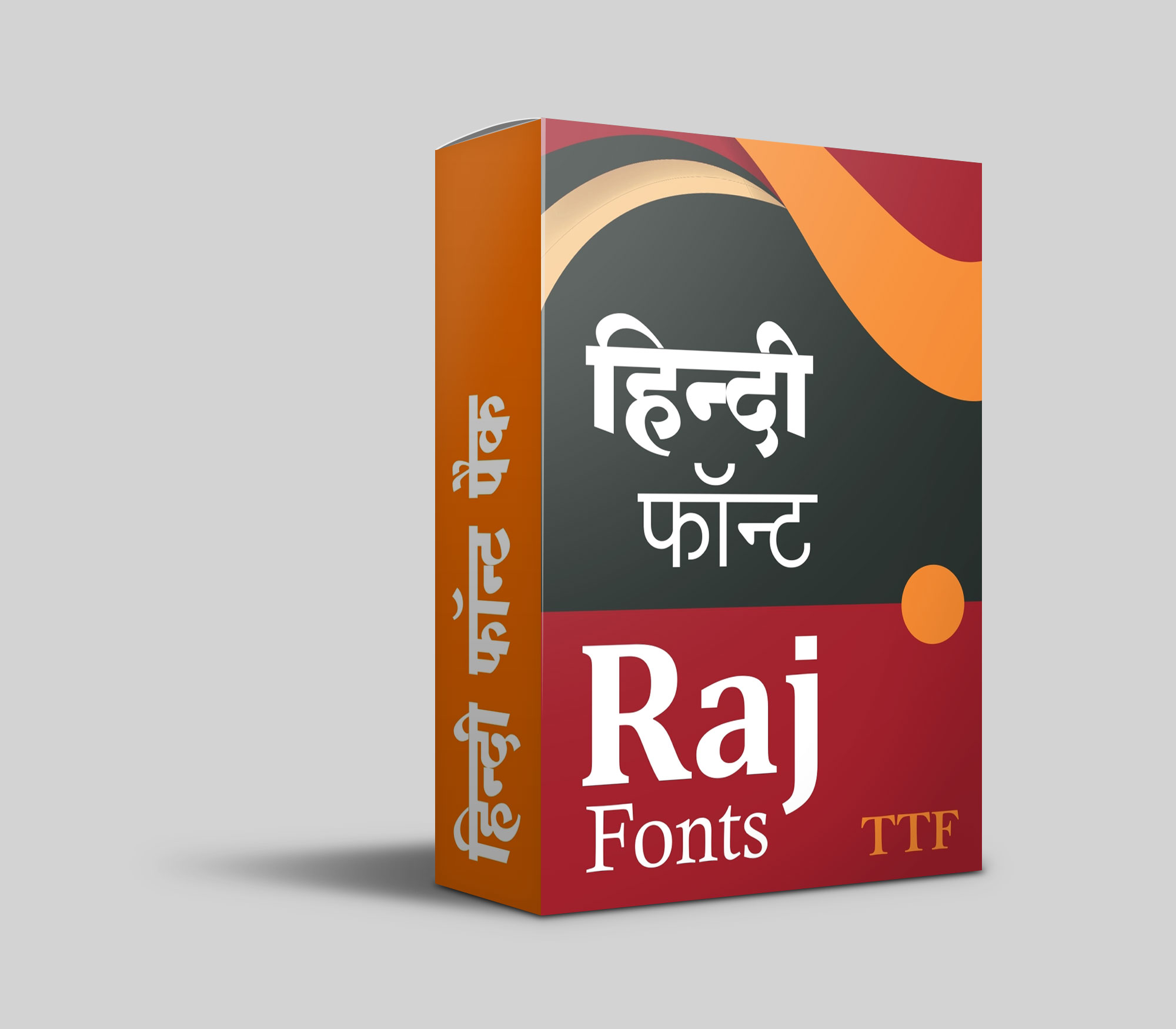
India is a linguistically diverse country with over 780 languages and dialects spoken. The Constitution of India recognizes 22 languages as official languages.
The process of selecting the official languages of India was a complex and contentious one. The Constituent Assembly of India, which was tasked with drafting the Constitution, debated the issue of language at length. There were many different proposals, and there was much disagreement about which languages should be included as official languages.
Criteria for Selection
The Constituent Assembly ultimately decided to select 22 languages as official languages based on the following criteria:
- The language should be spoken by a significant number of people in India.
- The language should have a rich literary tradition.
- The language should be used in education, administration, and the judiciary.
Challenges and Controversies
The selection of official languages in India has been a source of much controversy. There have been demands to add more languages to the list of official languages, and there have also been protests against the use of certain languages as official languages.
One of the biggest challenges in selecting official languages in India is the country’s linguistic diversity. There are many different languages spoken in India, and it is difficult to choose which ones should be given official status.
Another challenge is the fact that some languages are more closely associated with certain regions of India than others. This can lead to resentment from people who feel that their language is not being given enough importance.
Table of Official Languages
The following table summarizes the 22 official languages of India, their regions of use, and their constitutional status:
| Language | Regions of Use | Constitutional Status |
|---|---|---|
| Assamese | Assam | Scheduled Language |
| Bengali | West Bengal, Tripura | Scheduled Language |
| Bodo | Assam | Associate Official Language |
| Dogri | Jammu and Kashmir | Associate Official Language |
| English | All India | Associate Official Language |
| Gujarati | Gujarat | Scheduled Language |
| Hindi | Uttar Pradesh, Bihar, Rajasthan | Official Language |
| Kannada | Karnataka | Scheduled Language |
| Kashmiri | Jammu and Kashmir | Associate Official Language |
| Konkani | Goa | Scheduled Language |
| Maithili | Bihar | Associate Official Language |
| Malayalam | Kerala | Scheduled Language |
| Manipuri | Manipur | Scheduled Language |
| Marathi | Maharashtra | Scheduled Language |
| Mizo | Mizoram | Associate Official Language |
| Nepali | Sikkim | Associate Official Language |
| Odia | Odisha | Scheduled Language |
| Punjabi | Punjab | Scheduled Language |
| Sanskrit | All India | Classical Language |
| Santali | Jharkhand | Associate Official Language |
| Sindhi | Sindh | Scheduled Language |
| Tamil | Tamil Nadu | Scheduled Language |
| Telugu | Telangana, Andhra Pradesh | Scheduled Language |
| Urdu | Jammu and Kashmir, Uttar Pradesh | Scheduled Language |
Most Widely Spoken Language
Among the 22 official languages of India, Hindi is the most widely spoken, with over 550 million native speakers. This represents approximately 43.6% of the Indian population. Other official languages with a significant number of speakers include Bengali (8.3%), Marathi (7.8%), Telugu (7.2%), Tamil (5.9%), Gujarati (4.8%), Kannada (3.7%), Malayalam (3.2%), Odia (3.2%), and Punjabi (2.8%).
Reasons for Hindi’s Prevalence, What is the main language in india
Several factors contribute to Hindi’s widespread use:
- Historical Significance:Hindi is the successor to Sanskrit, the classical language of ancient India. It has been influenced by various regional languages and has served as a lingua franca for centuries.
- Administrative Use:Hindi is one of the two official languages of the Indian government, along with English. It is used in official documents, government communications, and education.
- Bollywood Influence:The Hindi film industry, known as Bollywood, has a significant impact on popular culture in India. Bollywood films are widely distributed and have contributed to the spread of Hindi as a common language of communication.
- Educational Accessibility:Hindi is a compulsory subject in most schools in India, making it accessible to a large population. This has further contributed to its widespread adoption.
Regional Languages
India is a linguistically diverse country, with over 22 official languages and hundreds of regional languages spoken across the country. Regional languages play a vital role in Indian culture and identity, and they are used in education, government, and everyday communication.
Major Regional Languages
The following table lists the major regional languages spoken in India, along with their geographical distribution:
| Language | Geographical Distribution |
|---|---|
| Assamese | Assam |
| Bengali | West Bengal, Tripura, Bangladesh |
| Bhojpuri | Bihar, Uttar Pradesh, Jharkhand |
| Gujarati | Gujarat, Dadra and Nagar Haveli and Daman and Diu |
| Hindi | Uttar Pradesh, Madhya Pradesh, Rajasthan, Bihar, Jharkhand, Chhattisgarh, Uttarakhand, Himachal Pradesh, Haryana, Delhi |
| Kannada | Karnataka |
| Kashmiri | Jammu and Kashmir |
| Konkani | Goa, Maharashtra, Karnataka, Kerala |
| Malayalam | Kerala, Lakshadweep |
| Marathi | Maharashtra |
| Meitei (Manipuri) | Manipur |
| Nepali | Sikkim, Darjeeling district of West Bengal |
| Oriya | Odisha |
| Punjabi | Punjab, Haryana, Himachal Pradesh, Jammu and Kashmir |
| Rajasthani | Rajasthan |
| Sanskrit | Throughout India (classical language) |
| Sindhi | Sindh (Pakistan), Gujarat, Rajasthan |
| Tamil | Tamil Nadu, Puducherry |
| Telugu | Andhra Pradesh, Telangana |
| Urdu | Uttar Pradesh, Bihar, Jharkhand, Delhi, Telangana, Andhra Pradesh |
The linguistic diversity of India is a reflection of the country’s rich cultural heritage. Regional languages are an important part of Indian identity, and they play a vital role in education, government, and everyday communication.
Minority Languages
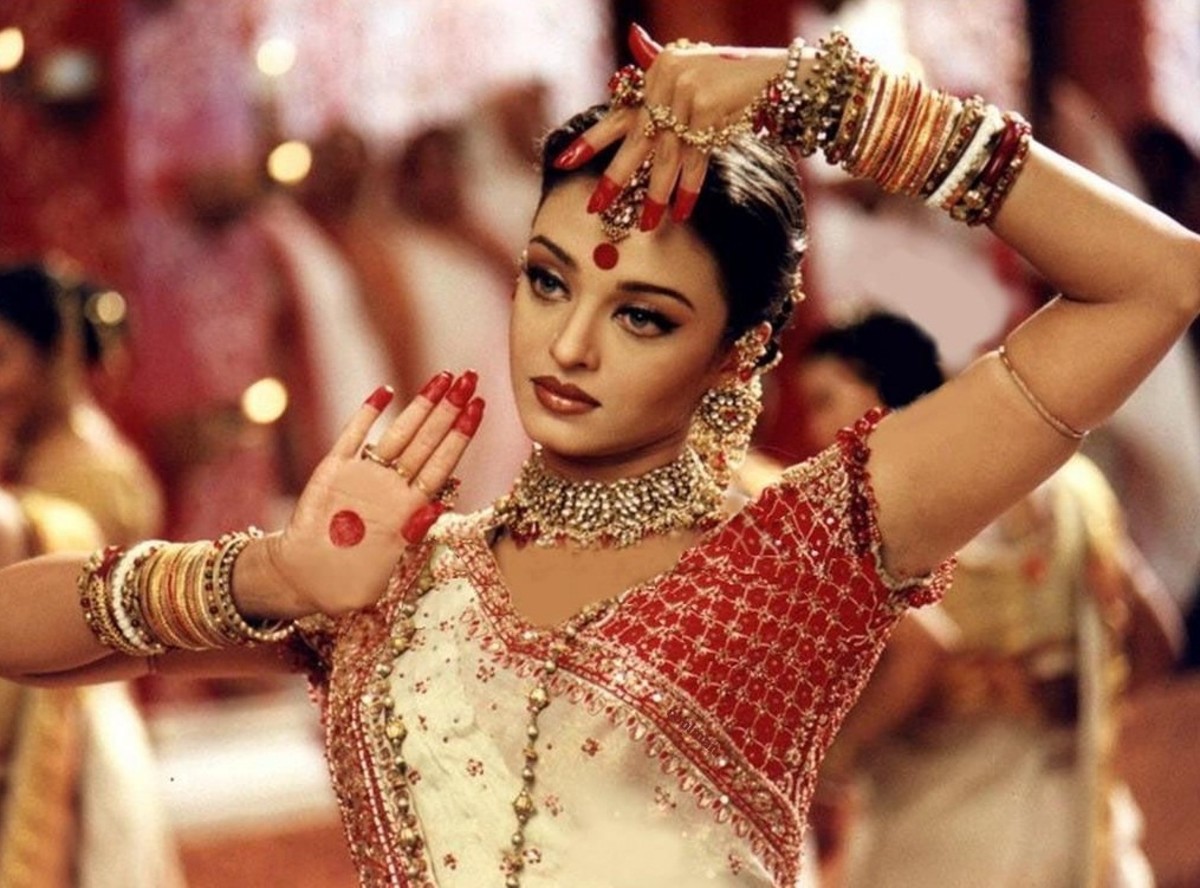
India is a linguistically diverse country with hundreds of minority languages spoken by various communities across the nation. These languages often face challenges in terms of recognition, preservation, and support.
The exact number of minority languages in India is difficult to determine, as there is no official definition of what constitutes a minority language. However, estimates suggest that there are over 200 minority languages spoken in India, belonging to various language families such as Indo-Aryan, Dravidian, Austroasiatic, Tibeto-Burman, and others.
Challenges Faced by Minority Language Speakers
Minority language speakers in India face a number of challenges, including:
- Lack of recognition:Many minority languages are not recognized by the government or educational institutions, which can limit opportunities for speakers to use their language in official settings or to receive education in their mother tongue.
- Discrimination:Speakers of minority languages may face discrimination or prejudice from speakers of dominant languages, which can discourage them from using their language in public spaces.
- Lack of resources:Minority languages often lack resources such as dictionaries, grammars, and teaching materials, which can make it difficult for speakers to learn and preserve their language.
- Language loss:Due to these challenges, many minority languages are facing language loss, as speakers shift to more dominant languages in order to access education, employment, and other opportunities.
Government’s Policies Towards Minority Languages
The Indian government has taken some steps to support minority languages, including:
- The National Policy on Education (1986)recognizes the importance of preserving and promoting minority languages and recommends that they be used as the medium of instruction in primary education.
- The Eighth Schedule of the Indian Constitutionlists 22 official languages, including Hindi and English, but does not include any minority languages.
- The Ministry of Culturehas established the Central Institute of Indian Languages (CIIL) to promote the study and preservation of Indian languages, including minority languages.
Role of Technology in Preserving and Promoting Minority Languages
Technology can play a significant role in preserving and promoting minority languages by:
- Creating online resources:Online dictionaries, grammars, and teaching materials can make it easier for speakers to learn and preserve their language.
- Facilitating communication:Social media and other online platforms can help speakers of minority languages connect with each other and share their language and culture.
- Raising awareness:Online campaigns and other initiatives can raise awareness of minority languages and the challenges they face.
Proposal for a Project to Support Minority Language Speakers in India
A project could be developed to support minority language speakers in India by:
- Developing online resources:Creating online dictionaries, grammars, and teaching materials for minority languages.
- Providing training:Offering training to teachers and community members on how to use technology to support minority languages.
- Advocating for policy changes:Advocating for government policies that support the preservation and promotion of minority languages.
- Raising awareness:Raising awareness of minority languages and the challenges they face through public campaigns and other initiatives.
English in India
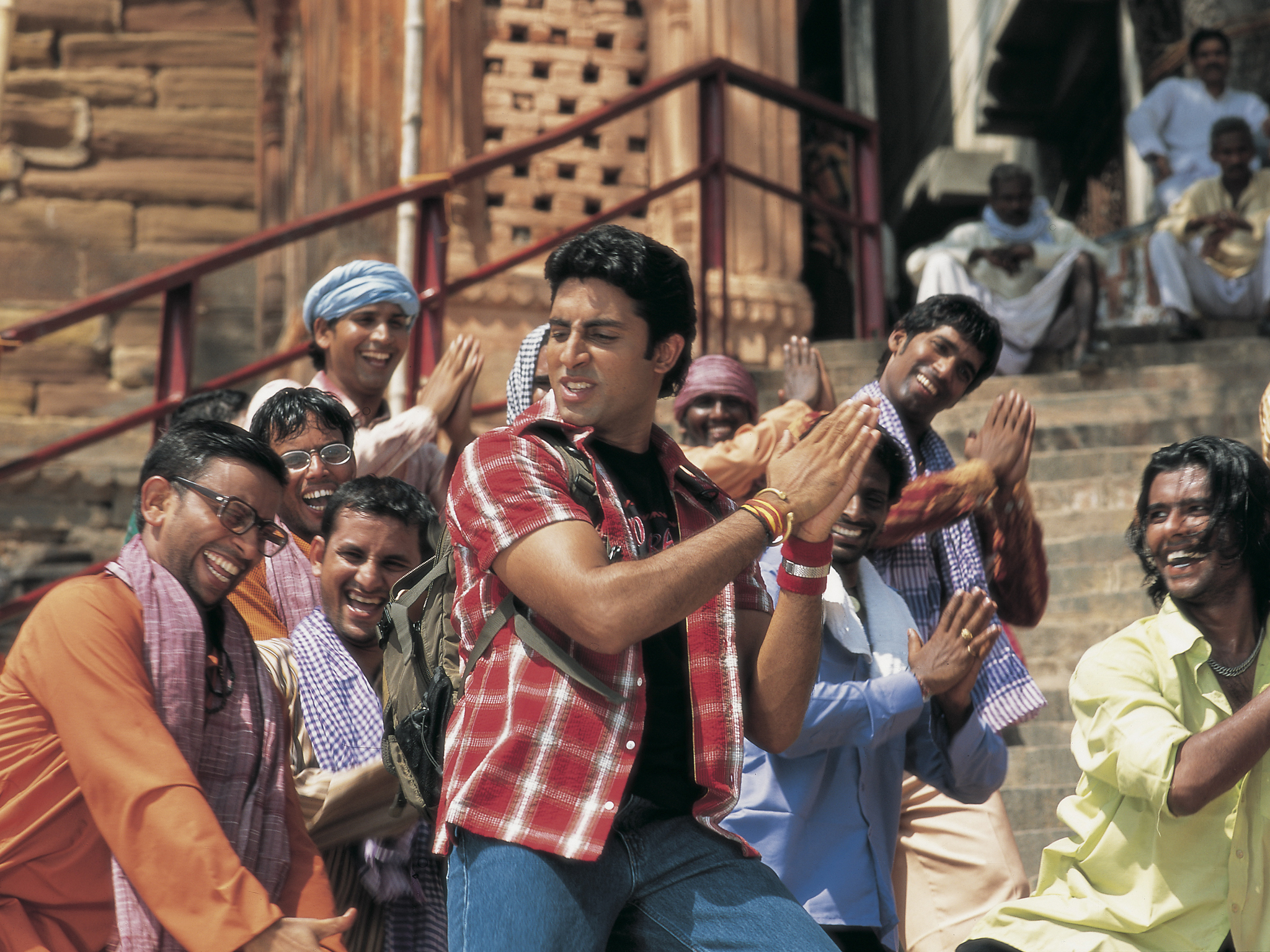
English, a global language, has a long and complex history in India. It was introduced to the country by the British during their colonial rule and became the official language of India after independence in 1947. Since then, English has played a significant role in various aspects of Indian society, including government, education, business, and media.
English has had a profound impact on Indian languages. Many Indian languages have adopted English words and phrases, and English has also influenced the grammar and syntax of some Indian languages. Additionally, English has become a lingua franca in India, allowing people from different linguistic backgrounds to communicate with each other.
Impact on Indian Education and Society
The role of English in Indian education and society is a subject of ongoing debate. Some argue that English is a necessary tool for economic and social development, while others believe that it perpetuates inequality and undermines Indian languages and culture.
Currently, English is the medium of instruction in many schools and universities in India, and it is also the language used in most government and business communications. However, there is a growing movement to promote the use of Indian languages in education and public life.
Use in Different Domains
English is used in a wide variety of domains in India, including:
- Government:English is the official language of the Indian government, and it is used in all official communications, including laws, regulations, and court proceedings.
- Business:English is the primary language of business in India, and it is used in all major business transactions, including contracts, negotiations, and presentations.
- Education:English is the medium of instruction in many schools and universities in India, and it is also the language used in most textbooks and academic publications.
- Media:English is the language of most national newspapers and magazines in India, and it is also the language used in most television and radio broadcasts.
Future of English in India
The future of English in India is uncertain. Some experts believe that English will continue to play a major role in Indian society, while others believe that it will gradually decline in importance as Indian languages become more widely used.
However, it is clear that English will continue to be an important language in India for the foreseeable future. It is a global language that provides access to a wealth of information and knowledge, and it is also a lingua franca that allows people from different linguistic backgrounds to communicate with each other.
– Describe the government’s language policy, including its history, goals, and implementation.

The Government of India’s language policy has evolved over time, reflecting the country’s linguistic diversity and the need for effective communication among its citizens. The policy aims to promote the use of Hindi as the official language of the Union, while also recognizing the importance of regional languages and English.
The roots of the language policy can be traced back to the Constituent Assembly debates, where there was extensive discussion about the role of Hindi and other languages in the newly independent India. The Constitution of India, adopted in 1950, designated Hindi written in the Devanagari script as the official language of the Union.
However, it also provided for the continued use of English for official purposes for a period of 15 years.
Goals of the Language Policy
- Promote the use of Hindi as the official language of the Union.
- Recognize the importance of regional languages.
- Ensure effective communication among citizens.
Implementation of the Language Policy
The implementation of the language policy has been gradual and has involved several initiatives. These include the establishment of the Central Hindi Directorate in 1954, the adoption of the Official Languages Act in 1963, and the creation of the National Council for Promotion of Urdu Language in 1996.
Language Education
Language education in India is a complex and challenging task, given the country’s linguistic diversity. The government has adopted a three-language formula for education, which requires students to learn Hindi, English, and one regional language.
This formula has been criticized for being impractical and for neglecting the importance of mother tongue education. However, it remains the official policy of the government.
Challenges of Teaching Multiple Languages in Schools
One of the biggest challenges of language education in India is the need to teach multiple languages in schools. This can be difficult for students, especially those who come from linguistic minority backgrounds.
There are a number of factors that can make it difficult to teach multiple languages in schools, including:
- The lack of qualified teachers
- The lack of appropriate teaching materials
- The large number of students in classrooms
- The different learning styles of students
Role of Technology in Language Learning
Technology can play a significant role in language learning. There are a number of software programs and online resources that can help students to learn new languages.
Technology can be used to:
- Provide students with access to authentic language materials
- Help students to practice their speaking and listening skills
- Provide students with feedback on their progress
- Make language learning more fun and engaging
Effectiveness of Different Language Teaching Methods
There are a number of different language teaching methods that can be used in schools. Some of the most common methods include:
- The grammar-translation method
- The communicative approach
- The task-based approach
- The content-based approach
The effectiveness of a particular language teaching method depends on a number of factors, including the age of the students, their learning styles, and the specific language being taught.
Suggestions for Improvements to Language Education Policy in India
There are a number of ways to improve language education policy in India. Some of the most important changes include:
- Providing more support for teachers of minority languages
- Developing more appropriate teaching materials
- Reducing the number of students in classrooms
- Using more technology in language learning
- Reforming the three-language formula
Language and Identity
Language plays a vital role in shaping Indian identity. The diverse linguistic landscape of India reflects the country’s rich cultural heritage and historical influences. Each language embodies unique traditions, values, and perspectives, contributing to the collective Indian identity.
Linguistic Diversity as a Source of National Pride
India’s linguistic diversity is a source of national pride. The coexistence of numerous languages within a single nation fosters a sense of unity and tolerance. Indians take pride in the linguistic heritage of their country and recognize the importance of preserving and promoting all languages.
Language and Technology
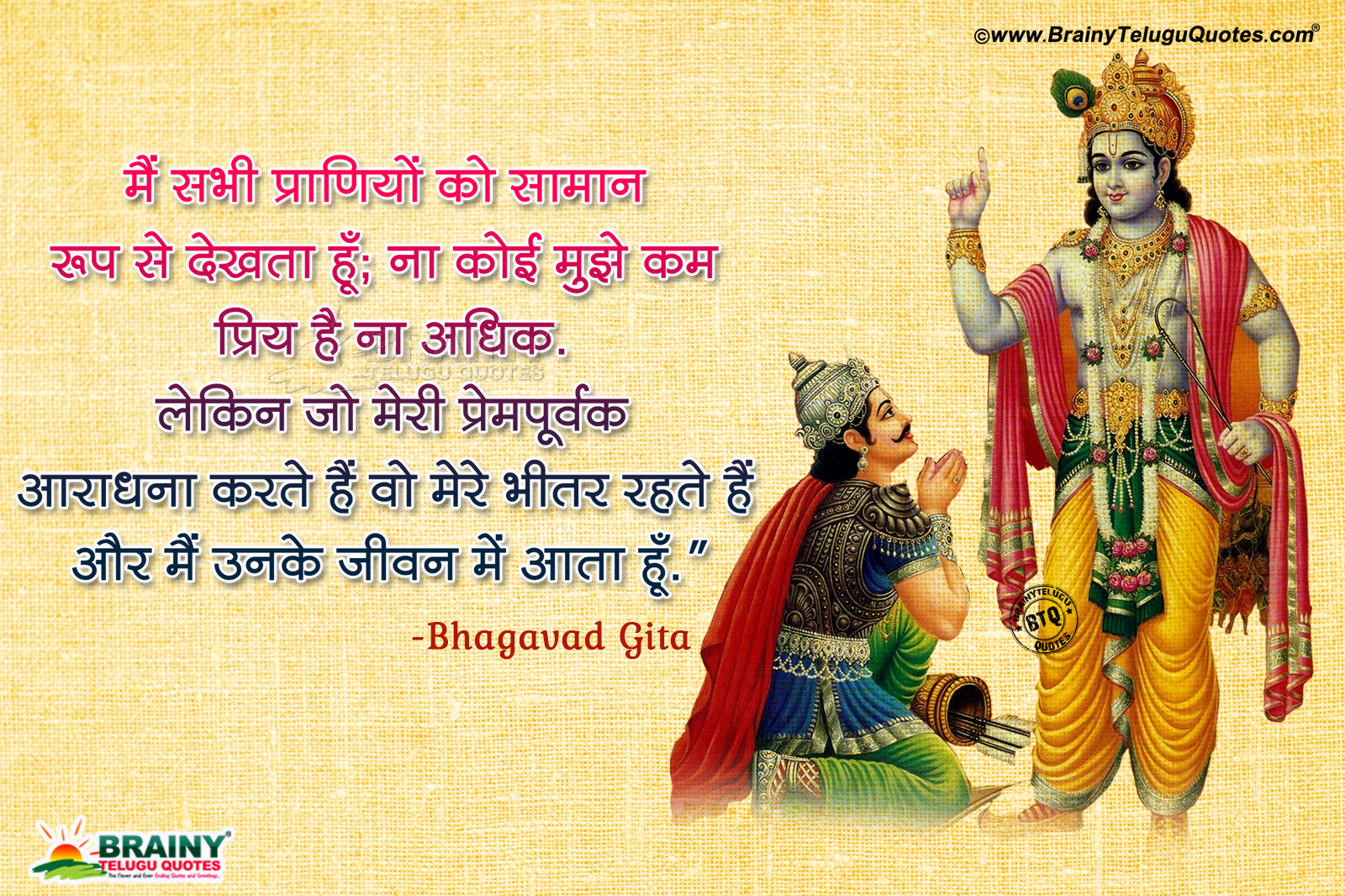
The rapid development of technology has profoundly impacted language use in India. The internet and social media have emerged as powerful platforms for language promotion and dissemination, contributing significantly to the preservation and revitalization of diverse languages.
The Role of the Internet
The internet has made it easier for people from different regions of India to connect and communicate with each other, fostering the exchange of ideas and cultural experiences. Online forums, social networking sites, and messaging applications have created virtual spaces where individuals can engage in discussions, share content, and learn about different languages.
Furthermore, the availability of online language learning resources, such as language apps, online courses, and dictionaries, has made it more convenient for people to acquire new languages. These resources provide interactive and engaging learning experiences, catering to various learning styles and preferences.
The Role of Social Media
Social media platforms, such as Facebook, Twitter, and Instagram, have become influential channels for promoting language diversity. These platforms allow users to share content in their native languages, connect with like-minded individuals, and participate in online communities dedicated to specific languages.
Social media has also played a crucial role in raising awareness about endangered languages. Campaigns and initiatives on these platforms have helped mobilize support for the preservation and revitalization of these languages.
– Elaborate on the relationship between language and culture in India, focusing on the role of language in shaping cultural identity and the transmission of cultural values.

Language plays a pivotal role in shaping cultural identity and transmitting cultural values in India. The diverse languages spoken in the country reflect the rich cultural heritage and contribute to the formation of distinct cultural identities. Language serves as a medium for expressing cultural values, beliefs, and practices, transmitting them from one generation to the next.
Hindi is the official language of India, but there are 22 other recognized regional languages. This linguistic diversity is mirrored in other parts of the world, such as China, where how many languages are spoken in china is a complex question with no easy answer.
Returning to India, the prevalence of Hindi as the main language does not diminish the importance of the other regional languages, which play a vital role in the cultural and social fabric of the country.
Role of Language in Cultural Identity
Language is closely intertwined with cultural identity in India. It shapes the way people perceive themselves and their place in society. Each language carries its own unique set of cultural connotations, symbols, and idioms that reflect the experiences and perspectives of the community that speaks it.
By using a particular language, individuals align themselves with a specific cultural group and its associated values, beliefs, and practices.
Transmission of Cultural Values
Language serves as a vehicle for transmitting cultural values and traditions. Through stories, songs, poems, and other forms of verbal expression, cultural values are passed down from generation to generation. These narratives often embody the wisdom, beliefs, and moral values of the community, shaping the cultural outlook and behavior of its members.
Impact on Social Interactions
Language also plays a significant role in social interactions in India. It influences the way people communicate, form relationships, and establish social hierarchies. Different languages may carry different levels of prestige and social status, impacting the way individuals interact with each other.
Language can also serve as a barrier or a bridge between different social groups, shaping the dynamics of social interactions.
Language and the Arts
Languages in India play a vital role in shaping and expressing the country’s rich cultural heritage. They are intertwined with literature, music, and cinema, serving as mediums for artistic expression and cultural preservation.
In Indian literature, languages have been used to create a diverse range of literary works, from ancient epics like the Mahabharataand Ramayanato contemporary novels and poetry. These works reflect the cultural values, beliefs, and experiences of the people of India.
Music
Music in India is deeply connected to language. Traditional Indian music often incorporates lyrics in various languages, conveying stories, emotions, and cultural traditions. Classical music forms like Carnatic and Hindustani music use specific languages, such as Tamil and Hindi, to express their intricate melodies and rhythms.
Cinema
Indian cinema, known for its vibrant and diverse productions, utilizes multiple languages to cater to the country’s diverse linguistic landscape. Bollywood, the Hindi-language film industry, has a global reach, while regional film industries produce movies in languages like Tamil, Telugu, Kannada, and Malayalam.
These films often reflect the cultural nuances and perspectives of the regions they represent.
The official language of India is Hindi, spoken by over 40% of the population. However, there are 22 recognized regional languages, including Bengali, Telugu, and Marathi. Sign language is also gaining recognition, with courses available to those interested in becoming sign language interpreters.
Learn more about becoming a sign language interpreter. Despite the growing importance of sign language, Hindi remains the most widely spoken language in India, reflecting the country’s rich linguistic diversity.
Through literature, music, and cinema, languages in India serve as powerful tools for preserving and transmitting cultural heritage. They allow for the expression of diverse cultural identities, the sharing of stories, and the fostering of a sense of unity amidst India’s linguistic diversity.
Language and the Economy
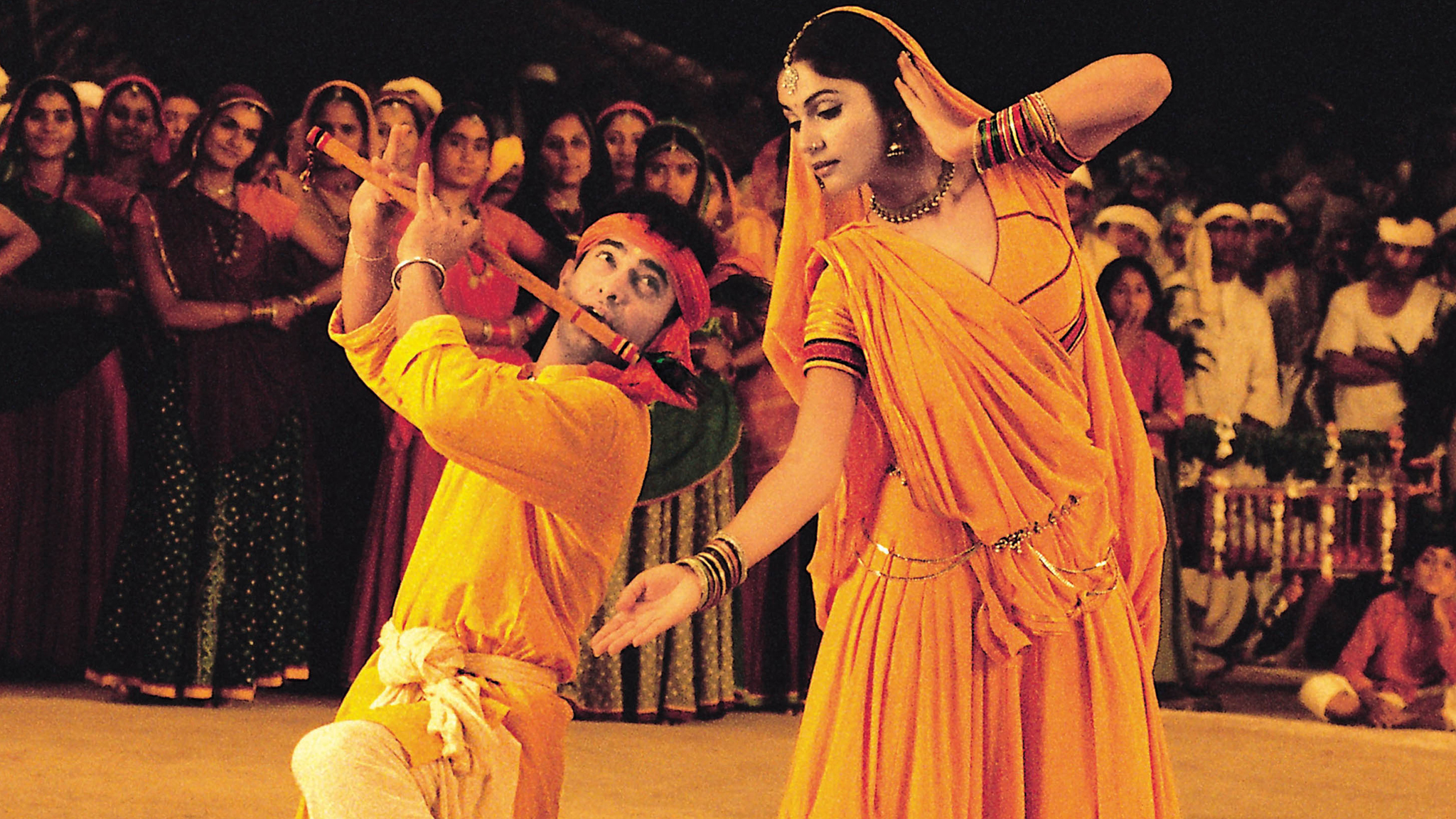
Language plays a crucial role in economic development. Linguistic diversity offers several economic benefits, including increased innovation, enhanced communication, and expanded market reach. Economic Benefits of Linguistic Diversity
- Increased Innovation:Diverse linguistic backgrounds foster creativity and innovation. Exposure to multiple languages enhances cognitive flexibility, problem-solving abilities, and out-of-the-box thinking.
- Enhanced Communication:Effective communication is essential for economic growth. Linguistic diversity enables businesses to connect with a wider range of customers and employees, facilitating seamless communication and collaboration.
- Expanded Market Reach:Businesses can tap into new markets by catering to customers who speak different languages. This expands market reach and increases revenue potential.
Role of Language in Tourism and International Trade
- Tourism:Language is a key factor in attracting tourists. Tourists are more likely to visit destinations where they can communicate easily. Offering multilingual services enhances the visitor experience and boosts tourism revenue.
- International Trade:Effective communication is vital for international trade. Businesses that can communicate in multiple languages are better equipped to negotiate deals, build partnerships, and expand their operations globally.
Language and the Future: What Is The Main Language In India

India’s linguistic landscape is constantly evolving, shaped by factors such as globalization, urbanization, and technological advancements. The future of languages in India is a topic of ongoing discussion and speculation.
Challenges to Linguistic Diversity
Several challenges threaten linguistic diversity in India:
- Dominance of Hindi and English:Hindi and English are the dominant languages in media, education, and business, leading to the decline of regional languages.
- Urbanization and Migration:Migration to urban areas exposes people to new languages, potentially leading to language shift and the loss of mother tongues.
- Globalization and Technology:Global communication and the rise of the internet favor major languages, marginalizing smaller ones.
Opportunities for Preserving Diversity
Despite these challenges, there are also opportunities for preserving and promoting linguistic diversity:
- Government Policies:The Indian government has implemented policies to support regional languages, such as the Three-Language Formula and the National Education Policy 2020.
- Language Revitalization Movements:Grassroots initiatives are working to revitalize endangered languages through language classes, cultural events, and documentation.
- Technological Advancements:Technology can be used to create language-learning apps, digital dictionaries, and online resources for minority languages.
Conclusion
The future of languages in India is uncertain. While globalization and urbanization pose challenges, government policies, language revitalization movements, and technological advancements offer opportunities to preserve and promote linguistic diversity. The outcome will depend on the collective efforts of policymakers, language activists, and society as a whole.
FAQ
What are the official languages of India?
India has 22 official languages, including Hindi, English, Bengali, Telugu, Marathi, Tamil, Gujarati, Kannada, Malayalam, Odia, Punjabi, Assamese, Kashmiri, Dogri, Konkani, Maithili, Meitei, Nepali, Sanskrit, Santali, Sindhi, and Urdu.
Which is the most widely spoken language in India?
Hindi is the most widely spoken language in India, with over 550 million native speakers.
What is the significance of regional languages in India?
Regional languages play a vital role in shaping the cultural identity of different regions and communities in India. They are used in education, administration, and cultural expression.
