What language do people in Israel speak? This question delves into the diverse linguistic landscape of Israel, where a rich tapestry of languages intertwine, reflecting the country’s multifaceted history and cultural heritage.
Hebrew, the official language, holds a prominent place in Israeli society, serving as a symbol of national identity and unity. Arabic, spoken by a significant minority, resonates with the country’s Arab heritage and plays a vital role in daily life.
English, widely used as a second language, facilitates international communication and serves as a bridge between different linguistic communities.
Official Languages

In Israel, two languages hold official status: Hebrew and Arabic. This designation stems from the country’s history and diverse population.
Upon Israel’s establishment in 1948, Hebrew was declared the primary official language. It had served as the liturgical language of Judaism for centuries and was revived as a spoken language in the late 19th century.
Arabic
Arabic, the second official language, reflects the significant Arab population in Israel. It is spoken by around 20% of the population, primarily by Arab citizens and those living in the Palestinian territories.
Regional Languages
In addition to the official languages, several regional languages are spoken in different parts of Israel.
These languages reflect the diverse cultural and linguistic heritage of the country and are used in various domains, including education, media, and daily life.
Arabic
Arabic is the most widely spoken regional language in Israel, with a significant population of Arabic-speaking citizens, particularly in the northern and central regions of the country.
The Arabic spoken in Israel is primarily Levantine Arabic, which is also spoken in neighboring countries like Lebanon, Syria, and Jordan.
Russian
Russian is another significant regional language in Israel, spoken by a large community of immigrants from the former Soviet Union.
Russian is particularly prevalent in major cities like Jerusalem, Tel Aviv, and Haifa, where it is used in education, media, and everyday communication.
Amharic
Amharic is the official language of Ethiopia and is spoken by a growing population of Ethiopian immigrants in Israel.
Amharic is used in community centers, religious institutions, and media outlets catering to the Ethiopian community in Israel.
Yiddish
Yiddish is a Germanic language spoken by a small but significant population of ultra-Orthodox Jews in Israel.
Yiddish is primarily used in religious and educational settings within the ultra-Orthodox community.
Ladino
Ladino is a Romance language spoken by descendants of Sephardic Jews who were expelled from Spain in the 15th century.
Ladino is used in religious and cultural contexts within the Sephardic community in Israel.
Minority Languages
Israel is a diverse country with a rich linguistic landscape. While Hebrew and Arabic are the official languages, several minority languages are spoken by various communities. These languages reflect the cultural heritage and diversity of Israel’s population.
One significant minority language is Russian, spoken by a large community of immigrants from the former Soviet Union. Russian is widely used in daily life, media, and education within the Russian-speaking community. Another minority language is Yiddish, spoken by the ultra-Orthodox Jewish community.
Yiddish is a Germanic language that developed in Eastern Europe and is closely associated with Jewish culture and tradition.
Other Minority Languages
In addition to Russian and Yiddish, other minority languages spoken in Israel include:
- Amharic:Spoken by the Ethiopian Jewish community.
- Ladino:A Judeo-Spanish language spoken by descendants of Sephardic Jews.
- Georgian:Spoken by the Georgian Jewish community.
- Romanian:Spoken by immigrants from Romania.
- Polish:Spoken by immigrants from Poland.
- Hungarian:Spoken by immigrants from Hungary.
- German:Spoken by a small community of German immigrants.
- English:While not an official language, English is widely used in business, academia, and tourism.
These minority languages play a vital role in preserving the cultural identity and heritage of their respective communities. They are used in religious services, community events, and intergenerational communication. The government of Israel recognizes the importance of these languages and provides support for their preservation and teaching.
Historical Languages

The land of Israel has been a crossroads of civilizations for millennia, and as a result, many languages have been spoken within its borders. The earliest known language spoken in Israel was Canaanite, a Semitic language related to Hebrew, Aramaic, and Phoenician.
Canaanite was spoken in Israel from around 3000 BCE until the 1st century CE, when it was gradually replaced by Aramaic.
Aramaic was the lingua franca of the Middle East during the Persian and Hellenistic periods, and it was widely spoken in Israel until the 7th century CE, when it was replaced by Arabic as the official language of the Umayyad Caliphate.
Arabic has remained the official language of Israel ever since, although Hebrew was revived as a spoken language in the 19th century and is now the other official language of Israel.
Influence of Historical Languages on the Current Linguistic Landscape
The historical languages that have been spoken in Israel have had a significant influence on the current linguistic landscape of the country. Hebrew, for example, has been revived as a spoken language in the 19th century, and it is now the official language of Israel.
However, Arabic is still widely spoken in Israel, and it is the first language of many Israeli Arabs. In addition, many other languages are spoken in Israel, including English, Russian, Yiddish, and Ladino.
The presence of so many languages in Israel reflects the country’s diverse history and culture. It is a testament to the fact that Israel has been a crossroads of civilizations for millennia.
Language Proficiency
Language proficiency in Israel is a complex and multifaceted issue. A variety of factors influence the proficiency of Israelis in different languages, including age, education level, immigration status, and geographic location. This section will provide data on the proficiency levels of different languages in Israel, including Hebrew, Arabic, English, Russian, and French.
It will also analyze the factors that influence language proficiency and summarize the findings.
Data on Language Proficiency, What language do people in israel speak
According to a 2011 survey by the Central Bureau of Statistics, 92% of Israelis reported being able to speak Hebrew, 58% reported being able to speak Arabic, 52% reported being able to speak English, 19% reported being able to speak Russian, and 9% reported being able to speak French.
There is a significant variation in language proficiency levels across different demographic groups. For example, Hebrew proficiency is highest among native-born Israelis (98%) and lowest among immigrants from the former Soviet Union (67%). English proficiency is highest among young Israelis (70%) and lowest among older Israelis (35%).
Russian proficiency is highest among immigrants from the former Soviet Union (90%) and lowest among native-born Israelis (3%).
The primary language spoken in Israel is Hebrew, with Arabic as a secondary official language. Markup languages, such as what is a markup language , provide a standardized way to structure and format text for web pages and other digital documents.
This allows for consistent display and formatting of text across different platforms and devices, making it easier for users to access and understand information in a variety of contexts, including in Hebrew and Arabic.
Factors Influencing Language Proficiency
A variety of factors influence language proficiency in Israel. These factors include:
- Age:Younger Israelis are more likely to be proficient in English and Russian than older Israelis.
- Education level:Israelis with higher levels of education are more likely to be proficient in English, Russian, and French.
- Immigration status:Immigrants are more likely to be proficient in the languages of their home countries.
- Geographic location:Israelis who live in areas with large immigrant populations are more likely to be proficient in the languages of those immigrants.
Summary of Findings
The findings of this section suggest that language proficiency in Israel is influenced by a variety of factors, including age, education level, immigration status, and geographic location. Younger Israelis, Israelis with higher levels of education, immigrants, and Israelis who live in areas with large immigrant populations are more likely to be proficient in multiple languages.
Language Education
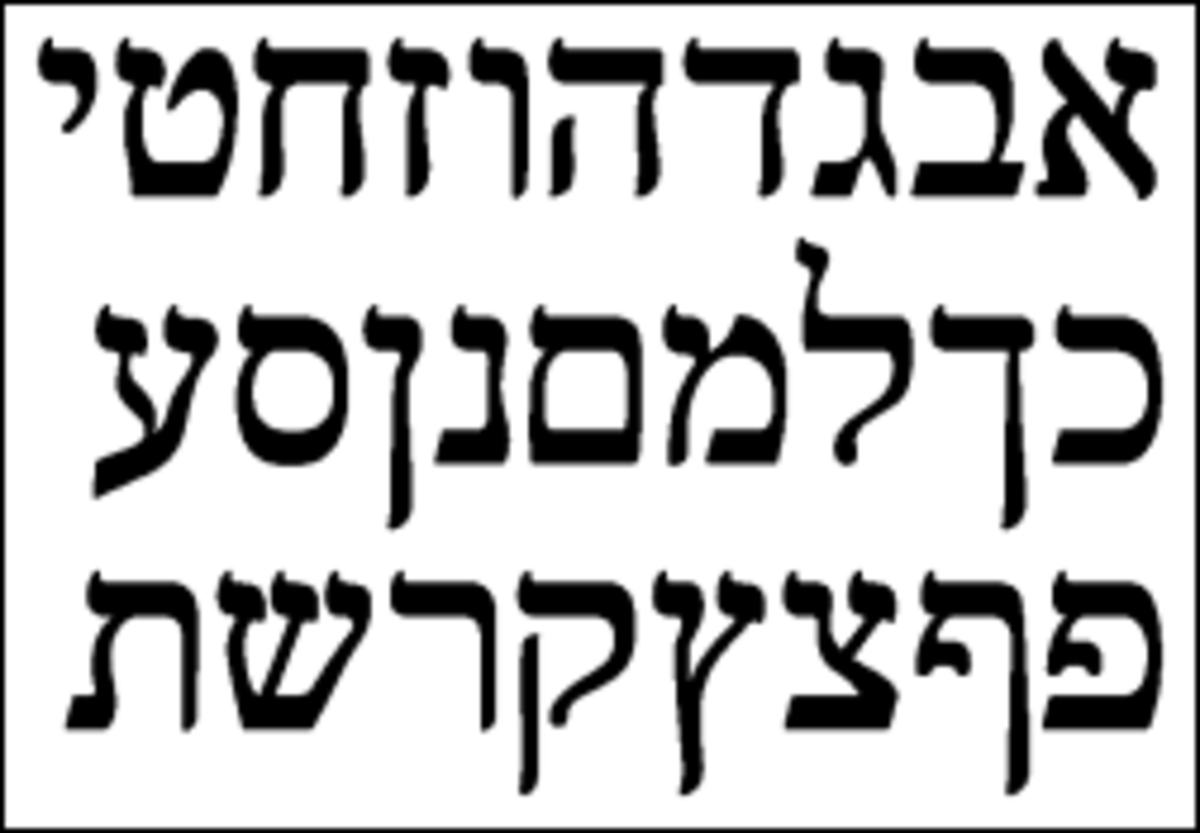
Israel’s language education system is designed to provide students with proficiency in both Hebrew and Arabic, the country’s two official languages. English is also widely taught as a foreign language.
The education system is divided into three levels: elementary school (grades 1-6), middle school (grades 7-9), and high school (grades 10-12). Hebrew is the primary language of instruction in all three levels, while Arabic is taught as a compulsory subject from grade 1.
Availability and Accessibility of Language Learning Resources
There are a wide variety of language learning resources available in Israel, including textbooks, workbooks, online courses, and apps. These resources are available in both Hebrew and Arabic, and they are designed to meet the needs of students of all ages and levels.
In addition to formal language instruction, there are also many opportunities for students to practice their language skills outside of the classroom. For example, there are many Hebrew and Arabic language clubs and organizations, and there are also many opportunities to volunteer in Hebrew- or Arabic-speaking communities.
Language Policy
The Israeli government’s language policy is a complex and evolving one. The policy has been shaped by a number of factors, including the country’s history, demographics, and political landscape.The main goal of the language policy is to promote the use of Hebrew as the official language of Israel.
Hebrew is the language of government, education, and the media. It is also the language of the majority of the Jewish population.However, the language policy also recognizes the importance of other languages, including Arabic, English, and Russian. These languages are spoken by significant minorities in Israel and are used in a variety of settings, including education, government, and the media.The language policy has had a significant impact on language use and preservation in Israel.
Hebrew has become the dominant language in most spheres of life, but other languages continue to be used and preserved.The language policy has been relatively effective in promoting linguistic diversity and preserving cultural heritage. However, there have been some challenges in implementing and enforcing the policy, including resistance from language communities.For example, the government’s attempts to promote the use of Hebrew in Arab schools have been met with resistance from the Arab community.
The Arab community sees the use of Hebrew as a threat to their cultural identity.Despite these challenges, the language policy has been successful in promoting linguistic diversity and preserving cultural heritage in Israel. Hebrew is now the dominant language in the country, but other languages continue to be used and preserved.
Impact of the Language Policy on Language Use and Preservation
The language policy has had a significant impact on language use and preservation in Israel. Hebrew has become the dominant language in most spheres of life, but other languages continue to be used and preserved.One of the most significant impacts of the language policy has been the increase in the use of Hebrew.
Hebrew is now the language of government, education, and the media. It is also the language of the majority of the Jewish population.As a result of the language policy, the use of other languages has declined. However, other languages continue to be used and preserved in Israel.
Arabic is the second most common language in Israel and is spoken by the Arab minority. English is also widely spoken in Israel and is used in a variety of settings, including business, education, and tourism.The language policy has also had an impact on language preservation.
The government has taken a number of steps to preserve other languages, including Arabic, English, and Russian. These steps include providing funding for language education, establishing language schools, and supporting cultural organizations.As a result of these efforts, other languages continue to be used and preserved in Israel.
However, the use of these languages has declined in recent years.
Effectiveness of the Language Policy in Promoting Linguistic Diversity and Preserving Cultural Heritage
The language policy has been relatively effective in promoting linguistic diversity and preserving cultural heritage in Israel. Hebrew is now the dominant language in the country, but other languages continue to be used and preserved.One of the main strengths of the language policy is its recognition of the importance of other languages.
The policy recognizes that other languages are important to the cultural identity of minority groups in Israel.As a result, the government has taken a number of steps to support other languages, including providing funding for language education, establishing language schools, and supporting cultural organizations.These efforts have been successful in preserving other languages in Israel.
However, the use of these languages has declined in recent years.One of the challenges facing the language policy is the resistance from language communities. Some language communities, such as the Arab community, see the use of Hebrew as a threat to their cultural identity.As a result, these communities have resisted the government’s attempts to promote the use of Hebrew.
This resistance has made it difficult to implement the language policy in some areas.Overall, the language policy has been relatively effective in promoting linguistic diversity and preserving cultural heritage in Israel. However, there have been some challenges in implementing and enforcing the policy, including resistance from language communities.
Challenges Faced in Implementing and Enforcing the Language Policy, Including Resistance from Language Communities
There have been some challenges in implementing and enforcing the language policy in Israel, including resistance from language communities.One of the main challenges is the resistance from the Arab community. The Arab community sees the use of Hebrew as a threat to their cultural identity.
As a result, the Arab community has resisted the government’s attempts to promote the use of Hebrew in Arab schools.Another challenge is the lack of resources. The government has not always been able to provide the necessary resources to implement the language policy.
This has made it difficult to promote the use of other languages and to preserve cultural heritage.Despite these challenges, the government has made some progress in implementing the language policy. The government has provided funding for language education, established language schools, and supported cultural organizations.
These efforts have helped to preserve other languages and to promote linguistic diversity in Israel.
Specific Examples of How the Language Policy Has Influenced the Usage of Different Languages in Official Settings, Education, and Media
The language policy has influenced the usage of different languages in official settings, education, and media in a number of ways.In official settings, Hebrew is the dominant language. All government documents are written in Hebrew and all government meetings are conducted in Hebrew.
However, other languages are also used in official settings. Arabic is used in official settings in areas with a large Arab population. English is also used in official settings, particularly in international relations.In education, Hebrew is the language of instruction in all public schools.
However, other languages are also taught in public schools. Arabic is taught as a second language in all Arab schools. English is also taught as a second language in all public schools.In the media, Hebrew is the dominant language. However, other languages are also used in the media.
Arabic is used in the media in areas with a large Arab population. English is also used in the media, particularly in international news broadcasts.The language policy has had a significant impact on the usage of different languages in Israel.
Hebrew has become the dominant language in most spheres of life, but other languages continue to be used and preserved.
Language and Culture

Language and culture are deeply intertwined in Israel, with Hebrew and Arabic playing significant roles in shaping and reflecting Israeli identity. Hebrew, the official language, is a symbol of Jewish heritage and national unity, while Arabic, the language of the Arab minority, represents cultural diversity and historical connections.
Role of Hebrew and Arabic
Hebrew, revived as a spoken language in the late 19th century, became the official language of Israel in 1948. It is the primary language of government, education, and media, serving as a unifying force for the diverse population. Arabic, on the other hand, is the language of the Arab minority, constituting around 20% of the population.
It is recognized as an official language in certain areas and is used in education, government services, and media catering to the Arab community.
Influence of Immigration and Diaspora
Immigration and diaspora have significantly influenced the development of Israeli language and culture. Waves of Jewish immigration from around the world brought diverse linguistic backgrounds, contributing to the creation of a unique Israeli Hebrew infused with elements from various languages.
The diaspora, particularly in the United States, has also played a role in shaping Israeli culture, with English and Yiddish exerting some influence on language and cultural practices.
Language and Social Boundaries
Language is used to construct and negotiate social and political boundaries within Israel. The use of Hebrew as the official language has been a source of tension between the Jewish majority and the Arab minority, with some Arabs advocating for greater recognition of Arabic.
Language proficiency in both Hebrew and Arabic is often seen as a marker of integration and belonging, while linguistic barriers can contribute to social and economic disparities.
Language and Technology: What Language Do People In Israel Speak

Technology has played a significant role in shaping language use and acquisition in Israel. The widespread adoption of the internet and mobile devices has facilitated access to information and communication, influencing how people learn and interact with languages.One of the most notable impacts of technology on language learning is the emergence of online language learning platforms.
These platforms offer interactive courses, personalized learning experiences, and opportunities to connect with native speakers from around the world. They have made language learning more accessible and convenient, enabling individuals to study at their own pace and from any location.Social media has also become an important tool for language acquisition.
Platforms like Facebook, Instagram, and Twitter allow users to connect with others who share their language interests, engage in discussions, and practice their language skills. The exposure to authentic language use and the ability to interact with native speakers in real-time provide valuable opportunities for language development.Furthermore, technology has facilitated the creation of language learning apps.
These apps utilize gamification, interactive exercises, and personalized feedback to make language learning more engaging and effective. They allow users to learn on the go, reinforcing their knowledge through regular practice and instant feedback.In summary, technology has revolutionized language learning and communication in Israel.
It has made language acquisition more accessible, convenient, and interactive, empowering individuals to enhance their language skills and connect with the global community.
Language Learning Resources
* Online Language Learning Platforms:Duolingo, Babbel, Rosetta Stone
Social Media
Facebook Groups, Instagram Language Learning Accounts, Twitter Language Chats
Language Learning Apps
Memrise, Busuu, HelloTalk
Language and Media
The media plays a crucial role in shaping language use and attitudes in Israel. It is a powerful tool for disseminating information, shaping public opinion, and influencing language use and norms.
One of the most significant ways in which the media influences language use is through its representation of different languages. Israeli media outlets use a variety of languages, including Hebrew, Arabic, English, and Russian, reflecting the country’s diverse population.
Representation of Languages in Israeli Media
The representation of different languages in Israeli media is not always equitable. Hebrew, the official language of Israel, is the most widely used language in the media, followed by Arabic. However, the representation of other languages, such as English and Russian, is often limited.
This disparity in representation can have a significant impact on the status and prestige of different languages in Israeli society. Hebrew is often seen as the “legitimate” language of Israel, while other languages are often seen as foreign or secondary.
Language as a Tool for Political and Social Commentary
The media can also use language as a tool for political and social commentary. For example, the use of Hebrew in Israeli media can be seen as a way of asserting the country’s Jewish identity. Similarly, the use of Arabic in Israeli media can be seen as a way of recognizing the country’s Arab minority.
The media can also use language to challenge stereotypes and prejudices. For example, Israeli media outlets have increasingly featured positive portrayals of Arab characters in recent years. This can help to break down stereotypes and promote greater understanding between different groups in Israeli society.
Language and Immigration

Immigration has a profound impact on language use in Israel. The arrival of new immigrants from diverse linguistic backgrounds has led to increased linguistic diversity and the emergence of new language varieties.
Immigrants to Israel face both challenges and opportunities in acquiring new languages. On the one hand, they must learn Hebrew, the official language of Israel, in order to fully participate in society. On the other hand, they often bring with them their own languages and cultures, which can enrich the linguistic landscape of Israel.
Challenges
- Learning a new language is a complex and time-consuming process.
- Immigrants may face discrimination or prejudice because of their language skills.
- Immigrants may lose their native language skills if they do not use them regularly.
Opportunities
- Learning a new language can open up new opportunities for employment and education.
- Immigrants can help to preserve their own languages and cultures by teaching them to their children.
- Immigrants can contribute to the linguistic diversity of Israel by introducing new words and expressions into the language.
Language and Tourism
Language plays a crucial role in Israel’s tourism industry, facilitating communication between visitors and locals, promoting tourism destinations, and enhancing the overall tourism experience.
Role of Language in Tourism
- Communication:Language enables effective communication between tourists and service providers, such as hotel staff, tour guides, and transportation providers, ensuring smooth interactions and a positive experience.
- Information Dissemination:Tourism materials, including brochures, websites, and signage, are translated into multiple languages to provide essential information to visitors about attractions, events, and services.
- Cultural Immersion:Learning a few basic phrases in the local language can enhance the visitor’s cultural immersion, fostering a deeper connection with the destination and its people.
Language Barriers and Mitigation
- Challenges:Language barriers can arise when tourists do not speak the local language, leading to misunderstandings, frustration, and limited access to information.
- Overcoming Barriers:To mitigate language barriers, tourism businesses offer multilingual staff and services, such as translation apps, multilingual websites, and audio guides.
Promoting Tourism through Language
- Attracting Visitors:Translating tourism materials into multiple languages attracts a wider range of visitors, catering to their diverse linguistic backgrounds.
- Enhancing Accessibility:Providing information in multiple languages makes tourism destinations more accessible to visitors from different countries.
- Cultural Representation:Using the local language in tourism promotions showcases the destination’s cultural heritage and authenticity.
Challenges of Translation
- Accuracy and Consistency:Ensuring accuracy and consistency of translations is crucial to maintain the integrity of the original message.
- Tone and Style:Translating the tone and style of the original text is essential to preserve the intended meaning and impact.
- Cultural Differences:Cultural differences can affect the translation, requiring careful consideration of idioms, metaphors, and cultural nuances.
- Cost and Time Constraints:Translating tourism materials into multiple languages can be time-consuming and expensive.
Impact on Tourism Experience
- Positive Experience:Visitors who speak the local language often have a more positive experience, feeling more connected to the destination and its people.
- Negative Impact:Language barriers can lead to misunderstandings, frustration, and limited access to information, negatively impacting the visitor’s experience.
- Multilingual Services:Tourism businesses that offer multilingual services, such as multilingual staff and translated materials, enhance the visitor’s experience and increase their satisfaction.
Best Practices
- Clear and Concise Language:Use clear and concise language in all tourism materials to ensure easy understanding.
- Multiple Languages:Translate materials into multiple languages to reach a wider audience.
- Multilingual Staff and Services:Provide multilingual staff and services to assist visitors with communication and information.
- Technology for Language Barriers:Utilize technology, such as translation apps and multilingual websites, to overcome language barriers.
Case Study: Israel Tourism Board
- Multilingual Website:The Israel Tourism Board’s website is available in multiple languages, including Hebrew, Arabic, English, Russian, and French, catering to a diverse audience.
- Multilingual Services:The Israel Tourism Board offers a 24-hour hotline and live chat service in multiple languages, providing assistance to visitors.
- Cultural Representation:The Israel Tourism Board’s promotional materials showcase the country’s cultural heritage and authenticity by incorporating the local language and cultural elements.
– Discuss the importance of language in business communication in Israel, focusing on the role of Hebrew and Arabic in business interactions.
In Israel, language plays a vital role in business communication, with Hebrew and Arabic being the two primary languages used. Understanding the nuances and cultural significance of these languages is crucial for effective business interactions.
Hebrew, the official language of Israel, is spoken by the majority of the population. It is the language of government, education, and media, and is widely used in business settings. Arabic, on the other hand, is spoken by a significant minority of the population, particularly in the Arab-Israeli community.
It is recognized as an official language in certain regions and is commonly used in business interactions with Arab-owned companies or within Arab communities.
In Israel, the official languages are Hebrew and Arabic. However, other languages such as English, Russian, and French are also widely spoken. Interestingly, the languages spoken in Israel share similarities with those spoken in Nepal, where the official language is Nepali.
Nepali , like Hebrew, belongs to the Indo-European language family. Furthermore, both Hebrew and Nepali have been influenced by Sanskrit, a classical language of South Asia.
The Importance of Language Proficiency
Language proficiency is essential for business success in Israel. It enables effective communication, fosters cultural sensitivity, and helps build strong relationships.
When business professionals are proficient in the local language, they can communicate more effectively with their Israeli counterparts, eliminating language barriers and misunderstandings. This leads to smoother negotiations, clearer agreements, and enhanced trust between parties.
Furthermore, language proficiency demonstrates cultural sensitivity and respect for the local business culture. By speaking the local language, business professionals can show that they value the culture and are willing to make an effort to connect with their Israeli partners on a deeper level.
This can create a positive impression and lay the foundation for long-lasting business relationships.
Examples of Successful Businesses
Several successful businesses in Israel have leveraged language skills to achieve business growth.
- Teva Pharmaceutical Industries: A leading global pharmaceutical company, Teva has a strong presence in Israel. The company’s ability to communicate effectively in Hebrew and Arabic has enabled it to build strong relationships with local healthcare providers and patients.
- Intel Israel: A subsidiary of the multinational technology company Intel, Intel Israel has played a significant role in the country’s tech industry. The company’s proficiency in Hebrew and English has allowed it to attract and retain top talent from both Israel and abroad.
Challenges and Opportunities of English as a Lingua Franca
While Hebrew and Arabic are the primary languages of business in Israel, English is also widely used as a lingua franca, particularly in international business interactions.
The use of English as a lingua franca presents both challenges and opportunities. On the one hand, it facilitates communication between business professionals from different language backgrounds. On the other hand, it can lead to the erosion of local languages and cultural identity.
To address these challenges, it is important to strike a balance between using English for international communication and preserving the use of Hebrew and Arabic in domestic business interactions.
Strategies for Improving Language Proficiency
There are several strategies that businesses can implement to improve language proficiency in business communication.
- Language Training Programs: Businesses can offer language training programs to their employees, either in-house or through external language schools.
- Language Immersion Experiences: Sending employees on language immersion trips to Israel can provide them with an opportunity to practice the language in a real-world setting.
- Cultural Exchange Initiatives: Organizing cultural exchange initiatives, such as joint events or exchange programs, can foster language learning and cultural understanding.
Language and Healthcare

Language plays a crucial role in healthcare provision in Israel, where Hebrew and Arabic are the official languages. However, the country’s diverse population includes many non-native speakers who may face challenges in accessing healthcare services due to language barriers.
Challenges Faced by Non-Native Speakers
- Difficulty in understanding medical information:Non-native speakers may struggle to comprehend written and verbal medical instructions, leading to confusion and potential errors in treatment.
- Miscommunication between patients and healthcare providers:Language barriers can hinder effective communication, resulting in misunderstandings about symptoms, treatment plans, and medication usage.
- Limited access to healthcare resources:Non-native speakers may have difficulty accessing health information and resources that are only available in Hebrew or Arabic.
- Disparities in healthcare outcomes:Language barriers have been linked to disparities in healthcare outcomes, with non-native speakers experiencing lower rates of preventive care, delayed diagnoses, and poorer treatment adherence.
Strategies for Improving Language Access
- Providing interpretation and translation services:Healthcare facilities should offer professional interpretation and translation services to ensure that non-native speakers can communicate effectively with healthcare providers.
- Training healthcare providers in cross-cultural communication:Healthcare professionals should receive training in cross-cultural communication to develop skills in working with patients from diverse linguistic backgrounds.
- Creating multilingual healthcare materials:Healthcare information and resources should be available in multiple languages to cater to the needs of non-native speakers.
- Promoting language learning among healthcare professionals:Healthcare professionals who speak additional languages can better serve the diverse population of Israel.
Key Findings and Recommendations
| Key Finding | Recommendation |
|---|---|
| Non-native speakers face challenges in accessing healthcare services due to language barriers. | Provide interpretation and translation services, train healthcare providers in cross-cultural communication, create multilingual healthcare materials, and promote language learning among healthcare professionals. |
| Language barriers can lead to disparities in healthcare outcomes. | Implement strategies to improve language access and reduce health disparities among non-native speakers. |
| Improving language access in healthcare settings is essential for ensuring equitable healthcare for all residents of Israel. | Advocate for policies and practices that promote language access and cultural competence in healthcare. |
– Explain how the Israeli government’s language policies have impacted education in the country.

The Israeli government’s language policies have had a significant impact on education in the country. Hebrew and Arabic are the two official languages of Israel, and both are taught in schools. However, Hebrew is the dominant language in education, and this has led to some challenges for Arabic-speaking students.
One of the main challenges for Arabic-speaking students is the fact that Hebrew is the language of instruction in most schools. This means that Arabic-speaking students must learn Hebrew in order to participate in class and to succeed academically. This can be a difficult task for students who are not native Hebrew speakers.
Another challenge for Arabic-speaking students is the fact that there are fewer resources available in Arabic than in Hebrew. This means that Arabic-speaking students may have difficulty finding books, materials, and other resources that they need for their studies.
Despite these challenges, there are a number of successful language immersion programs for non-native speakers in Israel. These programs provide students with the opportunity to learn Hebrew in a supportive environment. Students in these programs are typically placed in classes with other non-native speakers, and they are taught by teachers who are trained in teaching Hebrew as a second language.
Language immersion programs can be very effective in helping non-native speakers to learn Hebrew. Studies have shown that students in these programs make significant progress in their Hebrew language skills. They also develop a greater appreciation for Israeli culture and society.
Question & Answer Hub
What is the official language of Israel?
Hebrew
What other languages are widely spoken in Israel?
Arabic and English
How does language diversity impact Israeli society?
It shapes cultural identity, facilitates communication, and reflects the country’s historical and demographic makeup.
