What language do they speak belgium – What language do they speak in Belgium? Belgium is a multilingual country with three official languages: Dutch, French, and German. The vast majority of the population speaks Dutch or French, with a smaller number speaking German. In addition to the official languages, there are also a number of regional dialects spoken in Belgium.
The linguistic landscape of Belgium is a reflection of the country’s history and culture. Belgium has been a crossroads of Europe for centuries, and its languages have been influenced by a variety of factors, including the country’s geography, its political history, and its cultural diversity.
Official Languages
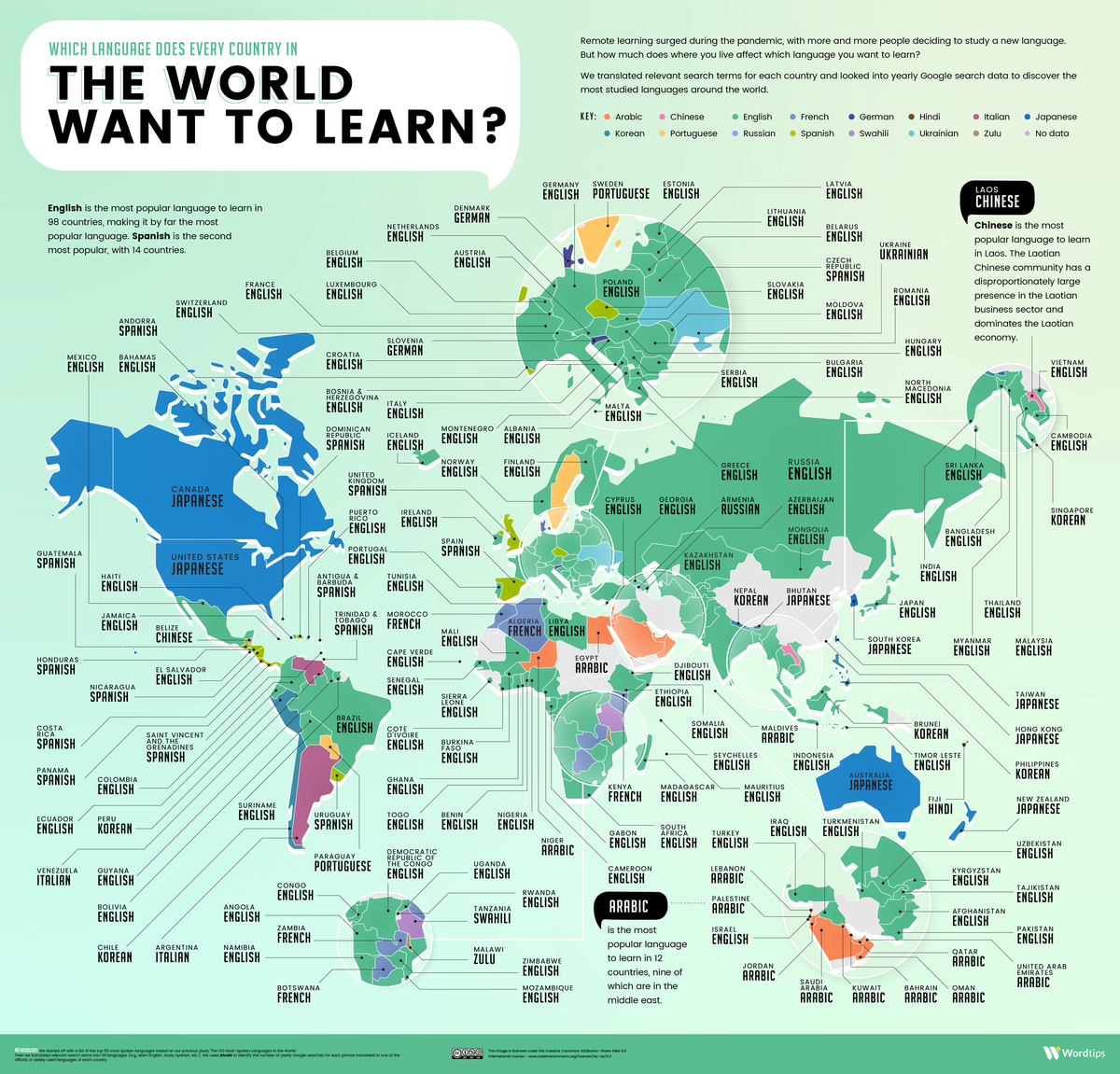
Belgium has three official languages: Dutch, French, and German. The use of these languages is regulated by the Belgian constitution and a series of language laws.
Dutch is the most widely spoken language in Belgium, with about 60% of the population speaking it as their first language. It is the official language of the Flemish Region in the north of the country.
French is the second most widely spoken language in Belgium, with about 40% of the population speaking it as their first language. It is the official language of the Walloon Region in the south of the country and the Brussels-Capital Region.
German is the official language of the German-speaking Community in the east of the country. It is spoken by about 1% of the population.
Historical and Cultural Significance
The linguistic diversity of Belgium is a reflection of its history and culture. The country has been influenced by both Germanic and Romance cultures, and its languages reflect this heritage.
Dutch is a Germanic language that is closely related to English and German. It is the language of the Flemish people, who have lived in the northern part of Belgium for centuries.
French is a Romance language that is closely related to Spanish and Italian. It is the language of the Walloons, who have lived in the southern part of Belgium for centuries.
German is a Germanic language that is closely related to Dutch and English. It is the language of the German-speaking Community, which was created in 1993.
Language Laws
The use of languages in Belgium is regulated by a series of language laws. These laws were passed in the 1960s and 1970s, and they have been amended several times since then.
The language laws divide Belgium into four language areas: the Dutch language area, the French language area, the German language area, and the bilingual Brussels-Capital Region.
In each language area, the official language of that area is the only language that can be used in government, education, and the courts.
The language laws have been controversial, and there have been several attempts to change them. However, the laws remain in place, and they continue to play a major role in the linguistic landscape of Belgium.
Regional Dialects
Belgium is a linguistically diverse country, with a rich tapestry of regional dialects. These dialects have played a significant role in shaping local identity and cultural preservation.
The dialects spoken in Belgium can be broadly divided into three main groups: Dutch dialects, French dialects, and German dialects.
Dutch Dialects
Dutch dialects are spoken in the northern part of Belgium, known as Flanders. The most common Dutch dialect in Flanders is West Flemish, which is spoken in the western part of the region. Other Dutch dialects spoken in Flanders include East Flemish, Brabantian, and Limburgish.
Dutch dialects vary considerably from one region to another, both in terms of pronunciation and vocabulary. However, they all share a common core of grammar and syntax.
French Dialects
French dialects are spoken in the southern part of Belgium, known as Wallonia. The most common French dialect in Wallonia is Walloon, which is spoken in the central and eastern parts of the region. Other French dialects spoken in Wallonia include Picard, Champenois, and Lorraine.
French dialects, like Dutch dialects, vary considerably from one region to another. However, they all share a common core of grammar and syntax.
German Dialects
German dialects are spoken in the eastern part of Belgium, known as the German-speaking Community. The most common German dialect in the German-speaking Community is Ripuarian, which is spoken in the northern part of the region. Other German dialects spoken in the German-speaking Community include Moselle Franconian and Luxembourgish.
German dialects, like Dutch and French dialects, vary considerably from one region to another. However, they all share a common core of grammar and syntax.
Belgium is a fascinating country with a rich linguistic heritage. The official languages of Belgium are Dutch, French, and German. However, there are also several regional languages spoken in Belgium, including Walloon, Picard, and Luxembourgish. If you’re interested in learning more about how to change the language settings on Microsoft Word, you can find helpful instructions here.
Additionally, there are many resources available online that can help you learn more about the different languages spoken in Belgium.
Language Proficiency

In Belgium, proficiency in different languages varies significantly across the population. This proficiency is influenced by several factors, including education, region, and immigration.
According to a study by the European Commission, 94% of Belgians report being able to speak at least one foreign language. The most commonly spoken foreign language is French, followed by English, German, and Dutch.
Regional Differences
Language proficiency also varies by region. In Flanders, the Dutch-speaking region, 97% of the population speaks Dutch as their native language. In Wallonia, the French-speaking region, 93% of the population speaks French as their native language.
In the Brussels-Capital Region, which is officially bilingual, 85% of the population speaks French, while 59% speaks Dutch. The remaining population speaks other languages, such as English, German, or Arabic.
Belgium is a multilingual country with three official languages: Dutch, French, and German. However, the concept of a “native language” is not straightforward. As discussed in the article what does native language mean , the term can refer to one’s first language, the language spoken at home, or the language of one’s cultural heritage.
In the context of Belgium, the choice of native language can vary depending on region and individual circumstances, reflecting the country’s diverse linguistic landscape.
Age Differences
There are also differences in language proficiency across age groups. Younger Belgians are more likely to be proficient in foreign languages than older Belgians. This is likely due to the increasing emphasis on foreign language education in schools.
Factors Influencing Language Proficiency
Several factors influence language proficiency in Belgium. These factors include:
- Education:Belgians who have a higher level of education are more likely to be proficient in foreign languages.
- Region:Belgians who live in regions where a foreign language is commonly spoken are more likely to be proficient in that language.
- Immigration:Immigrants who come to Belgium are more likely to be proficient in the language of their home country.
| Factor | Influence |
|---|---|
| Education | Positive |
| Region | Positive |
| Immigration | Positive |
Impact of Language Proficiency
Language proficiency has a significant impact on social and economic outcomes in Belgium. Belgians who are proficient in multiple languages are more likely to have higher incomes, better jobs, and more opportunities for advancement.
For example, a study by the National Bank of Belgium found that Belgians who are proficient in English earn 10% more than those who are not proficient in English.
Policy Recommendations
Based on the findings of this analysis, several policy recommendations can be made to improve language proficiency in Belgium. These recommendations include:
- Increasing the emphasis on foreign language education in schools.
- Providing more opportunities for Belgians to learn foreign languages outside of school.
- Encouraging immigration from countries where foreign languages are commonly spoken.
Language Policy
Belgium has a complex language policy that reflects its linguistic diversity and historical evolution. The country has three official languages: Dutch, French, and German. Dutch is spoken in the northern part of the country, known as Flanders, while French is spoken in the southern part, known as Wallonia.
German is spoken in a small area in the east of the country, known as the German-speaking Community.
The Belgian language policy is based on the principle of territoriality, which means that each language is the official language in its respective territory. However, there are also provisions for minority language rights, such as the right to education in one’s own language.
The language policy has had a significant impact on language use in different domains, such as education, government, and media.
Education
In education, the language policy has led to the creation of separate Dutch- and French-speaking schools in Flanders and Wallonia, respectively. In the German-speaking Community, schools are German-speaking. There are also a number of bilingual schools in the country, which offer instruction in both Dutch and French.
Government
In government, the language policy has led to the creation of separate Dutch- and French-speaking administrations in Flanders and Wallonia, respectively. The federal government is bilingual, with all official documents being published in both Dutch and French.
Media
In the media, the language policy has led to the creation of separate Dutch- and French-speaking media outlets. There are a number of bilingual media outlets in the country, but they are relatively rare.
Challenges and Successes
The Belgian language policy has been successful in maintaining the linguistic diversity of the country and in protecting the rights of minority language speakers. However, it has also been criticized for creating a divide between the Dutch- and French-speaking communities.
Some critics argue that the language policy is too rigid and that it does not allow for enough flexibility in language use. Others argue that the language policy is necessary to protect the linguistic diversity of the country and to ensure the rights of minority language speakers.
– Examine the historical evolution of language policies in Belgium and their impact on national identity.
The linguistic landscape of Belgium has been shaped by a complex interplay of historical, political, and social factors. The country’s language policies have evolved over time, reflecting the changing dynamics of national identity and the relationship between the Flemish and French-speaking communities.
The origins of Belgium’s language policies can be traced back to the Belgian Revolution of 1830, which led to the establishment of an independent Belgian state. At the time, French was the dominant language of the elite and the government, while Flemish was spoken by the majority of the population in the northern part of the country.
The language question became a source of tension between the two communities, and a series of language laws were passed in the 19th and 20th centuries aimed at protecting the rights of both linguistic groups.
The Impact of Language Policies on National Identity
The language policies implemented in Belgium have had a significant impact on the formation of national identity. The promotion of Flemish as an official language has contributed to a sense of cultural and linguistic distinctiveness among the Flemish community. At the same time, the protection of French as an official language has ensured that the French-speaking community retains a strong sense of identity and belonging.
The language divide in Belgium has also led to the emergence of distinct political parties and movements representing the interests of each linguistic community. This has contributed to a certain degree of political polarization and has made it difficult to forge a strong sense of national unity.
Historical Influences

The linguistic landscape of Belgium has been shaped by a complex interplay of historical events, foreign invasions, migrations, and cultural exchanges. These factors have left a lasting impact on the languages spoken in the country today.
Celtic Origins
The earliest known inhabitants of Belgium were Celtic tribes, who spoke various Celtic languages. These languages left a lasting legacy in the form of place names and river names, such as Brussels (from the Celtic word “Bruocsella”) and the Meuse River (from the Celtic word “Mosa”).
Roman Conquest
In the 1st century BC, Belgium was conquered by the Roman Empire. Latin, the language of the Roman administration, became the dominant language in the region. Over time, Latin evolved into the Romance languages spoken in Belgium today, including French, Walloon, and Picard.
Germanic Migrations
In the 5th century AD, Germanic tribes, including the Franks, migrated into Belgium. These tribes spoke Germanic languages, which gradually replaced Celtic and Latin in many parts of the country. The Germanic languages spoken in Belgium today include Dutch, Flemish, and Luxembourgish.
Division of Belgium
In the 16th century, Belgium was divided into two parts: the northern provinces, which became the Dutch Republic, and the southern provinces, which remained under Spanish rule. This division had a significant impact on the linguistic landscape of Belgium. In the north, Dutch became the dominant language, while in the south, French became the language of the elite.
Independence and Language Conflict
Belgium gained independence from the Netherlands in 1830. However, the linguistic divide between the north and the south persisted. In the 19th century, there was a growing movement in Flanders to promote the use of Dutch. This led to a series of language laws that gradually increased the status of Dutch in Belgium.
Modern Belgium, What language do they speak belgium
Today, Belgium is a multilingual country with three official languages: Dutch, French, and German. The linguistic landscape of the country is complex, with different languages being spoken in different regions. However, the historical influences that have shaped the languages of Belgium continue to play a role in the country’s linguistic diversity.
Language Education
Belgium’s language education system is complex and reflects the country’s linguistic diversity. The availability of different language courses and the role of immersion programs vary depending on the region and the level of education.
Primary and Secondary Education
In the Flemish Region, Dutch is the primary language of instruction in all schools. However, French and English are also taught as mandatory subjects. In the French-speaking Wallonia Region, French is the primary language of instruction, with Dutch and German as mandatory subjects.
In the Brussels-Capital Region, both French and Dutch are official languages, and schools offer immersion programs in both languages.
Higher Education
In higher education, universities in the Flemish Region offer courses primarily in Dutch, while universities in the Wallonia Region offer courses primarily in French. However, there are a growing number of English-language programs available at both Flemish and Walloon universities.
Immersion Programs
Immersion programs play a significant role in language education in Belgium. These programs allow students to study in a language other than their native language for an extended period of time. Immersion programs are available at all levels of education, from primary school to university.
Effectiveness of Language Education
The effectiveness of language education in Belgium is a matter of debate. Some studies have shown that immersion programs can be effective in promoting multilingualism, while others have found that the results are mixed.
Successful Language Education Programs
There are a number of successful language education programs in Belgium. One example is the European School system, which offers immersion programs in multiple languages. Another example is the Flemish Immersion Program, which has been shown to be effective in promoting Dutch proficiency among French-speaking students.
Challenges and Opportunities
There are a number of challenges and opportunities for improving language education in Belgium. One challenge is the need to integrate minority languages into the education system. Another challenge is the need to use technology to support language learning.
Proposal for a New Language Education Program
A new language education program could address the identified challenges and opportunities. The program could focus on the following:
- Integrating minority languages into the education system
- Using technology to support language learning
- Providing more opportunities for immersion programs
Such a program could help to improve language proficiency and promote multilingualism in Belgium.
– 8. Language and Technology

Technology has had a profound impact on language use in Belgium. Social media, translation tools, and other technologies have made it easier for people to communicate with each other across language barriers. This has led to a greater understanding and appreciation of different cultures.
Impact of Technology on Communication
One of the most significant impacts of technology on language use in Belgium has been the way it has changed the way people communicate. In the past, people were limited to communicating with others who spoke the same language. However, with the advent of social media, translation tools, and other technologies, people can now communicate with others from all over the world, regardless of their language.
Role of Social Media
Social media has played a major role in breaking down language barriers. Platforms like Facebook, Twitter, and Instagram allow people to connect with others from different cultures and language backgrounds. This has led to a greater understanding and appreciation of different cultures.
Role of Translation Tools
Translation tools have also played a significant role in breaking down language barriers. Tools like Google Translate and Microsoft Translator allow people to translate text and speech into different languages. This has made it easier for people to communicate with each other, even if they do not speak the same language.
Role of Other Technologies
Other technologies, such as video conferencing, instant messaging, and email, have also made it easier for people to communicate with each other across language barriers. These technologies allow people to communicate with each other in real time, regardless of their location or language.
Challenges and Limitations
Despite the many benefits of technology for breaking down language barriers, there are still some challenges and limitations. One challenge is that not everyone has access to technology. This can make it difficult for people to communicate with others who do not have the same access to technology.
Another challenge is that not all technologies are equally effective for breaking down language barriers. Some technologies, such as social media, can be more difficult to use for people who do not speak the same language. Additionally, some translation tools are not always accurate, which can make it difficult to communicate effectively.
Future Prospects
Despite the challenges and limitations, the future prospects for the use of technology to facilitate communication and break down language barriers in Belgium are positive. As technology continues to develop, it is likely that new and more effective ways to communicate across language barriers will be developed.
Language and the Arts
In Belgium, language plays a pivotal role in the country’s rich and diverse cultural landscape. It shapes creative expression, influences cultural identity, and is intricately woven into the fabric of Belgian literature, music, and other art forms.
Literature
Belgian literature is a vibrant and multifaceted tapestry, reflecting the linguistic diversity of the country. French-language authors like Maurice Maeterlinck and Marguerite Yourcenar have gained international acclaim, while Dutch-language writers such as Hugo Claus and Tom Lanoye have made significant contributions to Flemish literature.
The use of language in Belgian literature often mirrors the country’s complex linguistic and cultural dynamics. Bilingual authors like Paul Willems and Annelies Verbeke explore the nuances and complexities of language and identity, weaving together French and Dutch to create unique literary expressions.
Music
Music in Belgium is equally diverse, with influences from both French and Flemish traditions. Composers like César Franck and Eugène Ysaÿe have left an enduring legacy in classical music, while contemporary artists such as Stromae and Angèle have gained global recognition.
The lyrics of Belgian songs often reflect the linguistic and cultural diversity of the country. Stromae’s multilingual rap songs, for example, blend French, Dutch, and English, showcasing the vibrant linguistic landscape of Brussels.
Other Art Forms
Language also plays a crucial role in other art forms in Belgium. In film, directors like the Dardenne brothers and Chantal Akerman have used language to explore themes of social inequality and human connection.
In theater, playwrights like Michel de Ghelderode and Jan Fabre have created works that delve into the complexities of language, identity, and the human condition.
Language and Tourism

Belgium’s multilingualism plays a significant role in its tourism industry. With French, Dutch, German, and English all having official status, the country is able to cater to a wide range of international visitors.
One of the challenges of providing multilingual services for tourists is the need to ensure that information is accessible in all four languages. This can be a costly and time-consuming process, but it is essential for ensuring that all visitors have a positive experience in Belgium.
Language Proficiency
- According to a 2019 study by the European Commission, 97% of Belgians speak at least two languages, and 56% speak three or more.
- This high level of language proficiency makes it relatively easy for tourists to communicate with locals, even if they do not speak the same language.
Opportunities
- Multilingualism can also be a major asset for tourism businesses. By offering services in multiple languages, businesses can reach a wider range of customers and increase their revenue.
- For example, a hotel that offers multilingual staff and materials is more likely to attract international guests than a hotel that only offers services in one language.
Language and Business

In the globalized business world, language plays a crucial role in international trade and commerce. Belgium, with its multilingual population and strategic location at the crossroads of Europe, has a unique advantage in this regard.
Multilingualism in the business sector offers several advantages. First, it enables Belgian companies to communicate effectively with customers and partners from diverse linguistic backgrounds, fostering stronger relationships and expanding market reach. Second, it enhances collaboration and knowledge sharing within multinational teams, leading to innovation and improved problem-solving.
Third, it attracts skilled workers from around the world, contributing to a diverse and dynamic workforce.
Disadvantages of Multilingualism in Business
However, multilingualism also poses certain challenges. Translation and interpretation services can be costly and time-consuming, potentially slowing down business processes. Additionally, managing multilingual communication within organizations requires careful planning and coordination to ensure clarity and consistency.
Language and Social Integration: What Language Do They Speak Belgium

Language plays a crucial role in promoting social integration and intercultural understanding in Belgium. It facilitates communication, fostering a sense of belonging and shared identity among diverse communities.
However, immigrants and refugees often face challenges in learning and using different languages. Language barriers can hinder their access to education, employment, and social services, potentially leading to isolation and social exclusion.
Language Learning Initiatives
To address these challenges, Belgium has implemented various language learning initiatives aimed at supporting immigrants and refugees. These include language classes, language exchange programs, and community-based language support groups.
Such initiatives provide opportunities for newcomers to acquire the necessary language skills to navigate daily life, participate in society, and contribute to the Belgian economy and culture.
Language and Intercultural Understanding
Language also serves as a bridge for intercultural understanding. By learning different languages, Belgians gain insights into diverse cultures, perspectives, and ways of life.
This promotes empathy, tolerance, and respect for cultural differences, contributing to a more cohesive and inclusive society.
Language and the Future

The future of languages in Belgium is a topic of much speculation. Globalization, migration, and technological advancements are all having a major impact on language use and diversity in the country.
One of the biggest challenges facing Belgium is the increasing use of English as a lingua franca. English is the dominant language of business, academia, and international communication, and its use is growing rapidly in Belgium. This is putting pressure on the country’s traditional languages, French, Dutch, and German.
Another challenge is the growing number of immigrants in Belgium. Immigrants often bring their own languages with them, and this can lead to linguistic diversity in the country. This diversity can be a source of richness, but it can also be a source of tension.
Technological advancements are also having a major impact on language use in Belgium. The internet and social media are making it easier for people to communicate with each other across borders, and this is leading to the spread of new languages and dialects.
The future of languages in Belgium is uncertain. However, it is clear that the country is facing a number of challenges that will shape the way languages are used in the future.
Potential Impact of Globalization, Migration, and Technological Advancements on Language Use and Diversity
- Globalization is leading to the increased use of English as a lingua franca, which is putting pressure on traditional languages.
- Migration is leading to increased linguistic diversity in Belgium, which can be a source of both richness and tension.
- Technological advancements are making it easier for people to communicate with each other across borders, which is leading to the spread of new languages and dialects.
Language and Diversity
Belgium is a country of remarkable linguistic diversity. It is home to three official languages: Dutch, French, and German, and several regional dialects. This diversity reflects Belgium’s complex history and the coexistence of different cultural communities within its borders.
The preservation and promotion of minority languages and dialects are of great importance in Belgium. These languages are an integral part of the cultural heritage of the country and contribute to its linguistic richness. Their protection is essential for maintaining the identity and diversity of Belgium’s cultural communities.
Minority Language Rights
Belgium has a strong legal framework in place to protect the rights of minority language speakers. The Constitution guarantees the right to use minority languages in education, public administration, and the judiciary. In addition, the country has ratified the European Charter for Regional or Minority Languages, which further strengthens the rights of minority language communities.
Language Education
Language education plays a crucial role in preserving and promoting minority languages in Belgium. The government provides funding for minority language education in schools and universities. Additionally, there are many community-based organizations that offer language classes and cultural activities to promote minority languages.
Challenges and Opportunities
Despite the progress made in protecting minority languages, there are still challenges that need to be addressed. Globalization and urbanization have led to a decline in the use of some minority languages. Additionally, there is a need for increased awareness and support for minority languages among the general population.
Despite these challenges, there are also opportunities for the preservation and promotion of minority languages in Belgium. The growing recognition of the importance of linguistic diversity and the increasing interest in cultural heritage provide a positive context for the revitalization of minority languages.
– Provide specific examples of innovative language learning approaches and technologies used in Belgium.

In Belgium, various innovative language learning approaches and technologies have emerged to enhance language acquisition and promote multilingualism. These approaches leverage technology to create engaging and immersive learning experiences, personalizing the learning journey and making language learning more accessible.
One notable example is the use of virtual reality (VR) in language learning. VR technology immerses learners in virtual environments where they can interact with native speakers, practice speaking, and experience the target language in real-world contexts. This approach has been shown to improve language proficiency, particularly in terms of speaking fluency and cultural understanding.
Case Study: Virtual Reality Language Learning in Flanders
In Flanders, a project called “VR4LL” has successfully implemented VR-based language learning in schools. The project uses VR headsets to transport students to virtual classrooms in different countries, where they interact with native speakers and engage in language learning activities.
This immersive experience has been found to increase student motivation, improve their language skills, and foster intercultural understanding.
Clarifying Questions
What are the official languages of Belgium?
The official languages of Belgium are Dutch, French, and German.
What is the most widely spoken language in Belgium?
Dutch is the most widely spoken language in Belgium, followed by French and German.
Are there any other languages spoken in Belgium?
In addition to the official languages, there are also a number of regional dialects spoken in Belgium.
