What language do they speak in Congo? The answer to this question weaves a tapestry of linguistic diversity that reflects the rich cultural heritage and vibrant history of the Democratic Republic of Congo. With over 200 languages spoken within its borders, Congo presents a fascinating case study in multilingualism and the interplay between language, culture, and national identity.
French, the official language, serves as a bridge between the diverse linguistic communities, facilitating communication and administration. However, the heart of Congolese linguistic identity lies in the vibrant regional and ethnic languages that continue to thrive in various parts of the country, each carrying its unique cultural significance and contributing to the nation’s linguistic tapestry.
– Discuss the role of these languages in education, media, and government.
The four official languages of the Democratic Republic of Congo (DRC) play a significant role in the country’s education, media, and government. French, the official language inherited from the colonial era, is the primary language of instruction in schools and universities, as well as the language of government and administration.
The three national languages, Lingala, Swahili, and Kikongo, are also used in education, particularly in primary schools. They are also widely used in the media, especially in radio and television broadcasts. In addition, these languages are used in government communication and outreach programs.
Education
The use of French as the primary language of instruction in schools has been a subject of debate in the DRC. Some argue that it limits access to education for students who do not speak French as their first language.
Others argue that it is necessary to maintain a common language of instruction for a country with such linguistic diversity.
The use of national languages in primary schools has been more widely accepted. It is seen as a way to improve literacy rates and make education more accessible to all Congolese children.
Media
The media landscape in the DRC is diverse, with a mix of French-language, national language, and international media outlets. The national languages are widely used in radio and television broadcasts, as well as in print media.
The use of national languages in the media has helped to increase access to information for Congolese people who do not speak French. It has also helped to promote the development of a national identity.
Government
The DRC government uses French as its official language. However, the national languages are also used in government communication and outreach programs. This is especially important in rural areas, where many people do not speak French.
The use of national languages in government helps to ensure that all Congolese citizens have access to government services and information.
Lingua Franca and Regional Languages

In the Democratic Republic of the Congo, French serves as the official language and the lingua franca, playing a crucial role in communication across the country. Its widespread use stems from Congo’s colonial history under Belgian rule, which left a lasting legacy in the education system, government, and media.
Regional Languages
Despite the dominance of French, Congo is home to a diverse array of regional languages, reflecting its rich cultural heritage. These languages are spoken by various ethnic groups and communities across the country. Some of the most widely spoken regional languages include Lingala, Kikongo, Tshiluba, and Swahili.
Challenges and Opportunities
Promoting the use of regional languages in education and media presents both challenges and opportunities. On the one hand, embracing regional languages can foster cultural preservation, enhance local identity, and cater to the needs of diverse communities. On the other hand, the lack of standardized orthographies and teaching materials, as well as the dominance of French in official settings, can hinder the widespread use of regional languages in these domains.
Government’s Role
The government of Congo has a significant role to play in supporting the preservation and revitalization of regional languages. Initiatives such as language standardization, curriculum development, and teacher training can help promote the use of regional languages in education. Additionally, government support for media outlets that broadcast in regional languages can expand their reach and contribute to cultural diversity.
Globalization and Regional Languages
Globalization, while presenting opportunities for cultural exchange and interconnectedness, can also pose challenges to the preservation of regional languages. The influx of global media and entertainment, often dominated by a few major languages, can lead to the marginalization of local languages.
Therefore, conscious efforts are necessary to ensure that regional languages continue to thrive in the face of globalization.
Ethnic Languages and Cultural Diversity
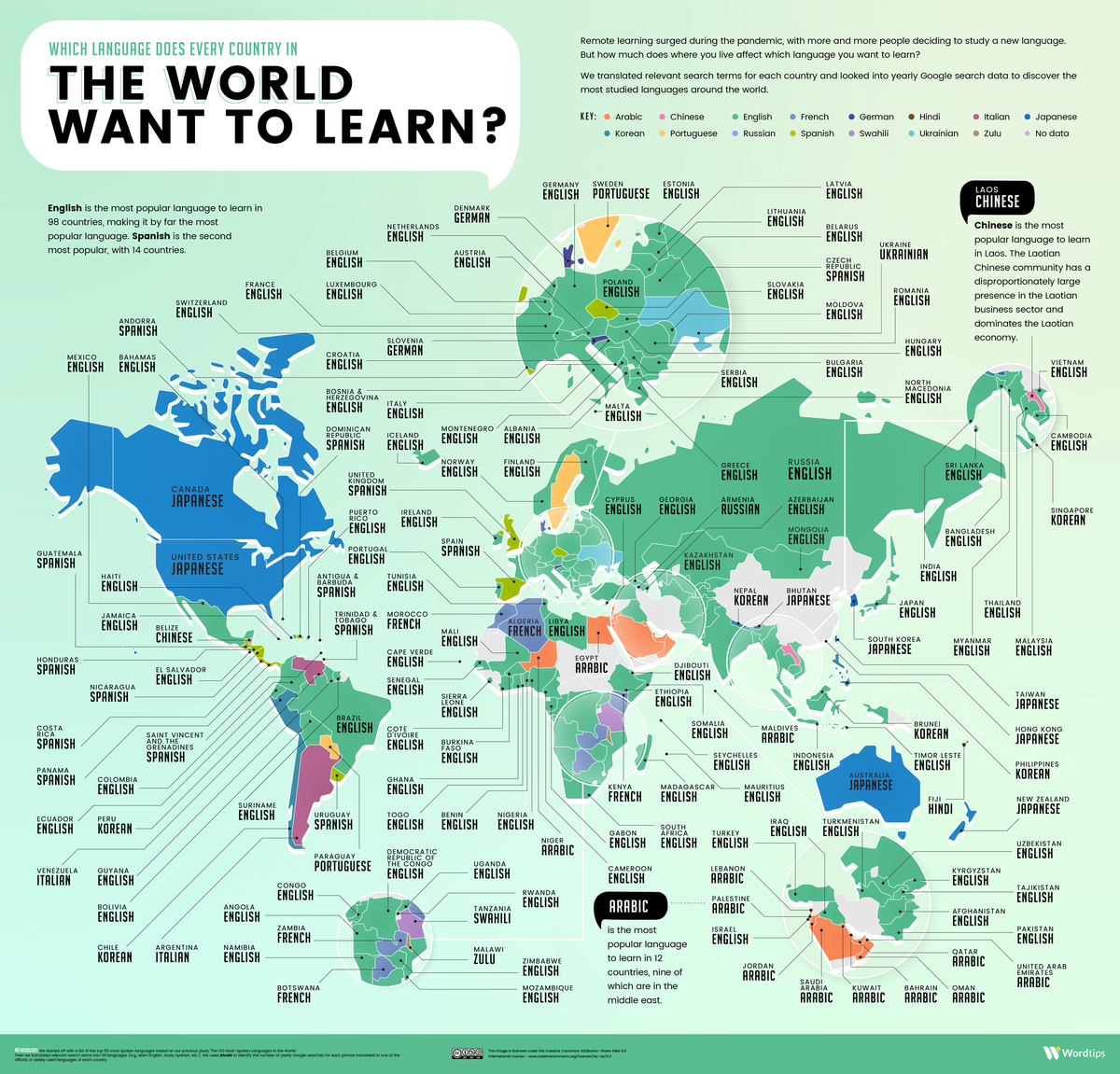
The Democratic Republic of the Congo is a nation with remarkable linguistic diversity, encompassing over 200 ethnic languages. These languages play a pivotal role in preserving the rich cultural heritage and distinct identities of the country’s diverse ethnic groups.
Each ethnic language embodies a unique system of communication, reflecting the values, beliefs, and experiences of the community that speaks it. They serve as repositories of cultural knowledge, oral traditions, and artistic expressions, transmitting cultural heritage from one generation to the next.
Preserving Cultural Identity
Ethnic languages are inextricably linked to cultural identity. They shape the way people perceive the world, express their emotions, and interact with their environment. Speaking an ethnic language fosters a sense of belonging, connecting individuals to their ancestral roots and cultural heritage.
Through ethnic languages, communities preserve their distinct cultural practices, customs, and beliefs. These languages serve as vehicles for transmitting traditional knowledge, storytelling, and artistic expressions, ensuring the continuity of cultural traditions.
Challenges and Initiatives
Despite their significance, ethnic languages in Congo face challenges such as language loss due to urbanization, globalization, and the dominance of official languages. To address these challenges, there have been efforts to promote and revitalize ethnic languages.
Initiatives include language documentation projects, educational programs that incorporate ethnic languages, and the establishment of community-based language preservation groups. These efforts aim to safeguard the linguistic and cultural diversity of Congo and ensure that future generations can continue to connect with their cultural heritage through their ethnic languages.
Educational Language Policy
The Democratic Republic of the Congo (DRC) has a complex educational system, with a variety of languages used in instruction. The official languages of the DRC are French and Lingala, and these languages are used in all levels of education.
However, there are also a number of regional languages that are used in primary education, and some of these languages are also used in higher education.
The use of regional languages in education is a controversial issue in the DRC. Some people argue that regional languages should be used more widely in education, as this would help to promote cultural diversity and to improve the quality of education for students who are not native speakers of French or Lingala.
Others argue that the use of regional languages in education would lead to a decline in the quality of education and would make it more difficult for students to compete in the global job market.
The government of the DRC has taken a number of steps to address the issue of language in education. In 2002, the government adopted a new language policy that requires all primary schools to use at least one regional language in instruction.
The government has also provided funding for the development of educational materials in regional languages.
The use of regional languages in education is still a relatively new phenomenon in the DRC, and there is still much debate about the best way to implement this policy. However, the government’s commitment to the use of regional languages in education is a positive step towards promoting cultural diversity and improving the quality of education for all students.
Official and Regional Languages in Schools and Universities
The official languages of the DRC, French and Lingala, are used in all levels of education. However, there are also a number of regional languages that are used in primary education, and some of these languages are also used in higher education.
The use of regional languages in education is more common in rural areas, where the majority of the population speaks a regional language as their first language. In urban areas, French is more commonly used in education, as it is the language of government and business.
There are a number of benefits to using regional languages in education. First, it can help to improve the quality of education for students who are not native speakers of French or Lingala. When students are able to learn in their own language, they are better able to understand the material and to participate in class discussions.
Second, the use of regional languages in education can help to promote cultural diversity. When students are able to learn about their own culture and language in school, they are more likely to develop a positive sense of identity.
However, there are also some challenges to using regional languages in education. One challenge is that there is a lack of educational materials in many regional languages. This can make it difficult for teachers to find appropriate materials for their students.
Another challenge is that the use of regional languages in education can lead to a decline in the quality of education. This is because teachers who are not native speakers of a regional language may not be able to teach it effectively.
Despite these challenges, the government of the DRC is committed to the use of regional languages in education. The government believes that the benefits of using regional languages in education outweigh the challenges.
Language Use in Media and Arts
The media and arts in the Democratic Republic of Congo (DRC) play a significant role in shaping cultural expression and disseminating information. The languages used in these domains reflect the country’s linguistic diversity and have a profound impact on the ways in which Congolese people communicate, interact, and engage with their culture.
In the print media, French remains the dominant language, as it is the official language of the country. However, there are also a number of newspapers and magazines that are published in local languages, such as Lingala, Swahili, and Tshiluba.
This reflects the growing demand for media content that is accessible to a wider audience.
Television and Radio
In the broadcast media, both French and Lingala are widely used. French is typically used for news and current affairs programs, while Lingala is often used for entertainment and music programs. This reflects the different roles that these two languages play in Congolese society.
French is seen as the language of authority and education, while Lingala is seen as the language of the people.
Literature, Music, and Film
In the realm of literature, music, and film, Congolese artists have long used language as a tool for expressing their creativity and exploring social and political issues. French has been the dominant language of Congolese literature, but there is a growing body of work being produced in local languages as well.
Congolese music is known for its vibrant rhythms and infectious melodies, and lyrics are often written in a variety of languages, including French, Lingala, and Swahili.
Congolese cinema is a relatively young industry, but it has already produced a number of critically acclaimed films. These films often explore the complex social and political issues facing the country, and they often use language as a way to convey the experiences of ordinary Congolese people.
Foreign Language Influence
Foreign languages have played a significant role in shaping the linguistic landscape of Congo. The most notable influence comes from French, which was the official language during the colonial period. French continues to hold a prominent position in education, government, and media, and it is widely used as a lingua franca among the educated elite.
Other foreign languages that have influenced Congolese languages include English, Portuguese, and Swahili. English is increasingly gaining importance in international business and diplomacy, while Portuguese is spoken in some border areas with Angola. Swahili, a Bantu language spoken in East Africa, is also used as a lingua franca in some parts of eastern Congo.
Impact of Colonialism and Globalization on Language Use
Colonialism and globalization have had a profound impact on language use in Congo. French, as the language of the colonizers, was imposed on the Congolese people through the education system and government administration. This led to the decline of many indigenous languages and the emergence of French as the dominant language in urban areas.
Globalization has further accelerated the spread of foreign languages in Congo. The increasing interconnectedness of the world has led to a greater demand for English, the global language of business and technology. As a result, English is now being taught in schools and universities across the country, and it is becoming increasingly common in the media and other public spheres.
Language Learning and Proficiency: What Language Do They Speak In Congo
In Congo, there are various opportunities for language learning. Formal education provides instruction in French, the official language, as well as in local languages. There are also numerous language schools and institutes that offer courses in foreign languages such as English, Spanish, and Chinese.
Factors that influence language proficiency and multilingualism in Congo include:
Educational Attainment
- Individuals with higher levels of education tend to have greater proficiency in multiple languages.
- Access to quality education, including language instruction, is crucial for language development.
Exposure and Usage
- Regular exposure to different languages through media, travel, or social interactions promotes multilingualism.
- Using multiple languages in daily life enhances proficiency and fluency.
Motivation and Interest
- Personal motivation and interest in learning new languages contribute to proficiency.
- Recognizing the benefits of multilingualism, such as career advancement or cultural enrichment, can drive language acquisition.
Cognition and Aptitude
- Individual cognitive abilities and aptitude for language learning can influence proficiency.
- Factors such as memory, attention span, and phonological awareness play a role in language acquisition.
Language and Identity

Language plays a significant role in shaping national identity in Congo, a country with a diverse linguistic landscape. The use of language has been both a symbol of unity and a source of tension, reflecting the country’s complex history and cultural diversity.
French, the official language of Congo, is a legacy of the country’s colonial past. While French serves as a common language for communication and administration, it has also been a source of debate and division. Some Congolese view French as a symbol of foreign influence and oppression, while others see it as a necessary tool for economic and social development.
Language as a Symbol of Unity
Despite the challenges, language has also been used to promote national unity in Congo. The Congolese government has implemented policies to promote the use of French as a unifying language in education, media, and government. This has helped to create a shared linguistic space that transcends ethnic and regional boundaries.
Language as a Symbol of Diversity
However, the use of French as the official language has also led to concerns about the preservation of indigenous languages. Congo is home to over 200 indigenous languages, each with its own unique history and cultural significance. Many Congolese view their native languages as an essential part of their cultural identity.
Language and Cultural Diversity
The relationship between language and cultural diversity in Congo is complex. While French is the official language, many Congolese also speak their native languages. This linguistic diversity reflects the country’s rich cultural heritage and contributes to its unique national identity.
Language and Globalization
Globalization and technology are also having an impact on the relationship between language and national identity in Congo. The increasing use of English as a global language of communication and technology is challenging the dominance of French in Congo.
Language and Technology
Technology has played a significant role in shaping language use and preservation in Congo. The advent of the internet and mobile communication has had a profound impact on the dynamics of language in the country.
Social Media and Mobile Communication
Social media platforms such as Facebook, Twitter, and Instagram have become important spaces for language use and interaction in Congo. These platforms have allowed Congolese people to connect with each other across geographical boundaries and to engage in conversations in their native languages.
Mobile communication, through text messaging and instant messaging applications, has also facilitated language use and preservation by providing a convenient and accessible means of communication for Congolese people.
Language and Development
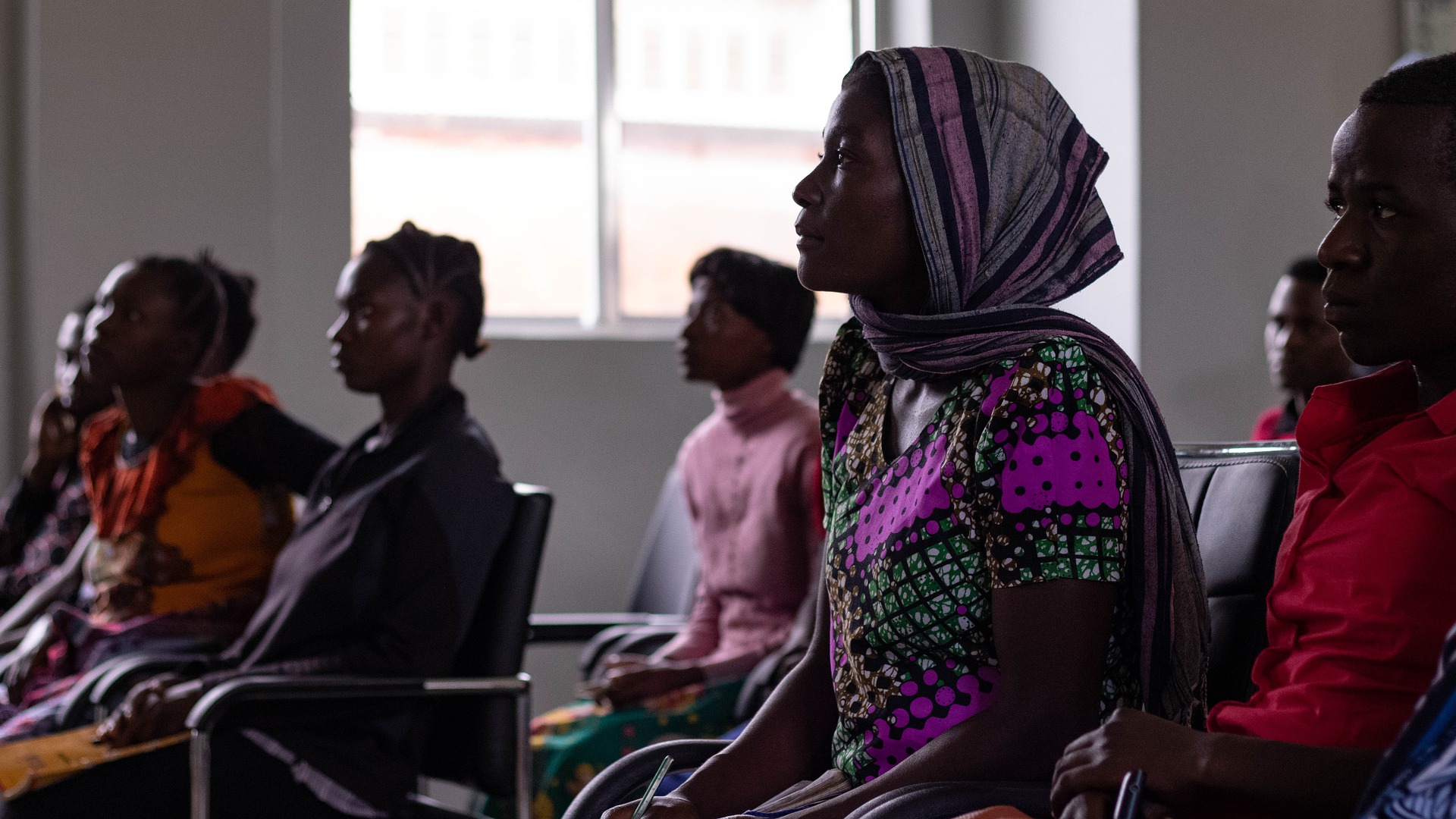
Language plays a crucial role in the socio-economic development of Congo. It facilitates communication, fosters cultural exchange, and enables access to education, healthcare, and economic opportunities.
In the realm of education, language serves as the medium of instruction and knowledge dissemination. Proficiency in the national language or lingua franca is essential for students to comprehend educational materials and actively participate in the learning process. Moreover, language skills are crucial for critical thinking, problem-solving, and lifelong learning.
Role in Healthcare
In healthcare, language barriers can have severe consequences. Patients who do not speak the language of healthcare providers may face difficulties in understanding diagnoses, treatment plans, and medication instructions. Language interpretation services are vital in ensuring effective communication between healthcare professionals and patients, promoting better health outcomes and reducing disparities in healthcare access.
Economic Empowerment, What language do they speak in congo
Language is also a key factor in economic empowerment. Individuals who are proficient in the language of business and commerce have greater access to employment opportunities, career advancement, and financial stability. Language skills enable individuals to negotiate contracts, communicate with colleagues and clients, and participate in economic activities effectively.
Provide specific examples of how language is used to promote tourism in Congo
The Congolese government and tourism industry use various language strategies to promote tourism in the country. One notable example is the use of multiple languages on official tourism websites and promotional materials.
The Democratic Republic of Congo’s official tourism website, www.tourism.cd , is available in French, English, and Swahili. This multilingual approach ensures that potential tourists from diverse linguistic backgrounds can access information about Congo’s tourist attractions, visa requirements, and travel tips.
The Democratic Republic of the Congo has four official languages: French, Lingala, Swahili, and Tshiluba. In addition to these, there are over 200 other languages spoken in the country. If you’re interested in learning how to communicate with deaf people, you may want to learn how to say “why” in sign language.
Here’s a helpful guide to get you started. Returning to the topic of languages spoken in Congo, it’s fascinating to note that the country’s linguistic diversity reflects its rich cultural heritage.
Use of Local Languages
In addition to official languages, local languages are also utilized to promote tourism in Congo. For instance, tour guides often speak local languages to communicate with tourists from specific regions or ethnic groups.
Language and Conflict
Language plays a significant role in shaping conflict and peacebuilding in Congo. It can be used to incite violence, spread propaganda, and perpetuate divisions. However, language can also be a powerful tool for reconciliation, intercultural dialogue, and peacebuilding.
One of the most important aspects of language in conflict is its role in shaping perceptions and stereotypes. The way that people talk about each other can create and reinforce negative stereotypes, which can lead to mistrust and conflict. For example, in Congo, the use of derogatory terms to refer to different ethnic groups has been a major factor in fueling conflict.
The Importance of Language in Reconciliation and Intercultural Dialogue
Language is also essential for reconciliation and intercultural dialogue. After a conflict, it is important to create a space where people can come together and talk about their experiences. This can help to build trust and understanding, and it can lay the foundation for lasting peace.
In Congo, there have been a number of initiatives to use language to promote reconciliation and intercultural dialogue. One example is the “Talking Drums” project, which brings together people from different ethnic groups to share their stories and experiences. These conversations have helped to break down stereotypes and build bridges between communities.
The Use of Language in Media and its Impact on Conflict Dynamics
The media plays a powerful role in shaping public opinion and influencing conflict dynamics. The way that the media portrays different groups can either contribute to conflict or promote peace. For example, in Congo, the media has been used to spread propaganda and incite violence.
However, the media can also be used to promote peace and understanding.
One example of how the media can be used to promote peace is the “Peace FM” radio station in Congo. Peace FM broadcasts programs that promote peace and reconciliation, and it has been credited with helping to reduce violence in the country.
In the Democratic Republic of Congo, French is the official language, and Lingala is the most widely spoken national language. In contrast, the Dominican Republic has Spanish as its official language. For more information on the languages spoken in the Dominican Republic, please refer to this informative article: what are the languages spoken in dominican republic.
Returning to the topic of Congo, other languages spoken there include Swahili, Tshiluba, and Kikongo.
Strategies for Using Language to Promote Peace and Understanding
There are a number of strategies that can be used to promote peace and understanding through language. One important strategy is to promote the use of inclusive language. Inclusive language is language that does not discriminate against any particular group of people.
For example, instead of using the term “the rebels,” it is more inclusive to say “the armed opposition.”
Another important strategy is to promote the use of peacebuilding language. Peacebuilding language is language that is used to promote peace and reconciliation. For example, instead of saying “we need to defeat the enemy,” it is more peacebuilding to say “we need to find a peaceful solution to this conflict.”
Finally, it is important to promote the use of media for peacebuilding. The media can be used to spread messages of peace and reconciliation, and it can help to build bridges between different communities.
Language Policy and Planning
Language policy and planning in Congo aim to promote national unity, cultural preservation, and economic development. The government has implemented several initiatives to standardize the use of French as the official language while recognizing the importance of local languages.
Stakeholders Involved
- Ministry of Education
- Ministry of Culture
- National Language Commission
- Universities and research institutions
- Local communities
Challenges in Implementation
- Lack of resources for language education and promotion
- Resistance from local communities who view their languages as symbols of cultural identity
- Limited capacity for language standardization and documentation
– 14. Future Trends in Language Use

Language is a living entity that constantly evolves to reflect the changing needs and realities of its speakers. In Congo, several emerging trends are shaping the future of language use, including changes in vocabulary and grammar, the rise of new dialects, and the influence of technology and globalization.
These trends have the potential to impact language policy and planning, education and literacy, and cultural identity and social cohesion.
Changes in Vocabulary and Grammar
One of the most noticeable trends in language use in Congo is the emergence of new words and phrases to describe new concepts and technologies. For example, the widespread adoption of mobile phones has led to the introduction of terms like “smartphone” and “selfie” into the Congolese lexicon.
Similarly, the increasing interconnectedness of the world has resulted in the adoption of English loanwords into Congolese languages.Another trend is the simplification of grammar. As more and more people use Congolese languages in informal settings, such as social media and text messaging, the rules of grammar are becoming less rigid.
This is particularly evident in the use of shortened forms of words and the omission of articles and prepositions.
The Rise of New Dialects and the Decline of Others
The rise of new dialects and the decline of others is another significant trend in language use in Congo. This is due to several factors, including urbanization, migration, and the influence of mass media. As people move from rural areas to urban centers, they come into contact with new dialects and languages.
This can lead to the adoption of new linguistic features and the decline of traditional dialects.
The Influence of Technology, Globalization, and Cultural Change on Language Dynamics
Technology, globalization, and cultural change are also having a profound impact on language use in Congo. The widespread adoption of mobile phones and the internet has made it easier for people to communicate with each other across long distances. This has led to the increased use of Congolese languages in online communication, which is contributing to the standardization of these languages.Globalization has also led to the increased exposure of Congolese people to other languages and cultures.
This is having a significant impact on the way that Congolese people use their own languages. For example, some young people are adopting English as their preferred language of communication, even in informal settings.Cultural change is also playing a role in the evolution of language use in Congo.
The increasing popularity of Congolese music and film is leading to the spread of Congolese languages to new audiences. This is contributing to the revitalization of some traditional dialects and the emergence of new hybrid languages.
FAQ Summary
What is the official language of Congo?
French is the official language of the Democratic Republic of Congo.
How many languages are spoken in Congo?
Over 200 languages are spoken in the Democratic Republic of Congo.
What are the most common regional languages spoken in Congo?
Lingala, Kikongo, and Tshiluba are among the most widely spoken regional languages in Congo.
What role does language play in Congolese culture?
Language plays a vital role in Congolese culture, serving as a vehicle for cultural expression, identity, and communication.
