What language does Peruvians speak? This intriguing question unveils a rich tapestry of linguistic diversity, where the vibrant threads of Spanish, Quechua, Aymara, and numerous indigenous languages intertwine to create a captivating cultural mosaic.
From the bustling streets of Lima to the serene landscapes of the Andes, languages have played a pivotal role in shaping the identity, history, and traditions of Peru. Join us on an enthralling journey as we explore the linguistic landscape of this fascinating nation.
Languages Spoken in Peru
Peru is a multilingual country with a rich linguistic diversity. The official language of Peru is Spanish, which is spoken by the majority of the population. However, there are also numerous indigenous languages spoken throughout the country, each with its own unique history and cultural significance.
Distribution and Usage of Languages
The distribution of languages in Peru is closely tied to the country’s geography and history. Spanish is the dominant language in urban areas, particularly in the coastal regions. However, in rural areas and among indigenous communities, indigenous languages are still widely spoken.The most widely spoken indigenous languages in Peru include Quechua, Aymara, and Asháninka.
Quechua is the most prevalent, with over 3 million speakers. It is spoken in the Andean highlands and is the native language of the Inca Empire. Aymara is spoken in the southern highlands, near the border with Bolivia. Asháninka is spoken in the Amazon rainforest and is the native language of the Asháninka people.
Official Language of Peru
Spanish is the official language of Peru, as established by the Peruvian Constitution. This status gives Spanish legal and administrative precedence over other languages in the country. Spanish is used in government, education, and the media.
Role of Indigenous Languages
Indigenous languages play a vital role in Peruvian culture and society. They are used in traditional ceremonies, rituals, and storytelling. Indigenous languages are also increasingly being used in education, with bilingual programs being implemented in some schools.
Impact of Globalization and Migration
Globalization and migration have had a significant impact on language use in Peru. The influx of Spanish speakers from other countries has contributed to the spread of Spanish in urban areas. At the same time, the migration of indigenous people to urban areas has led to the increased use of indigenous languages in these areas.
Table of Languages
The following table summarizes the key information about the major languages spoken in Peru:| Language | Language Family | Number of Speakers | Distribution ||—|—|—|—|| Spanish | Indo-European | 25 million | Urban areas, coastal regions || Quechua | Quechuan | 3.2 million | Andean highlands || Aymara | Aymara | 400,000 | Southern highlands || Asháninka | Pano-Takana | 80,000 | Amazon rainforest |
Map of Language Distribution
[Image: Map of Peru showing the distribution of the major languages]
Challenges and Opportunities
Language diversity in Peru faces a number of challenges, including the dominance of Spanish, the decline of some indigenous languages, and the lack of resources for language revitalization. However, there are also opportunities to promote multilingualism and support the preservation of indigenous languages.
Government and Other Organizations
The Peruvian government and other organizations are playing an important role in supporting language diversity in the country. The government has implemented bilingual education programs and established language rights for indigenous communities. Other organizations, such as the National Institute of Indigenous Languages (INALI), are working to revitalize indigenous languages and promote their use in education and the media.
Resources for Further Research
* [INALI website](https://www.inali.gob.pe/)
[Ethnologue
Languages of the World](https://www.ethnologue.com/country/PE)
[UNESCO Atlas of the World’s Languages in Danger](https
//www.unesco.org/culture/en/endangeredlanguages/atlas)
Spanish in Peru
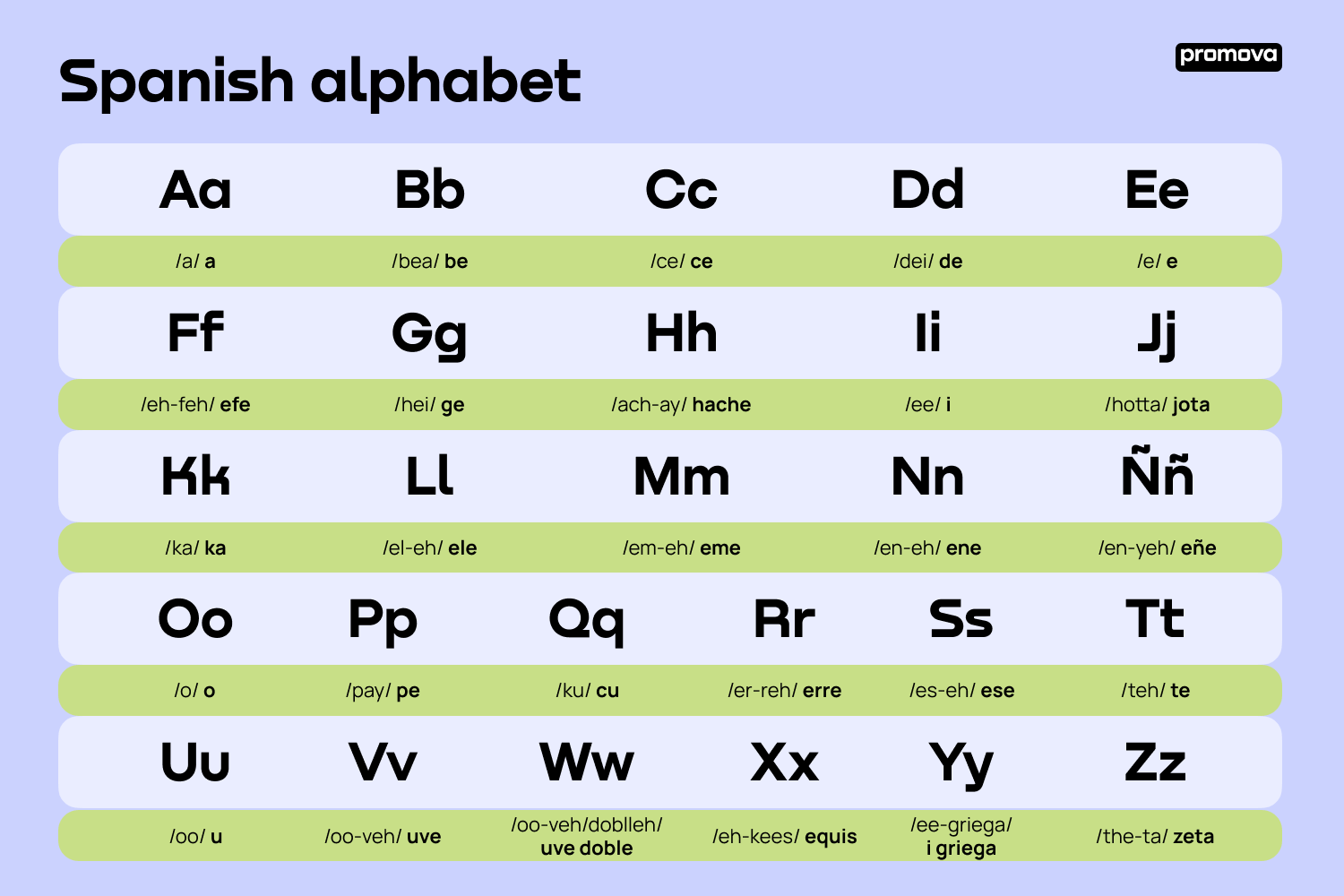
Spanish is the official language of Peru, spoken by the vast majority of the population. It was brought to Peru by Spanish conquistadors in the 16th century and has since become the dominant language in the country.
There are several dialects and variations of Spanish spoken in different regions of Peru. The most common dialect is Coastal Spanish, which is spoken in the coastal regions of the country. Other dialects include Andean Spanish, which is spoken in the Andean highlands, and Amazonian Spanish, which is spoken in the Amazon rainforest.
Role of Spanish in Peruvian Society and Culture
Spanish plays a central role in Peruvian society and culture. It is the language of government, education, and the media. It is also the language of literature, music, and art. Spanish is a source of national pride for Peruvians, and it is seen as a symbol of their cultural heritage.
– Provide an overview of Quechua, including its history and significance.

Quechua, also known as Runasimi, is an indigenous language spoken by over 10 million people in the Andean region of South America, primarily in Peru, Ecuador, and Bolivia. It is a member of the Quechuan language family, which includes over 40 different languages and dialects.
Quechua has a rich history dating back thousands of years. It was the official language of the Inca Empire, which flourished in the 13th to 16th centuries. After the Spanish conquest, Quechua was suppressed, but it continued to be spoken by indigenous communities throughout the region.
Quechua is a vital part of Peruvian culture and identity. It is used in everyday communication, literature, music, and art. Quechua speakers are proud of their language and culture, and they are working to revitalize and promote Quechua in the 21st century.
Dialects of Quechua spoken in Peru
There are many different dialects of Quechua spoken in Peru. The most common dialects are:
- Quechua I or Quechua Runa Simi
- Quechua II or Quechua Ancashino
- Quechua III or Quechua Sureño
Each dialect has its own unique features, but they are all mutually intelligible.
Current status and usage of Quechua in Peruvian society
Quechua is the second most spoken language in Peru, after Spanish. It is used in all aspects of life, including education, government, and the media. Quechua is also used in traditional ceremonies and rituals.
Peruvians primarily speak Spanish, the official language of the country. However, there are also a number of indigenous languages spoken in Peru, including Quechua and Aymara. In Madagascar, the official languages are French and Malagasy. For more information about the languages spoken in Madagascar, visit this link: what language do they speak in madagascar.
While Spanish is the most widely spoken language in Peru, there are also a number of other languages spoken in the country, reflecting its diverse cultural heritage.
In recent years, there has been a growing movement to revitalize Quechua. This movement is led by indigenous Quechua speakers who are working to promote the use of Quechua in all areas of society.
Examples of Quechua words and phrases
- Hola – Imaynalla
- Buenos días – Allin punchaw
- Buenas tardes – Allin ch’isi
- Buenas noches – Allin tuta
- Gracias – Añay
- De nada – Mana ima
- ¿Cómo estás? – Imaynalla kanki?
- Estoy bien – Allimi kani
Aymara in Peru
Aymara is an indigenous language spoken in the Peruvian Andes, primarily in the southern regions of Puno, Moquegua, and Tacna. It belongs to the Aymara language family, which includes languages spoken in Bolivia and Chile. Aymara has a rich history and cultural significance in Peru, and it continues to play an important role in the lives of many Peruvians.
History and Origins
Aymara is thought to have originated in the Lake Titicaca region thousands of years ago. It is closely related to Quechua, another major indigenous language in Peru, and together they form the Quechua-Aymara language family. Aymara was once spoken throughout the Inca Empire, but its use declined after the Spanish conquest.
However, it has experienced a revival in recent decades, thanks to efforts to promote indigenous languages and cultures in Peru.
Geographical Distribution and Usage
In Peru, Aymara is spoken by approximately 450,000 people, making it the third most widely spoken indigenous language in the country after Quechua and Asháninka. It is primarily spoken in the southern Andes, with the largest concentrations of speakers in the regions of Puno, Moquegua, and Tacna.
Aymara is also spoken in smaller numbers in the regions of Cusco, Apurímac, and Arequipa.
Cultural and Linguistic Significance
Aymara has a deep cultural and linguistic significance in Peruvian society. It is the language of the Aymara people, who have a rich cultural heritage that includes traditional music, dance, and textiles. Aymara is also used in education, government, and the media, and it is recognized as an official language of Peru.
Challenges and Opportunities
Like many indigenous languages, Aymara faces challenges in the face of globalization and language policy. However, there are also opportunities for the language to thrive. The Peruvian government has taken steps to promote indigenous languages, and there is a growing movement to revitalize Aymara.
Grammar and Syntax
Aymara has a complex grammar and syntax that is distinct from Spanish and other Indo-European languages. It is an agglutinative language, which means that words are formed by adding suffixes to a root word. Aymara also has a rich system of verbal morphology, which allows for the expression of a wide range of meanings in a single word.
Other Indigenous Languages in Peru
Besides Spanish, Quechua, and Aymara, Peru is home to a diverse array of indigenous languages. These languages belong to various language families and are spoken by communities across the country.
Preserving and promoting indigenous languages in Peru is crucial for several reasons. These languages are an integral part of the cultural heritage of Peru and contribute to the country’s linguistic diversity. Additionally, indigenous languages play a vital role in transmitting traditional knowledge, values, and beliefs.
Other Indigenous Languages in Peru
The following table provides an overview of some other indigenous languages spoken in Peru:
| Language Name | Language Family | Geographical Distribution |
|---|---|---|
| Asháninka | Arawakan | Central and southeastern Peru, including the Peruvian Amazon |
| Awajún | Jivaroan | Northern Peru, primarily in the Amazonas region |
| Shipibo-Konibo | Panoan | Ucayali and Loreto regions of the Peruvian Amazon |
| Harakmbet | Isolate | Madre de Dios region of the Peruvian Amazon |
| Huitoto | Witotoan | Loreto region of the Peruvian Amazon |
These languages are spoken by relatively small communities and face various challenges, including language loss and assimilation. Efforts are underway to document and revitalize these languages, ensuring their continued use and transmission to future generations.
Language Policy in Peru

Peru has a complex linguistic landscape, with Spanish as the official language and a significant number of indigenous languages spoken throughout the country. The government’s language policy aims to promote multilingualism and protect the linguistic heritage of Peru.
The language policy has evolved over time, with the recognition of indigenous languages gaining prominence in recent decades. The 1993 Constitution established Spanish and Quechua as official languages, and in 2006, Aymara was also granted official status.
Historical Context and Evolution of the Policy
The historical context of Peru’s language policy is marked by the dominance of Spanish and the suppression of indigenous languages during the colonial period. After independence, Spanish remained the dominant language, but efforts to promote indigenous languages began in the 20th century.
Legal Framework and Constitutional Provisions
The legal framework for Peru’s language policy is based on the Constitution, which recognizes Spanish, Quechua, and Aymara as official languages. The General Education Law (2003) establishes that education should be provided in the student’s native language, and the Law on Indigenous Peoples (2007) promotes the use and preservation of indigenous languages.
Institutional Structures and Implementation Mechanisms
The National Institute of Indigenous Languages (INAL) is responsible for implementing the language policy and promoting the use of indigenous languages. INAL works with regional and local governments, as well as with indigenous communities, to develop and implement language programs.
Challenges and Opportunities in Promoting Multilingualism
Promoting multilingualism in Peru faces challenges, including the linguistic diversity of the country, socioeconomic factors, and cultural identity. However, there are also opportunities for language revitalization and community empowerment.
- Linguistic Diversity:Peru is home to over 40 indigenous languages, which present challenges for education and communication.
- Socioeconomic Factors:The use of indigenous languages is often associated with lower socioeconomic status, which can lead to discrimination.
- Cultural Identity:Indigenous languages are closely tied to cultural identity, and their preservation is essential for the maintenance of cultural diversity.
Successful Language Policies or Initiatives in Peru
There are several successful language policies and initiatives in Peru that have contributed to the revitalization of indigenous languages and the promotion of multilingualism.
- Bilingual Education Programs:Bilingual education programs have been implemented in many regions of Peru, providing instruction in both Spanish and indigenous languages.
- Community-Based Language Programs:Community-based language programs empower indigenous communities to develop and implement their own language programs.
- Media Initiatives:Indigenous language media outlets, such as radio and television programs, have played a significant role in promoting the use of indigenous languages.
Recommendations for Further Improvements
To further improve the language policy in Peru, several recommendations can be made:
- Legislative Reforms:Revise existing laws to strengthen the recognition and protection of indigenous languages.
- Resource Allocation:Increase funding for language programs and initiatives, particularly in indigenous communities.
- Capacity Building:Train teachers and other professionals to work effectively in multilingual environments.
- Collaboration:Foster collaboration between stakeholders, including government agencies, indigenous communities, and non-profit organizations.
Summary of Language Policy in Peru
Peru’s language policy aims to promote multilingualism and protect the linguistic heritage of the country. The policy recognizes Spanish, Quechua, and Aymara as official languages and establishes legal frameworks for the use and preservation of indigenous languages. While challenges exist, there are also opportunities for language revitalization and community empowerment.
The table below summarizes the main provisions of the language policy in Peru:
| Provision | Description |
|---|---|
| Official Languages | Spanish, Quechua, Aymara |
| Language Rights | Education in the student’s native language, protection against discrimination |
| Educational Policies | Bilingual education programs, support for indigenous language media |
“Multilingualism in Peru is a complex and dynamic issue that requires a comprehensive approach that balances the preservation of indigenous languages with the need for national unity and economic development.”- Dr. Rodolfo Cerrón-Palomino, linguist
References
- National Institute of Indigenous Languages (INAL)
- UNICEF Peru: Education
- Language Policy and Indigenous Languages in Peru
Language Education in Peru

Language education in Peru plays a crucial role in preserving cultural diversity, promoting social inclusion, and driving economic development. The country’s educational system emphasizes the teaching of Spanish as the official language, while also recognizing and promoting the use of indigenous languages, particularly Quechua and Aymara.
Challenges and Opportunities
Despite the importance of language education, Peru faces several challenges, including:
- Teacher training and resources:Many teachers lack adequate training and resources to effectively teach Spanish, Quechua, and other indigenous languages.
- Curriculum development:The curriculum for language education needs to be updated and revised to meet the needs of students and reflect the country’s linguistic diversity.
- Language policy and planning:There is a need for a comprehensive language policy that promotes the use of indigenous languages in education, government, and public life.
Innovative Language Teaching Methods
Peru has implemented several innovative language teaching methods to address these challenges, including:
- Use of technology:Technology can be used to enhance language learning, such as through interactive online exercises and mobile apps.
- Immersion programs:Immersion programs allow students to learn a language by living in a community where it is spoken.
- Community-based learning:Community-based learning involves engaging local communities in language education, creating opportunities for students to learn about the culture and language of their surroundings.
Role of Language Education in Peru
Language education in Peru has a profound impact on the country’s cultural diversity, social inclusion, and economic development:
- Cultural diversity:Language education helps to preserve and promote cultural diversity by supporting the use of indigenous languages.
- Social inclusion:Language education can help to bridge social divides by ensuring that all citizens have access to education in their own language.
- Economic development:Language education can improve economic development by increasing access to education and employment opportunities for speakers of indigenous languages.
Proposal for Improving Language Education in Peru
To improve language education in Peru, the following proposal Artikels specific goals, strategies, and interventions:
- Goals:
- Increase the number of qualified language teachers.
- Develop and implement a comprehensive language curriculum.
- Promote the use of indigenous languages in education, government, and public life.
- Strategies:
- Provide teacher training and support programs.
- Create a national language curriculum that is aligned with international standards.
- Establish language policy that supports the use of indigenous languages in public life.
- Interventions:
- Implement immersion programs in indigenous communities.
- Develop and distribute language learning materials in indigenous languages.
- Provide funding for language education programs.
- Expected outcomes and impact:
- Improved language skills for all students.
- Increased use of indigenous languages in public life.
- Greater cultural diversity and social inclusion.
- Improved economic development.
Language and Identity in Peru
/more-spanish-proverbs-3079512_final-00d85cc91b9c468bb575dad6aa4692d0.png "Spanish days week semana la english months los español learn días learning dias es year version espanol spanska words wallpapersafari")
Language plays a pivotal role in shaping cultural and national identity in Peruvian society. It serves as a marker of ethnic affiliation, cultural heritage, and social status.
Spanish, the official language of Peru, is spoken by the majority of the population and is the primary medium of instruction in education and government. However, Peru is also home to a diverse array of indigenous languages, including Quechua and Aymara, which are spoken by significant portions of the population, particularly in rural and Andean regions.
Quechua and Identity
Quechua, the language of the Inca Empire, is spoken by over 3 million people in Peru. It is a symbol of indigenous identity and cultural heritage. Quechua speakers often identify strongly with their ancestral traditions and maintain close ties to their communities.
Quechua has been used in literature, music, and art to express the unique cultural perspectives and experiences of the Quechua people. It serves as a bridge between the past and the present, connecting Peruvians to their pre-Columbian heritage.
Aymara and Identity
Aymara, another indigenous language, is spoken by over 400,000 people in Peru, primarily in the southern Andes region. Like Quechua, Aymara is a symbol of cultural identity and is closely associated with the traditional way of life of the Aymara people.
Aymara speakers often maintain strong connections to their communities and engage in traditional practices such as agriculture, weaving, and herding. The language serves as a means of transmitting cultural knowledge and values from one generation to the next.
Language as a Tool for Cultural Expression
In Peru, language is not only a means of communication but also a tool for cultural expression. Indigenous languages are used in traditional music, dance, and storytelling to preserve and transmit cultural traditions.
For example, Quechua is used in the traditional music of the Andes, known as “huayno.” This music often tells stories of love, loss, and the beauty of the Andean landscape. Similarly, Aymara is used in traditional dances such as the “tinku,” which celebrates the cyclical nature of life and the connection between humans and the earth.
Language and Literature in Peru
Peru has a rich and diverse literary tradition, reflecting the country’s cultural heritage and its complex history. Peruvian literature encompasses works written in Spanish, Quechua, and other indigenous languages, each contributing to the nation’s cultural identity and artistic expression.
Themes and Styles of Peruvian Literature
Peruvian literature is characterized by its exploration of themes related to indigenous cultures, colonialism, and modernity. Indigenous influences are evident in the use of myths, legends, and folklore, while the colonial experience has shaped narratives of resistance, oppression, and cultural identity.
Modern Peruvian literature often engages with themes of social and political issues, urban life, and the search for identity in a rapidly changing world.
Famous Peruvian Authors and Their Works
Peru has produced a number of renowned authors who have made significant contributions to Latin American and world literature. Some notable examples include:
Mario Vargas Llosa
Nobel Prize laureate known for his novels exploring themes of power, politics, and cultural identity. Notable works include “Conversation in the Cathedral” and “The Time of the Hero.”
César Vallejo
Poet and novelist considered one of the most important figures in 20th-century Latin American literature. His works often explore themes of alienation, existentialism, and the human condition.
José María Arguedas
Novelist and anthropologist who wrote extensively about the indigenous peoples of Peru. His works include “Yawar Fiesta” and “Deep Rivers.”
Role of Literature in Peruvian Society
Literature plays a vital role in Peruvian society, serving as a means of cultural expression, social commentary, and historical preservation. Peruvian literature has contributed to the formation of national identity, fostered cultural dialogue, and raised awareness of social and political issues.
Timeline of Significant Literary Movements and Events in Peru
Pre-Columbian Era
Oral traditions and indigenous languages formed the basis of literary expression.
Colonial Era
Spanish literature dominated, with influences from indigenous cultures.
19th Century
Romanticism and Realism emerged, with authors exploring national identity and social issues.
20th Century
Indigenism and Vanguardism gained prominence, focusing on indigenous cultures and experimental forms.
Contemporary Era
Peruvian literature continues to flourish, with a diverse range of themes and styles.
Table of Key Peruvian Authors, Their Works, and Literary Movements
| Author | Work | Literary Movement ||—|—|—|| Mario Vargas Llosa | Conversation in the Cathedral | Indigenism, Boom || César Vallejo | Trilce | Vanguardism || José María Arguedas | Deep Rivers | Indigenism || Ciro Alegría | Broad and Alien Is the World | Indigenism || Alfredo Bryce Echenique | A World for Julius | Boom |
Famous Quote
“The novel is a lie that tells the truth.”
Mario Vargas Llosa
This quote highlights the paradoxical nature of fiction, which can use imaginative narratives to reveal deeper truths about human experience and society.
Further Reading and Resources
[Peruvian Literature in English Translation](https
//www.wordswithoutborders.org/article/peruvian-literature-in-english-translation)
[The Literature of Peru
A Historical Overview](https://www.britannica.com/art/Peruvian-literature)
[Peruvian Authors
A Comprehensive Guide](https://www.peruviantimes.com/culture/23754-peruvian-authors-a-comprehensive-guide)
Language and Media in Peru
The Peruvian media landscape is a complex and diverse one, reflecting the country’s rich linguistic heritage. Spanish is the official language of Peru and is used in all forms of media, including print, broadcast, and digital platforms.
However, there are also a number of other languages spoken in Peru, including Quechua, Aymara, and various other indigenous languages. These languages are also represented in the media, although to a lesser extent than Spanish.
Challenges and Opportunities in Promoting Linguistic Diversity in the Media
There are a number of challenges to promoting linguistic diversity in the Peruvian media. One challenge is the lack of resources for media outlets to produce content in multiple languages. Another challenge is the limited demand for non-Spanish content from audiences.
Despite these challenges, there are also a number of opportunities for promoting linguistic diversity in the media. One opportunity is the growing interest in indigenous cultures and languages. Another opportunity is the development of new technologies that make it easier to produce and distribute content in multiple languages.
Examples of Media Outlets That Effectively Represent the Linguistic Diversity of Peru
There are a number of media outlets in Peru that effectively represent the linguistic diversity of the country. These outlets include:
- Radio Chaski: A radio station that broadcasts in Quechua and Spanish.
- ATV Sur: A television station that broadcasts in Aymara and Spanish.
- El Comercio: A newspaper that publishes articles in Spanish and Quechua.
Language and Technology in Peru: What Language Does Peruvians Speak
Technology has profoundly impacted language use in Peru, transforming communication, education, and cultural expression. The proliferation of mobile devices, internet access, and social media has facilitated instant and widespread communication, breaking down geographical barriers and connecting people from diverse linguistic backgrounds.
Impact on Communication
Technology has revolutionized interpersonal communication in Peru. Mobile phones and messaging apps have become ubiquitous, allowing for real-time communication across vast distances. Social media platforms have created virtual communities where individuals can connect with others who share their language and culture, fostering a sense of belonging and shared identity.
Role in Education
Technology has played a significant role in transforming education in Peru. Online learning platforms and educational apps have made education more accessible, particularly in remote areas where traditional schools are scarce. Language learning apps have emerged as valuable tools for students to acquire new languages or improve their proficiency in existing ones.
Peruvians primarily speak Spanish, which is the official language of the country. However, there are also numerous indigenous languages spoken in Peru, such as Quechua and Aymara. Interestingly, the sign language used in Peru is not the same as the sign language used in other Spanish-speaking countries.
For instance, to say “yes” in Peruvian sign language, one must make a fist with the thumb extended and shake it back and forth. You can find more information on how to say “yes” in sign language here. Regardless of the language spoken, Peruvians are known for their warm hospitality and welcoming nature.
Preservation of Linguistic Diversity, What language does peruvians speak
Technology has the potential to support and revitalize endangered languages in Peru. Digital archives and online repositories can preserve and disseminate linguistic resources, such as dictionaries, grammars, and recordings. Social media platforms can provide a space for speakers of minority languages to connect and share their cultural heritage.
Ethical Implications
While technology offers immense opportunities for language promotion and preservation, it also raises ethical concerns. Data privacy issues arise as technology companies collect and analyze language data, potentially compromising the privacy of language users. Cultural appropriation is another concern, as dominant languages may overshadow and marginalize minority languages in online spaces.
Language and Tourism in Peru
Language plays a crucial role in promoting tourism in Peru, a country with a rich linguistic heritage and diverse cultural traditions. With over 70 indigenous languages spoken, the linguistic landscape of Peru offers a unique and captivating experience for tourists.
This linguistic diversity adds depth and authenticity to Peru’s cultural attractions, making it a popular destination for travelers seeking immersion in local cultures and traditions.
Recognizing the importance of language in tourism, the Peruvian government and tourism industry have made significant efforts to provide language services to tourists. This includes the establishment of language schools, the training of bilingual tour guides, and the provision of translation and interpretation services.
These initiatives have helped to break down language barriers and enhance the overall visitor experience.
Successful Language-Related Tourism Initiatives in Peru
Several successful language-related tourism initiatives have been implemented in Peru, contributing to the growth of the tourism sector and fostering cultural exchange. These initiatives include:
- Quechua Immersion Programs:Tourists can participate in immersion programs in Cusco and other regions to learn basic Quechua phrases and gain insights into the culture and history of the Quechua people.
- Bilingual Tour Guides:Many tour guides in Peru are bilingual, offering guided tours in both Spanish and English, as well as other languages such as French, German, and Portuguese.
- Language-Themed Cultural Tours:Tour operators offer specialized tours that focus on the linguistic heritage of Peru, visiting indigenous communities and exploring the diversity of languages spoken throughout the country.
Language and the Future of Peru

The future of language use in Peru is complex and multifaceted. On the one hand, there is a growing trend towards linguistic homogenization, with Spanish becoming the dominant language in all domains of life. On the other hand, there is a growing awareness of the importance of linguistic diversity, and there are a number of initiatives underway to preserve and promote indigenous languages.
Challenges
One of the biggest challenges facing linguistic diversity in Peru is the lack of official recognition for indigenous languages. Spanish is the only official language of Peru, and all government business is conducted in Spanish. This means that indigenous languages are not used in schools, in the media, or in the workplace.
As a result, many indigenous languages are in danger of dying out.Another challenge facing linguistic diversity in Peru is the economic marginalization of indigenous communities. Indigenous people are disproportionately likely to be poor and to live in rural areas. This makes it difficult for them to access education and other resources that could help them to preserve their languages.
Opportunities
Despite the challenges, there are a number of opportunities for preserving and promoting linguistic diversity in Peru. One opportunity is the growing awareness of the importance of linguistic diversity. There is a growing recognition that linguistic diversity is a valuable asset, and that it should be preserved for future generations.Another opportunity is the increasing availability of resources for indigenous language revitalization.
There are a number of organizations that are working to develop and implement programs to teach indigenous languages in schools and communities. There are also a number of online resources that can be used to learn indigenous languages.
Role of Language in Shaping the Future of Peruvian Society
The future of language use in Peru will have a significant impact on the future of Peruvian society. If linguistic diversity is preserved, it will help to create a more inclusive and equitable society. Indigenous languages are a valuable part of Peruvian culture, and they should be preserved for future generations.However, if linguistic diversity is not preserved, it will have a negative impact on Peruvian society.
The loss of indigenous languages would be a loss of a valuable part of Peruvian culture. It would also make it more difficult for indigenous people to participate fully in Peruvian society.
General Inquiries
What is the official language of Peru?
Spanish is the official language of Peru, spoken by the vast majority of the population.
What other languages are spoken in Peru?
Besides Spanish, Peru has a rich linguistic diversity, with Quechua, Aymara, and numerous indigenous languages spoken throughout the country.
Is Quechua still spoken in Peru?
Yes, Quechua is still widely spoken in Peru, particularly in rural and mountainous regions. It is one of the most important indigenous languages in the country.
What is the significance of Aymara in Peru?
Aymara is an important indigenous language spoken in the southern Andes region of Peru. It holds cultural and historical significance for the Aymara people.
