What language is spoken hong kong – What language is spoken in Hong Kong? This question opens up a fascinating exploration into the diverse linguistic landscape of Hong Kong, a vibrant metropolis where multiple languages intertwine, each carrying its own history, significance, and influence on the city’s cultural tapestry.
Hong Kong’s linguistic diversity is a reflection of its rich history, having been influenced by both Chinese and British colonial rule. Today, the city is officially bilingual, with Cantonese and English serving as the primary languages of communication. However, the linguistic landscape extends beyond these two official languages, encompassing a multitude of other languages spoken by the city’s diverse population.
Official Languages
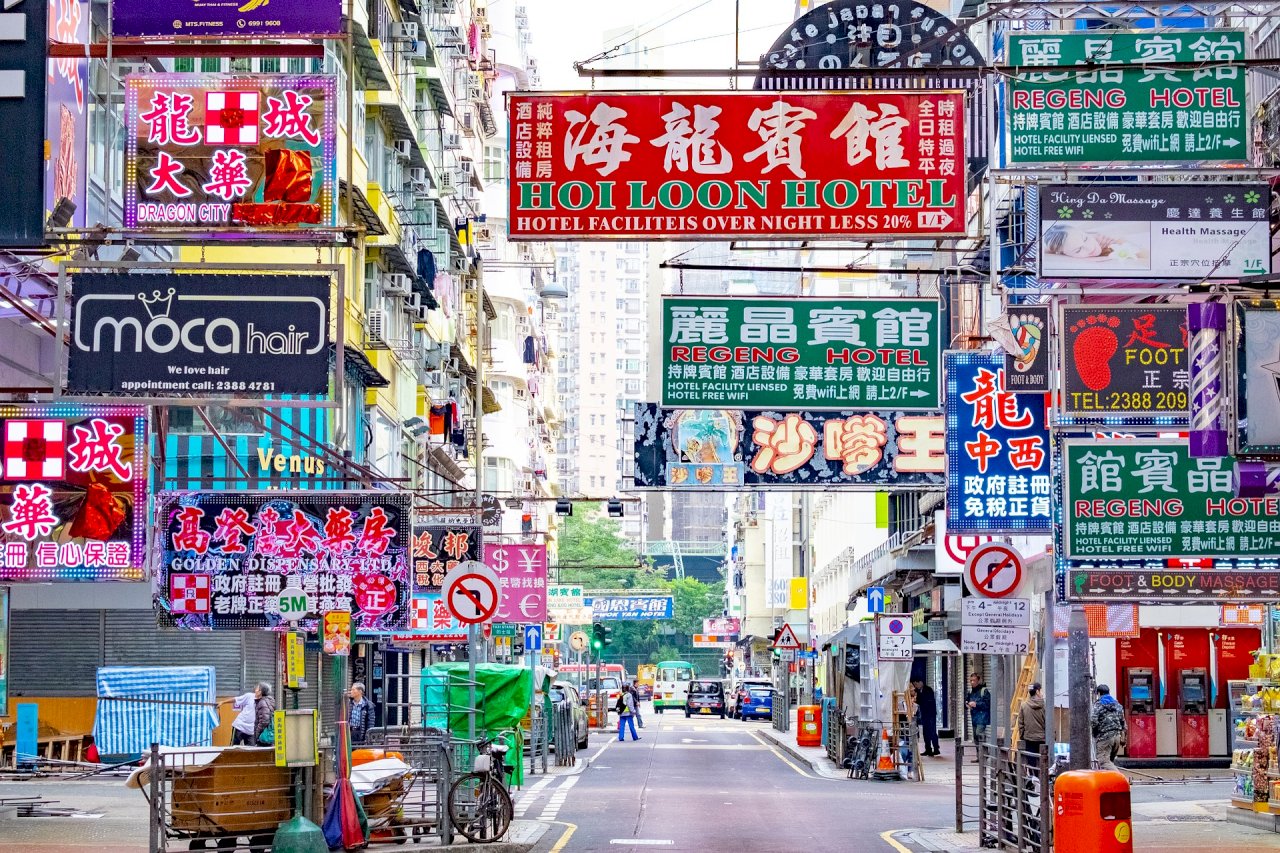
Hong Kong has two official languages: Chinese and English.
The history of the official languages in Hong Kong is closely tied to the region’s colonial past. After the British took control of Hong Kong in 1842, English was established as the official language of the colony. Chinese was also used in official communications, but it was not until 1974 that it was granted equal status with English.
Today, both Chinese and English are used in official government documents, public signage, and education. However, the distribution of the two languages is not uniform. Chinese is the dominant language in most of Hong Kong, while English is more common in the business and financial sectors.
Usage and Distribution
Chinese is the native language of the majority of Hong Kong’s population. It is spoken by over 90% of the population, and it is the primary language of instruction in most schools.
English is spoken by a significant minority of the population, particularly in the business and financial sectors. It is also the language of instruction in some schools and universities.
The distribution of Chinese and English in Hong Kong is not uniform. Chinese is the dominant language in most of Hong Kong, while English is more common in the business and financial sectors.
Common Languages

Hong Kong is a linguistically diverse city, with a variety of languages spoken by its residents. The most commonly spoken languages in Hong Kong are Cantonese, Mandarin, and English.
Cantonese is the native language of the majority of the population of Hong Kong, and it is the most widely spoken language in the city. Mandarin, the official language of China, is also spoken by a significant number of people in Hong Kong, particularly those who have immigrated from mainland China in recent years.
English is the other official language of Hong Kong, and it is used in government, business, and education. While English is not as widely spoken as Cantonese or Mandarin, it is still an important language in Hong Kong, and it is often used as a lingua franca between people from different linguistic backgrounds.
In addition to these three main languages, there are a number of other languages spoken in Hong Kong, including Hakka, Hokkien, and Japanese. These languages are spoken by smaller communities of people in Hong Kong, but they still contribute to the linguistic diversity of the city.
Statistics and Data on Language Usage
According to the 2016 Hong Kong Census, 88% of the population speaks Cantonese, 10% speaks Mandarin, and 3% speaks English. The remaining 2% of the population speaks a variety of other languages, including Hakka, Hokkien, and Japanese.
The use of English in Hong Kong has been increasing in recent years, particularly among younger people. This is due in part to the increasing globalization of the economy and the growing number of people from mainland China who are immigrating to Hong Kong.
Challenges and Opportunities Associated with Language Diversity
The linguistic diversity of Hong Kong presents both challenges and opportunities for the city. On the one hand, it can be difficult for people from different linguistic backgrounds to communicate with each other. This can lead to misunderstandings and social divisions.
On the other hand, the linguistic diversity of Hong Kong can also be a source of strength for the city. It allows people from different cultures to share their ideas and experiences, and it can help to create a more vibrant and cosmopolitan society.
The government of Hong Kong has taken a number of steps to promote linguistic diversity in the city. These steps include providing language обучение in schools, supporting community language programs, and promoting the use of multiple languages in government and business.
Cantonese and English are the official languages of Hong Kong, but many other languages are spoken in the city, reflecting its diverse population. For example, what language colombia speak ? In Colombia, the official language is Spanish, but there are also many indigenous languages spoken, such as Quechua and Aymara.
List and describe the minority languages spoken in Hong Kong, including their historical origins, geographical distribution, and number of speakers.
Hong Kong is a vibrant metropolis with a diverse linguistic landscape. Besides the official languages of Chinese (Cantonese and Mandarin) and English, several minority languages are spoken by various communities within the city. These languages reflect the city’s rich cultural heritage and the historical influences that have shaped its population.
Hakka
- Historical Origins:Hakka is a Chinese dialect spoken by the Hakka people, an ethnic group that originated in southern China. They migrated to Hong Kong in significant numbers during the 19th and 20th centuries.
- Geographical Distribution:Hakka is primarily spoken in the New Territories region of Hong Kong, particularly in the rural areas of Yuen Long, Tai Po, and Sha Tin.
- Number of Speakers:Approximately 300,000 people in Hong Kong speak Hakka, making it the largest minority language in the city.
Sze Yup
- Historical Origins:Sze Yup is a Chinese dialect spoken by the Sze Yup people, who originated in the Siyi region of Guangdong Province, China. They migrated to Hong Kong in search of economic opportunities.
- Geographical Distribution:Sze Yup is mainly spoken in the Kowloon area of Hong Kong, particularly in the districts of Yau Ma Tei, Mong Kok, and Sham Shui Po.
- Number of Speakers:Approximately 200,000 people in Hong Kong speak Sze Yup.
Tanka
- Historical Origins:Tanka is a Chinese dialect spoken by the Tanka people, a水上人族 (boat-dwelling ethnic group) who traditionally lived on boats in the Pearl River Delta region.
- Geographical Distribution:Tanka is spoken in several coastal areas of Hong Kong, including Aberdeen, Sai Kung, and Cheung Chau.
- Number of Speakers:Approximately 50,000 people in Hong Kong speak Tanka.
The Language Education System in Hong Kong
Hong Kong has a unique language education system that reflects its bilingual and multicultural society. The system aims to develop students’ proficiency in both Chinese and English, as well as to provide opportunities for learning other languages.
The language education system in Hong Kong is divided into three levels: primary, secondary, and tertiary.
Primary Education
In primary school, students begin learning Chinese and English as core subjects. Chinese is the medium of instruction for most subjects, while English is taught as a second language.
The curriculum for Chinese language education in primary school focuses on developing students’ reading, writing, listening, and speaking skills. Students learn to recognize and write Chinese characters, as well as to read and write simple Chinese texts.
The official languages of Hong Kong are Chinese and English, with Cantonese being the most widely spoken Chinese dialect. In contrast, what is the language spoken in Kazakhstan ? The official languages of Kazakhstan are Kazakh and Russian, with Kazakh being the most widely spoken language.
The curriculum for English language education in primary school focuses on developing students’ listening, speaking, reading, and writing skills. Students learn to understand and produce simple English sentences, as well as to read and write short English texts.
Secondary Education
In secondary school, students continue to learn Chinese and English as core subjects. Chinese remains the medium of instruction for most subjects, while English is taught as a second language.
The curriculum for Chinese language education in secondary school builds on the foundation laid in primary school. Students continue to develop their reading, writing, listening, and speaking skills, and they begin to study more complex Chinese texts.
The curriculum for English language education in secondary school builds on the foundation laid in primary school. Students continue to develop their listening, speaking, reading, and writing skills, and they begin to study more complex English texts.
In addition to Chinese and English, students in secondary school may also choose to learn other languages, such as French, Spanish, Japanese, or German.
Tertiary Education
In tertiary education, students can continue to study Chinese and English, as well as other languages.
The curriculum for Chinese language education in tertiary education focuses on developing students’ advanced reading, writing, listening, and speaking skills. Students study a wide range of Chinese texts, including literature, history, and philosophy.
The curriculum for English language education in tertiary education focuses on developing students’ advanced reading, writing, listening, and speaking skills. Students study a wide range of English texts, including literature, history, and philosophy.
In addition to Chinese and English, students in tertiary education may also choose to learn other languages, such as French, Spanish, Japanese, or German.
Language Proficiency

Hong Kong residents exhibit varying levels of proficiency in different languages. Cantonese remains the dominant language, with high proficiency rates across all age groups. Mandarin proficiency is also relatively high, particularly among younger generations. English proficiency, while lower than Cantonese and Mandarin, is still substantial, with a majority of residents reporting at least some level of proficiency.
Factors Influencing Language Proficiency
Several factors influence language proficiency in Hong Kong. Exposure to the language plays a significant role, with individuals who have more frequent interactions with a particular language generally demonstrating higher proficiency. Motivation and learning opportunities also impact proficiency levels. Those who are motivated to learn a language and have access to effective learning resources tend to achieve higher proficiency.
Proficiency Levels by Demographic Group
The table below presents data on language proficiency levels by age group:
| Demographic Group | Cantonese Proficiency | Mandarin Proficiency | English Proficiency |
|---|---|---|---|
| Age 18-24 | 95% | 80% | 70% |
| Age 25-34 | 90% | 85% | 75% |
| Age 35-44 | 85% | 80% | 70% |
| Age 45-54 | 80% | 75% | 65% |
| Age 55+ | 75% | 70% | 60% |
As evident from the table, proficiency in all three languages tends to decline with age. This may be attributed to factors such as reduced exposure to language learning opportunities and cognitive changes associated with aging.
Implications for Language Policy and Education
The findings on language proficiency levels have implications for language policy and education in Hong Kong. The government should continue to support initiatives that promote Cantonese, Mandarin, and English proficiency among all residents. This may involve expanding language learning opportunities in schools, providing accessible language courses for adults, and encouraging the use of multiple languages in public spaces.
Language Policy

The language policy of Hong Kong has undergone significant changes throughout its history, reflecting the city’s unique political and cultural context. Under British rule, English was the official language of government and education, while Cantonese was widely spoken by the majority of the population.
After the handover of Hong Kong to China in 1997, Chinese (specifically Standard Mandarin and Traditional Chinese characters) was designated as the official language alongside English. This policy was intended to promote national unity and facilitate communication with mainland China.
Rationale and Objectives
The rationale behind Hong Kong’s language policy is twofold:
- Official reasons:To maintain Hong Kong’s status as an international financial and trade center, English is seen as essential for communication with the global business community.
- Unofficial reasons:To preserve Chinese culture and identity, Standard Mandarin is promoted as the national language of China, while Traditional Chinese characters are seen as a symbol of cultural heritage.
Effectiveness
The effectiveness of Hong Kong’s language policy in achieving its objectives is debatable.
On the one hand, English remains the dominant language in business, finance, and international relations, supporting Hong Kong’s status as a global financial center.
On the other hand, the promotion of Standard Mandarin has faced resistance from some Cantonese-speaking residents who view it as an imposition on their cultural identity. Additionally, the use of Traditional Chinese characters has declined in recent years, with Simplified Chinese characters becoming more prevalent in everyday communication.
Challenges and Opportunities
The future of Hong Kong’s language policy faces several challenges and opportunities:
- Globalization:The increasing interconnectedness of the world economy may lead to a greater need for English proficiency in Hong Kong.
- Immigration:The influx of immigrants from mainland China may further increase the use of Mandarin in Hong Kong.
- Technological advancements:Machine translation and other language technologies may reduce the need for bilingualism in some contexts.
Recommendations
To improve the language policy in Hong Kong, the following recommendations could be considered:
- Promote bilingualism:Encourage the learning and use of both English and Chinese to foster communication and understanding.
- Respect linguistic diversity:Recognize and support the use of Cantonese and other minority languages in appropriate contexts.
- Enhance language education:Improve the quality and accessibility of language education in schools and universities.
Language and Culture

Language and culture are intertwined concepts that shape the identity of a society. In Hong Kong, the complex linguistic landscape reflects the city’s diverse cultural heritage. This section explores the relationship between language and culture in Hong Kong, examining how language shapes cultural identity and expression, plays a role in cultural preservation and transmission, and influences social mobility.
Language Shapes Cultural Identity and Expression
Language is a fundamental aspect of cultural identity, providing a means to express cultural values, beliefs, and traditions. In Hong Kong, the use of Cantonese, English, and Putonghua reflects the city’s multicultural heritage and its position as a global financial hub.
Cantonese, the native language of most Hong Kongers, embodies the local culture and identity, while English serves as the language of international communication and commerce. Putonghua, the official language of China, is increasingly used in Hong Kong, reflecting the city’s close ties with the mainland.
Language and Identity
:max_bytes(150000):strip_icc()/what-is-the-difference-between-mandarin-and-cantonese-1535880.jpg-v4-5b3b849846e0fb003e8f2276.png)
In Hong Kong, language plays a significant role in shaping personal and collective identity. It serves as a marker of cultural heritage, social status, and belonging. The linguistic landscape of Hong Kong is complex, with Cantonese and English being the official languages and a multitude of minority languages spoken by various ethnic groups.
Cantonese, the native language of the majority of Hong Kong’s population, is closely associated with the city’s cultural identity. It is the language of everyday communication, used in homes, schools, and the media. Cantonese carries cultural significance and evokes a sense of belonging among Hong Kongers.
Linguistic Markers of Identity and Belonging
Language use in Hong Kong reflects social and cultural norms. Cantonese is typically used in informal settings, while English is preferred in formal and professional contexts. The choice of language can signal one’s social status, education level, and affiliation with different social groups.
For example, the use of certain Cantonese slang or colloquialisms can indicate a person’s local roots and connection to Hong Kong culture. Conversely, the use of English in certain contexts, such as business meetings or academic settings, conveys a sense of professionalism and cosmopolitanism.
Language and Social Interactions
Language also influences social interactions and relationships in Hong Kong. The use of Cantonese fosters a sense of intimacy and familiarity among native speakers. It creates a shared linguistic space where individuals can connect on a personal level.
English, on the other hand, facilitates communication between people from diverse linguistic backgrounds. It serves as a bridge language in international business, academia, and tourism. The ability to speak English can enhance social mobility and open up opportunities for global engagement.
Language and Social Stratification: What Language Is Spoken Hong Kong
In Hong Kong, language plays a significant role in social stratification. The linguistic markers of social status and power are evident in various aspects of society, including education, employment, and social interactions.
One of the most prominent linguistic markers of social status in Hong Kong is the use of English. English is the language of government, business, and education, and proficiency in English is highly valued. Those who are fluent in English are often perceived as having higher social status and are more likely to have access to better educational and employment opportunities.
Linguistic Capital
The possession of English language skills is often referred to as “linguistic capital.” Linguistic capital can be used to gain access to resources and opportunities that are not available to those who do not possess it. In Hong Kong, linguistic capital is a valuable asset that can be used to improve one’s social and economic status.
Language and Social Inequality
The relationship between language and social stratification in Hong Kong is complex and multifaceted. On the one hand, language can be a tool for social mobility, allowing individuals to improve their social and economic status. On the other hand, language can also be a barrier to social mobility, preventing individuals from accessing resources and opportunities that are available to those who are fluent in the dominant language.
The perpetuation of social inequalities through language is a serious issue in Hong Kong. It is important to raise awareness of this issue and to work towards creating a more equitable society in which everyone has access to the resources and opportunities they need to succeed.
Language and Technology
The advent of technology has significantly influenced language use in Hong Kong. Technological advancements have transformed communication, information access, and cultural exchange, impacting language learning, preservation, and revitalization.
Role of Technology in Language Learning
Technology has revolutionized language learning by providing interactive platforms, virtual classrooms, and language learning apps. These tools offer personalized learning experiences, allowing learners to access language resources and engage in real-time communication with native speakers.
Technology and Language Communication
Technology has facilitated seamless communication across borders, bridging geographical barriers. Social media platforms, messaging apps, and video conferencing tools enable real-time communication, fostering cross-cultural exchanges and language acquisition.
Challenges and Opportunities for Language Preservation
While technology offers opportunities for language preservation through digital archives and online language learning platforms, it also presents challenges. The reliance on digital communication may lead to a decline in face-to-face interactions, potentially affecting language proficiency and cultural transmission.
Language and Globalization

Globalization has significantly influenced language use in Hong Kong. The spread of English as a global language has had a profound impact on local languages, while globalization also affects language diversity and cultural exchange.
English has become the dominant language in Hong Kong’s business, education, and government sectors. This is due in part to Hong Kong’s history as a British colony and its continued close economic ties with English-speaking countries. The widespread use of English has led to a decline in the use of Cantonese, the traditional Chinese dialect spoken in Hong Kong.
Spread of English as a Global Language
The spread of English as a global language has had a significant impact on local languages. In Hong Kong, English has become the dominant language in business, education, and government. This is due in part to Hong Kong’s history as a British colony and its continued close economic ties with English-speaking countries.
The widespread use of English has led to a decline in the use of Cantonese, the traditional Chinese dialect spoken in Hong Kong. However, Cantonese is still widely spoken in Hong Kong, especially among older generations and in informal settings.
Globalization and Language Diversity
Globalization has also affected language diversity in Hong Kong. The increased movement of people and goods across borders has led to the introduction of new languages into Hong Kong. For example, there are now significant communities of Mandarin speakers in Hong Kong, due to the influx of immigrants from mainland China.
The presence of these new languages has contributed to the linguistic diversity of Hong Kong. However, it has also led to some concerns about the preservation of Cantonese and other local languages.
Globalization and Cultural Exchange
Globalization has also facilitated cultural exchange between Hong Kong and other parts of the world. The spread of English has made it easier for people from different cultures to communicate with each other. This has led to an increase in cultural exchange, as people from different backgrounds are able to share their ideas and experiences.
Globalization has had a complex and multifaceted impact on language use in Hong Kong. It has led to the spread of English as a global language, the decline of local languages, and the introduction of new languages. It has also facilitated cultural exchange between Hong Kong and other parts of the world.
Language and the Media
The media plays a significant role in shaping language use in Hong Kong. Through various platforms such as television, radio, print media, and social media, the media influences language choice, vocabulary, and pronunciation. It also reflects and influences linguistic diversity and change.
Media Influence on Language
The media exerts its influence on language through several mechanisms:
- Language choice:The media can influence which languages are used in different contexts. For example, Cantonese is the dominant language used in television broadcasts and local newspapers, while Mandarin is used in official government announcements and some national news broadcasts.
- Vocabulary:The media can introduce new words and phrases into the language. For example, the use of the term “fake news” became widespread after it was used frequently in media reports.
- Pronunciation:The media can influence how words are pronounced. For example, the pronunciation of the word “Hong Kong” has changed over time due to the influence of media broadcasts.
Media and Linguistic Diversity
The media also plays a role in reflecting and influencing linguistic diversity. By providing a platform for different languages and dialects to be used, the media can help to promote and preserve linguistic diversity. For example, local radio stations in Hong Kong broadcast programs in a variety of languages, including Cantonese, Mandarin, English, and other minority languages.
Media Representations and Language Attitudes
Media representations of different language varieties can contribute to language attitudes and language use. For example, if a particular language variety is portrayed in a negative light in the media, it may lead to negative attitudes towards that language variety and its speakers.
“The media is a powerful force in shaping language use. It can influence what languages people speak, what words they use, and how they pronounce words.”- Professor David Crystal, University of Bangor
Language and Literature
Hong Kong boasts a vibrant literary landscape shaped by its unique linguistic and cultural heritage. This section explores the diverse literary traditions of Hong Kong, examining the languages used, the prominent themes and styles, and the cultural significance of its literary works.
Languages in Hong Kong Literature
Hong Kong literature is primarily written in Chinese, with Cantonese and Mandarin being the most widely used dialects. However, English also plays a significant role, particularly in contemporary literature. The use of multiple languages reflects the city’s linguistic diversity and its position as a global crossroads.
Themes and Styles in Hong Kong Literature, What language is spoken hong kong
Hong Kong literature often explores themes of identity, cultural conflict, and the search for belonging. The city’s unique history and its status as a former British colony have had a profound impact on its literary output. Hong Kong writers have grappled with the complexities of living in a rapidly changing society, negotiating between tradition and modernity.
Stylistically, Hong Kong literature is characterized by its realism and its focus on everyday life. Many writers depict the experiences of ordinary people, exploring the social and economic challenges they face. However, there is also a growing body of experimental and avant-garde literature that pushes the boundaries of traditional forms.
Cultural Significance of Hong Kong Literature
Hong Kong literature plays a vital role in shaping the city’s cultural identity. It provides a platform for local voices to be heard and for the exploration of complex social and cultural issues. Literary works from Hong Kong have gained international recognition and have contributed to a broader understanding of the city’s unique history and culture.
Language and the Arts
Language plays a pivotal role in the vibrant arts scene of Hong Kong, enriching artistic expression and fostering cultural understanding.In theater, language serves as a powerful tool for storytelling and character development. Cantonese opera, a traditional form of Chinese theater, relies heavily on language to convey emotions, cultural values, and historical narratives.
In contemporary theater, multilingual productions explore the complexities of Hong Kong’s diverse linguistic landscape, showcasing the interplay between different languages and cultures.Film is another medium where language shapes the artistic experience. Hong Kong cinema is renowned for its Cantonese-language films, which often delve into themes of identity, social issues, and cultural clashes.
The use of Cantonese allows filmmakers to connect with local audiences and explore the nuances of Hong Kong society.Music in Hong Kong is a vibrant blend of Cantonese pop, Cantopop, and international genres. Cantonese lyrics are particularly expressive and melodic, capturing the emotions and experiences of Hong Kong people.
In recent years, Cantopop has gained international recognition, showcasing the unique linguistic and cultural identity of Hong Kong.Visual arts in Hong Kong often incorporate language as an integral part of the creative process. Calligraphy, a traditional Chinese art form, is highly valued for its aesthetic and cultural significance.
Contemporary artists also use language in installations, sculptures, and paintings to explore themes of identity, memory, and social commentary.
Future of Language in Hong Kong
Hong Kong’s linguistic landscape is constantly evolving, shaped by factors such as globalization, migration, and technological advancements. Speculating on the future of language use in Hong Kong involves considering potential changes in language policy, education, and technology.
The future of language policy in Hong Kong is likely to be influenced by the ongoing debate over the relative importance of English and Chinese. While English has traditionally been the language of business and government, Cantonese remains the dominant spoken language among the local population.
The government’s current policy of promoting both languages is likely to continue, but the relative emphasis on each language may shift depending on factors such as the city’s economic and political development.
Language education in Hong Kong is also likely to undergo changes in the future. The current system, which emphasizes English and Chinese language proficiency, is likely to continue, but there may be a greater focus on developing students’ proficiency in other languages, such as Mandarin or Spanish.
Technological advancements are also likely to have a significant impact on language use in Hong Kong. The development of machine translation and other language technologies could make it easier for people to communicate across language barriers. This could lead to a greater diversity of languages being used in Hong Kong, as people are no longer limited to communicating in languages that they are fluent in.
The future of language in Hong Kong is uncertain, but it is likely to be shaped by a complex interplay of factors, including language policy, education, and technology. It is important to consider the potential challenges and opportunities that these changes may bring, and to develop strategies to ensure that Hong Kong’s linguistic diversity is preserved and promoted.
Challenges and Opportunities
- Challenges:
- The dominance of English and Chinese may continue to marginalize other languages spoken in Hong Kong.
- The increasing use of technology may lead to a decline in the use of traditional languages.
- Hong Kong’s education system may not be adequately preparing students to communicate effectively in multiple languages.
- Opportunities:
- The government’s commitment to promoting both English and Chinese could help to preserve Hong Kong’s linguistic diversity.
- The development of language technologies could make it easier for people to learn and use multiple languages.
- Hong Kong’s status as an international city could provide opportunities for people to interact with people from different linguistic backgrounds.
FAQ Section
What are the official languages of Hong Kong?
Cantonese and English are the two official languages of Hong Kong.
What is the most commonly spoken language in Hong Kong?
Cantonese is the most commonly spoken language in Hong Kong, with over 88% of the population speaking it.
What is the role of English in Hong Kong?
English is an official language in Hong Kong and is widely used in government, business, and education.
