What language they speak in africa? The continent of Africa is a linguistic tapestry, a vibrant mosaic of languages that reflect its rich cultural heritage and diverse history. With over 2,000 languages spoken across its vast expanse, Africa is home to one of the most linguistically diverse regions on the planet.
From the bustling streets of Cairo to the remote villages of the Sahara, from the Swahili coast to the rainforests of the Congo, the languages of Africa tell stories of human migration, cultural exchange, and the resilience of the human spirit.
Diversity of Languages in Africa

Africa is a continent renowned for its rich linguistic tapestry, boasting a staggering number of languages spoken within its vast borders. This linguistic diversity is attributed to a confluence of historical and geographical factors, resulting in a complex and vibrant linguistic landscape.
The continent is home to an estimated 2,000 to 3,000 languages, belonging to various language families. These families include Afro-Asiatic, Niger-Congo, Nilo-Saharan, Khoisan, and Austronesian, each with its unique set of grammatical structures, sound systems, and cultural significance.
Historical and Geographical Factors
Africa’s linguistic diversity is deeply rooted in its history and geography. The continent’s vast size, diverse topography, and long history of human habitation have contributed to the emergence and diversification of numerous languages.
Geographical barriers, such as mountains, deserts, and rivers, have isolated populations, leading to the development of distinct languages. Additionally, historical events, including migrations, trade, and conquests, have influenced the distribution and evolution of languages across the continent.
Distribution of Languages
The distribution of languages in Africa is influenced by factors such as population density, political boundaries, and cultural exchange. Languages with larger populations, such as Swahili, Hausa, and Arabic, are more widely spoken and serve as lingua francas in various regions.
Political boundaries often coincide with linguistic boundaries, with many countries having multiple official languages representing the diverse linguistic communities within their borders. Cultural exchange through trade, travel, and intermarriage has also contributed to the spread of languages across the continent.
The linguistic landscape of Africa is incredibly diverse, with over 2,000 languages spoken across the continent. While there are several major language families, such as Niger-Congo and Afro-Asiatic, the specific languages spoken vary greatly from region to region. For example, in Israel, the official languages are Hebrew and Arabic, reflecting the country’s complex history and cultural influences.
Just as Israel has its unique linguistic tapestry, each country in Africa boasts its own distinct array of languages, contributing to the continent’s rich linguistic heritage.
Socio-economic Implications
The linguistic diversity of Africa presents both opportunities and challenges for its people. On one hand, it enriches cultural heritage and fosters a sense of identity within diverse communities.
On the other hand, it can pose challenges for communication, education, and economic development. Governments and organizations often face the need to provide services and education in multiple languages, which can be costly and resource-intensive.
Examples of African Languages
The African continent is home to a myriad of fascinating languages, each with its unique characteristics.
- Swahili, a Bantu language spoken in East Africa, is known for its melodic tones and extensive vocabulary.
- Hausa, a Chadic language spoken in West Africa, features a complex system of noun classes and intricate verb morphology.
- Amharic, a Semitic language spoken in Ethiopia, has a rich literary tradition and a unique script.
Major Language Groups
Africa is a continent with an incredibly diverse linguistic landscape, with over 2,000 languages spoken across its vast expanse. These languages belong to various language families, each with its unique history and characteristics.
The three major language groups spoken in Africa are Afro-Asiatic, Niger-Congo, and Nilo-Saharan. These groups account for the majority of the languages spoken on the continent and are distributed across different regions.
Afro-Asiatic Languages
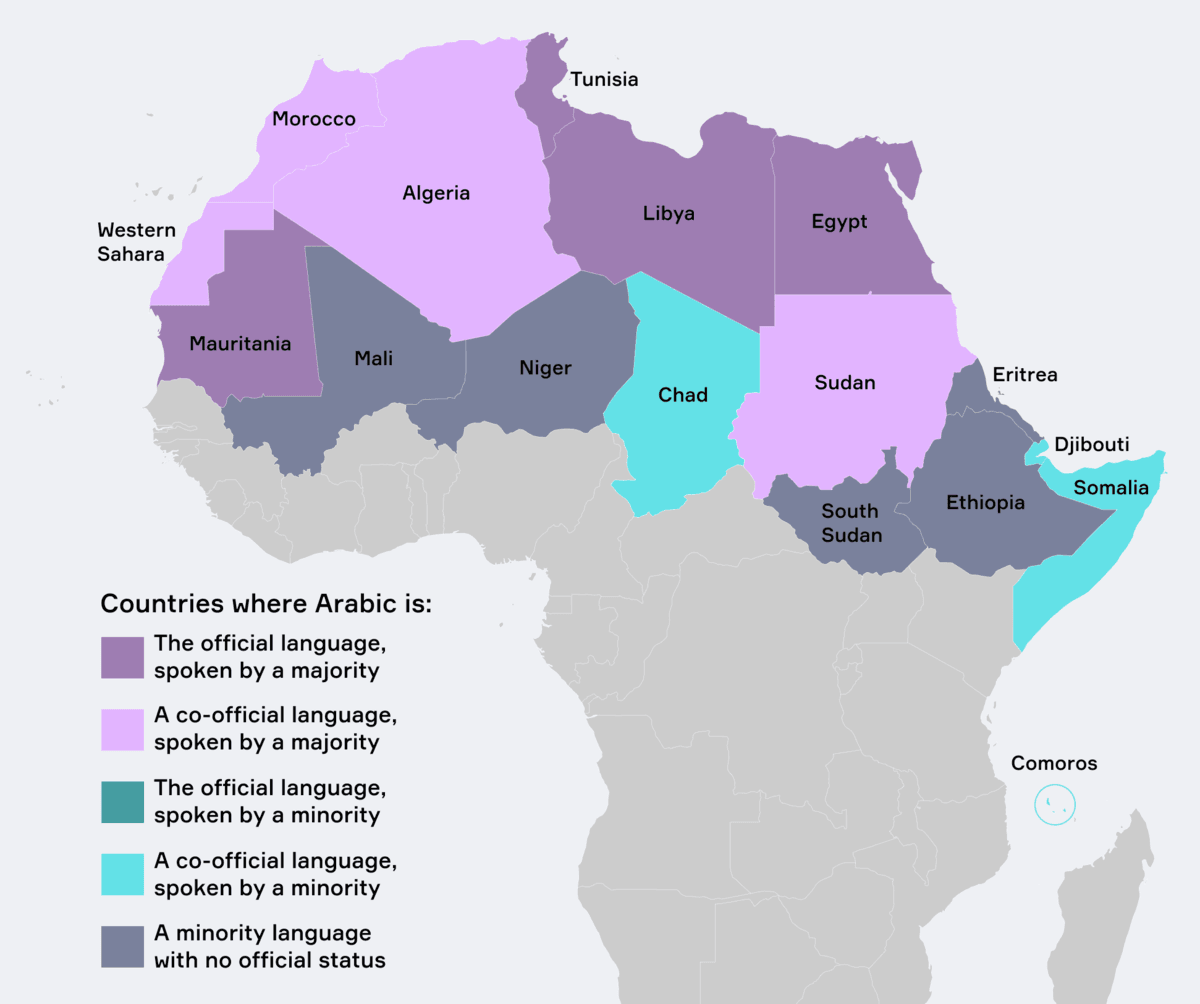
Afro-Asiatic languages are spoken in North Africa, the Horn of Africa, and parts of West Africa. The most prominent Afro-Asiatic languages include Arabic, Berber, and Hausa. Arabic, in particular, is widely spoken in North Africa and the Middle East, while Berber languages are prevalent in Morocco, Algeria, and Libya.
Hausa is a major language in West Africa, spoken in Nigeria, Niger, and other countries.
Niger-Congo Languages
Niger-Congo languages are the most widely spoken language group in Africa, covering a vast area from West Africa to Southern Africa. Some of the major Niger-Congo languages include Swahili, Yoruba, Zulu, and Shona. Swahili is a lingua franca in East Africa, spoken in countries such as Tanzania, Kenya, and Uganda.
Yoruba is a major language in Nigeria, while Zulu and Shona are spoken in Southern Africa.
Nilo-Saharan Languages
Nilo-Saharan languages are spoken in Eastern and Central Africa, including countries like Sudan, Ethiopia, and Chad. The most prominent Nilo-Saharan languages include Nuer, Dinka, and Kanuri. Nuer and Dinka are spoken in South Sudan, while Kanuri is spoken in Chad and Niger.
Official and National Languages
In Africa, the concept of official and national languages is crucial due to the continent’s linguistic diversity. Official languages are those recognized by the government for official purposes, such as education, administration, and legal proceedings. National languages, on the other hand, are those that have a significant number of speakers within a country and are often associated with a particular ethnic group or region.
To accommodate their linguistic diversity, many African countries have adopted multiple official languages. For instance, Tanzania has two official languages, Swahili and English, while South Africa has eleven, including English, Afrikaans, and several indigenous languages. This approach ensures that citizens can access government services and participate in public life in their preferred language.
Challenges and Benefits of Multiple Official Languages
Having multiple official languages brings both challenges and benefits. One challenge is the cost of providing government services in multiple languages, which can strain resources. Additionally, it can be difficult to ensure that all official languages receive equal attention and support.
However, there are also significant benefits to having multiple official languages. It promotes inclusivity and recognizes the cultural diversity of the country. It also helps to preserve indigenous languages and cultures, which are often under threat from globalization.
Most Common Official Languages in Africa
The most common official languages used in Africa include:
- English (26 countries)
- French (21 countries)
- Arabic (18 countries)
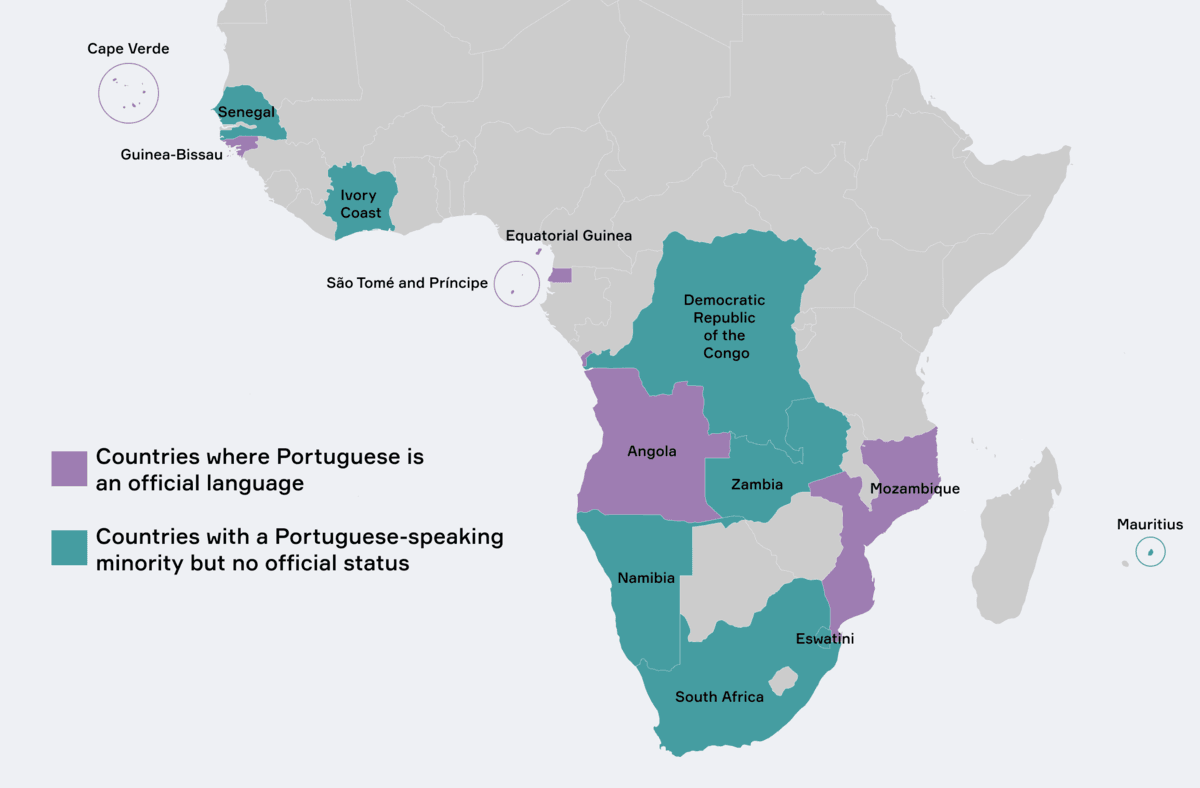
- Portuguese (6 countries)
- Spanish (3 countries)
In addition, many African countries have adopted indigenous languages as official languages, such as Swahili in Tanzania and Zulu in South Africa.
Table: Number of Official Languages in African Countries
The following table shows the number of official languages in different African countries:
| Country | Number of Official Languages |
|---|---|
| South Africa | 11 |
| Tanzania | 2 |
| Kenya | 2 |
| Nigeria | 1 |
| Ethiopia | 1 |
Language and National Identity
Language plays a vital role in national identity and unity. It is a symbol of cultural heritage and a means of communication and expression. When people can use their own language in public life, it strengthens their sense of belonging and pride.
Language and Conflict
However, language can also be a source of conflict and division. When different language groups compete for resources or political power, it can lead to tension and even violence. In some cases, governments have used language policies to suppress minority languages and cultures.
Impact of Globalization on Language Use in Africa
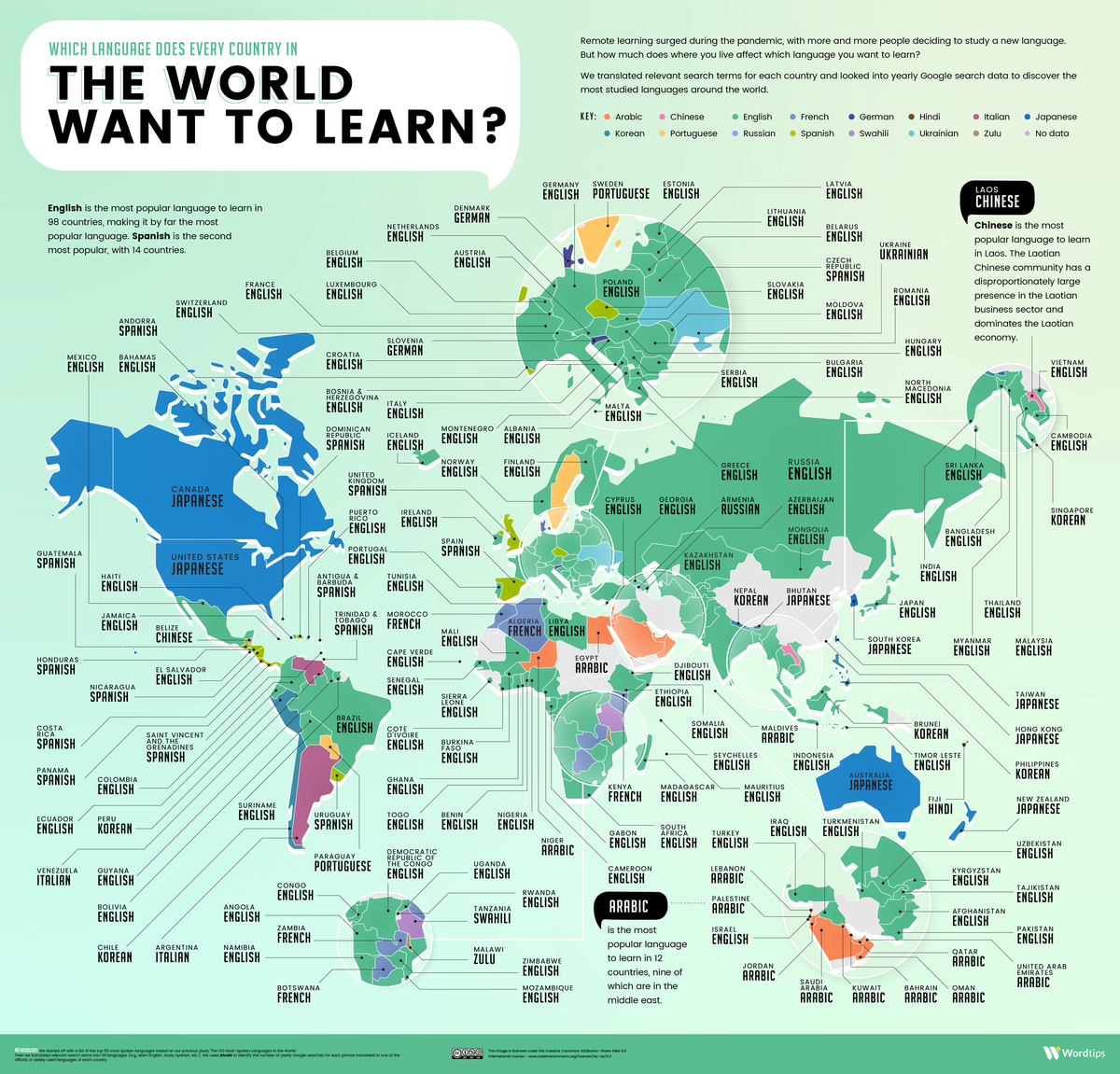
Globalization is having a significant impact on language use in Africa. The spread of English as a global lingua franca is leading to the decline of some indigenous languages. However, globalization is also creating new opportunities for language learning and communication, and it is possible that some African languages will benefit from this process.
– Colonial Influences on Language

European colonialism has significantly impacted the linguistic landscape of Africa. The introduction of European languages as official languages in African colonies had profound consequences for indigenous African languages, leading to language loss, language shift, and language endangerment.
Factors Leading to the Introduction of European Languages
- Political dominance: European colonial powers sought to establish their authority and control over their colonies by imposing their languages as the official languages of administration, law, and education.
- Economic exploitation: European languages were used as the medium of trade, commerce, and industry, giving an advantage to those who spoke these languages.
- Cultural assimilation: Colonial powers often promoted the adoption of their languages and cultures as a means of assimilating African populations into their empires.
Consequences for Indigenous Languages
The introduction of European languages as official languages had several negative consequences for indigenous African languages:
- Language loss: Some indigenous languages became extinct or nearly extinct due to the dominance of European languages in education, government, and media.
- Language shift: Many African speakers shifted to speaking European languages as their primary language, resulting in the decline of indigenous languages.
- Language endangerment: Many indigenous African languages are now considered endangered, with few speakers and limited use in public domains.
Lingua Francas and Trade Languages

Lingua francas are languages that are used for communication between people who do not share a common native language. They often develop in regions where there is a great deal of trade or travel, and they can be used for a variety of purposes, including commerce, diplomacy, and education.
Trade languages are a type of lingua franca that is used specifically for the purpose of facilitating trade. They are often used in regions where there is a great deal of economic activity, and they can help to bridge the communication gap between buyers and sellers who do not speak the same language.
Examples of Lingua Francas and Trade Languages in Africa, What language they speak in africa
- Swahili is a lingua franca that is spoken in East Africa. It is used for communication between people from a variety of different ethnic groups, and it is also the official language of Tanzania and Kenya.
- Hausa is a lingua franca that is spoken in West Africa. It is used for communication between people from a variety of different ethnic groups, and it is also the official language of Nigeria.
- Lingala is a trade language that is spoken in Central Africa. It is used for communication between traders from a variety of different ethnic groups, and it is also the official language of the Democratic Republic of the Congo.
Lingua francas and trade languages play an important role in facilitating communication and commerce across linguistic boundaries. They help to bridge the communication gap between people who do not speak the same language, and they can help to promote economic development and cultural exchange.
Factors that Contribute to the Rise and Decline of Lingua Francas
- The political and economic power of the group that speaks the language.
- The geographic distribution of the language.
- The availability of other languages that can be used for communication.
- The cultural and linguistic diversity of the region.
The rise and decline of lingua francas is a complex process that is influenced by a variety of factors. However, these factors can help to explain why some languages become lingua francas while others do not.
Language Policy and Education
Language policies in Africa are multifaceted, reflecting the diverse linguistic landscape and the complex historical, social, and political contexts of the continent. Many African governments have adopted policies to promote literacy and preserve indigenous languages while navigating the challenges of multilingualism and the influence of colonial languages.
One key aspect of language policy in Africa is the promotion of literacy in both indigenous and official languages. Governments recognize the importance of literacy for socio-economic development and have implemented programs to increase literacy rates. These programs often involve the development of literacy materials in indigenous languages, teacher training, and community-based literacy initiatives.
Challenges and Successes of Language Policies
The implementation of language policies in Africa has faced various challenges. One significant challenge is the lack of resources for the development and implementation of language-related programs. Governments may struggle to provide adequate funding for literacy campaigns, teacher training, and the production of educational materials in indigenous languages.
Despite these challenges, there have also been notable successes in language policy implementation. In some countries, literacy rates have increased significantly through the promotion of indigenous languages in education. For example, in Tanzania, the use of Swahili as the medium of instruction in primary education has contributed to improved literacy rates among the country’s diverse population.
Role of Education in Shaping Language Use and Attitudes
Education plays a crucial role in shaping language use and attitudes in Africa. The choice of language used in schools and other educational settings can have a profound impact on the status and vitality of different languages. When indigenous languages are used in education, it can contribute to the preservation and revitalization of these languages.
Africa is a vast and diverse continent, and the languages spoken there reflect this diversity. From the Afro-Asiatic languages of North Africa to the Niger-Congo languages of sub-Saharan Africa, there are hundreds of languages spoken across the continent. One of the most important things to know about the data definition language is that it is used to create and modify the structure of a database.
What do you know about the data definition language ? This language is used to define the tables, columns, and other objects that make up a database. It is also used to specify the relationships between these objects. Knowing the data definition language is essential for anyone who wants to work with databases.
Education also influences language attitudes, as students develop preferences and perceptions about different languages based on their experiences in school. Positive attitudes towards indigenous languages can be fostered through educational policies that promote their use and value them as mediums of instruction and cultural expression.
Language Revitalization and Preservation: What Language They Speak In Africa
Language revitalization refers to efforts aimed at restoring endangered languages to active use within a community. In Africa, numerous languages face the threat of extinction due to factors such as globalization, urbanization, and the dominance of major languages. However, there are ongoing efforts to revive and preserve these endangered languages.
One significant challenge in language preservation is the need to address the root causes of language decline. These may include economic marginalization, lack of educational opportunities, and negative attitudes towards minority languages. Addressing these underlying issues is crucial for creating a conducive environment for language revitalization.
Role of Technology in Language Revitalization
Technology has emerged as a powerful tool in supporting language revitalization efforts. Digital platforms and mobile applications allow speakers to connect with each other, share language resources, and create online communities. These tools facilitate language learning, documentation, and preservation.
Specific Endangered African Languages
- Sandawe (Tanzania):Spoken by approximately 40,000 people, Sandawe is a unique language isolate with no known genetic relatives. It faces challenges due to assimilation and the influence of neighboring Bantu languages.
- Berber (North Africa):A family of languages spoken by over 30 million people across North Africa, Berber faces threats from Arabic and French. Efforts are underway to revitalize Berber through education and cultural initiatives.
- Haida (North America):Spoken by the Haida people of the Pacific Northwest, Haida is an endangered language with only a few hundred remaining speakers. Language revitalization efforts focus on community-based programs and immersion schools.
Successful Language Revitalization Programs
- Maori Language Revitalization (New Zealand):A successful example of language revitalization, Maori has been revived through government support, immersion education, and community engagement.
- Irish Language Revival (Ireland):Despite centuries of suppression, the Irish language has experienced a significant revival through educational initiatives, cultural events, and government support.
- Hawaiian Language Revitalization (Hawaii):Hawaiian has been revitalized through immersion schools, language immersion programs, and the use of technology for language learning.
Ethical Considerations
Language revitalization efforts must be carried out with sensitivity and respect for the communities involved. It is essential to ensure that revitalization efforts are community-driven and do not lead to the marginalization or exclusion of other languages.
Language and Identity
Language is an intrinsic part of cultural identity in Africa. It shapes and reflects the values, traditions, and beliefs of different African communities. Language fosters a sense of belonging and cultural continuity, playing a crucial role in the preservation and transmission of cultural heritage.
The Relationship between Language and Cultural Identity
Language embodies the unique experiences, perspectives, and worldview of a particular culture. It provides a medium for expressing cultural values, beliefs, and practices. Through language, cultural norms, customs, and rituals are transmitted from generation to generation, ensuring cultural continuity and preservation.
Language as a Symbol of Identity
Language serves as a powerful symbol of cultural identity. It represents a group’s shared history, heritage, and values. Speaking a particular language often evokes a sense of belonging and pride, reinforcing the connection between individuals and their cultural community.
Language and Cultural Continuity
Language is essential for maintaining cultural continuity. It provides a means for transmitting cultural knowledge, stories, and traditions orally. Through language, cultural practices and beliefs are passed down from elders to younger generations, ensuring the preservation and vitality of cultural heritage.
Language and Conflict
Language plays a complex and multifaceted role in both fueling and resolving conflicts in Africa. It can be used to incite violence, spread propaganda, and divide communities, but it can also be a powerful tool for dialogue, reconciliation, and peacebuilding.
One of the most dangerous ways in which language can be used in conflict is to incite violence. Hate speech, for example, is a form of language that is intended to dehumanize and demonize a particular group of people, making it easier to justify violence against them.
Propaganda is another form of language that can be used to manipulate public opinion and spread misinformation, which can also lead to violence.
Language can also be used to divide communities. When different groups of people speak different languages, it can create a barrier to communication and understanding. This can lead to mistrust and suspicion, which can in turn lead to conflict. In some cases, language differences have even been used as a pretext for genocide.
Efforts to Promote Dialogue and Reconciliation
Despite the challenges, there are also many efforts underway to promote dialogue and reconciliation through language-based initiatives. One example is the use of community radio stations to broadcast programs in local languages. These programs can help to bridge the gap between different communities and promote understanding and cooperation.
Another example is the use of language-based peacebuilding programs. These programs bring together people from different communities to learn about each other’s languages and cultures. This can help to break down stereotypes and build trust.
Language and Technology
Technology is transforming the way we use and communicate language in Africa. The rise of digital platforms, social media, and mobile technologies is facilitating language learning and connecting speakers across borders. However, it also presents challenges and opportunities for African languages.
Digital Platforms and Social Media
Digital platforms and social media are creating new spaces for language use and interaction. Africans are increasingly using these platforms to communicate with friends and family, share news and information, and express themselves creatively. This has led to the emergence of new forms of language, such as online slang and hybrid languages that combine elements of different African languages.
Mobile Technologies
Mobile technologies are also playing a major role in the spread of African languages. Mobile phones are now widely available in Africa, and they are being used to access language learning apps, dictionaries, and other resources. This is making it easier for people to learn and use African languages, even if they are not their native tongue.
Challenges and Opportunities
The rise of technology also presents challenges for African languages. One challenge is the digital divide. Not everyone in Africa has access to digital devices or the internet, which can limit their ability to participate in online language communities. Another challenge is the dominance of English and other European languages on the internet.
This can make it difficult for African languages to gain visibility and recognition.
However, technology also presents opportunities for African languages. Digital platforms and mobile technologies can be used to promote African languages and make them more accessible to a wider audience. For example, some organizations are developing online dictionaries and language learning apps for African languages.
These resources can help to preserve and revitalize African languages and make them more visible on the global stage.
Table: Key Findings on the Impact of Technology on Language Use and Communication in Africa
| Finding | Impact |
|---|---|
| Rise of digital platforms and social media | Creation of new spaces for language use and interaction, emergence of new forms of language |
| Increased use of mobile technologies | Easier access to language learning resources, wider spread of African languages |
| Digital divide | Limits participation in online language communities |
| Dominance of English and other European languages on the internet | Makes it difficult for African languages to gain visibility and recognition |
| Use of digital platforms and mobile technologies to promote African languages | Preservation and revitalization of African languages, increased visibility on the global stage |
Essay: Implications of Technology for the Future of African Languages
Technology is having a profound impact on the future of African languages. Digital platforms and mobile technologies are creating new opportunities for language learning, communication, and preservation. However, they also present challenges, such as the digital divide and the dominance of English on the internet.
It is important to address these challenges and ensure that technology is used to promote African languages and make them more accessible to a wider audience.
One way to do this is to develop more online resources for African languages. This includes dictionaries, language learning apps, and online communities. These resources can help to make African languages more visible and accessible, and they can also help to preserve and revitalize them.
Another way to promote African languages is to use them in education. This means teaching African languages in schools and universities, and using them as the language of instruction in some subjects. This will help to ensure that future generations of Africans are able to speak and use their native languages.
Technology is a powerful tool that can be used to promote African languages and make them more accessible to a wider audience. By addressing the challenges and seizing the opportunities, we can ensure that African languages continue to thrive in the digital age.
Language and the Arts
Language plays a pivotal role in African arts, serving as a medium for cultural expression, storytelling, and creativity. From oral traditions to written forms, language enriches and shapes the African artistic experience.
Use of Language in African Literature
African literature is renowned for its vibrant use of language, employing metaphors, proverbs, and oral storytelling techniques to convey cultural values and tell captivating tales. The written word has expanded the reach of African literature, allowing for the preservation and dissemination of stories and ideas.
Language and African Music and Dance
Language is intertwined with African music and dance, with lyrics and rhythms reflecting cultural practices and beliefs. Music often serves as a form of storytelling, conveying historical events, social commentary, and personal experiences. Dance, too, is influenced by language, with movements and gestures expressing emotions and cultural narratives.
Evolution of Language in African Arts
The evolution of language in African arts mirrors the cultural and historical transformations of the continent. Oral traditions have given way to written forms, with literature, music, and dance adapting to new technologies and global influences. Yet, the essence of African languages remains, enriching and shaping the artistic landscape.
Language and the Future
Globalization, urbanization, and technological advancements are rapidly transforming the linguistic landscape of Africa. These forces present both threats and opportunities for African languages, and their future trajectory will depend on the interplay of these factors.
Language Policy and Education
Language policy and education play a crucial role in shaping the linguistic landscape of Africa. The adoption of official languages, often inherited from colonial powers, has led to the marginalization of many indigenous languages. However, recent efforts to promote multilingualism and revitalize African languages have gained momentum, recognizing the importance of linguistic diversity for cultural preservation and sustainable development.
Technology and Language
Technological advancements offer both challenges and opportunities for African languages. The widespread adoption of mobile phones and the internet has facilitated communication across linguistic boundaries, but it has also led to the dominance of a few global languages, such as English and French.
However, technology can also be harnessed to promote African languages through language learning apps, online dictionaries, and digital archives.
Opportunities and Threats
The future of African languages depends on the ability to navigate the complex interplay of globalization, urbanization, and technological advancements. While these forces can pose threats to linguistic diversity, they also present opportunities for African languages to adapt, innovate, and thrive.
By embracing multilingualism, investing in language education, and harnessing technology, Africa can ensure that its rich linguistic heritage continues to flourish in the face of the challenges and opportunities of the future.
Case Studies
Case studies provide valuable insights into the complexities of language use and policy in Africa. They showcase the challenges and successes of different approaches to language management and revitalization, highlighting the impact of language on social, cultural, and economic development.
The number of languages spoken in each country or region varies significantly. For example, Nigeria has over 500 languages, while Botswana has only 27. Language policies have been implemented to address the challenges of multilingualism, such as the recognition of official and national languages.
Language Policy and Education
Language policy plays a crucial role in education. The choice of language of instruction can have a significant impact on student achievement. In multilingual countries, the use of multiple languages in education can be challenging but can also provide opportunities for language revitalization.
Language and Access to Services
Language can also impact access to healthcare, employment, and other social services. Individuals who do not speak the dominant language may face barriers in accessing these services. Language policies and initiatives can be implemented to address these disparities.
FAQ
What is the most widely spoken language in Africa?
Swahili is the most widely spoken language in Africa, with over 100 million speakers across East and Central Africa.
How many official languages are there in Africa?
There are over 2,000 languages spoken in Africa, but only a fraction of these have official status. The number of official languages varies from country to country, with some countries having only one official language while others have dozens.
What is the impact of colonialism on African languages?
Colonialism has had a significant impact on African languages, with many European languages being introduced as official languages in African colonies. This has led to language loss, language shift, and language endangerment for many indigenous African languages.
