What is primary language? It’s the language that lays the foundation for our thoughts, communication, and cultural connection. This fundamental aspect of human development shapes our understanding of the world and our place within it.
Throughout this article, we’ll delve into the definition, characteristics, importance, and assessment of primary language. We’ll also explore the challenges and benefits of acquiring a primary language in multilingual contexts.
Definition of Primary Language

A primary language is the language that a person has the greatest proficiency in, and is the language they use most frequently and comfortably. It is often the language that a person first learns as a child, and is the language they are most closely associated with.
Native Language
A native language is the language that a person is first exposed to and learns from birth. It is the language that a person is most comfortable speaking, reading, and writing in. In many cases, a person’s native language is also their primary language.
However, this is not always the case. For example, a person who grows up in a bilingual household may have two native languages, or a person who immigrates to a new country may adopt the new country’s language as their primary language.
Factors Influencing Primary Language Acquisition
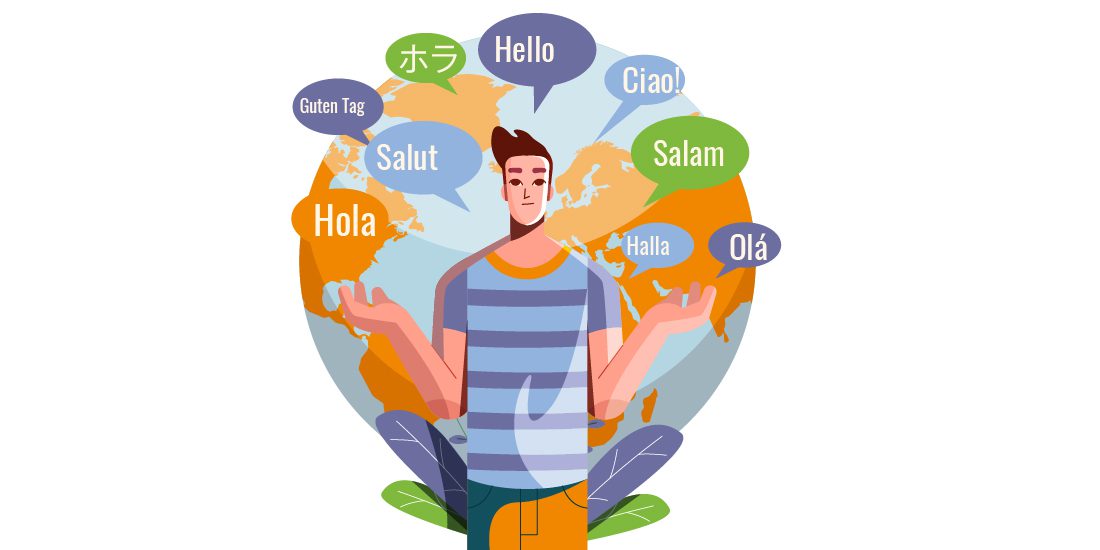
Primary language acquisition is a complex process influenced by various factors. Exposure, immersion, family, culture, society, age, and cognitive development all play significant roles in shaping a child’s primary language.
Role of Exposure and Immersion
Exposure to a language through listening and speaking is crucial for primary language acquisition. Children who are exposed to a language from birth are more likely to acquire it as their primary language. Immersion in a language-rich environment, such as living in a country where the language is spoken, provides ample opportunities for exposure and interaction.
Influence of Family, Culture, and Society
Family members, culture, and society play a significant role in shaping a child’s language development. The language spoken at home and in the community becomes the primary language for the child. Cultural practices, beliefs, and values also influence language acquisition, as children learn to express themselves within the cultural context.
A primary language is the language that a person speaks most frequently and fluently. If you’re curious about the primary language spoken in Taiwan, you can find more information by clicking here . The primary language of a person can be influenced by factors such as their location, upbringing, and education.
Impact of Age and Cognitive Development
Age and cognitive development are important factors in primary language acquisition. Children are most receptive to language learning during the early years of life, with the most significant progress occurring between birth and six years of age. Cognitive development, such as the ability to understand and produce language, also influences the rate and quality of language acquisition.
Characteristics of Primary Language
A primary language, also known as a native language or mother tongue, is the language that an individual acquires first and with which they have the greatest proficiency and fluency. It serves as the foundation for all other languages learned later in life and shapes an individual’s cognitive development, communication style, and cultural identity.
Key Features
The following key features distinguish a primary language from other languages:
- Fluency:Individuals can speak, understand, read, and write in their primary language with ease and confidence.
- Proficiency:They have a deep understanding of the language’s grammar, vocabulary, and pronunciation.
- Automaticity:The use of the primary language becomes automatic and effortless, allowing for seamless communication and expression of thoughts.
Shaping Thoughts and Communication
The primary language plays a crucial role in shaping an individual’s thoughts and communication:
- Cognitive Development:It influences how individuals perceive and process information, as well as their problem-solving and decision-making abilities.
- Cultural Identity:The primary language is often closely tied to an individual’s cultural heritage and sense of belonging.
- Communication Style:It influences an individual’s communication style, including their choice of words, tone, and gestures.
In summary, the primary language is characterized by fluency, proficiency, and automaticity. It shapes an individual’s cognitive development, communication style, and cultural identity.
Importance of Primary Language

Primary language plays a pivotal role in cognitive development, literacy, cultural identity, and social interaction. A strong primary language foundation is crucial for overall academic success and well-being.
Cognitive Development and Literacy
Primary language serves as the foundation for cognitive development. It helps children organize their thoughts, develop problem-solving skills, and acquire new knowledge. A strong primary language foundation is also essential for literacy, as it provides the basis for reading and writing skills.
Primary language, the one you learn first, is the foundation for all other languages you learn. Technical language, a specialized language used in a particular field , is no exception. Understanding your primary language will help you grasp the concepts and vocabulary of technical language more easily.
Cultural Identity and Social Interaction, What is primary language
Primary language is closely tied to cultural identity. It allows individuals to connect with their cultural heritage and traditions. Moreover, it facilitates social interaction within a community, as it is the primary means of communication.
Advantages and Challenges of a Strong Primary Language Foundation
- Advantages:Improved cognitive abilities, enhanced literacy skills, stronger cultural identity, better social integration.
- Challenges:Difficulty in learning additional languages, potential cultural misunderstandings.
Assessment of Primary Language
Evaluating a person’s primary language proficiency is crucial for effective communication and educational planning. Various methods can be employed to assess primary language proficiency, including standardized tests and observational measures.
Standardized Tests
Standardized tests are widely used to assess primary language proficiency. These tests typically measure a range of language skills, such as vocabulary, grammar, reading comprehension, and writing.
- Advantages: Standardized tests provide objective and reliable data on a person’s language proficiency. They are often used for placement in educational programs or for research purposes.
- Disadvantages: Standardized tests can be biased towards certain cultural or linguistic groups. They may not capture the full range of a person’s language abilities, particularly in informal or conversational settings.
Observational Measures
Observational measures involve observing and recording a person’s language use in natural settings. This can be done through methods such as naturalistic observation, discourse analysis, and language sampling.
- Advantages: Observational measures provide a more authentic assessment of a person’s language proficiency. They can capture the full range of a person’s language abilities, including their ability to use language in social and communicative contexts.
- Disadvantages: Observational measures can be time-consuming and require specialized training to conduct. They may also be influenced by the observer’s own biases or interpretations.
It is important to consider cultural and linguistic factors when assessing primary language proficiency. Language is closely tied to culture, and the way that a person uses language may vary depending on their cultural background.
Supporting Primary Language Development: What Is Primary Language
Fostering a child’s primary language development is crucial for their overall cognitive, social, and emotional well-being. It involves creating a supportive environment that encourages language acquisition and growth.
Parents, educators, and the community all play vital roles in supporting primary language development. Early intervention and ongoing support are essential for children to achieve optimal language proficiency.
Role of Parents
- Talk to your child often, even from infancy.
- Use rich and varied language, including gestures and facial expressions.
- Read aloud to your child regularly, exposing them to new words and concepts.
- Sing songs and play language games to make learning fun.
- Encourage your child to express themselves and ask questions.
Role of Educators
- Create a language-rich environment in the classroom.
- Provide opportunities for children to interact with each other and with adults.
- Use developmentally appropriate language activities and materials.
- Collaborate with parents to support language development at home.
- Identify and support children who may need additional language support.
Role of Community
- Provide access to libraries, community centers, and other resources that support language development.
- Organize events and activities that promote language learning.
- Create a welcoming environment where children feel comfortable using their primary language.
- Advocate for policies and programs that support primary language development.
- Respect and value the diversity of languages spoken in the community.
Importance of Early Intervention and Ongoing Support
Early intervention is crucial for children who may have difficulty acquiring their primary language. Early identification and support can help prevent language delays and promote language growth.
Ongoing support is equally important to ensure that children continue to develop their language skills and reach their full potential. This support should include continued exposure to rich language, opportunities for interaction, and encouragement from parents, educators, and the community.
Primary Language in Multilingual Contexts
Acquiring a primary language in a multilingual environment offers both challenges and benefits. Challenges include exposure to multiple languages, which can lead to language mixing and interference. However, it also provides opportunities for early exposure to diverse languages, enhancing cognitive development and language skills.
Language Dominance and Language Interference
In multilingual contexts, one language often becomes dominant, influencing the development of other languages. Language dominance can result from factors such as societal norms, parental language use, and educational opportunities. Language interference occurs when the dominant language influences the acquisition and use of other languages, leading to grammatical or lexical errors.
Strategies for Supporting Primary Language Maintenance in Multilingual Settings
To support primary language maintenance in multilingual settings, consider these strategies:
-*Foster positive attitudes towards the primary language
Encourage the use of the primary language at home, in the community, and in educational settings.
-*Provide ample exposure to the primary language
Create opportunities for children to interact with native speakers, read books, watch movies, and listen to music in the primary language.
-*Encourage language separation
Establish clear boundaries between the primary language and other languages, using different spaces or times for each language.
-*Support code-switching when necessary
Allow for code-switching between the primary language and other languages to facilitate communication and understanding.
FAQ Section
What is the difference between primary language and native language?
Primary language refers to the language that an individual has the highest proficiency in and uses most frequently. Native language, on the other hand, is the language that a person is first exposed to and acquires during early childhood.
What are the benefits of having a strong primary language foundation?
A strong primary language foundation enhances cognitive development, literacy skills, cultural identity, and social interaction.
How can I support primary language development in children?
Parents, educators, and the community can support primary language development by providing exposure to language-rich environments, encouraging reading and writing, and offering opportunities for children to engage in meaningful conversations.
