How language created is a question that has fascinated philosophers, linguists, and scientists for centuries. In this presentation, we will explore the fascinating journey of human communication, from its humble beginnings to its profound impact on our lives today.
We will delve into the theories behind the origins of language, examining how it evolved over time and how it is shaped by culture and society. We will also explore the structure of language, including its basic components and how they are organized to convey meaning.
The Evolution of Language
Language is a complex and dynamic system of communication that has evolved over thousands of years. The origins of language are still a mystery, but there are a number of theories about how it came into being.
One theory is that language evolved from gestures. Early humans may have used gestures to communicate with each other, and over time, these gestures became more complex and symbolic, eventually developing into language.
Another theory is that language evolved from animal calls. Animals use a variety of vocalizations to communicate with each other, and it is possible that early humans began to use similar vocalizations to communicate with each other.
Whatever its origins, language has played a vital role in the development of human society. It has allowed us to communicate our thoughts and ideas, to cooperate with each other, and to build complex civilizations.
The Role of Culture and Society in Shaping Language
Language is not simply a set of rules and symbols. It is also a reflection of the culture and society in which it is used. The words we use, the way we speak, and the topics we discuss all reflect the values and beliefs of our culture.
For example, in some cultures, it is considered polite to use indirect language, while in other cultures, it is considered more direct to be blunt. In some cultures, it is considered important to show respect for elders, while in other cultures, it is considered more important to be egalitarian.
Language is also shaped by the society in which it is used. The way we speak can reflect our social status, our occupation, and our education level. For example, people who work in professional settings often use more formal language than people who work in more casual settings.
The role of culture and society in shaping language is complex and multifaceted. However, it is clear that language is not simply a neutral tool for communication. It is also a reflection of the people who use it.
A Poem about the Evolution of Language
From gestures and calls, language grew,A symphony of sounds, ever new.It shaped our thoughts, our dreams, our fears,And built the bridges that connect our years.From cave paintings to written word,Language has recorded our every third.It tells the stories of our past,And guides us towards a future that will last.Language is a living, breathing thing,That changes with the seasons it brings.It reflects the culture, the society,And the people who speak it, you and me.
The Structure of Language
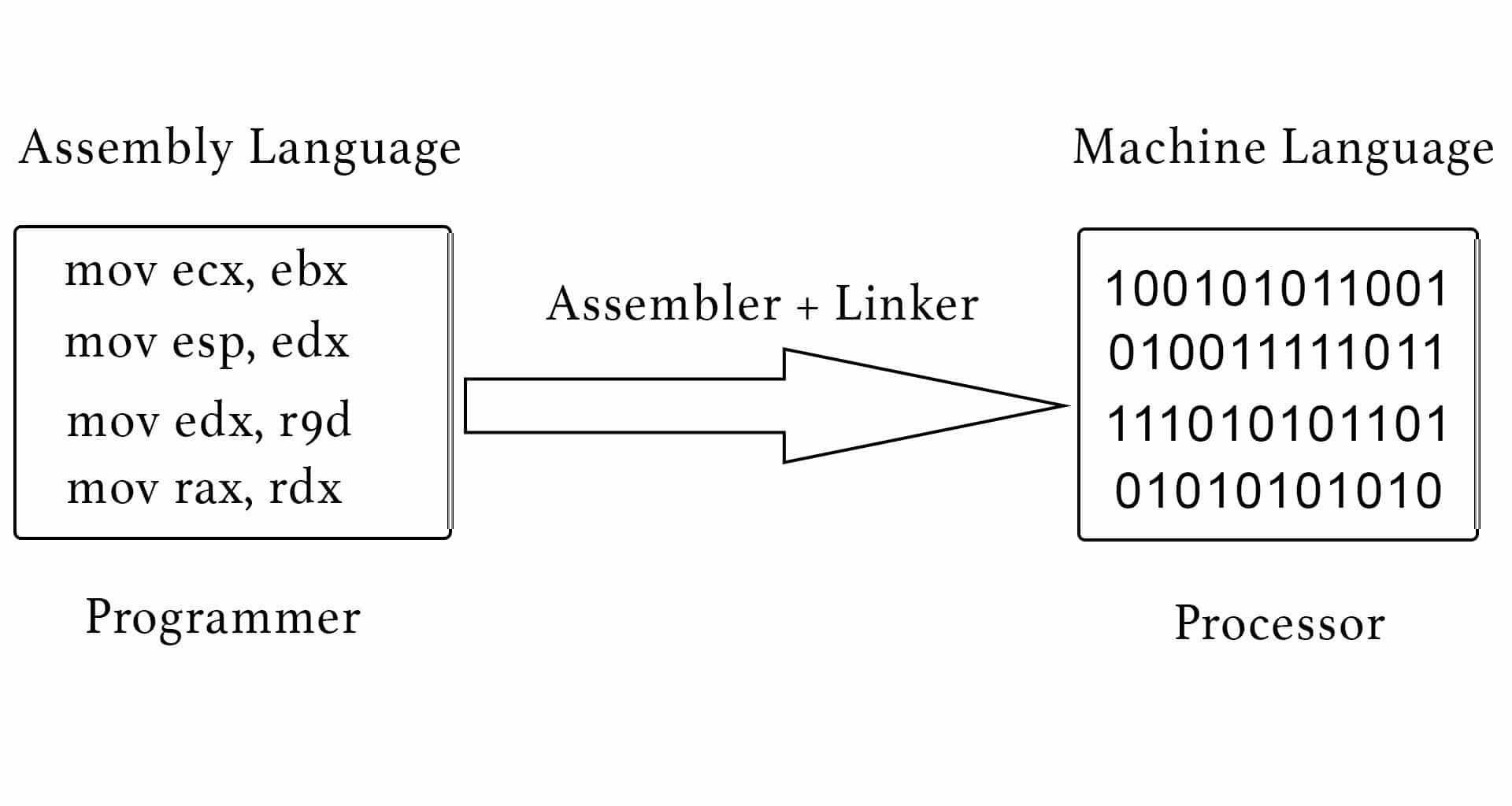
Language is a complex system of communication that allows humans to express themselves and interact with others. It is composed of several basic components, including phonemes, morphemes, and words. These components are organized into different levels of language, such as syntax, semantics, and pragmatics.
Phonemes
Phonemes are the smallest units of sound in a language that can distinguish one word from another. For example, the words “cat” and “bat” are distinguished by the different phonemes /k/ and /b/. Phonemes are combined to form morphemes, which are the smallest units of meaning in a language.
Morphemes
Morphemes are the basic building blocks of words. They can be either free morphemes, which can stand alone as words (such as “dog” or “run”), or bound morphemes, which must be attached to other morphemes to form words (such as the suffix “-s” to indicate plurality or the prefix “un-” to indicate negation).
Words
Words are the basic units of language that can be used to express a complete thought. They are composed of one or more morphemes and can be classified into different parts of speech, such as nouns, verbs, adjectives, and adverbs.
Syntax
Syntax is the set of rules that govern how words are combined to form sentences. It determines the order of words in a sentence and the relationships between them. For example, the sentence “The cat sat on the mat” is grammatically correct because it follows the rules of English syntax.
Semantics
Semantics is the study of the meaning of words and sentences. It is concerned with how words and sentences are used to convey information and how they are interpreted by listeners or readers. For example, the sentence “The cat sat on the mat” has a different meaning than the sentence “The mat sat on the cat.”
Pragmatics
Pragmatics is the study of how language is used in social contexts. It is concerned with how people use language to communicate their intentions, beliefs, and attitudes. For example, the sentence “The cat sat on the mat” can be used to convey a variety of messages, depending on the context in which it is used.
The structure of language is a complex and fascinating topic. By understanding the different components of language and how they are organized, we can better understand how language works and how it can be used to communicate effectively.
The Use of Language

Language serves as a multifaceted tool that enables individuals to communicate, express themselves, and influence others. Its usage is heavily influenced by the context in which it is employed.
One primary function of language is communication. It allows people to convey information, ideas, and emotions to each other. Language facilitates the exchange of knowledge, experiences, and perspectives, fostering understanding and collaboration within societies.
Expression
Language also serves as a means of personal expression. Through language, individuals can articulate their thoughts, feelings, and experiences. Creative forms of language, such as literature and poetry, allow people to explore their imaginations and share their unique perspectives with others.
Persuasion
Furthermore, language plays a crucial role in persuasion. It enables individuals to influence the thoughts and actions of others. Language can be used to present arguments, evoke emotions, and shape opinions. In political speeches, marketing campaigns, and legal proceedings, language is strategically employed to persuade audiences and achieve desired outcomes.
The Impact of Language

Language has a profound impact on thought and culture. It shapes our perceptions of the world, influences our values and beliefs, and plays a crucial role in social interactions.
The Role of Language in Shaping Social Norms and Values
Language reflects and reinforces the social norms and values of a particular culture. It provides a framework for understanding acceptable and unacceptable behavior, and it can be used to socialize individuals into the values of the group.
For example, in some cultures, it is considered polite to use honorifics when addressing elders, while in others, it is considered more respectful to use first names.
Language and Understanding
Language can be a powerful tool for promoting understanding and cooperation. It allows us to communicate our thoughts and ideas to others, and it can help us to build relationships and resolve conflicts.
For example, the use of diplomatic language in international negotiations can help to reduce tensions and facilitate agreements.
Language and Conflict
Conversely, language can also be used to promote conflict and division. Hate speech and propaganda can be used to incite violence and spread misinformation.
For example, the use of racial slurs and stereotypes can create a climate of fear and distrust.
The Acquisition of Language
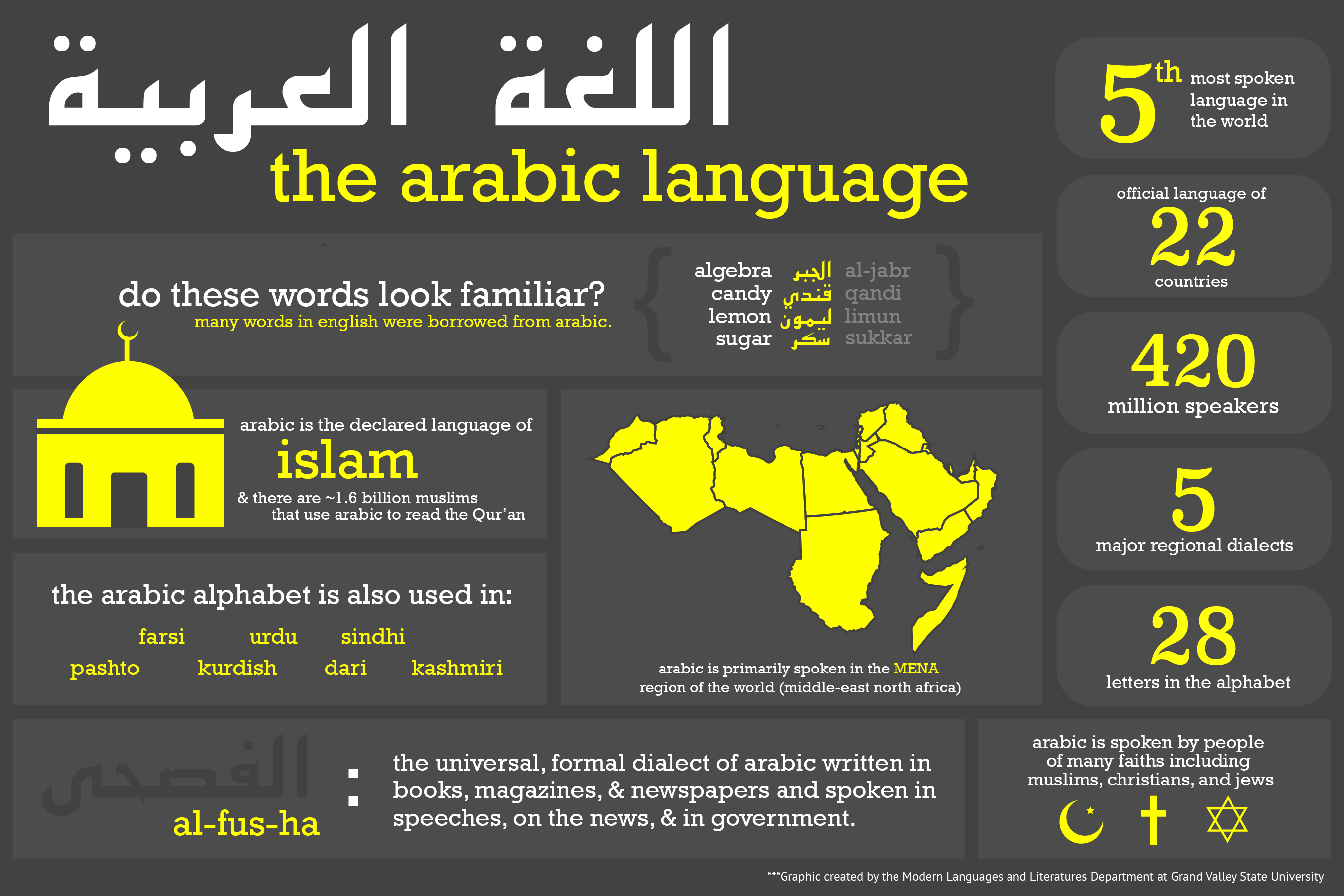
Language acquisition is the process by which humans acquire the ability to produce and understand language. It is a complex and gradual process that begins in infancy and continues throughout life. Language acquisition is influenced by both innate factors, such as genetics, and environmental factors, such as exposure to language.
Stages of Language Development
Language development occurs in a series of stages, each of which is characterized by specific milestones. The following are the key stages of language development:
- The prelinguistic stage(birth to 12 months): During this stage, infants communicate through non-verbal means, such as crying, cooing, and babbling.
- The one-word stage(12 to 18 months): During this stage, infants begin to produce their first words, typically single nouns or verbs.
- The two-word stage(18 to 24 months): During this stage, infants begin to combine words to form simple sentences.
- The telegraphic speech stage(24 to 30 months): During this stage, children produce sentences that are grammatically incomplete, but that are still comprehensible.
- The complex sentence stage(30 months and beyond): During this stage, children begin to produce sentences that are grammatically complete and complex.
The Role of Innate and Environmental Factors
Both innate factors and environmental factors play a role in language development. Innate factors include the genetic endowment of the child, which provides them with the capacity to learn language. Environmental factors include the exposure to language that the child receives from their caregivers and other people in their environment.
There is evidence to support the role of both innate and environmental factors in language development. For example, studies have shown that children who are exposed to more language in their environment tend to develop language skills more quickly than children who are exposed to less language.
Additionally, studies have shown that children who have a genetic predisposition for language disorders are more likely to develop language problems than children who do not have this genetic predisposition.
Factors Affecting Language Acquisition
Language acquisition can be affected by a number of factors, including:
- Exposure to multiple languages: Children who are exposed to multiple languages from a young age are more likely to become bilingual or multilingual.
- Socioeconomic status: Children who grow up in poverty are more likely to have language delays than children who grow up in more affluent families.
- Cognitive abilities: Children with cognitive disabilities are more likely to have language delays than children with typical cognitive abilities.
Implications for Education and Language Policy
Research on language acquisition has implications for education and language policy. For example, research has shown that children who are exposed to high-quality early childhood education programs are more likely to develop strong language skills. Additionally, research has shown that bilingual education programs can be beneficial for children who are learning English as a second language.
Language acquisition is a complex and fascinating process. By understanding the factors that influence language development, we can better support children in their language learning journey.
The Diversity of Language
Language diversity refers to the vast array of languages spoken around the world, each with its unique set of rules, vocabulary, and cultural significance. This diversity is a testament to the creativity and adaptability of human communication.
Types of Languages
There are various types of languages, including:
- Natural languages: These are languages that have evolved naturally over time through human interactions and are spoken by communities worldwide.
- Artificial languages: These are languages that have been intentionally created for specific purposes, such as Esperanto or Klingon.
- Constructed languages: These are languages that have been developed for specific purposes, such as programming languages or sign languages.
- Endangered languages: These are languages that are at risk of disappearing due to factors such as language shift, assimilation, and globalization.
Factors Contributing to Language Diversity
Several factors contribute to language diversity, including:
- Geography: Geographic barriers, such as mountains and rivers, can isolate populations and lead to the development of distinct languages.
- History: Historical events, such as migrations, conquests, and colonialism, can influence language distribution and diversity.
- Culture: Cultural practices, beliefs, and values can shape language use and development.
- Social interactions: Social interactions within and between communities can facilitate language change and diversification.
Language Diversity and Unity
Language diversity can be a source of both unity and conflict. In multilingual communities, different languages can serve as a bridge, fostering communication and understanding. However, language differences can also lead to misunderstandings, discrimination, and even conflict.
Language and Cultural Heritage
Language plays a crucial role in preserving cultural heritage. It embodies cultural values, traditions, and knowledge systems that are passed down through generations.
Language Revitalization and Documentation
Language revitalization efforts aim to revive endangered languages and promote their use in daily life. Language documentation involves recording and preserving languages, particularly those that are at risk of disappearing.
Ethical Implications
Language diversity raises ethical considerations, including the rights of speakers of minority languages and the preservation of endangered languages.
Linguistic Study of Language Diversity
Linguists use methods such as comparative linguistics and sociolinguistics to study and classify languages, exploring their relationships and evolution.
Language and Cognition
Language shapes our perception of the world, influencing our thoughts and cognitive processes.
Technology and Language Diversity
Technology, including social media and machine translation, has a significant impact on language use and preservation.
Future of Language Diversity
The future of language diversity in a globalized world remains uncertain, with potential implications for language loss and convergence.
The Future of Language
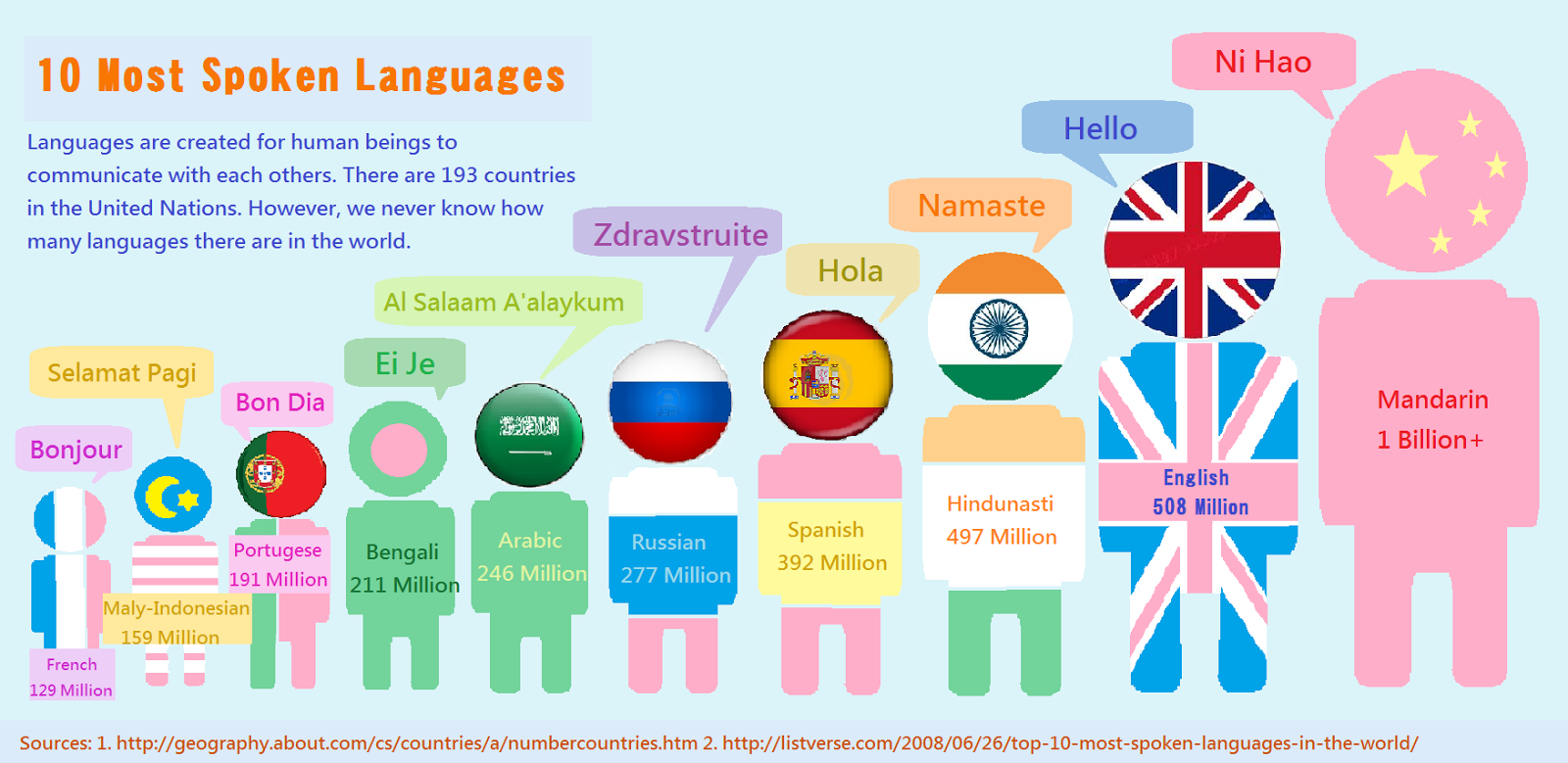
Language is a living, evolving phenomenon, and the 21st century presents both challenges and opportunities for its continued development. Technological advancements, globalization, and societal changes are shaping the way we use and think about language.
Challenges Facing Language, How language created
One challenge facing language in the 21st century is the rapid spread of digital communication. While digital technologies have facilitated global communication and access to information, they have also led to the fragmentation of language. The use of social media, instant messaging, and other digital platforms has introduced new forms of language, including abbreviations, emojis, and slang.
While these new forms of language can enhance communication within specific communities, they can also create barriers to understanding across generations and cultures.Another challenge facing language is the increasing dominance of English as a global language. While English has long been the language of international business and diplomacy, its use has become even more widespread in recent decades.
This has led to concerns about the potential loss of linguistic diversity and the marginalization of minority languages.
Opportunities for Language
Despite the challenges, the 21st century also presents opportunities for language. Technological advancements are providing new tools for language learning and translation. Artificial intelligence and machine learning are being used to develop language translation tools that are more accurate and efficient than ever before.
This is making it easier for people to communicate across linguistic barriers and access information from around the world.Globalization is also creating opportunities for language. As people from different cultures come into contact with each other, they are increasingly adopting and learning new languages.
This is leading to the creation of new hybrid languages and the spread of linguistic diversity.
The Role of Technology in Shaping the Future of Language
Technology is playing a major role in shaping the future of language. Digital communication technologies are changing the way we use and think about language. They are also providing new opportunities for language learning and translation.One of the most significant ways that technology is shaping the future of language is by making it easier for people to communicate across linguistic barriers.
As humans evolved, they developed a remarkable tool for communication: language. This intricate system of symbols and sounds allowed for the exchange of ideas, thoughts, and experiences, fostering the development of complex societies. However, the diversity of languages spoken around the world raises the question of what language does Hasbulla speak?
Here , we delve into the origins and evolution of language, exploring the various factors that have shaped its diversity, and examining the specific linguistic background of this popular social media personality.
Machine translation tools are becoming more accurate and efficient, making it possible for people to communicate in real-time with people who speak different languages. This is breaking down language barriers and making it easier for people to connect with each other.Technology is also providing new opportunities for language learning.
Online language learning platforms are making it easier for people to learn new languages at their own pace and on their own schedule. This is making language learning more accessible and affordable than ever before.
Examples of How Language is Likely to Change in the Years to Come
There are several ways in which language is likely to change in the years to come. One change is that language is likely to become more globalized. As the world becomes increasingly interconnected, people are more likely to come into contact with different languages and cultures.
This will lead to the spread of new words and phrases, as well as the adoption of new ways of speaking.Another change that is likely to occur is that language will become more personalized. With the rise of social media and other digital communication platforms, people are increasingly using language to express their individual identities.
This is leading to the development of new slang terms and phrases, as well as the use of language in new and creative ways.Finally, language is likely to become more technologically advanced. As technology continues to develop, new ways of communicating will emerge.
Language, a complex system of communication, emerged through intricate evolutionary processes. Over time, as communities developed, they established unique linguistic systems, giving rise to the concept of native language. Native language, as defined in this article , refers to the primary language acquired during early childhood, shaping an individual’s linguistic identity and cognitive development.
This process of language creation and evolution continues to fascinate researchers, providing insights into the intricate relationship between language and human society.
This could include the use of artificial intelligence to generate language, or the development of new ways to translate languages.
The Cognitive Science of Language
The cognitive science of language is a field that studies the mental processes that are involved in language use. This includes the processes involved in producing and understanding speech, as well as the processes involved in learning and using language.
Cognitive scientists use a variety of methods to study language, including behavioral experiments, neuroimaging, and computational modeling.
The brain plays a central role in language processing. The left hemisphere of the brain is responsible for most language functions, including speech production, comprehension, and reading. The right hemisphere of the brain is involved in some aspects of language processing, such as prosody and emotional expression.
Cognitive science can be used to understand a variety of aspects of language, including:
- How we produce speech
- How we understand speech
- How we learn language
- How we use language to communicate
- How language affects our thinking
Explain the computational approaches to language analysis, including rule-based systems, statistical methods, and machine learning techniques.

Computational approaches to language analysis provide a systematic and automated way to understand and process human language. These approaches can be broadly categorized into three main types: rule-based systems, statistical methods, and machine learning techniques.
Rule-based Systems
Rule-based systems rely on a set of manually crafted rules to analyze language. These rules are typically based on linguistic knowledge and are used to identify and extract specific features from the text. Rule-based systems are often used for tasks such as part-of-speech tagging, named entity recognition, and syntactic parsing.
Statistical Methods
Statistical methods use statistical techniques to analyze language. These methods typically involve training a model on a large corpus of text data. The trained model can then be used to perform various language analysis tasks, such as language modeling, machine translation, and text classification.
Machine Learning Techniques
Machine learning techniques are a type of statistical method that uses algorithms to learn from data. These techniques can be used to train models that can perform a variety of language analysis tasks, such as sentiment analysis, question answering, and speech recognition.
The Sociolinguistics of Language
Sociolinguistics explores the relationship between language and society, investigating how social factors influence language use and how language, in turn, shapes social structures.Sociolinguistics considers various social factors, including:
Social class
Language use can reflect and reinforce social stratification, with different classes using distinct vocabularies, grammar, and pronunciations.
Gender
Language can also vary based on gender, with women and men often using different linguistic styles and patterns.
Ethnicity
Language can be a marker of ethnic identity, with ethnic groups using unique dialects, accents, and vocabulary.
Region
Geographical location can also influence language use, with regional dialects and accents emerging due to isolation and local influences.
The Role of Language in Social Stratification and Identity Formation
Language plays a crucial role in social stratification, with certain linguistic features associated with higher or lower social status. For example, in many societies, Standard English is seen as the language of the educated elite, while non-standard dialects are often associated with lower social classes.
This can lead to linguistic discrimination and unequal access to opportunities.Language is also central to identity formation, allowing individuals to express their sense of belonging to particular social groups. By using specific linguistic features, individuals can align themselves with certain social identities and differentiate themselves from others.
Examples of How Sociolinguistics Can Be Used to Understand Social Issues
Sociolinguistics has been used to shed light on various social issues, including:
Language and education
Sociolinguists have studied the relationship between language use and educational outcomes, showing how linguistic differences can impact students’ academic performance and opportunities.
Language and discrimination
Sociolinguistics has also been used to document and analyze instances of linguistic discrimination, where individuals are treated differently based on their language or accent.
Language and social change
Sociolinguistics can track language changes over time, providing insights into social and cultural shifts. For example, the increasing use of gender-neutral language reflects changing societal attitudes towards gender equality.
The Historical Linguistics of Language
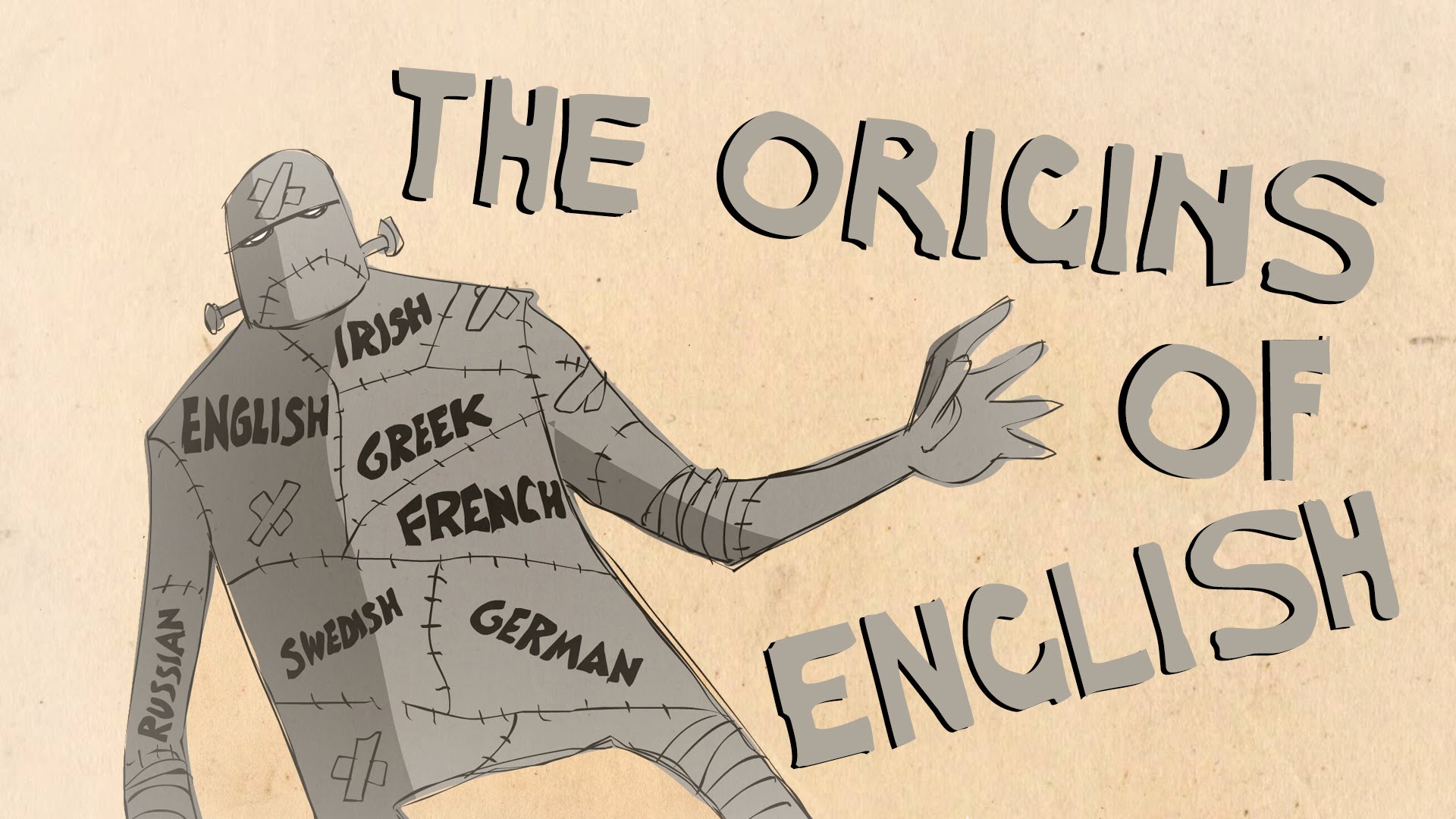
Historical linguistics is the study of the history of languages. It seeks to understand how languages change over time, and how they are related to each other.
One of the most important methods used by historical linguists is the comparative method. This method involves comparing different languages in order to find similarities and differences. By comparing the sounds, words, and grammar of different languages, historical linguists can determine how they are related to each other and how they have changed over time.
The Role of Historical Linguistics in Understanding Language Change
Historical linguistics plays a vital role in understanding how languages change. By studying the history of languages, historical linguists can identify the factors that have influenced language change, and they can develop models of how languages change over time.
One of the most important factors that influences language change is contact between different languages. When two languages come into contact, they can influence each other’s sounds, words, and grammar. This can lead to the development of new languages, or it can lead to the extinction of one of the languages.
Examples of How Historical Linguistics Can Be Used to Reconstruct Past Languages
Historical linguistics can be used to reconstruct past languages that are no longer spoken. By comparing different languages that are related to each other, historical linguists can determine the sounds, words, and grammar of the ancestral language from which they all descended.
One example of how historical linguistics has been used to reconstruct a past language is the reconstruction of Proto-Indo-European. Proto-Indo-European is the ancestral language of all the Indo-European languages, which include English, German, French, Spanish, and many others. By comparing the different Indo-European languages, historical linguists have been able to reconstruct the sounds, words, and grammar of Proto-Indo-European.
The Psycholinguistics of Language
Psycholinguistics is the study of the psychological processes that are involved in language use. It investigates how the mind processes language, how language is acquired, and how language disorders can be treated.Psycholinguistics has a wide range of applications, including:* Understanding how children learn to read and write
- Developing new methods for teaching language to second language learners
- Diagnosing and treating language disorders
- Creating new technologies that can process and understand human language
The Philosophical Linguistics of Language
Philosophical linguistics examines the philosophical issues that arise from the study of language. These issues include the relationship between language and thought, the nature of meaning, and the limits of language.
The Relationship Between Language and Thought
One of the central issues in philosophical linguistics is the relationship between language and thought. Some philosophers argue that language is necessary for thought, while others argue that thought is possible without language.
Those who argue that language is necessary for thought point to the fact that we cannot think without using words. We cannot even think about things that we do not have words for. This suggests that language is essential for our ability to think.
However, there are also philosophers who argue that thought is possible without language. They point to the fact that we can think about things that we do not have words for. We can also think about things that are impossible or that do not exist.
This suggests that thought is not dependent on language.
The debate over the relationship between language and thought is a complex one. There is no easy answer to the question of whether language is necessary for thought. However, the debate is an important one, as it helps us to understand the nature of both language and thought.
The Nature of Meaning
Another central issue in philosophical linguistics is the nature of meaning. What is it that makes a word or a sentence mean something? This is a difficult question to answer, and there are many different theories of meaning.
One theory of meaning is that meaning is determined by the speaker’s intention. According to this theory, a word or sentence means whatever the speaker intends it to mean. This theory is known as the intentionalist theory of meaning.
Another theory of meaning is that meaning is determined by the context in which a word or sentence is used. According to this theory, a word or sentence means whatever it means in the context in which it is used.
This theory is known as the contextualist theory of meaning.
The debate over the nature of meaning is a complex one. There is no easy answer to the question of what makes a word or a sentence mean something. However, the debate is an important one, as it helps us to understand the nature of language and communication.
The Limits of Language
A third central issue in philosophical linguistics is the limits of language. What are the limits of what we can say and think? This is a difficult question to answer, and there are many different theories about the limits of language.
One theory about the limits of language is that we can only say and think about things that we can experience. According to this theory, the limits of language are the limits of our experience.
Another theory about the limits of language is that we can only say and think about things that we can imagine. According to this theory, the limits of language are the limits of our imagination.
The debate over the limits of language is a complex one. There is no easy answer to the question of what we can and cannot say and think. However, the debate is an important one, as it helps us to understand the nature of language and thought.
Explain the role of language in human culture and society, including how it shapes our perception of the world, our relationships with others, and our sense of identity.: How Language Created
Language is a fundamental aspect of human culture and society, shaping our perception of the world, our relationships with others, and our sense of identity. It allows us to communicate our thoughts and ideas, to build relationships, and to participate in the social and cultural life of our communities.
Language and Perception
Language influences our perception of the world by providing us with the concepts and categories we use to organize our experiences. For example, the English language distinguishes between the colors blue and green, while some other languages do not. This difference in language leads to differences in how speakers of these languages perceive and categorize colors.
Language and Relationships
Language is essential for building and maintaining relationships. It allows us to communicate our feelings and needs, to resolve conflicts, and to create social bonds. The way we use language can also affect our relationships. For example, using polite language can help to build rapport and trust, while using aggressive language can damage relationships.
Language and Identity
Language is also closely tied to our sense of identity. The language we speak is often a reflection of our culture, our ethnicity, and our social group. Speaking a particular language can help us to feel connected to others who share our identity, and it can also give us a sense of pride and belonging.
Question & Answer Hub
What is the most widely spoken language in the world?
Mandarin Chinese is the most widely spoken language in the world, with over 1.1 billion native speakers.
How many languages are there in the world?
There are an estimated 6,500 to 7,000 languages spoken in the world today.
What is the oldest known language?
Sumerian is the oldest known written language, dating back to around 3500 BC.
