At the heart of the Eternal City, where ancient ruins whisper tales of empires past, the question of “what language do they speak in Rome?” invites us on a captivating journey through the labyrinthine streets of linguistic heritage and vibrant contemporary expression.
From the resonant echoes of Latin to the melodious cadences of Italian, Rome’s linguistic landscape is a testament to the city’s enduring legacy as a cultural and linguistic crossroads.
In this presentation, we delve into the intricate tapestry of languages that have shaped Rome’s linguistic identity, exploring the official language, dialects, historical languages, and the impact of immigration on the city’s linguistic diversity. We examine the role of language in art, culture, tourism, technology, and social norms, shedding light on the profound ways in which language shapes and is shaped by the city’s multifaceted identity.
Official Language of Rome

The official language spoken in Rome is Italian, a Romance language that evolved from Latin, the language of the Roman Empire. Latin was the dominant language of the Roman Empire for centuries, and it had a profound impact on the development of many other languages, including Italian, French, Spanish, and Portuguese.
After the fall of the Roman Empire, Latin continued to be used as the language of government, education, and the Catholic Church. However, over time, Latin began to evolve into different dialects, and eventually, these dialects became the modern Romance languages.
Factors Influencing the Development of Italian
Several factors influenced the development of Italian from Latin, including:
- Geographical isolation:After the fall of the Roman Empire, Italy was divided into a number of small, independent states. This geographical isolation led to the development of different dialects of Latin.
- Contact with other languages:Italy was also influenced by other languages, such as Greek, Arabic, and French. These languages had a significant impact on the vocabulary and grammar of Italian.
- The rise of the Catholic Church:The Catholic Church played a major role in the development of Italian. Latin was the official language of the Church, and it was used in all religious ceremonies and documents.
Official Documents and Communications
Italian is used in all official documents and communications in Rome, including:
- Laws and regulations
- Government documents
- Court proceedings
- Business contracts
- Education materials
Writing in Italian
Italian is written using the Latin alphabet. The Italian alphabet has 26 letters, including 5 vowels (a, e, i, o, u) and 21 consonants (b, c, d, f, g, h, j, k, l, m, n, p, q, r, s, t, v, w, x, y, z).
Italian grammar is based on the Latin grammar. Italian nouns have two genders (masculine and feminine) and two numbers (singular and plural). Italian verbs have a complex system of tenses and moods.
Evolution of Italian
Italian has evolved significantly over time. The most significant changes have occurred in the vocabulary and pronunciation of the language.
The vocabulary of Italian has been influenced by many other languages, including Greek, Arabic, French, and Spanish. The pronunciation of Italian has also changed over time, and it varies from region to region.
Comparison to Other Romance Languages
Italian is closely related to the other Romance languages, such as French, Spanish, and Portuguese. However, there are also some significant differences between these languages.
One of the most striking differences between Italian and the other Romance languages is the use of the definite article. In Italian, the definite article is always placed before the noun, while in the other Romance languages, it is usually placed after the noun.
Impact on Other Languages
Italian has had a significant impact on the development of other languages, such as English, French, and Spanish. Many English words are derived from Italian, such as “pizza,” “pasta,” and “cappuccino.”
Italian has also had a significant impact on the development of French and Spanish. French and Spanish have borrowed many words from Italian, and the grammar of these languages has also been influenced by Italian.
Role in Roman Society
Italian plays a vital role in Roman society. It is the language of government, education, and the media. It is also the language of the Catholic Church.
Italian is a rich and expressive language that has a long and distinguished history. It is a language that is spoken by millions of people around the world, and it is a language that continues to play an important role in Roman society.
Dialects and Regional Variations
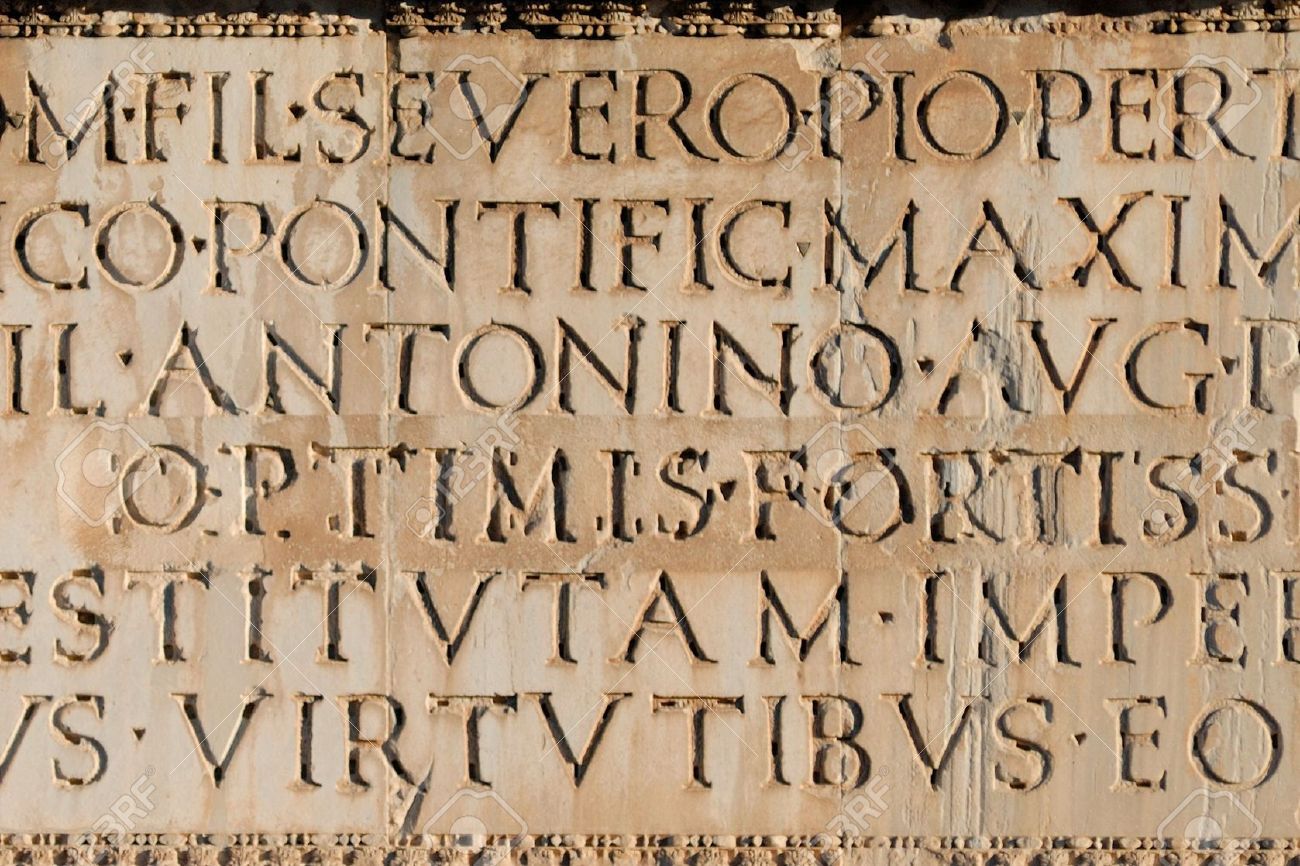
The city of Rome is a melting pot of cultures and languages, and this is reflected in the variety of dialects spoken in the city and its surrounding areas. The most widely spoken dialect in Rome is Romanesco, which is a variant of the Italian language that has been influenced by centuries of immigration and cultural exchange.
Romanesco is spoken by the majority of the population of Rome, and it is also used in the media and in official communications. However, there are also a number of other dialects spoken in Rome, including:
- Trasteverino: This dialect is spoken in the Trastevere neighborhood of Rome, and it is characterized by its unique pronunciation and vocabulary.
- Giudaico-Romanesco: This dialect is spoken by the Jewish community of Rome, and it is a mix of Italian, Hebrew, and Yiddish.
- Viterbese: This dialect is spoken in the province of Viterbo, which is located north of Rome, and it is characterized by its strong Tuscan influence.
The dialects spoken in Rome and its surrounding areas are a testament to the city’s rich cultural history. They are a reminder of the many different people who have called Rome home over the centuries, and they continue to play an important role in the city’s identity.
Historical Languages of Rome
The languages spoken in Rome have evolved over time, reflecting the city’s rich and diverse history. The earliest known language spoken in Rome was Latin, which was the language of the Roman Empire and its vast territories.
Latin gradually evolved into the various Romance languages, including Italian, French, Spanish, and Portuguese. Greek also had a significant influence on the development of Roman languages, as it was the language of culture and learning in the Roman Empire.
Ancient Texts and Inscriptions
Numerous ancient texts and inscriptions provide evidence of the languages spoken in Rome throughout history. Some notable examples include:
- The Twelve Tables (450 BC): A set of laws inscribed on bronze tablets in Latin.
- The Aeneid (19 BC): An epic poem by Virgil written in Latin.
- The New Testament (1st century AD): A collection of Christian scriptures originally written in Greek.
- The Edict of Milan (313 AD): A decree issued by Emperor Constantine that legalized Christianity in the Roman Empire, written in Latin.
Influence of Immigration

Rome has a long history of immigration, which has had a significant impact on the linguistic landscape of the city. In recent years, immigration from Eastern Europe, North Africa, and Asia has led to a significant increase in the number of languages spoken in Rome.
The most common languages spoken by immigrant communities in Rome include Romanian, Albanian, Chinese, Arabic, and Bengali. These languages are spoken in specific neighborhoods, such as Esquilino, Pigneto, and Torpignattara, which have become known for their multilingual character.
Multilingual Neighborhoods and Language-Learning Initiatives
The presence of these immigrant communities has led to the development of multilingual neighborhoods in Rome. In these neighborhoods, it is common to hear multiple languages spoken on the streets and in shops and restaurants. This has created a vibrant and cosmopolitan atmosphere in the city.
In response to the growing linguistic diversity of Rome, a number of language-learning initiatives have been launched. These initiatives aim to help immigrants learn Italian and to promote intercultural understanding. One such initiative is the “Parole in Comune” project, which offers free Italian language classes to immigrants.
Role of Immigration in Shaping the City’s Linguistic Identity
Immigration has played a major role in shaping the linguistic identity of Rome. The city has always been a crossroads of different cultures and languages, and this has been reflected in the diversity of languages spoken in the city.
Today, Rome is a truly multilingual city, with over 200 languages spoken. This linguistic diversity is a source of pride for the city and its residents. It is a reflection of the city’s long history of immigration and its cosmopolitan character.
The table below summarizes the languages spoken by immigrant communities in Rome and their geographic distribution within the city.
Italian is the official language spoken in Rome, but there are also several regional dialects. If you’re curious about other languages spoken around the world, you might also be interested in what language do Chinese speak. The vast majority of the population speaks Mandarin, but there are also hundreds of other dialects and minority languages spoken throughout the country.
| Language | Geographic Distribution |
|---|---|
| Romanian | Esquilino, Pigneto, Torpignattara |
| Albanian | Esquilino, Pigneto, Torpignattara |
| Chinese | Esquilino, Pigneto, Torpignattara |
| Arabic | Esquilino, Pigneto, Torpignattara |
| Bengali | Esquilino, Pigneto, Torpignattara |
“Immigration has made Rome a more vibrant and cosmopolitan city,” said Mayor Ignazio Marino. “The linguistic diversity of the city is a source of pride for all Romans.”
Language Education and Literacy
The educational system in Rome offers a wide range of opportunities for language learning, with both public and private institutions providing language courses, schools, and resources.
Language Courses and Schools
- Public schools: Primary and secondary schools in Rome offer mandatory English language instruction, with additional language courses available as electives.
- Private schools: Private schools often offer a wider range of language courses, including French, Spanish, German, and Chinese.
- Language schools: There are numerous language schools in Rome that offer courses for all levels, from beginners to advanced.
Literacy Rates and Language Proficiency
Rome has high literacy rates, with over 99% of the population able to read and write.
Language proficiency levels vary depending on age and socioeconomic background, with younger generations and those with higher education levels generally having higher proficiency in foreign languages.
Effectiveness of Language Education Programs
Language education programs in Rome are generally effective, with students making significant progress in their language skills.
However, there is room for improvement, particularly in terms of increasing the number of students who achieve fluency in a foreign language.
Role of Technology in Language Learning
Technology is playing an increasingly important role in language learning, with many students using online resources and apps to supplement their classroom learning.
Technology can help to improve language skills by providing access to authentic materials, interactive exercises, and personalized feedback.
Recommendations for Enhancing Language Education and Literacy
- Increase the number of language courses offered in public schools.
- Provide more support for language teachers.
- Encourage the use of technology in language learning.
- Promote lifelong learning opportunities for language acquisition.
Summary of Key Findings and Recommendations
Rome has a strong educational system that provides a wide range of opportunities for language learning.
Literacy rates are high, and language proficiency levels are generally good, but there is room for improvement.
Technology is playing an increasingly important role in language learning, and it can be used to improve language skills and increase access to learning resources.
To enhance language education and literacy in Rome, it is recommended to increase the number of language courses offered in public schools, provide more support for language teachers, encourage the use of technology in language learning, and promote lifelong learning opportunities for language acquisition.
Language in Art and Culture
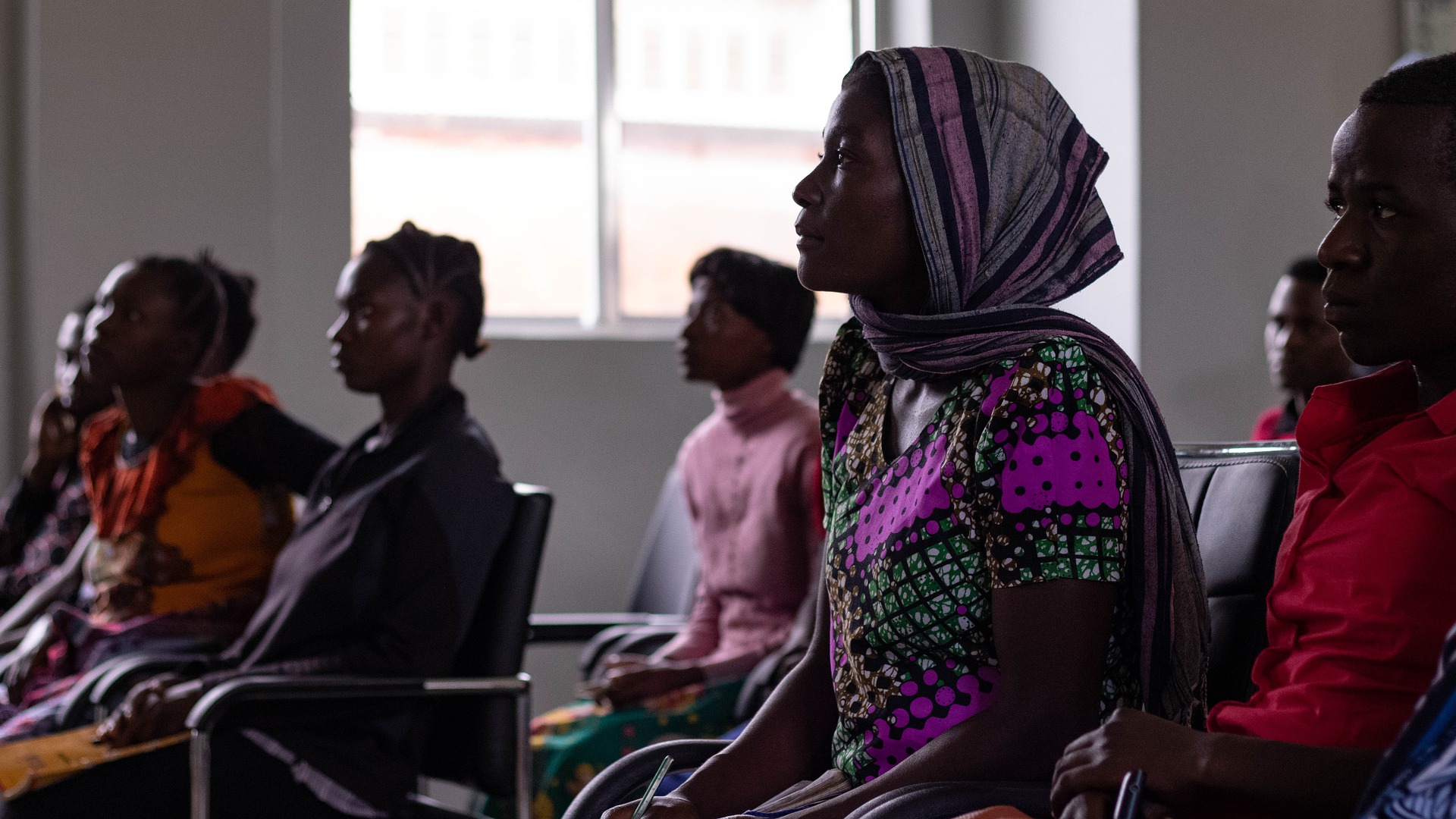
Language played a pivotal role in the artistic and cultural expressions of ancient Rome. Latin, the official language of the empire, dominated written and spoken communication, but other languages and dialects also found their place in the city’s diverse artistic landscape.
Artistic Expression
Roman art often reflected the city’s linguistic diversity. Mosaics, frescoes, and sculptures incorporated inscriptions in Latin, Greek, and local Italic languages. The use of multiple languages showcased the cosmopolitan nature of Rome and the influence of different cultures on its artistic production.
Literary Masterpieces
Literature was a key medium for showcasing the linguistic richness of Rome. The works of Virgil, Cicero, and Horace, written in elegant Latin, became cornerstones of Roman literature and continue to be studied and admired today. These works not only conveyed stories and ideas but also demonstrated the mastery of the Latin language.
Music and Theater
Music and theater also embraced linguistic diversity. While Latin was the primary language of official performances, Greek and local Italic dialects were often used in popular songs and plays. This reflected the multilingual nature of Roman society and the influence of different cultural traditions on its artistic expressions.
Identity and Empire
Language was closely tied to identity in Roman culture. The use of Latin as the official language helped to unify the vast empire and create a sense of shared identity among its citizens. At the same time, the preservation of local languages and dialects allowed for the expression of regional and cultural diversity within the Roman world.
Essay: Language and the Roman Empire
The role of language in Roman art and culture was multifaceted. It served as a means of communication, a tool for artistic expression, and a symbol of identity. The linguistic diversity of Rome reflected the city’s cosmopolitan nature and the influence of different cultures on its development.
Language played a crucial role in shaping the cultural identity of the Roman Empire and continues to be an important aspect of its legacy today.
– Describe the importance of language in the tourism industry in Rome.
Rome, with its rich history, captivating culture, and iconic landmarks, attracts millions of tourists annually. Language plays a pivotal role in enhancing the overall visitor experience, fostering meaningful connections, and maximizing the economic benefits of tourism.
Effective communication is essential for tourists to navigate the city, explore its attractions, and interact with locals. Language barriers can create challenges and limit the enjoyment and understanding of Rome’s cultural heritage.
Multilingual Services and Communication for Visitors
To cater to the diverse needs of international visitors, multilingual services are crucial:
- Signage:Clear and multilingual signage at key locations, such as transportation hubs, tourist attractions, and public spaces, provides essential guidance and information.
- Brochures and Maps:Printed materials, including brochures and maps, should be available in multiple languages to assist tourists in planning their itinerary and discovering hidden gems.
- Tour Guides:Multilingual tour guides bridge the language gap, offering insights into Rome’s history, culture, and traditions, enriching the visitor experience.
- Restaurant Menus:Tourists should be able to make informed dining choices by having access to multilingual menus that accurately describe dishes and ingredients.
Language-Based Tourism Initiatives or Programs
Innovative initiatives enhance language accessibility for tourists:
- Language Learning Apps or Classes:Designed specifically for tourists, these resources provide a convenient way to learn basic Italian phrases and improve communication.
- Multilingual City Guides:Mobile applications or websites offer comprehensive guides to Rome in multiple languages, providing real-time information and translations.
- Translation Services for Tourists:On-demand translation services, available through apps or websites, facilitate instant communication and overcome language barriers.
Economic and Cultural Benefits of Language Accessibility
Language accessibility has significant economic and cultural benefits:
- Increased Tourism Revenue:By removing language barriers, tourists are more likely to visit and spend more in Rome, contributing to the local economy.
- Enhanced Visitor Experience:Clear communication allows tourists to fully appreciate Rome’s cultural heritage, leading to increased satisfaction and positive word-of-mouth.
- Cultural Exchange:Multilingual services facilitate interactions between tourists and locals, fostering cultural exchange and understanding.
Language and Technology
Technology is having a profound impact on language use in Rome. Social media, translation apps, and other tools are making it easier than ever for people to communicate with each other across borders and cultures. This is leading to a number of changes in the way that language is used in Rome.
Social Media
Social media is one of the most important factors driving change in language use in Rome. Platforms like Facebook, Twitter, and Instagram allow people to connect with each other from all over the world. This is leading to a greater exposure to different languages and cultures, which is in turn influencing the way that people in Rome use language.For example, a recent study by the University of Rome found that the use of English words and phrases has increased significantly on social media in Rome in recent years.
This is likely due to the fact that English is the lingua franca of the internet, and many people in Rome use social media to connect with people from other countries.
Translation Apps
Translation apps are another important factor driving change in language use in Rome. These apps make it easy for people to translate text and speech from one language to another. This is making it easier for people in Rome to communicate with people from other countries who do not speak Italian.For example, a recent study by the Polytechnic University of Milan found that the use of translation apps has increased significantly in Rome in recent years.
This is likely due to the fact that more and more people in Rome are traveling to other countries for business and leisure.
Other Tools
In addition to social media and translation apps, there are a number of other tools that are making it easier for people in Rome to communicate with each other. These tools include:* Speech recognition software
- Machine translation software
- Language learning apps
These tools are making it easier for people in Rome to communicate with each other in a variety of ways. For example, speech recognition software can be used to transcribe spoken text into written text, which can then be translated into another language using machine translation software.
Language learning apps can be used to help people learn new languages, which can make it easier for them to communicate with people from other countries.
Discuss the role of language in constructing social and cultural norms.: What Language Do They Speak In Rome

Language plays a fundamental role in constructing and perpetuating social and cultural norms by providing a framework for understanding and interpreting the world. It shapes our perceptions of reality, influences our values and beliefs, and guides our interactions with others.
Through language, we learn about the expectations and conventions of our society, and we internalize the rules that govern our behavior.
Language and Socialization
Language is a primary means through which individuals are socialized into their culture. From a young age, we learn the language of our parents and community, which transmits cultural values, beliefs, and norms. Through language, we acquire the knowledge and skills necessary to participate in society and to understand our place within it.
Language and the Future of Rome
The future of language in Rome is a topic of great interest and speculation. As the city continues to grow and change, so too will its linguistic landscape. This section explores potential trends and challenges related to language use and diversity in Rome, and provides recommendations for preserving and promoting the city’s linguistic heritage.
Potential Trends
- Increased globalization and immigration will continue to bring new languages and cultures to Rome.
- The use of English as a lingua franca is likely to continue to grow.
- Technology will play an increasingly important role in language learning and communication.
Challenges
- Preserving the city’s traditional dialects and languages in the face of globalization.
- Ensuring that all residents have access to language education and resources.
- Addressing the needs of non-native speakers who live and work in Rome.
Recommendations
- Invest in language education and literacy programs for all residents.
- Support the preservation and promotion of traditional dialects and languages.
- Create welcoming and inclusive language policies that support non-native speakers.
Create an infographic using HTML table tags to illustrate the distribution of languages spoken in Rome by neighborhood or district
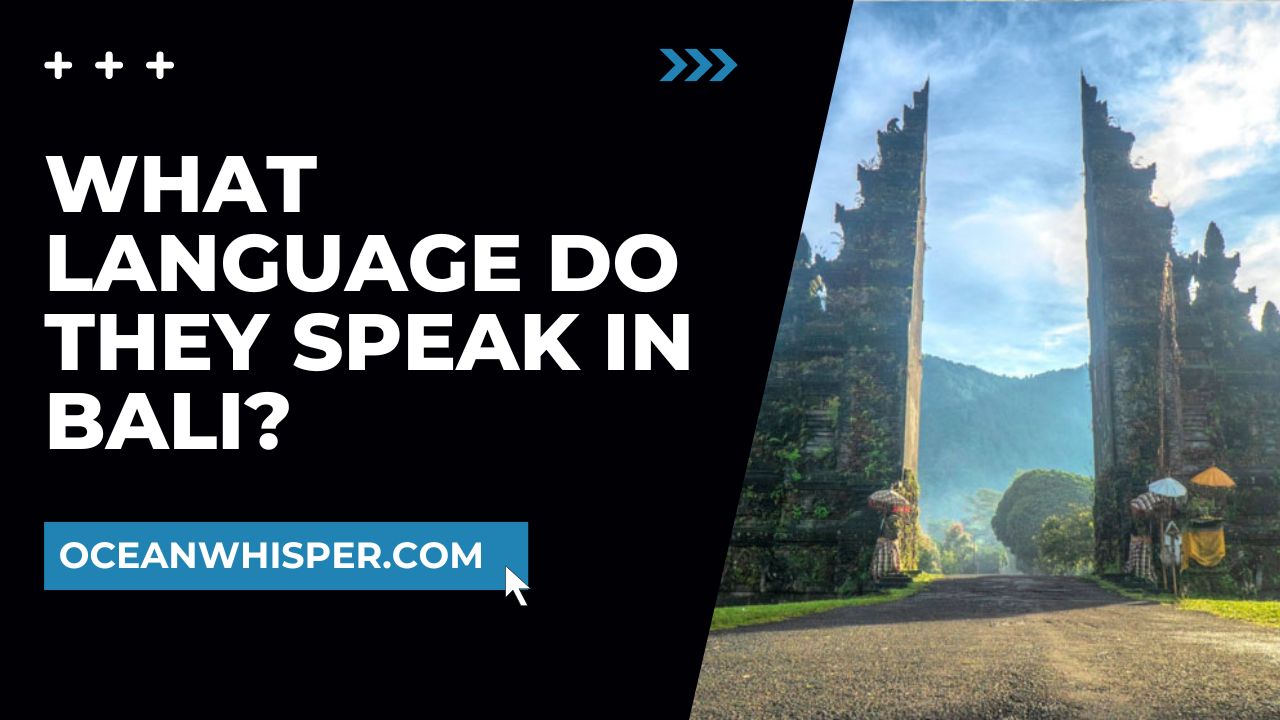
To provide a visual representation of the distribution of languages spoken in Rome by neighborhood or district, an infographic using HTML table tags can be created. This infographic will use a color scheme to visually represent the different languages spoken in each area and include a legend that explains the color scheme.
The data will be organized in a logical way, such as by neighborhood or district, and descriptive column headings will be used to identify the different languages spoken in each area. The infographic will have a clear and concise font that is easy to read and will have a title that is both informative and engaging.
Neighborhoods
| Neighborhood | Primary Language | Secondary Language | Tertiary Language |
|---|---|---|---|
| Centro Storico | Italian | English | Spanish |
| Trastevere | Italian | Spanish | English |
| Monti | Italian | English | French |
| Esquilino | Italian | Romani | English |
| San Lorenzo | Italian | English | Spanish |
| Prati | Italian | English | French |
| Borgo | Italian | Spanish | English |
| Gianicolo | Italian | English | Spanish |
| Aventino | Italian | English | French |
| Ostiense | Italian | English | Spanish |
Legend:
- Italian: Blue
- English: Red
- Spanish: Green
- Romani: Yellow
- French: Purple
Design a language learning curriculum for foreigners moving to Rome, outlining the steps and resources needed to achieve fluency.
Rome, the Eternal City, welcomes foreigners from around the globe, inviting them to immerse themselves in its rich culture and vibrant streets. For those making Rome their new home, learning Italian becomes essential for seamless integration into the local community.
This curriculum is meticulously designed to guide foreigners through a comprehensive language learning journey, empowering them to achieve fluency and embrace the true essence of Roman life.
Step 1: Foundation Building
Laying a solid foundation is paramount. Beginners will embark on a journey to grasp the fundamentals of Italian grammar, pronunciation, and vocabulary. Interactive classes, engaging textbooks, and language exchange opportunities will pave the way for a strong foundation upon which to build fluency.
Step 2: Conversational Skills Development
Moving beyond grammar drills, learners will delve into conversational practice, honing their ability to communicate effectively in real-life situations. Role-playing exercises, group discussions, and one-on-one tutoring sessions will provide ample opportunities to practice speaking, listening, and understanding the nuances of Italian conversation.
Step 3: Cultural Immersion
To truly master Italian, one must embrace the culture that surrounds it. This curriculum incorporates cultural immersion experiences, such as guided tours of historical landmarks, visits to local markets, and participation in traditional festivals. Through these immersive experiences, learners will gain a deeper understanding of Italian customs, traditions, and the local way of life.
In Rome, Italian is the official language spoken by the majority of the population. However, due to the city’s diverse cultural heritage, other languages such as English, French, and Spanish are also widely understood and spoken. For those who are deaf or hard of hearing, sign language is an essential means of communication, and there are numerous resources available for learning do in sign language.
Returning to the topic of spoken languages in Rome, it’s worth noting that the city has a rich history of linguistic diversity, with influences from Latin, Greek, and other languages.
Step 4: Advanced Language Proficiency
For those seeking advanced proficiency, the curriculum offers specialized courses tailored to specific needs. Whether it’s business Italian, legal terminology, or art history, learners can refine their language skills in areas relevant to their professional or personal interests. Additionally, advanced learners will have access to authentic Italian literature, films, and media to enhance their comprehension and fluency.
Resources for Language Learning
- Language Schools: Rome offers a wide range of language schools catering to foreigners, providing structured courses and personalized learning plans.
- Language Exchange Programs: Connecting with native Italian speakers through language exchange programs is an excellent way to practice conversation and gain cultural insights.
- Online Resources: Numerous online platforms and apps offer interactive lessons, grammar exercises, and pronunciation guides, providing flexibility and convenience for learners.
- Immersive Experiences: Surrounding oneself with Italian speakers, whether through social gatherings, attending local events, or volunteering in the community, is an invaluable tool for language acquisition.
Organize a list of language-based events happening in Rome within the next month, including workshops, readings, and exhibitions.
Rome is a vibrant and cosmopolitan city with a rich linguistic heritage. In addition to Italian, the official language, Rome is home to a diverse range of languages spoken by its residents and visitors. To cater to this linguistic diversity, the city offers a variety of language-based events throughout the year, including workshops, readings, and exhibitions.
Upcoming Language-Based Events in Rome
- Italian Language Workshop for Beginners: This workshop is designed for those who have little or no prior knowledge of Italian. It will cover the basics of Italian grammar, vocabulary, and pronunciation.
- Spanish Language Reading Group: This group meets weekly to discuss Spanish-language literature. The group is open to all levels of Spanish speakers.
- Exhibition on the History of the Italian Language: This exhibition explores the history of the Italian language from its origins to the present day. It features a variety of artifacts, including manuscripts, books, and audio recordings.
Create a set of language-themed postcards featuring iconic Roman landmarks and phrases in different languages.
Rome is a city with a rich linguistic history, and its landmarks are a testament to the many languages that have been spoken here over the centuries. From the Latin inscriptions on ancient monuments to the multilingual street signs of today, Rome’s landmarks are a reminder of the city’s cosmopolitan past and present.A set of language-themed postcards featuring iconic Roman landmarks and phrases in different languages would be a unique and educational way to celebrate the city’s linguistic diversity.
Such postcards could feature images of famous landmarks like the Colosseum, the Trevi Fountain, and the Spanish Steps, each with a phrase in a different language that is associated with the landmark.
Potential Phrases
The phrases could be simple greetings, famous quotes, or historical anecdotes. For example, the postcard featuring the Colosseum could have the Latin phrase “Ave Caesar, morituri te salutant” (“Hail Caesar, those who are about to die salute you”), while the postcard featuring the Trevi Fountain could have the Italian phrase “Butta una monetina e torna a Roma” (“Throw a coin and return to Rome”).
Educational Value
Such postcards would not only be a beautiful souvenir but also an educational tool. They could help people learn new languages, appreciate the diversity of cultures, and understand the history of Rome.
Tourist Appeal, What language do they speak in rome
A set of language-themed postcards would also be a popular tourist item. Visitors to Rome would be able to send postcards to friends and family back home, sharing their experiences in the city and learning a new language at the same time.
Clarifying Questions
What is the official language of Rome?
Italian
What dialects are spoken in Rome?
Romanesco, Trasteverino, and Giudaico-Romanesco
What was the historical language of Rome?
Latin
How has immigration influenced the linguistic landscape of Rome?
Immigration has brought a diverse range of languages to Rome, including Arabic, Romanian, and Chinese
What is the role of language in Roman art and culture?
Language plays a vital role in Roman art and culture, with Latin and Italian being the primary languages used in literature, art, and music
