What are the languages of Africa? This question opens up a fascinating journey into the linguistic diversity and richness of the African continent. With over 2,000 languages spoken across its vast landscapes, Africa is a linguistic mosaic that reflects the continent’s cultural and historical tapestry.
From the vibrant tones of Swahili to the melodic clicks of Khoisan languages, each language in Africa tells a story of its people, their traditions, and their connection to the land. This presentation will delve into the intricate world of African languages, exploring their distribution, families, official status, and the challenges and opportunities they face in the 21st century.
Languages Spoken in Africa
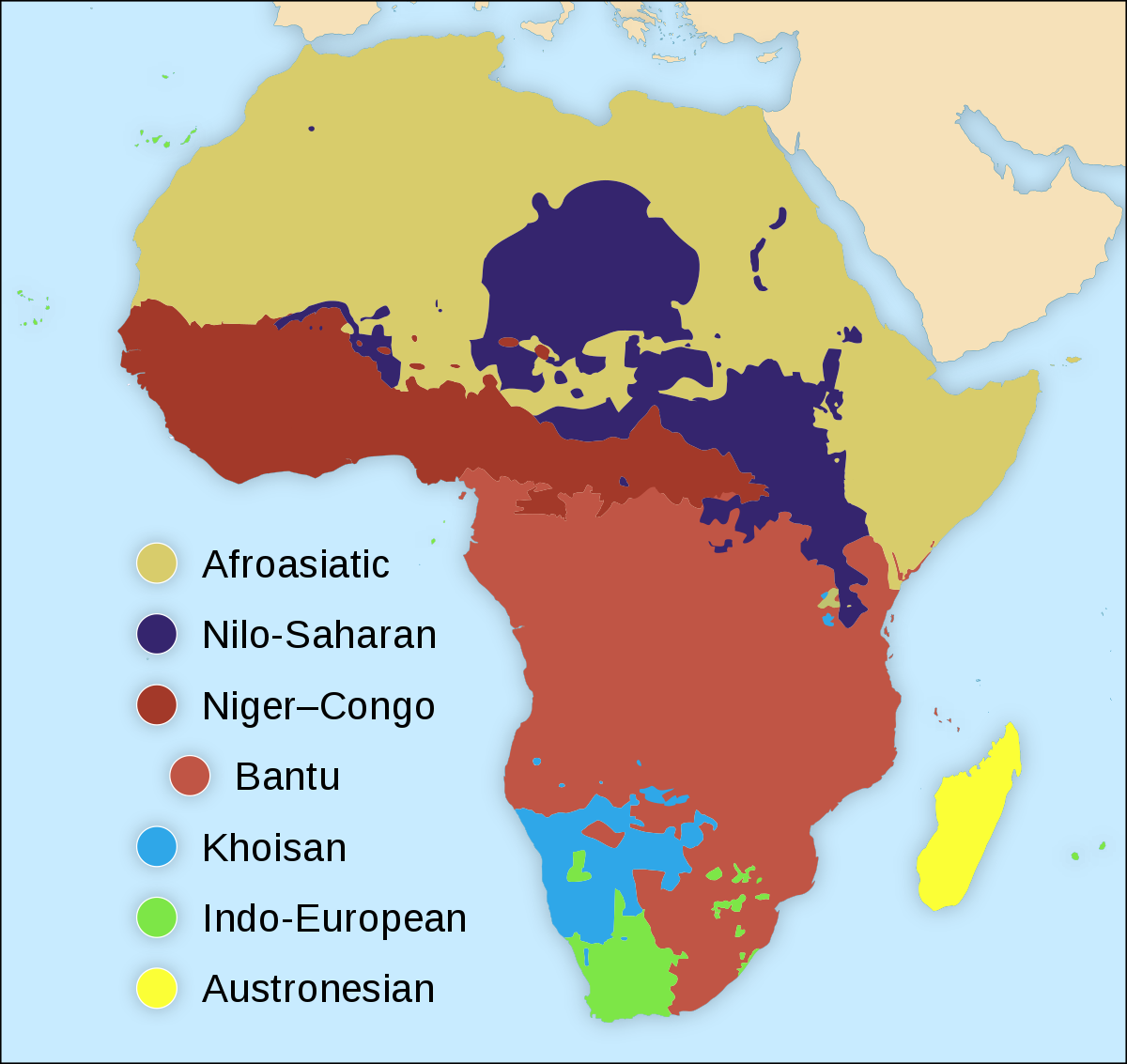
Africa is a vast and diverse continent with a rich linguistic heritage. Over 2,000 languages are spoken across the continent, belonging to various language families and reflecting the cultural and historical diversity of the region.
The languages of Africa can be broadly classified into four major language families:
- Niger-Congo
- Afro-Asiatic
- Nilo-Saharan
- Khoisan
Within these families, there are numerous sub-families and individual languages, each with its unique characteristics and history.
Niger-Congo Languages
The Niger-Congo language family is the largest in Africa, with over 1,500 languages spoken across the continent. It is primarily found in sub-Saharan Africa, from the Atlantic coast to the Indian Ocean.
Some of the major Niger-Congo languages include:
- Swahili
- Hausa
- Yoruba
- Igbo
- Zulu
- Shona
Afro-Asiatic Languages
The Afro-Asiatic language family is spoken in North Africa, the Horn of Africa, and parts of West Africa. It includes:
- Arabic
- Berber
- Cushitic languages (e.g., Somali, Oromo)
- Semitic languages (e.g., Hebrew, Amharic)
Nilo-Saharan Languages
The Nilo-Saharan language family is spoken in eastern and central Africa, including Sudan, Chad, and Ethiopia.
Some of the major Nilo-Saharan languages include:
- Nuer
- Dinka
- Masai
- Kanuri
Khoisan Languages
The Khoisan language family is spoken in southern Africa, primarily in Namibia, Botswana, and South Africa.
Khoisan languages are known for their unique click consonants, which are not found in any other language family.
Some of the major Khoisan languages include:
- Nama
- Sandawe
- Hadza
Distribution of African Languages
The African continent is a linguistic mosaic, with over 2,000 languages spoken across its diverse regions. The geographical distribution of these languages is influenced by a complex interplay of historical, geographical, and socio-cultural factors.
Historical Factors
Historical events, such as migrations and trade routes, have significantly shaped the distribution of African languages. For example, the Bantu migrations from Central Africa between 3,000 and 1,500 years ago resulted in the spread of Bantu languages across much of sub-Saharan Africa.
Similarly, the expansion of Islam in North Africa brought Arabic to the region.
Geographical Factors
Geographical features, such as mountain ranges and rivers, can act as barriers to language dispersal. For instance, the Sahara Desert has historically separated the Berber languages of North Africa from the Niger-Congo languages of sub-Saharan Africa. Similarly, the Congo Basin has served as a linguistic barrier, with the Bantu languages of the rainforest differing from the Nilo-Saharan languages of the surrounding savanna.
Socio-cultural Factors
Socio-cultural factors, such as political boundaries and ethnic groups, can also influence language distribution. Political boundaries can divide speakers of the same language, while ethnic groups often have their own distinct languages. For example, the Hausa language is spoken in both Nigeria and Niger, while the Swahili language is used as a lingua franca in several East African countries.
Major Language Families
The major language families of Africa include:
- Niger-Congo (sub-Saharan Africa)
- Afro-Asiatic (North Africa and the Horn of Africa)
- Nilo-Saharan (East Africa)
- Khoisan (Southern Africa)
Implications for Communication, Education, and Cultural Preservation
The diversity of African languages has implications for communication, education, and cultural preservation. Communication across language barriers can be challenging, and education often requires the use of multiple languages. However, language diversity also contributes to the rich cultural heritage of Africa and is essential for the preservation of indigenous knowledge and traditions.
Language Families of Africa
The languages of Africa belong to various language families, each with its own unique characteristics and distribution. The three major language families found in Africa are Afro-Asiatic, Niger-Congo, and Khoisan.
The Afro-Asiatic family is widely distributed across North Africa and the Horn of Africa, and includes languages such as Arabic, Berber, and Somali. The Niger-Congo family is the largest and most diverse language family in Africa, and is spoken in sub-Saharan Africa.
It includes languages such as Swahili, Yoruba, and Zulu. The Khoisan family is a small language family spoken in southern Africa, and includes languages such as Khoekhoe and Taa.
Afro-Asiatic Family
The Afro-Asiatic family is one of the largest language families in the world, with over 300 million speakers. It is spoken in a wide range of countries in North Africa, the Horn of Africa, and Southwest Asia. The Afro-Asiatic family is divided into several branches, including the Berber, Cushitic, Semitic, and Chadic branches.
- The Berber branch is spoken in North Africa, and includes languages such as Tamazight and Kabyle.
- The Cushitic branch is spoken in the Horn of Africa, and includes languages such as Somali and Oromo.
- The Semitic branch is spoken in the Middle East and North Africa, and includes languages such as Arabic and Hebrew.
- The Chadic branch is spoken in Central Africa, and includes languages such as Hausa and Kanuri.
Niger-Congo Family
The Niger-Congo family is the largest and most diverse language family in Africa, with over 1,500 languages spoken by over 700 million people. It is spoken in a wide range of countries in sub-Saharan Africa. The Niger-Congo family is divided into several branches, including the Atlantic, Mande, Kwa, Benue-Congo, and Bantu branches.
- The Atlantic branch is spoken in West Africa, and includes languages such as Wolof and Fulani.
- The Mande branch is spoken in West Africa, and includes languages such as Bambara and Malinke.
- The Kwa branch is spoken in West Africa, and includes languages such as Akan and Igbo.
- The Benue-Congo branch is spoken in Central and Southern Africa, and includes languages such as Yoruba and Swahili.
- The Bantu branch is spoken in Southern Africa, and includes languages such as Zulu and Xhosa.
Khoisan Family
The Khoisan family is a small language family spoken in southern Africa. It is divided into two branches, the Khoe and Taa branches.
- The Khoe branch is spoken in Namibia and Botswana, and includes languages such as Khoekhoe and Nama.
- The Taa branch is spoken in Namibia and Angola, and includes languages such as Taa and !Xun.
Official Languages of African Countries
The selection of official languages in African countries has been influenced by a complex interplay of historical and political factors. These include the legacy of colonialism, the need for national unity, and the recognition of cultural diversity.
During the colonial period, European languages were often imposed as the official languages of African colonies. This was done to facilitate communication between the colonial authorities and the local population, and to promote the spread of European culture and values.
In some cases, the colonial language became the sole official language, while in others, it was used alongside local languages.
After independence, many African countries chose to retain the colonial language as their official language. This was seen as a way to maintain continuity with the past and to avoid linguistic fragmentation. However, there was also a growing movement to promote the use of local languages as official languages.
This was seen as a way to assert national identity and to promote cultural diversity.
The debate over official languages in Africa is ongoing. Some countries have adopted a multilingual approach, with several official languages representing different linguistic groups. Others have chosen to have a single official language, often the language of the majority population.
The choice of official languages is a complex and sensitive issue that reflects the historical, political, and cultural diversity of Africa.
List of Official Languages
The following is a list of the official languages of African countries, along with the historical and political factors that influenced their selection:
- Algeria: Arabic (official), Berber (co-official)
- Angola: Portuguese (official)
- Benin: French (official)
- Botswana: English (official)
- Burundi: French (official), Kirundi (official)
- Cabo Verde: Portuguese (official)
- Cameroon: French (official), English (official)
- Central African Republic: French (official)
- Chad: French (official), Arabic (official)
- Comoros: Arabic (official), French (official)
- Congo: French (official)
- Democratic Republic of the Congo: French (official)
- Côte d’Ivoire: French (official)
- Djibouti: Arabic (official), French (official)
- Egypt: Arabic (official)
- Equatorial Guinea: Spanish (official), French (official)
- Eritrea: Tigrinya (official), Arabic (official), English (working language)
- Eswatini: English (official), Swati (official)
- Ethiopia: Amharic (official)
- Gabon: French (official)
- Gambia: English (official)
- Ghana: English (official)
- Guinea: French (official)
- Guinea-Bissau: Portuguese (official)
- Kenya: English (official), Swahili (official)
- Lesotho: English (official), Sesotho (official)
- Liberia: English (official)
- Libya: Arabic (official)
- Madagascar: French (official), Malagasy (official)
- Malawi: English (official), Chichewa (official)
- Mali: French (official)
- Mauritania: Arabic (official), French (official)
- Mauritius: English (official), French (official), Creole (official)
- Morocco: Arabic (official), Berber (official)
- Mozambique: Portuguese (official)
- Namibia: English (official)
- Niger: French (official)
- Nigeria: English (official)
- Rwanda: French (official), Kinyarwanda (official), English (official)
- São Tomé and Príncipe: Portuguese (official)
- Senegal: French (official)
- Seychelles: English (official), French (official), Creole (official)
- Sierra Leone: English (official)
- Somalia: Somali (official), Arabic (official)
- South Africa: English (official), Afrikaans (official), Zulu (official), Xhosa (official), Ndebele (official), Sesotho (official), Swati (official), Tswana (official), Venda (official)
- South Sudan: English (official)
- Sudan: Arabic (official), English (official)
- Tanzania: Swahili (official), English (official)
- Togo: French (official)
- Tunisia: Arabic (official), French (official)
- Uganda: English (official), Swahili (official)
- Zambia: English (official)
- Zimbabwe: English (official), Shona (official), Ndebele (official)
li> Burkina Faso: French (official)
Indigenous Languages of Africa
Indigenous African languages hold immense cultural, historical, and linguistic significance for the continent. They represent the rich diversity of African cultures and embody the unique perspectives and knowledge systems of its people. Preserving and revitalizing these languages is crucial for maintaining cultural heritage, fostering inclusivity, and ensuring sustainable development.
However, indigenous African languages face numerous challenges, including:
- Globalization and Westernization:The spread of globalized media and technologies often marginalizes local languages, leading to their decline.
- Education Systems:Many African education systems prioritize colonial languages over indigenous languages, resulting in a loss of fluency among younger generations.
- Economic Factors:Lack of economic incentives and opportunities for speakers of indigenous languages can contribute to their erosion.
To address these challenges, various initiatives have emerged to protect and revitalize indigenous African languages:
Government Policies
Many African governments have adopted policies to support indigenous languages in education, media, and public administration. For example, South Africa recognizes 11 official languages, including several indigenous languages.
Community-Based Initiatives
Grassroots organizations and community groups are actively involved in promoting indigenous languages through language classes, cultural events, and advocacy campaigns.
Technology and Digitalization
Digital technologies offer new opportunities for preserving and revitalizing indigenous languages. Online platforms, language apps, and digital archives help document and disseminate these languages.
Preserving and revitalizing indigenous African languages is essential for:
- Cultural Preservation:Protecting indigenous languages safeguards the cultural heritage and identity of African communities.
- Inclusivity and Empowerment:Recognizing and promoting indigenous languages empowers speakers and ensures their voices are heard in public discourse.
- Sustainable Development:Indigenous languages hold valuable knowledge and perspectives that can contribute to sustainable development and environmental conservation.
Language and Culture in Africa
In Africa, language and culture are intertwined, with languages serving as mirrors of the cultural values, beliefs, and traditions of the communities that speak them. Language reflects the unique worldview and experiences of each culture, shaping how people perceive and interact with the world around them.
African languages are rich in proverbs, idioms, and metaphors that convey cultural wisdom and values. They often embody the history, social norms, and spiritual beliefs of the communities that use them. For example, the Bantu languages of Central and Southern Africa have a concept known as “ubuntu,” which emphasizes interconnectedness and community.
This concept is reflected in the language through the use of inclusive pronouns and the emphasis on collective responsibility.
The continent of Africa is home to a vast array of languages, reflecting its rich cultural diversity. From the Bantu languages of Sub-Saharan Africa to the Afro-Asiatic languages of North Africa, the linguistic landscape of Africa is incredibly varied. In contrast, Argentina, a nation located in South America, has a much more limited linguistic diversity.
The official and most widely spoken language in Argentina is Spanish, a legacy of its colonial past. While there are some indigenous languages spoken in Argentina, they are relatively minor compared to the dominance of Spanish.
Cultural Transmission and Preservation
Languages play a vital role in transmitting culture from one generation to the next. Oral traditions, such as storytelling, poetry, and songs, are passed down through language, ensuring the preservation of cultural heritage. These traditions often contain valuable historical information, moral lessons, and cultural practices that would otherwise be lost.
In many African cultures, language is closely tied to identity. The ability to speak a particular language is often seen as a sign of belonging to a specific community or ethnic group. This is especially true for indigenous languages, which are often spoken by marginalized or minority groups and serve as a symbol of their cultural identity.
Language and Social Cohesion
Language also plays a crucial role in maintaining social cohesion within African communities. It facilitates communication, cooperation, and the exchange of ideas. Shared language creates a sense of unity and belonging, allowing individuals to connect with others who share their cultural background.
In multilingual societies, language can also be a source of conflict and division. However, in many African countries, there is a growing recognition of the importance of promoting linguistic diversity and fostering mutual respect among different language communities.
Language Policy in Africa: What Are The Languages Of Africa
Language policy in Africa is a complex and multifaceted issue. The continent is home to over 2,000 languages, and many countries have multiple official languages. This linguistic diversity has been a source of both strength and tension, as governments have sought to promote national unity while also respecting the rights of minority language speakers.
One of the most important goals of language policy in Africa is to promote multilingualism. This means encouraging people to learn and use multiple languages, both their own native language and one or more other languages. Multilingualism has a number of benefits, including increased economic opportunities, improved educational outcomes, and greater social cohesion.
Education in Local Languages
Another important goal of language policy in Africa is to promote education in local languages. This means using local languages as the medium of instruction in schools, at least in the early grades. Education in local languages has been shown to improve student learning outcomes, particularly in literacy and numeracy.
Role of Language in National Identity
Language also plays an important role in national identity. For many Africans, their native language is a source of pride and a symbol of their cultural heritage. Governments have recognized this, and many have adopted policies that promote the use of local languages in the media, government, and other public spheres.
– Discuss the different types of language contact and borrowing that have occurred in Africa, including lexical borrowing, grammatical borrowing, and phonological borrowing.
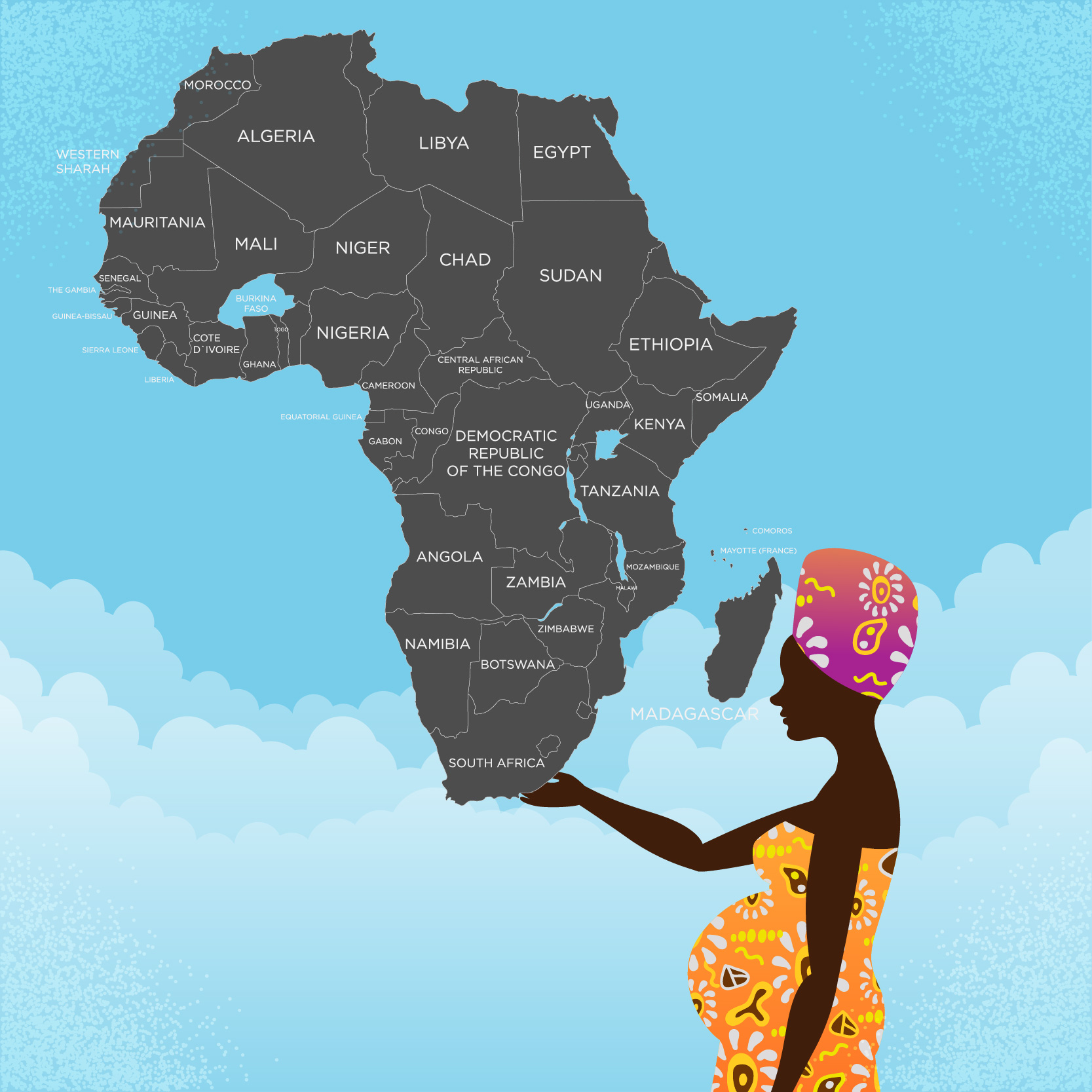
Language contact and borrowing are common phenomena in Africa, due to the continent’s long history of trade, migration, and colonialism. These processes have had a significant impact on the development of African languages, leading to the adoption of new words, grammatical structures, and phonological features from other languages.
Lexical Borrowing
Lexical borrowing is the most common type of language contact and borrowing, and it involves the adoption of words from one language into another. In Africa, lexical borrowing has occurred between a wide range of languages, including indigenous African languages, European languages, and Arabic.
For example, the Swahili language has borrowed many words from Arabic, such as “kitabu” (book) and “shukrani” (thank you). Similarly, many African languages have borrowed words from English, such as “computer” and “television”.
Grammatical Borrowing
Grammatical borrowing is less common than lexical borrowing, but it can also have a significant impact on the development of a language. Grammatical borrowing involves the adoption of grammatical structures from one language into another. For example, the Bantu languages of southern Africa have borrowed the passive voice from the Khoisan languages.
Similarly, the Hausa language of West Africa has borrowed the future tense from Arabic.
Phonological Borrowing
Phonological borrowing is the least common type of language contact and borrowing, and it involves the adoption of phonological features from one language into another. For example, the Yoruba language of West Africa has borrowed the rounded vowel /ɔ/ from the Igbo language.
Similarly, the Amharic language of Ethiopia has borrowed the glottal stop from the Cushitic languages.
Pidgins and Creoles in Africa

Pidgins and creoles play a significant role in African communication, serving as lingua francas in various contexts and facilitating interaction among diverse linguistic communities.
Pidgins emerge as simplified languages that develop in situations of contact between people who do not share a common language. They typically have a limited vocabulary and grammar, and their use is often restricted to specific domains, such as trade or commerce.
Over time, pidgins can evolve into creoles, which are fully developed languages with their own grammar and vocabulary, often used as native languages by subsequent generations.
Origins and Development, What are the languages of africa
Pidgins and creoles in Africa have diverse origins, reflecting the continent’s complex history of trade, colonialism, and migration. Many pidgins emerged during the era of European colonialism, as a means of communication between colonizers and local populations. Others developed in multilingual trading centers, where merchants from different linguistic backgrounds needed a common language to facilitate business transactions.
Use in Various Contexts
Pidgins and creoles are used in a wide range of contexts in Africa, including:
- Trade and commerce:Pidgins and creoles are widely used in markets and trading centers, enabling communication between buyers and sellers from different linguistic backgrounds.
- Education:In some African countries, pidgins and creoles are used as mediums of instruction in primary education, particularly in areas where there is linguistic diversity.
- Government:Pidgins and creoles are sometimes used in government communications and public announcements, especially in multilingual countries where they serve as lingua francas.
- Media:Pidgins and creoles are increasingly used in the media, including radio and television broadcasts, to reach a wider audience.
Specific Examples
Some of the most widely spoken pidgins and creoles in Africa include:
- Swahili:A Bantu-based creole spoken in East Africa, used as a lingua franca in several countries, including Tanzania, Kenya, and Uganda.
- Hausa:A West African pidgin based on the Hausa language, used as a lingua franca in Nigeria, Ghana, and other countries in the region.
- Krio:A creole spoken in Sierra Leone, based on English and various African languages.
- Tok Pisin:A creole spoken in Papua New Guinea, based on English and various Papuan languages.
Sociolinguistic Factors
The development and use of pidgins and creoles in Africa have been influenced by various sociolinguistic factors, including:
- Language contact:The presence of multiple languages in Africa has facilitated the emergence of pidgins and creoles as lingua francas.
- Trade and migration:The movement of people and goods across Africa has contributed to the spread of pidgins and creoles.
- Colonialism:The imposition of European languages during the colonial period influenced the development of some pidgins and creoles.
Challenges and Opportunities
The use of pidgins and creoles in Africa presents both challenges and opportunities:
- Challenges:Pidgins and creoles can sometimes be stigmatized as “inferior” languages, which can hinder their acceptance and use in certain contexts.
- Opportunities:Pidgins and creoles can promote communication and understanding among diverse linguistic communities, and can contribute to the preservation of African languages and cultures.
Sign Languages in Africa
Sign languages are visual languages that use gestures, facial expressions, and body movements to communicate. They are used by deaf people and those with hearing impairments around the world. Africa is home to a diverse range of sign languages, each with its unique history, structure, and vocabulary.
Diversity of Sign Languages in Africa
There are over 30 recognized sign languages in Africa, with many more unrecognised or undocumented. The most widely used sign language in Africa is American Sign Language (ASL), which is used in many countries in southern and eastern Africa. Other common sign languages include French Sign Language (LSF), British Sign Language (BSL), and South African Sign Language (SASL).
The diversity of sign languages in Africa reflects the continent’s rich cultural and linguistic diversity. Each sign language has its own unique set of gestures and vocabulary, which have evolved over time to meet the communication needs of the deaf community in that particular region.
Recognition and Importance of Sign Languages
Sign languages are essential for deaf people to communicate, access information, and participate fully in society. However, the recognition and use of sign languages in Africa varies widely from country to country.
In some countries, sign languages are officially recognized and supported by the government. For example, South Africa has a national sign language policy that promotes the use of SASL in education, employment, and healthcare. In other countries, sign languages are not officially recognized and deaf people face significant barriers to communication and access to services.
Challenges Faced by Deaf People in Africa
Deaf people in Africa face a number of challenges, including:
- Access to education:Deaf children often have difficulty accessing education because there is a shortage of qualified sign language interpreters and teachers who are trained in deaf education.
- Access to employment:Deaf adults often face discrimination in employment because of their communication difficulties.
- Access to healthcare:Deaf people often have difficulty accessing healthcare because there is a lack of sign language interpreters in hospitals and clinics.
Role of Sign Language Interpreters
Sign language interpreters play a vital role in promoting the rights of deaf people in Africa. They provide communication access for deaf people in a variety of settings, including education, employment, healthcare, and legal proceedings.
Sign language interpreters are essential for ensuring that deaf people can fully participate in society. They help to break down communication barriers and promote the inclusion of deaf people in all aspects of life.
Recommendations for Improving the Recognition and Use of Sign Languages in Africa
There are a number of things that can be done to improve the recognition and use of sign languages in Africa, including:
- Official recognition:Governments should officially recognize sign languages and provide support for their use in education, employment, and healthcare.
- Training of sign language interpreters:Governments and organizations should invest in the training of qualified sign language interpreters.
- Public awareness:Public awareness campaigns should be conducted to educate the public about sign languages and the importance of communication access for deaf people.
Conclusion
Sign languages are essential for deaf people to communicate, access information, and participate fully in society. However, the recognition and use of sign languages in Africa varies widely from country to country. There is a need for increased recognition and support for sign languages in Africa in order to ensure that deaf people can fully participate in all aspects of life.
Language Technology in Africa
Africa is a linguistically diverse continent, with over 2,000 languages spoken. This diversity presents challenges for communication, education, and economic development. Language technology has the potential to address these challenges by providing tools for language learning, translation, and speech recognition.
The development of language technology for African languages is a relatively recent phenomenon. However, there has been significant progress in recent years. A number of language learning apps have been developed, such as Duolingo, Babbel, and Rosetta Stone. These apps offer courses in a variety of African languages, including Swahili, Zulu, and Hausa.
Translation Tools
Translation tools are another important area of language technology. These tools can help to break down language barriers and facilitate communication between people who speak different languages. A number of translation tools have been developed for African languages, including Google Translate, Microsoft Translator, and Apertium.
These tools can translate text and speech between a variety of African languages and English.
Speech Recognition Systems
Speech recognition systems are also being developed for African languages. These systems allow users to control devices and applications using their voice. A number of speech recognition systems have been developed for African languages, including Kaldi, CMU Sphinx, and Google Speech API.
These systems can recognize speech in a variety of African languages, and they can be used for a variety of applications, such as voice control, dictation, and customer service.
Challenges and Opportunities
The development of language technology for African languages faces a number of challenges. One challenge is the lack of data. Many African languages have not been well-documented, and there is a lack of digital text and speech data. This makes it difficult to develop accurate and reliable language technology tools.
Another challenge is the diversity of African languages. There are over 2,000 languages spoken in Africa, and they belong to a variety of language families. This diversity makes it difficult to develop language technology tools that can be used for a wide range of languages.
Despite these challenges, there are a number of opportunities for the development of language technology for African languages. One opportunity is the growing use of mobile devices in Africa. Mobile devices can be used to access language learning apps, translation tools, and speech recognition systems.
This makes it possible for people to learn new languages and communicate with people who speak different languages, even if they do not have access to a computer.
Another opportunity is the growing interest in African languages. There is a growing awareness of the importance of preserving and promoting African languages. This interest is being driven by a number of factors, including the rise of African nationalism, the increasing use of African languages in education, and the growing number of people who are learning African languages as a second language.
Impact
Language technology has the potential to have a significant impact on education, communication, and economic development in Africa. By providing tools for language learning, translation, and speech recognition, language technology can help to break down language barriers and facilitate communication between people who speak different languages.
Language technology can also help to improve education in Africa. By providing language learning apps and translation tools, language technology can help students to learn new languages and access educational materials in their own language. This can help to improve literacy rates and educational attainment.
Finally, language technology can help to promote economic development in Africa. By providing tools for communication and translation, language technology can help to facilitate trade and investment. This can help to create jobs and improve the standard of living for people in Africa.
Case Studies
There are a number of successful language technology projects in Africa. One example is the Swahili Language Technology Project. This project has developed a number of language technology tools for Swahili, including a language learning app, a translation tool, and a speech recognition system.
These tools have been used to improve education, communication, and economic development in East Africa.
Another example is the African Languages Technology Initiative. This initiative is a partnership between the African Union and the United Nations Development Programme. The initiative is working to develop language technology tools for a variety of African languages. These tools will be used to improve education, communication, and economic development in Africa.
Endangered Languages of Africa
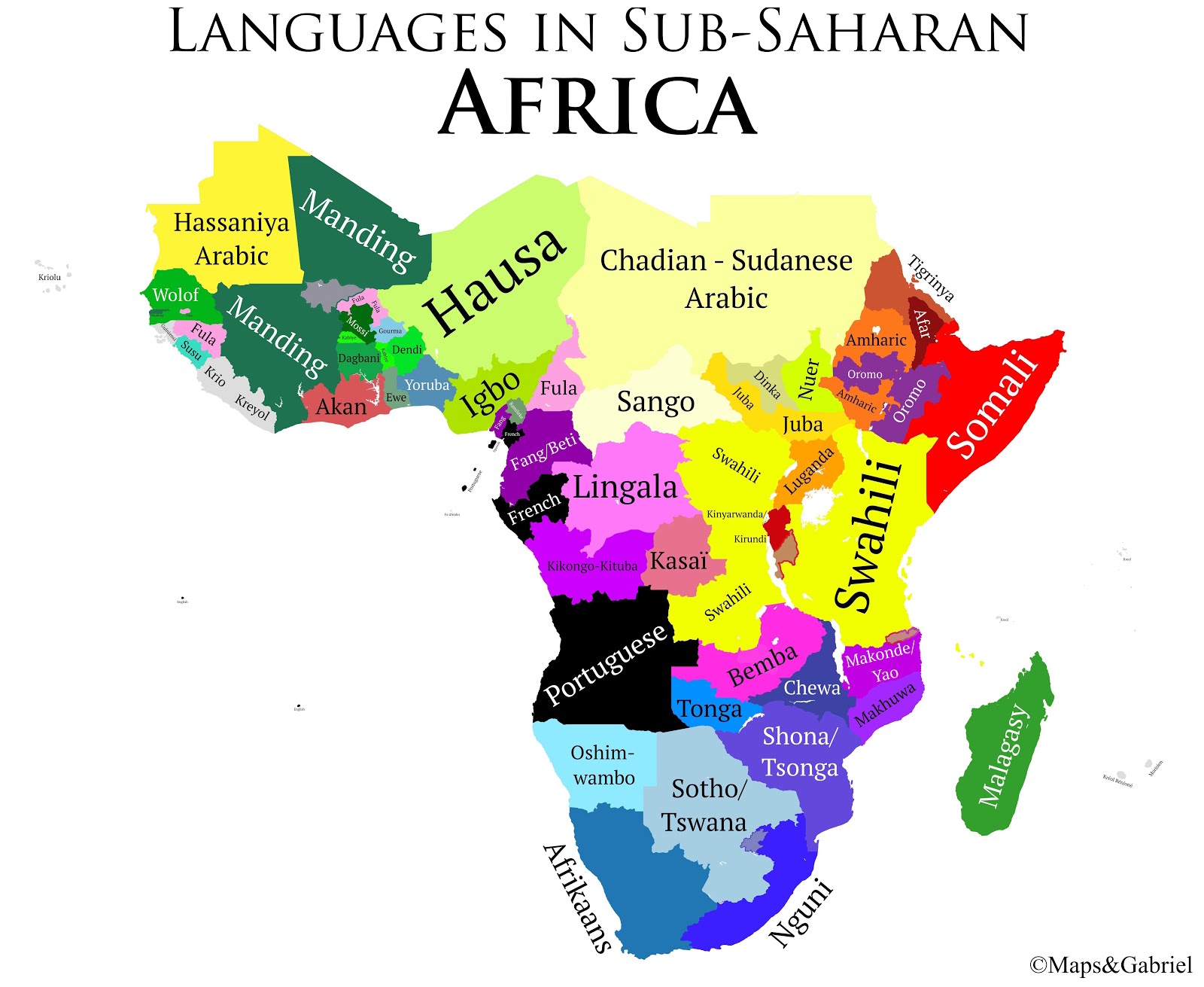
Africa is home to a vast linguistic diversity, with over 2,000 languages spoken across the continent. However, many of these languages are facing the threat of extinction, due to factors such as colonization, globalization, and language shift. Endangered languages are those that have a small number of speakers and are at risk of disappearing within a few generations.
Endangered African languages can be categorized into several language families, including Niger-Congo, Afro-Asiatic, and Khoisan. They are found in all regions of Africa, from the Sahel to the Congo Basin and the Horn of Africa. Some of the most endangered languages include:
- Oropom (Niger-Congo, Nigeria)
- Wamey (Afro-Asiatic, Ethiopia)
- Kx’a (Khoisan, Botswana)
The decline of endangered African languages is a complex issue, with multiple factors contributing to their loss. Colonization and the imposition of European languages as official languages have played a major role in the decline of many African languages. Globalization and the spread of mass media in dominant languages have also contributed to language shift, as people adopt the languages of wider communication and abandon their traditional languages.
Efforts are underway to revitalize and preserve endangered African languages. These efforts include language documentation, community-based initiatives, and educational programs. Language documentation involves recording and archiving endangered languages, while community-based initiatives focus on promoting the use of endangered languages in everyday life.
Educational programs aim to teach endangered languages to younger generations and promote their use in schools.
The revitalization of endangered African languages faces a number of challenges, including the lack of resources, the need for trained linguists, and the attitudes of speakers towards their own languages. However, there are also opportunities for revitalization, such as the growing awareness of the importance of linguistic diversity and the increasing availability of technology for language documentation and teaching.
The current state of endangered African languages is a matter of concern, as the loss of these languages represents a loss of cultural diversity and historical knowledge. Future research and conservation efforts should focus on supporting community-based initiatives, developing educational programs, and providing resources for language documentation and revitalization.
Language and Education in Africa
Language plays a crucial role in education, serving as the medium through which knowledge and skills are transmitted and acquired. In Africa, the complex linguistic landscape presents both challenges and opportunities for using local languages in teaching and learning.
Challenges
While Africa is a diverse continent with over 2,000 languages spoken, individuals may also create their own languages. The process of creating a language involves developing a unique vocabulary, grammar, and pronunciation system. Resources like how to create your own language provide guidance on this complex task.
Despite the possibility of creating new languages, Africa’s linguistic diversity remains a rich and vibrant aspect of its cultural heritage.
- Limited Resources:Many African countries lack adequate resources to develop and implement curricula in local languages, including textbooks, teacher training, and assessment materials.
- Teacher Training:Preparing teachers to effectively teach in local languages requires specialized training, which is often not widely available.
- Standardization:Developing standardized versions of local languages for use in education can be challenging due to dialectal variations and the lack of established orthographies.
Opportunities
- Improved Learning Outcomes:Studies have shown that students learn better when taught in their native language, as it enhances their understanding and cognitive development.
- Cultural Preservation:Using local languages in education helps preserve and promote African cultural heritage and identity.
- Social Inclusion:By accommodating linguistic diversity in education, schools can create a more inclusive environment for all students, fostering a sense of belonging and empowering marginalized communities.
Mother Tongue Education
Mother tongue education refers to the use of a child’s first language as the primary medium of instruction in early childhood and primary education. It has been recognized as a key factor in promoting literacy, cognitive development, and educational equity.
In Africa, mother tongue education has been implemented in various countries with varying degrees of success. Some successful examples include:
- Tanzania:Tanzania has adopted a mother tongue education policy, resulting in improved literacy rates and increased access to education for marginalized communities.
- Ethiopia:Ethiopia has implemented a multilingual education policy that recognizes the importance of local languages in education.
Challenges of Mother Tongue Education
- Transition to Other Languages:Students may face challenges transitioning to other languages later in their education, especially if they are required to learn a colonial language or an official language that is not their mother tongue.
- Teacher Training:Training teachers to effectively teach in local languages can be challenging, especially in areas where there is a lack of standardized orthographies and teaching materials.
- Curriculum Development:Developing curricula in local languages requires significant resources and expertise, which may not be readily available in some African countries.
Language and Media in Africa
The media plays a significant role in the preservation and promotion of African languages. African languages are increasingly being used in print, broadcast, and online media, contributing to literacy rates, cultural identity, and linguistic diversity. However, challenges remain in ensuring the widespread use and preservation of African languages in the media.
Use of African Languages in Print Media
African languages are gaining prominence in print media, with newspapers, magazines, and books being published in local languages. This has a positive impact on literacy rates, as individuals can access reading materials in their native tongues. Additionally, it contributes to language preservation by ensuring that African languages are used in formal written communication.
Role of African Languages in Broadcast Media
Radio and television are powerful tools for disseminating information and entertainment in Africa. The use of African languages in broadcast media allows for wider reach and engagement with diverse audiences. It strengthens cultural identity by showcasing local languages, stories, and perspectives.
Moreover, it contributes to linguistic diversity by promoting the use of African languages in public discourse.
Presence of African Languages in Online Platforms
The internet and social media have become important platforms for African languages. Websites, social media platforms, and mobile apps are increasingly incorporating African languages into their interfaces and content. This provides opportunities for language preservation in the digital age, as younger generations engage with African languages online.
Impact of Media on Language Preservation and Cultural Identity
The media can both promote and hinder the use of African languages. Positive media representation of African languages can encourage their use and preservation. However, negative portrayals or limited representation can contribute to language endangerment. Additionally, media can shape cultural narratives and identities by influencing perceptions of African languages and cultures.
FAQ Overview
How many languages are spoken in Africa?
There are over 2,000 languages spoken in Africa, making it the most linguistically diverse continent in the world.
What are the major language families of Africa?
The major language families of Africa are Afro-Asiatic, Niger-Congo, and Khoisan.
What are the official languages of African countries?
The official languages of African countries vary depending on historical, political, and cultural factors. Some countries have a single official language, while others have multiple official languages.
What are the challenges facing African languages?
African languages face challenges such as language shift, globalization, and the dominance of European languages in education and media.
