What does it mean to be fluent in a language – Defining fluency in a language encompasses a complex interplay of linguistic abilities, cultural understanding, and communicative competence. This multifaceted concept extends beyond mere proficiency in grammar and vocabulary, delving into the realm of spontaneous and effortless expression, comprehension, and cultural nuances.
Fluency is not a static state but rather a dynamic journey marked by continuous growth and refinement. It requires a deep immersion in the target language, embracing its cultural context and engaging in meaningful interactions with native speakers. Through this immersive experience, learners gradually internalize the language’s rhythms, idioms, and unspoken rules, enabling them to navigate communication with confidence and authenticity.
Understanding Fluency

Fluency in language proficiency refers to the ability to use a language effortlessly, accurately, and appropriately in real-time communication. It encompasses both spoken and written language skills and involves the ability to express oneself clearly, confidently, and spontaneously.
Levels of Fluency
Fluency can be categorized into different levels, each characterized by specific abilities and characteristics:
Basic Fluency
Individuals at this level can communicate in simple, everyday situations using basic vocabulary and grammar. They may struggle with more complex language or unfamiliar topics.
Intermediate Fluency
Speakers at this level can communicate effectively in most situations, expressing themselves with greater accuracy and complexity. They may still make occasional errors but can generally participate in conversations and understand most written materials.
Advanced Fluency
Advanced speakers demonstrate a high level of proficiency, using language fluently and effortlessly in a wide range of contexts. They can express themselves clearly, accurately, and appropriately, and can engage in complex discussions and comprehend sophisticated texts.
Native Fluency
Native speakers possess the highest level of fluency, using language instinctively and without conscious effort. They have a deep understanding of the language’s nuances and can communicate effectively in any situation.
Components of Fluency
Fluency in a language encompasses a complex interplay of several key components, each contributing to an individual’s overall proficiency in the language. These components include grammar, vocabulary, pronunciation, and cultural understanding.
Grammarprovides the structural framework for a language, governing the rules and patterns that determine how words are combined to form meaningful sentences. A fluent speaker possesses a strong command of grammar, enabling them to construct grammatically correct and coherent sentences that adhere to the language’s conventions.
Vocabularyrefers to the range of words known and used by a speaker. A comprehensive vocabulary allows individuals to express themselves clearly and accurately, conveying their thoughts and ideas effectively. Fluency requires a sufficient vocabulary to engage in conversations, understand written texts, and communicate in a variety of contexts.
Pronunciationinvolves the production of speech sounds in a manner that is comprehensible and conforms to the language’s phonological system. Fluent speakers have a clear and accurate pronunciation, enabling them to be understood by native speakers and other proficient users of the language.
Cultural understandingencompasses knowledge of the cultural norms, values, and customs associated with the language. This includes understanding the language’s history, literature, art, and social practices. Cultural understanding enhances fluency by providing context and enabling speakers to communicate in a culturally appropriate manner, avoiding potential misunderstandings or offense.
These components work together synergistically to contribute to overall fluency. A speaker with a strong command of grammar can construct grammatically correct sentences, while a rich vocabulary allows them to express their ideas with precision. Accurate pronunciation ensures that their speech is comprehensible, and cultural understanding enables them to communicate effectively in a variety of contexts.
Benefits of Fluency
Fluency in a language unlocks a world of advantages, empowering individuals to communicate effectively, bridge cultural divides, and expand their professional horizons. It fosters personal growth and fulfillment, while also enhancing cognitive abilities.
Enhanced Communication Skills
Fluency enables seamless communication, allowing individuals to express themselves clearly and confidently. It eliminates language barriers, facilitating meaningful conversations and fostering deeper connections with native speakers.
Cultural Understanding
Language is inextricably linked to culture. By becoming fluent in a language, individuals gain insights into the customs, values, and perspectives of the associated culture. This deepens their understanding of the world and promotes empathy.
Career Opportunities
Fluency in a foreign language opens doors to a wider range of career opportunities. It makes individuals more competitive in the global job market, allowing them to work with international clients, expand into new markets, and assume leadership roles.
Personal Growth and Fulfillment
Learning a new language is a challenging but rewarding endeavor that fosters personal growth and fulfillment. It exercises the brain, improves memory, and enhances problem-solving skills. Moreover, it broadens perspectives and cultivates a sense of accomplishment.
Cognitive Benefits
Research has shown that language fluency has numerous cognitive benefits. It improves memory, strengthens attention, and enhances problem-solving abilities. By engaging multiple areas of the brain, fluency promotes overall cognitive health.
Specific Examples of Benefits
Fluency has transformed lives in countless ways:
- Improved social interactions: Fluency has enabled individuals to make friends from diverse cultures, enhancing their social lives.
- Enriched travel experiences: Fluent travelers can connect with locals, experience cultures authentically, and navigate foreign environments with ease.
- Career advancements: Fluency has opened doors to promotions, international assignments, and leadership positions for professionals.
Measuring Fluency: What Does It Mean To Be Fluent In A Language

Assessing language fluency is crucial for evaluating proficiency and progress. Various methods are employed, each with its strengths and weaknesses.
Standardized Tests
Standardized tests provide a structured and objective measure of fluency. These tests typically involve multiple-choice questions, listening comprehension tasks, and writing samples. They offer a standardized benchmark for comparing learners’ abilities and tracking progress over time.
Oral Interviews
Oral interviews allow examiners to assess fluency in real-time conversations. Candidates engage in discussions with native speakers or trained assessors, demonstrating their ability to communicate spontaneously and respond appropriately. Oral interviews provide insights into pronunciation, intonation, and conversational skills.
Fluency in a language entails mastery of its grammar, vocabulary, and usage, enabling seamless communication. This proficiency extends beyond mere comprehension and expression, encompassing the ability to convey ideas effortlessly and navigate cultural nuances. An examination of the language spoken in Hawaii, for instance ( what is the language in hawaii ), reveals a rich linguistic tapestry that embodies the unique history and culture of the region.
Thus, fluency in a language empowers individuals to engage with diverse perspectives and forge meaningful connections across linguistic boundaries.
Written Assignments
Written assignments, such as essays or compositions, evaluate fluency in written language. Candidates demonstrate their ability to organize thoughts, use appropriate grammar and vocabulary, and express ideas clearly and coherently. Written assignments provide evidence of a learner’s ability to produce extended discourse.
Importance of Reliable and Valid Measures
Reliable and valid measures of fluency are essential for accurate assessments. Reliability refers to the consistency of results across multiple assessments, while validity ensures that the measures accurately reflect the intended construct (i.e., fluency).
Reliable and valid measures allow for meaningful comparisons between learners, provide feedback for targeted instruction, and facilitate research on language acquisition and teaching methodologies.
Fluency in Different Contexts
Fluency in a language is not a fixed state but rather a variable that can change depending on the context in which the language is used. The same speaker may exhibit different levels of fluency in different settings, with different languages, and in different industries.
The factors that influence contextual fluency include:
- The formality of the setting.In formal settings, such as business meetings or academic lectures, speakers are expected to use more formal language and to avoid slang or colloquialisms. In informal settings, such as conversations with friends or family, speakers can be more relaxed and use more informal language.
- The language being used.Some languages are more difficult to learn than others, and speakers may have different levels of fluency in different languages. For example, a speaker may be fluent in English but only have a basic level of fluency in Spanish.
- The specific industry.Different industries have their own unique vocabulary and jargon. A speaker who is fluent in the general language may not be fluent in the specific language of a particular industry.
Cultural Fluency
Cultural fluency, closely intertwined with language fluency, is the ability to navigate and communicate effectively within a specific cultural context. It entails an understanding of the cultural norms, values, and perspectives that shape a particular society.
Being fluent in a language goes beyond mere comprehension and expression; it encompasses the ability to use it effectively in various contexts. Take the Bahamas, for example, where English is the official language. Understanding the language in the Bahamas and its nuances is crucial for navigating daily life and engaging with locals.
Moreover, fluency in a language involves not only grammatical accuracy but also cultural competence, allowing individuals to connect with native speakers on a deeper level.
Importance of Cultural Fluency
Cultural fluency is crucial for effective communication, as it enables individuals to convey messages and ideas in a manner that resonates with the cultural background of their audience. It facilitates the avoidance of misunderstandings, misinterpretations, and potential offense that can arise from cultural differences.
Impact of Cultural Fluency, What does it mean to be fluent in a language
Cultural fluency can significantly impact communication, both positively and negatively:
- Positive impact:Enables effective communication, fosters cross-cultural understanding, and builds rapport.
- Negative impact:Cultural misunderstandings can lead to misinterpretations, offense, and communication barriers.
Differences between Cultural Fluency and Language Fluency
| Characteristic | Cultural Fluency | Language Fluency |
|---|---|---|
| Focus | Cultural norms, values, and perspectives | Language proficiency, grammar, and vocabulary |
| Communication | Effective communication within a specific cultural context | Proficient use of language in various contexts |
| Acquisition | Through immersion, observation, and cultural experiences | Through language learning, practice, and study |
Tips for Improving Cultural Fluency
- Immerse yourself in the culture through travel, interaction, and observation.
- Read literature, watch films, and engage with cultural artifacts to gain insights into cultural values and perspectives.
- Be open-minded and willing to learn from others.
- Seek feedback from cultural insiders to refine your understanding and communication.
- Practice active listening and show respect for cultural differences.
Challenges of Cultural Fluency in a Globalized World
Achieving cultural fluency in a globalized world poses challenges:
- Rapid cultural change and diversity make it difficult to keep up with evolving cultural norms.
- Cultural biases and stereotypes can hinder understanding and communication.
- Language barriers can limit access to cultural experiences and insights.
Native vs. Non-Native Fluency
Native fluency, achieved through immersion from birth or early childhood, is characterized by effortless and unconscious use of language. Non-native fluency, on the other hand, results from deliberate study and practice, often later in life, and may involve conscious effort and awareness of language rules.
While both native and non-native speakers can achieve high levels of proficiency, there are certain differences in their language use. Native speakers tend to have a wider vocabulary, more nuanced pronunciation, and a deeper understanding of cultural idioms and expressions.
Non-native speakers, on the other hand, may excel in formal language use, grammatical accuracy, and technical vocabulary related to their field of study or work.
Factors Contributing to Variations in Fluency
- Age of acquisition:Early exposure to a language facilitates native-like fluency.
- Amount of exposure:Extensive immersion in the target language is crucial for both native and non-native speakers.
- Motivation:Intrinsic motivation, such as a genuine interest in the language or culture, promotes fluency.
- Language aptitude:Some individuals have a natural predisposition for language learning.
- Instructional methods:Effective language teaching methods can accelerate fluency development.
Fluency and Accent
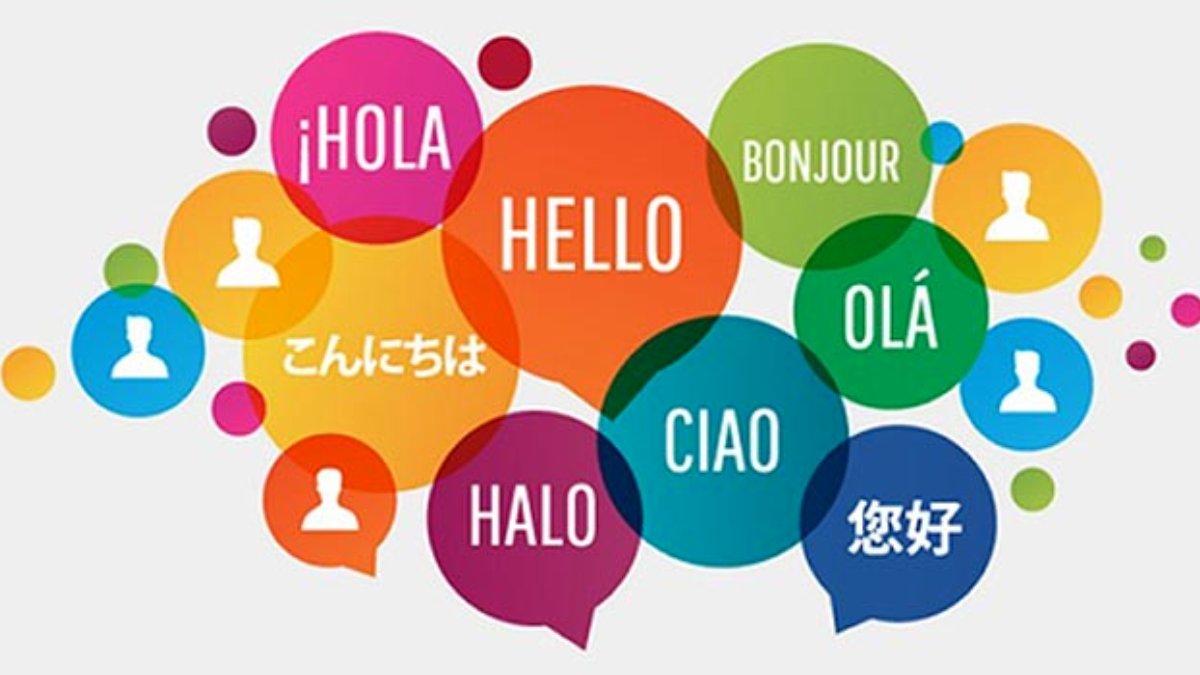
Fluency and accent are two closely related aspects of language proficiency. Fluency refers to the ability to speak a language smoothly and effortlessly, while accent refers to the way in which a person pronounces words.
The relationship between fluency and accent is complex. On the one hand, fluency can be enhanced by having a native-like accent. This is because native speakers are more likely to understand someone with a native-like accent, and they may also be more likely to perceive them as being more fluent.
Impact of Accent on Perceived Fluency
On the other hand, it is also possible to be fluent in a language without having a native-like accent. This is because fluency is primarily a matter of being able to communicate effectively, and this does not necessarily require having a perfect accent.
In fact, some research has shown that having a non-native accent can actually make someone sound more fluent. This is because non-native speakers often speak more slowly and carefully, which can make their speech easier to understand.
Implications for Language Learners
The implications of this research for language learners are clear. While it is certainly beneficial to have a native-like accent, it is not essential for fluency. More importantly, language learners should focus on developing their fluency by practicing speaking the language as much as possible.
Fluency and Communication
Fluency plays a crucial role in effective communication, both verbal and written. It allows individuals to convey their thoughts and ideas clearly, coherently, and persuasively. Fluency in communication enhances the overall message delivery, making it more engaging and impactful.
When individuals are fluent in a language, they can express themselves effortlessly, without hesitation or stumbling over words. This clarity and coherence enable them to convey their intended message accurately and efficiently. Fluency also contributes to the overall tone and delivery of a message, making it more engaging and persuasive.
Lack of Fluency and Communication
In contrast, a lack of fluency can hinder communication in several ways. Hesitation, pauses, and stumbling over words can distract the audience and make it difficult for them to follow the speaker’s train of thought. This can lead to misunderstandings, misinterpretations, and a loss of credibility.
Improving Fluency
Improving fluency requires consistent practice and effort. Regular speaking and writing exercises can help individuals develop the necessary skills and confidence to communicate fluently. Techniques such as practicing tongue twisters, engaging in debates or discussions, and reading aloud can enhance pronunciation, articulation, and vocabulary.
Fluency and Confidence
Fluency and confidence are closely intertwined. When individuals are fluent in a language, they feel more confident in expressing themselves. This confidence allows them to communicate their ideas with greater clarity, conviction, and enthusiasm, which can have a positive impact on the audience’s perception and engagement.
Fluency and Confidence
Fluency in a language plays a pivotal role in shaping an individual’s confidence and communication skills. When one gains proficiency in a particular language, they develop a sense of self-assurance and ease in expressing themselves, leading to improved overall communication.
Enhanced fluency allows individuals to articulate their thoughts and ideas more effectively, both verbally and in writing. This increased confidence translates into various social and professional settings, where individuals can engage in conversations, present ideas, and interact with others with greater poise and assurance.
Role of Practice and Immersion
Developing fluency and confidence in a target language requires consistent practice and immersion. By regularly engaging in language learning activities, such as reading, writing, listening, and speaking, individuals can improve their proficiency and gain a deeper understanding of the language’s nuances.
Immersion in the target language through travel, language exchange programs, or interacting with native speakers provides valuable opportunities to enhance fluency and confidence. Exposure to authentic language usage and cultural context allows individuals to refine their pronunciation, vocabulary, and communication style.
Strategies for Improvement
- Set realistic language learning goals and track progress regularly.
- Engage in regular practice, including reading, writing, listening, and speaking exercises.
- Seek opportunities for immersion in the target language through travel, language exchange, or online resources.
- Find a language partner or tutor to provide feedback and support.
- Don’t be afraid to make mistakes; they are a natural part of the learning process.
Fluency and Technology
Technology has had a significant impact on language fluency, both positively and negatively. On the one hand, language learning apps, translation tools, and virtual communication platforms have made it easier than ever to learn and practice new languages. On the other hand, reliance on technology can lead to decreased face-to-face interaction and a lack of cultural context, which can hinder fluency development.
Benefits of Using Technology to Enhance Fluency
- Accessibility and convenience: Language learning apps and online resources make it possible to learn a new language anytime, anywhere.
- Personalized learning experiences: Many language learning apps offer personalized learning experiences tailored to the individual learner’s needs and interests.
- Real-time feedback and support: Language learning apps and virtual communication platforms provide instant feedback and support, which can help learners identify and correct their mistakes.
- Exposure to authentic language: Language learning apps and virtual communication platforms allow learners to interact with native speakers and access authentic language materials.
Challenges of Using Technology to Enhance Fluency
- Reliance on technology: Over-reliance on technology can lead to a decrease in face-to-face interaction, which is essential for developing fluency.
- Limited face-to-face interaction: Language learning apps and virtual communication platforms cannot fully replace the benefits of face-to-face interaction, such as non-verbal cues and cultural context.
- Potential for errors and misunderstandings: Language learning apps and translation tools are not always accurate, which can lead to errors and misunderstandings.
- Lack of cultural context: Language learning apps and virtual communication platforms often lack cultural context, which can make it difficult for learners to fully understand the language and its nuances.
Conclusion
Technology has the potential to be a powerful tool for enhancing language fluency, but it is important to use it wisely. By understanding the benefits and challenges of using technology for language learning, learners can maximize its potential and avoid its pitfalls.
Fluency and the Brain
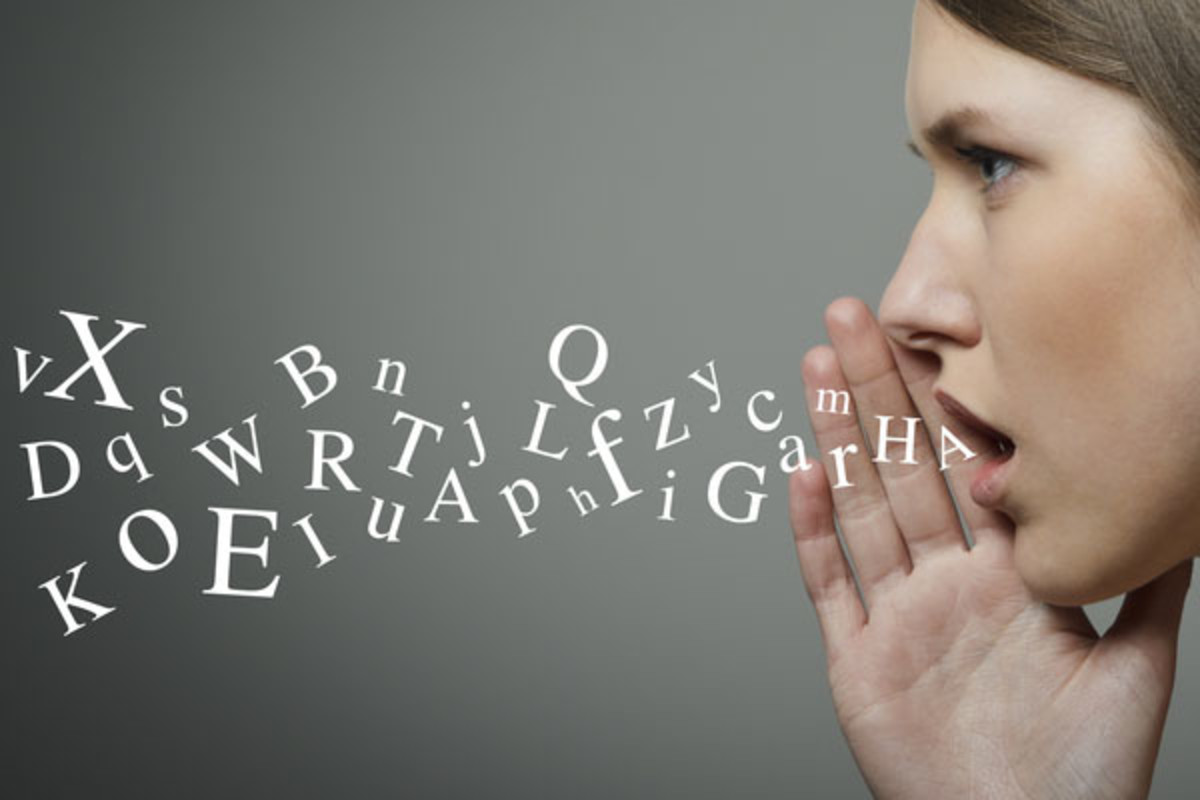
Fluency in language involves complex neurological processes that engage various brain regions. These regions work in coordination to facilitate language production and comprehension, contributing to the effortless and efficient flow of speech.
Brain Regions Involved in Language Fluency
The left hemisphere of the brain plays a dominant role in language processing. Specific brain regions involved in language fluency include:
Broca’s area
Located in the frontal lobe, Broca’s area is responsible for speech production and motor planning of words. It helps in the sequencing and coordination of muscle movements necessary for speech.
Wernicke’s area
Situated in the temporal lobe, Wernicke’s area is responsible for language comprehension and the processing of spoken and written words. It helps in understanding the meaning of language and associating it with concepts and ideas.
Arcuate fasciculus
This white matter tract connects Broca’s and Wernicke’s areas, enabling communication and integration of information between these regions. It facilitates the flow of language between comprehension and production.These brain regions work together to process language input, retrieve words from memory, and coordinate the production of fluent speech.
They form a network that supports the seamless and efficient use of language.
Fluency and Education
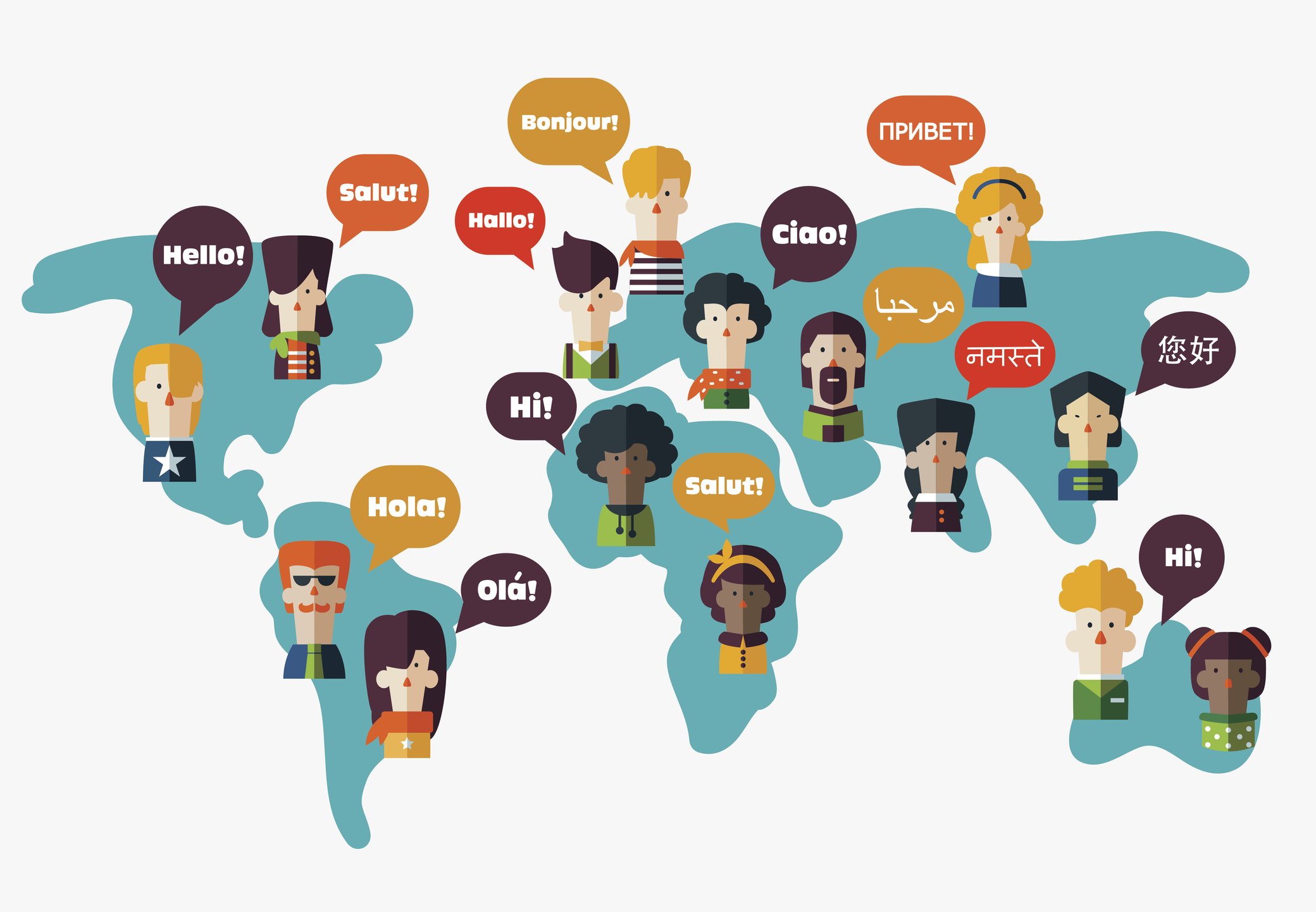
Education plays a pivotal role in fostering language fluency, providing structured learning environments and immersive experiences that enhance proficiency. This section delves into the contributions of formal language instruction, immersion programs, and study abroad opportunities in developing language fluency.
Formal Language Instruction
Formal language instruction provides a systematic approach to language learning, introducing learners to grammar, vocabulary, and communication strategies. Classroom-based learning allows for structured practice, feedback from teachers, and exposure to authentic language materials. Research indicates that consistent participation in language classes significantly improves fluency.
Immersion Programs
Immersion programs immerse learners in the target language environment, allowing them to experience the language firsthand. These programs can take place in the country where the language is spoken or through intensive language courses that simulate immersion experiences. Immersion promotes natural language acquisition, enhancing listening, speaking, reading, and writing skills.
Study Abroad Opportunities
Study abroad opportunities offer extended immersion in the target language culture. Students can live with host families, attend local schools or universities, and engage with native speakers. This extended exposure fosters deep language proficiency, cultural understanding, and increased confidence in communication.
Challenges and Limitations
While educational approaches can enhance language fluency, challenges and limitations exist. These include:
- Time and resource constraints:Formal instruction and immersion programs require significant time and financial investment.
- Individual learning styles:Not all learners respond equally to traditional classroom instruction or immersion experiences.
- Limited access:Immersion programs and study abroad opportunities may not be accessible to all learners due to geographical or financial constraints.
Recommendations
To optimize educational experiences for language fluency, consider the following recommendations:
- Integrate immersive experiences:Incorporate immersion activities into formal language instruction, such as language exchange programs or simulations.
- Foster collaborative learning:Encourage group work and peer interaction to promote language practice and feedback.
- Utilize technology:Leverage technology for language learning, including language learning apps, online immersion platforms, and virtual exchange programs.
- Personalize learning:Tailor instruction to individual learning styles and interests to enhance engagement and motivation.
– Elaborate on the different types of language fluency assessments used in educational and professional settings.

Language fluency assessments are used to measure an individual’s ability to use a language effectively and accurately in real-world situations. There are various types of language fluency assessments used in educational and professional settings, each with its own strengths and limitations.
Types of Language Fluency Assessments
Oral Proficiency Interviews (OPIs): OPIs are conducted by trained examiners who engage in unscripted conversations with test takers. They assess speaking and listening fluency, as well as pronunciation, vocabulary, and grammar. OPIs provide a comprehensive evaluation of an individual’s ability to communicate in a target language.
Written Proficiency Tests (WPTs): WPTs assess writing fluency, including grammar, vocabulary, and organization. They typically involve writing essays, summaries, or other written tasks that require test takers to demonstrate their ability to express themselves clearly and coherently in written form. Reading Fluency Tests (RFTs): RFTs measure an individual’s ability to read and comprehend texts fluently.
They assess reading speed, accuracy, and comprehension skills. RFTs can be timed or untimed, and they may involve different types of texts, such as articles, stories, or academic papers. Cloze Tests: Cloze tests involve filling in missing words in a text.
They assess vocabulary, grammar, and reading comprehension skills. Cloze tests can be used to measure both receptive and productive language fluency. Dictation Tests: Dictation tests require test takers to write down what they hear. They assess listening comprehension, spelling, and writing fluency.
Dictation tests can be used to measure both receptive and productive language fluency. Computer-Adaptive Tests (CATs): CATs are computerized assessments that adapt to the individual’s performance level. They provide personalized assessments and can be used to measure a wide range of language skills, including fluency.
Self-Assessment Checklists: Self-assessment checklists allow individuals to reflect on their own language fluency skills. They typically involve a series of statements or questions that test takers rate themselves on. Self-assessment checklists can provide valuable insights into an individual’s strengths and areas for improvement.
Strengths and Limitations of Language Fluency Assessments
The choice of language fluency assessment method depends on the specific purpose and context of the assessment. Each method has its own strengths and limitations. OPIsprovide a comprehensive evaluation of oral fluency, but they can be time-consuming and expensive to administer.
WPTsassess writing fluency, but they may not be as effective in measuring speaking fluency. RFTsassess reading fluency, but they may not be as effective in measuring speaking or writing fluency. Cloze testsare a quick and efficient way to assess receptive language fluency, but they may not be as effective in measuring productive language fluency.
Dictation testsare a good way to assess listening comprehension and writing fluency, but they may not be as effective in measuring speaking fluency. CATsare adaptive and can provide personalized assessments, but they may not be as comprehensive as other methods. Self-assessment checklistscan provide valuable insights into an individual’s self-perceptions of their language fluency skills, but they may not be as objective as other methods.
Implications for Measuring Fluency
The choice of language fluency assessment method has implications for the measurement of fluency. Different methods assess different aspects of fluency, and the results of different methods may not be directly comparable. It is important to consider the specific purpose and context of the assessment when choosing a method.
Using Assessment Results to Support Language Learners
The results of language fluency assessments can be used to inform and support language learners in developing their fluency skills. Assessment results can identify areas of strength and weakness, and they can be used to develop personalized learning plans. Assessment results can also be used to track progress over time and to motivate learners to improve their fluency skills.
Ethical Considerations in Language Fluency Assessment
There are a number of ethical considerations involved in language fluency assessment, including bias and fairness. It is important to ensure that assessments are fair and unbiased, and that they do not discriminate against any particular group of individuals.
Emerging Trends and Future Directions in Language Fluency Assessment
There are a number of emerging trends and future directions in language fluency assessment. One trend is the use of technology to develop more adaptive and personalized assessments. Another trend is the use of data analytics to identify patterns and trends in language fluency development.
Table: Types of Language Fluency Assessments
| Assessment Type | Strengths | Limitations | Implications for Measuring Fluency ||—|—|—|—|| Oral Proficiency Interviews (OPIs) | Comprehensive evaluation of oral fluency | Time-consuming and expensive to administer | May not be as effective in measuring reading or writing fluency || Written Proficiency Tests (WPTs) | Assesses writing fluency | May not be as effective in measuring speaking fluency | May not be as effective in measuring receptive language fluency || Reading Fluency Tests (RFTs) | Assesses reading fluency | May not be as effective in measuring speaking or writing fluency | May not be as effective in measuring productive language fluency || Cloze Tests | Quick and efficient way to assess receptive language fluency | May not be as effective in measuring productive language fluency | May not be as effective in measuring speaking fluency || Dictation Tests | Good way to assess listening comprehension and writing fluency | May not be as effective in measuring speaking fluency | May not be as effective in measuring productive language fluency || Computer-Adaptive Tests (CATs) | Adaptive and can provide personalized assessments | May not be as comprehensive as other methods | May not be as effective in measuring receptive language fluency || Self-Assessment Checklists | Can provide valuable insights into an individual’s self-perceptions of their language fluency skills | May not be as objective as other methods | May not be as effective in measuring productive language fluency |
Best Practices for Language Fluency Assessment
* Use a variety of assessment methods to get a comprehensive picture of an individual’s language fluency skills.
- Consider the specific purpose and context of the assessment when choosing a method.
- Ensure that assessments are fair and unbiased.
- Use assessment results to inform and support language learners in developing their fluency skills.
- Be aware of the ethical considerations involved in language fluency assessment.
Importance of Language Fluency Assessment in Educational and Professional Settings
Language fluency assessment is an important tool for assessing an individual’s ability to use a language effectively and accurately in real-world situations. Language fluency assessments are used in a variety of educational and professional settings, including:* Language learning classrooms
- Job interviews
- Immigration applications
- Professional certification programs
Language fluency assessments can help to identify areas of strength and weakness, and they can be used to develop personalized learning plans. Assessment results can also be used to track progress over time and to motivate learners to improve their fluency skills.
Q&A
What are the key components of language fluency?
Fluency encompasses grammar, vocabulary, pronunciation, cultural understanding, and communicative competence.
How can I improve my fluency in a language?
Immersion, regular practice, seeking feedback, and engaging with native speakers are effective methods for enhancing fluency.
What are the benefits of being fluent in a language?
Fluency enhances communication skills, fosters cultural understanding, expands career opportunities, and contributes to personal growth and fulfillment.
How can I measure my fluency in a language?
Standardized tests, oral interviews, and written assignments are common methods for assessing language fluency.
