What is an African language? This multifaceted question invites us on a journey through the vibrant tapestry of linguistic diversity that characterizes the African continent. With over 2,000 distinct languages spoken across its vast expanse, Africa is a linguistic treasure trove, each language carrying within it a unique history, cultural identity, and worldview.
From the melodious clicks of Khoisan languages in southern Africa to the intricate tonal systems of Bantu languages in central and eastern Africa, the linguistic landscape of Africa is a testament to the continent’s rich cultural heritage. Understanding what an African language entails involves delving into the intricate complexities of grammar, vocabulary, and pronunciation, while also appreciating the profound sociocultural significance these languages hold for their speakers.
African Languages
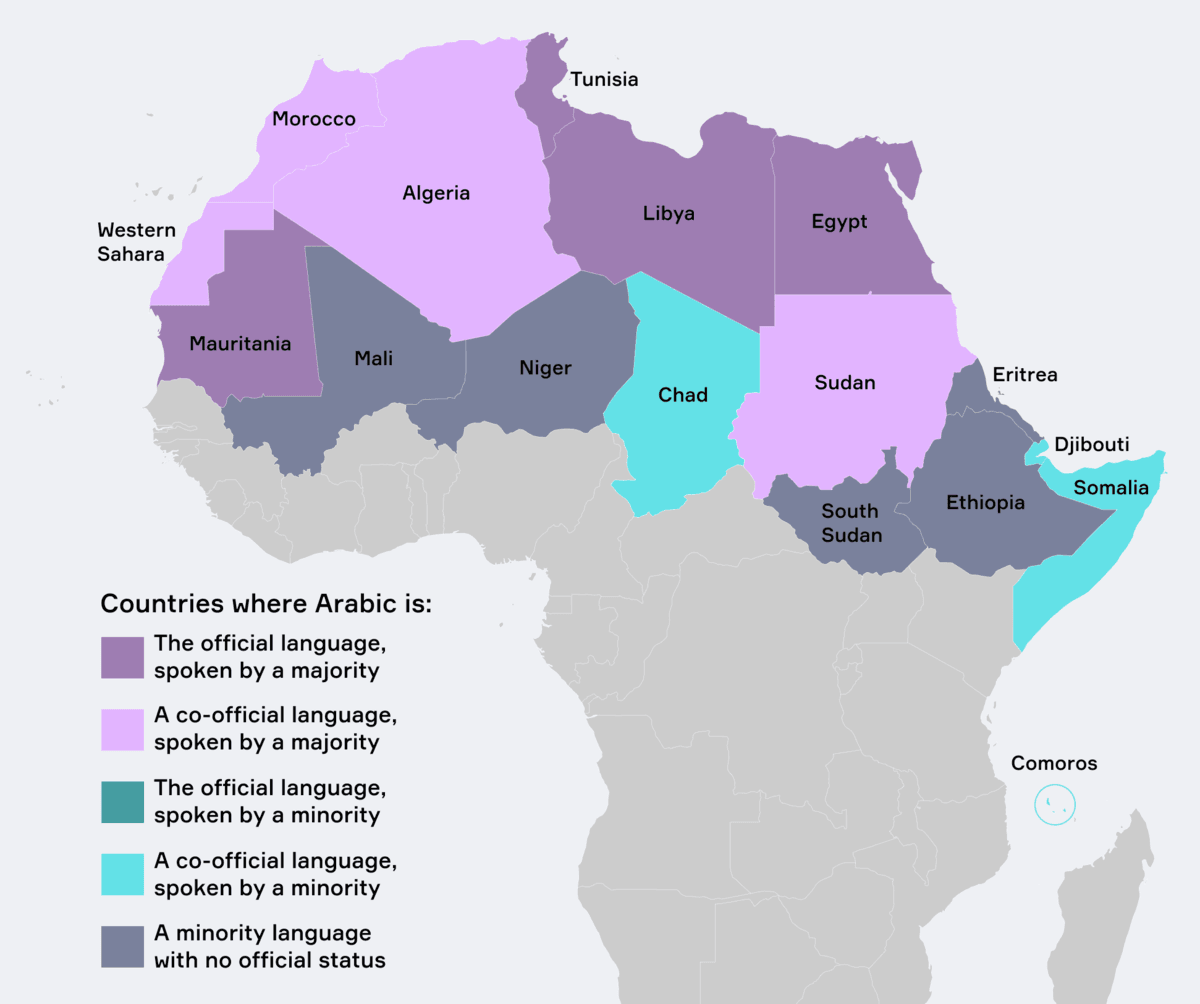
African languages are a diverse group of languages spoken in Africa. They belong to several different language families, including Niger-Congo, Afro-Asiatic, Nilo-Saharan, and Khoisan.
Classification of African Languages
African languages are classified into different families based on their linguistic features, such as grammar, vocabulary, and phonology. The major language families of Africa are:
- Niger-Congo: This is the largest language family in Africa, spoken by over 700 million people. It includes languages such as Swahili, Yoruba, and Zulu.
- Afro-Asiatic: This language family is spoken in North Africa and the Horn of Africa. It includes languages such as Arabic, Berber, and Somali.
- Nilo-Saharan: This language family is spoken in Central and Eastern Africa. It includes languages such as Dinka, Nuer, and Masai.
- Khoisan: This language family is spoken in Southern Africa. It includes languages such as Khoekhoe and !Kung.
Each of these language families has its own unique characteristics and is spoken by a diverse group of people.
Historical Development of African Languages
African languages are a diverse group of languages spoken by people living in Africa. The origins and evolution of these languages are complex, with multiple factors contributing to their current distribution and diversity.
Origins and Evolution
The origins of African languages can be traced back to the Proto-African languages, which were spoken by the earliest inhabitants of the continent. Over time, these languages diversified and spread, giving rise to the major language families that are found in Africa today.
The Niger-Congo family is the largest of these families, and it is spoken by people in West, Central, and Southern Africa. Other major language families include the Afro-Asiatic family, which is spoken in North Africa and the Horn of Africa, and the Nilo-Saharan family, which is spoken in Eastern and Southern Africa.
External Influences
The development of African languages has been influenced by a number of external factors, including trade, migration, and colonialism. Trade has brought African languages into contact with other languages, leading to the exchange of words and ideas. Migration has also played a role in the spread of African languages, as people have moved from one region to another, bringing their languages with them.
Colonialism has had a significant impact on the development of African languages, as European colonizers often imposed their own languages on the people they colonized. This has led to the loss of some African languages and the endangerment of others.
Language Contact and Shift
Language contact and language shift have also played a role in shaping African languages. Language contact occurs when two or more languages come into contact with each other, and it can lead to the exchange of words and ideas. Language shift occurs when one language replaces another as the dominant language in a particular area.
This can happen for a variety of reasons, such as political, economic, or social factors.
Language Policies and Education
Language policies and educational systems have also had an impact on the development of African languages. In some countries, African languages are recognized as official languages and are used in education. In other countries, African languages are not recognized as official languages and are not used in education.
This has led to a decline in the use of African languages in some areas.
Summary
The historical development of African languages is a complex and fascinating topic. The origins and evolution of these languages can be traced back to the Proto-African languages, which were spoken by the earliest inhabitants of the continent. Over time, these languages diversified and spread, giving rise to the major language families that are found in Africa today.
The development of African languages has been influenced by a number of external factors, including trade, migration, and colonialism. Language contact and language shift have also played a role in shaping African languages. Language policies and educational systems have also had an impact on the development of African languages.
– Identify common linguistic features found in African languages.
African languages exhibit a remarkable diversity in terms of their linguistic features. However, some common characteristics can be identified across the continent. These include:
- Tonal systems:Many African languages are tonal, meaning that the pitch of the voice can change the meaning of a word. For example, in the Bantu language Swahili, the word “mbuzi” means “goat” when pronounced with a high tone on the first syllable, but “rain” when pronounced with a low tone.
- Grammatical structures:African languages often have complex grammatical structures, with a wide range of prefixes, suffixes, and infixes used to indicate grammatical functions such as tense, aspect, and mood. For example, in the West African language Wolof, the suffix “-al” is used to indicate the future tense, while the prefix “di-” is used to indicate the habitual aspect.
- Use of click consonants:Click consonants are a distinctive feature of many African languages, particularly those spoken in southern Africa. Clicks are produced by making a suction with the tongue against the roof of the mouth and then releasing it. There are several different types of clicks, each with its own unique sound.
African languages are a diverse group of languages spoken on the African continent, with over 2,000 distinct languages spoken. The official language of Guyana, English , is one of the most widely spoken languages in the world. However, there are also several other languages spoken in Guyana, including Guyanese Creole, Arawakan, and Cariban languages.
African languages have been influenced by a variety of factors, including the Bantu expansion, the Arab conquests, and the European colonization of Africa.
- Complex vowel systems:African languages often have complex vowel systems, with a wide range of vowel sounds that can be distinguished by their length, height, and backness. For example, the Bantu language Zulu has five basic vowel sounds: /a/, /e/, /i/, /o/, and /u/.
However, these vowels can be combined to create a variety of diphthongs and triphthongs.
These are just a few of the common linguistic features found in African languages. The diversity of African languages is a testament to the rich cultural heritage of the continent.
– Sociocultural Significance of African Languages
African languages play a pivotal role in shaping and expressing the cultural identity of African societies. They are deeply intertwined with the customs, traditions, and beliefs that define African communities. Through language, Africans communicate their values, beliefs, and experiences, preserving and transmitting their cultural heritage from generation to generation.
Use of African Languages in Literature, Music, and Art Forms
African languages have been instrumental in the development of a rich and diverse body of literature, music, and art. From the oral traditions of storytelling and poetry to contemporary written works, African languages have served as a medium for expressing creativity, imagination, and cultural insights.
Traditional African music, with its intricate rhythms and melodies, is deeply rooted in the languages spoken by the musicians. Similarly, African art forms, such as sculpture, painting, and dance, often incorporate linguistic elements that convey cultural meanings and symbolism.
Preservation of Cultural Heritage
African languages are crucial for preserving cultural heritage. They contain a wealth of knowledge about African history, customs, and beliefs that would otherwise be lost. Oral traditions, passed down through generations, serve as a repository of cultural memory, transmitting stories, proverbs, and songs that embody the collective wisdom and experiences of African communities.
By preserving African languages, we safeguard this invaluable cultural heritage and ensure its continuity for future generations.
Transmission of Cultural Values and Traditions, What is an african language
African languages play a vital role in transmitting cultural values and traditions. Through language, elders pass on their knowledge and wisdom to younger generations, ensuring the continuity of cultural practices. Proverbs, folktales, and songs often contain moral lessons and teachings that shape the values and behaviors of individuals within African societies.
Language is thus an essential tool for cultural socialization and the transmission of cultural norms and expectations.
Challenges and Opportunities for Preservation and Revitalization
Despite their significance, African languages face challenges in the face of globalization and modernization. The spread of dominant languages, such as English and French, has led to a decline in the use of many African languages. However, there are growing efforts to preserve and revitalize African languages.
These efforts include the promotion of African language education, the development of language policies, and the use of technology to create and disseminate African language content.
Role in Promoting Cultural Diversity and Intercultural Dialogue
African languages play a vital role in promoting cultural diversity and intercultural dialogue. They represent the unique perspectives and experiences of African communities and contribute to a richer and more inclusive global cultural landscape. By promoting the use of African languages, we celebrate the diversity of human expression and foster understanding and appreciation across cultures.
Use in Education, Media, and Public Life
The use of African languages in education, media, and other spheres of public life is essential for promoting cultural identity and empowerment. When African languages are used in schools, children can learn in their mother tongue, which enhances their cognitive development and academic achievement.
African language media, such as radio and television programs, provide access to information and entertainment in a culturally relevant manner. The use of African languages in public life, such as in government and legal proceedings, promotes inclusivity and recognizes the diversity of African societies.
Socio-Economic Impact
African languages have a significant socio-economic impact on communities and individuals. They facilitate communication within communities, fostering social cohesion and economic development. The use of African languages in business and trade promotes local entrepreneurship and supports the growth of local economies.
Furthermore, the preservation and revitalization of African languages can contribute to cultural tourism, attracting visitors interested in experiencing the unique cultural heritage of Africa.
Potential for Economic Development and Cultural Tourism
African languages have the potential to be a valuable resource for economic development and cultural tourism. By promoting the use of African languages in education, media, and public life, we can create opportunities for employment and entrepreneurship. The preservation and revitalization of African languages can also attract tourists interested in experiencing the rich cultural heritage of Africa.
By showcasing the beauty and diversity of African languages, we can contribute to sustainable economic development and cultural tourism.
Challenges and Opportunities in African Languages
African languages face numerous challenges in the modern world, including a lack of recognition and official status, limited use in education, media, and technology, the influence of dominant languages, and language loss and endangerment. However, efforts are being made to promote and revitalize African languages through language documentation and preservation projects, language policy reforms, community-based language initiatives, and the use of African languages in media and education.
Challenges
- African languages often lack official recognition and status, which limits their use in government, education, and other public domains.
- The use of African languages in education, media, and technology is often limited, which can hinder the development of literacy and cultural identity.
- The influence of dominant languages, such as English, French, and Portuguese, can lead to the decline of African languages.
- Language loss and endangerment are significant threats to African languages, as many are spoken by small and marginalized communities.
Opportunities
- Promoting the use of African languages in education can enhance literacy and education outcomes, particularly in early childhood education.
- Using African languages in media can promote cultural identity and heritage, and foster a sense of belonging among speakers.
- Developing language-based technologies can support the preservation and revitalization of African languages, and make them more accessible to a wider audience.
- Fostering linguistic diversity and multilingualism can promote understanding and cooperation among different language communities.
Explain the significance of African languages in global communication and cultural exchange.
African languages play a crucial role in global communication and cultural exchange, contributing to the diversity and richness of the world’s linguistic landscape. They serve as vehicles for expressing unique cultural perspectives, values, and traditions, facilitating cross-cultural understanding and fostering dialogue among people from different backgrounds.
The significance of African languages extends beyond their use within the African continent. In an increasingly globalized world, where interconnectedness and cultural exchange are prevalent, African languages have gained prominence as mediums for sharing ideas, stories, and experiences on a global scale.
African Languages in International Organizations and Forums
The recognition of African languages’ importance has led to their inclusion in international organizations and forums. The African Union (AU), for instance, has adopted a policy of multilingualism, recognizing the official use of English, French, Arabic, Portuguese, and Swahili in its proceedings.
This policy acknowledges the linguistic diversity of the continent and ensures that all member states can participate fully in discussions and decision-making processes.
Similarly, the United Nations (UN) has taken steps to promote the use of African languages in its operations. The UN Educational, Scientific, and Cultural Organization (UNESCO) has designated 2023 as the International Year of Indigenous Languages, highlighting the importance of preserving and revitalizing indigenous languages, including those spoken in Africa.
Challenges and Opportunities in a Globalized World
The globalization of the world has presented both challenges and opportunities for African languages. On the one hand, globalization has increased the interconnectedness of people and cultures, creating a demand for communication across linguistic boundaries. This has led to the spread of certain African languages, such as Swahili and Hausa, beyond their traditional geographical areas.
On the other hand, globalization has also brought challenges, including the dominance of a few global languages, such as English, French, and Spanish. This dominance can marginalize African languages and hinder their use in international communication and cultural exchange.
African languages are spoken by over a billion people in Africa, and are divided into several families. The most widely spoken African language is Swahili, which is spoken by over 100 million people. Other major African languages include Hausa, Yoruba, Igbo, and Amharic.
If you are interested in learning how to change the language on Steam, here is a helpful guide. African languages are a rich and diverse part of the world’s linguistic heritage.
Role in Preserving and Promoting African Cultures and Traditions
African languages play a vital role in preserving and promoting African cultures and traditions. They embody the collective knowledge, beliefs, and values of African communities, serving as repositories of cultural heritage. Through oral traditions, storytelling, and other forms of cultural expression, African languages transmit cultural practices, historical narratives, and spiritual beliefs from one generation to the next.
By preserving African languages, we safeguard the cultural diversity and richness of the continent, ensuring that future generations can connect with their cultural roots and appreciate the unique contributions of African cultures to global civilization.
– Preservation and Documentation of African Languages
Preserving and documenting African languages is crucial for safeguarding their cultural, historical, and linguistic significance. Language documentation involves systematic efforts to record, analyze, and archive language data to ensure its availability for future generations and research.
Methods used for language documentation include field research, archival work, and corpus linguistics. Field research involves collecting data through interviews, recordings, and note-taking. Archival work entails collecting and digitizing existing materials such as manuscripts, dictionaries, and recordings. Corpus linguistics involves creating annotated collections of texts to facilitate linguistic analysis.
Role of Technology
Technology plays a vital role in preserving and revitalizing African languages. Digital language archives provide a secure platform for storing and accessing language data. Online language learning platforms offer opportunities for language revitalization and education. Mobile language apps make language learning accessible and convenient.
Challenges and Opportunities
Language documentation faces challenges such as endangered languages, language contact, and the need for community involvement. Endangered languages require urgent attention to prevent their loss. Language contact can lead to language shift and loss, but it can also provide opportunities for language revitalization.
Community involvement is essential to ensure that language documentation is culturally appropriate and sustainable.
Successful Projects
Several successful language preservation and documentation projects have been implemented in Africa. The Endangered Languages Project (ELP) has documented over 3,000 endangered languages worldwide, including many African languages. The African Languages Documentation Project (ALDP) focuses on documenting African languages in collaboration with local communities.
These projects have had a significant impact on language revitalization and cultural heritage preservation.
Ethical Considerations
Language documentation raises ethical considerations, including consent, data ownership, and the potential for harm or exploitation. Informed consent from language speakers is essential. Data ownership should be shared with communities to ensure their control over their language heritage. Language documentation should be conducted in a respectful and non-exploitative manner.
African Languages in Education: What Is An African Language

African languages play a crucial role in education, fostering cultural identity, cognitive development, and academic achievement among learners. Utilizing African languages in education offers numerous benefits, including improved literacy rates, enhanced comprehension, and preservation of cultural heritage.
Challenges and Opportunities in Implementing African Language-Based Education
Implementing African language-based education presents both challenges and opportunities. Challenges include a lack of standardized curricula, limited teacher training, and societal attitudes that favor dominant languages. However, opportunities lie in the potential for increased student engagement, improved learning outcomes, and the revitalization of African languages.
Successful Programs Incorporating African Languages into the Curriculum
Several successful programs have demonstrated the effectiveness of incorporating African languages into education. In Tanzania, the “Mother Tongue Education” program has improved literacy rates and comprehension among primary school students. In South Africa, the “IsiZulu as a Medium of Instruction” program has led to increased student engagement and academic achievement in mathematics and science.
African Languages in Media and Technology

African languages play a vital role in the media landscape, contributing to the preservation and dissemination of cultural heritage, fostering inclusivity, and empowering marginalized communities.
In film and television, African languages have gained prominence, showcasing the richness and diversity of African cultures. Films such as “The Battle of Algiers” (1966) and “Black Panther” (2018) have utilized African languages to convey authentic and nuanced stories.
Use of African Languages in Online Platforms
Online platforms have become a significant avenue for the promotion of African languages. Social media platforms like Facebook and Twitter allow users to connect and engage in their native languages, fostering a sense of community and cultural exchange.
- Translation tools and language learning apps facilitate access to African languages for a wider audience.
- Online repositories and archives preserve and make available a wealth of African language content, including literature, music, and films.
Opportunities for Promoting African Languages through Technology
Technology offers immense opportunities to promote African languages. Artificial intelligence (AI) and machine learning (ML) can enhance language learning, translation, and content creation.
- Voice recognition and natural language processing (NLP) tools enable the development of interactive applications and services in African languages.
- Educational software and mobile apps can make African language learning more accessible and engaging for students and learners.
African Languages in Literature and Arts
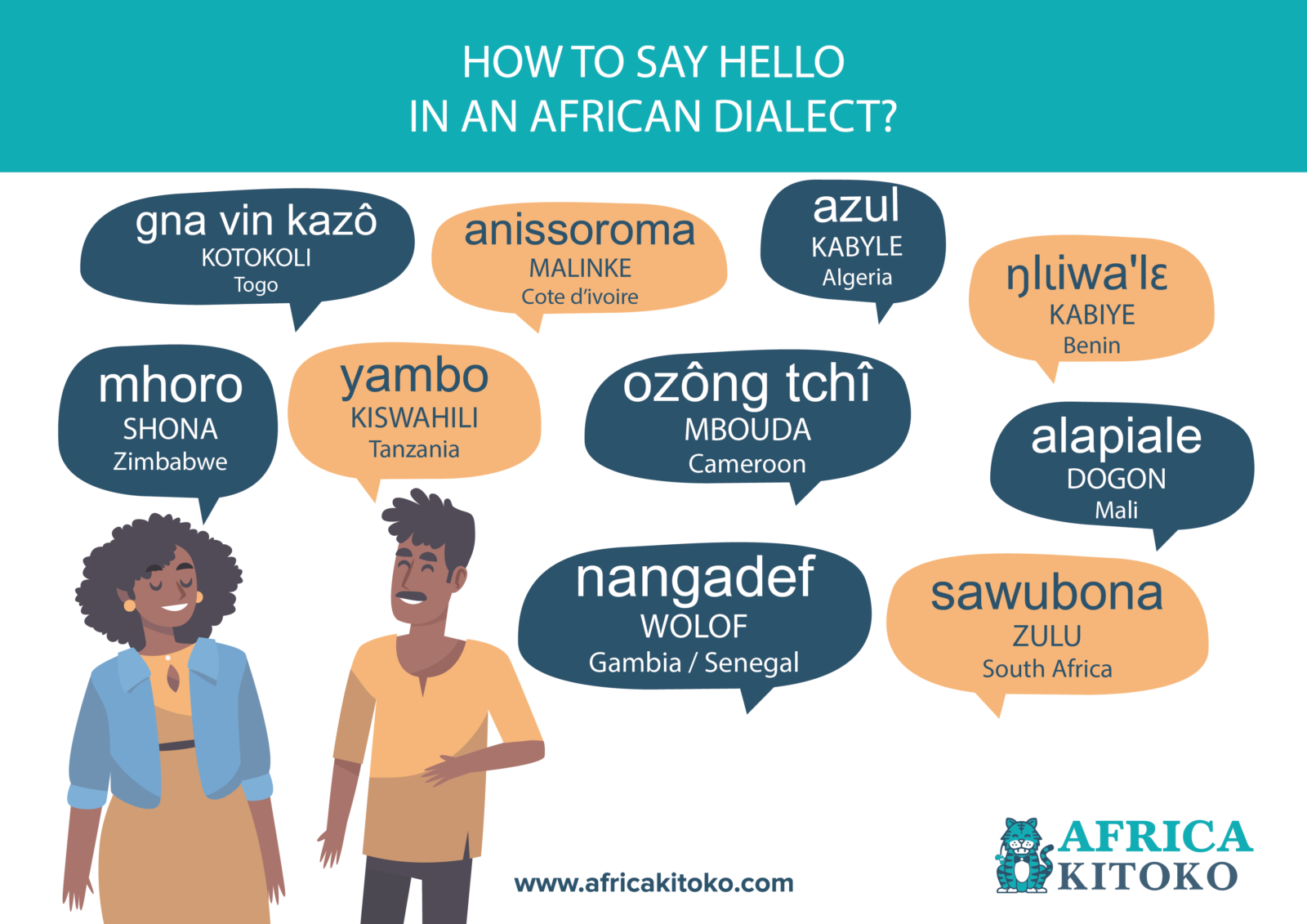
African languages have played a significant role in shaping the literary and artistic landscape of Africa. They serve as powerful mediums for storytelling, poetry, and other literary forms, expressing the rich cultural heritage and diverse perspectives of African communities.
The Role of African Languages in Storytelling
African languages are intricately woven into the oral tradition of storytelling, which has been passed down through generations. Griots, traditional storytellers, use their mastery of language to captivate audiences with tales of history, folklore, and social commentary. These stories often carry deep cultural significance and provide insights into the values, beliefs, and experiences of African societies.
– Discuss the importance of language policy and planning for African languages in the context of globalization and digitalization.
Language policy and planning are essential for the development and revitalization of African languages in the context of globalization and digitalization. Globalization has led to increased interconnectedness and communication across borders, which has both positive and negative implications for African languages.
On the one hand, globalization can provide opportunities for African languages to reach a wider audience and be used in new domains. On the other hand, globalization can also lead to the dominance of a few major languages, such as English, and the marginalization of African languages.
Digitalization is another major force that is shaping the landscape of language use. Digital technologies can be used to promote and revitalize African languages, but they can also be used to further marginalize them. Language policy and planning can help to ensure that African languages are not left behind in the digital age.
Approaches to Language Policy and Planning
There are a variety of different approaches to language policy and planning. Top-down approaches are typically initiated by governments or other centralized authorities. Bottom-up approaches are initiated by communities or other grassroots organizations. Participatory approaches involve both top-down and bottom-up elements.
The best approach to language policy and planning will vary depending on the specific context. However, some general principles can be applied to all approaches. These principles include:
- Language policy and planning should be based on a clear understanding of the linguistic and sociocultural needs of the community.
- Language policy and planning should be participatory and involve all stakeholders.
- Language policy and planning should be flexible and adaptable to changing circumstances.
Language Revitalization and Empowerment
Language revitalization is a process of reversing language decline and promoting the use of endangered languages. It involves a range of strategies aimed at increasing the number of speakers and the vitality of the language within its community.
Language revitalization is crucial for African languages as many of them face challenges such as language shift, loss of speakers, and limited intergenerational transmission. The revitalization of African languages is essential for preserving cultural heritage, promoting linguistic diversity, and empowering communities.
Strategies and Methods for Language Revitalization
Documenting and recording languages: This involves creating written and audio-visual records of the language, including grammar, vocabulary, and oral traditions.
Developing educational materials: Creating textbooks, dictionaries, and other resources for language learning and teaching in schools and communities.
Promoting language use in public spaces: Encouraging the use of African languages in government, media, education, and other public domains.
Community engagement: Involving community members in language revitalization efforts, such as establishing language clubs, hosting language workshops, and promoting language use in everyday interactions.
Role of Community Engagement and Empowerment
Community engagement is vital for successful language revitalization. Local communities possess valuable knowledge and expertise about their languages and can contribute significantly to revitalization efforts. Empowering communities to take ownership of their languages and lead revitalization initiatives is essential for long-term sustainability.
Community engagement can take various forms, including:
Establishing community language committees to oversee revitalization efforts.
Organizing language workshops and training programs for community members.
Promoting intergenerational language transmission by encouraging elders to pass on their language knowledge to younger generations.
The Future of African Languages
African languages face numerous challenges and opportunities in the 21st century. Globalization, technology, and cultural change are shaping their future in complex ways.
Technology
Technology offers both threats and opportunities for African languages. On the one hand, it can facilitate language learning, preservation, and dissemination. On the other hand, it can also lead to language shift and dominance of major languages.
Globalization
Globalization brings increased interconnectedness and exposure to foreign languages. This can lead to language loss as people adopt more widely spoken languages for communication and education. However, it can also create opportunities for African languages to gain recognition and visibility on a global scale.
Cultural Change
Cultural change, such as urbanization and modernization, can lead to language shift as people move away from traditional communities and adopt new lifestyles. However, it can also create new contexts for language use, such as in education and the media.
Recommendations
To ensure the vitality and sustainability of African languages, several recommendations can be made:
- Promote language education in African languages at all levels of education.
- Support language documentation and preservation efforts.
- Develop language policies that protect and promote African languages.
- Encourage the use of African languages in media, technology, and the arts.
- Foster cross-cultural dialogue and exchange to promote understanding and appreciation of African languages.
By addressing these challenges and opportunities, African languages can continue to play a vital role in the cultural, social, and economic development of Africa and beyond.
General Inquiries
What are the common linguistic features found in African languages?
African languages exhibit a range of common linguistic features, including the use of tonal systems, complex vowel systems, and grammatical structures that often rely on prefixes, suffixes, and infixes.
How do African languages contribute to cultural identity and expression?
African languages play a vital role in shaping cultural identity and expression. They are used in literature, music, art, and other cultural practices, serving as vehicles for transmitting cultural values, beliefs, and traditions.
What are the challenges facing African languages in the modern world?
African languages face several challenges, including lack of official recognition, limited use in education and media, and the influence of dominant languages, leading to language loss and endangerment.
