What is a sensory language – What is sensory language? This captivating term encompasses a fascinating aspect of human communication, where words and phrases evoke vivid sensory experiences, transporting readers and listeners into immersive worlds. Sensory language has a profound impact on our perception, understanding, and engagement, inviting us to experience the world through a kaleidoscope of senses.
Throughout this exploration, we will delve into the intricacies of sensory language, unraveling its types, effectiveness, and applications. From literature to advertising, education to therapy, and even design and psychology, sensory language weaves its magic, enriching our lives and shaping our experiences.
Sensory Language Overview
Sensory language refers to the use of words and phrases that evoke sensory experiences, such as sight, sound, touch, taste, and smell.
Sensory language plays a vital role in communication, as it helps to create vivid and engaging descriptions that can enhance the reader’s understanding and emotional connection to the text.
Impact on Perception and Understanding
Sensory language can significantly impact our perception and understanding of the world around us. By engaging multiple senses, it creates a more immersive and memorable experience, allowing us to better visualize, feel, and connect with the subject matter.
- Sensory language can enhance comprehension by providing concrete and relatable examples that make abstract concepts more tangible.
- It can evoke emotions and create a deeper understanding of the writer’s perspective and the experiences they are trying to convey.
- Sensory language can also stimulate the imagination, fostering creativity and allowing readers to connect with the text on a more personal level.
Types of Sensory Language
Sensory language is a type of figurative language that appeals to the five senses: sight, sound, touch, smell, and taste. It can be used to create a vivid and immersive experience for the reader, and it can be especially effective in poetry and creative writing.
There are many different types of sensory language, each with its own unique effects. Some of the most common types include:
Sight
Sight is the most common sense used in sensory language. It can be used to create images in the reader’s mind, and it can be especially effective in describing people, places, and things.
Sensory language refers to a mode of communication that employs sensory modalities, such as gestures, body language, or sign language. In this regard, the question of whether Duolingo offers sign language instruction becomes relevant ( does Duolingo have sign language ).
Sensory languages, like sign language, serve as vital communication tools for individuals with hearing impairments or speech difficulties, enabling them to express themselves and interact with the world.
- Examples: “The sun was a blazing ball of fire in the sky.”
- “The leaves on the trees were a vibrant green.”
- “The water in the lake was a deep, clear blue.”
Sound
Sound is another important sense that can be used in sensory language. It can be used to create a sense of atmosphere and mood, and it can be especially effective in describing music, nature, and other sounds.
- Examples: “The birds were singing a cheerful melody.”
- “The wind was howling through the trees.”
- “The waves were crashing against the shore.”
Touch
Touch is a sense that can be used to create a sense of intimacy and connection. It can be used to describe the texture of objects, the temperature of the air, and the feeling of being touched.
- Examples: “The cat’s fur was soft and smooth.”
- “The water was cold and refreshing.”
- “The wind was biting at my skin.”
Smell
Smell is a sense that can be used to create a sense of nostalgia and memory. It can be used to describe the scent of flowers, the smell of food, and the odor of different places.
- Examples: “The flowers were fragrant and sweet.”
- “The food smelled delicious.”
- “The air was filled with the smell of the sea.”
Taste
Taste is the least common sense used in sensory language. It can be used to describe the flavor of food, the sweetness of fruit, and the bitterness of coffee.
- Examples: “The chocolate was rich and decadent.”
- “The fruit was sweet and juicy.”
- “The coffee was bitter and strong.”
The effectiveness of each type of sensory language depends on the context in which it is used. In general, sight and sound are the most effective senses for creating a vivid and immersive experience. However, touch, smell, and taste can also be effective in creating a sense of intimacy and connection.
| Type | Senses | Effectiveness |
|---|---|---|
| Sight | Sight | Most effective for creating a vivid and immersive experience |
| Sound | Sound | Effective for creating a sense of atmosphere and mood |
| Touch | Touch | Effective for creating a sense of intimacy and connection |
| Smell | Smell | Effective for creating a sense of nostalgia and memory |
| Taste | Taste | Least effective, but can be used to create a sense of intimacy and connection |
Sensory language can be used to create a variety of effects in writing. It can be used to create a sense of atmosphere, to evoke emotions, to describe people, places, and things, and to tell a story.
Here is a short paragraph describing a scene using sensory language:
The sun was setting, and the sky was ablaze with color. The leaves on the trees were turning a vibrant gold, and the air was filled with the sound of crickets chirping. The smell of autumn was in the air, and the wind was cool and refreshing against my skin.
Here is a poem using sensory language:
The sun is a golden ball of fire,
The sky is a canvas of blue,
The wind is a gentle caress,
And the rain is a sweet, refreshing kiss.
Sensory language is a powerful tool that can be used to create a variety of effects in writing. It can be used to create a vivid and immersive experience for the reader, and it can be especially effective in poetry and creative writing.
Sensory Language in Literature
Sensory language is a powerful tool that can be used to create vivid and immersive experiences for readers. By appealing to the senses, authors can transport readers to other worlds, introduce them to new characters, and evoke a wide range of emotions.
Some of the most effective users of sensory language include:
- William Shakespeare:Shakespeare’s plays are filled with rich and evocative sensory language, which helps to create a vivid and immersive experience for the audience. For example, in “Romeo and Juliet,” the famous balcony scene is full of sensory details, such as the “nightingale’s song” and the “scent of flowers.”
- Jane Austen:Austen’s novels are known for their细腻的观察力和对日常生活细节的关注。她对感官语言的运用有助于创造一种真实感和亲密感。例如,在《傲慢与偏见》中,伊丽莎白·班内特对达西先生的第一次印象是基于他的外表和举止。
- Charles Dickens:Dickens’ novels are full of vivid and often grotesque sensory details, which help to create a powerful and unforgettable impression on the reader. For example, in “Great Expectations,” the description of the marshes is full of sensory details, such as the “smell of the mud” and the “sound of the wind.”
Sensory language can be used to enhance storytelling in a number of ways. First, it can help to create a more vivid and immersive experience for the reader. By appealing to the senses, authors can transport readers to other worlds, introduce them to new characters, and evoke a wide range of emotions.
Second, sensory language can help to develop character. By describing the way that characters experience the world, authors can reveal their personalities and motivations. Third, sensory language can help to create atmosphere and setting. By describing the sensory details of a place, authors can create a sense of time and place and evoke a particular mood or feeling.
Sensory Language in Advertising: What Is A Sensory Language
Sensory language plays a crucial role in advertising by evoking vivid sensory experiences that connect with consumers on a deeper level. It stimulates the senses, creating memorable and impactful messages that influence purchasing decisions.
Impact on Consumer Behavior
- Heightens attention and engagement:Sensory language grabs attention and holds it by creating vivid sensory experiences that resonate with consumers.
- Enhances brand recall:By creating memorable sensory associations, brands become more easily recognizable and memorable.
- Influences emotions and attitudes:Sensory language can evoke specific emotions and attitudes, shaping consumer perceptions and preferences.
- Triggers purchasing behavior:Sensory language can create strong desires and cravings, leading to increased purchases.
Examples of Successful Advertising Campaigns
Numerous advertising campaigns have successfully utilized sensory language to achieve remarkable results:
- Dove’s “Real Beauty” campaign:Used sensory language to evoke emotions and challenge societal beauty standards, creating a strong connection with consumers.
- Nike’s “Just Do It” campaign:Used sensory language to create a sense of motivation and empowerment, encouraging consumers to push their limits.
- Coca-Cola’s “Taste the Feeling” campaign:Used sensory language to evoke nostalgia and create a sense of refreshment, strengthening brand loyalty.
– Discuss the benefits of using sensory language in teaching
Sensory language is a powerful tool that can be used to engage students and improve their learning. When students are able to connect with the material through their senses, they are more likely to remember it and understand it.
There are many benefits to using sensory language in teaching. Some of these benefits include:
- Improved student engagement
- Increased student retention
- Enhanced student understanding
- Developed critical thinking skills
- Fostered creativity
Sensory Language in Therapy

Sensory language plays a crucial role in therapeutic interventions, particularly in helping clients process emotions and experiences. By engaging multiple senses, therapists can create a safe and supportive environment that facilitates self-expression, emotional regulation, and healing.
Using Sensory Language in Therapeutic Techniques
Sensory language is incorporated into various therapeutic techniques, including:
- Art therapy:Clients use art materials to express their emotions and experiences through sensory experiences like touch, sight, and smell.
- Music therapy:Music can evoke emotions, facilitate self-expression, and promote relaxation or stimulation.
- Play therapy:Toys and sensory materials provide a safe space for children to explore their emotions and develop coping mechanisms.
- Somatic therapy:This approach focuses on the connection between the body and emotions, using sensory awareness and movement to facilitate healing.
Sensory Language in Design
Sensory language plays a pivotal role in creating immersive experiences in design. By engaging multiple senses, it enhances user engagement, satisfaction, and overall brand recall.
Sensory language in design encompasses the use of words, phrases, and imagery that evoke sensory perceptions, such as sight, sound, touch, taste, and smell. This can be achieved through:
- Visual language:Using descriptive words to paint a vivid picture in the user’s mind, creating a sense of sight.
- Auditory language:Employing words that describe sounds, creating an auditory experience for the user.
- Tactile language:Using words that evoke sensations of touch, making the user feel the texture or temperature of an object.
- Gustatory language:Describing flavors and tastes, creating a sense of taste in the user’s mind.
- Olfactory language:Using words that describe scents and smells, creating an olfactory experience for the user.
Examples of Design Projects Utilizing Sensory Language
Here are a few examples of design projects that effectively utilize sensory language:
- Immersive virtual reality experiences:Using visual, auditory, and tactile language to create realistic and immersive virtual environments.
- Interactive museum exhibits:Incorporating tactile and olfactory elements to allow visitors to engage with exhibits on a sensory level.
- Multi-sensory branding campaigns:Using a combination of sensory elements in advertising to create a memorable and engaging brand experience.
Sensory Language in Psychology
Sensory language plays a significant role in psychology, as it influences our thoughts, feelings, and behaviors. By evoking vivid sensory experiences, sensory language can activate specific neural pathways, trigger emotional responses, and shape our cognitive processes.
Psychological Impact of Sensory Language
Research studies have demonstrated the psychological impact of sensory language:
- Emotional Arousal:Sensory language can evoke strong emotions by stimulating the sensory cortex and activating the limbic system, leading to increased emotional arousal and intensity.
- Memory Enhancement:Sensory details can enhance memory formation by creating a stronger and more vivid representation of an experience, facilitating recall and recognition.
- Cognitive Processing:Sensory language can influence cognitive processes, such as attention, perception, and decision-making, by directing focus and shaping our interpretation of events.
– Explain the neurological basis of sensory language
Sensory language is a type of language that uses words and phrases to evoke the senses. It can be used to describe anything from the taste of food to the sound of music. Sensory language is often used in literature, advertising, and other forms of communication.
The neurological basis of sensory language is not fully understood, but research suggests that it is processed in the brain’s temporal lobes. The temporal lobes are responsible for processing sensory information, such as sound, sight, and smell. When we read or hear sensory language, the temporal lobes activate the same areas of the brain that would be activated if we were actually experiencing the sensation.
Brain Imaging Studies on Sensory Language
Brain imaging studies have shown that sensory language activates specific regions of the brain. For example, a study by Simmons et al. (2005) found that reading words related to taste activated the insula, a region of the brain that is involved in taste processing.
Another study by Beauchamp et al. (2004) found that listening to words related to smell activated the piriform cortex, a region of the brain that is involved in smell processing.
Sensory Language in Linguistics
Sensory language is a type of language that uses sensory experiences to describe or evoke emotions, ideas, or experiences. It is often used in literature, poetry, and other forms of creative writing, as well as in everyday conversation. Sensory language can be used to create a vivid and immersive experience for the reader or listener, and it can also be used to persuade or inform.The linguistic features of sensory language include the use of sensory adjectives, adverbs, and verbs; the use of figurative language, such as metaphors and similes; and the use of vivid and descriptive language.
Sensory language is often structured in a way that appeals to the reader’s senses, and it can be used to create a sense of place, time, or atmosphere.Sensory language is used in different ways in different languages. In some languages, sensory language is more common than in others, and the types of sensory language that are used can vary.
For example, in some languages, it is more common to use sensory language to describe emotions, while in other languages, it is more common to use sensory language to describe physical experiences.Cross-cultural studies on sensory language have shown that there are some universal features of sensory language that are shared across different languages.
For example, all languages use sensory adjectives, adverbs, and verbs, and all languages use figurative language to some extent. However, there are also some differences in the way that sensory language is used in different languages.Sensory language plays an important role in literature.
It can be used to create a vivid and immersive experience for the reader, and it can also be used to persuade or inform. Sensory language can be used to create a sense of place, time, or atmosphere, and it can also be used to convey emotions and ideas.The neurological and cognitive processes involved in sensory language perception and comprehension are complex.
Sensory language is processed in the brain’s sensory cortex, which is responsible for processing sensory information from the body. The sensory cortex is connected to the language processing areas of the brain, which are responsible for processing language. When we hear or read sensory language, the sensory cortex and the language processing areas of the brain work together to create a mental image of the sensory experience that is being described.
Linguistic Features of Sensory Language Across Different Languages
| Language | Sensory Adjectives | Sensory Adverbs | Sensory Verbs | Figurative Language ||—|—|—|—|—|| English | sweet, sour, bitter, salty, umami | quickly, slowly, softly, loudly | taste, smell, see, hear, touch | metaphor, simile, personification || Spanish | dulce, agrio, amargo, salado, umami | rápido, lento, suave, fuerte | saborear, oler, ver, oír, tocar | metáfora, símil, personificación || Chinese | 甜, 酸, 苦, 咸, 鲜 | 快, 慢, 轻, 重 | 尝, 闻, 看, 听, 摸 | 比喻, 拟人, 夸张 || Japanese | 甘い, 酸っぱい, 苦い, しょっぱい, うま味 | 速い, 遅い, 柔らかい, 硬い | 味わう, 嗅ぐ, 見る, 聞く, 触る | 喩え, 比喩, 擬声語 |
Sensory Language in Anthropology
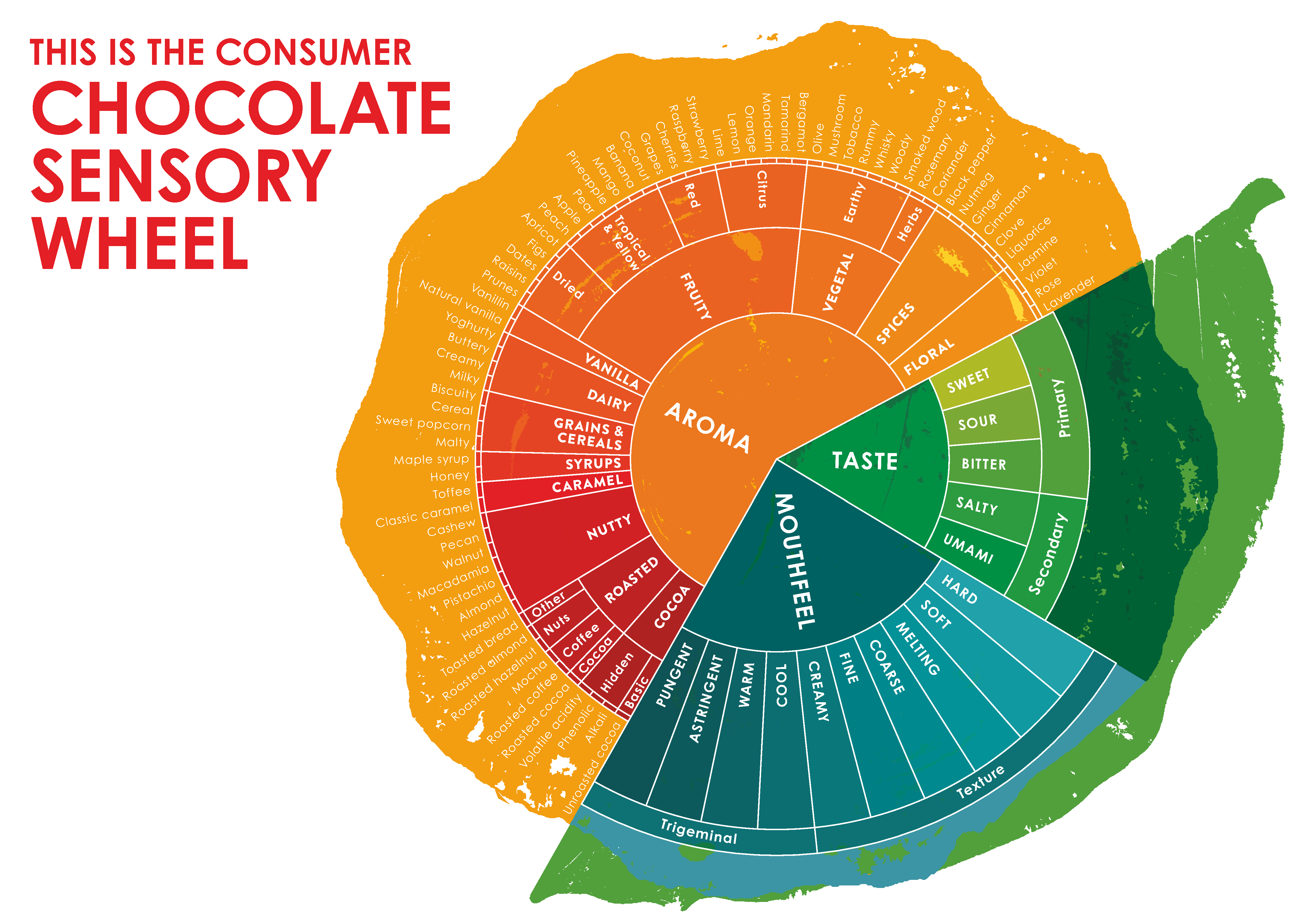
Sensory language is a vital tool in cultural expression, shaping rituals, beliefs, and traditions. Anthropologists study how sensory language influences human behavior and social interactions.
Role in Cultural Expression
Sensory language provides a vivid and immersive way to communicate cultural values and beliefs. It evokes emotions, creates a sense of place, and strengthens social bonds.
Rituals and Traditions
Rituals often incorporate sensory experiences, such as music, dance, and food. These sensory elements enhance the emotional impact of rituals and reinforce cultural identity.
Beliefs and Values
Sensory language is embedded in myths, legends, and other cultural narratives. These stories shape people’s beliefs about the world and their place within it.
Sensory language is a type of language that uses words that appeal to the senses. It can be used to create a vivid and immersive experience for the reader. For example, the phrase “the air was thick with the smell of jasmine” appeals to the sense of smell.
Languages spoken in Portugal, such as Portuguese and Mirandese, have a rich vocabulary that can be used to create sensory language. This is because the Portuguese language has been influenced by many different cultures throughout its history, including Arabic, French, and Spanish.
Anthropological Studies
- Smell in Indian Rituals:A study by Vasudevan (2016) explored the role of smell in Hindu rituals, highlighting its significance in evoking emotions and creating a sense of sacredness.
- Taste in Japanese Cuisine:Anderson (2013) examined the cultural importance of taste in Japanese cuisine, emphasizing how sensory experiences shape culinary practices and social interactions.
– Elaborate on the sensory experiences that are most commonly associated with social norms and behaviors.
Sensory experiences are an essential part of human interaction and social behavior. They can influence our emotions, thoughts, and actions, and can be used to communicate social norms and expectations. Some of the most commonly associated sensory experiences with social norms and behaviors include:
- Sight:The way we look at others can communicate a lot about our social status, intentions, and emotions. For example, making eye contact is often seen as a sign of respect and attention, while avoiding eye contact can be seen as a sign of disrespect or disinterest.
- Hearing:The way we speak to others can also communicate a lot about our social status, intentions, and emotions. For example, speaking in a loud voice can be seen as a sign of confidence and authority, while speaking in a soft voice can be seen as a sign of shyness or deference.
- Touch:The way we touch others can communicate a lot about our social relationships. For example, a handshake is often seen as a sign of greeting and respect, while a hug is often seen as a sign of affection or intimacy.
- Smell:The way we smell can also communicate a lot about our social status, intentions, and emotions. For example, wearing perfume or cologne can be seen as a sign of sophistication and attractiveness, while smelling bad can be seen as a sign of poverty or neglect.
- Taste:The way we taste food can also communicate a lot about our social status, intentions, and emotions. For example, eating certain foods can be seen as a sign of wealth and status, while eating other foods can be seen as a sign of poverty or deprivation.
These are just a few of the many sensory experiences that are associated with social norms and behaviors. By understanding how these experiences can influence our interactions with others, we can become more effective communicators and build stronger social relationships.
Sensory Language in History
Sensory language plays a vital role in historical accounts, offering vivid and immersive descriptions of past experiences. It transports readers back in time, allowing them to perceive the sights, sounds, smells, tastes, and textures of bygone eras. By incorporating sensory details, historians can create a more engaging and impactful narrative that resonates with readers on a deeper level.
Historical Accounts and Sensory Language
Sensory language is particularly effective in historical accounts because it provides insights into the lived experiences of individuals in the past. It captures the sights, sounds, and smells of everyday life, offering a glimpse into the social, cultural, and environmental conditions of the time.
For example, descriptions of the bustling streets of medieval cities, the acrid smell of gunpowder on battlefields, or the sweet scent of blooming flowers in spring provide a rich and immersive experience for readers.
Examples of Historical Documents
Numerous historical documents effectively utilize sensory language to convey the experiences of the past. One notable example is the diary of Anne Frank, which provides a poignant account of her life in hiding during the Holocaust. Anne’s vivid descriptions of the cramped quarters, the musty smell of the attic, and the fear that permeated their daily lives offer a powerful insight into her harrowing experience.Another example is the account of the Battle of Gettysburg by Union soldier John B.
Bachelder. Bachelder’s description of the deafening roar of artillery, the acrid smell of gunpowder, and the gruesome sights of wounded soldiers provides a visceral portrayal of the horrors of war.
Impact on Historical Narratives
Sensory language has a profound impact on historical narratives. It enhances the reader’s understanding of the past by creating a more immersive and emotionally resonant experience. By appealing to the senses, historians can evoke powerful emotions, foster empathy, and challenge traditional interpretations of historical events.
Challenges and Limitations, What is a sensory language
However, using sensory language in historical writing also presents challenges and limitations. Historians must be mindful of the potential for bias and distortion, as sensory experiences are subjective and can vary depending on the individual’s perspective. Additionally, the availability of sensory information can be limited, especially for events that occurred in the distant past.
Ethical Considerations
Ethical considerations also arise when using sensory language in historical accounts. Historians must respect the privacy and dignity of individuals involved in historical events, ensuring that their sensory experiences are not exploited or sensationalized. They must also be sensitive to the potential for triggering traumatic memories or causing emotional distress to readers.
Historical Memory and Understanding
Sensory language plays a crucial role in shaping historical memory and understanding. It helps readers connect with the past on a personal level, fostering a deeper appreciation for the experiences and struggles of those who came before us. By preserving sensory details, historians contribute to a more nuanced and comprehensive understanding of history.
Historical Periods and Cultures
The use of sensory language in historical writing has varied across different historical periods and cultures. In some cultures, such as ancient Greece and Rome, sensory descriptions were highly valued and considered essential for effective historical accounts. In other cultures, such as medieval Europe, sensory details were often omitted or downplayed in favor of more abstract or theological interpretations of history.
Relationship with Other Evidence
Sensory language complements other forms of historical evidence, such as written documents, archaeological artifacts, and oral histories. By combining sensory details with other sources, historians can gain a more comprehensive understanding of the past and create more nuanced and compelling narratives.
Incorporating Sensory Language
To effectively incorporate sensory language into historical writing, historians should consider the following guidelines:
- Use sensory details sparingly and judiciously, ensuring that they enhance the narrative without overwhelming it.
- Choose specific and evocative sensory descriptions that create a vivid and immersive experience for readers.
- Be mindful of potential biases and distortions, and strive for objectivity in the presentation of sensory information.
- Respect the privacy and dignity of individuals involved in historical events, and avoid sensationalizing or exploiting their sensory experiences.
Popular Questions
What are the different types of sensory language?
Sensory language appeals to our five senses: sight, sound, touch, smell, and taste. Each type evokes distinct sensory experiences, influencing our perception and engagement.
How does sensory language enhance storytelling?
In literature, sensory language transports readers into the narrative, allowing them to experience the world through the characters’ senses. It creates vivid imagery, deepens emotional connections, and enhances the overall storytelling experience.
Can sensory language be used to improve teaching?
Yes, incorporating sensory experiences into lesson plans can improve student engagement and retention. By engaging multiple senses, students can connect with the material on a deeper level, fostering better understanding and memory.
