What is the most romantic language? This question has sparked debates and ignited imaginations for centuries. From the melodious Italian to the passionate Spanish, each language carries its own unique charm and allure. In this captivating narrative, we delve into the enchanting world of romantic languages, exploring their linguistic features, cultural significance, and the subjective perceptions that shape our understanding of their romantic nature.
As we embark on this linguistic journey, we will uncover the linguistic characteristics that distinguish romantic languages from others. We will examine their grammatical structures, vocabulary, and pronunciation patterns, identifying the commonalities and differences that contribute to their distinct charm.
Moreover, we will explore the sociolinguistic aspects that have influenced the development of these languages, considering the role of geography, politics, and education in shaping their regional variations.
Historical Perspective
The concept of romantic languages emerged during the 19th century as scholars sought to classify the diverse languages spoken in Europe. Romantic languages were identified as a distinct group based on their shared origins in Latin, the language of the Roman Empire.
The historical development of romantic languages can be traced back to the collapse of the Roman Empire in the 5th century AD. As the empire fragmented, Latin began to diverge into regional dialects, which eventually evolved into distinct languages. These dialects were influenced by various factors, including contact with other languages, geographic isolation, and cultural changes.
Timeline of Key Events
- 5th century AD:Collapse of the Roman Empire and fragmentation of Latin.
- 9th-12th centuries:Emergence of distinct romantic languages, such as French, Spanish, and Italian.
- 13th-15th centuries:Standardization of romantic languages through literary works and royal patronage.
- 16th-18th centuries:Expansion of romantic languages through colonization and exploration.
- 19th century:Codification and classification of romantic languages as a distinct language family.
The development of romantic languages was influenced by several factors, including:
- Geographic isolation:As the Roman Empire fragmented, different regions developed their own dialects, which were influenced by local languages and cultures.
- Contact with other languages:Romantic languages were influenced by contact with Germanic, Celtic, and Arabic languages, which contributed to their distinctive features.
- Cultural changes:The rise of Christianity and the feudal system had a significant impact on the vocabulary and grammar of romantic languages.
Linguistic Characteristics
Romantic languages, a branch of the Indo-European language family, are distinguished by their unique linguistic features that set them apart from other language groups. These characteristics include specific grammatical structures, vocabulary, and pronunciation patterns, all of which have evolved over time from their common ancestor, Latin.
While French is often hailed as the most romantic language, personal preferences and cultural contexts play a significant role in determining one’s perception of romance. For those who wish to explore other linguistic expressions of love, there are numerous resources available online.
For example, the popular language-learning platform Duolingo offers a comprehensive guide on how to remove a language on duolingo. This guide can be particularly useful for individuals who have decided to focus on a different language or have completed their studies on a particular language.
Morphology
Morphologically, romantic languages exhibit several commonalities. They typically employ a system of grammatical gender (masculine and feminine) and use articles to specify definiteness or indefiniteness. Nouns and adjectives are inflected to indicate number and case, while verbs are conjugated to express tense, mood, and aspect.
Additionally, romantic languages often employ a variety of derivational and inflectional affixes to create new words and modify existing ones.
Syntax
Syntactically, romantic languages generally adhere to a subject-verb-object word order. However, certain languages, such as French, exhibit a degree of flexibility in word order for emphasis or stylistic purposes. Romantic languages also commonly use prepositions to indicate relationships between words and phrases, rather than the postpositions found in some other language groups.
Pronunciation
In terms of pronunciation, romantic languages are characterized by a rich vowel system, often featuring nasalized vowels and diphthongs. Consonants are typically pronounced clearly, with a relatively low incidence of consonant clusters. Additionally, romantic languages often employ a system of stress that falls on specific syllables, influencing the overall rhythm and intonation of speech.
In a world of diverse languages, each boasting its own unique charm, the question of which language is the most romantic is a matter of subjective preference. However, if we consider the official languages of Paraguay, Spanish and Guarani, we find a fascinating blend of European and indigenous influences.
What are the official languages of Paraguay explores the historical and cultural significance of these languages, shedding light on the diverse linguistic tapestry of this South American nation. Returning to our original inquiry, the search for the most romantic language remains an elusive pursuit, as the power of words to evoke emotions transcends linguistic boundaries.
Historical Evolution
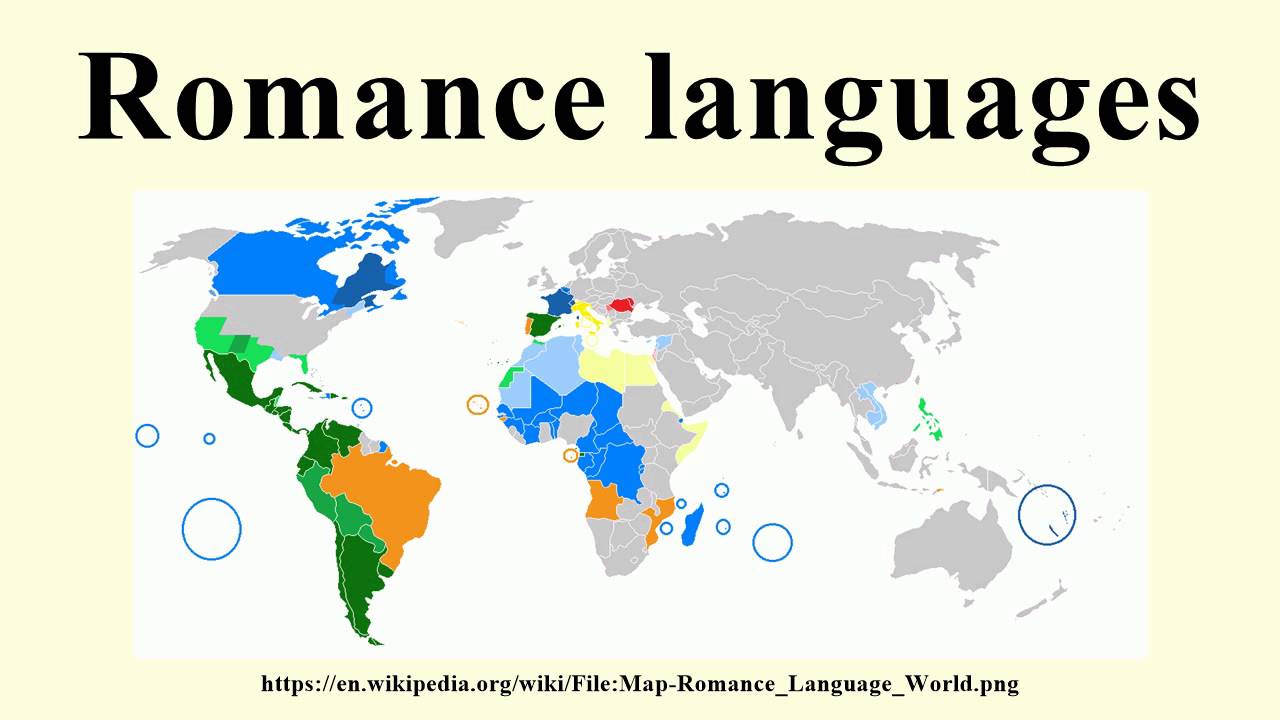
The romantic languages evolved from Vulgar Latin, the spoken form of Latin used by the Roman Empire’s populace. As the empire expanded, Vulgar Latin spread throughout Europe, where it underwent various changes and divergences over time. These changes were influenced by factors such as geographical isolation, cultural contact, and political developments.
The resulting languages, which include French, Spanish, Italian, Portuguese, and Romanian, share a common ancestry while exhibiting distinct characteristics.
Subjective Perceptions

The concept of romantic languages is inherently subjective and influenced by personal preferences and cultural backgrounds. Different cultures perceive the romanticism of specific languages in varying ways.
Cultural Influences
Cultural factors play a significant role in shaping perceptions of romanticism in language. For instance, in Western cultures, French and Italian are often perceived as romantic due to their association with love, romance, and passion. In contrast, in Eastern cultures, Mandarin and Japanese may be viewed as more romantic because they are associated with ancient traditions, poetry, and elegance.
Media and Popular Culture
Media and popular culture also influence perceptions of romantic languages. Romantic movies, novels, and songs often feature characters speaking in specific languages, reinforcing their association with love and romance. For example, the popularity of French films and music in the 20th century contributed to the perception of French as a romantic language.
Biases and Stereotypes
The concept of romantic languages can be subject to biases and stereotypes. Some languages may be perceived as more romantic than others based on superficial characteristics such as the sound of the language or the perceived gender roles associated with it.
These biases can lead to generalizations that do not accurately reflect the complexity of language and its usage.
Objective Criteria
Objective criteria provide a structured framework for assessing the romanticism of a language. These criteria focus on quantifiable linguistic features that contribute to the language’s ability to express emotions, create lyrical beauty, and evoke poetic imagery.
One key objective criterion is emotional expressiveness. Languages with a rich vocabulary of emotions and nuanced expressions allow speakers to convey a wide range of feelings with precision. For example, French has a vast array of words to describe love, such as “amour,” “tendresse,” and “passion,” each conveying a distinct emotional shade.
Lyrical Quality
The lyrical quality of a language refers to its ability to create a musical and poetic effect. This is influenced by factors such as vowel sounds, rhythm, and intonation. Languages with melodious vowel sounds and flexible intonation, like Italian and Spanish, lend themselves well to lyrical expression.
For instance, the Italian language is renowned for its beautiful sonority and is often used in opera and classical music.
Poetic Potential
Poetic potential measures a language’s capacity to evoke vivid imagery and create a sense of wonder. This is determined by the availability of figurative language, such as metaphors, similes, and personification. Languages with a rich tradition of poetry, like English and Persian, possess a vast repertoire of poetic devices that allow poets to create evocative and imaginative works.
– Analyze the role of romantic languages in literature, particularly in the works of renowned authors such as Shakespeare, Dante, and García Márquez.
Romantic languages have played a pivotal role in shaping the literary landscape, enriching it with their expressive capabilities and evocative power. The works of renowned authors like Shakespeare, Dante, and García Márquez exemplify the profound impact of romantic languages on literature.
Shakespeare and the English Language
William Shakespeare’s mastery of the English language, which is a Germanic language with significant Romantic influence, allowed him to craft unforgettable characters, intricate plots, and timeless themes. His use of poetic devices such as metaphors, similes, and sonnets imbued his works with a lyrical quality that resonated with audiences.
In “Romeo and Juliet,” for instance, the lovers’ passionate exchanges are conveyed through the rich and evocative language of romance. Lines like “My bounty is as boundless as the sea, / My love as deep; the more I give to thee, / The more I have, for both are infinite” encapsulate the boundless and eternal nature of their love.
Artistic Expression

Romantic languages have also played a significant role in other art forms, such as music, painting, and dance. The lyrical qualities of these languages enhance the emotional impact of artistic creations, allowing artists to express their feelings and ideas in a rich and nuanced way.
In music, romantic languages have been used to create some of the world’s most beautiful and moving melodies. The Italian language, in particular, has been favored by opera composers for its rich vowels and expressive consonants. French and Spanish have also been used extensively in classical music, as well as in popular genres such as jazz and rock.
Painting
In painting, romantic languages have been used to create works that are both visually stunning and emotionally evocative. The Italian Renaissance produced some of the most famous paintings in the world, many of which were inspired by biblical or mythological themes.
French and Spanish painters have also made significant contributions to the art of painting, with their works often characterized by their use of vibrant colors and dramatic lighting.
Dance
In dance, romantic languages have been used to create a wide variety of styles, from the elegant ballet to the passionate flamenco. The Italian language has been particularly influential in the development of ballet, with many of the terms used in the art form being derived from Italian.
French and Spanish have also been used in the creation of popular dance styles such as the waltz and the tango.
Contemporary Trends
The use of romantic languages is constantly evolving, shaped by technological advancements and globalization. These factors have a profound impact on the perception and usage of these languages, influencing their role in literature, culture, and communication.
Technology has played a significant role in the dissemination of romantic languages, making them more accessible to a wider audience. The internet, social media, and language-learning apps have facilitated the spread of these languages, allowing people from different cultures to connect and share ideas.
Globalization and Language Exchange, What is the most romantic language
Globalization has also contributed to the increased use of romantic languages. As the world becomes more interconnected, there is a growing need for communication across borders. Romantic languages, such as English, French, and Spanish, have become lingua francas in many international settings, facilitating business, diplomacy, and cultural exchange.
| Trend | Impact |
|---|---|
| Increased accessibility through technology | Wider dissemination and use of romantic languages |
| Globalization and language exchange | Romantic languages as lingua francas in international settings |
| Multilingualism and cultural diversity | Preservation and appreciation of linguistic diversity |
These trends have implications for language learning and cultural exchange. The increased accessibility of romantic languages through technology encourages people to explore different cultures and engage in global conversations. It also fosters multilingualism, promoting cultural diversity and understanding.
Regional Variations: What Is The Most Romantic Language
Within each romantic language family, there are notable regional variations in the use of language. Geographic and cultural factors play a significant role in shaping the romantic characteristics of these languages.
Geographic Influences
Geographic isolation can lead to the development of distinct dialects and romantic nuances within a language. For example, the French spoken in Quebec, Canada, exhibits unique romantic qualities influenced by its isolation from the rest of the French-speaking world.
Cultural Influences
Cultural traditions and values also influence the romantic characteristics of a language. The Italian spoken in Tuscany, Italy, is renowned for its lyrical and poetic qualities, reflecting the region’s rich artistic and literary heritage.
Regional Dialect Comparison
The following table compares the romantic characteristics of different regional dialects within the Spanish language:
| Dialect | Romantic Characteristics |
|---|---|
| Andalusian (Spain) | Flamenco-inspired, passionate and expressive |
| Rioplatense (Argentina) | Soft and melodic, with a distinctive intonation |
| Mexican | Vibrant and colorful, with a rich vocabulary for expressing emotions |
Native Speaker Quotes
“The Andalusian dialect is like a dance, full of passion and energy.”– Maria, a native speaker from Seville, Spain
“The Rioplatense dialect is like a gentle breeze, soft and calming.”– Juan, a native speaker from Buenos Aires, Argentina
“The Mexican dialect is like a fiesta, full of color and life.”– Ana, a native speaker from Mexico City, Mexico
Sociological Implications
The concept of romantic languages has significant sociological implications, influencing social interactions and cultural norms. The use of these languages can foster a sense of community and shared identity, shaping the way people communicate and express themselves within specific cultural contexts.
Romantic languages are often associated with emotions, romance, and beauty, which can influence the way people interact with each other. For instance, in cultures where romantic languages are spoken, individuals may be more expressive and affectionate in their communication, valuing emotional connection and interpersonal relationships.
Social Stratification
The use of romantic languages can also impact social stratification. In some societies, proficiency in a romantic language may be seen as a mark of education and refinement, leading to higher social status and opportunities. This can create a divide between those who are fluent in the language and those who are not, potentially perpetuating social inequalities.
– Educational Perspectives

The study of romantic languages, such as French, Spanish, Italian, and Portuguese, offers numerous educational benefits. These languages are widely spoken across the globe, opening doors to diverse cultures and fostering intercultural communication. Moreover, studying romantic languages enhances cognitive abilities, improves language skills, and provides a deeper understanding of one’s native language.
One of the primary benefits of studying romantic languages is the development of cognitive skills. Learning a new language requires the brain to engage in complex processes, including memorization, pattern recognition, and logical reasoning. This mental exercise strengthens cognitive functions, such as memory, attention, and problem-solving abilities.
Cultural Understanding
The study of romantic languages also promotes cultural understanding. Language is an integral part of any culture, reflecting its values, beliefs, and traditions. By immersing oneself in a romantic language, students gain insights into the culture of its speakers. They learn about different perspectives, customs, and ways of life, fostering empathy and global awareness.
Language Skills
Furthermore, studying romantic languages improves language skills in general. Romantic languages share many similarities in grammar, vocabulary, and pronunciation, making it easier for learners to acquire multiple languages. The study of one romantic language can serve as a foundation for learning others, expanding language proficiency and enhancing communication skills.
Tourism and Language Learning
Romantic languages, renowned for their expressive nature and rich literary traditions, play a significant role in tourism and language learning. The allure of experiencing romantic cultures, immersed in their captivating languages, motivates individuals to embark on language learning journeys.
Social media and travel influencers have emerged as influential forces in shaping language learning motivations. Their captivating content showcases the beauty and allure of romantic destinations, igniting a desire to connect with locals and delve deeper into the cultural tapestry.
This has led to a surge in interest in language learning, particularly among tourists seeking authentic experiences.
Challenges and Opportunities
Language learning for tourists in romantic language destinations presents both challenges and opportunities. While the immersive environment provides ample exposure to the language, tourists may face difficulties with unfamiliar grammar, pronunciation, and cultural nuances.
Opportunities abound for tourists to enhance their language acquisition. Guided tours, language exchange programs, and interactive language learning apps can provide structured support and facilitate meaningful interactions with locals. Additionally, tourists can immerse themselves in the local culture through activities such as attending festivals, visiting museums, and engaging in conversations with locals.
Strategies for Language Learning Programs
Language learning programs can leverage tourism to enhance language acquisition by incorporating immersive experiences and cultural insights. Partnerships with local businesses and cultural institutions can provide opportunities for students to interact with native speakers and engage with the local community.
Programs can also develop tailored language learning materials that cater to the specific needs of tourists, focusing on essential vocabulary, phrases, and cultural etiquette. By integrating tourism-related content into language learning curricula, programs can make the learning process more engaging and relevant.
Cultural Understanding and Intercultural Communication
Language learning in romantic language destinations fosters cultural understanding and intercultural communication. By immersing themselves in the language, tourists gain insights into the local mindset, values, and traditions. This enhanced understanding promotes empathy, reduces cultural barriers, and facilitates meaningful connections with locals.
Economic Benefits
Language learning has significant economic benefits for tourism industries in romantic language destinations. Tourists who possess language proficiency are more likely to extend their stays, engage in local businesses, and participate in cultural activities. This increased spending contributes to local economies and supports the tourism sector.
Future of Romantic Languages
In a globalized world characterized by technological advancements and cultural exchanges, the future of romantic languages presents both challenges and opportunities.
One of the primary challenges facing romantic languages is the dominance of English as a global lingua franca. The widespread use of English in international communication, business, and academia may lead to a decline in the usage of romantic languages, particularly among younger generations.
Digital Age
The digital age poses additional challenges for romantic languages. The proliferation of social media and online content in English may further contribute to the marginalization of romantic languages, as users may gravitate towards content that is readily available in the dominant language.
However, the digital age also presents opportunities for romantic languages. The internet and social media platforms can serve as tools for promoting and preserving romantic languages, connecting speakers from different regions and backgrounds.
Educational Initiatives
Educational initiatives play a crucial role in ensuring the vitality of romantic languages. Governments and educational institutions can implement policies that support the teaching and learning of romantic languages at all levels, from primary school to higher education.
Furthermore, the promotion of romantic languages in tourism and cultural exchange can contribute to their preservation and revitalization. By showcasing the rich cultural heritage and literary traditions associated with romantic languages, tourism can foster appreciation and interest in these languages.
FAQ Resource
Which language is considered the most romantic?
The perception of which language is the most romantic is subjective and varies depending on individual preferences and cultural backgrounds. However, languages like French, Italian, Spanish, and Portuguese are often associated with romance and passion due to their lyrical qualities and emotional expressiveness.
What are the key linguistic features of romantic languages?
Romantic languages share certain linguistic features, including a focus on vowel sounds, rhythmic intonation, and a relatively complex grammatical structure. They often have a rich vocabulary related to emotions, love, and beauty.
How have romantic languages influenced literature and art?
Romantic languages have played a significant role in shaping literature and art. From the sonnets of Shakespeare to the operas of Verdi, these languages have provided a medium for expressing emotions, creating evocative imagery, and conveying cultural nuances.
