What languages spoken in japan – What languages are spoken in Japan? This question opens up a fascinating exploration into the linguistic landscape of the Land of the Rising Sun. Japan, a nation steeped in ancient traditions and cutting-edge modernity, boasts a rich tapestry of languages that reflect its diverse history and cultural heritage.
From the ancient origins of the Japanese language to the vibrant regional dialects and the impact of foreign influences, this presentation delves into the intricacies of communication in Japan, examining the unique characteristics, social significance, and challenges faced by learners of Japanese as a foreign language.
Japanese Language
The Japanese language is a unique and fascinating language with a rich history and a complex grammatical structure. It is spoken by over 125 million people worldwide, primarily in Japan, and is the official language of the country.
History and Evolution
The Japanese language is thought to have originated from the Yayoi period (300 BCE – 300 CE), when people from the Korean peninsula migrated to Japan. The language was influenced by the Chinese language, which was introduced to Japan in the 5th century CE.
The Chinese characters, known as kanji, were adopted into the Japanese language and used to write Japanese words. In the 9th century CE, two new writing systems, hiragana and katakana, were developed to represent Japanese sounds. These systems, along with kanji, form the basis of the modern Japanese writing system.
Characteristics of Japanese Grammar and Syntax
Japanese grammar and syntax are very different from those of English. The most striking difference is the use of particles. Particles are grammatical markers that are added to words to indicate their grammatical function. For example, the particle “ga” is used to indicate the subject of a sentence, while the particle “o” is used to indicate the object of a sentence.
Another characteristic of Japanese grammar is the SOV (subject-object-verb) word order. This means that the subject of a sentence comes before the object, and the verb comes at the end of the sentence. For example, the sentence “I eat rice” would be written as “私はご飯を食べます” (watashi wa gohan o tabemasu).
Common Japanese Phrases and Expressions
Here are some common Japanese phrases and expressions:
- こんにちは (konnichiwa) – hello
- はじめまして (hajimemashite) – nice to meet you
- お元気ですか (ogenki desu ka) – how are you?
- ありがとうございます (arigatou gozaimasu) – thank you
- すみません (sumimasen) – excuse me
Japanese Paragraph
Here is a short paragraph in Japanese about my favorite food:
私の好きな食べ物は寿司です。寿司は日本料理で、酢飯の上に生の魚や野菜を乗せて作られます。寿司は美味しくてヘルシーなので、私はよく食べます。
Regional Dialects

The Japanese language exhibits significant regional variation, with numerous dialects spoken throughout the country. These dialects vary in terms of pronunciation, grammar, and vocabulary, reflecting the diverse cultural and historical influences that have shaped Japan over the centuries.
The major regional dialects of Japan can be broadly classified into two main groups: Eastern and Western dialects. Eastern dialects are spoken in the eastern half of the country, including the Tokyo metropolitan area, while Western dialects are spoken in the western half of the country, including the Kansai region.
Eastern Dialects
Eastern dialects are characterized by a number of distinctive features, including:
- The use of the “ga” particle instead of the “no” particle to mark the subject of a sentence.
- The use of the “desu” copula instead of the “da” copula.
- The use of the “masu” polite form instead of the “desu” polite form.
The Tokyo dialect is the most widely spoken Eastern dialect and serves as the standard form of Japanese used in education, media, and official documents.
Western Dialects
Western dialects are characterized by a number of distinctive features, including:
- The use of the “no” particle instead of the “ga” particle to mark the subject of a sentence.
- The use of the “da” copula instead of the “desu” copula.
- The use of the “haru” polite form instead of the “masu” polite form.
The Kansai dialect is the most widely spoken Western dialect and is known for its distinctive intonation and vocabulary.
Social and Cultural Significance
Regional dialects play an important social and cultural role in Japan. They are often associated with specific regions and communities and can serve as a source of local pride and identity. Dialects can also reflect the historical and cultural influences that have shaped a particular region.
In recent years, there has been a decline in the use of regional dialects, particularly among younger generations. This is due in part to the increasing dominance of the standard Tokyo dialect in the media and education. However, regional dialects continue to be spoken by many people in Japan and remain an important part of the country’s linguistic and cultural heritage.
Foreign Language Influence

The Japanese language has been significantly influenced by foreign languages throughout its history. The most notable influence is from Chinese, which began with the introduction of Chinese characters in the 5th century. Chinese loanwords make up a large part of the Japanese vocabulary, particularly in the areas of government, religion, and culture.
In addition to Chinese, Japanese has also been influenced by other languages, including Korean, Portuguese, Dutch, and English. Korean loanwords are found in many areas of everyday life, such as food, clothing, and housing. Portuguese and Dutch loanwords were introduced during the period of European trade with Japan in the 16th and 17th centuries.
English loanwords have become increasingly common in recent years, particularly in the fields of science, technology, and popular culture.
Impact of Globalization
The impact of globalization on the Japanese language has been significant. The increased interconnectedness of the world has led to a greater exchange of ideas and culture, which has in turn led to the adoption of new words and phrases from other languages.
This trend is likely to continue in the future, as Japan continues to play an active role in the global economy and culture.
Writing Systems
The Japanese language is written using three distinct writing systems: hiragana, katakana, and kanji. Each system serves a specific purpose and is used in different contexts.
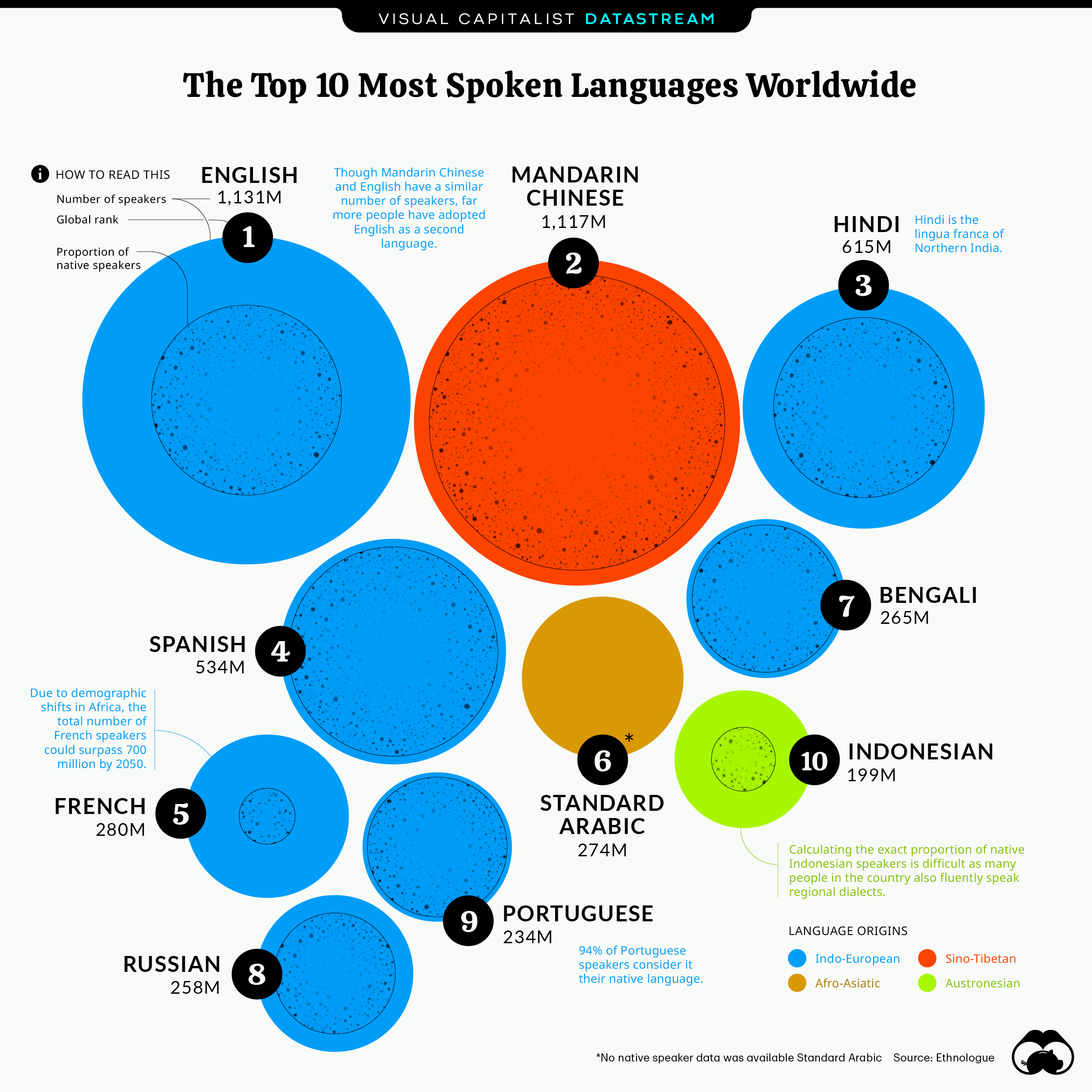
In Japan, the official language is Japanese, spoken by the majority of the population. However, like India , where Hindi is the official language, Japan also has regional dialects and minority languages, such as the Ryukyuan languages spoken in the Okinawa prefecture.
Hiragana is a phonetic syllabary consisting of 46 basic characters. It is used to write native Japanese words, grammatical particles, and word endings. Hiragana is considered the most basic writing system and is typically learned first by Japanese children.
Katakana is another phonetic syllabary consisting of 46 basic characters. It is used to write foreign words, onomatopoeia, and scientific terms. Katakana is also used for emphasis or to create a foreign or exotic feel in writing.
Kanji are Chinese characters that have been adopted into the Japanese language. There are thousands of kanji, each with its own meaning and pronunciation. Kanji are used to write the majority of Japanese words, including nouns, verbs, adjectives, and adverbs.
The use of kanji in Japanese can be complex, as many kanji have multiple readings and can be combined to form new words.
The three writing systems are often combined in written Japanese. For example, a sentence might contain hiragana for grammatical particles, katakana for a foreign word, and kanji for the main nouns and verbs.
Examples of Writing Systems in Use
- The word “こんにちは” (konnichiwa, “hello”) is written in hiragana.
- The word “コンピュータ” (konpyuuta, “computer”) is written in katakana.
- The word “日本” (nihon, “Japan”) is written in kanji.
Non-Verbal Communication
Non-verbal communication holds immense significance in Japanese culture, shaping interactions and conveying nuanced meanings. Body language, gestures, and facial expressions play a crucial role in expressing emotions, conveying intentions, and establishing social cues.Understanding non-verbal cues is essential for effective communication in Japan.
For instance, bowing is a common gesture that conveys respect, apology, or gratitude, with the depth and duration of the bow indicating the level of formality and sincerity. Similarly, maintaining eye contact is considered impolite and can be interpreted as a challenge or a lack of respect.
Body Language
Japanese body language often involves subtle and understated movements. Standing upright with shoulders relaxed and arms at the sides conveys confidence and respect. Crossing one’s arms or legs, however, may be perceived as defensive or dismissive. Additionally, fidgeting or excessive movement can be seen as a sign of nervousness or impatience.
Gestures
Gestures are another important aspect of non-verbal communication in Japan. The “OK” sign, formed by connecting the thumb and forefinger into a circle, actually signifies “money” in Japan. Pointing with the index finger is considered rude, and instead, the entire hand is used to indicate something.
The “come here” gesture, made by beckoning with the hand, palm down, is also considered impolite.
Facial Expressions, What languages spoken in japan
Facial expressions in Japan are often subtle and reserved. Smiling is common in social interactions but is often more restrained and polite than in Western cultures. Frowning or showing anger is generally avoided, as it can be seen as confrontational.
Instead, Japanese people may use indirect expressions or gestures to convey negative emotions.
Provide a detailed overview of the structure and organization of the Japanese language education system, including primary, secondary, and tertiary levels.
The Japanese language education system is a highly structured and organized system that provides Japanese language instruction from primary school through university. The system is designed to ensure that all students have the opportunity to develop proficiency in Japanese language and literacy skills.The primary level of Japanese language education begins in the first grade and continues through the sixth grade.
During this time, students learn the basics of the Japanese language, including the hiragana and katakana syllabaries, basic grammar, and vocabulary. They also begin to develop their reading and writing skills.
Secondary level
The secondary level of Japanese language education begins in the seventh grade and continues through the twelfth grade. During this time, students continue to develop their proficiency in Japanese language and literacy skills. They also begin to study Japanese literature, history, and culture.
Tertiary level
The tertiary level of Japanese language education begins in university. At this level, students can major in Japanese language and literature, or they can choose to study Japanese as a minor. Students who major in Japanese language and literature will take a variety of courses on Japanese language, literature, history, and culture.
They will also have the opportunity to conduct research on Japanese language and literature.
– Analyze the impact of technology on the Japanese language, including both positive and negative effects.
Technology has had a significant impact on the Japanese language, both positive and negative. On the one hand, technology has made it easier than ever to learn Japanese, communicate with Japanese speakers, and access Japanese media. On the other hand, technology has also contributed to the spread of language standardization and the decline of regional dialects.
Positive Impacts
- Technology has made it easier to learn Japanese. There are now many online resources available for learning Japanese, including grammar lessons, vocabulary lists, and practice exercises. There are also many language learning apps that can help learners track their progress and stay motivated.
- Technology has made it easier to communicate with Japanese speakers. There are now many online platforms that allow people to connect with Japanese speakers from all over the world. These platforms can be used for text chat, voice chat, and video chat.
- Technology has made it easier to access Japanese media. There are now many online streaming services that offer Japanese movies, TV shows, and music. There are also many websites and blogs that provide Japanese news and information.
Negative Impacts
- Technology has contributed to the spread of language standardization. The widespread use of the internet and social media has led to the spread of standard Japanese, which is the dialect spoken in Tokyo. This has led to the decline of regional dialects, which are now spoken by fewer and fewer people.
- Technology has contributed to the decline of regional dialects. The widespread use of the internet and social media has led to the spread of standard Japanese, which is the dialect spoken in Tokyo. This has led to the decline of regional dialects, which are now spoken by fewer and fewer people.
Language and Culture
The Japanese language and culture are deeply intertwined, with each influencing and shaping the other throughout history. The language reflects the values, traditions, and beliefs of the Japanese people, and in turn, the culture is shaped by the unique ways in which the language is used.
One of the most striking features of Japanese culture is its emphasis on respect and politeness. This is reflected in the language through the use of honorifics, which are special words or phrases used to show respect to someone who is older, of higher social status, or in a position of authority.
Japanese is the primary language spoken in Japan, with nearly 99% of the population being native speakers. However, English is widely used in business and tourism, and other languages such as Chinese, Korean, and Portuguese are spoken by significant minority groups.
For those seeking to change the language on Disney Plus while watching on TV, a helpful guide is available here. Despite the presence of other languages, Japanese remains the dominant language in Japan, shaping the nation’s culture and identity.
For example, the word “anata” (you) is used when speaking to someone who is close in age or social status, while the more formal “anata-sama” is used when speaking to someone who is older or of higher status.
Another important aspect of Japanese culture is its focus on group orientation and collectivism. This is reflected in the language through the use of words and phrases that emphasize the importance of the group over the individual. For example, the word “wa” (harmony) is often used to describe the ideal state of relationships between people, and the word “amae” (dependence) is used to describe the close emotional bond between family members and friends.
The Japanese language also plays an important role in shaping Japanese identity and worldview. The unique ways in which the language is used to express emotions, thoughts, and ideas contribute to a distinct Japanese way of thinking and seeing the world.
Examples of How Language Shapes Cultural Practices and Beliefs
| Cultural Practice | Belief | Linguistic Influence |
|---|---|---|
| Respect for Elders | Respect for authority | Use of honorifics |
| Group Orientation | Harmony | Emphasis on collectivism |
| Ritual Purity | Importance of cleanliness | Words for “pure” and “impure” |
Language and Society

Language plays a pivotal role in Japanese society, shaping social interactions, maintaining hierarchies, and influencing identity formation. It is a tool for expressing cultural values, reinforcing group dynamics, and perpetuating social norms.
Use of Language to Maintain Social Hierarchies and Group Dynamics
Japanese language employs a complex system of honorifics and polite speech to reflect social status and maintain hierarchies. Different levels of formality are used depending on the speaker’s relationship to the listener, with more polite forms reserved for superiors or those in positions of authority.
This linguistic stratification reinforces social roles and expectations.
Additionally, group dynamics are influenced by the use of specific linguistic markers. For example, the use of the particle “wa” can indicate group membership and solidarity, while the particle “ga” denotes an outsider or difference. These linguistic distinctions contribute to the formation and maintenance of in-groups and out-groups within Japanese society.
Impact of Language on Social Change and Identity Formation
Language is not static but evolves over time, reflecting social changes and shifts in identity. In contemporary Japan, the use of informal language and slang among younger generations has challenged traditional norms of politeness and formality. This linguistic shift mirrors a broader societal trend towards individualism and the erosion of rigid social hierarchies.
Furthermore, language plays a crucial role in identity formation. The choice of language, whether Japanese or a foreign language, can signal an individual’s cultural affiliation, social status, and personal aspirations. Language can empower or marginalize individuals based on their linguistic competence and the social groups they belong to.
Language and Literature
Japan boasts a rich literary tradition that spans centuries, leaving an indelible mark on world literature. Its unique characteristics, including an emphasis on nature, aesthetics, and the interplay between tradition and modernity, have captivated readers worldwide.
Roots and Evolution of Japanese Literature
The origins of Japanese literature can be traced back to ancient times, with the earliest known works being the Kojiki and Nihon Shoki, which narrate the mythological origins of Japan. Throughout history, Japanese literature has undergone significant transformations, influenced by various cultural and historical factors.
Unique Features of Japanese Literature
Japanese literature is renowned for its distinctive features, including:
Nature and Aesthetics
Japanese literature often revolves around themes of nature, capturing its beauty, transience, and interconnectedness with human life.
Interplay of Tradition and Modernity
Japanese writers have skillfully blended traditional forms and themes with modern sensibilities, creating a unique literary landscape.
Cultural and Historical Context
Japanese literature is deeply rooted in Japanese culture and history, reflecting the country’s social, political, and religious beliefs.
Impact on World Literature
Japanese literature has had a profound impact on world literature, influencing Western writers and literary movements. Authors such as Herman Melville, Ezra Pound, and Jorge Luis Borges have acknowledged the influence of Japanese literature on their work.
Famous Japanese Literary Works
The Tale of Genji (11th century)
A masterpiece of classical Japanese literature, renowned for its psychological depth and intricate prose.
The Pillow Book (11th century)
A collection of personal essays and observations by Sei Shōnagon, providing a glimpse into the life of a Heian court lady.
The Tale of the Heike (13th century)
An epic war tale that narrates the rise and fall of the Heike clan.
Modern Japanese Literature
Includes works by Nobel laureates Yasunari Kawabata, Kenzaburō Ōe, and Haruki Murakami, who have gained international acclaim for their unique perspectives and literary innovations.
Sample Writing: Capturing the Essence of Japanese Literature
The wind whispers through the rustling leaves,A symphony of nature’s gentle breath.A fleeting moment, beauty it weaves,In the ephemeral embrace of life and death.Nature’s presence, a constant guide,Through seasons’ change, a timeless tide.Traditions old, with modernity entwined,A tapestry of tales, forever enshrined.
Language and the Arts
Language plays a vital role in Japanese arts, contributing to the expression and interpretation of artistic works. In theater, for instance, language conveys characterization, plot development, and emotional depth. The nuances of the Japanese language, with its rich vocabulary and expressive grammar, allow for subtle and nuanced storytelling.
Music, too, utilizes language in the form of lyrics and song titles, which often evoke imagery and emotions that enhance the musical experience. In film, dialogue and narration drive the narrative, creating immersive experiences that connect with audiences on an emotional level.
Nonverbal Communication in Japanese Arts
Nonverbal communication is also integral to Japanese arts. In theater, gestures, facial expressions, and body language convey emotions and character traits, complementing the spoken word. In music, traditional instruments such as the koto and shamisen create unique soundscapes that evoke emotions and cultural associations.
In film, cinematography, editing, and sound design contribute to the overall atmosphere and impact of the work.
Cultural Context and Language in Japanese Arts
The cultural context of Japan significantly influences the use of language in its arts. The emphasis on politeness, respect, and hierarchy in Japanese society is reflected in the language used in artistic works. For example, in theater, characters often address each other with honorifics, and dialogue adheres to formal speech patterns.
In music, traditional songs often convey cultural values and historical events. In film, the depiction of Japanese culture and traditions through language contributes to the authenticity and relatability of the work.
Language and Business
In the highly formalized and hierarchical business environment of Japan, language plays a crucial role in communication and relationship-building. Understanding the nuances of Japanese business language and etiquette is essential for effective interactions and successful negotiations.
Honorifics and Politeness Strategies
Japanese business communication is characterized by the use of honorifics and polite language. Honorifics are suffixes added to names or nouns to indicate respect for the person or thing being addressed. There are various levels of honorifics, depending on the speaker’s relationship with the listener and the formality of the situation.
Politeness strategies are also important in Japanese business communication. These include using indirect language, avoiding confrontational statements, and showing deference to superiors. By adhering to these conventions, individuals can demonstrate respect and maintain harmonious relationships.
Impact on Business Relationships and Negotiations
Language can significantly influence business relationships and negotiations in Japan. Using appropriate honorifics and polite language can create a positive impression, build trust, and foster rapport. Conversely, using incorrect or disrespectful language can damage relationships and hinder negotiations.
In negotiations, the ability to communicate effectively and convey one’s intentions clearly is crucial. Japanese negotiators often use indirect language and avoid making direct requests. Understanding these cultural nuances is essential for successful outcomes.
– Analyze the role of language in tourism and hospitality in Japan.
The Japanese tourism industry relies heavily on foreign visitors, and effective communication is crucial for providing a positive experience. Language plays a vital role in facilitating interactions between tourists and service providers, fostering cultural exchange, and promoting the preservation of Japanese culture.
Significance of Language Proficiency for Tourism Professionals
Tourism professionals, such as tour guides, hotel staff, and restaurant servers, need to be proficient in foreign languages to effectively communicate with visitors. Language proficiency enables them to provide accurate information, assist with inquiries, and create a welcoming atmosphere. It also helps build rapport and trust, enhancing the overall visitor experience.
FAQ: What Languages Spoken In Japan
What is the official language of Japan?
Japanese
How many people speak Japanese?
Approximately 126 million
What are the major regional dialects spoken in Japan?
Tokyo dialect, Kansai dialect, Tohoku dialect, Kyushu dialect, Okinawa dialect
What are some common loanwords in Japanese?
Computer (コンピュータ), smartphone (スマートフォン), hamburger (ハンバーガー)
What are the three writing systems used in Japanese?
Hiragana, katakana, kanji
