Who invented the sign language – Who invented sign language is a captivating inquiry that delves into the fascinating history and development of a unique communication system. As we embark on this exploration, we will uncover the pivotal figures and their invaluable contributions that have shaped the landscape of sign language.
Sign language has a rich and diverse past, with its roots tracing back to ancient civilizations. Over time, it has evolved and adapted to meet the needs of deaf communities worldwide. This introductory paragraph provides a glimpse into the captivating journey of sign language, setting the stage for a comprehensive examination of its origins and evolution.
Historical Origins

The origins of sign language are shrouded in mystery, but historical evidence suggests its existence for centuries.
In ancient times, various forms of sign language were used by deaf communities in different parts of the world. However, the development of standardized sign languages began in the 16th century.
Early Developments
In 1555, the Spanish Benedictine monk Pedro Ponce de León developed a system of hand gestures and finger spelling to teach deaf children how to read and write. This method, known as the “Spanish Method,” influenced the development of sign languages throughout Europe.
In the 18th century, the French educator Charles-Michel de l’Épée founded the first public school for the deaf in Paris. He developed a more comprehensive system of sign language, known as the “French Method,” which included gestures, facial expressions, and body movements.
Spread of Sign Language
The French Method spread rapidly throughout Europe and the Americas. In the United States, Thomas Hopkins Gallaudet founded the American School for the Deaf in 1817, which became a center for the development and dissemination of sign language in the country.
Throughout the 19th and 20th centuries, sign languages continued to evolve and adapt to the needs of deaf communities. Today, there are hundreds of different sign languages used around the world, each with its own unique vocabulary and grammar.
Early Forms of Sign Language: Who Invented The Sign Language
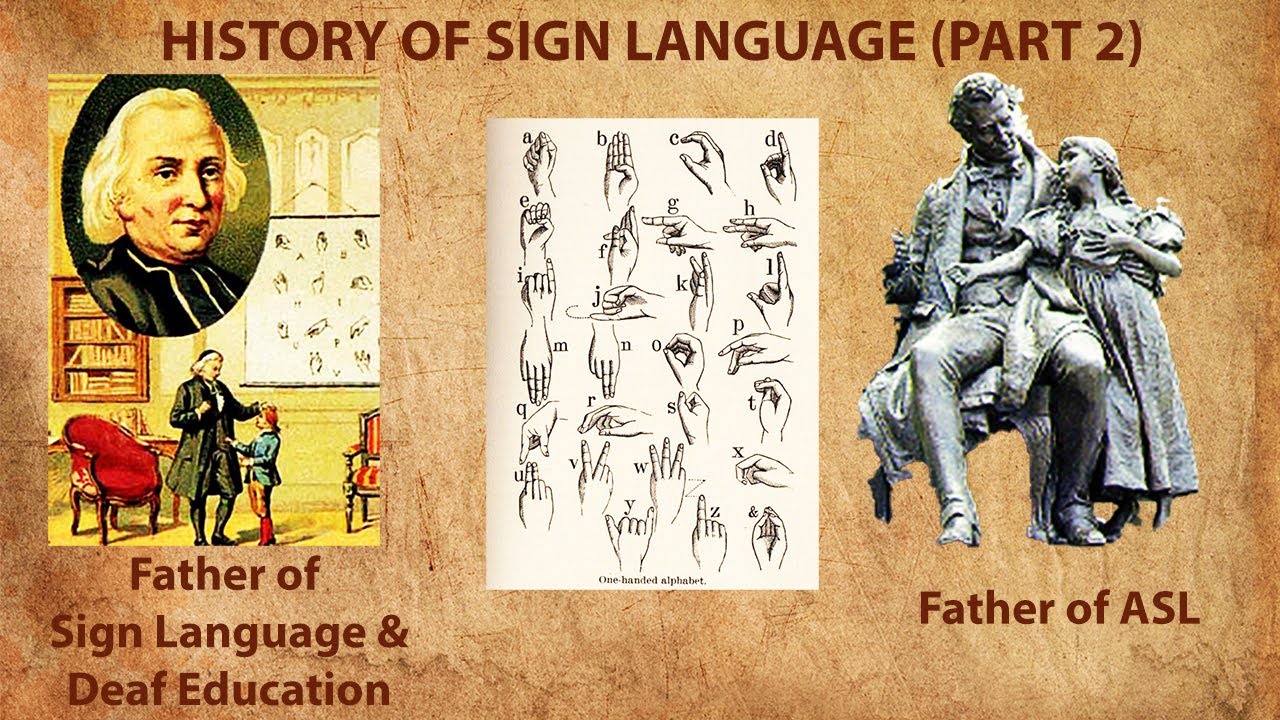
Sign language has existed in various forms throughout history. In ancient civilizations, people developed unique methods of communication using gestures and body movements.
Similarities and Differences
While early forms of sign language shared some similarities, they also exhibited distinct differences:
- Use of gestures:All early forms of sign language incorporated gestures to convey meaning.
- Regional variations:Sign languages developed independently in different regions, leading to significant variations in vocabulary and grammar.
- Incorporation of facial expressions:Some early sign languages, such as those used by Native Americans, relied heavily on facial expressions to convey emotions and nuances.
- Use of body space:The use of body space varied across different early sign languages, with some utilizing a more confined area while others used larger spaces for gestures.
Role in Communication and Education
Early forms of sign language played a crucial role in communication and education:
- Facilitating communication:Sign language allowed people from different language backgrounds to communicate effectively, particularly in situations where spoken language was impractical or impossible.
- Education of the deaf:Early sign languages were used to educate deaf individuals, providing them with a means of accessing knowledge and participating in society.
The Development of Standardized Sign Languages
The standardization of sign languages is a process of developing and establishing a common set of rules and conventions for a particular sign language. This process involves creating a standardized vocabulary, grammar, and syntax for the language, ensuring that it can be understood and used by all members of the Deaf community.
The standardization of sign languages began in the 18th century with the work of educators such as Charles-Michel de l’Épée and Thomas Hopkins Gallaudet. These educators developed systems of sign language that were based on the natural gestures used by Deaf people, but they also incorporated elements of spoken language, such as the use of fingerspelling and lipreading.
Key Organizations and Individuals Involved in the Standardization Process
Several key organizations and individuals have been involved in the standardization of sign languages around the world. These include:
- The World Federation of the Deaf (WFD) is an international organization that represents the interests of Deaf people around the world. The WFD has played a major role in promoting the standardization of sign languages and has developed a number of resources to support this process.
- The National Association of the Deaf (NAD) is a United States-based organization that represents the interests of Deaf people in the United States. The NAD has been involved in the standardization of American Sign Language (ASL) and has developed a number of resources to support this process.
- The International Sign Language Association (ISLA) is an international organization that promotes the use of sign language as a means of communication between Deaf people from different countries. The ISLA has developed a number of resources to support the standardization of sign languages, including a dictionary of international sign language.
Impact of Standardization on the Use and Accessibility of Sign Language
The standardization of sign languages has had a significant impact on the use and accessibility of sign language. By creating a common set of rules and conventions, standardization has made it easier for Deaf people to communicate with each other, regardless of their country of origin or their level of education.
Standardization has also made it easier for hearing people to learn sign language, which has led to increased communication between Deaf and hearing people.
Regional Variations in Sign Language
Sign language, like spoken language, exhibits regional variations due to geographical, cultural, and historical factors. These variations manifest in different vocabularies, grammatical structures, and non-manual elements.
Geographical factors, such as mountain ranges or bodies of water, can isolate communities and lead to the development of distinct sign languages. Cultural differences, such as traditions, beliefs, and social norms, also contribute to regional variations. Additionally, historical events, such as migrations or conquests, can influence the spread and evolution of sign languages.
Implications for Communication and Understanding
Regional variations in sign language can pose challenges for communication and understanding between individuals from different regions. For example, a deaf person from one region may not be able to fully comprehend the sign language used by a deaf person from another region.
This can lead to communication breakdowns and misunderstandings.
To address these challenges, standardized sign languages have been developed to facilitate communication across regional boundaries. However, regional variations continue to exist, enriching the diversity and expressiveness of sign languages.
The Use of Sign Language in Different Cultures
Sign language, as a visual language, holds significant cultural importance in various societies worldwide. The role it plays and the influences it receives vary across cultures, shaping its development, use, and challenges faced by sign language users.
Cultural Influences on Sign Language Development
Cultural factors significantly influence the development and use of sign language within different communities. These include:
- Historical Context:Historical events, such as the establishment of deaf schools or the influence of dominant hearing cultures, can shape the development and evolution of sign languages.
- Social Norms and Values:Cultural norms and values regarding disability and communication can influence the acceptance and use of sign language within a society.
- Language Contact:Interactions between different sign language communities or with spoken languages can lead to the borrowing of signs and the development of new ones.
Challenges and Opportunities for Sign Language Users
Sign language users may encounter challenges and opportunities depending on the cultural context they live in. These include:
- Access to Education and Employment:In some cultures, sign language users may face barriers in accessing education and employment due to a lack of interpreter services or cultural biases.
- Social Inclusion and Acceptance:Cultural attitudes towards sign language and deaf people can impact their social inclusion and acceptance within the community.
- Language Preservation and Revitalization:In cultures where sign language is not widely recognized or used, efforts may be made to preserve and revitalize it to ensure its continued existence.
Sign Language as a Language
Sign language is a complete and complex language that uses gestures, facial expressions, and body movements to convey meaning. It has its own grammar, syntax, and vocabulary, and it is used by deaf people all over the world to communicate with each other.
Sign language is not simply a collection of gestures; it is a real language with its own rules and structure. It has its own grammar, syntax, and vocabulary, and it can be used to express a wide range of thoughts and ideas.
Phonology
The phonology of sign language is based on the use of handshapes, movements, and facial expressions. Handshapes are the different shapes that the hands can make, and they are used to represent different sounds. Movements are the ways that the hands move, and they are used to represent different grammatical features.
Facial expressions are used to convey emotions and other non-verbal information.
Morphology
The morphology of sign language is based on the use of affixes. Affixes are signs that are added to the beginning or end of a word to change its meaning. For example, the affix “-ing” can be added to a verb to make it present continuous, and the affix “-ed” can be added to a verb to make it past tense.
Semantics
The semantics of sign language is based on the use of symbols. Symbols are signs that represent objects, ideas, or actions. For example, the sign for “dog” is a handshape that represents a dog’s head, and the sign for “run” is a movement that represents running.
Arguments for and against recognizing sign language as a legitimate language
There are a number of arguments for and against recognizing sign language as a legitimate language. Some people argue that sign language is not a real language because it is not spoken. However, this argument is based on a misunderstanding of what language is.
Language is not simply about spoken words; it is about the ability to communicate ideas. Sign language is just as capable of communicating ideas as spoken language, and it should be recognized as a legitimate language.
Other people argue that sign language is not a real language because it is not written down. However, this argument is also based on a misunderstanding of what language is. Language does not have to be written down in order to be real.
There are many spoken languages that are not written down, and they are still considered to be real languages.
The fact is that sign language is a real language. It is a complete and complex language that is used by deaf people all over the world to communicate with each other. It has its own grammar, syntax, and vocabulary, and it is capable of expressing a wide range of thoughts and ideas.
– Describe the different technologies used to support sign language communication, including video conferencing, mobile apps, and wearable devices.

In the modern era, technology has emerged as a powerful tool to enhance sign language communication and bridge communication gaps between deaf and hearing individuals. Various technologies have been developed to facilitate sign language interactions, including video conferencing, mobile apps, and wearable devices.
Video conferencing platforms such as Zoom, Skype, and Google Meet have become invaluable tools for sign language communication. These platforms allow deaf individuals to connect with sign language interpreters or other deaf individuals in real-time, regardless of geographical distance. Video conferencing has significantly improved accessibility to communication and reduced communication barriers for deaf individuals.
Mobile Apps
Mobile apps specifically designed for sign language communication have also gained popularity. These apps provide a convenient and portable way for deaf individuals to communicate with each other and with hearing individuals. Some popular mobile apps include Signily, Ava, and HandsOn.
These apps offer features such as video calling with sign language interpreters, text-to-speech conversion, and speech-to-text transcription.
Wearable Devices
Wearable devices, such as smartwatches and glasses, are emerging as promising tools for sign language communication. These devices can provide real-time transcription of sign language gestures, allowing deaf individuals to communicate more effectively in various settings. For example, the SignAloud smartwatch uses sensors to detect and translate sign language gestures into text or speech.
The Role of Sign Language in Education
Sign language plays a vital role in education for deaf and hard of hearing students, providing them with accessible and effective communication and language development opportunities. It is crucial for fostering their cognitive, social, and emotional growth.
Approaches to Teaching Sign Language in Education
There are several approaches to teaching sign language in educational settings, each with its own advantages and considerations:
- Manual Approach:Focuses primarily on teaching sign language as a manual communication system, emphasizing the use of signs and gestures.
- Total Communication Approach:Utilizes all available communication methods, including sign language, speech, lip-reading, and gestures, to provide a comprehensive and accessible learning environment.
- Bilingual-Bicultural Approach:Recognizes sign language as a distinct language with its own grammar and culture. It promotes the development of both sign language and spoken language proficiency, fostering a sense of cultural identity.
Challenges and Opportunities in Sign Language Education
Providing accessible and effective sign language education presents several challenges and opportunities:
- Qualified Teachers:Ensuring a sufficient number of qualified and experienced sign language teachers is essential for delivering high-quality instruction.
- Appropriate Materials:Developing and providing appropriate sign language educational materials, including textbooks, videos, and online resources, is crucial for supporting students’ learning.
- Supportive Learning Environments:Creating inclusive and supportive learning environments that value and respect sign language and deaf culture is essential for fostering students’ success.
Persuasive Essay: Increased Use of Sign Language in Education
Argument:The increased use of sign language in education for deaf and hard of hearing students is essential for promoting their academic achievement, social development, and overall well-being.
Evidence:Studies have shown that deaf and hard of hearing students who receive sign language instruction perform better academically, have higher self-esteem, and experience greater social inclusion.
Conclusion:Educational institutions must prioritize the implementation of comprehensive sign language programs to ensure equal access to education and empower deaf and hard of hearing students to reach their full potential.
Lesson Plan: Teaching Sign Language in a Mainstream Classroom
Objectives:
- Introduce basic sign language vocabulary.
- Practice receptive and expressive sign language skills.
- Promote awareness and respect for deaf culture.
Materials:
- Sign language dictionary or app
- Visual aids (e.g., posters, videos)
Activities:
- Introduction:Discuss the importance of sign language and deaf culture.
- Vocabulary:Introduce and practice basic signs for greetings, numbers, and everyday objects.
- Receptive Skills:Show students signs and have them identify the corresponding word or concept.
- Expressive Skills:Have students practice signing simple phrases and sentences.
- Deaf Culture:Share stories or videos about deaf individuals and their experiences.
Research Proposal: Effectiveness of Sign Language Teaching Approaches
Research Question:What is the relative effectiveness of different sign language teaching approaches (manual, total communication, bilingual-bicultural) in improving the academic and social outcomes of deaf and hard of hearing students?
Methodology:
Thomas Hopkins Gallaudet is credited with developing the first sign language system in America in the early 1800s. Sign language has since evolved into a complex and nuanced form of communication, used by deaf and hard of hearing communities worldwide.
Interestingly, the Japanese language has a unique way of expressing “what is your name?” – “お名前はなんですか?” (o-namae wa nan desu ka?). This phrase reflects the importance of names and personal identity in Japanese culture.
- Participants:Deaf and hard of hearing students from diverse backgrounds.
- Design:Randomized controlled trial comparing the three teaching approaches.
- Measures:Academic achievement, social skills, self-esteem, and language proficiency.
Expected Outcomes:
- Identification of the most effective teaching approach for improving student outcomes.
- Evidence-based recommendations for educational policymakers and practitioners.
The Role of Sign Language in the Workplace
Sign language plays a crucial role in fostering inclusivity and communication within the workplace. It enables deaf and hard of hearing individuals to fully participate in workplace interactions, breaking down communication barriers and promoting equal opportunities.
Benefits of Sign Language in the Workplace
- Enhanced communication:Sign language provides a direct and efficient means of communication for deaf and hard of hearing employees, ensuring their voices are heard and their contributions are valued.
- Increased productivity:When deaf and hard of hearing employees can communicate effectively, they can fully engage in tasks and contribute to team success, boosting overall productivity.
- Improved safety:Sign language enables deaf and hard of hearing employees to receive safety instructions and participate in emergency drills, ensuring their well-being and the safety of their colleagues.
- Enhanced employee morale:Creating an inclusive workplace where sign language is embraced fosters a sense of belonging and empowerment for deaf and hard of hearing employees, leading to improved job satisfaction and morale.
Challenges and Opportunities for Sign Language Users in the Workplace
- Lack of awareness and understanding:Some employers and colleagues may not be familiar with sign language or the communication needs of deaf and hard of hearing individuals, leading to challenges in understanding and interacting.
- Limited access to interpreters:In some workplaces, access to qualified sign language interpreters may be limited, hindering effective communication for deaf and hard of hearing employees.
- Workplace culture:Workplace culture can sometimes create barriers for sign language users, such as a lack of awareness or support for communication accommodations.
- Technological limitations:Some communication technologies may not be accessible for deaf and hard of hearing employees, such as video conferencing without captioning or assistive listening devices.
Successful Initiatives to Promote Sign Language Accessibility in the Workplace
- Employee training:Providing training on sign language basics, deaf culture, and communication strategies to all employees can enhance awareness and foster inclusivity.
- Interpretation services:Ensuring access to qualified sign language interpreters for meetings, presentations, and other workplace events is essential for effective communication.
- Assistive technology:Implementing assistive technologies, such as captioning for video conferencing and assistive listening devices, can remove communication barriers for deaf and hard of hearing employees.
- Workplace policies:Establishing clear workplace policies that Artikel the rights and responsibilities of deaf and hard of hearing employees, including communication accommodations, can promote inclusivity and equality.
- Deaf and hard of hearing employee support groups:Creating employee support groups or networks can provide a platform for deaf and hard of hearing employees to connect, share experiences, and advocate for their needs.
The Future of Sign Language

The future of sign language looks bright, with growing recognition and usage globally. Technological advancements are revolutionizing sign language learning and communication, while initiatives promote awareness and proficiency.
Growth and Recognition
Sign language is gaining widespread acceptance as a legitimate language, with increased usage in education, healthcare, and other societal domains. Governments and organizations are implementing policies to support deaf and hard of hearing individuals, fostering inclusivity.
Impact of Technology
Technology plays a pivotal role in sign language development. Video conferencing, mobile apps, and wearable devices facilitate real-time communication and language learning. Artificial intelligence (AI) is being explored for sign language translation and recognition, enhancing accessibility.
Although the precise inventor of sign language remains unknown, it has a rich history dating back centuries. In various regions of the world, sign language has developed independently, including in Mexico, where it is known as Lengua de Señas Mexicana (LSM).
LSM has its own unique vocabulary and grammar, distinct from the spoken Spanish that is the official language of Mexico. While exploring the intricacies of LSM, one may also be curious about the broader linguistic landscape of Mexico. For more information on this topic, please refer to the following article: What Language Do They Speak in Mexico.
Challenges and Opportunities
Despite progress, challenges remain. Barriers to accessibility and inclusion persist, including lack of qualified sign language interpreters and limited awareness of sign language among hearing individuals. Initiatives focus on addressing these challenges and promoting sign language proficiency.
Role in Society
Sign language is not just a means of communication but also a cultural heritage and a symbol of inclusivity. As society becomes more aware of the value of sign language, its integration into education, healthcare, and other societal domains is expected to grow, fostering a more inclusive and accessible world.
Deaf Culture and Sign Language
Deaf culture and sign language are inextricably linked, with sign language playing a pivotal role in shaping the cultural identity, communication, and community of deaf individuals.
Sign language is the primary means of communication within deaf communities, facilitating the exchange of ideas, experiences, and emotions. It is a complex and nuanced language, with its own grammar, syntax, and vocabulary. Sign language is not simply a gesture-based system; it is a fully developed language capable of expressing a wide range of concepts and emotions.
Communication and Language Development
Sign language is crucial for the language development and cognitive growth of deaf children. Exposure to sign language from an early age supports their language acquisition, literacy skills, and overall cognitive development. Sign language provides deaf children with the linguistic tools they need to communicate their thoughts, ideas, and experiences.
Social Interactions and Community Formation
Sign language fosters a sense of belonging and community among deaf individuals. It allows them to interact, socialize, and form meaningful connections with others who share their language and cultural experiences. Deaf communities often have their own social events, clubs, and organizations where sign language is the primary mode of communication.
Cultural Values and Beliefs
Sign language is not merely a tool for communication; it is also a reflection of deaf culture and values. Deaf culture places a strong emphasis on visual communication, community, and self-advocacy. Sign language embodies these values, providing a means for deaf individuals to express their unique cultural identity and perspective.
Identity and Empowerment
Sign language has a profound impact on the identity and empowerment of deaf individuals. It allows them to communicate their thoughts and feelings effectively, fostering a sense of self-worth and confidence. Sign language also empowers deaf individuals to advocate for their rights, access education and employment opportunities, and participate fully in society.
Sign Language and the Arts

Sign language is a rich and expressive language that has been used by deaf communities for centuries. In recent years, sign language has gained increasing recognition as an art form, with deaf artists using it to create powerful and moving works of art.
There are many different ways that sign language can be used in the arts. Some deaf artists use sign language to create visual poetry, while others use it to tell stories or perform songs. Sign language can also be used in theater, dance, and other performance arts.
Artistic and Expressive Potential of Sign Language
Sign language has a unique artistic and expressive potential that is different from spoken language. Because sign language is a visual language, it can be used to create images and convey emotions in a way that is not possible with spoken words.
Deaf artists have used this potential to create works of art that are both beautiful and thought-provoking.
Role of Sign Language in Promoting Deaf Culture and Breaking Down Barriers
Sign language is an important part of deaf culture. It is a way for deaf people to communicate with each other and to share their experiences and perspectives. Sign language can also be used to break down barriers between deaf and hearing people, and to promote understanding and acceptance.
Advocacy for Sign Language Rights
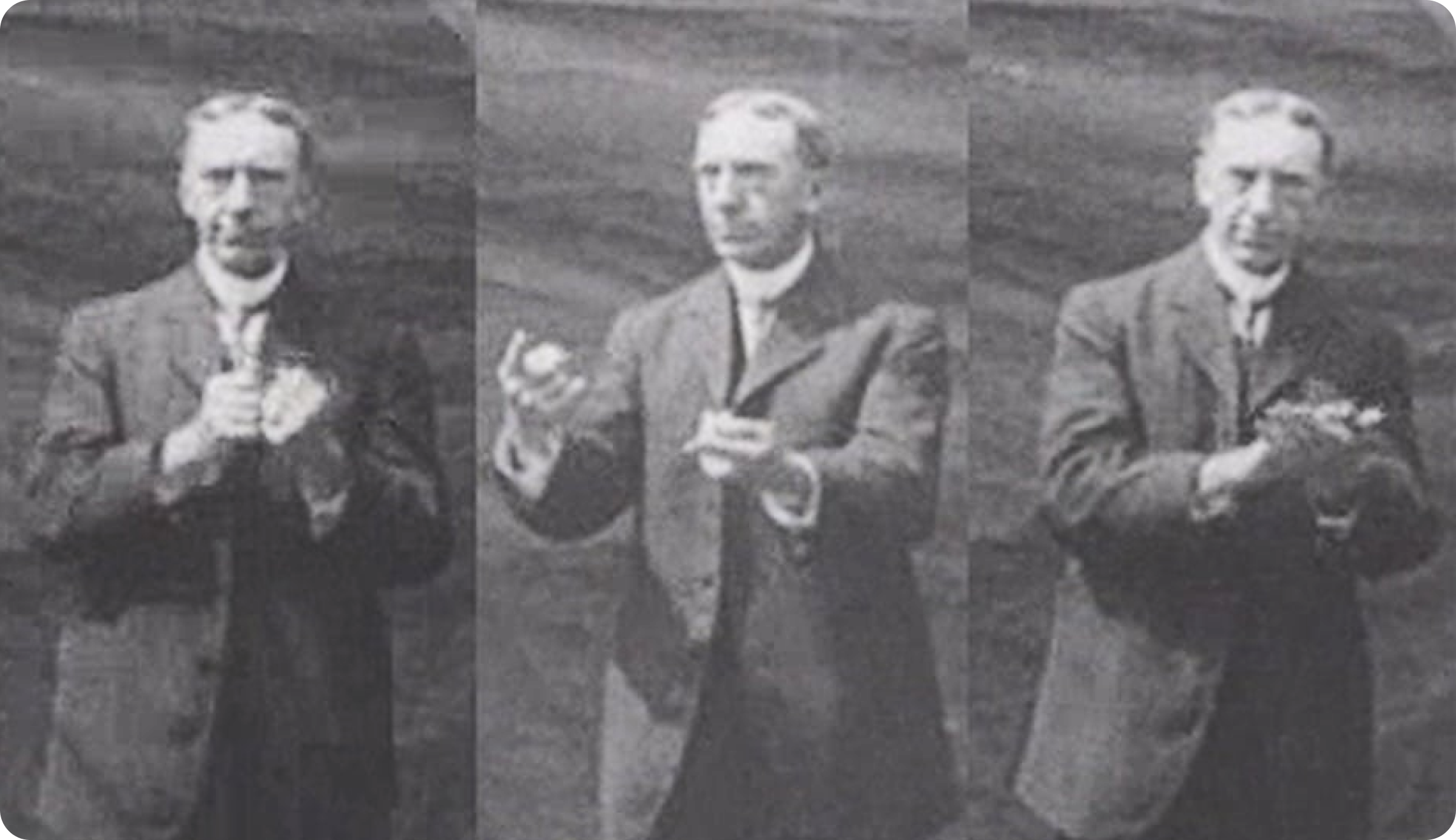
Advocating for sign language rights is essential to ensure that sign language users have the same rights and opportunities as hearing people. This includes the right to communicate, access information, and participate fully in society.
There are a number of different strategies that can be used to promote sign language accessibility and recognition. These include legislation, education, and public awareness campaigns.
Challenges and Opportunities
There are a number of challenges that advocates for sign language rights face. These include resistance from hearing people, lack of funding, and limited access to qualified interpreters.
However, there are also a number of opportunities for advocates to make progress. These include the growing recognition of sign language as a legitimate language, the increasing availability of technology to support sign language communication, and the growing number of people who are learning sign language.
Successful Advocacy Campaigns
There have been a number of successful advocacy campaigns for sign language rights. These include the passage of the Americans with Disabilities Act (ADA) in 1990, which prohibits discrimination against people with disabilities, including deaf and hard of hearing people.
Another successful advocacy campaign was the passage of the Individuals with Disabilities Education Act (IDEA) in 1997, which requires schools to provide equal access to education for students with disabilities, including deaf and hard of hearing students.
Role of Organizations and Individuals
Organizations and individuals play a vital role in advocating for sign language rights. Organizations such as the National Association of the Deaf (NAD) and the World Federation of the Deaf (WFD) work to promote the rights of deaf and hard of hearing people.
Individuals can also advocate for sign language rights by writing letters to their elected officials, speaking out at public hearings, and volunteering their time to organizations that support deaf and hard of hearing people.
Intersectionality
It is important to consider the experiences of sign language users who are also members of other marginalized groups, such as people with disabilities, people of color, and LGBTQ+ people.
These individuals may face additional challenges in accessing sign language services and participating fully in society.
Technology
Technology can play a vital role in promoting sign language accessibility and recognition. Video conferencing, mobile apps, and wearable devices can all be used to support sign language communication.
However, it is important to ensure that these technologies are accessible to all sign language users, including those with low incomes or who live in rural areas.
Recommendations
There are a number of things that can be done to improve sign language rights. These include:
- Passing legislation that protects the rights of sign language users
- Providing funding for sign language interpreters and other services
- Educating the public about sign language and deaf culture
- Developing new technologies to support sign language communication
The Impact of Sign Language on Society
Sign language has a profound impact on society, promoting inclusion, understanding, and breaking down barriers. It plays a crucial role in creating a more equitable society and enhancing communication and relationships between deaf and hearing individuals.
Sign Language and Inclusion, Who invented the sign language
Sign language fosters inclusion by providing a means of communication for deaf individuals, allowing them to participate fully in society. It enables them to access education, employment, and social activities, empowering them to lead independent and fulfilling lives.
Sign Language and Understanding
Sign language promotes understanding between deaf and hearing individuals. By learning sign language, hearing individuals can bridge the communication gap, fostering empathy and breaking down misconceptions. It creates opportunities for meaningful interactions and relationships, fostering a sense of belonging and community.
Sign Language and Breaking Barriers
Sign language plays a vital role in breaking down barriers and creating a more equitable society. It removes communication obstacles, allowing deaf individuals to access information, services, and opportunities on an equal footing with hearing individuals. This contributes to a more inclusive and just society.
Sign Language and Deaf Culture
Sign language is deeply intertwined with deaf culture and identity. It is a shared language that connects deaf individuals across geographical and linguistic boundaries. It fosters a sense of community, cultural expression, and pride, contributing to the preservation and celebration of deaf culture.
Challenges and Obstacles
Despite its benefits, sign language users face challenges and obstacles. Accessibility to sign language interpretation, particularly in healthcare, legal settings, and emergencies, remains a concern. Advocating for greater accessibility and support is essential to ensure equal opportunities for deaf individuals.
Technology and Sign Language
Technology plays a vital role in promoting sign language use and inclusivity. Video conferencing, mobile apps, and wearable devices facilitate communication and access to information for deaf individuals. These advancements empower them to connect with others, learn, and participate fully in society.
Legal and Ethical Considerations
Legal and ethical considerations surrounding sign language interpretation are crucial. Ensuring the accuracy and confidentiality of interpretation is paramount to protect the rights of deaf individuals. Establishing ethical guidelines and training standards for interpreters is essential.
Importance of Sign Language
In conclusion, sign language is a vital tool for creating a more inclusive and equitable society. It empowers deaf individuals, fosters understanding, breaks down barriers, and preserves deaf culture. Advocating for greater accessibility, promoting technology, and addressing legal and ethical considerations are essential to ensure that sign language continues to play a transformative role in our society.
Commonly Asked Questions
Who is credited with inventing sign language?
There is no single inventor of sign language, as it evolved naturally within deaf communities over centuries.
When was sign language first used?
Evidence suggests that sign language has been used in some form for thousands of years, with early records dating back to ancient Greece and Rome.
How many sign languages are there?
There are hundreds of different sign languages used around the world, each with its own unique vocabulary and grammar.
Is sign language a real language?
Yes, sign language is a fully developed language with its own grammar, syntax, and vocabulary.
What are the benefits of learning sign language?
Learning sign language can improve communication with deaf individuals, promote inclusivity, and provide a deeper understanding of deaf culture.
