What is language universal – Language universality, a captivating concept in linguistics, delves into the intriguing notion that despite the myriad of languages spoken around the globe, there exist fundamental commonalities that transcend linguistic boundaries. This captivating topic unveils the fascinating characteristics that define universal languages, explores their impact on cross-cultural communication, and delves into their significance in language acquisition, education, and technology.
As we embark on this linguistic journey, we will uncover the intricate relationship between language universals and language diversity, examining how they coexist and shape the tapestry of human communication. We will also explore the ethical implications of promoting universal languages and the challenges and opportunities they present in the context of globalization.
Language Universality: What Is Language Universal

Language universality refers to the fundamental commonalities and patterns that exist across all human languages, regardless of their cultural or geographical differences. It encompasses the underlying principles, structures, and cognitive processes that shape language as a universal human capacity.
The core principles of language universality include the use of symbols to represent ideas, the organization of these symbols into grammatical structures, and the ability to combine them into meaningful sentences. These principles are reflected in the shared characteristics of all languages, such as the presence of phonemes, morphemes, syntax, and semantics.
Historical Development and Evolution
The concept of language universality has evolved over time. Early scholars recognized similarities between languages, leading to the idea of a common origin. In the 20th century, structural linguists such as Ferdinand de Saussure and Noam Chomsky emphasized the underlying principles that govern all languages.
Modern research in linguistics continues to explore the nature and extent of language universality. Cognitive scientists investigate the neural and cognitive processes involved in language acquisition and use, while computational linguists develop models to capture the universal properties of language.
Features of Universal Languages
Universal languages are hypothetical languages that are believed to possess certain features that make them universally understandable by all humans. These languages are not currently known to exist, but the concept of a universal language has been explored in linguistics and philosophy for centuries.
The key features that define universal languages are still a matter of debate, but some of the most commonly proposed features include:
- Simplicity:Universal languages are often proposed to be very simple, with a small number of rules and a limited vocabulary.
- Regularity:The rules of universal languages are often proposed to be very regular, with few exceptions.
- Transparency:The meaning of words and sentences in universal languages is often proposed to be very transparent, with little ambiguity.
- Iconicity:The symbols used in universal languages are often proposed to be iconic, meaning that they resemble the things they represent.
Structural Features
The structural features of universal languages are often proposed to be very simple, with a small number of basic units that can be combined in different ways to create more complex structures.
Language universals are fundamental characteristics common to all human languages. They provide insights into the cognitive and communicative abilities shared by all language users. For instance, every language has a system of sounds, a grammar, and a lexicon. Exploring specific languages, such as what language is spoken in Latvia , reveals variations within these universals, showcasing the diverse expressions of human language.
For example, a universal language might have a small number of basic words that can be combined to create more complex words. For example, the word “cat” might be composed of the basic words “animal” and “small”.
Grammatical Features
The grammatical features of universal languages are often proposed to be very regular, with few exceptions.
For example, a universal language might have a very simple system of verb tenses, with only a few basic tenses that can be used to express all possible time references.
Semantic Features
The semantic features of universal languages are often proposed to be very transparent, with little ambiguity.
For example, a universal language might have a very clear system of word meanings, with each word having a single, unambiguous meaning.
Role of Syntax and Morphology
Syntax and morphology are two important aspects of language that play a role in language universality.
Syntaxrefers to the way that words are combined to form sentences. Morphologyrefers to the way that words are formed from smaller units.
In universal languages, syntax is often proposed to be very simple, with a small number of basic rules that can be used to combine words into sentences.
Morphology is also often proposed to be very simple, with a small number of basic rules that can be used to form words from smaller units.
Language Acquisition and Universality

Language acquisition plays a crucial role in supporting the concept of language universality. The remarkable similarities in language development across cultures suggest the existence of innate language abilities and universal principles that guide language acquisition.
Innate Language Abilities:
- Language Acquisition Device (LAD):Proposed by Noam Chomsky, the LAD is an innate cognitive module that provides children with the ability to acquire language.
- Universal Grammar (UG):UG refers to the shared underlying principles that govern all human languages, such as grammatical rules and categories.
Environmental Factors:
- Input:Children learn language through exposure to spoken and written language in their environment.
- Interaction:Social interactions with caregivers and peers provide opportunities for language practice and feedback.
Similarities in Language Acquisition
Despite cultural variations, there are striking similarities in language acquisition across cultures:
- Sequence of Acquisition:Children typically acquire language in a predictable sequence, such as first words, then simple sentences, and eventually complex structures.
- Critical Period:There is a critical period in early childhood when language acquisition is most rapid and effective.
- Errors:Children make similar types of errors in language production, suggesting shared underlying cognitive processes.
Differences in Language Acquisition
While there are universal principles, there are also differences in language acquisition across cultures:
- Rate of Acquisition:The rate of language acquisition can vary depending on factors such as individual differences, cultural expectations, and the complexity of the language.
- Vocabulary and Grammar:The specific vocabulary and grammatical structures acquired by children will vary based on their cultural and linguistic environment.
- Pragmatics:The use of language in social contexts, such as politeness norms and conversational strategies, can differ across cultures.
Cross-Cultural Communication and Universality
Language universality plays a pivotal role in cross-cultural communication, both facilitating and posing challenges to effective exchange. Universal languages serve as bridges across linguistic boundaries, while translation and interpretation act as intermediaries, bridging gaps in comprehension.
Challenges of Universal Languages
Despite their potential, universal languages also present challenges. Differences in cultural context and nuances can lead to misunderstandings and misinterpretations. For example, a phrase that carries a specific connotation in one culture may be interpreted differently in another, leading to confusion or even offense.
Opportunities of Universal Languages
Universal languages offer numerous opportunities for international exchange. They enable individuals from diverse linguistic backgrounds to communicate effectively, fostering cooperation and understanding. In business, diplomacy, and academia, universal languages facilitate the exchange of ideas, knowledge, and expertise, promoting global collaboration.
Role of Translation and Interpretation
Translation and interpretation play crucial roles in bridging language barriers. Translators convert written texts from one language to another, ensuring accuracy and preserving the intended meaning. Interpreters, on the other hand, facilitate real-time communication in spoken form, bridging gaps between individuals who do not share a common language.
Language Universals and Language Diversity
Language universals are features that are common to all human languages. They can be divided into two main types: typological universals and substantive universals. Typological universals are generalizations about the structural properties of languages, such as the fact that all languages have nouns and verbs.
Substantive universals are generalizations about the semantic content of languages, such as the fact that all languages have words for basic concepts like ‘mother’ and ‘father’.
The relationship between language universals and language diversity is complex. On the one hand, language universals provide evidence for the unity of the human species. They show that all humans share a common cognitive architecture that allows them to acquire and use language.
On the other hand, language diversity shows that there is a great deal of variation in the way that languages are structured and used. This variation is due to a number of factors, including the environment in which a language is spoken, the history of the language, and the culture of the people who speak it.
Implications of Language Universals for Understanding Human Cognition and Communication
The study of language universals has important implications for understanding human cognition and communication. First, it shows that there are certain cognitive constraints on the way that languages can be structured. These constraints are likely due to the way that the human brain processes language.
Second, the study of language universals can help us to understand how languages evolve. By comparing the universals of different languages, we can see how languages have changed over time and how they have adapted to different environments. Finally, the study of language universals can help us to understand how humans communicate.
By understanding the commonalities and differences between languages, we can better understand how people from different cultures communicate with each other.
Language universals, or features that are common to all languages, have been the subject of extensive study in linguistics. One of the most debated universals is the existence of a category of words known as “wh-words,” which are used to ask questions.
While the specific forms of wh-words vary across languages, their underlying function is the same. In Korean, for example, the wh-word 왜 (wae) is used to ask questions about the reason or cause of something. This cross-linguistic consistency in the use of wh-words provides evidence for the existence of language universals and suggests that certain cognitive processes are shared by all humans.
Artificial Intelligence and Language Universality
Artificial intelligence (AI) plays a significant role in analyzing and understanding language universality. AI techniques, such as natural language processing (NLP), allow researchers to analyze vast amounts of linguistic data to identify patterns and universals across languages.
AI also holds the potential to create and translate universal languages. By learning from existing languages and identifying commonalities, AI algorithms can develop new languages that are designed to be easily understood by speakers of different native tongues. Additionally, AI can assist in translating between different languages, breaking down language barriers and facilitating cross-cultural communication.
Ethical and Societal Implications
The use of AI in language universality raises several ethical and societal implications. One concern is the potential for bias in AI algorithms, which could lead to the creation of languages that favor certain groups or perspectives. Another concern is the impact on cultural diversity, as the widespread adoption of a universal language could potentially lead to the loss of minority languages and the erosion of cultural heritage.
Language Universality in Education
Language universality plays a crucial role in education by facilitating language learning, fostering cross-cultural understanding, and enhancing communication.
Importance of Universal Languages in Language Learning
Universal languages serve as a common medium of instruction, enabling learners from diverse linguistic backgrounds to access knowledge and communicate effectively. They simplify language acquisition by providing a standardized framework, reducing the time and effort required for language proficiency.
Enhancing Cross-Cultural Understanding, What is language universal
Universal languages promote cross-cultural understanding by bridging communication barriers and allowing individuals from different cultures to interact and share perspectives. Through exposure to diverse languages, learners develop an appreciation for cultural diversity and gain insights into different worldviews.
Challenges and Opportunities in Incorporating Universal Languages into Educational Curricula
Incorporating universal languages into educational curricula presents both challenges and opportunities. Challenges include the need for teacher training, resource allocation, and addressing resistance from stakeholders. However, the benefits of language universality outweigh these challenges, as it fosters global communication, promotes cultural exchange, and enhances educational opportunities.
– Explore the theoretical and empirical research on language universality in linguistics, including studies on phonology, morphology, syntax, semantics, and pragmatics.
The study of language universals has been a central topic in linguistics for decades. Researchers have investigated the existence of universal features in all human languages, across different levels of linguistic analysis, including phonology, morphology, syntax, semantics, and pragmatics.
In phonology, universals have been found in the distribution of sounds, the organization of sound systems, and the processes of sound change. For example, all languages have vowels and consonants, and all languages use some form of stress or intonation.
In morphology, universals have been found in the structure of words and the processes of word formation. For example, all languages have nouns and verbs, and all languages use some form of affixation (adding prefixes or suffixes to words).
In syntax, universals have been found in the structure of sentences and the processes of sentence formation. For example, all languages have subjects and predicates, and all languages use some form of word order.
In semantics, universals have been found in the meaning of words and the processes of meaning construction. For example, all languages have words for basic concepts such as “dog,” “cat,” and “tree,” and all languages use some form of metaphor and metonymy.
In pragmatics, universals have been found in the use of language in social interaction. For example, all languages have rules for turn-taking and politeness, and all languages use some form of deixis (referring to things in the context of the situation).
Language Universality and Language Documentation

Language universality plays a crucial role in language documentation by providing a common framework for understanding and comparing the diverse languages spoken around the world. Universal languages, such as the International Phonetic Alphabet (IPA) and Unicode, offer standardized systems for representing sounds, characters, and linguistic features, enabling researchers to document and analyze languages in a systematic and cross-culturally comparable manner.
The Significance of Universal Languages in Language Documentation
Universal languages contribute to language documentation in several significant ways:
- Standardization:Universal languages provide a standardized framework for representing and describing linguistic data, ensuring consistency and comparability across different documentation projects.
- Cross-Cultural Understanding:By using universal languages, researchers can transcend language barriers and facilitate cross-cultural understanding of linguistic phenomena.
- Preservation and Revitalization:Universal languages can support the preservation and revitalization of endangered languages by providing a common platform for documentation and sharing of linguistic resources.
The Role of Universal Languages in Preserving and Revitalizing Endangered Languages
Universal languages play a vital role in preserving and revitalizing endangered languages. By providing a standardized framework for documentation, they enable researchers to capture and preserve the linguistic knowledge and practices of communities whose languages are at risk of disappearing.
This documentation serves as a valuable resource for language revitalization efforts, allowing communities to access, learn, and transmit their ancestral languages.
Challenges and Opportunities of Using Universal Languages for Language Documentation
While universal languages offer significant advantages for language documentation, there are also challenges and opportunities to consider:
- Learning and Application:Universal languages require specialized training and expertise to learn and apply effectively.
- Cultural Sensitivity:It is important to use universal languages in a culturally sensitive manner, respecting the linguistic diversity and practices of the communities being documented.
- Technological Limitations:Universal languages may have technological limitations, such as the inability to represent certain linguistic features or the complexity of implementation.
Specific Examples of Universal Languages in Language Documentation Projects
Several language documentation projects have successfully employed universal languages to achieve their goals:
- IPA in the Language Archive:The Language Archive at the Max Planck Institute for Evolutionary Anthropology uses the IPA for phonetic transcription, enabling cross-linguistic comparisons and facilitating research on sound systems.
- Unicode in the Rosetta Project:The Rosetta Project uses Unicode to represent characters from endangered languages, creating a comprehensive digital archive of linguistic diversity.
- ELAN in the DOBES Project:The DOBES Project uses ELAN software for annotating and analyzing video recordings of sign languages, providing a valuable resource for documenting and preserving these languages.
Future Directions for Research
Future research on the intersection of language universality and language documentation can explore:
- Developing New Universal Languages:Investigating the creation of new universal languages or enhancements to existing ones to address specific challenges in language documentation.
- Ethical Considerations:Examining the ethical implications of using universal languages in language documentation, particularly in relation to cultural sensitivity and community empowerment.
- Technological Advancements:Exploring technological advancements that can improve the efficiency and effectiveness of universal languages for language documentation.
Conclusion
Language universality plays a vital role in language documentation by providing a common framework for understanding and comparing the diverse languages spoken around the world. Universal languages contribute to the preservation and revitalization of endangered languages, facilitate cross-cultural understanding, and offer opportunities for further research.
By embracing the principles of language universality and using universal languages in a culturally sensitive and responsible manner, we can contribute to the preservation and documentation of the world’s linguistic diversity for future generations.
Language Universality and Language Standardization
Language universality and language standardization are two interconnected concepts that have significant implications for language diversity and cultural identity. Language universality refers to the idea that all human languages share certain fundamental properties, while language standardization refers to the process of establishing a single, standardized form of a language for use in official contexts.
Universal languages, such as English, French, and Spanish, play a crucial role in promoting language standardization. By providing a common language for communication between people from different linguistic backgrounds, universal languages facilitate the exchange of ideas, knowledge, and culture. This, in turn, leads to the development of a shared linguistic repertoire and the adoption of standardized norms for language use.
The Implications of Language Standardization
The implications of language standardization for language diversity and cultural identity are complex and multifaceted. On the one hand, standardization can promote linguistic unity and facilitate communication across different regions and cultures. It can also contribute to the preservation of a language by providing a stable and codified form for future generations.
On the other hand, standardization can also lead to the marginalization of minority languages and the erosion of cultural diversity. When a single language is imposed as the standard, it can suppress the use of other languages and undermine the cultural identity of speakers who do not identify with the dominant language.
Historical Development of Universal Languages
The historical development of universal languages is closely tied to the rise of nation-states and the spread of globalization. In the 19th century, European powers sought to establish their languages as universal languages in order to facilitate communication and control within their colonial empires.
In the 20th century, the United States emerged as the dominant global power, and English became the de facto universal language of international diplomacy, business, and culture.
Examples of Successful and Unsuccessful Language Standardization
There are numerous examples of successful and unsuccessful attempts at language standardization throughout history. One successful example is the standardization of Mandarin Chinese in the People’s Republic of China. Through a combination of government policies and educational reforms, Mandarin has become the lingua franca of China, despite the existence of numerous regional dialects.
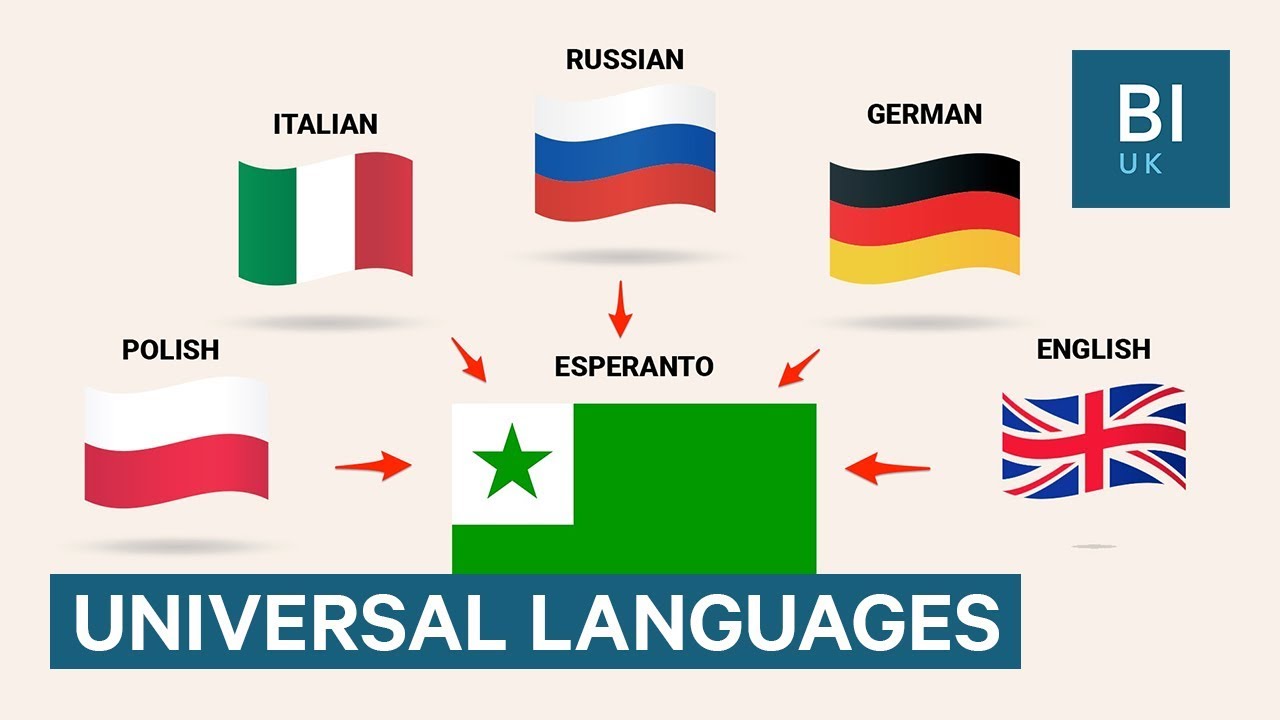
An unsuccessful example is the attempt to standardize Esperanto as a universal language. Despite its logical and easy-to-learn structure, Esperanto has failed to gain widespread adoption due to a lack of political support and cultural acceptance.
Challenges and Opportunities of Language Standardization
Language standardization presents both challenges and opportunities in the context of globalization. On the one hand, standardization can facilitate communication and promote economic and cultural exchange. On the other hand, it can also lead to the loss of linguistic diversity and the erosion of cultural identity.
The challenge is to find ways to promote language standardization while also preserving linguistic diversity and cultural heritage. This can be achieved through policies that support multilingualism, encourage the use of minority languages, and promote intercultural understanding.
– Explain the role of language universality in language planning.

Language universality refers to the existence of linguistic features that are shared across all human languages. These features provide a foundation for understanding the nature of language and its role in human communication. In language planning, the concept of universality plays a crucial role in shaping policies and strategies aimed at developing, maintaining, and revitalizing languages.
Role in Language Planning
Language universality serves as a guide for language planners in several ways. First, it helps identify common linguistic patterns and structures that can be leveraged to enhance communication and understanding across different languages. By recognizing universal features, language planners can develop language policies that promote cross-cultural communication and foster linguistic diversity.Second, language universality provides a basis for language standardization.
By identifying the core features that are shared by all languages, language planners can establish norms and conventions that facilitate the development of standard languages. This can enhance literacy, education, and communication within a community or region.Third, language universality informs language revitalization efforts.
By understanding the universal aspects of language, language planners can develop strategies that support the preservation and revitalization of endangered languages. This involves identifying and documenting the unique features of a language, as well as developing resources and materials that promote its use and transmission.
Explore the potential of language universality for language revitalization

Language universality refers to the idea that all languages share certain fundamental features, despite their surface differences. This concept has the potential to play a significant role in language revitalization efforts, as it provides a framework for understanding the commonalities across languages and developing strategies that can be applied to a wide range of endangered languages.One of the key potential benefits of using universal languages for language revitalization is that it can help to overcome the challenges of language loss.
When a language is endangered, it often means that there are fewer and fewer people who speak it, and the language is at risk of disappearing. Universal languages can provide a way to bridge the gap between speakers of different languages and help to ensure that endangered languages are not lost.For example, the use of Esperanto, a constructed international auxiliary language, has been explored as a way to revitalize endangered languages.
Esperanto is designed to be easy to learn and use, and it can be used as a bridge language between speakers of different languages. This can help to facilitate communication between speakers of endangered languages and the wider community, and it can also help to raise awareness of endangered languages and promote their revitalization.Another potential benefit of using universal languages for language revitalization is that it can help to promote cross-cultural understanding.
When people learn a universal language, they are also learning about the culture and history of the people who speak that language. This can help to break down barriers between different cultures and promote mutual understanding and respect.In addition to the potential benefits discussed above, there are also a number of challenges that need to be considered when using universal languages for language revitalization.
One challenge is that it can be difficult to find universal languages that are appropriate for all endangered languages. Another challenge is that it can be difficult to get people to learn and use universal languages.Despite these challenges, the potential benefits of using universal languages for language revitalization are significant.
By providing a framework for understanding the commonalities across languages and developing strategies that can be applied to a wide range of endangered languages, universal languages can help to overcome the challenges of language loss and promote cross-cultural understanding.
Language Universality and Language Teaching

Language universality plays a pivotal role in language teaching, offering significant benefits and opportunities for enhancing language learning.
Significance of Language Universality in Language Teaching
Understanding language universals helps language teachers identify common patterns and principles across languages. This knowledge enables them to develop more effective teaching methodologies that cater to the inherent linguistic abilities of learners. By recognizing universal features, teachers can focus on teaching the core concepts of language, making it easier for students to grasp the underlying structures and rules.
Role of Universal Languages in Enhancing Language Learning
Universal languages, such as Esperanto or Interlingua, serve as valuable tools for language learning. They provide a simplified and regularized framework that allows learners to concentrate on the fundamental aspects of language without getting bogged down by complex grammar or idiosyncratic vocabulary.
By using universal languages as a stepping stone, learners can develop a strong foundation in language learning, making it easier to transition to other languages.
Challenges and Opportunities of Incorporating Universal Languages into Language Teaching Methodologies
Incorporating universal languages into language teaching methodologies presents both challenges and opportunities. One challenge lies in the potential for learners to become overly reliant on the simplified structures of universal languages, which may hinder their ability to fully grasp the complexities of natural languages.
However, this challenge can be mitigated by carefully integrating universal languages into the curriculum, ensuring that learners are exposed to both the universal and language-specific features.Opportunities arise from the use of universal languages as a bridge between different languages. By learning a universal language, learners can develop transferable skills that facilitate the acquisition of other languages.
Additionally, universal languages can serve as a common ground for communication among learners from diverse linguistic backgrounds, fostering a more inclusive and collaborative learning environment.
Specific Examples of Successful Incorporation of Language Universals into Language Teaching Practices
Numerous successful examples demonstrate the effectiveness of incorporating language universals into language teaching practices. One notable example is the use of Esperanto in the “Esperanto Bridge” method, where learners first acquire Esperanto and then use it as a stepping stone to learn other languages.
This method has been shown to improve language learning outcomes and reduce the time required to achieve fluency.
Evaluation of the Effectiveness of Using Universal Languages as a Tool for Language Learning
Research has consistently shown that using universal languages as a tool for language learning can be highly effective. Studies have found that learners who use universal languages as a bridge experience improved comprehension, fluency, and accuracy in their target languages.
Additionally, universal languages have been found to enhance metalinguistic awareness, making learners more conscious of the structure and function of language.
Research Proposal Exploring the Potential Benefits and Challenges of Incorporating Universal Languages into Language Teaching Curricula
To further explore the potential benefits and challenges of incorporating universal languages into language teaching curricula, a research proposal could be developed. This proposal could Artikel a study that investigates the impact of using universal languages on language learning outcomes, learner motivation, and teacher effectiveness.
The study could involve a comparison of different methods of incorporating universal languages into the curriculum, as well as an examination of the challenges faced by learners and teachers.
Lesson Plan Incorporating Language Universals to Teach a Specific Language Concept
To illustrate the practical application of language universals in language teaching, a lesson plan could be designed that incorporates universal features to teach a specific language concept. For example, a lesson on the concept of tense could use examples from various languages to demonstrate the universal principles of past, present, and future time reference.
By comparing and contrasting different languages, learners can gain a deeper understanding of the concept of tense and its cross-linguistic variations.
– Explore the role of language universality in language technology.
Language universality plays a pivotal role in language technology, providing a foundation for the development of tools and techniques that can process and understand human language. Universal languages, such as Interlingua and Esperanto, offer a common ground for communication between different linguistic communities, facilitating the exchange of information and ideas.
Use of universal languages for machine translation and natural language processing.
One of the most significant applications of language universality in language technology is machine translation. Universal languages can serve as an intermediate representation between different natural languages, enabling the development of machine translation systems that can translate between any two languages.
This approach simplifies the translation process and reduces the need for language-specific translation models.
Additionally, universal languages can be used in natural language processing tasks such as text summarization, question answering, and sentiment analysis. By representing text in a universal format, these tasks can be performed more efficiently and effectively, as the system does not need to handle the complexities of individual languages.
Challenges and opportunities of using universal languages for language technology.
While universal languages offer significant advantages for language technology, there are also challenges associated with their use. One challenge is the development of robust and accurate grammars and lexicons for universal languages. These resources are essential for ensuring that the system can correctly interpret and generate text in the universal language.
Another challenge is the lack of widespread adoption of universal languages. While Interlingua and Esperanto have been around for decades, they are still not widely used as a means of communication. This limited adoption can hinder the development and deployment of language technology tools based on universal languages.
Future Directions in Language Universality Research
Language universality research is a rapidly growing field, and there are many exciting new directions for future research. One promising area is the use of new technologies, such as machine learning, corpus linguistics, and computational modeling, to study language universality.
These technologies can help us to process large amounts of data more efficiently and to identify patterns that would be difficult to find manually.Another important area for future research is the study of the implications of language universality for language policies and practices.
For example, research on language universals can help us to develop more effective language education programs, language planning policies, and language revitalization efforts.
Machine Learning
Machine learning is a type of artificial intelligence that allows computers to learn from data without being explicitly programmed. Machine learning has been used to study a wide range of linguistic phenomena, including phonology, morphology, syntax, semantics, and pragmatics.One of the most promising applications of machine learning to language universality research is the automatic identification of language universals.
Traditional methods for identifying language universals rely on manual analysis of data from a small number of languages. Machine learning can be used to automate this process, allowing researchers to analyze data from a much larger number of languages. This can help us to identify new language universals and to better understand the distribution of language universals across languages.
General Inquiries
What are the key features of universal languages?
Universal languages are characterized by a set of core features that transcend individual languages, including a common grammatical structure, a shared set of semantic categories, and a limited number of basic sounds.
How does language universality impact cross-cultural communication?
Language universality plays a crucial role in facilitating cross-cultural communication by providing a common ground for understanding and enabling the exchange of ideas and information across linguistic barriers.
What is the significance of language universals in language acquisition?
Language universals provide a foundation for language acquisition, offering learners a set of innate linguistic principles that guide their development and enable them to master the intricacies of their native language.
