What language is spoken in slovakia – Venturing into the heart of Central Europe, we embark on a linguistic expedition to unravel the primary language spoken in Slovakia. Slovak, a melodious Slavic tongue, has played a pivotal role in shaping the nation’s identity and cultural heritage.
With a rich history influenced by neighboring languages and a vibrant present marked by its official status and widespread usage, Slovak stands as a testament to the enduring power of language as a cornerstone of national identity.
Language in Slovakia
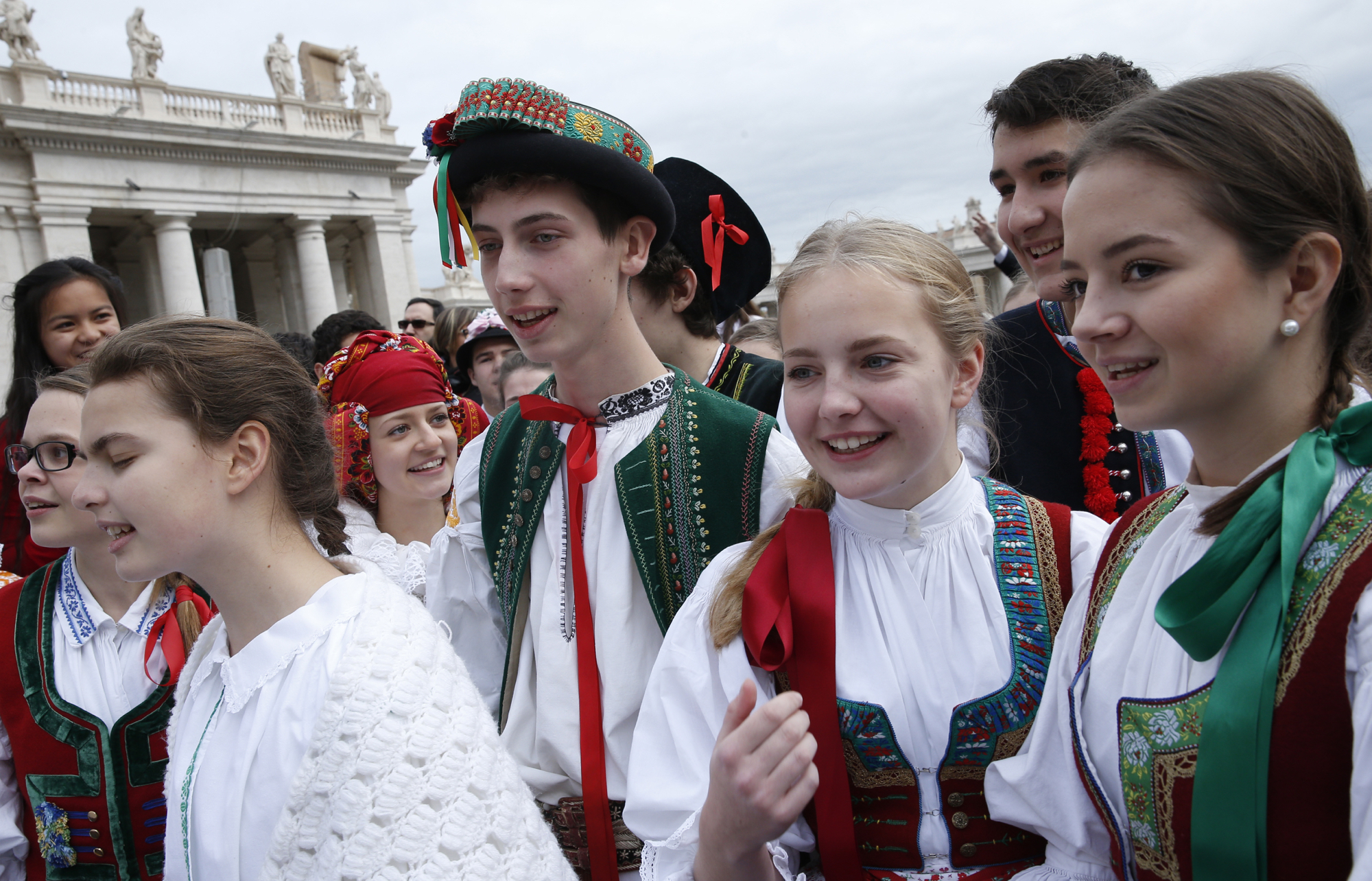
Slovak is the official language of Slovakia and is spoken by the majority of the population. It is a West Slavic language closely related to Czech and Polish and belongs to the Indo-European language family.
The history of Slovak is closely tied to the history of the Slovak people. The Slavic tribes that settled in the territory of present-day Slovakia in the 5th century AD spoke a common Slavic language. Over time, this language evolved into several distinct dialects, and Slovak emerged as a separate language in the 9th century AD.
Official Status and Usage
Slovak is the official language of Slovakia and is used in all spheres of public life, including government, education, and the media. It is also the language of instruction in schools and universities.
Dialects
There are several dialects of Slovak, each with its own unique characteristics. The main dialects are:
- Western Slovak
- Central Slovak
- Eastern Slovak
The Western Slovak dialect is spoken in the western part of Slovakia, while the Central Slovak dialect is spoken in the central part of the country. The Eastern Slovak dialect is spoken in the eastern part of Slovakia.
Key Characteristics
The key characteristics of Slovak include:
| Feature | Description |
|---|---|
| Alphabet | Slovak uses a modified Latin alphabet with 46 letters. |
| Grammar | Slovak has a relatively complex grammar, with a rich system of cases and declensions. |
| Vocabulary | Slovak vocabulary is largely Slavic, with some influences from neighboring languages such as Hungarian and German. |
Slovak Language Characteristics
Slovak is a West Slavic language spoken by approximately 5.2 million people, primarily in Slovakia. It is closely related to Czech and Polish and shares many similarities with other Slavic languages.
The Slovak language originated from the Proto-Slavic language, which was spoken by the Slavic tribes in Central and Eastern Europe during the early Middle Ages. Over time, Proto-Slavic diverged into different dialects, and Slovak emerged as a distinct language around the 10th century.
Classification and Origins
Slovak is classified as a West Slavic language, along with Czech, Polish, and Sorbian. It is part of the Indo-European language family, which also includes English, German, French, and many other languages.
Key Features of Slovak Grammar and Syntax
Slovak grammar and syntax are similar to those of other Slavic languages. Some of the key features include:
Verb Conjugation
Slovak verbs are conjugated for person, number, tense, mood, and voice. There are three main verb tenses: present, past, and future. Verbs can also be conjugated in the conditional, imperative, and subjunctive moods.
Noun Declension
Slovak nouns are declined for case, number, and gender. There are seven cases in Slovak: nominative, genitive, dative, accusative, instrumental, locative, and vocative.
Sentence Structure
Slovak sentences typically follow a subject-verb-object word order. However, the word order can be more flexible, especially in poetry and informal speech.
Unique Aspects or Nuances of the Language
Slovak has several unique aspects or nuances that distinguish it from other Slavic languages. These include:
Use of Double Negation
Slovak uses double negation for emphasis. For example, the sentence “I don’t know nothing” would be translated as “Neviem nič” in Slovak.
Distinctive Vowel Sounds
Slovak has several distinctive vowel sounds that are not found in other Slavic languages. These include the vowels ä, ô, and ú.
Influence of Neighboring Languages
Slovak has been influenced by neighboring languages, such as Hungarian, German, and Polish. This influence can be seen in the vocabulary, grammar, and pronunciation of Slovak.
Here is a short paragraph in Slovak to demonstrate some of the characteristics of the language:
“Ja som Slovák a hovorím po slovensky. Slovenčina je krásny jazyk, ktorý má bohatú históriu a kultúru. Som hrdý na to, že som Slovák a že môžem hovoriť po slovensky.”
Translation:
“I am Slovak and I speak Slovak. Slovak is a beautiful language with a rich history and culture. I am proud to be Slovak and to be able to speak Slovak.”
– Identify the main regional dialects spoken in Slovakia.
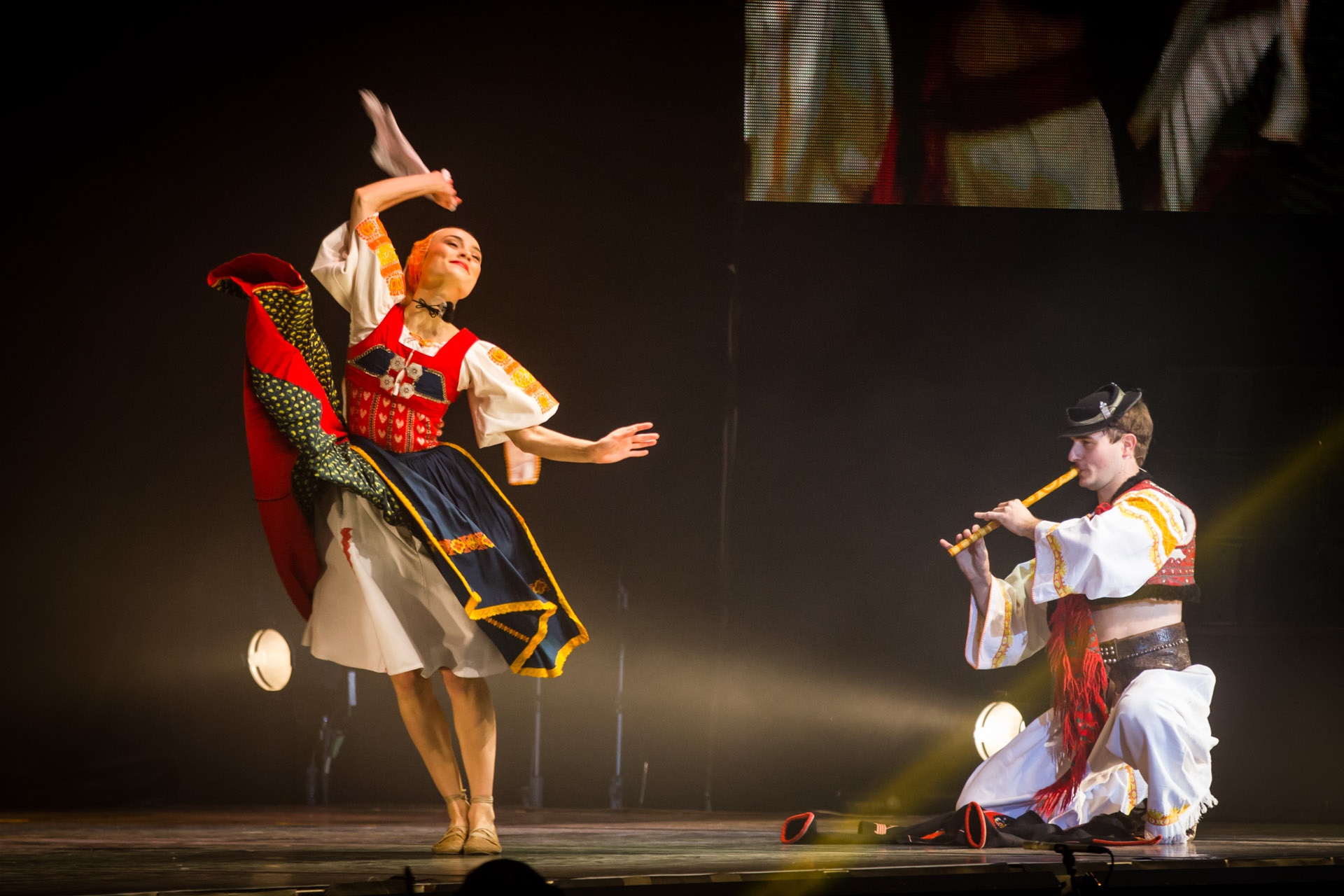
Slovakia has a rich linguistic landscape, with several regional dialects spoken throughout the country. These dialects are an important part of Slovakian identity and culture, and they play a significant role in shaping the nation’s history and traditions.The main regional dialects spoken in Slovakia include:
- Western Slovakis spoken in the western and southwestern parts of the country, including the cities of Bratislava, Trnava, and Nitra.
- Central Slovakis spoken in the central and northern parts of the country, including the cities of Zilina, Banska Bystrica, and Trencin.
- Eastern Slovakis spoken in the eastern part of the country, including the cities of Presov, Kosice, and Michalovce.
Each of these dialects has its own unique characteristics, including differences in pronunciation, grammar, and vocabulary. However, they are all mutually intelligible, and speakers of different dialects can communicate with each other without difficulty.
Geographic Distribution and Cultural Significance of Regional Dialects
The geographic distribution of regional dialects in Slovakia is closely tied to the country’s history and settlement patterns. The Western Slovak dialect is spoken in the areas that were once part of the Kingdom of Hungary, while the Central Slovak dialect is spoken in the areas that were once part of the Austrian Empire.
The Eastern Slovak dialect is spoken in the areas that were once part of the Polish-Lithuanian Commonwealth.Each of these dialects has its own cultural significance. The Western Slovak dialect is often associated with the urban and cosmopolitan culture of Bratislava, while the Central Slovak dialect is associated with the traditional folk culture of the countryside.
The Eastern Slovak dialect is associated with the region’s rich history and cultural heritage.
Differences and Similarities Between Dialects and Standard Language
The regional dialects of Slovakia differ from the standard language in a number of ways, including:
Pronunciation
The dialects have different pronunciations for many words, and they also use different intonation patterns.
Grammar
The dialects have different grammatical rules than the standard language, and they also use different verb conjugations and noun declensions.
Vocabulary
The dialects have different vocabularies than the standard language, and they also use different words for the same concepts.Despite these differences, the regional dialects of Slovakia are still closely related to the standard language, and speakers of the dialects can easily understand the standard language.
Role of Regional Dialects in Shaping Slovakian Identity and Culture
The regional dialects of Slovakia have played an important role in shaping the country’s identity and culture. The dialects have helped to preserve the country’s linguistic diversity, and they have also helped to create a sense of regional identity. The dialects have also been used in literature, music, and other forms of artistic expression, and they have helped to shape the country’s cultural heritage.
Slovak is the official and most widely spoken language in Slovakia. It belongs to the Slavic branch of the Indo-European language family and is closely related to Czech, Polish, and Sorbian. Like other Slavic languages, Slovak has a rich system of cases, which allows for complex grammatical constructions.
In contrast to Slovak, the official language spoken in Zurich is German. What language do they speak in Zurich ? Standard German is the official language of Switzerland, and it is spoken by the majority of the population. However, there are also four other national languages: French, Italian, Romansh, and Lombard.
Language and Culture
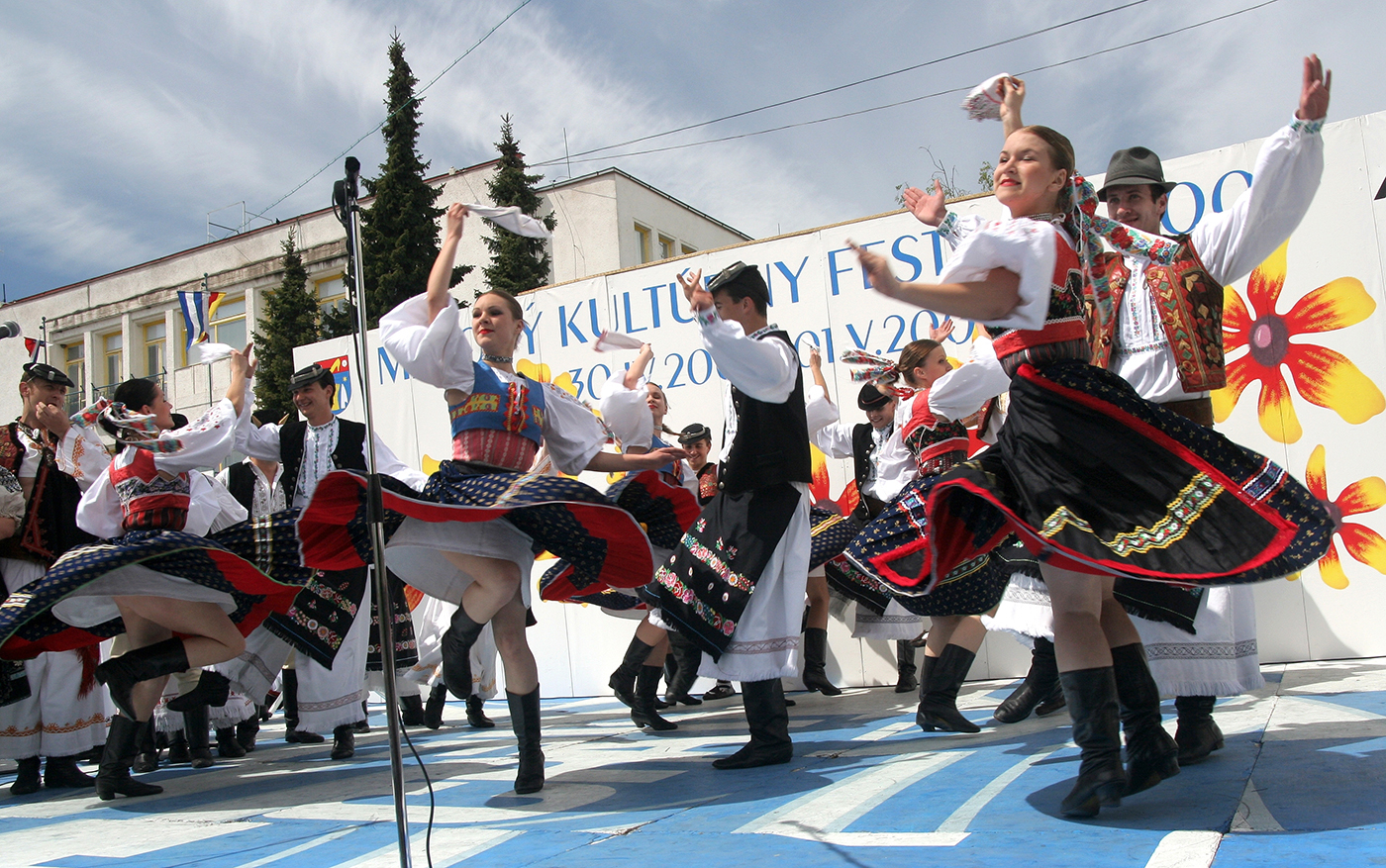
The Slovak language is deeply intertwined with the national identity of Slovakia. It serves as a symbol of unity, cultural heritage, and national pride. Throughout history, the Slovak language has played a crucial role in shaping the cultural and political landscape of the country.
The Role of Slovak in National Identity
The Slovak language has been a key factor in the formation and preservation of Slovak national identity. During periods of political and cultural oppression, the language became a symbol of resistance and a means of preserving Slovak culture. The Slovak language has been used to express the aspirations, values, and traditions of the Slovak people.
Use of Slovak in Literature and the Arts
The Slovak language has a rich literary tradition that spans centuries. Notable Slovak writers such as Pavol Országh Hviezdoslav, Janko Jesenský, and Ľudovít Štúr have used the language to create works of poetry, prose, and drama that have shaped Slovak literature.
The Slovak language is also widely used in music, theater, and other cultural expressions.
Language and Cultural Heritage
The Slovak language is closely tied to the country’s cultural heritage. It reflects the history, traditions, and customs of the Slovak people. The language contains numerous words and phrases that are unique to Slovakia and express aspects of Slovak culture that cannot be easily translated into other languages.
The preservation and promotion of the Slovak language are therefore essential for maintaining the country’s cultural heritage.
Language Education and Policy
/Paskabread-5648613270_911f589441_o-596106f05f9b583f180c3e1b.jpg "Paska slovak thespruceeats")
Education in Slovakia is divided into three levels: primary, secondary, and tertiary. Primary education is compulsory for children aged 6 to 15 and consists of nine grades. Secondary education is optional and lasts for four years, with students choosing to attend either a general or vocational school.
Tertiary education includes universities, colleges, and other institutions of higher learning.
The Slovak language is the official language of instruction in all schools in Slovakia. However, there are also a number of schools that offer instruction in minority languages, such as Hungarian, Roma, and Ukrainian. The government of Slovakia is committed to promoting and preserving the Slovak language, and it has implemented a number of policies to support this goal.
Role of the Government
The government of Slovakia plays a significant role in promoting and preserving the Slovak language. The government has established a number of institutions to support the Slovak language, including the Slovak Language Institute and the Slovak Academy of Sciences. The government also provides funding for Slovak language education and research.
Challenges and Initiatives
Despite the government’s efforts, there are still a number of challenges to promoting and preserving the Slovak language. One challenge is the influence of other languages, such as English and German. Another challenge is the emigration of Slovaks to other countries.
The government of Slovakia is working to address these challenges through a number of initiatives, such as promoting Slovak language education and culture abroad.
Minority Languages
In addition to Slovak, several minority languages are spoken in Slovakia, reflecting the country’s diverse cultural heritage. These languages have varying degrees of official status, usage, and preservation efforts.
Cultural and Historical Significance
Minority languages in Slovakia play a significant role in preserving cultural identity and promoting cultural diversity. They are closely tied to the historical and cultural traditions of specific ethnic groups and communities, contributing to the country’s rich linguistic and cultural landscape.
Language Contact and Influence

The Slovak language has been significantly influenced by its neighboring languages, primarily due to its geographical location at the crossroads of Central and Eastern Europe. Throughout history, Slovakia has experienced periods of political and cultural dominance by various empires and neighboring states, resulting in language contact that has left a lasting impact on the Slovak language.
Historical Language Contact, What language is spoken in slovakia
During the Middle Ages, Slovakia was part of the Kingdom of Hungary for several centuries. As a result, the Slovak language borrowed numerous words from Hungarian, particularly in the areas of administration, military, and everyday life. Examples of Hungarian loanwords in Slovak include “župan”(county governor), “voják”(soldier), and “koruna”(crown).
Contemporary Language Contact
In the modern era, Slovakia has maintained close ties with neighboring countries such as the Czech Republic, Poland, and Austria. This ongoing interaction has led to the adoption of loanwords from these languages, especially in technical, cultural, and scientific fields.
For instance, Slovak has borrowed words like “počítač”(computer) from Czech, “internet”from English, and “automobil”(car) from German.
The official language of Slovakia is Slovak, a West Slavic language closely related to Czech and Polish. For those using Samsung phones in Slovakia and needing assistance in changing the language settings, a comprehensive guide is available here. Despite the availability of other minority languages in Slovakia, such as Hungarian, Ukrainian, and Romani, Slovak remains the dominant language used in government, education, and everyday communication.
Impact on Slovak Vocabulary, Grammar, and Pronunciation
Language contact has not only enriched the Slovak vocabulary but has also influenced its grammar and pronunciation. For example, the Slovak language has adopted the Czech prepositional case, which is not found in most other Slavic languages. Additionally, the pronunciation of certain Slovak words has been influenced by neighboring languages, such as the palatalization of consonants before front vowels, which is similar to the pronunciation in Polish.
– Discuss the use of the Slovak language in online communication and social media.

The Slovak language has a strong presence in online communication and social media in Slovakia. Many Slovaks use Slovak to communicate with friends and family, share news and information, and express their opinions.
There are several reasons for the popularity of Slovak in online communication. First, Slovak is the native language of the majority of Slovaks, so it is the most comfortable language for them to use online. Second, there is a growing body of Slovak-language content available online, including news articles, websites, and social media posts.
This makes it easier for Slovaks to find information and connect with others in their own language.
Challenges and opportunities of digital technology for language preservation
Digital technology presents both challenges and opportunities for language preservation. On the one hand, the internet can be a powerful tool for sharing and preserving minority languages. On the other hand, the dominance of English online can pose a threat to minority languages.
There are several initiatives and projects that are using digital technology to preserve Slovak. For example, the Slovak Language Institute has created a digital archive of Slovak texts. The Slovak National Library has also digitized a large number of Slovak books and newspapers.
Digital technology has the potential to revitalize or increase the use of Slovak. For example, the Slovak government has launched a campaign to promote the use of Slovak in online communication. The campaign includes a website that provides resources for Slovaks who want to use Slovak online.
Impact of technology on language usage and evolution in Slovakia
Technology has had a significant impact on language usage and evolution in Slovakia. The internet has made it possible for Slovaks to communicate with each other and with people from all over the world. This has led to an increase in the use of Slovak in online communication.
Technology has also made it easier for Slovaks to access information in their own language. This has led to an increase in the use of Slovak in education and research.
The future impact of technology on Slovak language usage and evolution is difficult to predict. However, it is likely that technology will continue to play a major role in the way that Slovaks use and learn their language.
“The internet is a powerful tool for language preservation. It can be used to share and preserve minority languages, and to promote their use in online communication.”
– Juraj Dolník, Director of the Slovak Language Institute
Language and Tourism
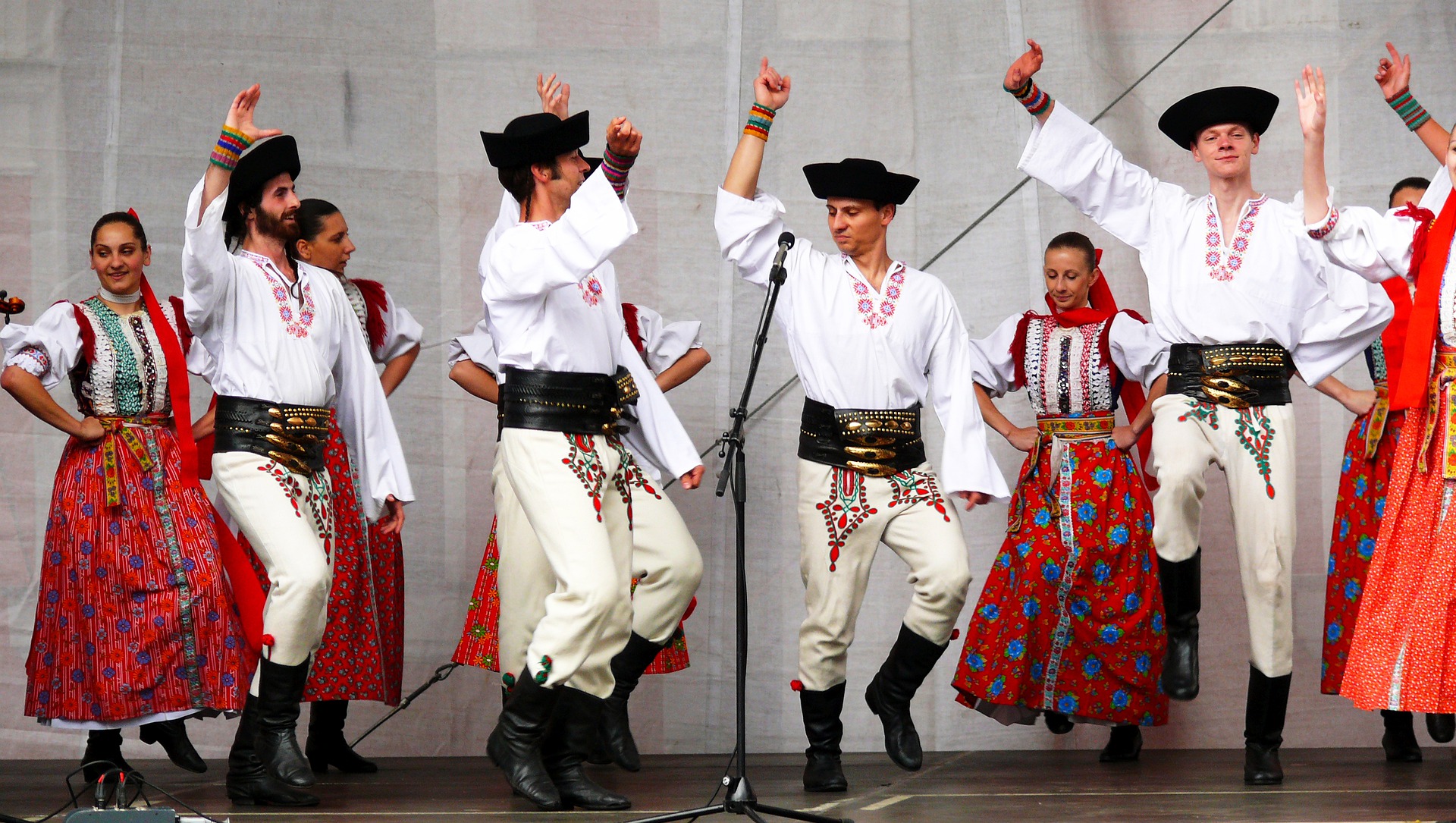
The Slovak language plays a significant role in promoting tourism within the country. It is the official language used in all tourist materials, including brochures, websites, and guidebooks. This ensures that visitors can easily access information about Slovakia’s attractions, history, and culture.
Importance of Slovak Language in Tourism
The Slovak language is essential for tourism as it:
- Facilitates communication between tourists and locals, allowing them to ask questions, understand directions, and engage in meaningful conversations.
- Provides a sense of cultural immersion, enabling tourists to connect with the local people and experience Slovak traditions and customs.
- Preserves and promotes Slovak cultural heritage, ensuring that future generations can appreciate the richness and diversity of the Slovak language.
Use of Slovak Language in Tourist Materials
The Slovak language is widely used in tourist materials to provide information about:
- Historical sites and monuments, including their significance and architectural features.
- Natural attractions, such as national parks, mountains, and lakes, highlighting their beauty and recreational opportunities.
- Cultural events and festivals, providing details on dates, venues, and performances.
- Local cuisine and traditional dishes, offering insights into Slovak gastronomy.
Strategies for Promoting Slovak Language through Tourism
To promote the Slovak language through tourism, several strategies can be employed:
- Encouraging tourists to learn basic Slovak phrases and vocabulary to enhance their interactions with locals.
- Offering language courses or workshops specifically designed for tourists, providing them with a deeper understanding of the Slovak language and culture.
- Incorporating Slovak language elements into tourist attractions, such as interactive exhibits, audio guides, and multilingual signage.
- Organizing cultural events and festivals that showcase the Slovak language and its significance in Slovak society.
Language and Business: What Language Is Spoken In Slovakia
The Slovak language plays a vital role in business and commerce within Slovakia and beyond. It serves as the primary medium of communication in various business settings, including marketing, advertising, customer service, negotiations, and contracts.
Proficiency in the Slovak language is crucial for effective international communication. It enables businesses to connect with clients, partners, and employees from diverse cultural backgrounds, fostering mutual understanding and building strong business relationships.
Use in Marketing and Advertising
The Slovak language is widely used in marketing and advertising campaigns to reach local audiences. Businesses tailor their messaging and marketing materials to resonate with Slovak-speaking consumers, considering cultural nuances and preferences.
Customer Service and Communication
In customer service, the use of the Slovak language ensures clear and effective communication. Customers can express their needs and inquiries in their native language, enhancing satisfaction and building trust. Businesses demonstrate their commitment to customer satisfaction by providing support in the local language.
Business Negotiations and Contracts
In business negotiations and contracts, the Slovak language plays a critical role in ensuring clarity and precision. Accurate communication is essential to avoid misunderstandings and legal disputes. Contracts drafted in Slovak ensure that all parties involved fully comprehend the terms and conditions.
Case Studies and Best Practices
Numerous businesses have successfully leveraged the Slovak language to enhance their operations. For example, the Slovak telecommunications company Orange Slovakia has effectively used Slovak in its marketing campaigns, connecting with local audiences and increasing brand loyalty.
Recommendations for Businesses
- Invest in language training for employees to improve their Slovak proficiency.
- Translate marketing materials and customer-facing documents into Slovak.
- Hire bilingual staff to facilitate communication with Slovak-speaking clients.
- Use Slovak language resources and tools to enhance communication effectiveness.
Language and Media
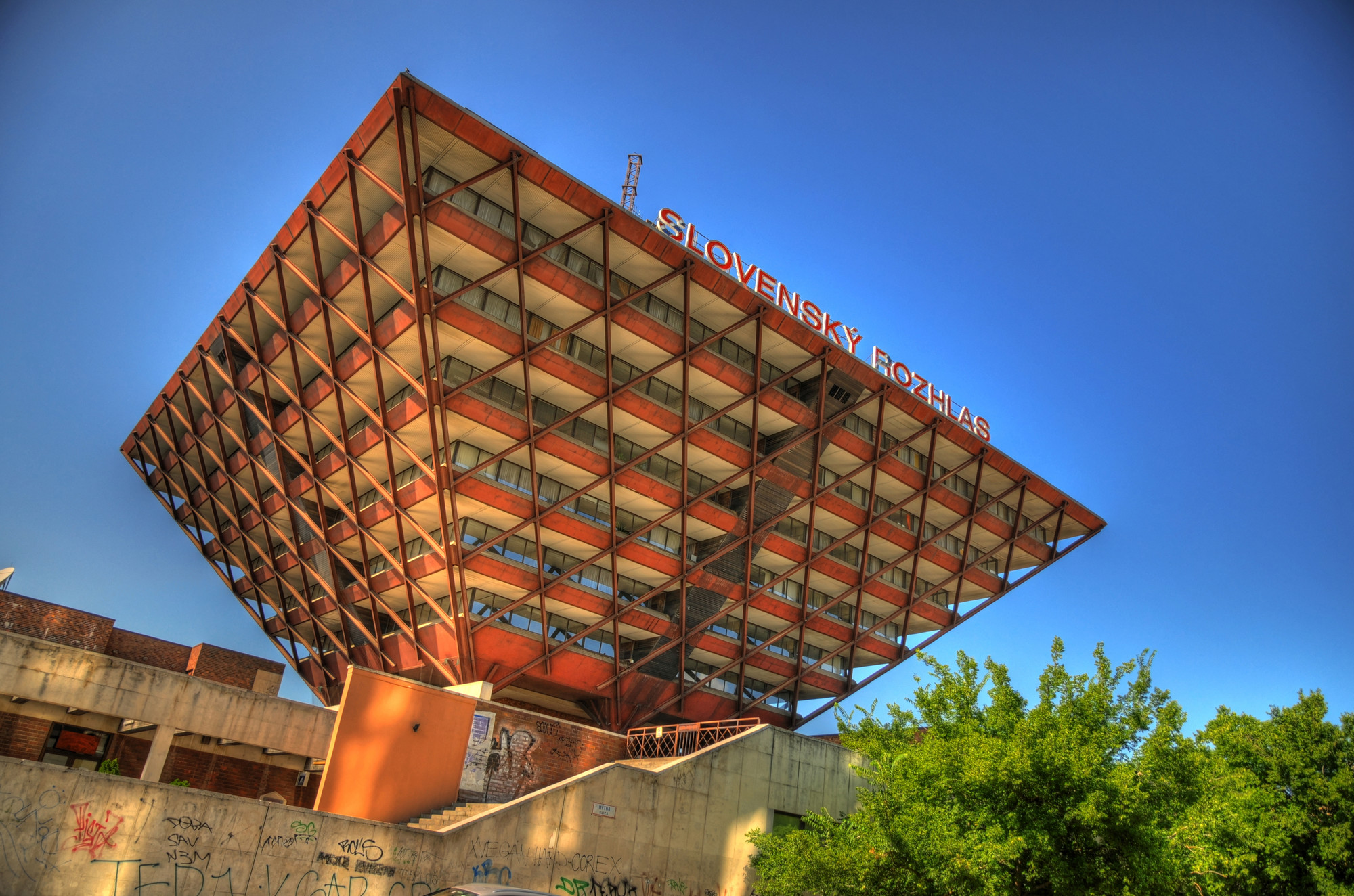
The Slovak language plays a vital role in various media outlets, contributing to its promotion and preservation. Newspapers, magazines, television, radio, and online platforms widely use Slovak, ensuring its visibility and usage.The media actively promotes the Slovak language through initiatives aimed at increasing its usage and exposure.
These efforts include campaigns encouraging the use of Slovak in official documents, public announcements, and educational materials. Additionally, the media highlights the importance of Slovak as a symbol of national identity and cultural heritage.The media’s influence on language usage in Slovakia is significant, as it shapes language trends and preferences.
Foreign language influence, particularly from English, is evident in certain media genres, such as entertainment and advertising. However, the media also plays a crucial role in preserving traditional Slovak language usage through news broadcasts, documentaries, and cultural programs.Slovak language usage varies across different media genres.
News and official communication tend to adhere to formal language standards, while entertainment and advertising often incorporate colloquialisms and informal language to appeal to wider audiences. This diversity reflects the adaptability of Slovak to different communicative contexts.Successful media campaigns have been instrumental in promoting the Slovak language.
For instance, the “Speak Slovak” campaign launched in 2015 aimed to encourage the use of Slovak in public spaces and online communication. The campaign featured public figures and celebrities using Slovak in everyday situations, highlighting its relevance and appeal.Despite the challenges posed by globalization and the rise of social media, the Slovak language continues to occupy a prominent position in the media landscape.
The media remains a powerful tool for preserving and promoting the Slovak language, ensuring its vitality and continued use in various communicative contexts.
Language and International Relations
The Slovak language plays a significant role in international relations, serving as a bridge for diplomacy, cultural exchange, and cooperation. Its use in various diplomatic events and cultural initiatives has facilitated mutual understanding and fostered collaboration.
Diplomatic Relations
The Slovak language is used in official diplomatic communications and negotiations. Slovak diplomats engage in discussions, agreements, and treaties using their native language, ensuring clear and precise communication. The language serves as a vital tool for conveying diplomatic messages, building trust, and establishing strong international relationships.
Cultural Exchange
The Slovak language is a key medium for cultural exchange. Through cultural events, such as exhibitions, performances, and literary exchanges, the Slovak language showcases the country’s rich cultural heritage and traditions. It allows foreign audiences to engage with Slovak culture firsthand, fostering appreciation and mutual respect.
Cooperation and Understanding
The Slovak language has been instrumental in promoting cooperation and understanding on various international platforms. Specific initiatives and programs have utilized the language to facilitate collaboration in areas such as education, science, and economic development. By using Slovak as a common language, participants from different countries can share knowledge, exchange ideas, and work together towards common goals.
Challenges and Opportunities
While the Slovak language has made significant strides in international relations, there are challenges and opportunities to consider. The language’s global reach is relatively limited compared to major languages, and the availability of resources for Slovak language learning can be a barrier for non-native speakers.
However, there is an opportunity to enhance the language’s visibility and accessibility through language promotion initiatives and educational programs.
Recommendations
To enhance the role of the Slovak language in international relations, several recommendations can be considered. Promoting the language through cultural diplomacy and educational exchanges can increase its global reach. Encouraging the use of Slovak in international organizations and conferences would provide a platform for the language’s use in high-level discussions.
Additionally, supporting initiatives that facilitate language learning and translation can break down language barriers and foster greater understanding.
Language and the Future
The Slovak language faces both challenges and opportunities in the future. The increasing globalization and the dominance of English as a global language pose challenges to the preservation and promotion of the Slovak language. However, there are also initiatives and strategies in place to ensure the vitality of the Slovak language.
Preservation and Promotion Initiatives
- The Slovak government has implemented policies to support the use of Slovak in education, media, and public administration.
- Non-profit organizations and cultural institutions play a significant role in promoting Slovak language and culture through events, publications, and educational programs.
- The Slovak Academy of Sciences conducts research on the Slovak language and its history, contributing to its preservation and understanding.
Potential Evolution of the Slovak Language
The future evolution of the Slovak language is difficult to predict, but some trends can be observed.
- The influence of English and other global languages may lead to the adoption of new words and phrases into Slovak.
- Technological advancements and the increasing use of online communication may shape the way Slovak is used and evolve.
- The Slovak language may continue to diversify regionally, with the emergence of new dialects or variations.
Additional Insights
The Slovak language is a fascinating and complex linguistic phenomenon with a rich history and diverse dialects. Here are some additional insights that provide a deeper understanding of its unique characteristics and significance:
Unique Phonological Features
Slovak phonology exhibits several distinctive features that set it apart from other Slavic languages. One notable characteristic is the presence of long and short vowels, which play a crucial role in word formation and meaning. Additionally, Slovak has a complex system of diphthongs, which are combinations of two vowels pronounced as a single syllable.
Influence of Neighboring Languages
The Slovak language has been influenced by various neighboring languages throughout its history. The most significant influence comes from Czech, which shares a close linguistic relationship with Slovak. However, Slovak has also incorporated elements from Hungarian, German, and Polish, resulting in a unique blend of linguistic features.
Case Studies: Language Revival and Revitalization
In recent years, there have been significant efforts to revitalize and preserve the Slovak language, particularly in areas where it has been marginalized or suppressed. One notable example is the case of the Rusyn minority in eastern Slovakia, who have actively worked to maintain their distinct language and culture.
Suggestions for Further Research
To further explore the intricacies of the Slovak language, several areas of research offer promising avenues for investigation. These include:
- Diachronic analysis of Slovak dialects to trace their evolution and interrelationships.
- Sociolinguistic studies examining the impact of social factors on language use and attitudes.
- Computational linguistics approaches to develop natural language processing tools for Slovak.
Popular Questions
What is the official language of Slovakia?
Slovak is the official language of Slovakia.
Are there any regional dialects spoken in Slovakia?
Yes, there are several regional dialects spoken in Slovakia, each with its own unique characteristics.
What is the relationship between Slovak and other Slavic languages?
Slovak is a West Slavic language, closely related to Czech, Polish, and Sorbian.
How is the Slovak language used in education and media?
Slovak is the primary language of instruction in schools and universities in Slovakia, and it is widely used in print and electronic media.
What are the challenges facing the Slovak language in the modern era?
The Slovak language faces challenges such as globalization, migration, and the influence of foreign languages.
