What language they speak in norway – In the heart of Scandinavia, Norway boasts a rich linguistic landscape, where the official language, Norwegian, coexists with a diverse array of regional, minority, and immigrant languages, each contributing to the nation’s cultural tapestry.
From the fjords to the Arctic Circle, this presentation will delve into the complexities of language in Norway, exploring its historical evolution, regional variations, and the role it plays in shaping Norwegian identity and culture.
Official Language

The official language of Norway is Norwegian. Norwegian is a North Germanic language spoken by about 5.5 million people worldwide, primarily in Norway, where it is the official language.
Norwegian has two official written standards, Bokmål and Nynorsk. Bokmål is the more widely used standard, spoken by about 85% of the population. Nynorsk is spoken by about 15% of the population, primarily in rural areas of Western Norway.
Dialects
Norwegian has a number of dialects, which vary in pronunciation, grammar, and vocabulary. The most widely spoken dialects are:
- Oslo dialect: Spoken in the capital city of Oslo and surrounding areas.
- Bergen dialect: Spoken in the city of Bergen and surrounding areas.
- Trondheim dialect: Spoken in the city of Trondheim and surrounding areas.
Regional Languages
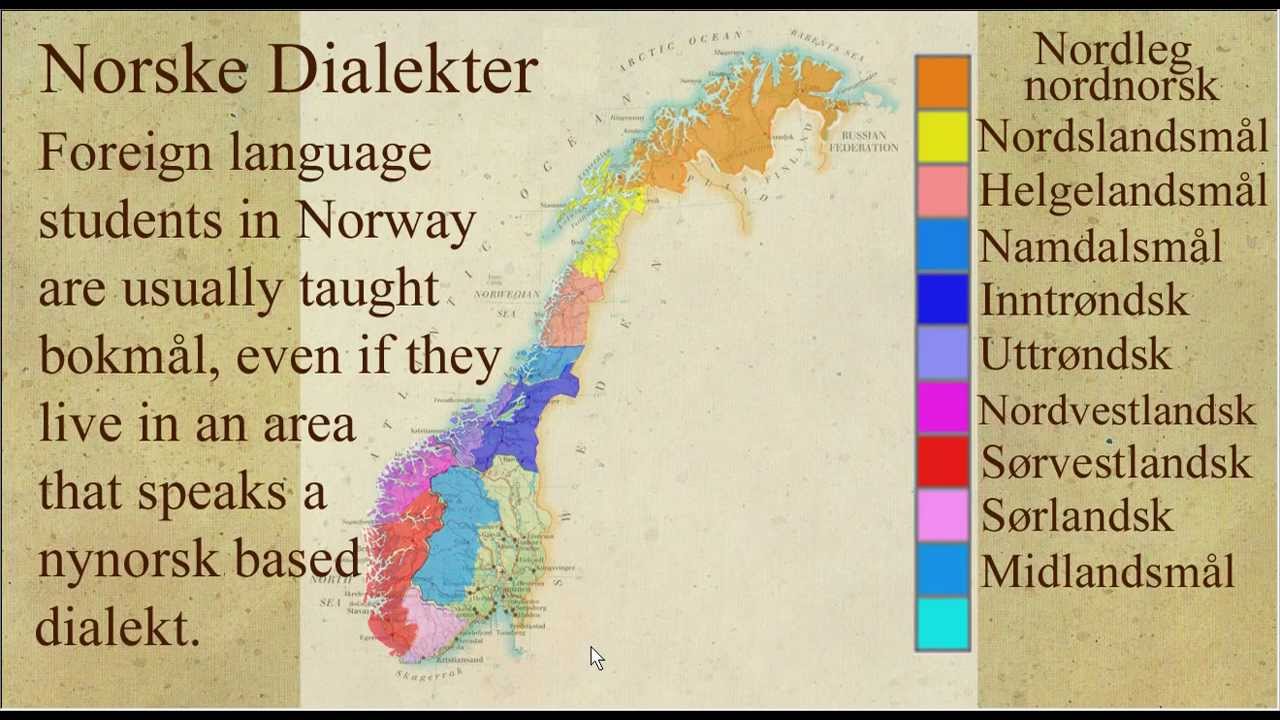
In addition to Norwegian, there are several regional languages spoken in Norway. These languages are closely related to Norwegian and are spoken in specific geographical areas.
Nynorsk
Nynorsk is a written language standard of Norwegian that is based on rural dialects. It is spoken in the western and southern parts of Norway and is used in schools, government, and media.
Sami Languages
The Sami languages are a group of Uralic languages spoken by the Sami people in Norway, Sweden, Finland, and Russia. There are several Sami languages spoken in Norway, including Northern Sami, Southern Sami, and Lule Sami.
Kven
Kven is a Finnic language spoken by the Kven people in northern Norway. It is closely related to Finnish and is recognized as a minority language in Norway.
Romani
Romani is a language spoken by the Romani people, who are an ethnic minority in Norway. It is a member of the Indo-Aryan branch of the Indo-European language family.
Minority Languages
In addition to the official Norwegian language, there are several minority languages spoken in Norway. These languages have their origins in various parts of the world and play a significant role in the cultural diversity of the country.
One of the most prominent minority languages in Norway is Sami, spoken by the indigenous Sami people. Sami is a Uralic language with three main dialects: Northern, Southern, and Lule. It is used in everyday communication, education, and cultural expressions such as literature, music, and traditional storytelling.
Other Minority Languages
Other minority languages spoken in Norway include:
- Kven:A Finnic language spoken by the Kven people, who have historical ties to Finland.
- Romani:An Indo-Aryan language spoken by the Romani people, who have migrated to Norway from various parts of Europe.
- Yiddish:A Germanic language spoken by the Jewish community in Norway.
- Arabic:Spoken by the growing Arab community in Norway, primarily used in religious and cultural contexts.
These minority languages contribute to the linguistic and cultural richness of Norway. They are used in various domains, including education, media, and community events, helping to preserve and promote the cultural heritage of the respective language communities.
Challenges and Preservation
Minority language communities in Norway face challenges such as language loss due to assimilation and limited opportunities for language use. However, there are efforts being made to preserve and promote these languages.
- The Norwegian government has established language policies and funding programs to support minority languages.
- Language schools and cultural organizations offer classes and events to promote language learning and cultural exchange.
- Community initiatives and grassroots movements aim to revitalize and strengthen minority languages.
These efforts contribute to the preservation and promotion of minority languages in Norway, ensuring that they continue to play a vital role in the cultural landscape of the country.
– Provide data on the languages spoken by immigrant communities in Norway, including the number of speakers and the countries of origin.
As of 2022, there are over 600,000 immigrants living in Norway, accounting for approximately 11% of the total population. These immigrants come from diverse backgrounds, with the largest groups originating from Poland, Lithuania, Sweden, Somalia, and Syria.
The most commonly spoken immigrant languages in Norway are:
- Polish (100,000 speakers)
- Lithuanian (30,000 speakers)
- Swedish (25,000 speakers)
- Somali (20,000 speakers)
- Arabic (20,000 speakers)
These languages are spoken by a significant proportion of the immigrant population, and they play an important role in cultural preservation and integration.
Education and Language
Norwegian is the primary language of instruction in Norwegian schools. However, there are some exceptions. In areas with a large population of Sami people, Sami is also used as a language of instruction. In addition, there are a number of international schools in Norway that offer instruction in English or other languages.Foreign language education is compulsory in Norwegian schools.
Students begin learning English in the first grade and continue studying it through the end of high school. In addition to English, students may also choose to study other foreign languages, such as Spanish, French, German, or Russian.The percentage of students who study a foreign language in Norway is high.
In 2019, over 90% of students in upper secondary school were enrolled in a foreign language course.English is the most popular foreign language studied in Norway. In 2019, over 80% of students in upper secondary school were enrolled in an English course.
Other popular foreign languages include Spanish, French, German, and Russian.Foreign language programs in Norway are funded by the government. The government provides funding for teachers, textbooks, and other resources.The goals of foreign language education in Norway are to:* Develop students’ communication skills in a foreign language.
- Increase students’ understanding of other cultures.
- Prepare students for further study or work in a globalized world.
Foreign language teachers in Norway are trained at universities and colleges. They must have a degree in foreign language education and must pass a state certification exam.There are a number of challenges and opportunities for foreign language education in Norway.
One challenge is the fact that Norway is a relatively small country with a limited number of native speakers of foreign languages. This can make it difficult for students to find opportunities to practice speaking and listening to the language outside of the classroom.One opportunity for foreign language education in Norway is the country’s strong international connections.
Norway is a member of the European Union and the United Nations, and it has close ties to other countries around the world. This provides students with opportunities to travel and study abroad, which can help them to improve their foreign language skills.The Norwegian government supports foreign language education in a number of ways.
The government provides funding for teachers, textbooks, and other resources. The government also supports a number of initiatives to promote foreign language learning, such as the Erasmus+ program, which provides funding for students to study abroad.The best practices for foreign language education in Norway include:* Using a variety of teaching methods to cater to different learning styles.
- Providing students with opportunities to practice speaking and listening to the language outside of the classroom.
- Encouraging students to study abroad.
- Using technology to enhance foreign language learning.
The latest trends in foreign language education in Norway include:* A growing emphasis on communicative competence.
- The use of technology to enhance foreign language learning.
- A focus on global citizenship education.
Media and Language

The media landscape in Norway is diverse, with a wide range of newspapers, magazines, radio and television channels, and online news sources. The majority of media outlets in Norway use Norwegian as their primary language, with some exceptions.
The use of language in Norwegian media outlets is generally influenced by the target audience and the purpose of the publication or broadcast. For example, newspapers and magazines aimed at a general audience typically use standard Norwegian, while those targeting specific groups, such as immigrants or minority communities, may use other languages or dialects.
Language in News Reporting
In news reporting, the use of language is crucial in shaping the way news is presented and perceived by the audience. The choice of words, tone, and style can influence the credibility, objectivity, and impact of news stories.
Norwegian media outlets generally strive to maintain a high level of objectivity and accuracy in their news reporting. This includes using precise and neutral language, avoiding sensationalism, and presenting multiple perspectives on important issues.
Language in Entertainment
In the entertainment industry, language plays a vital role in creating engaging and immersive experiences for audiences. Norwegian television shows, movies, and music often use colloquial language and dialects to reflect the diversity of Norwegian society and to connect with viewers on a personal level.
However, the use of non-standard language in entertainment can sometimes create barriers for non-native speakers or those who are not familiar with specific dialects. To address this, some Norwegian media outlets provide subtitles or translations for their content to make it more accessible to a wider audience.
Language Policy

Norway’s language policy aims to preserve and promote the Norwegian language, ensuring its continued use in all spheres of society. The policy encompasses legal measures, educational initiatives, cultural initiatives, and linguistic planning.
Legal Measures
Norwegian law establishes Norwegian as the official language of the country, used in government, education, and public services. The Language Act (1995) mandates the use of Norwegian in official communication, including signage, public announcements, and government documents.
Educational Initiatives
Norway’s educational system plays a crucial role in language preservation. Language immersion programs in schools promote the use of Norwegian as the primary language of instruction, while teacher training programs ensure educators are proficient in teaching Norwegian.
Cultural Initiatives
Cultural initiatives support the production and dissemination of Norwegian-language media. The government provides funding for Norwegian-language films, television programs, and literature. It also supports Norwegian-language theaters and cultural events.
Linguistic Planning
The Norwegian Language Council (Språkrådet) is responsible for standardizing the Norwegian language and developing new words to accommodate societal changes. It also monitors language use and advises the government on language policy.
Effectiveness of Measures
These measures have been effective in preserving and promoting the Norwegian language. Norwegian remains the dominant language in all domains, with over 95% of the population speaking it as their first language. The measures have also contributed to the standardization of the language and the development of a rich vocabulary.
Challenges and Controversies
Despite its success, Norway’s language policy has faced some challenges. The increasing use of English in international communication has led to concerns about the potential erosion of Norwegian. There have also been debates about the inclusion of minority languages in education and public life.
Comparison with Other Countries
Norway’s language policy is similar to those of other Nordic countries such as Sweden, Denmark, and Finland. All these countries have implemented measures to preserve their national languages while accommodating minority languages. However, Norway’s policy is more comprehensive and includes a strong emphasis on linguistic planning.
Report on Norway’s Language Policy
This report provides an overview of Norway’s language policy and its objectives. It examines the various measures taken to preserve and promote the Norwegian language, including legal measures, educational initiatives, cultural initiatives, and linguistic planning. The report also discusses the effectiveness of these measures and the challenges and controversies surrounding the policy.
Finally, it compares Norway’s language policy to those of other Nordic countries.
Language and Culture

Language plays a significant role in shaping Norwegian culture, reflecting its traditions, values, and national identity. The Norwegian language itself has two official written forms, Bokmål and Nynorsk, each with its distinct characteristics and regional influences.
The use of language in Norway is closely tied to cultural practices and traditions. For instance, the traditional Norwegian greeting of “hei” is a reflection of the country’s egalitarian values, emphasizing a sense of community and familiarity. Language also influences the way Norwegians interact with nature, as many place names and expressions are rooted in the country’s natural landscape and its close connection to the environment.
Language and National Identity
The Norwegian language is a source of national pride and a symbol of the country’s cultural heritage. The preservation and promotion of the Norwegian language have been central to the development of a distinct Norwegian identity, particularly during periods of foreign influence and occupation.
The use of Norwegian in official settings, education, and media has played a crucial role in maintaining the language’s vitality and ensuring its continued use in the face of globalization and the influence of international languages such as English.
Language and Social Norms
Language also shapes social norms and expectations within Norwegian culture. The use of polite and respectful language is highly valued, reflecting the country’s emphasis on politeness and consideration for others. The use of titles and formal forms of address in certain contexts is a reflection of the importance placed on social hierarchy and respect for authority.
Additionally, the Norwegian language has a rich vocabulary related to concepts such as “dugnad” (voluntary community work) and “koselig” (a feeling of coziness and comfort), which reflect important cultural values and shared experiences.
Language and Literature
The Norwegian language has a long and distinguished literary tradition, with renowned authors such as Henrik Ibsen, Bjørnstjerne Bjørnson, and Knut Hamsun contributing to its global recognition. Norwegian literature often explores themes of national identity, social issues, and the human condition, reflecting the deep connection between language and culture in the country.
The Nobel Prize in Literature has been awarded to several Norwegian authors, including Bjørnson (1903), Hamsun (1920), and Sigrid Undset (1928), further highlighting the importance of language and literature in Norwegian culture.
Historical Evolution of Language
The Norwegian language has undergone a significant historical evolution, shaped by various factors and influences. The earliest form of Norwegian was Old Norse, a North Germanic language spoken during the Viking Age. Over time, Old Norse diverged into three main branches: Icelandic, Faroese, and Norwegian.
During the Middle Ages, Norway came under the influence of Denmark, and Danish became the official language of the country. However, Norwegian continued to be spoken by the majority of the population, and it gradually absorbed elements from Danish, forming a new language known as Dano-Norwegian.
Influence of Other Languages, What language they speak in norway
- Old Norse:The foundation of the Norwegian language, providing the core vocabulary and grammatical structure.
- Danish:Significant influence during the Middle Ages, contributing to the development of Dano-Norwegian.
- Swedish:Close linguistic relationship, leading to mutual intelligibility and influence on vocabulary and pronunciation.
- English:Growing influence in modern times, particularly in technical and business contexts.
- Sami Languages:Indigenous languages spoken by the Sami people, influencing Norwegian vocabulary related to reindeer herding and Arctic environments.
Language and Identity
Language plays a crucial role in shaping Norwegian identity. The Norwegian language, with its two official written forms (Bokmål and Nynorsk), is a symbol of national unity and a source of pride for many Norwegians. It has been used throughout history to promote national identity and cultural heritage.
The Role of Language in National Unity
The Norwegian language has been a unifying force in the country’s history. It has helped to create a sense of shared identity among Norwegians, despite regional and cultural differences. The use of a common language has facilitated communication, fostered a sense of belonging, and promoted national cohesion.
Language and Cultural Identity
Language is closely intertwined with cultural identity in Norway. The Norwegian language reflects the country’s unique culture, history, and values. It is a repository of Norwegian traditions, beliefs, and experiences. Through language, Norwegians express their cultural heritage, connect with their ancestors, and pass on their cultural values to future generations.
Examples of Language Promotion
The Norwegian government has actively promoted the Norwegian language as a means of preserving national identity. This has included measures such as establishing the Norwegian Language Council to regulate and promote the language, and requiring the use of Norwegian in official documents and education.
Essay on the Role of Language in Norwegian National Identity
The Norwegian language has played a pivotal role in the formation of Norwegian national identity. It has been a symbol of unity, a source of pride, and a repository of cultural heritage. The promotion of the Norwegian language by the government and its widespread use in society have contributed to the development of a strong sense of national identity among Norwegians.
Language and Tourism
Norway’s rich cultural heritage and stunning natural beauty attract tourists from around the world. Language plays a crucial role in enhancing the tourism experience, as it facilitates communication, fosters cultural understanding, and enables visitors to connect with locals.
Importance of Language Proficiency for Visitors
While English is widely spoken in tourist areas, proficiency in Norwegian can significantly enhance the visitor experience. It allows tourists to communicate more effectively with locals, ask for directions, order food, and engage in meaningful conversations.
Language as a Barrier to Tourism
Language barriers can pose challenges for tourists, especially in remote areas or when interacting with locals who may not speak English. Miscommunication can lead to misunderstandings, inconvenience, and frustration.
Norwegian is the official language of Norway, with two written standards: Bokmål and Nynorsk. In contrast, Panama, located in Central America, boasts a diverse linguistic landscape. What languages are spoken in Panama reflects this diversity, with Spanish as the official language, alongside indigenous languages such as Ngäbere and Guna.
Despite these linguistic differences, both Norway and Panama prioritize the preservation and promotion of their native languages, ensuring their vitality in the face of globalization.
How Tourism Can Promote Language Learning
Tourism can motivate tourists to learn Norwegian as a way to enhance their travel experience. Language learning apps, classes, and guided tours can provide opportunities for visitors to acquire basic phrases and improve their communication skills.
Role of Translation and Interpretation Services in Tourism
Translation and interpretation services play a vital role in bridging language gaps between tourists and locals. They enable effective communication during guided tours, hotel check-ins, and other tourist-related activities.
Tips for Tourists on How to Overcome Language Barriers
- Learn basic Norwegian phrases.
- Use translation apps or phrasebooks.
- Carry a pocket dictionary or phrasebook.
- Be patient and willing to communicate.
- Seek help from locals or tour guides.
Importance of Language Proficiency for Tour Guides
Tour guides who are proficient in multiple languages can provide a more enriching and engaging experience for tourists. They can communicate effectively with visitors from diverse backgrounds and ensure that everyone understands the historical, cultural, and natural significance of the attractions.
Resources for Tourists Who Want to Learn Norwegian
- Duolingo
- Babbel
- Norwegian for Beginners
- NorwegianPod101
Sample Dialogue Between a Tourist and a Local in Norway
Tourist:Hei, hvor er nærmeste bussholdeplass? (Excuse me, where is the nearest bus stop?)
Local:Den er rett rundt hjørnet. (It’s just around the corner.)
Tourist:Tusen takk. (Thank you.)
Language and Technology
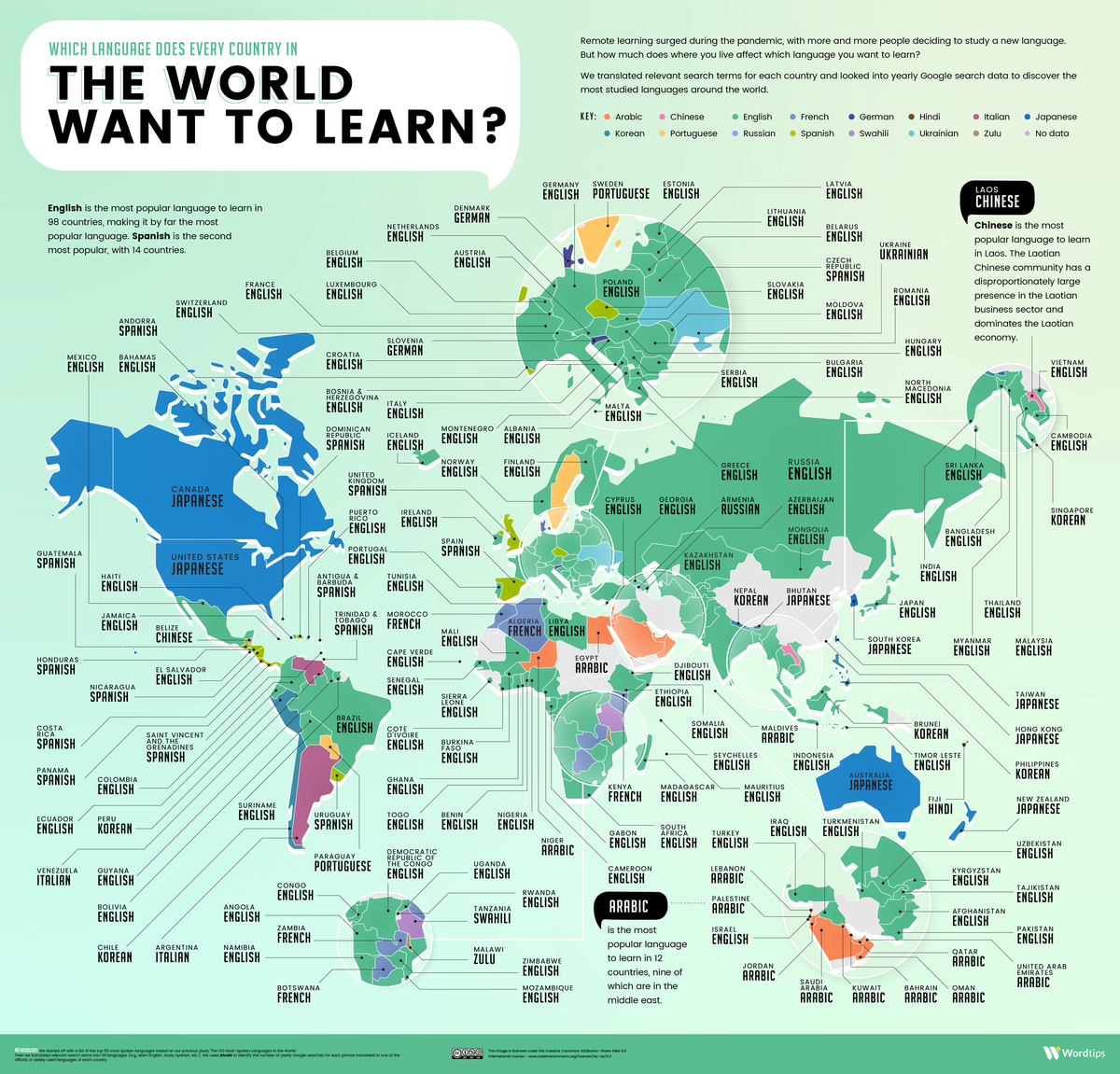
Technology has become an indispensable tool in the promotion and preservation of the Norwegian language. From online resources to translation tools and language learning apps, technology provides numerous opportunities to engage with Norwegian and foster its continued use.
Online Resources
The Norwegian Language Council (Språkrådet) maintains a comprehensive online portal (Norwegian Language Bank) that offers a wealth of resources for Norwegian language learners, including dictionaries, grammar guides, and language corpora. Additionally, the National Library of Norway provides access to a vast collection of digitized Norwegian literature, newspapers, and other materials.
Translation Tools
Machine translation tools, such as Google Translate and Microsoft Translator, have made it easier to translate Norwegian texts into other languages and vice versa. While these tools may not always produce perfect translations, they can be a valuable aid for understanding Norwegian content and facilitating communication.
Language Learning Apps
A variety of language learning apps, such as Duolingo, Babbel, and Rosetta Stone, offer interactive and engaging ways to learn Norwegian. These apps provide structured lessons, vocabulary exercises, and pronunciation practice, making them a convenient and accessible option for language learners.
Successful Initiatives
One successful initiative is the “Språkbanken” (Language Bank) project, which has digitized and made available a large corpus of Norwegian texts. This corpus serves as a valuable resource for researchers, language learners, and anyone interested in the history and evolution of the Norwegian language.
Challenges and Opportunities
While technology presents numerous opportunities for language preservation, it also poses certain challenges. One challenge is the potential for technology to exacerbate language loss by making it easier for people to communicate in other languages. Additionally, the rapid pace of technological change can make it difficult for language preservation efforts to keep up.
Despite these challenges, technology also presents significant opportunities for fostering multilingualism and cultural diversity. By providing access to a wider range of language resources and learning tools, technology can help to promote the use of minority languages and preserve cultural heritage.
Ethical Considerations
It is important to consider the ethical implications of using technology for language preservation. For example, it is crucial to ensure that technology does not reinforce existing power imbalances or contribute to the marginalization of certain languages.
In conclusion, technology plays a vital role in the promotion and preservation of the Norwegian language. By providing a range of online resources, translation tools, and language learning apps, technology makes it easier for people to engage with Norwegian and foster its continued use.
While there are challenges to be addressed, technology also presents significant opportunities for fostering multilingualism and cultural diversity.
Language and the Future

The future of the Norwegian language in a globalized world is a topic of much speculation and debate. Some experts believe that the language will continue to thrive, while others fear that it may be overshadowed by more dominant languages such as English.There are several challenges facing the Norwegian language in the future.
One challenge is the increasing dominance of English in the global marketplace. English is the language of business, science, and technology, and it is becoming increasingly common for Norwegians to use English in these contexts. This could lead to a decline in the use of Norwegian in these areas, and could eventually have a negative impact on the overall health of the language.Another challenge facing the Norwegian language is the growing number of immigrants in Norway.
Immigrants often bring their own languages with them, and this can lead to a decrease in the use of Norwegian in certain communities. For example, in Oslo, the capital of Norway, there are now more than 100 languages spoken. This can make it difficult for Norwegians to communicate with their fellow citizens, and it can also lead to a decline in the use of Norwegian in public life.Despite these challenges, there are also several opportunities for the Norwegian language in the future.
One opportunity is the growing interest in Norwegian culture. In recent years, there has been a surge in interest in Norwegian music, film, and literature. This has led to a renewed interest in the Norwegian language, and it is possible that this trend will continue in the future.Another opportunity for the Norwegian language is the increasing use of technology.
The official language of Norway is Norwegian, which belongs to the North Germanic branch of the Indo-European language family. However, there are also several minority languages spoken in the country, including Sami and Kven. Mongolia, on the other hand, has Mongolian as its official language, which is part of the Mongolic language family.
Interestingly, the Mongolian language shares some similarities with the Uralic languages spoken in northern Europe, including Finnish and Estonian. Despite these similarities, Mongolian is a distinct language with its own unique grammar and vocabulary. Returning to Norway, the Norwegian language has a rich literary tradition and is widely used in education, government, and the media.
Technology can be used to promote the Norwegian language in a variety of ways. For example, there are now many online resources available for learning Norwegian, and there are also many Norwegian-language websites and apps. This makes it easier than ever for people to learn and use the Norwegian language.Overall, the future of the Norwegian language is uncertain.
There are several challenges facing the language, but there are also several opportunities. It is possible that the Norwegian language will continue to thrive in the future, but it is also possible that it will be overshadowed by more dominant languages.
Only time will tell what the future holds for the Norwegian language.
Preserving the Norwegian Language
There are several things that can be done to preserve the Norwegian language. One important step is to encourage Norwegians to use their own language in all aspects of their lives. This means speaking Norwegian at home, at work, and in public.
It also means supporting Norwegian-language businesses and organizations.Another important step is to promote the Norwegian language in schools. Norwegian should be taught as a compulsory subject in all schools, and it should be given the same status as other major languages.
Schools should also offer Norwegian-language immersion programs, which can help students to develop fluency in the language.Finally, it is important to promote the Norwegian language in the media. Norwegian-language television programs, movies, and music should be widely available. This will help to create a demand for Norwegian-language content, and it will also help to make the language more visible to the public.By taking these steps, we can help to preserve the Norwegian language for future generations.
Language Comparison
Norwegian is a North Germanic language closely related to other Scandinavian languages such as Swedish, Danish, Icelandic, and Faroese. These languages share many similarities in grammar, vocabulary, and pronunciation, but there are also some notable differences.
In terms of grammar, Norwegian has a relatively simple structure, with two grammatical genders (masculine and feminine) and two grammatical cases (nominative and accusative). The verb system is also relatively simple, with only two tenses (present and past) and two moods (indicative and imperative).
However, Norwegian does have a more complex system of pronouns than Swedish or Danish, with three genders (masculine, feminine, and neuter) and two numbers (singular and plural).
In terms of vocabulary, Norwegian has a large number of words that are shared with other Scandinavian languages, but there are also some notable differences. For example, Norwegian has a number of words that are not found in Swedish or Danish, such as “hygge” (a feeling of coziness or contentment) and “jantelov” (a social norm that discourages people from standing out from the crowd).
In terms of pronunciation, Norwegian has a number of distinctive features that set it apart from other Scandinavian languages. For example, Norwegian has a retroflex “r” sound that is not found in Swedish or Danish. Norwegian also has a number of diphthongs that are not found in other Scandinavian languages, such as “ei” and “øy”.
Historical Development of Norwegian
Norwegian is a descendant of Old Norse, a language that was spoken throughout Scandinavia during the Viking Age. Old Norse split into two main branches around the 13th century: East Norse and West Norse. Norwegian is a descendant of West Norse, which was spoken in Norway, Iceland, and the Faroe Islands.
Norwegian has been influenced by a number of other languages over the centuries, including Danish, Swedish, and German. Danish had a particularly strong influence on Norwegian during the period of Danish rule from 1380 to 1814. As a result, Norwegian has a number of words that are borrowed from Danish, such as “skole” (school) and “hus” (house).
Influence of Other Languages, What language they speak in norway
Norwegian has been influenced by a number of other languages over the centuries, including Danish, Swedish, and German. Danish had a particularly strong influence on Norwegian during the period of Danish rule from 1380 to 1814. As a result, Norwegian has a number of words that are borrowed from Danish, such as “skole” (school) and “hus” (house).
Swedish has also had a significant influence on Norwegian, particularly in the areas of vocabulary and pronunciation. For example, many Norwegian words have been borrowed from Swedish, such as “bil” (car) and “telefon” (telephone). Swedish has also influenced the pronunciation of Norwegian, particularly in the eastern part of the country.
German has also had some influence on Norwegian, particularly in the areas of vocabulary and grammar. For example, many Norwegian words have been borrowed from German, such as “kaffe” (coffee) and “student” (student). German has also influenced the grammar of Norwegian, particularly in the area of verb conjugation.
Language Learning: What Language They Speak In Norway
Learning Norwegian can be a rewarding experience that opens doors to new opportunities in Norway. While the language may seem daunting at first, with dedication and the right approach, you can master it.There are several effective methods for learning Norwegian.
One popular approach is immersion, which involves surrounding yourself with the language as much as possible. This can be done through watching Norwegian movies and TV shows, listening to Norwegian music, and reading Norwegian books and newspapers. Another effective method is taking a language class, either in person or online.
Classes provide structured lessons and allow you to interact with other learners and native speakers.
Tips for Learning Norwegian
- Set realistic goals and break down the learning process into smaller steps.
- Practice regularly, even for short periods.
- Focus on understanding the spoken language first, then move on to reading and writing.
- Don’t be afraid to make mistakes; they are a natural part of the learning process.
- Find a language partner or tutor to practice speaking and listening.
- Use language learning apps and online resources to supplement your studies.
Common Challenges in Learning Norwegian
- The pronunciation of some Norwegian sounds can be difficult for native English speakers.
- The grammar can be complex, with several verb tenses and noun cases.
- The vocabulary can be vast, especially when it comes to specialized fields.
Despite these challenges, learning Norwegian is achievable with persistence and the right approach. By embracing the language and immersing yourself in it, you can unlock its beauty and fluency.
FAQ Compilation
What is the official language of Norway?
Norwegian, with two official written standards: Bokmål and Nynorsk.
Are there any regional languages spoken in Norway?
Yes, there are several regional dialects of Norwegian, each with its own unique characteristics.
What minority languages are present in Norway?
Norway recognizes five minority languages: Sami, Kven, Romani, Yiddish, and Romany.
