What language was the quran written in – The Quran, the sacred text of Islam, holds immense significance for Muslims worldwide. Its language has a profound impact on its interpretation, understanding, and preservation. This article delves into the captivating history and characteristics of the language in which the Quran was written, exploring its literary and stylistic features, as well as its influence on Islamic thought and culture.
The Quran was primarily written in Classical Arabic, a language that has undergone significant changes over time. The choice of Classical Arabic as the language of the Quran was influenced by its eloquence, clarity, and its ability to convey the divine message effectively.
The Quran’s language is characterized by its use of metaphors, similes, and other literary devices, which add depth and richness to its teachings.
Introduction
The Quran is the central religious text of Islam, believed by Muslims to be the verbatim revelation from God (Allah) to the Prophet Muhammad. It is considered the most important and sacred text in Islam and is used for guidance in all aspects of life.The Quran was revealed over a period of approximately 23 years, beginning in 610 CE.
It is believed that the angel Gabriel appeared to Muhammad and dictated the words of the Quran to him. The revelations were initially memorized by Muhammad and his followers, and later written down by scribes. The Quran was compiled into a single volume after Muhammad’s death in 632 CE.
Language of the Quran
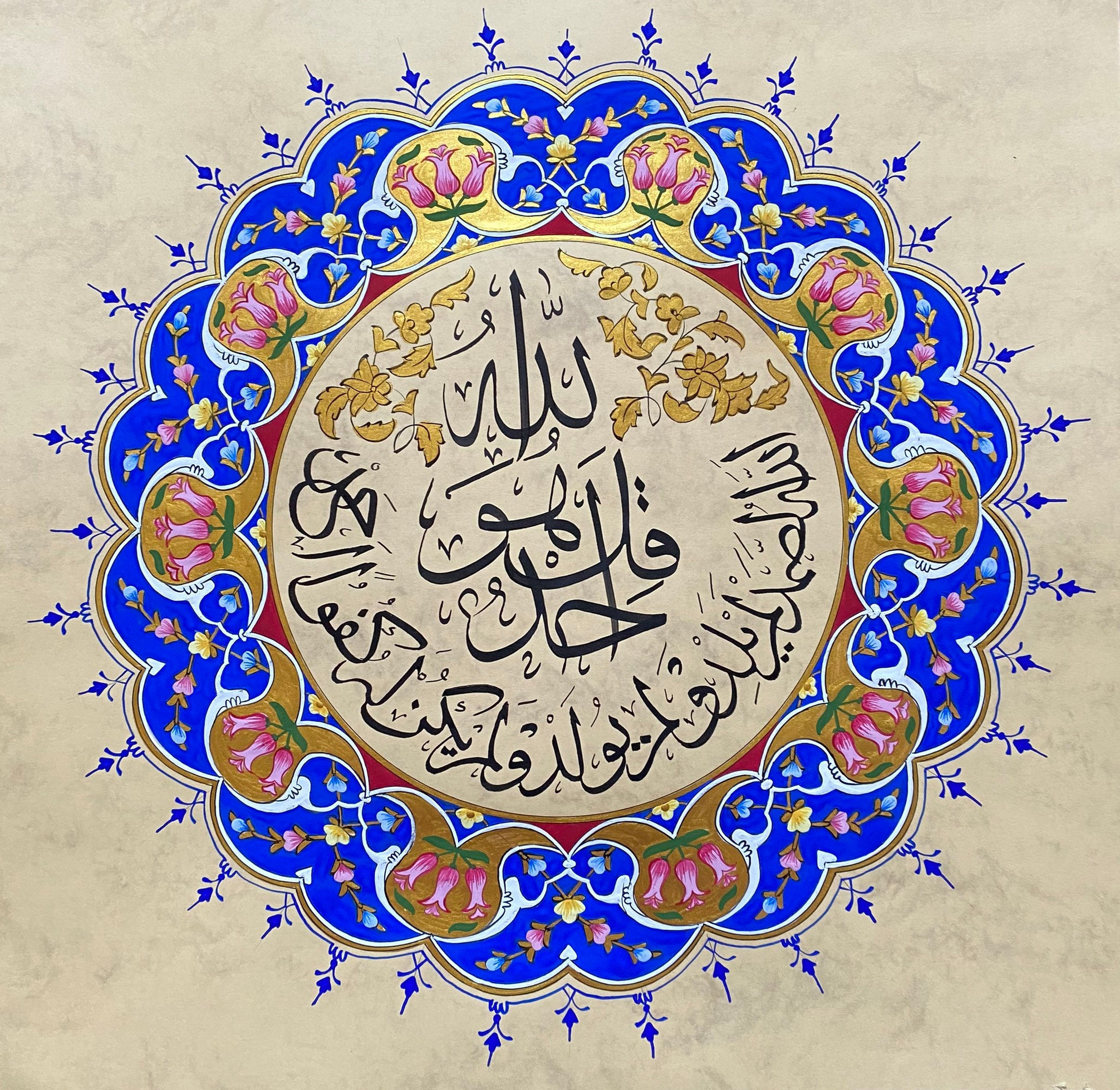
The Quran, the sacred scripture of Islam, was primarily written in Arabic. This choice of language was not arbitrary but rather a deliberate decision made by Allah, the Creator of the universe. There are several reasons why Arabic was chosen as the language of the Quran, including its unique characteristics, its widespread use at the time, and its ability to convey the profound meanings and teachings of the Quran.
Reasons for Choosing Arabic
One of the primary reasons for choosing Arabic as the language of the Quran is its inherent beauty and eloquence. Arabic is known for its rich vocabulary, expressive grammar, and poetic cadence, making it an ideal medium for conveying the divine message.
The Quran’s language is often described as “inimitable,” meaning that it cannot be replicated or surpassed in its linguistic perfection.
Another reason for choosing Arabic is its widespread use at the time of the Quran’s revelation. Arabic was the lingua franca of the Arabian Peninsula and surrounding regions, making it accessible to a vast audience. This choice ensured that the Quran could be easily understood and disseminated throughout the Arab world.
Impact on Interpretation and Understanding
The language of the Quran has a profound impact on its interpretation and understanding. The Quran’s unique linguistic features, such as its use of metaphors, similes, and parables, require careful consideration and analysis. Scholars have spent centuries studying the Quran’s language to derive its deeper meanings and implications.
Furthermore, the Quran’s language is inextricably linked to its cultural and historical context. Understanding the Arabic language and the cultural nuances of the time allows for a more accurate and comprehensive interpretation of the Quran’s teachings.
Role in Preservation and Transmission
The Arabic language has played a vital role in the preservation and transmission of the Quran. The Quran was originally transmitted orally and later written down by scribes who were meticulous in preserving its original language and form. The Quran’s language has remained largely unchanged over the centuries, ensuring its authenticity and integrity.
The use of Arabic as the language of the Quran has also facilitated its memorization and recitation. Muslims around the world memorize large portions of the Quran in its original Arabic, which aids in its preservation and dissemination.
Literary and Stylistic Features
The Quran’s language exhibits remarkable literary and stylistic features that contribute to its beauty and impact. These features include:
- Poetic cadence:The Quran’s language often follows a rhythmic pattern, making it easy to memorize and recite.
- Metaphors and similes:The Quran uses vivid metaphors and similes to convey complex ideas and spiritual truths.
- Repetition and parallelism:The Quran employs repetition and parallelism to emphasize important points and create a sense of rhythm.
- Parables:The Quran uses parables to illustrate moral lessons and convey profound truths.
Examples of Quranic Verses
Here are a few examples of Quranic verses that showcase the unique characteristics of the Arabic language:
“Allah is the Light of the heavens and the earth. The parable of His light is as a niche wherein is a lampthe lamp is in a glass, the glass as it were a glittering star
lit from a blessed tree, an olive, neither of the east nor of the west, whose oil would almost glow forth (of itself) though no fire touched it. Light upon light. Allah guides to His light whom He wills. And Allah sets forth parables for mankind, and Allah is Cognizant of all things.” (Quran 24
35)
“He created the heavens and the earth in six Days, and His Throne was on the water, that He might try you, which of you is best in conduct. But if you were to say: ‘Surely you shall be raised up after death,’ those who disbelieve would certainly say: ‘This is nothing but obvious magic.'” (Quran 11:7)
Challenges and Opportunities in Translation
Translating the Quran into other languages presents both challenges and opportunities. The challenges lie in capturing the nuances and beauty of the original Arabic text while ensuring that the translation accurately conveys its meanings and teachings.
However, translation also presents opportunities for making the Quran accessible to a wider audience. By translating the Quran into different languages, its message can reach people from diverse backgrounds and cultures, fostering understanding and dialogue.
Classical Arabic
Classical Arabic, the language of the Quran, is a highly standardized and refined form of Arabic that emerged during the pre-Islamic period. It is characterized by its complex grammar, extensive vocabulary, and rich literary traditions.
Classical Arabic differs significantly from modern Arabic dialects, which have evolved over time and vary greatly from region to region. Modern Arabic dialects are often spoken in informal settings and may incorporate elements from other languages, such as Turkish, Persian, and French.
Differences between Classical and Modern Arabic
- Grammar:Classical Arabic has a more complex grammatical structure than modern Arabic dialects. It uses a system of case endings to indicate the grammatical function of nouns and pronouns, and it has a more elaborate system of verb conjugations.
- Vocabulary:Classical Arabic has a much larger vocabulary than modern Arabic dialects. It includes many words that are no longer used in everyday speech, and it has a rich vocabulary of technical and literary terms.
- Pronunciation:The pronunciation of Classical Arabic is different from that of modern Arabic dialects. Some sounds that are distinct in Classical Arabic have merged in modern dialects, and some vowels have changed their pronunciation.
Poetic Structure
The Quran exhibits a distinctive poetic structure that significantly influences its language and meaning. This structure employs various poetic devices, including rhyme, rhythm, and metaphor, to create a powerful and evocative literary experience.
Rhyme is a crucial element of the Quran’s poetic form. It occurs frequently within verses and chapters, creating a sense of rhythm and harmony. The use of rhyme aids in memorization and recitation, making the Quran easier to learn and retain.
Rhythm and Meter
The Quran also utilizes rhythm and meter to enhance its poetic appeal. Each verse follows a specific metrical pattern, with a consistent number of syllables and stressed beats. This rhythmic structure adds a musical quality to the text, making it pleasing to the ear and conducive to recitation.
Metaphor and Symbolism
Metaphor and symbolism are extensively employed in the Quran. These literary devices allow for the expression of complex ideas and concepts in vivid and imaginative language. Metaphors draw comparisons between seemingly unrelated objects or ideas, creating powerful images that resonate with the reader.
Literary Style
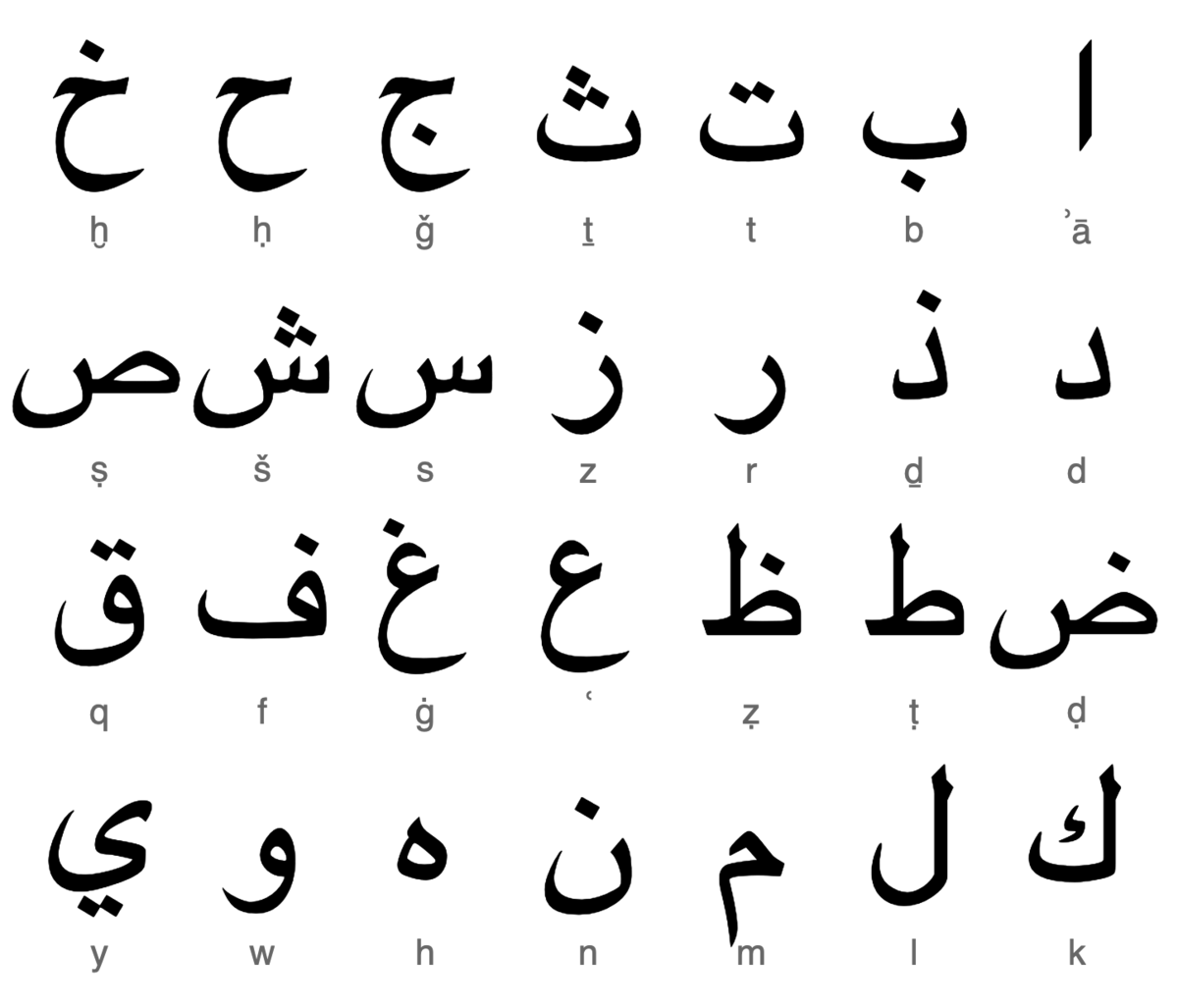
The Quran is renowned for its exquisite literary style, employing a rich tapestry of metaphors, similes, and other literary devices that enhance its profound messages and leave an enduring impact on its readers.
Metaphors
The Quran employs metaphors to convey abstract concepts in a tangible and relatable manner. For instance, Allah’s guidance is likened to a “light” (24:35), illuminating the path of believers. Similarly, the disbelievers are described as “deaf and dumb” (2:171), emphasizing their spiritual blindness and inability to comprehend the truth.
Similes
Similes are also used extensively in the Quran to draw parallels between different entities. For example, the believers are compared to a “firmly rooted tree” (14:24), symbolizing their steadfastness and resilience. The hypocrites, on the other hand, are likened to “dust scattered by the wind” (25:23), highlighting their instability and lack of substance.
Poetic Structure
The Quran is characterized by its rhythmic and poetic structure, employing various literary techniques such as assonance, alliteration, and repetition. These elements create a musical quality that enhances the text’s memorability and impact. The use of rhyme and rhythm also aids in the Quran’s recitation and oral transmission.
Effect of Literary Devices
The literary devices employed in the Quran serve several purposes. They add depth and richness to the text, making it more engaging and memorable for readers. They also evoke emotions, stimulate the imagination, and convey profound truths in a captivating and accessible manner.
The use of metaphors, similes, and other literary devices enhances the Quran’s overall meaning and impact, making it a timeless masterpiece of religious literature.
Influence on Arabic Language: What Language Was The Quran Written In
The Quran has had a profound influence on the development of the Arabic language. Before the advent of Islam, Arabic was a fragmented language with many dialects. The Quran standardized the language and established a common literary form that was used throughout the Islamic world.
This helped to create a sense of unity among Muslims and facilitated the spread of Islam.The Quran also enriched the Arabic vocabulary. It introduced many new words and phrases that were not previously used in the language. These words and phrases have become an integral part of the Arabic language and are used in both written and spoken communication.
One of the most significant ways in which the Quran influenced the Arabic language was by standardizing its grammar and syntax. Before the advent of Islam, there were many different dialects of Arabic, each with its own unique grammar and syntax.
This made it difficult for people from different regions to communicate with each other. The Quran, however, established a common literary form of Arabic that was used throughout the Islamic world. This helped to create a sense of unity among Muslims and facilitated the spread of Islam.
– Explain the importance of translations and interpretations of the Quran for non-Arabic speakers and those who want to understand the Quran in their own language.

The Quran, as the central religious text of Islam, holds immense significance for Muslims worldwide. However, the majority of Muslims do not speak Arabic, the language in which the Quran was revealed. To make the Quran accessible to non-Arabic speakers and to enable them to understand its teachings in their own languages, translations and interpretations of the Quran have played a crucial role.
Translations of the Quran allow non-Arabic speakers to engage with the text directly, fostering a personal connection with the divine message. They empower individuals to study, reflect upon, and apply the Quran’s teachings in their daily lives. Interpretations, on the other hand, provide deeper insights into the Quran’s meaning, context, and historical background.
They help readers understand the nuances of the text and the intentions behind specific verses, thus enriching their understanding of the Quran.
Challenges and Controversies Surrounding the Translation of the Quran
While translations and interpretations of the Quran are essential for non-Arabic speakers, they also present certain challenges and controversies. One significant challenge lies in the choice of words, as different languages may not have exact equivalents for certain Arabic terms and concepts.
Translators must carefully consider the cultural and linguistic context of the target language to convey the intended meaning accurately.
Another challenge arises from the interpretation of specific verses. The Quran contains verses that are open to multiple interpretations, and different scholars and translators may offer varying perspectives on their meaning. This can lead to controversies and debates among Muslim communities, as certain interpretations may be perceived as more authoritative or legitimate than others.
Furthermore, the cultural and historical context in which the Quran was revealed plays a significant role in its interpretation. Translators and interpreters must be mindful of this context to avoid anachronistic or culturally insensitive interpretations that may distort the intended message.
Comparing Different Translations of the Quran
Numerous translations of the Quran exist in various languages, each with its strengths and weaknesses. Some of the most widely recognized and respected translations include:
| Translation | Translator | Strengths | Weaknesses |
|---|---|---|---|
| The Meaning of the Glorious Quran | Muhammad Marmaduke Pickthall |
|
|
| The Quran: A Modern English Version | A.J. Arberry |
|
|
| The Noble Quran: English Translation of the Meanings and Commentary | Abdullah Yusuf Ali |
|
|
Role of Scholars and Experts in Interpreting the Quran
Scholars and experts play a crucial role in interpreting the Quran and providing guidance to Muslim communities. They possess specialized knowledge of the Arabic language, Islamic history, and the Quranic text. Their interpretations are based on years of study, research, and contemplation.
Over time, different schools of thought have emerged within Islam, each with its approach to interpreting the Quran. Some schools emphasize the literal meaning of the text, while others adopt a more allegorical or metaphorical approach. These schools of thought have contributed to the richness and diversity of Islamic scholarship and have influenced the way Muslims understand and practice their faith.
“Accurate and reliable translations of the Quran are essential for non-Arabic speakers to access the divine message and to understand the teachings of Islam. They provide a bridge between the original text and the diverse linguistic and cultural backgrounds of Muslim communities worldwide.”
Impact on Islamic Civilization
The Quran has had a profound impact on the development of Islamic civilization, shaping the beliefs, values, and practices of Muslims and influencing various aspects of their cultural and intellectual development.
The Quran’s teachings have provided the foundation for Islamic law (Sharia), which governs various aspects of Muslim life, including personal, social, and economic matters. The Quranic principles of justice, equality, and compassion have influenced the development of Islamic jurisprudence and legal systems.
Influence on Art and Architecture
The Quran has also played a significant role in the development of Islamic art and architecture. Its emphasis on beauty and symmetry has inspired the creation of intricate and elaborate designs in mosques, palaces, and other Islamic buildings. The Quran’s prohibition against depicting living beings has led to the development of abstract and geometric patterns in Islamic art.
The Quran, the central religious text of Islam, was originally written in Arabic, the language of the Prophet Muhammad. Arabic, a Semitic language, is spoken by over 370 million people worldwide and is the official language of 26 countries. To engage with Arabic-speaking communities, it is essential to learn basic phrases such as “how are you?” ( كيف حالك ).
Understanding these greetings demonstrates respect and facilitates communication, bridging cultural gaps and fostering meaningful interactions.
Fostering Community and Unity
The Quran has fostered a sense of community and unity among Muslims. Its teachings emphasize the importance of brotherhood, cooperation, and mutual support. The Quranic concept of Ummah (the global Muslim community) has created a sense of belonging and solidarity among Muslims worldwide.
Spread of Islam, What language was the quran written in
The Quran has been instrumental in the spread of Islam beyond the Arabian Peninsula. Its teachings have inspired countless individuals to embrace the Islamic faith and have played a significant role in the expansion of the Islamic empire. The Quran’s message of peace, justice, and equality has resonated with people from diverse backgrounds and cultures.
Cultural and Historical Significance
The Quran holds immense cultural and historical significance, shaping various aspects of Islamic civilization. It serves as a foundational text, influencing the development of Islamic art, architecture, and music.
Role in Islamic Art
- Calligraphy: The Quran’s intricate calligraphy became an art form, with scripts adorning mosques and manuscripts.
- Miniature Paintings: The Quran’s stories inspired miniature paintings, depicting scenes from its narratives.
Influence on Islamic Architecture
- Mosques: The Quran’s emphasis on prayer led to the development of mosques, with specific architectural features like the minaret and mihrab.
- Geometric Patterns: Islamic architecture incorporates geometric patterns inspired by the Quran’s verses.
Impact on Islamic Music
- Nasheed: The Quran’s rhythmic language influenced the development of nasheed, a form of Islamic vocal music.
- Musical Instruments: The Quran’s descriptions of instruments like the oud and daff influenced Islamic music traditions.
Preservation and Authenticity
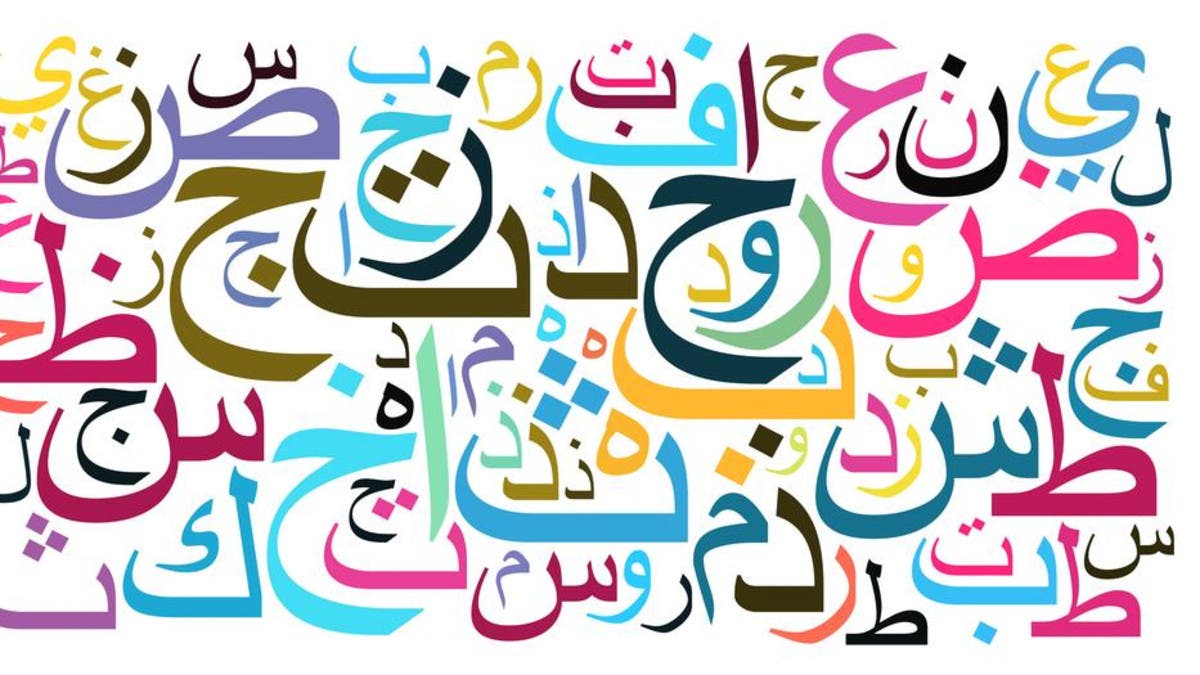
The preservation of the Quran’s authenticity has been a paramount concern for Muslims throughout history. Several measures have been taken to ensure that the Quran’s text has remained unchanged and uncorrupted over the centuries.
Memorization and oral transmission played a crucial role in safeguarding the Quran’s text. Muslims committed the Quran to memory, ensuring its preservation even during periods when written copies were scarce. This oral tradition continues to this day, with millions of Muslims memorizing the entire Quran.
Early Codification
The early codification of the Quran was another significant step in preserving its authenticity. Shortly after the Prophet Muhammad’s death, Caliph Uthman ordered the compilation of all the Quranic verses into a single authoritative text. This process involved collecting and comparing various written fragments and consulting with those who had memorized the Quran.
Islamic Scholars and Institutions
Islamic scholars and institutions have played a vital role in preserving the Quran’s authenticity. They have developed rigorous methods of textual analysis and criticism to ensure that the Quran’s text remains unchanged. Institutions such as the Al-Azhar University in Cairo have been centers of Quranic scholarship for centuries.
Technology
Technology has also played a role in preserving and safeguarding the Quran’s authenticity. Digital copies of the Quran are now widely available, making it easier to access and study. Furthermore, software programs have been developed to help scholars analyze and compare different versions of the Quranic text.
– Compare the language of the Quran to other religious texts, such as the Bible and the Torah.
The Quran, the central religious text of Islam, stands out in its linguistic and literary qualities among other major religious texts like the Bible and the Torah. Its unique language and style have had a profound impact on Arabic culture and literature.
Compared to the Bible and the Torah, the Quran exhibits a remarkable consistency in language and style throughout its chapters, known as surahs. This uniformity is attributed to its divine origin, as Muslims believe it was revealed directly from God to the Prophet Muhammad over a period of 23 years.
Literary Devices
The Quran employs a rich tapestry of literary devices, including metaphors, similes, and allegories, to convey its message and teachings. These devices are used to illustrate abstract concepts, evoke emotions, and create vivid imagery in the reader’s mind.
For instance, the Quran often uses metaphors to describe God’s attributes and actions. God is referred to as “the Light of the heavens and the earth,” conveying his illuminating and guiding presence. Similes are also employed to draw comparisons and emphasize certain qualities.
For example, the Quran describes the believers as “like a seed which sends forth its shoot, then makes it strong, then it becomes thick and stands firm upon its stem, delighting the sowers.”
Rhythm and Rhyme
Another striking feature of the Quran’s language is its use of rhythm and rhyme. The Quran is composed in a poetic style known as saj’, characterized by the repetition of similar-sounding words and phrases at the end of verses. This rhythmic pattern enhances the Quran’s memorability and facilitates its recitation.
The Quran’s rhythmic structure also contributes to its emotional impact. The harmonious flow of words creates a sense of cadence and beauty that resonates with listeners and readers alike.
Influence of Arabic Culture
The language of the Quran is deeply rooted in the Arabic language and culture of its time. It reflects the idioms, expressions, and literary conventions of pre-Islamic Arabia.
For example, the Quran frequently uses the concept of “jahiliyyah” to refer to the pre-Islamic era of ignorance and superstition. This term captures the cultural and moral state of the Arab society before the advent of Islam.
Translation and Interpretation
Given that the Quran was originally revealed in Arabic, translations and interpretations play a crucial role in making its teachings accessible to non-Arabic speakers and those who want to understand the Quran in their own language.
Translations aim to convey the meaning of the Quran while preserving its literary and linguistic nuances as much as possible. Interpretations, on the other hand, provide explanations and commentaries on the Quranic verses, offering insights into their historical context, legal rulings, and spiritual teachings.
Linguistic Analysis
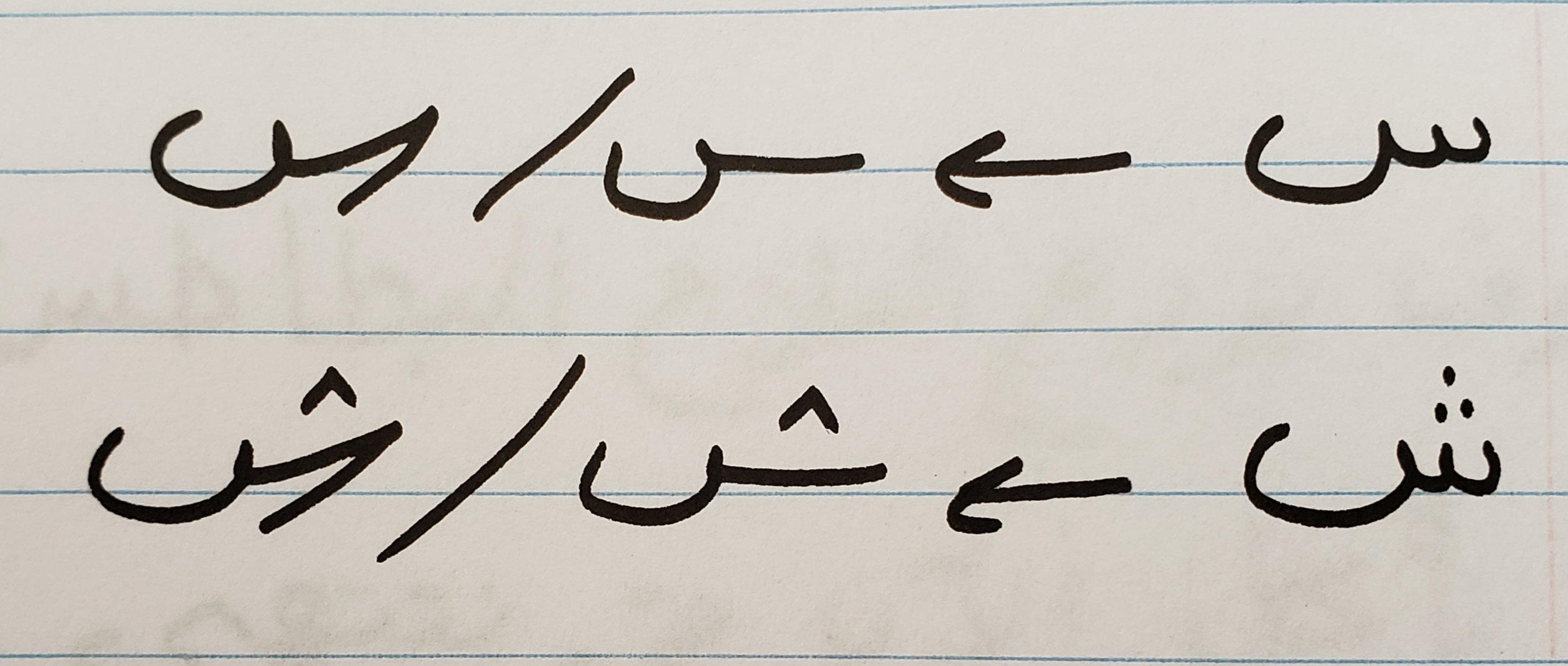
The Quran, considered the sacred text of Islam, exhibits a unique linguistic style that has captivated scholars and readers alike. This linguistic analysis delves into the intricate grammatical structure, vocabulary, and figures of speech employed in the Quran, examining how these elements contribute to its profound impact on Islamic civilization and beyond.
The Quran is written in Classical Arabic, a form of the Arabic language that emerged during the 6th century CE. This language is characterized by its rich vocabulary, complex grammar, and poetic structure, which contribute to the Quran’s distinctive literary style.
Grammar
The Quran’s grammar follows the rules of Classical Arabic, adhering to subject-verb agreement, tense, and mood. However, it also employs unique grammatical constructions, such as the use of the passive voice to emphasize divine actions and the frequent use of nominal sentences to convey timeless truths.
Syntax
The Quran’s syntax is characterized by its concise and rhythmic structure. Sentences are often short and direct, creating a sense of urgency and impact. The use of parallel constructions, repetition, and antithesis enhances the Quran’s rhetorical power and memorability.
Vocabulary
The Quran’s vocabulary is vast and diverse, drawing from both the everyday language of the time and the rich poetic tradition of pre-Islamic Arabia. It employs a range of words and phrases that evoke vivid imagery, convey profound meanings, and create a sense of awe and reverence.
Figures of Speech
The Quran makes extensive use of figures of speech, such as metaphors, similes, and personification, to convey its message in a vivid and engaging manner. These figures of speech allow the Quran to express complex ideas in a memorable and accessible way, appealing to both the intellect and the emotions.
Summary
The linguistic analysis of the Quran reveals a text that is both linguistically sophisticated and profoundly impactful. Its unique grammar, syntax, vocabulary, and figures of speech contribute to its literary beauty, rhetorical power, and ability to convey timeless truths. The Quran’s linguistic characteristics have had a profound influence on the development of the Arabic language and continue to inspire and captivate readers to this day.
Historical Context
The Quran was written during a period of significant political, social, and religious upheaval in the Arabian Peninsula.
Political Context:
- Arabia was divided into numerous tribes and city-states, with no central authority.
- The rise of Mecca as a major trading center brought economic and political power to the region.
- The Prophet Muhammad’s teachings challenged the traditional tribal and religious structures.
Social Context:
- Arab society was highly stratified, with a rigid caste system.
- Women had limited rights and were often treated as property.
- The Quran’s teachings promoted social justice and equality.
Religious Context:
- Arabia was a polytheistic society, with a pantheon of gods and goddesses.
- The Quran’s teachings introduced monotheism and the concept of a single God (Allah).
- The Quran challenged the traditional religious practices and beliefs of the time.
Timeline of Key Events
- 570 CE: Birth of the Prophet Muhammad in Mecca.
- 610 CE: Muhammad receives his first revelation from Allah.
- 622 CE: Muhammad and his followers migrate to Medina.
- 630 CE: Muhammad and his followers conquer Mecca.
- 632 CE: Death of the Prophet Muhammad.
Impact on Arab Society:
- The Quran unified the Arab tribes under the banner of Islam.
- It established a new social and political order based on Islamic principles.
- It transformed Arab culture and worldview, promoting literacy and scholarship.
Cultural Impact
The Quran has profoundly shaped the cultural practices, traditions, and values of Muslim societies. Its teachings have influenced various aspects of life, including art, architecture, music, literature, and family structures.
The Quran, the central religious text of Islam, was originally written in Arabic, a Semitic language that originated in the Arabian Peninsula. While the Quran is primarily associated with the Arabic language, it is important to note that the languages spoken in Uzbekistan, such as Uzbek and Russian, are not directly related to Arabic.
Uzbekistan , a country located in Central Asia, has its own unique linguistic landscape, influenced by its history and cultural interactions with neighboring regions.
Social and Cultural Practices
The Quran emphasizes the importance of community and social harmony. It encourages Muslims to be charitable, compassionate, and just in their dealings with others. These values have influenced the development of strong social welfare systems and a sense of communal responsibility within Muslim communities.
Family Structures
The Quran places great importance on the family unit. It Artikels the roles and responsibilities of husbands, wives, parents, and children. These teachings have influenced the traditional family structures in Muslim societies, emphasizing respect for elders, parental authority, and the importance of marriage.
Art and Architecture
The Quran has inspired the development of distinctive forms of art and architecture in Muslim cultures. Islamic art often incorporates geometric patterns, calligraphy, and abstract designs that reflect the Quran’s teachings on the unity and transcendence of God. Islamic architecture, with its iconic domes, minarets, and intricate tilework, showcases the fusion of spiritual and aesthetic principles.
Literature and Music
The Quran’s eloquent language and poetic structure have influenced the development of Arabic literature and poetry. Many classical Arabic poems and literary works draw inspiration from the Quran’s themes and imagery. Islamic music, with its characteristic rhythms and melodies, often incorporates verses from the Quran or is inspired by its spiritual teachings.
Modern Relevance
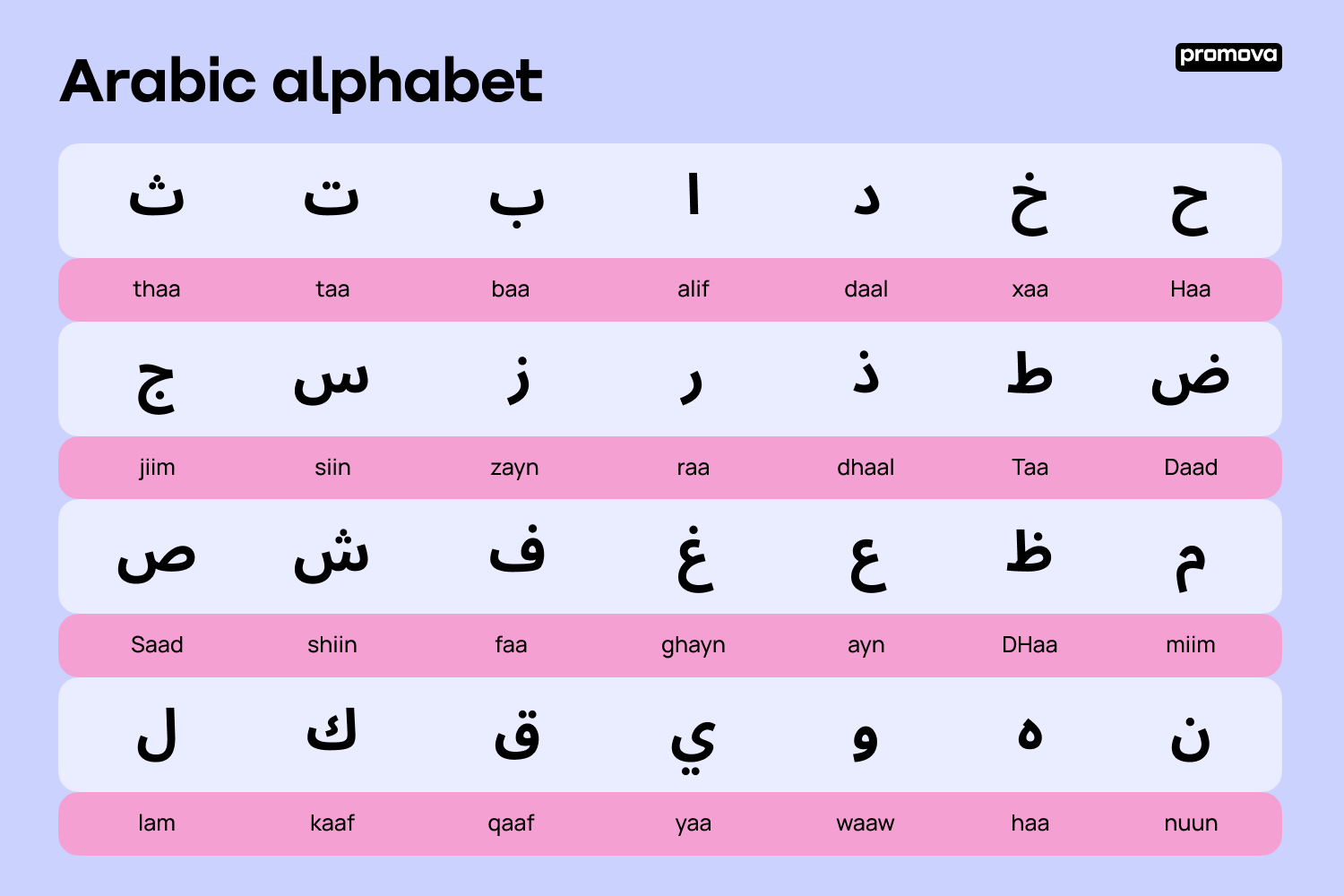
The Quran remains a vital and relevant text in the modern world, continuing to resonate with Muslims and non-Muslims alike. Its language and teachings offer profound insights into human nature, spirituality, and morality.
The Quran’s emphasis on justice, compassion, and equality aligns with modern values. Its teachings on social responsibility, environmental stewardship, and the pursuit of knowledge resonate with contemporary concerns.
Relevance for Muslims
For Muslims, the Quran serves as the primary source of guidance and inspiration. It provides a framework for their religious beliefs, ethical principles, and daily lives. The Quran’s teachings continue to shape Islamic law, theology, and cultural practices.
Relevance for Non-Muslims
Non-Muslims also find the Quran to be a valuable source of wisdom and insights. Its teachings on morality, spirituality, and the human condition have influenced Western thought and culture. The Quran’s emphasis on interfaith dialogue and respect for other religions promotes understanding and coexistence.
Detailed FAQs
Was the Quran originally written in Arabic?
Yes, the Quran was primarily written in Classical Arabic, the language spoken in Arabia at the time of its revelation.
Why was Arabic chosen as the language of the Quran?
Arabic was chosen for its eloquence, clarity, and its ability to convey the divine message effectively.
How has the language of the Quran changed over time?
The language of the Quran, Classical Arabic, has undergone significant changes over time, but the core teachings and message remain the same.
