How hard to learn german language – Embarking on a journey to master the German language, one may wonder about its intricacies and the challenges that lie ahead. This comprehensive presentation delves into the factors that influence the difficulty of learning German, exploring the complexities of grammar, pronunciation, and vocabulary.
By understanding these challenges and employing effective strategies, learners can navigate the path to German proficiency with confidence.
The complexities of German grammar, with its intricate declensions, conjugations, and word order, can pose a hurdle for learners. However, by breaking down these concepts into manageable chunks and practicing regularly, one can gradually unravel the intricacies of the language.
Additionally, the nuances of German pronunciation, with its unique sounds and intonation patterns, require dedicated practice and exposure to authentic speech.
Difficulty Factors
The difficulty of learning German is influenced by a combination of subjective and objective factors. Subjective factors include individual aptitude, motivation, and learning style, while objective factors include the learner’s native language, age, and the methods used for studying.
Native language plays a significant role in determining the difficulty of learning German. Learners whose native language is closely related to German, such as English or Dutch, may find it easier to acquire German due to similarities in grammar and vocabulary.
Conversely, learners whose native language is significantly different from German, such as Chinese or Arabic, may face greater challenges.
Age is another factor that can affect the difficulty of learning German. Younger learners tend to have a greater capacity for language acquisition than older learners. This is because children’s brains are more flexible and adaptable, allowing them to more easily acquire new sounds, grammar, and vocabulary.
Motivation is a crucial factor in language learning. Learners who are highly motivated to learn German are more likely to persist through the challenges of the learning process and achieve success. Motivation can be intrinsic, such as a desire to communicate with German-speaking friends or family, or extrinsic, such as the need to learn German for work or travel.
Finally, the methods used for studying German can significantly impact the difficulty of learning the language. Learners who use effective study methods, such as immersion, spaced repetition, and active recall, are more likely to make progress than learners who rely on passive or ineffective methods.
Grammar Complexity
German grammar is renowned for its complexity, presenting challenges to learners at all levels. Its intricate structure, encompassing declensions, conjugations, and word order, demands meticulous attention and practice.
Declensions
German nouns, adjectives, and pronouns undergo declension, changing their form based on their grammatical function within a sentence. There are four cases in German: nominative, accusative, dative, and genitive. Each case has distinct endings for different genders and numbers, necessitating memorization and application.
For instance, the word “der Mann” (the man) becomes “den Mann” (the man) in the accusative case and “dem Mann” (to the man) in the dative case.
Conjugations
German verbs also undergo conjugation, changing their form depending on the subject, tense, and mood. The conjugation patterns vary depending on the verb group, adding further complexity.
Consider the verb “sprechen” (to speak):
- Ich spreche (I speak)
- Du sprichst (You speak)
- Er/Sie/Es spricht (He/She/It speaks)
Word Order
German word order differs significantly from English, particularly in subordinate clauses. The verb is typically placed at the end of the clause, leading to sentences that may seem inverted to English speakers.
For example:
Ich habe gestern einen Film gesehen. (I watched a movie yesterday.)
Prepositions and Articles
Prepositions and articles play crucial roles in German grammar. Prepositions govern the case of nouns and pronouns, while articles indicate the gender and number of nouns.
The choice of prepositions and articles can significantly alter the meaning of a sentence. For instance, “auf dem Tisch” (on the table) and “an dem Tisch” (at the table) have distinct meanings despite using the same preposition.
Formal and Informal German
German has distinct formal and informal registers, each with its own grammar rules. Formal German is used in academic, professional, and official settings, while informal German is employed in everyday conversations.
The main differences between formal and informal German lie in the use of certain verb forms, pronouns, and vocabulary.
Modal Verbs
Modal verbs are a unique feature of German grammar. They express the speaker’s attitude or modality towards the action described by the main verb.
The most common modal verbs include:
- können (can)
- müssen (must)
- dürfen (may)
- wollen (want to)
Pronunciation and Intonation
German pronunciation and intonation are distinct and can pose challenges for native English speakers. Understanding these unique aspects is crucial for effective communication.
Unique Sounds and Pronunciation Patterns
German features several unique sounds, including umlauts (ä, ö, ü) and dipthongs (ei, eu, ie). Consonants are often pronounced differently from English, with emphasis on precision and clarity.
Importance of Intonation, How hard to learn german language
Intonation plays a vital role in conveying meaning in German. The pitch and rhythm of speech can differentiate between questions and statements, express emotions, and emphasize specific words.
Challenges for Native English Speakers
English speakers may struggle with pronouncing German sounds accurately due to differences in the vocal tract and mouth shape. Additionally, the absence of stress on certain syllables in German can be confusing.
Common Pronunciation Errors
Native English speakers often make pronunciation errors, such as pronouncing “ch” as in “cheese” instead of the German “ich” sound. Understanding these errors and practicing correct pronunciation is essential.
IPA Symbol Table
The following table summarizes the different vowel and consonant sounds in German, along with their corresponding IPA symbols:| Vowel | IPA | Consonant | IPA ||—|—|—|—|| a | /a/ | b | /b/ || e | /e/ | c | /k/ || i | /i/ | d | /d/ || o | /o/ | f | /f/ || u | /u/ | g | /g/ || ä | /ɛ/ | h | /h/ || ö | /œ/ | j | /j/ || ü | /ʏ/ | k | /k/ || ei | /aɪ/ | l | /l/ || eu | /ɔɪ/ | m | /m/ || ie | /iː/ | n | /n/ || …
| … | … | … |
Resources for Pronunciation Practice
Numerous resources are available for pronunciation practice, including online dictionaries, pronunciation guides, and language learning apps.
Intonation Patterns
Intonation patterns vary in German depending on sentence type, emphasis, and emotion. Questions typically have a rising intonation, while statements have a falling intonation.
Quote
“Correct pronunciation and intonation are essential for effective communication in German. They allow you to convey your message clearly and avoid misunderstandings.”
Native German Speaker
Role in Understanding Spoken German
Pronunciation and intonation play a crucial role in understanding spoken German. Accurate pronunciation helps listeners distinguish between similar-sounding words, while correct intonation provides cues about sentence meaning and emotions.
Vocabulary and Expressions
The German language boasts an extensive and nuanced vocabulary, with an estimated 300,000 words in its lexicon. This richness stems from the ability to combine root words to form compound words, creating precise and descriptive terms. German also has a vast collection of idioms and colloquial expressions, adding depth and cultural context to the language.
Expanding Vocabulary
- Read extensively:Immerse yourself in German texts, such as books, newspapers, and magazines, to encounter new words and expressions.
- Use flashcards:Create flashcards with new words and their meanings to aid memorization and active recall.
- Practice speaking:Engage in conversations with native speakers or language partners to expand your vocabulary in a practical setting.
- Explore German media:Watch German films, listen to music, and follow German podcasts to absorb natural language use and idioms.
Compound Words and Idioms
Compound words are a distinctive feature of German vocabulary. They are formed by combining two or more root words to create a new word with a specific meaning. For example, “Haustür” (house door) is a compound word formed from “Haus” (house) and “Tür” (door).
German also has a rich collection of idioms, which are fixed expressions with metaphorical meanings. These idioms often convey cultural nuances and provide insights into German culture. For instance, the idiom “jemandem einen Bären aufbinden” (to sell someone a bear) means to deceive or trick someone.
Tips for Improving Fluency
- Regular practice:Dedicate time to consistent language practice, both in reading, writing, speaking, and listening.
- Active vocabulary building:Make an effort to actively use new words and expressions in your speech and writing.
- Cultural immersion:Surround yourself with German culture through media, travel, and interactions with native speakers.
- Seek feedback:Ask native speakers or language teachers to provide feedback on your vocabulary and pronunciation.
Similarities and Differences with English
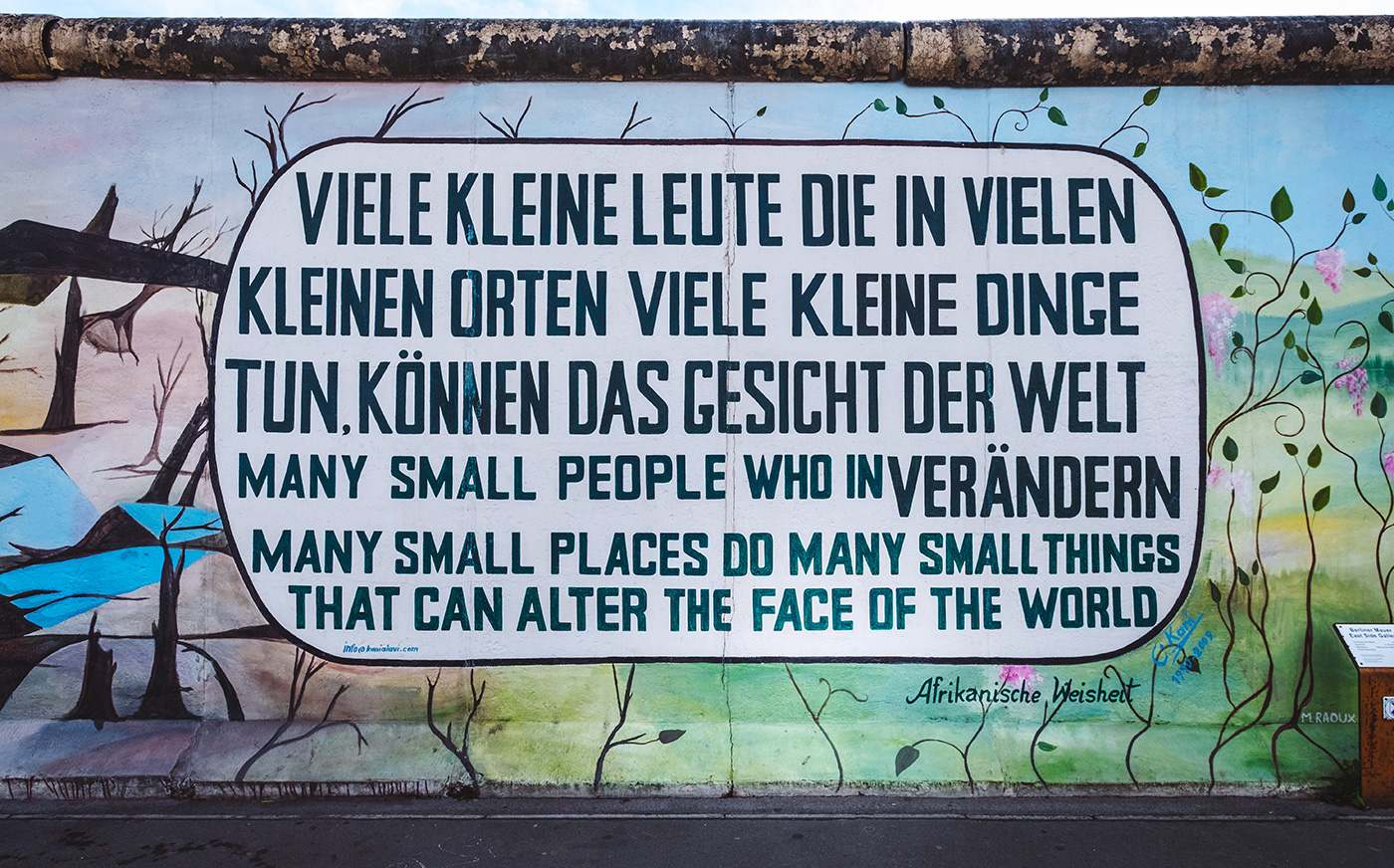
German and English share a common linguistic root in the Indo-European language family, leading to both similarities and differences that impact the learning process.
The difficulty of learning German language can be attributed to its complex grammar and pronunciation. However, this is not the case with sign language, where communication is achieved through hand gestures and facial expressions. What is is in sign language explores the nuances of this non-verbal language, highlighting its distinct grammar and vocabulary.
Returning to German, while its initial challenges may seem daunting, consistent practice and immersion in the language can gradually ease the learning curve.
One key similarity is the presence of cognates, words that share a common origin and meaning. For instance, “house” in German is “Haus” and “book” in German is “Buch.”
Vocabulary
Despite cognates, there are also vocabulary differences. German has gendered nouns, meaning nouns are classified as masculine, feminine, or neuter, which affects their usage in grammar and pronunciation.
Grammar
While German and English share a similar sentence structure, there are notable differences in word order. In German, verbs typically appear at the end of a sentence, unlike English.
Pronunciation
German and English share some similar sounds, but there are also distinct differences in vowel sounds. German has a wider range of vowel sounds, including the “ü” and “ö” sounds, which can be challenging for English speakers.
These similarities and differences create both challenges and opportunities for English speakers learning German. Cognates and a similar sentence structure can facilitate the learning process, while gendered nouns, different word order, and vowel sounds can pose challenges.
Challenges for English Speakers Learning German
- Gendered nouns
- Different word order
- Different vowel sounds
Opportunities for English Speakers Learning German
- Cognates
- Similar sentence structure
- Familiarity with Latin-based vocabulary
Cognitive Skills
Learning German, like any other language, requires a combination of cognitive skills. These skills include memory, attention, and problem-solving. Memory is essential for storing and retrieving vocabulary, grammar rules, and pronunciation patterns. Attention is necessary for focusing on the task of learning and for processing new information.
Problem-solving skills are required for understanding complex grammar structures and for figuring out how to use the language in different situations.
Memory
There are several different types of memory that are involved in language learning. Short-term memory is used to store information for a short period of time, such as when you are trying to remember a new word or phrase. Long-term memory is used to store information for a longer period of time, such as when you are trying to remember the grammar rules of the language.
Working memory is used to hold information in mind while you are working on a task, such as when you are trying to translate a sentence from German to English.There are a number of strategies that you can use to improve your memory for German.
One strategy is to use flashcards. Flashcards can be used to learn new vocabulary, grammar rules, or pronunciation patterns. Another strategy is to use spaced repetition. Spaced repetition is a technique that involves reviewing information at increasing intervals. This helps to move the information from your short-term memory to your long-term memory.
Attention
Attention is essential for learning German. When you are paying attention, you are able to focus on the task of learning and to process new information. There are a number of things that you can do to improve your attention.
One thing is to find a quiet place to study. Another thing is to break down the task of learning into smaller, more manageable chunks.
Problem-Solving
Problem-solving skills are required for understanding complex grammar structures and for figuring out how to use the language in different situations. There are a number of things that you can do to improve your problem-solving skills. One thing is to practice solving problems in German.
Another thing is to talk to a native German speaker about the language.
Learning Resources

German language learners have access to a wealth of resources, ranging from traditional books to interactive online platforms. The key to effective learning lies in selecting the resources that best suit your individual needs and learning style.
When choosing a textbook, consider factors such as the level of difficulty, the focus on grammar or vocabulary, and the availability of exercises and practice material. Online courses offer structured lessons, interactive exercises, and often provide feedback from native speakers.
Books
- German: A Comprehensive Grammarby J. Erben: A thorough reference grammar for intermediate to advanced learners.
- Colloquial German: The Complete Course for Beginnersby J. Hewson: A user-friendly introduction to German with a focus on everyday language.
- Essential German Grammarby P. Taylor: A concise and accessible grammar guide for beginners.
Online Courses
- Duolingo: A free and gamified language learning platform with bite-sized lessons and interactive exercises.
- Babbel: A subscription-based platform with comprehensive courses and personalized learning plans.
- Deutsche Welle: A free online platform from Germany’s international broadcaster, offering news, culture, and language learning resources.
Apps
- Anki: A spaced repetition app that helps learners memorize vocabulary and grammar.
- Memrise: A language learning app with gamified lessons and user-generated content.
- Drops: A visually appealing app with short, interactive lessons focused on vocabulary building.
Immersion Programs
Immersion programs provide an intensive language learning experience by placing learners in a German-speaking environment. These programs can range from short-term courses to full-year study abroad programs.
Ultimately, the most effective learning resources are those that engage and motivate you. Experiment with different options to find what works best for you and stay consistent with your learning.
Immersion and Practice
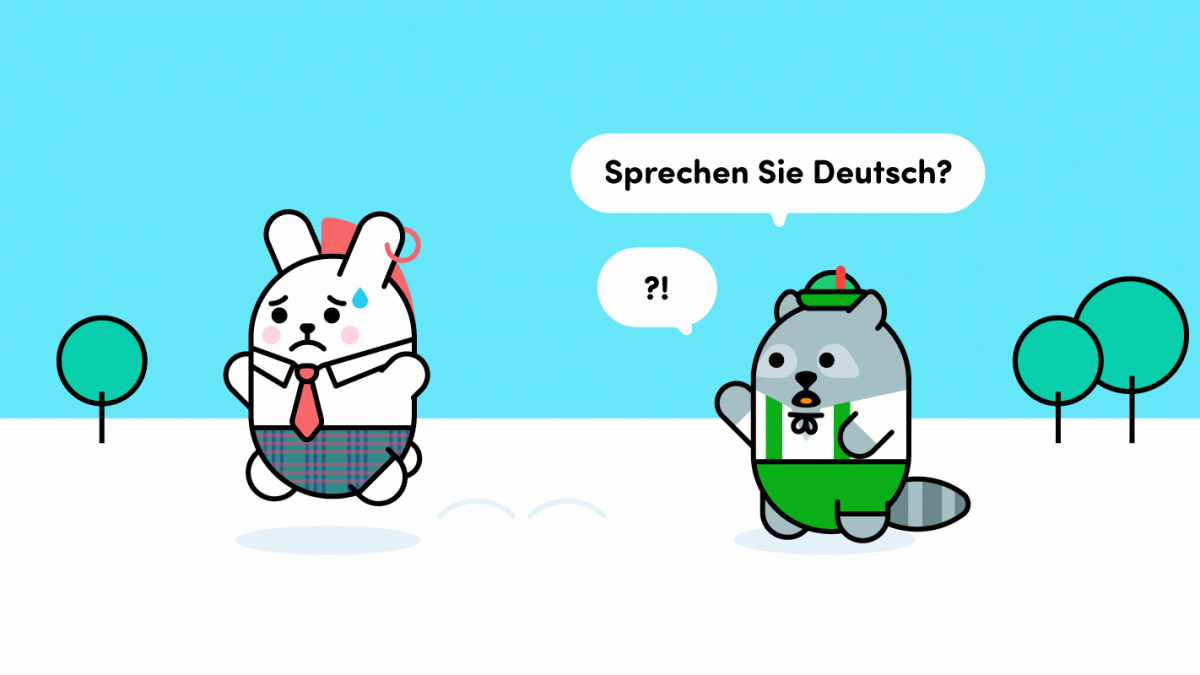
Immersion in German-speaking environments is crucial for effective language acquisition. It provides exposure to authentic language usage, enhances comprehension, and accelerates fluency.
Creating an immersive experience can be achieved through:
- Language exchange programs: Connecting with native speakers for conversation practice.
- Online communities: Joining forums, social media groups, and language learning platforms.
- Multimedia resources: Consuming German films, TV shows, music, and literature.
Practice Strategies
Regular practice is essential for language mastery. Focus on all language skills:
- Speaking: Engage in conversations, participate in language exchanges, or use language learning apps with speech recognition.
- Listening: Listen to German audio materials, such as podcasts, audiobooks, or news broadcasts.
- Reading: Read German books, articles, and online content to improve vocabulary and comprehension.
- Writing: Practice writing German sentences, essays, or participate in online language exchanges.
Immersion and Practice Strategies
| Strategy | Resources | Benefits | Challenges |
|---|---|---|---|
| Language Exchange Programs | Meetup groups, Tandem, HelloTalk | Authentic language practice, cultural exchange | Finding a suitable language partner, time constraints |
| Online Communities | Discord servers, Reddit, Facebook groups | Constant access to native speakers, support and feedback | Potential for language errors, lack of accountability |
| Multimedia Immersion | Netflix, YouTube, Spotify, German newspapers | Exposure to authentic language, cultural insights | Passive consumption, may require additional active practice |
| Immersive Language Learning Apps | Duolingo, Babbel, Rosetta Stone | Structured lessons, gamification, speech recognition | Cost, potential lack of real-life interaction |
Recommended Resources
- Language Learning Apps: Duolingo, Babbel, Rosetta Stone
- Online Communities: Reddit’s r/German, Discord’s German Language Server
- Immersive Media: Netflix’s German Film and TV section, Spotify’s German playlists
Success Stories
Individuals who have successfully immersed themselves in German-speaking environments include:
- Mark Twain: American author who lived in Germany for several years and became fluent in German.
- J.R.R. Tolkien: British author who studied German philology and incorporated German influences into his works.
- Angelina Jolie: American actress who learned German for her role in the film “The Tourist.”
– Motivation and Perseverance
Learning German, like any other language, requires consistent effort and dedication. Motivation and perseverance play a crucial role in sustaining the learning process and achieving fluency. Setting realistic goals, staying motivated, and overcoming challenges are essential for successful language acquisition.
Goal Setting
Establish specific, measurable, achievable, relevant, and time-bound (SMART) goals for your German learning journey. Define clear milestones and track your progress to stay on track and motivated.
Motivation Maintenance
Identify both intrinsic (personal interest, enjoyment) and extrinsic (rewards, recognition) motivators to keep you engaged. Celebrate your achievements, no matter how small, to reinforce positive learning experiences.
Overcoming Challenges
Anticipate setbacks and plateaus during your learning journey. Break down overwhelming tasks into smaller, manageable chunks. Seek support from language partners, tutors, or online communities for encouragement and guidance.
Maintaining Enthusiasm and Focus
Create a dedicated study schedule and stick to it as much as possible. Find ways to make learning German enjoyable, such as incorporating it into hobbies or daily routines. Engage in activities that foster enthusiasm, such as watching German films or listening to German music.
Cultural Impact: How Hard To Learn German Language
The German language holds immense cultural significance, with a rich history and profound influence on various aspects of human expression. Throughout the centuries, German has played a pivotal role in shaping literature, music, and philosophy.
Influence on Literature
German literature boasts a diverse and esteemed collection of works, from the medieval epic “Nibelungenlied” to the contemporary novels of Günter Grass. German authors like Goethe, Schiller, and Kafka have left an indelible mark on world literature, exploring themes of love, loss, and the human condition.
Influence on Music
Germany has been a cradle of classical music, producing legendary composers such as Bach, Beethoven, and Wagner. German opera, with its intricate librettos and soaring melodies, has captivated audiences worldwide. Additionally, German folk music and contemporary electronic music continue to inspire and entertain.
Influence on Philosophy
German philosophy has profoundly shaped Western thought. From the idealism of Kant to the existentialism of Nietzsche, German thinkers have grappled with fundamental questions about existence, knowledge, and morality. Their ideas have influenced generations of intellectuals and continue to be debated today.
Benefits of Learning German for Cultural Enrichment
Learning German opens up a world of cultural treasures. It allows individuals to delve into the original works of German authors, appreciate the nuances of German music, and engage with the ideas of German philosophers. By understanding the German language, one gains a deeper appreciation for German culture and its contributions to humanity.
Career Opportunities

Proficiency in German opens up a world of career opportunities, particularly in industries with strong ties to German-speaking countries or those seeking to expand their global reach.
Industries such as manufacturing, engineering, healthcare, and finance heavily rely on German expertise and innovation, making German language skills highly sought after.
Top Industries and Professions
- Manufacturing:German engineering and manufacturing prowess drives demand for German-speaking professionals in automotive, machinery, and industrial automation.
- Engineering:German engineering standards and certifications hold global recognition, creating opportunities for German-speaking engineers in various fields.
- Healthcare:Germany’s advanced healthcare system and medical research attract professionals seeking collaboration and knowledge exchange.
- Finance:German banks and financial institutions have a strong global presence, making German language skills valuable in international finance.
- Tourism and Hospitality:German-speaking countries are popular tourist destinations, creating job opportunities for German-speaking professionals in travel and hospitality.
Successful Individuals
Numerous successful individuals have attributed their career advancements to their German language proficiency:
- Angela Merkel:Former German Chancellor, fluent in Russian and German, leveraged her language skills for international diplomacy.
- Elon Musk:CEO of Tesla and SpaceX, learned German to facilitate collaborations with German engineers.
- Tim Cook:CEO of Apple, studied German to connect with Apple’s German operations and customers.
Data and Statistics
According to a study by the American Council on the Teaching of Foreign Languages (ACTFL), German is the third most studied language in the United States, highlighting its growing importance in the global job market.
A survey by the German-American Chamber of Commerce found that 85% of German companies in the United States consider German language skills a valuable asset when hiring.
Learning Timeframe
The time it takes to learn German to a certain level of proficiency varies depending on several factors, including study methods, individual abilities, and the amount of time dedicated to studying each day.
Generally, reaching proficiency in German can take anywhere from several months to several years, depending on the level of proficiency desired and the individual’s learning style and commitment.
Factors Influencing Learning Timeframe
- Study methods:Immersion programs, classroom learning, and online courses offer different levels of exposure to the language and can impact the learning pace.
- Individual abilities:Language aptitude, motivation, and learning strategies can influence how quickly a learner progresses.
- Time dedicated to studying:The amount of time spent studying German each day or week can significantly impact the learning timeframe.
Estimated Learning Time for Different Proficiency Levels
The following table provides estimates of the average time it takes to reach different levels of German proficiency, based on different study methods and individual abilities:
| Proficiency Level | Classroom Learning (hours) | Immersion (hours) | Online Courses (hours) |
|---|---|---|---|
| A1 | 80-120 | 120-180 | 100-150 |
| A2 | 120-180 | 180-240 | 150-200 |
| B1 | 180-240 | 240-300 | 200-250 |
| B2 | 240-300 | 300-360 | 250-300 |
| C1 | 300-360 | 360-420 | 300-350 |
| C2 | 360-420 | 420-480 | 350-400 |
Tips for Accelerating the Learning Process
To accelerate the learning process, consider the following tips:
- Set realistic goals:Break down the learning process into smaller, achievable goals to stay motivated and avoid feeling overwhelmed.
- Find a study partner:Practicing with a partner can provide opportunities for conversation, feedback, and accountability.
- Use language learning apps:Apps can offer interactive exercises, vocabulary lists, and pronunciation practice.
- Watch German movies and TV shows:Immersing yourself in German media can improve listening comprehension and cultural understanding.
- Read German books and articles:Reading German literature can expand vocabulary and improve grammar skills.
- Practice speaking German regularly:Conversation practice is crucial for developing fluency and confidence.
Common Challenges
German learners often encounter several challenges during their learning journey. These challenges can range from grammatical complexities to pronunciation difficulties. Overcoming these obstacles requires effective strategies and consistent practice.
One of the most common challenges is the intricate grammar of German. The language’s three genders, complex verb conjugations, and numerous cases can be daunting for learners. To address this, it is crucial to focus on understanding the underlying grammar rules and practicing regularly.
Additionally, utilizing grammar exercises and seeking guidance from native speakers or qualified instructors can significantly enhance comprehension.
Vocabulary Gaps
Another challenge is the vast vocabulary of German. German has a rich and nuanced vocabulary, which can be overwhelming for learners. Expanding vocabulary requires consistent exposure to the language through reading, listening, and speaking. Using flashcards, language learning apps, and immersing oneself in German-speaking environments can effectively enhance vocabulary.
Pronunciation Difficulties
Pronunciation can also pose challenges for German learners. German has several unique sounds and diphthongs that can be difficult to master. To improve pronunciation, it is essential to practice regularly and pay attention to the correct pronunciation of words. Utilizing audio resources, listening to native speakers, and receiving feedback from qualified instructors can greatly improve pronunciation skills.
Tips for Success
Learning German effectively requires dedication, persistence, and the right strategies. Here are some practical tips and techniques to help you succeed:
Pronunciation:
While German is considered a challenging language to master, it offers unique insights into Germanic linguistics. In comparison, the study of French delves into the Romance languages, offering a distinct perspective on Latin-based languages is French a Latin language.
Nonetheless, the complexities of German grammar and vocabulary can pose significant hurdles for learners.
- Practice speaking aloud regularly, paying attention to the correct pronunciation of vowels and consonants.
- Use online resources or apps that provide audio examples and interactive exercises.
- Listen to native German speakers and try to imitate their pronunciation.
Vocabulary:
- Set realistic goals for expanding your vocabulary gradually.
- Use flashcards, spaced repetition software, or online vocabulary builders.
- Immerse yourself in German-language content such as books, movies, or podcasts.
Fluency:
- Engage in regular conversation with native speakers or language partners.
- Join language exchange groups or online forums.
- Practice speaking spontaneously and without overthinking grammar.
Additional Tips:
- Find a language learning method that suits your style and preferences.
- Set realistic goals and track your progress to stay motivated.
- Don’t be afraid to make mistakes; they are part of the learning process.
- Immerse yourself in German culture to enhance your understanding of the language.
Benefits of Learning German:
| Personal Benefits | Professional Benefits |
|---|---|
| Enhanced cognitive abilities | Increased career opportunities |
| Access to German literature, music, and art | Improved communication skills |
| Travel and cultural experiences | Higher earning potential |
“The best way to learn a language is to immerse yourself in it. Consistency is key, so make sure to practice regularly.”– Richard Schmidt, renowned language expert
Conclusion

Learning German presents unique challenges and opportunities. The difficulty level is influenced by various factors, including the learner’s native language, learning style, and motivation. Despite its perceived complexity, German is a rewarding language to master, offering access to a rich culture, career opportunities, and cognitive benefits.
Those considering learning German should be encouraged by the potential rewards. With consistent effort, dedication, and the right approach, anyone can achieve fluency in this beautiful and expressive language.
Frequently Asked Questions
How long does it take to learn German?
The time it takes to learn German varies depending on factors such as the learner’s background, study methods, and dedication. On average, reaching proficiency levels can take several hundred hours of study.
Is German grammar difficult?
German grammar can be challenging for learners due to its intricate declensions, conjugations, and word order. However, with consistent practice and a structured approach, learners can gradually master these complexities.
How can I improve my German pronunciation?
To improve German pronunciation, focus on listening to authentic speech, practicing regularly, and paying attention to the unique sounds and intonation patterns of the language. Utilize resources such as pronunciation guides, language learning apps, and immersion experiences.
