Is ASL a Language? The answer to this question is a resounding yes! American Sign Language (ASL) is a complete and complex language that has its own grammar, syntax, and vocabulary. It is used by Deaf people in the United States and Canada to communicate with each other and with hearing people who know ASL.
ASL is not a simplified version of English or any other spoken language. It is a unique language with its own set of rules and conventions. ASL has been recognized as a legitimate language by the United States government and many other countries around the world.
Historical Perspective

American Sign Language (ASL) has a rich and dynamic history that traces its roots to the 18th century. The evolution of ASL can be divided into several key periods, each characterized by significant milestones and influential figures.
Is ASL a language? Absolutely. It is a fully-fledged language with its own grammar, syntax, and vocabulary. Just like Russian , ASL is used to communicate ideas and express oneself. Both ASL and Russian are equally complex and expressive, allowing their users to engage in sophisticated conversations and convey a wide range of emotions and thoughts.
Foundational Period (1700s-1800s)
The origins of ASL can be traced back to the early 18th century, when deaf individuals in the American colonies began developing a shared system of communication. This system, known as “home sign,” was primarily used within families and small communities of deaf people.
In the late 18th century, the first formal schools for the deaf were established in the United States. These schools played a crucial role in the development and standardization of ASL. Notable figures during this period include Thomas Hopkins Gallaudet and Laurent Clerc, who founded the American School for the Deaf in Hartford, Connecticut, in 1817.
Linguistic Features
American Sign Language (ASL) possesses a distinct grammatical structure and vocabulary that sets it apart from spoken languages. Its unique non-manual markers and spatial grammar, along with the role of prosody, contribute to its linguistic complexity.
Grammatical Structure and Vocabulary
ASL employs a subject-verb-object word order, similar to English. However, it differs in its use of classifiers, which are handshapes that represent specific categories of objects or actions. ASL’s vocabulary is extensive, with signs for a wide range of concepts, including abstract ideas and cultural references.
Non-Manual Markers and Spatial Grammar
Non-manual markers, such as facial expressions, eye gaze, and body posture, play a crucial role in ASL. They convey grammatical information, emphasize meaning, and regulate turn-taking. Spatial grammar involves the use of space to represent relationships between objects and actions.
For example, the location of a sign in relation to the signer’s body can indicate possession or direction.
Prosody
Prosody in ASL encompasses intonation, rhythm, and stress. Intonation refers to the variation in pitch, which conveys grammatical information and emotional content. Rhythm and stress contribute to the flow and emphasis of ASL utterances.
Comparison with Spoken Languages
ASL shares some features with spoken languages, such as grammatical structure and vocabulary. However, it differs significantly in its use of non-manual markers, spatial grammar, and prosody. These unique aspects of ASL reflect the visual-gestural nature of the language.
Cognitive and Neurological Basis
ASL, like spoken languages, involves complex cognitive processes and relies on specific neurological foundations for comprehension and production.
Cognitive Processes
ASL comprehension and production engage various cognitive processes, including:
- Visual-spatial processing:ASL relies heavily on visual and spatial cues. Comprehending ASL involves processing the movements, handshapes, and spatial relationships of signs, while producing ASL requires precise coordination of these elements.
- Memory:ASL involves recalling and retrieving signs from memory. Comprehending ASL requires accessing stored representations of signs, while producing ASL requires retrieving the correct sequences of signs.
- Attention:Comprehending and producing ASL requires focused attention to the visual and spatial cues of the language. Selective attention allows individuals to attend to relevant signs while ignoring distractions.
Research studies have demonstrated the role of these cognitive processes in ASL. For instance, a study by Emmorey et al. (2008) found that deaf individuals who are proficient in ASL show enhanced visual-spatial processing abilities compared to hearing individuals.
Neurological Foundations
The neurological foundations of ASL comprehension and production involve specific brain regions and their interactions:
- Visual cortex:Processes visual information, including the movements and handshapes of ASL signs.
- Parietal lobe:Involved in spatial processing and the integration of visual and spatial information.
- Broca’s area:Involved in language production, including the planning and sequencing of ASL signs.
- Wernicke’s area:Involved in language comprehension, including the processing of ASL signs.
These brain regions interact to support ASL processing. For example, the visual cortex sends information to the parietal lobe for spatial processing, which is then integrated with information from Broca’s area to produce ASL signs.
ASL acquisition and use lead to neural plasticity in the brain. Studies have shown that deaf individuals who are proficient in ASL have increased activation in the brain regions involved in ASL processing compared to hearing individuals who do not know ASL.
The question of whether American Sign Language (ASL) is a language has been debated for decades. ASL has all the characteristics of a language, including a complex grammar and a rich vocabulary. However, some people argue that it is not a language because it is not spoken.
This argument is based on a narrow definition of language that excludes sign languages. In fact, many countries recognize ASL as an official language, including Zimbabwe. This recognition is a testament to the fact that ASL is a fully developed language that is capable of expressing the full range of human thought and experience.
Sociolinguistic Aspects

ASL is a dynamic and vibrant language deeply embedded in Deaf communities. It serves as a vital means of communication, fostering a sense of belonging, cultural identity, and shared experiences.
The social factors influencing ASL usage and attitudes are multifaceted. Language policies, societal attitudes, and the availability of educational and employment opportunities all play significant roles.
Cultural Significance
- ASL is an integral part of Deaf culture, expressing unique perspectives, values, and humor.
- Deaf communities use ASL to create and share stories, jokes, and artistic expressions, enriching their cultural heritage.
- ASL fosters a sense of community and belonging among Deaf individuals, connecting them across geographical boundaries.
Language Policies and Attitudes
- Language policies can significantly impact ASL usage. Recognition of ASL as an official language can promote its use and preservation.
- Societal attitudes towards Deafness and ASL influence the language’s acceptance and usage.
- Positive attitudes and awareness of Deaf culture can create an environment where ASL is valued and respected.
Education and Employment
- Access to ASL education is crucial for Deaf individuals to fully participate in society.
- Employment opportunities for ASL users can enhance their economic empowerment and social inclusion.
- Providing interpreters and other accommodations in workplaces and educational settings ensures equal access for Deaf individuals.
Education and Accessibility
American Sign Language (ASL) plays a crucial role in education and accessibility for Deaf students. It provides a linguistic foundation that enables them to fully participate in learning environments and access information effectively.
ASL is a natural language with its own grammar, syntax, and vocabulary. It is not a simplified form of English or a gesture system. Research has consistently shown that Deaf students who are exposed to ASL from an early age develop stronger language skills, higher literacy rates, and improved cognitive abilities.
Educational Benefits of ASL
- Enhanced language development:ASL provides a rich linguistic environment that supports the development of strong language skills, including vocabulary, grammar, and fluency.
- Improved literacy:Deaf students who use ASL as their primary language have higher literacy rates than those who do not. ASL helps them to develop phonological awareness, which is essential for reading and writing.
- Cognitive benefits:ASL has been shown to improve cognitive abilities such as spatial reasoning, memory, and problem-solving. It also promotes social-emotional development and self-esteem.
ASL in Accessibility, Is asl a language
Beyond education, ASL plays a vital role in providing accessibility and inclusion for Deaf individuals in various settings.
- Communication:ASL enables Deaf people to communicate effectively with hearing people, breaking down communication barriers and promoting social inclusion.
- Employment:ASL is an essential tool for Deaf individuals to access employment opportunities and participate fully in the workforce.
- Healthcare:ASL ensures that Deaf patients can communicate with healthcare providers and receive appropriate medical care.
- Public spaces:ASL interpreters are increasingly available in public spaces, such as museums, theaters, and government buildings, making these spaces more accessible to Deaf individuals.
Legal Recognition
The legal recognition of American Sign Language (ASL) varies across different jurisdictions. In some countries, ASL has been recognized as an official language, while in others, it is not explicitly recognized or has limited recognition.
The recognition of ASL as an official language has significant implications for language rights and communication access. It ensures that individuals who use ASL have the same rights and access to services as those who use spoken languages.
United States
- ASL was recognized as a legitimate language by the United States Congress in 1990.
- The Americans with Disabilities Act (ADA) of 1990 requires that public entities provide qualified interpreters for individuals who are deaf or hard of hearing.
Canada
- ASL was recognized as an official language in Canada in 2008.
- The Canadian Charter of Rights and Freedoms guarantees the right to use ASL in all federal proceedings.
Other Jurisdictions
- ASL is recognized as an official language in a number of other countries, including Australia, New Zealand, and South Africa.
- In some countries, such as the United Kingdom and Ireland, ASL is not explicitly recognized as an official language but is recognized for certain purposes, such as education and legal proceedings.
Language Variation
American Sign Language (ASL) is a diverse language with regional and social variations. These variations can be seen in the vocabulary, grammar, and pronunciation of the language. Factors such as geography, social class, and ethnicity contribute to the development of these variations.
One of the most well-known dialects of ASL is Black ASL (BASL). BASL is a distinct dialect of ASL that is used by many African Americans in the United States. BASL has its own unique vocabulary, grammar, and pronunciation. It is also more expressive and gestural than other dialects of ASL.
Another factor that contributes to ASL variation is the Deaf community. The Deaf community is a social group of people who are deaf or hard of hearing. The Deaf community has its own unique culture and language, and this culture has influenced the development of ASL.
ASL variation is a complex phenomenon that is influenced by a variety of factors. These factors include geography, social class, ethnicity, and the Deaf community. ASL variation is a natural part of the language, and it does not affect the ability of ASL users to communicate with each other.
Geographic Variation
- Regional dialects of ASL vary in vocabulary, grammar, and pronunciation due to geographic isolation and cultural influences.
- For example, the ASL used in the northeastern United States differs from the ASL used in the southeastern United States.
Social Variation
- Social factors such as age, gender, and social class can influence ASL usage.
- For instance, older ASL users may use different signs than younger users, and ASL used in formal settings may differ from ASL used in informal settings.
Ethnic Variation
- Different ethnic groups within the Deaf community may have their own unique dialects of ASL.
- For example, Black ASL (BASL) is a distinct dialect of ASL used by many African Americans in the United States.
Impact on Communication
- ASL variation can sometimes lead to communication barriers between users from different backgrounds.
- However, most ASL users are able to understand each other regardless of their dialect.
Technological Advancements: Is Asl A Language
Technology has revolutionized the way deaf and hard of hearing (DHH) individuals communicate and access information. From video conferencing to captioning and emerging technologies like virtual reality (VR) and augmented reality (AR), technology has had a profound impact on ASL usage, accessibility, and language development.
Video Conferencing
Video conferencing has become an essential tool for DHH individuals, allowing them to communicate with sign language users anywhere in the world. Platforms like Zoom, Skype, and FaceTime provide real-time video communication, enabling DHH individuals to engage in conversations, attend meetings, and access educational and social events.
Captioning
Captioning technology has significantly improved accessibility for DHH individuals. Closed captions on television, streaming services, and online videos allow DHH individuals to follow spoken content. Real-time captioning services, such as those provided by Communication Access Realtime Translation (CART), enable DHH individuals to participate in live events and conversations.
Emerging Technologies
VR and AR technologies have the potential to further enhance ASL communication. VR can create immersive environments where DHH individuals can practice and improve their signing skills. AR can overlay ASL signs onto the real world, providing real-time translation and support.
Accessibility and Usability
Technology has improved accessibility for DHH individuals, but challenges remain. Some technologies, such as voice-activated devices, may not be fully accessible to DHH individuals. Additionally, the cost of some technologies can be a barrier to access.
| Technology | Benefits | Challenges |
|---|---|---|
| Video Conferencing | Real-time communication, access to events | Technical difficulties, limited bandwidth |
| Captioning | Access to spoken content, real-time translation | Accuracy issues, lack of captioning in some contexts |
| VR and AR | Immersive learning, real-time translation | Cost, limited availability, motion sickness |
“Technology has empowered deaf and hard of hearing individuals, giving them new ways to communicate, learn, and participate in society.”- Dr. Brenda Schick, Gallaudet University
Future Trends
As technology continues to advance, we can expect to see even more innovative and accessible solutions for ASL communication. AI-powered sign language recognition and translation, for example, could further break down communication barriers. Additionally, the integration of ASL into smart devices and other everyday technologies will make it easier for DHH individuals to access information and interact with the world around them.
Interdisciplinary Perspectives

The study of American Sign Language (ASL) has benefited greatly from the contributions of various disciplines, including linguistics, psychology, sociology, and others. These interdisciplinary approaches have provided a more comprehensive understanding of ASL’s structure, use, and impact on individuals and society.
Linguistics
Linguistics has played a central role in the study of ASL, providing a framework for analyzing its grammar, syntax, and phonology. Linguistic research has demonstrated that ASL is a fully developed language with its own unique set of rules and conventions, comparable to spoken languages.
Psychology
Psychology has contributed to our understanding of the cognitive and neurological processes involved in ASL. Research in this area has examined how ASL is processed in the brain, how it affects language acquisition, and how it interacts with other cognitive abilities.
Sociology
Sociology has provided insights into the social and cultural aspects of ASL. Sociolinguistic studies have explored how ASL is used in different social contexts, how it varies across different communities, and how it is influenced by social factors such as gender, ethnicity, and socioeconomic status.
Other Disciplines
In addition to these core disciplines, other fields such as anthropology, education, and medicine have also contributed to the study of ASL. Interdisciplinary approaches have allowed researchers to examine ASL from multiple perspectives, leading to a more holistic understanding of this unique and important language.
Future Directions

The future of ASL holds many exciting possibilities for research, technology, education, and social recognition. This section explores emerging trends and discusses the potential for future developments in these areas.
ASL Technology
ASL technology has the potential to revolutionize the way ASL is used and accessed. Some potential advancements in ASL technology include:
| Feature | Benefits | Challenges |
|---|---|---|
| ASL-to-speech translation | Allows ASL users to communicate with non-ASL users in real-time | Accuracy, fluency, and cost |
| ASL-to-text translation | Provides written transcripts of ASL conversations | Accuracy, speed, and accessibility |
| Virtual ASL interpreters | Provides remote ASL interpretation services | Reliability, bandwidth, and cost |
| ASL-based virtual reality (VR) and augmented reality (AR) | Creates immersive ASL learning and communication experiences | Motion capture, latency, and cost |
ASL Education
The future of ASL education holds the potential for innovative teaching methods and resources that could enhance ASL learning and proficiency. These include:
- Interactive ASL learning apps
- Virtual reality (VR) and augmented reality (AR) for immersive ASL learning experiences
- ASL-based language learning games
- Online ASL tutoring and mentorship programs
- Increased availability of ASL immersion programs
ASL Social Recognition
The future of ASL social recognition holds the potential for greater awareness and acceptance of ASL as a legitimate language. This includes:
“Social recognition of ASL is essential for the full participation of ASL users in society. It allows them to access information, education, and employment opportunities on an equal footing with hearing people.”
—Dr. Valerie Sutton, Professor of Linguistics, Gallaudet University
Case Studies

ASL is a highly effective communication tool in various contexts, including education, healthcare, and the workplace. It promotes inclusivity and enhances social interactions for deaf and hard of hearing individuals.
Education
ASL in education enables deaf and hard of hearing students to access curriculum and participate fully in the learning process. Research indicates that students who receive instruction in ASL demonstrate improved academic outcomes, enhanced self-esteem, and increased social connections.
Healthcare
ASL plays a crucial role in healthcare settings, ensuring effective communication between medical professionals and deaf or hard of hearing patients. ASL interpreters facilitate accurate diagnosis, treatment planning, and patient education, promoting better health outcomes and patient satisfaction.
Workplace
ASL in the workplace fosters inclusivity and productivity for deaf and hard of hearing employees. By providing ASL interpreters or training colleagues in ASL, businesses can create an accessible and equitable work environment. Studies have shown that deaf and hard of hearing employees who use ASL experience higher job satisfaction, increased communication effectiveness, and enhanced teamwork.
Cross-Cultural Perspectives

American Sign Language (ASL) is a unique and fascinating language that has developed within the Deaf community in the United States. While it shares some similarities with other sign languages and spoken languages, it also has its own distinct features, social functions, and cultural significance.
One of the most striking differences between ASL and other languages is its use of space. ASL is a three-dimensional language, meaning that signers use the space around them to convey meaning. This can be seen in the way that signs are produced, as well as in the way that they are combined into sentences.
For example, the sign for “house” is made by placing one hand on top of the other, with the fingers of the top hand representing the roof of the house. The sign for “tree” is made by waving the hand back and forth, with the fingers spread apart to represent the branches of the tree.
Another important difference between ASL and other languages is its use of facial expressions and body language. ASL is a very expressive language, and signers often use their faces and bodies to convey meaning. For example, the sign for “happy” is made by smiling and raising the eyebrows, while the sign for “sad” is made by frowning and lowering the eyebrows.
Similarities and Differences
- Linguistic features:ASL shares some linguistic features with other sign languages, such as the use of space, facial expressions, and body language. However, it also has its own unique features, such as the use of classifiers and the lack of a verb-subject-object word order.
- Social functions:ASL is used for a variety of social functions, including communication, education, and entertainment. It is also used as a way to express Deaf culture and identity.
- Cultural significance:ASL is a vital part of Deaf culture. It is used to pass on Deaf history and traditions, and it is a way for Deaf people to connect with each other and with the hearing world.
Controversies and Debates
ASL has been the subject of ongoing debates and controversies surrounding its status, recognition, and usage. These debates reflect differing perspectives on the nature of language, the rights of deaf individuals, and the role of society in supporting linguistic diversity.
One of the primary debates centers on the question of whether ASL is a true language. Some individuals argue that ASL is simply a form of gesture or sign language, lacking the complexity and structure of spoken languages. Others maintain that ASL is a fully developed language with its own unique grammar, syntax, and vocabulary.
Recognition and Legal Status
Another area of debate concerns the legal recognition of ASL. In some countries, ASL has been granted official language status, while in others, it is not recognized as a legitimate language. This lack of recognition can have significant implications for deaf individuals, limiting their access to education, employment, and other essential services.
Educational Approaches
There is also debate surrounding the most effective educational approaches for deaf children. Some advocates believe that deaf children should be taught in ASL, while others argue that they should be taught in spoken language. This debate has been ongoing for decades, with no clear consensus emerging.
Visual Storytelling
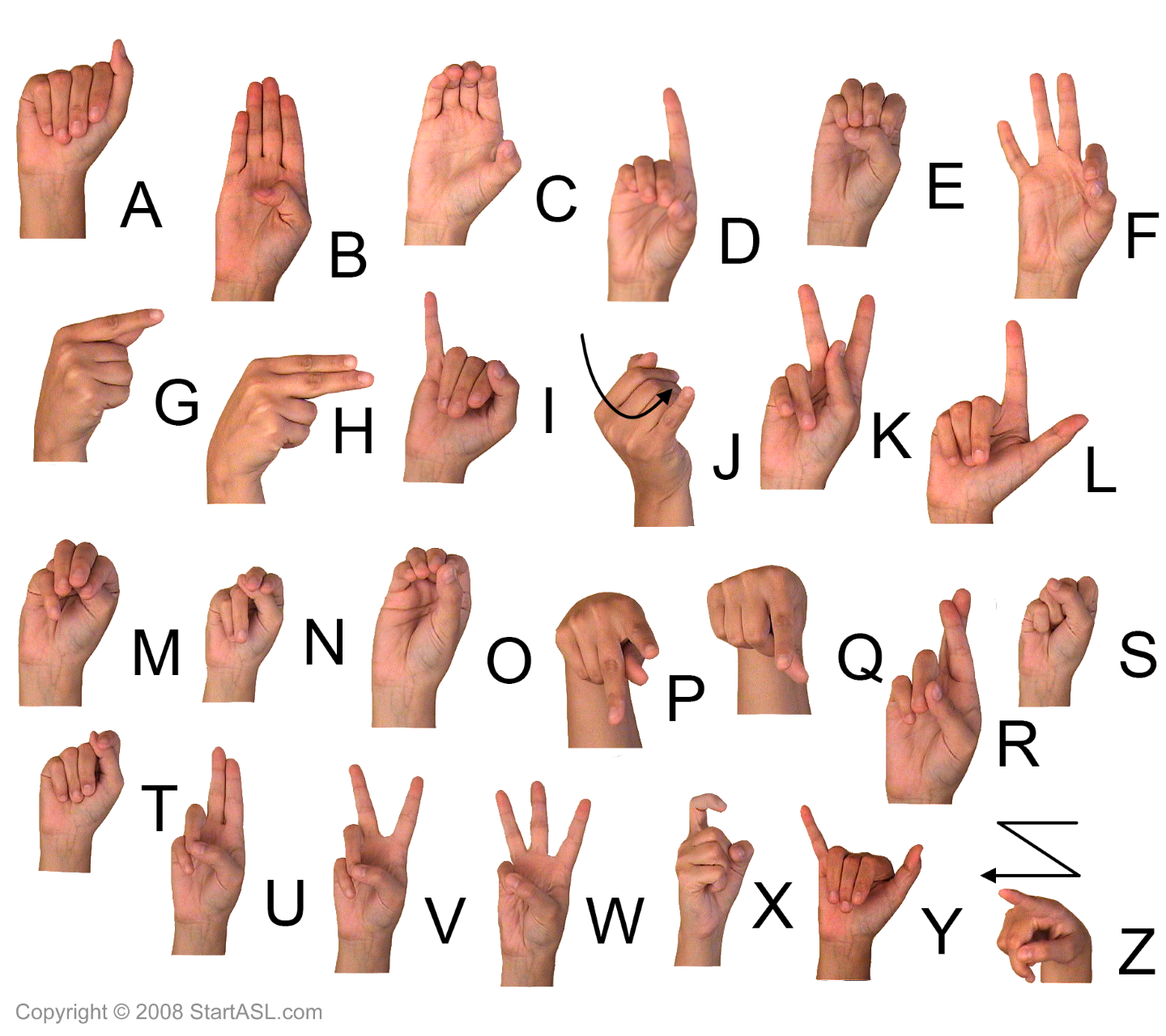
American Sign Language (ASL) plays a multifaceted role in storytelling, performance, and artistic expression within the Deaf community. As a visual language, ASL possesses unique characteristics that enable it to convey emotions, narratives, and cultural experiences in a distinctive and impactful way.
The Expressive Power of ASL
ASL utilizes a combination of hand gestures, facial expressions, and body movements to communicate. This expressive nature allows storytellers to convey a wide range of emotions and experiences with remarkable precision and nuance. Through subtle changes in handshapes, facial expressions, and body language, ASL performers can convey complex emotions, inner thoughts, and cultural contexts.
Storytelling Formats
ASL storytelling takes various formats, including theater, dance, and film. In theater, ASL performers use their bodies and gestures to create dynamic and expressive characters and narratives. ASL dance incorporates movement and gesture to convey stories and emotions, often accompanied by music or other sensory elements.
ASL film, an emerging art form, utilizes the visual and expressive qualities of ASL to create immersive and accessible storytelling experiences for both Deaf and hearing audiences.
Impact on Audience Experience
ASL storytelling has a profound impact on the audience’s experience and understanding of the story. The visual nature of ASL allows for a direct and immediate connection between the performer and the audience. The use of facial expressions and body language enhances the emotional impact of the story, allowing audiences to connect with the characters and their experiences on a deeper level.
Short Story Incorporating ASL
In the bustling streets of a city, a Deaf woman named Anya stood at a busy intersection. As she signed to a friend, her hands danced in the air, painting a vivid picture of her day. Suddenly, her attention was drawn to a young boy standing across the street, his eyes wide with wonder as he watched her signs.
Anya approached the boy and introduced herself. The boy, whose name was Ethan, was fascinated by ASL and eager to learn more. Anya began to teach him the basics, signing her name and asking him about his. Ethan’s eyes lit up as he discovered the beauty and expressiveness of ASL.
Together, they embarked on a storytelling adventure, using ASL to create a magical world where anything was possible. They signed stories of bravery, love, and friendship, their hands becoming the brushstrokes of a vibrant tapestry of imagination.
Language Revitalization and Preservation
American Sign Language (ASL) has faced significant challenges to its preservation and revitalization. However, efforts are underway to promote ASL usage and pass it on to future generations.
Challenges
Challenges to ASL revitalization include:
- Audism:Prejudice and discrimination against Deaf people and their language.
- Assimilation:Pressure on Deaf people to conform to hearing norms, leading to language loss.
- Lack of access:Limited access to ASL education and resources.
Strategies
Strategies for ASL revitalization include:
- Community engagement:Involving Deaf communities in language planning and preservation efforts.
- Education:Providing ASL instruction in schools and universities.
- Advocacy:Promoting ASL recognition and rights.
- Technology:Using technology to create ASL resources and connect Deaf communities.
Role of Technology
Technology plays a crucial role in ASL revitalization by:
- Providing access to ASL resources, such as dictionaries and grammar books.
- Connecting Deaf communities across geographic distances.
- Creating opportunities for ASL language learning and teaching.
Impact on Deaf Culture and Identity
ASL revitalization has a significant impact on Deaf culture and identity by:
- Preserving cultural heritage:ASL is a vital part of Deaf culture and history.
- Empowering Deaf people:ASL allows Deaf people to communicate and participate fully in society.
- Fostering a sense of community:ASL connects Deaf people and creates a shared sense of belonging.
Detailed FAQs
What is ASL?
ASL is a complete and complex language that has its own grammar, syntax, and vocabulary. It is used by Deaf people in the United States and Canada to communicate with each other and with hearing people who know ASL.
Is ASL a real language?
Yes, ASL is a real language. It has been recognized as a legitimate language by the United States government and many other countries around the world.
Is ASL the same as English?
No, ASL is not the same as English. It is a unique language with its own set of rules and conventions.
