What are the languages in Mexico? This question delves into the heart of Mexico’s rich linguistic tapestry, where a multitude of tongues weave together a vibrant cultural fabric. From the ancient echoes of indigenous languages to the pervasive presence of Spanish and the growing influence of English, Mexico’s linguistic landscape is a testament to its diverse history and evolving identity.
This comprehensive overview embarks on a journey through the linguistic labyrinth of Mexico, exploring the intricate interplay between language, culture, and identity. We will delve into the historical and contemporary factors that have shaped the linguistic landscape, examining the challenges and opportunities that lie ahead for the preservation and promotion of Mexico’s linguistic heritage.
Overview of Languages in Mexico
Mexico is a country with a rich linguistic diversity, boasting over 68 national languages, including Spanish, the official language. The linguistic landscape of Mexico reflects its diverse cultural heritage, shaped by centuries of indigenous communities, colonial influences, and modern-day globalization.
Spanish, introduced during the Spanish conquest in the 16th century, became the dominant language in Mexico and is spoken by the vast majority of the population. However, indigenous languages continue to play a vital role in many communities, particularly in rural areas.
Official Language of Mexico
Spanish is the official language of Mexico, designated as such by Article 3 of the Mexican Constitution. Its prevalence is attributed to its use in government, education, media, and commerce. Spanish has become the lingua franca, facilitating communication across the country’s diverse linguistic regions.
Indigenous Languages of Mexico
Mexico is home to a vast array of indigenous languages, reflecting the country’s rich cultural diversity. These languages are spoken by approximately 25 million people, representing over 20% of the population.
Indigenous languages in Mexico belong to several distinct language families, including the Nahuatl, Maya, Zapotec, Mixtec, and Otomí families. The geographical distribution of these languages is diverse, with some being concentrated in specific regions and others spoken more widely across the country.
Preservation and Revitalization Efforts
In recent years, there has been a growing recognition of the importance of preserving and revitalizing indigenous languages in Mexico. This is due to concerns about language loss, cultural erosion, and the need to promote cultural diversity.
Efforts to revitalize indigenous languages include the establishment of bilingual education programs, the creation of language learning resources, and the promotion of indigenous language use in media and public spaces.
Spanish in Mexico
The dominance of Spanish in Mexico is a result of the country’s colonial history and the influence of the Catholic Church. After the Spanish conquest in the 16th century, Spanish became the official language of government, education, and commerce. The Catholic Church played a significant role in spreading Spanish throughout the country, as it used the language to convert indigenous peoples to Christianity.
Today, Spanish is spoken by the vast majority of Mexicans. There are some regional variations and dialects of Spanish spoken in Mexico, but the standard dialect is based on the Spanish spoken in central Mexico. Spanish is the official language of Mexico and is used in all levels of government, education, and media.
Regional Variations and Dialects
There are several regional variations and dialects of Spanish spoken in Mexico. Some of the most notable dialects include:
Northern Mexican Spanish: This dialect is spoken in the northern states of Mexico, such as Chihuahua, Coahuila, and Nuevo León. It is characterized by its use of “usted” (formal you) instead of “tú” (informal you), and by its use of the diminutive “-ito” (little).
Central Mexican Spanish: This dialect is spoken in the central states of Mexico, such as Mexico City, Puebla, and Veracruz. It is the standard dialect of Spanish spoken in Mexico and is used in all levels of government, education, and media.
Southern Mexican Spanish: This dialect is spoken in the southern states of Mexico, such as Oaxaca, Chiapas, and Yucatán. It is characterized by its use of “vosotros” (plural you) instead of “ustedes” (formal you plural), and by its use of the diminutive “-illo” (little).
Role in Education, Media, and Government
Spanish is the official language of Mexico and is used in all levels of government, education, and media. It is the language of instruction in all schools, and it is the language used in all government documents and proceedings. Spanish is also the dominant language of the media in Mexico, and it is used in all major newspapers, magazines, and television and radio broadcasts.
English in Mexico
English has a significant presence in Mexico, particularly in the northern border regions, tourist destinations, and major cities. English proficiency has been increasing in recent decades, driven by globalization, migration, and tourism.
The spread of English in Mexico has been influenced by several factors, including:
Globalization:The integration of Mexico into the global economy has increased the need for English proficiency in business, trade, and communication.
Migration:The movement of people between Mexico and the United States has led to increased exposure to English and the need for bilingualism.
Tourism:Mexico’s tourism industry relies heavily on English-speaking visitors, creating a demand for English-speaking employees in the hospitality sector.
The impact of English on Mexican culture and society is evident in various areas:
Education:English is increasingly taught in schools and universities, becoming an essential skill for students seeking higher education and global opportunities.
Media:English-language media, including movies, TV shows, and music, are widely consumed in Mexico, influencing popular culture and language.
Popular Culture:English is often used in advertising, branding, and social media, reflecting its growing presence in Mexican society.
Table: Key Factors Influencing the Spread of English in Mexico
Factor
Impact on Mexican Society
Implications for the Future of English in Mexico
Globalization
Increased demand for English proficiency in business and communication
Continued growth of English usage in professional and academic settings
Migration
Increased exposure to English and bilingualism
English will likely become more prevalent in border regions and migrant communities
Tourism
Demand for English-speaking employees in the hospitality sector
English will remain important in tourist destinations and areas with high international visitation
English in Mexico’s Economic Development
English proficiency plays a crucial role in Mexico’s economic development. It enhances global competitiveness by:
Facilitating international trade and investment
Attracting foreign direct investment
Creating opportunities for Mexican professionals to work in global markets
Mexico’s growing English proficiency is a positive indicator for its future economic growth and global integration.
Main Points
English has a significant presence in Mexico, driven by globalization, migration, and tourism.
English is increasingly used in education, media, and popular culture, influencing Mexican society.
English proficiency is crucial for Mexico’s economic development and global competitiveness.
The future of English in Mexico is likely to involve continued growth and integration into various aspects of Mexican life.
Other Languages Spoken in Mexico
Besides the indigenous languages and Spanish, several other languages are spoken in Mexico due to historical, economic, and cultural factors. These include French, German, and Chinese.
The presence of these languages can be attributed to immigration, trade, and cultural exchange. They play significant roles in specific communities and regions, influencing local culture and traditions.
French
Spoken in some communities in Mexico City, Puebla, and Veracruz.
Due to historical ties with France, particularly during the 19th century.
Influenced Mexican cuisine, architecture, and fashion.
German
Spoken in communities in Mexico City, Puebla, and Chihuahua.
Result of German immigration in the 19th and early 20th centuries.
Influenced Mexican brewing and manufacturing industries.
Chinese
Spoken in Chinatowns in Mexico City, Tijuana, and Mexicali.
Due to Chinese immigration, particularly in the late 19th and early 20th centuries.
Influenced Mexican cuisine and traditional medicine.
While these languages enrich Mexico’s cultural diversity, there have been some challenges and controversies. Some indigenous communities have expressed concerns about the potential marginalization of their languages due to the growing presence of foreign languages.
Language Policies in Mexico
The Mexican government has implemented various policies and initiatives aimed at promoting language use and preservation in the country. These policies recognize the importance of linguistic diversity and seek to protect the rights of indigenous communities to use their native languages.
One of the key policies is the General Law of Linguistic Rights of Indigenous Peoples, which was enacted in 2003. This law establishes the rights of indigenous peoples to use their own languages in all aspects of public life, including education, healthcare, and government services.
The law also requires the government to provide resources for the promotion and development of indigenous languages.
Challenges in Implementing Language Policies
Despite these policies, there are still challenges in implementing language preservation efforts in Mexico. One challenge is the lack of resources for indigenous language education. Many indigenous communities do not have access to schools that teach in their native languages, and there is a shortage of qualified teachers who can teach in these languages.
Another challenge is the discrimination that indigenous languages often face. In some cases, indigenous people are discouraged from speaking their native languages in public spaces or in the media. This discrimination can make it difficult for indigenous languages to thrive and be passed on to future generations.
Effectiveness of Language Policies
Despite the challenges, the Mexican government’s language policies have had some success in promoting linguistic diversity. The number of indigenous languages spoken in Mexico has increased in recent years, and there is a growing awareness of the importance of preserving these languages.
However, there is still much work to be done to ensure that indigenous languages are fully protected and used in all aspects of public life. The Mexican government needs to continue to invest in indigenous language education and to combat discrimination against indigenous languages.
Only then will Mexico be able to truly celebrate its linguistic diversity.
Language and Identity in Mexico
In Mexico, language is inextricably linked to cultural identity, shaping and reflecting the country’s rich and diverse heritage. The complex linguistic landscape of Mexico, with its multitude of indigenous languages and the presence of Spanish and English, provides a fascinating lens through which to explore the interplay between language, culture, and identity.
Language and Cultural Identity
Language serves as a powerful marker of cultural identity in Mexico. Indigenous languages, spoken by approximately 10% of the population, are closely tied to specific ethnic groups and communities. These languages embody unique worldviews, values, and traditions, serving as vehicles for transmitting cultural knowledge and practices across generations.
Spanish, the official language of Mexico, has played a significant role in shaping the country’s national identity. It is the language of government, education, and media, fostering a sense of unity and shared purpose among Mexicans. However, the presence of indigenous languages alongside Spanish highlights the country’s cultural diversity and the ongoing negotiation of identity within the broader Mexican nation.
Language and National Unity
Despite the linguistic diversity, Spanish has served as a unifying force in Mexico, providing a common ground for communication and cultural exchange. The use of Spanish in official and educational settings has promoted a sense of national unity, allowing for the dissemination of ideas, policies, and cultural expressions across the country.
At the same time, the recognition and promotion of indigenous languages have become increasingly important in recent years, fostering a sense of cultural pride and strengthening the connection between indigenous communities and their ancestral traditions.
Language and Cultural Values
Language plays a crucial role in expressing cultural values and beliefs in Mexico. Indigenous languages, for example, often contain words and phrases that reflect specific cultural practices, such as traditional farming techniques or religious rituals. The use of these languages helps to preserve and transmit these cultural values within communities.
Similarly, Spanish in Mexico has developed its own unique vocabulary and expressions that reflect the country’s history, traditions, and cultural values. These linguistic nuances contribute to the richness and diversity of Mexican culture.
Globalization and Migration
Globalization and migration have had a significant impact on language use and identity in Mexico. The increased interconnectedness of the world has led to the spread of English, particularly in urban areas and among younger generations.
Migration has also played a role in shaping language patterns. Mexican immigrants in the United States, for example, often maintain their native languages while also adopting English. This bilingualism allows them to navigate both their new and former communities, fostering a sense of transnational identity.
“Language is the soul of a people. It is the expression of their culture, their history, and their identity.”- Octavio Paz, Mexican poet and Nobel laureate
Conclusion
In Mexico, language is an integral part of cultural identity, shaping and reflecting the country’s rich and diverse heritage. The interplay between indigenous languages, Spanish, and English provides a fascinating lens through which to explore the complex relationship between language, culture, and identity in Mexico.
Provide an overview of the language education system in Mexico, including the different levels of education and the languages that are taught.
The language education system in Mexico is complex and diverse, reflecting the country’s rich linguistic heritage. Spanish is the official language of Mexico and is taught as the main language of instruction at all levels of education. However, there are also 68 indigenous languages recognized by the Mexican government, and many of these are taught in schools in areas where they are spoken.
The Mexican education system is divided into three levels: basic education, upper secondary education, and higher education. Basic education includes preschool, primary school, and secondary school. Spanish is the main language of instruction at all levels of basic education, but some indigenous languages are also taught in schools in areas where they are spoken.
Upper secondary education includes high school and vocational training. Spanish is the main language of instruction at all levels of upper secondary education, but some indigenous languages are also taught in schools in areas where they are spoken.
Higher education includes universities, colleges, and technical institutes. Spanish is the main language of instruction at all levels of higher education, but some indigenous languages are also taught in universities in areas where they are spoken.
Language and the Media in Mexico
The Mexican media landscape is a diverse and complex one, reflecting the country’s rich linguistic heritage. Spanish is the official language of Mexico, and it is spoken by the vast majority of the population. However, there are also 68 indigenous languages spoken in Mexico, each with its own unique history and culture.The media in Mexico plays a vital role in shaping public opinion and in promoting understanding between different linguistic groups.
The print media, for example, includes newspapers and magazines that are published in both Spanish and indigenous languages. The broadcast media, including television and radio, also feature programming in both Spanish and indigenous languages. And the digital media, including the internet and social media, is increasingly being used to promote indigenous languages and cultures.The representation of different languages in the Mexican media varies depending on the medium.
In the print media, for example, Spanish-language newspapers and magazines are far more common than indigenous-language publications. However, there are a number of indigenous-language newspapers and magazines that are published in Mexico, and these publications play an important role in promoting indigenous languages and cultures.In the broadcast media, Spanish-language programming is dominant, but there is also a significant amount of indigenous-language programming available.
On television, for example, there are a number of indigenous-language channels that broadcast news, entertainment, and educational programming. On radio, there are also a number of indigenous-language stations that broadcast a variety of programming, including news, music, and talk shows.The digital media is increasingly being used to promote indigenous languages and cultures.
There are a number of indigenous-language websites and social media pages that are dedicated to promoting indigenous languages and cultures. These websites and social media pages provide a valuable resource for indigenous people who want to learn more about their own languages and cultures, and they also help to raise awareness of indigenous languages and cultures among the general public.The media in Mexico has a significant impact on language use and attitudes.
The media can help to promote understanding between different linguistic groups by providing a platform for indigenous languages and cultures to be expressed. The media can also help to raise awareness of the importance of indigenous languages and cultures, and it can encourage people to learn more about these languages and cultures.
Language and Technology in Mexico
Technology has significantly impacted language use and preservation in Mexico. The widespread adoption of social media, translation tools, and language learning apps has had both positive and negative effects on linguistic diversity.
Impact of Technology on Language Use in Mexico
Technology has facilitated communication across different regions of Mexico, breaking down geographic barriers that previously limited language contact. Social media platforms like Facebook and Twitter have become important spaces for language use, particularly among younger generations. These platforms allow users to connect with others who share their language and culture, and to engage in conversations that would not have been possible in the past.
Mexico is a linguistically diverse country, with over 68 indigenous languages spoken alongside Spanish. While the most widely spoken indigenous languages are Nahuatl, Maya, and Zapotec, there are many others that are spoken by smaller communities. In contrast, Swedish is a Germanic language spoken by over 10 million people in Sweden, Finland, and other parts of the world.
How to say hello in Swedish is a common question for those who are interested in learning the language. The most common way to say hello in Swedish is “Hej” (pronounced “hay”), which can be used in both formal and informal settings.
Translation tools like Google Translate have also made it easier for people to communicate across language barriers. This has been particularly beneficial for indigenous communities, who often face challenges in accessing education and services in their own languages. Language learning apps have also become popular in Mexico, providing users with the opportunity to learn new languages at their own pace.
Challenges and Opportunities for Linguistic Diversity
While technology has the potential to promote linguistic diversity, it also poses some challenges. The dominance of Spanish in online spaces can lead to the marginalization of indigenous languages. Additionally, the use of translation tools can sometimes result in inaccuracies or misunderstandings, which can have negative consequences for communication.
Despite these challenges, technology also presents opportunities for the preservation and revitalization of indigenous languages. Language learning apps can be used to create educational materials and resources in indigenous languages. Social media platforms can be used to promote indigenous languages and cultures, and to connect speakers of indigenous languages with each other.
Government Policies and Ethical Implications
Government policies can play a role in promoting or hindering the use of technology for language preservation. For example, the Mexican government has implemented policies to support the use of indigenous languages in education and media. However, these policies have not always been effective, and there is still a need for more support for indigenous language revitalization efforts.
The use of technology for language preservation also raises ethical implications. For example, there is a concern that the use of translation tools could lead to the loss of traditional language skills. Additionally, there is a need to ensure that indigenous communities have control over the use of their languages and cultures online.
Language and the Future of Mexico
The future of languages in Mexico is a topic of growing importance as the country faces the challenges and opportunities of globalization, migration, and technological advancements. These factors have the potential to significantly impact the vitality of Mexico’s diverse linguistic landscape, including both indigenous languages and Spanish.
Impact of Globalization, Migration, and Technology on Indigenous Languages
Globalization and migration have led to increased contact between different language communities, resulting in both language loss and language revitalization. Indigenous languages in Mexico are particularly vulnerable to language loss due to factors such as urbanization, assimilation, and the dominance of Spanish in education and media.
Mexico is a country with a rich linguistic heritage, with over 68 indigenous languages spoken in addition to Spanish. Understanding the diverse linguistic landscape of Mexico is crucial for effective communication and cultural exchange. Interestingly, there is also a growing interest in learning how to communicate with our canine companions.
While dogs may not have a language in the same way that humans do, they do possess a sophisticated system of vocalizations and body language that can be interpreted to build stronger bonds. For those seeking to enhance their understanding of animal communication, resources such as how to speak dog language provide valuable insights into the nuances of canine behavior.
Technological advancements, such as the internet and social media, can both facilitate and hinder the preservation of indigenous languages. While they provide new platforms for language learning and revitalization efforts, they can also contribute to the spread of dominant languages and the erosion of linguistic diversity.
Strategies for Promoting Linguistic Diversity
To ensure the vitality of all languages spoken in Mexico, it is essential to implement policies and strategies that support indigenous language education and revitalization efforts. This includes providing funding for language programs, training teachers, and developing educational materials in indigenous languages.
Community organizations and educational institutions play a crucial role in promoting linguistic diversity by offering language classes, workshops, and cultural events that celebrate and preserve indigenous languages.
Role of Government, Educational Institutions, and Community Organizations
The government, educational institutions, and community organizations all have important roles to play in preserving and promoting linguistic diversity in Mexico. The government can provide funding, establish language policies, and support educational programs that promote indigenous languages. Educational institutions can offer language courses, conduct research on language revitalization, and develop educational materials in indigenous languages.
Community organizations can provide language classes, cultural events, and other activities that support the use and transmission of indigenous languages.
Successful Language Revitalization Initiatives
There have been several successful language revitalization initiatives in Mexico, demonstrating the potential for reversing language loss and promoting linguistic diversity. The Nahuatl language, for example, has been revitalized through community-based programs that have focused on language immersion, cultural education, and the development of educational materials.
These programs have shown that it is possible to revitalize indigenous languages even in the face of significant challenges.
Challenges and Opportunities for Promoting Linguistic Diversity
Promoting linguistic diversity in the context of Mexico’s growing multilingual population presents both challenges and opportunities. One challenge is the need to balance the promotion of indigenous languages with the need to ensure that all citizens have access to education and economic opportunities in Spanish, the national language.
Another challenge is the need to address the negative attitudes and prejudices that sometimes exist towards indigenous languages. However, there are also opportunities to promote linguistic diversity, such as the growing interest in indigenous cultures and the recognition of the importance of linguistic diversity for cultural heritage and national identity.
Impact of Technology on Language Learning and Preservation
Technology has the potential to significantly impact language learning and preservation in Mexico. On the one hand, technology can provide new tools and resources for language learning, such as online courses, language learning apps, and digital dictionaries. On the other hand, technology can also contribute to language loss, as people spend more time interacting with digital media in dominant languages.
It is important to find ways to harness the potential of technology for language learning and preservation while mitigating its potential risks.
Role of Media and Popular Culture
Media and popular culture play a significant role in shaping language use and attitudes in Mexico. The dominance of Spanish in the media and popular culture can contribute to the marginalization of indigenous languages. However, there are also opportunities to use media and popular culture to promote linguistic diversity, such as by producing films, television shows, and music in indigenous languages.
Importance of Language Documentation and Preservation
Language documentation and preservation are essential for future generations. By documenting and preserving indigenous languages, we can ensure that they are available for future research and revitalization efforts. Language documentation can include audio recordings, video recordings, written texts, and grammatical descriptions.
Recommendations for Further Research
Further research is needed on the future of languages in Mexico. This research should focus on the impact of globalization, migration, and technological advancements on indigenous languages. It should also explore the effectiveness of different language revitalization strategies and the role of government, educational institutions, and community organizations in promoting linguistic diversity.
Create a table summarizing the key facts and statistics related to languages in Mexico. Include data on the number of speakers, geographical distribution, and official status of each language.
The following table summarizes the key facts and statistics related to languages in Mexico, including the number of speakers, geographical distribution, and official status of each language.
Table: Key Facts and Statistics on Languages in Mexico
Language Name
Number of Speakers
Geographical Distribution
Official Status
Spanish
122 million
Nationwide
Official language
Nahuatl
1.7 million
Central and Eastern Mexico
National language
Maya
800,000
Yucatan Peninsula
National language
Zapotec
750,000
Oaxaca
National language
Mixtec
500,000
Oaxaca and Guerrero
National language
Totonac
250,000
Veracruz
National language
Mazahua
200,000
State of Mexico
National language
Purépecha
200,000
Michoacan
National language
Otomí
150,000
Central Mexico
National language
Chinantec
100,000
Oaxaca
National language
Note:The table includes only the top 10 most spoken indigenous languages in Mexico. There are over 60 other indigenous languages spoken in the country.
Design an infographic that visually represents the linguistic diversity of Mexico. Include a map showing the distribution of indigenous languages and a pie chart illustrating the percentage of speakers for each language.: What Are The Languages In Mexico
Mexico is a linguistically diverse country, with over 68 indigenous languages and dialects spoken alongside Spanish, the official language. To visually represent this diversity, an infographic can be designed with a map showing the distribution of indigenous languages and a pie chart illustrating the percentage of speakers for each language.
Map of Indigenous Languages, What are the languages in mexico
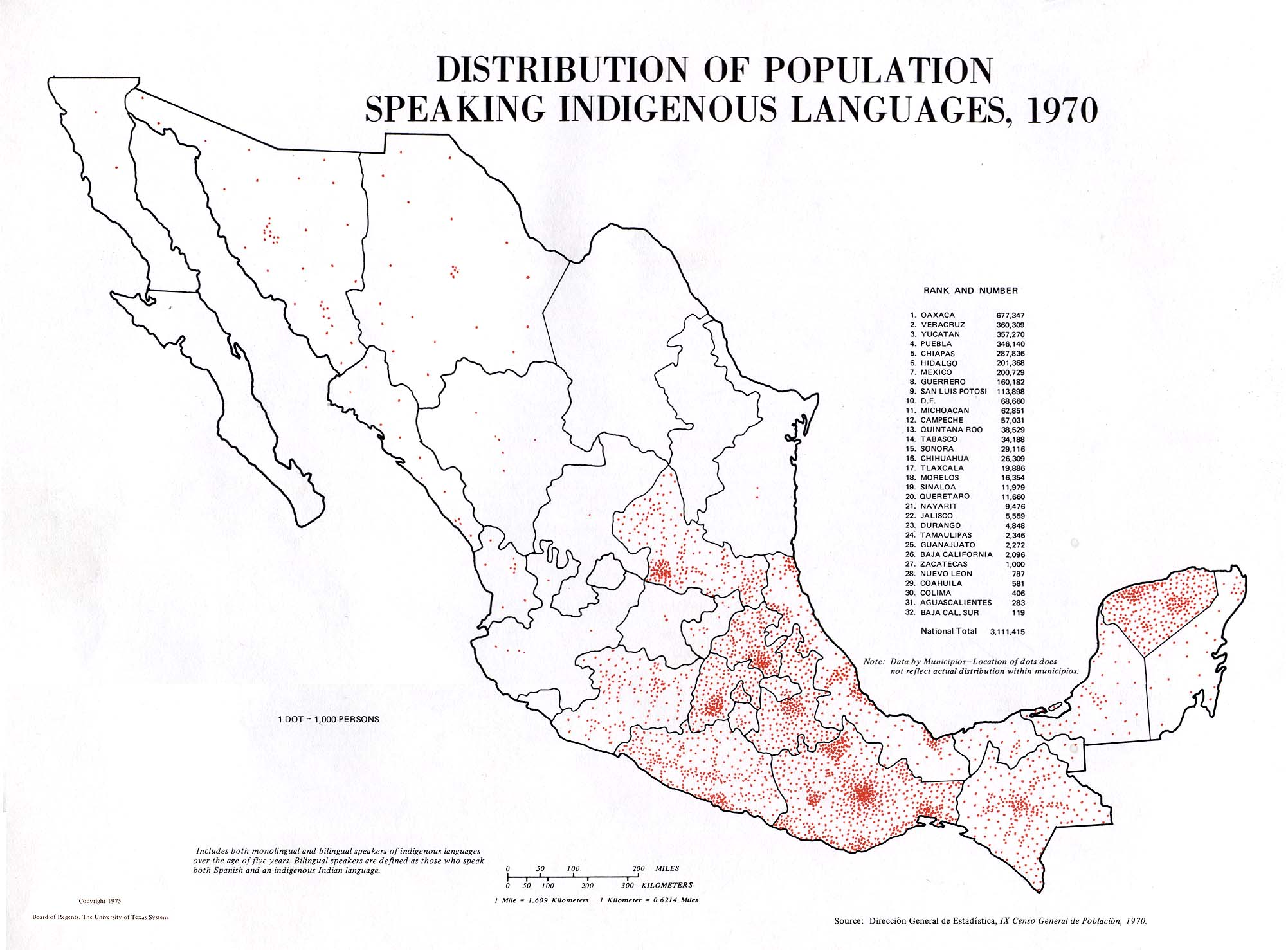
The map would show the geographical distribution of indigenous languages in Mexico, with each language represented by a different color or symbol. The map would highlight the areas with the highest concentration of indigenous languages, such as the southern states of Oaxaca and Chiapas.
Pie Chart of Language Speakers
The pie chart would illustrate the percentage of speakers for each indigenous language in Mexico. The chart would show the relative size of each language group, with the largest languages, such as Nahuatl and Maya,占据较大的比例. The chart would also show the smaller languages, such as Seri and Cucapá, which are spoken by only a few thousand people.This infographic would provide a visual representation of the linguistic diversity of Mexico and highlight the importance of preserving and promoting indigenous languages.
Popular Questions
What is the official language of Mexico?
Spanish is the official language of Mexico.
How many indigenous languages are spoken in Mexico?
There are 68 indigenous languages spoken in Mexico, belonging to 11 different language families.
What is the most widely spoken indigenous language in Mexico?
Nahuatl is the most widely spoken indigenous language in Mexico, with over 1.5 million speakers.
What are the main factors that have influenced the spread of English in Mexico?
Globalization, migration, and tourism have been the main factors that have influenced the spread of English in Mexico.