What is the most beautiful language – As the topic of what constitutes the most beautiful language takes center stage, this discourse invites readers to embark on an academic journey into the realm of linguistic aesthetics. We will delve into the subjective nature of linguistic beauty, examining the cultural and personal influences that shape our aesthetic preferences.
Through a comprehensive analysis of phonetic qualities, grammar, syntax, vocabulary, and figurative language, we will uncover the intricate tapestry of features that contribute to the beauty of language.
Furthermore, we will explore the historical evolution of language aesthetics, tracing the influence of major literary works and historical figures on our perceptions of linguistic beauty. Cross-cultural comparisons will shed light on the challenges and biases inherent in evaluating the beauty of different languages, while also highlighting the profound impact of translation on our appreciation of linguistic diversity.
Defining Beauty in Language

Beauty in language is a subjective experience that varies across individuals and cultures. It is influenced by personal preferences, cultural norms, and the context in which the language is used. There is no objective standard of linguistic beauty, but certain qualities are often associated with it, such as clarity, conciseness, and elegance.
Subjective Nature of Linguistic Beauty
The beauty of a language is a matter of personal taste. What one person finds beautiful, another may find ugly. This is because our perception of beauty is influenced by our own experiences, culture, and values. For example, some people may find the sound of a particular language to be beautiful, while others may find it harsh or unpleasant.
Cultural and Personal Influences on Aesthetic Preferences
Cultural factors can also influence our perception of linguistic beauty. For example, in some cultures, it is considered to be beautiful to use flowery and elaborate language, while in other cultures, it is considered to be more beautiful to use simple and direct language.
Personal experiences can also influence our aesthetic preferences. For example, someone who has had a positive experience with a particular language may be more likely to find that language beautiful than someone who has had a negative experience with it.
Evaluating Linguistic Features
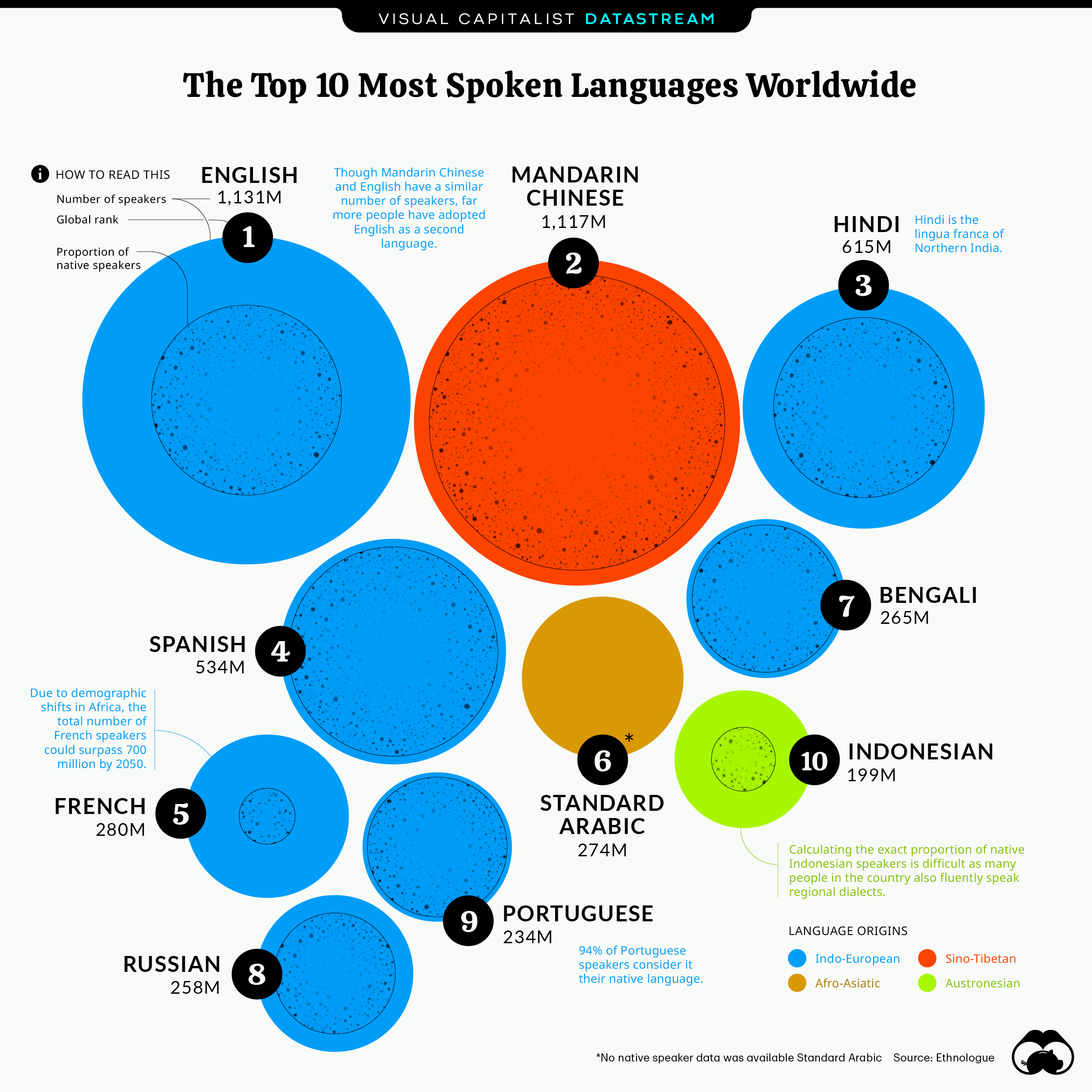
The evaluation of linguistic features that contribute to the beauty of a language involves examining various aspects, including phonetics, grammar, syntax, vocabulary, and figurative language.
Phonetic Qualities
Phonetic qualities, such as the presence of melodious vowels, rhythmic consonants, and harmonious sound combinations, can significantly enhance the aesthetic appeal of a language. For instance, the Italian language is often admired for its mellifluous vowels and rolling “r” sounds.
Grammar and Syntax
The grammatical structure and syntax of a language play a crucial role in shaping its aesthetic appeal. Well-structured sentences, with balanced clauses and phrases, create a sense of coherence and elegance. The use of parallelism, antithesis, and other rhetorical devices can further enhance the beauty of a text.
Vocabulary and Figurative Language
The richness and diversity of a language’s vocabulary contribute to its aesthetic potential. Languages with a wide range of words and phrases allow for more nuanced expression and vivid imagery. Figurative language, such as metaphors, similes, and personification, adds depth and emotional resonance to a text.
Patterns and Conventions
Certain patterns and conventions within a language can enhance its beauty. For example, the use of alliteration, assonance, and consonance creates a pleasing sound effect. Similarly, the adherence to traditional poetic forms, such as sonnets or haikus, adds a sense of structure and elegance to a text.
Language and Culture
The relationship between language and culture is deeply intertwined, and cultural values and aesthetics can influence the perception of linguistic beauty. Languages that reflect a rich cultural heritage, with a diverse range of expressions and idioms, are often considered more beautiful.
Historical Perspectives

Throughout history, perceptions of linguistic beauty have evolved, influenced by cultural, social, and literary factors. This section traces the evolution of language aesthetics across different eras, examines the impact of major literary works on linguistic perceptions, and highlights historical figures who have championed certain languages for their beauty.
Influence of Major Literary Works
Literary masterpieces have played a significant role in shaping linguistic perceptions. For instance, the works of Homer, Virgil, and Dante established the classical languages of Greek and Latin as paragons of beauty and eloquence. Similarly, the writings of Shakespeare, Milton, and Goethe elevated English and German to esteemed positions in the literary landscape.
Historical Champions of Linguistic Beauty
Throughout history, certain individuals have emerged as ardent advocates for the beauty of specific languages. Dante Alighieri, in his treatise “De Vulgari Eloquentia,” argued for the superiority of Italian over Latin as a literary language. Similarly, the Romantic poets of the 19th century, such as William Wordsworth and Samuel Taylor Coleridge, extolled the virtues of the English language for its expressive power and emotional depth.
Cross-Cultural Comparisons
Cross-cultural comparisons of language aesthetics provide valuable insights into the subjective and culturally influenced nature of linguistic beauty. By examining the aesthetic qualities of different languages, we can gain a deeper understanding of the diverse ways in which language can be experienced and appreciated.One approach to cross-cultural comparison is to design a table that Artikels the aesthetic qualities of different languages.
Such a table might include columns for factors such as:
- Phonological features (e.g., vowel harmony, consonant clusters)
- Grammatical structures (e.g., verb tense systems, case marking)
- Lexical richness (e.g., number of words, variety of synonyms)
- Discourse patterns (e.g., use of metaphor, narrative style)
- Cultural associations (e.g., prestige, formality)
By comparing these qualities across different languages, we can identify patterns and differences in what is considered aesthetically pleasing.However, cross-cultural evaluations of language aesthetics present several challenges and biases. One challenge is the difficulty of separating objective linguistic features from subjective cultural preferences.
For example, a language with a complex tonal system may be considered beautiful by speakers of that language but less so by speakers of languages without tones.Another challenge is the influence of translation on linguistic appreciation. When a text is translated from one language to another, some of its aesthetic qualities may be lost or altered.
This can make it difficult to compare the beauty of languages directly.Despite these challenges, cross-cultural comparisons of language aesthetics can provide valuable insights into the nature of linguistic beauty. By understanding the different ways in which languages can be experienced and appreciated, we can gain a deeper appreciation for the diversity of human language and culture.
Language as Art
Language transcends its primary purpose of communication and emerges as an artistic medium, a canvas upon which emotions and ideas are painted with words. It has the power to evoke, inspire, and provoke, transforming the mundane into the extraordinary.
The unique expressive qualities of languages allow them to convey a vast spectrum of emotions and ideas. The subtleties of tone, rhythm, and imagery create a tapestry of meaning that goes beyond the literal.
Literary Arts
- Poetry:The rhythmic and metaphorical language of poetry paints vivid pictures, explores emotions, and conveys profound insights.
- Prose:Novels, short stories, and essays use language to create immersive worlds, develop complex characters, and tell captivating tales.
- Drama:Plays bring language to life through dialogue, soliloquies, and stage directions, exploring human relationships and themes.
Visual Arts
- Calligraphy:The art of beautiful handwriting elevates language into a visual form, creating intricate and visually stunning compositions.
- Graffiti:Urban art often uses language as a form of expression, conveying messages, emotions, and social commentary.
- Typography:The design and arrangement of text can create powerful visual impact, influencing the meaning and perception of language.
Performing Arts
- Music:Lyrics and spoken word performances use language to convey emotions, tell stories, and create musical experiences.
- Theater:Actors bring language to life through performance, embodying characters and conveying emotions through spoken word.
- Dance:Movement can be inspired by and synchronized with language, creating a unique form of artistic expression.
Subjectivity and Universality

The beauty of a language is often subjective, influenced by personal experiences, social context, and cultural background. However, there is also a search for universal aesthetic principles in language, considering both historical and contemporary perspectives.
Individual Experiences
- Personal history and experiences shape linguistic preferences, as individuals tend to favor languages that resonate with their own experiences and emotions.
- Social context plays a role, as languages spoken in one’s social circles or community may be perceived as more beautiful due to familiarity and association with positive experiences.
- Cultural background influences linguistic preferences, as languages embody cultural values and norms, and individuals may find languages that align with their own cultural identities more aesthetically pleasing.
Universal Aesthetic Principles
Despite the subjectivity of linguistic beauty, there are attempts to identify universal aesthetic principles in language, transcending cultural boundaries.
- Sound Patterns:Certain sound patterns, such as rhythm, alliteration, and assonance, are often found in languages considered beautiful.
- Complexity and Simplicity:Languages that strike a balance between complexity and simplicity, offering both expressive power and accessibility, may be perceived as more aesthetically pleasing.
- Metaphor and Imagery:The use of metaphors, similes, and other figurative language can enhance the beauty of language by evoking vivid images and emotions.
Interplay of Subjectivity and Universality
The beauty of language lies in the interplay between subjectivity and universality. Personal experiences and cultural backgrounds influence linguistic preferences and aesthetic judgments, while shared aesthetic principles transcend cultural boundaries.
The question of which language is the most beautiful is a subjective one, with no definitive answer. However, it is worth noting that Paraguay has two official languages: Spanish and Guaraní. Spanish is the language of government and education, while Guaraní is the language of the majority of the population.
Both languages are spoken widely throughout the country, and each has its own unique beauty. To learn more about the language spoken in Paraguay, click here: what language is spoken in paraguay.
This interplay has implications for language learning and communication. It is important to recognize both the subjective and universal aspects of language beauty to effectively communicate and appreciate the aesthetic qualities of different languages.
Language Preservation and Aesthetics
Efforts to preserve endangered languages have gained momentum in recent years, recognizing their invaluable aesthetic and cultural significance. Linguistic diversity is crucial for preserving the rich tapestry of human expression and cultural heritage. By safeguarding endangered languages, we not only protect the unique ways of thinking and communicating but also ensure the survival of their inherent aesthetic qualities.
Importance of Linguistic Diversity for Cultural Heritage
Each language embodies a distinct worldview, shaping the perceptions, values, and beliefs of its speakers. Preserving linguistic diversity allows us to access a broader spectrum of human experience and creativity. Endangered languages often contain unique words, phrases, and grammatical structures that reflect specific cultural practices, beliefs, and perspectives.
Their loss would impoverish our collective understanding of human diversity and creativity.
Language Revitalization and Aesthetic Appreciation
Language revitalization initiatives, aimed at restoring endangered languages to active use, play a vital role in preserving their aesthetic value. By teaching these languages to younger generations and promoting their use in various domains, we can ensure their continued existence and transmission.
The process of language revitalization often involves documenting and analyzing the language’s aesthetic features, such as its unique rhythms, tones, and metaphors. This exploration deepens our appreciation for the language’s beauty and contributes to its preservation.
Technology and Language Beauty
Technology has significantly impacted linguistic aesthetics, transforming how we perceive and interact with language. Artificial intelligence (AI) and machine learning (ML) algorithms are revolutionizing our understanding of language beauty, opening up new avenues for linguistic exploration and appreciation.
AI and ML in Linguistic Aesthetics
AI and ML algorithms analyze vast linguistic datasets, identifying patterns and structures that humans may overlook. This enables the creation of language models that can generate text with remarkable fluency and coherence. These models can simulate different writing styles, adapt to various contexts, and even compose poetry and other creative works.
By analyzing large corpora of text, AI algorithms can identify aesthetic qualities that resonate with readers. They can extract features such as rhythm, alliteration, and metaphor, and use these insights to generate language that is both beautiful and engaging.
Enhancing Linguistic Beauty
Technology has the potential to enhance linguistic beauty in several ways. AI-powered language tools can assist writers in identifying areas for improvement, suggesting alternative word choices, and optimizing sentence structure. This can help writers refine their writing, making it more precise, evocative, and aesthetically pleasing.
Moreover, AI can generate new linguistic forms and expressions that challenge traditional notions of beauty. By combining different languages, experimenting with grammar, and exploring unconventional structures, AI can push the boundaries of linguistic creativity, leading to novel and captivating forms of expression.
Language Learning and Aesthetics: What Is The Most Beautiful Language
Language learning offers a unique opportunity to appreciate the beauty of new languages. Immersion in the target language and engagement with its culture can heighten aesthetic awareness, leading to a deeper understanding and appreciation of the language’s nuances and intricacies.
Immersion and Cultural Engagement
Surrounding oneself with the target language through immersion programs, movies, music, and literature provides exposure to authentic language use. Engaging with native speakers and participating in cultural activities fosters a deeper understanding of the cultural context that shapes the language, enhancing aesthetic appreciation.
Appreciation through Learning
Individuals who have developed a deep appreciation for languages through learning often share stories of being captivated by the sounds, rhythms, and expressions of the new language. They describe a sense of joy and fulfillment in discovering the intricate patterns and nuances that make each language unique.
Benefits of Aesthetic Awareness in Language Learning
| Benefit | Description |
|---|---|
| Enhanced Motivation | Appreciating the beauty of the target language can motivate learners to engage more deeply with the learning process. |
| Improved Fluency | Attention to language aesthetics helps learners develop a more natural and fluent command of the language. |
| Cultural Understanding | Understanding the aesthetic aspects of a language provides insights into the culture and worldview of its speakers. |
| Cognitive Development | Appreciating language beauty stimulates critical thinking, problem-solving, and creative abilities. |
Aesthetic Principles in Language Teaching
Language teachers can incorporate aesthetic principles into their lesson plans to enhance student engagement and appreciation. This includes using authentic materials, fostering discussions on language style and usage, and providing opportunities for creative expression in the target language.
Social Media and Language Aesthetics
Social media platforms offer language learners a valuable space to connect with others who share their passion for language aesthetics. By following language enthusiasts, participating in online discussions, and sharing their own experiences, learners can gain inspiration and support.
Discussion Board
A discussion board can be created to encourage language learners to share their experiences and insights on the role of aesthetics in language learning. This platform fosters a sense of community and allows learners to learn from each other’s perspectives.
Linguistic Diversity and Inclusivity
Embracing linguistic diversity and inclusivity is crucial for preserving and celebrating the richness of human communication. Every language possesses unique characteristics and expressive qualities that contribute to the cultural heritage of its speakers. However, non-dominant languages often face challenges in gaining recognition for their beauty and value.
Strategies for Promoting Appreciation of All Languages
- Educational initiatives:Incorporating diverse languages into educational curricula and promoting language learning at all levels.
- Media representation:Encouraging media outlets to showcase and normalize the use of multiple languages in entertainment, news, and other content.
- Community events:Organizing language festivals, workshops, and other events that celebrate linguistic diversity and foster cross-cultural exchange.
- Policy advocacy:Supporting policies that promote language rights, protect endangered languages, and encourage the use of minority languages in public domains.
Benefits of Linguistic Diversity and Inclusivity
| Benefit | Impact |
|---|---|
| Cultural preservation | Preserves the cultural heritage and identity of diverse communities. |
| Cognitive development | Enhances cognitive abilities, improves problem-solving skills, and fosters creativity. |
| Economic opportunities | Expands employment opportunities and facilitates communication in globalized societies. |
| Social cohesion | Promotes mutual understanding, empathy, and inclusivity among different cultural groups. |
Quote
“Linguistic diversity is not a problem to be solved, but a treasure to be celebrated.”
Kofi Annan, former Secretary-General of the United Nations
Call to Action
Let us all strive to support linguistic diversity and inclusivity. By embracing the beauty and value of all languages, we enrich our collective human experience and create a more equitable and vibrant world.
Language and Identity

Language is inextricably linked to cultural identity, serving as a powerful force that shapes self-perception and community pride. The beauty of a language can inspire a deep sense of belonging and connection, fostering a shared understanding of history, values, and experiences.
Examples of Languages Shaping National Identity
Throughout history, numerous languages have played pivotal roles in shaping national and cultural identities. For instance:
- Hindi in India:The Hindi language has been instrumental in unifying the diverse regions of India, fostering a sense of national unity and pride.
- Arabic in the Middle East:Arabic has served as a unifying force across the Arab world, connecting people from different countries and backgrounds through a shared linguistic heritage.
- English in the United States:English has become a symbol of American identity, reflecting the nation’s history of immigration and cultural diversity.
Role of Language in National Identity Formation
Language plays a crucial role in the formation of national identity by:
- Providing a common means of communication and understanding.
- Creating a sense of shared history and heritage.
- Fostering cultural values and traditions.
- Inspiring national pride and patriotism.
Table: Linguistic Features of Two Cultures, What is the most beautiful language
The following table compares and contrasts the linguistic features of two different cultures:
| Feature | Culture A | Culture B |
|---|---|---|
| Language Structure | Subject-verb-object | Object-verb-subject |
| Tense System | Present, past, future | Present, past, present perfect |
| Number of Cases | 5 | 2 |
| Vowel System | 5 vowels | 3 vowels |
Poem Celebrating Language Diversity
In a symphony of tongues, where beauty weaves, A tapestry of words, each soul believes. From ancient scripts to modern verse, Language paints the world, a vibrant universe.
From Arabic’s curves to English’s might, Each tongue a mirror, reflecting life’s light. Spanish’s rhythm, French’s grace, A symphony of sounds, a vibrant embrace.
The question of what constitutes the most beautiful language is a matter of subjective opinion. However, one aspect that can be objectively assessed is the expressiveness of a language. In this regard, sign language stands out as a particularly expressive form of communication.
Its ability to convey emotions, ideas, and even profanities as seen in this guide is a testament to its power as a means of expression. Ultimately, the beauty of a language lies not only in its aesthetics but also in its ability to convey the full range of human experience.
Let us celebrate this linguistic art, A bridge connecting minds, a bridge to every heart. For in the beauty of words, we find our way, To unity and understanding, day by day.
Language and Emotion

Language possesses a profound ability to elicit and shape emotions, acting as a conduit for expressing, processing, and understanding our inner feelings. It can evoke joy, sadness, anger, love, and a myriad of other emotions, profoundly impacting our psychological well-being and interpersonal relationships.
Words have the power to inspire, motivate, and heal. They can provide solace in times of distress and ignite hope amidst despair. The therapeutic potential of language has been recognized in various forms of psychotherapy, such as talk therapy and expressive writing, where individuals can explore and process their emotions through verbal expression.
Language as a Mirror of Emotions
Language not only conveys emotions but also reflects our emotional state. The words we choose, the tone of our voice, and the body language that accompanies our speech all provide clues about our inner feelings. This interplay between language and emotion allows us to communicate our emotional experiences to others, fostering empathy and understanding.
The Role of Language in Emotional Intelligence
Emotional intelligence, the ability to perceive, understand, and manage emotions effectively, is closely intertwined with language. Language provides the tools for identifying and labeling emotions, both in ourselves and others. It also enables us to communicate our emotional needs and regulate our emotional responses, contributing to overall emotional well-being.
Ethical Considerations
While language can be a powerful tool for expressing and understanding emotions, it is crucial to consider its ethical implications. The manipulative use of language to evoke emotions can have harmful consequences, such as exploiting vulnerabilities or inciting hatred. Responsible and ethical communication requires sensitivity to the emotional impact of words and a commitment to using language for constructive purposes.
Cultural and Societal Influences
The emotional impact of language is shaped by cultural and societal norms. Different cultures may have varying expectations regarding the expression of emotions, influencing the ways in which language is used to convey feelings. Societal values and beliefs also play a role in determining which emotions are considered appropriate or inappropriate to express verbally.
Nonverbal Communication
Nonverbal communication, including gestures, facial expressions, and body language, plays a crucial role in conveying emotions alongside language. These nonverbal cues provide additional context and nuance, enhancing our understanding of emotional experiences. The combination of verbal and nonverbal communication allows for a more comprehensive expression and interpretation of emotions.
Language and Creativity
Language plays a crucial role in fostering creativity and imagination. It provides the building blocks for expressing thoughts, ideas, and emotions, enabling individuals to explore their imaginations and create new worlds.
Throughout history, language has inspired countless artists, musicians, and writers. From the poetic imagery of Shakespeare to the musical lyrics of Bob Dylan, language has been a powerful tool for expressing creative visions.
Techniques for Using Language to Stimulate Creative Thinking
- Brainstorming:Generating a wide range of ideas by exploring different perspectives and associations.
- Freewriting:Writing without judgment or editing, allowing thoughts to flow freely.
- Mind Mapping:Creating visual representations of ideas and their connections, fostering new insights.
Impact of Different Languages on Creative Expression
The structure and vocabulary of different languages can influence creative expression. Languages with rich verb tenses and complex sentence structures allow for nuanced storytelling, while languages with limited vocabulary may encourage concision and simplicity.
Language and Cultural Identity
Language is closely tied to cultural identity. The words, phrases, and idioms used in a language reflect the values, beliefs, and experiences of its speakers. Creative expression often draws upon these cultural elements to convey meaning and connect with audiences.
Language in Creative Writing Forms
Poetry
Poetry uses language in condensed and evocative ways, creating vivid imagery and conveying emotions through rhythm, rhyme, and metaphor.
Fiction
Fiction employs language to create characters, settings, and narratives that explore human experiences and societal issues.
Non-Fiction
Non-fiction writing uses language to convey information, ideas, and perspectives, often employing narrative techniques to engage readers.
Quick FAQs
What are the key factors that contribute to the beauty of a language?
The beauty of a language is influenced by a combination of factors, including phonetic qualities, grammatical structure, vocabulary, and figurative language. Each of these elements plays a role in shaping the aesthetic appeal of a language.
How can we objectively evaluate the beauty of different languages?
Evaluating the beauty of different languages is a subjective process, as aesthetic preferences are influenced by cultural and personal factors. However, cross-cultural comparisons can provide insights into the commonalities and differences in linguistic aesthetics across different languages.
What is the relationship between language and cultural identity?
Language plays a vital role in shaping cultural identity. The beauty of a language is often intertwined with the cultural values and traditions of its speakers. Languages that are perceived as beautiful often contribute to a sense of pride and belonging among their speakers.
