What language did julius caesar speak – Julius Caesar, the renowned Roman general and statesman, played a pivotal role in shaping the course of Western history. His military conquests, political reforms, and literary contributions left an enduring legacy on the Roman Empire and beyond. One intriguing aspect of Caesar’s life that has sparked scholarly interest is the question of what language he spoke.
This inquiry delves into the linguistic landscape of ancient Rome, exploring the various languages spoken during Caesar’s time and examining the evidence to determine the language or languages that Caesar himself used. By unraveling the linguistic tapestry of Caesar’s world, we gain insights into the cultural and intellectual context that shaped one of the most influential figures in history.
Historical Context

Julius Caesar was a pivotal figure in Roman history, renowned for his military prowess, political acumen, and lasting cultural legacy. His rise to power coincided with a period of significant political and social upheaval in Rome, as the Republic grappled with internal conflicts and external threats.
The Roman Republic was a complex political system characterized by a delicate balance of power between the Senate, the assemblies, and the military. During Caesar’s time, this balance was disrupted by ambitious politicians and military leaders seeking to expand their influence.
Caesar himself was a master of political maneuvering, skillfully navigating the complex web of Roman politics to advance his own agenda.
Factors Contributing to Caesar’s Rise to Power
- Military Victories:Caesar’s military campaigns in Gaul (modern-day France) brought him immense wealth, prestige, and a loyal army.
- Political Alliances:Caesar formed alliances with powerful politicians, including Pompey and Crassus, to strengthen his political position.
- Popular Support:Caesar appealed to the common people with his populist policies, promising land reforms and social benefits.
– Education and Language
In ancient Rome, education played a vital role in shaping the intellectual and cultural landscape of the society. The Roman education system was highly influenced by Greek models and emphasized the importance of rhetoric, philosophy, and literature.
The education system in ancient Rome was divided into three stages: elementary, secondary, and higher education.
– Elementary Education
Elementary education began at the age of seven and lasted for five years. During this stage, students learned the basics of reading, writing, and arithmetic. They also studied grammar, poetry, and music.
– Secondary Education
Secondary education began at the age of twelve and lasted for four years. During this stage, students continued their studies in grammar, rhetoric, and literature. They also studied history, geography, and mathematics.
– Higher Education
Higher education was available to a select few who had completed secondary education. Students could choose to study at a variety of schools, including the University of Rome, the University of Athens, and the University of Alexandria.
The curriculum in ancient Rome was heavily influenced by the Greek educational system. Latin was the primary language of instruction, but Greek was also widely studied. Greek literature, philosophy, and science were highly valued in Roman society.
The role of teachers in ancient Rome was highly respected. Teachers were typically well-educated and often came from wealthy families. They were responsible for not only teaching their students the curriculum but also for instilling in them the values of Roman society.
Education in ancient Rome was not limited to the elite. Children from all social classes had the opportunity to attend school. However, the quality of education varied depending on the family’s wealth and social status.
The education system in ancient Rome had a profound impact on Roman society and culture. It produced some of the greatest minds of the ancient world, including Cicero, Virgil, and Horace. It also helped to spread Roman culture and values throughout the empire.
– Comparison to Other Ancient Civilizations
The education system in ancient Rome was similar to that of other ancient civilizations, such as Greece and Egypt. However, there were some key differences. For example, the Roman education system placed a greater emphasis on rhetoric and law. This was due to the importance of these subjects in Roman society.
The education system in ancient Rome was also more accessible to the general population than in other ancient civilizations. This was due in part to the Roman government’s commitment to providing education for all citizens.
– Impact on Roman Society and Culture
Education played a vital role in Roman society and culture. It helped to create a literate and educated population that was able to participate in the political and cultural life of the empire. It also helped to spread Roman culture and values throughout the empire.
The education system in ancient Rome was a major factor in the success of the Roman Empire. It produced some of the greatest minds of the ancient world and helped to spread Roman culture and values throughout the empire.
– Table Summarizing Key Features of Roman Education System, What language did julius caesar speak
| Stage | Age | Curriculum |
|---|---|---|
| Elementary | 7-12 | Reading, writing, arithmetic, grammar, poetry, music |
| Secondary | 12-16 | Grammar, rhetoric, literature, history, geography, mathematics |
| Higher | 16+ | Philosophy, law, medicine, engineering |
– Dialogue Between a Roman Student and Their Teacher
Student:Why is education so important in Roman society?
Teacher:Education is important in Roman society for many reasons. First, it helps to create a literate and educated population that is able to participate in the political and cultural life of the empire. Second, it helps to spread Roman culture and values throughout the empire.
Third, it helps to produce the leaders of the future.
Student:What are the most important subjects to study?
Julius Caesar primarily spoke Latin, the official language of the Roman Empire. However, he also had knowledge of Greek, which was widely used in the eastern Mediterranean region. Shakira, a contemporary Colombian singer, is multilingual, speaking Spanish, English, Portuguese, Arabic, and French.
Like Caesar, she has also embraced the global nature of language by incorporating various linguistic elements into her music, showcasing the interconnectedness of languages across time and cultures.
Teacher:The most important subjects to study are those that will help you to become a well-rounded citizen. These include rhetoric, philosophy, literature, history, geography, and mathematics.
Student:What are my career options after I finish my education?
Teacher:After you finish your education, you will have a wide range of career options. You could become a lawyer, a doctor, a teacher, a politician, or a soldier. You could also work in business or agriculture.
Caesar’s Writings
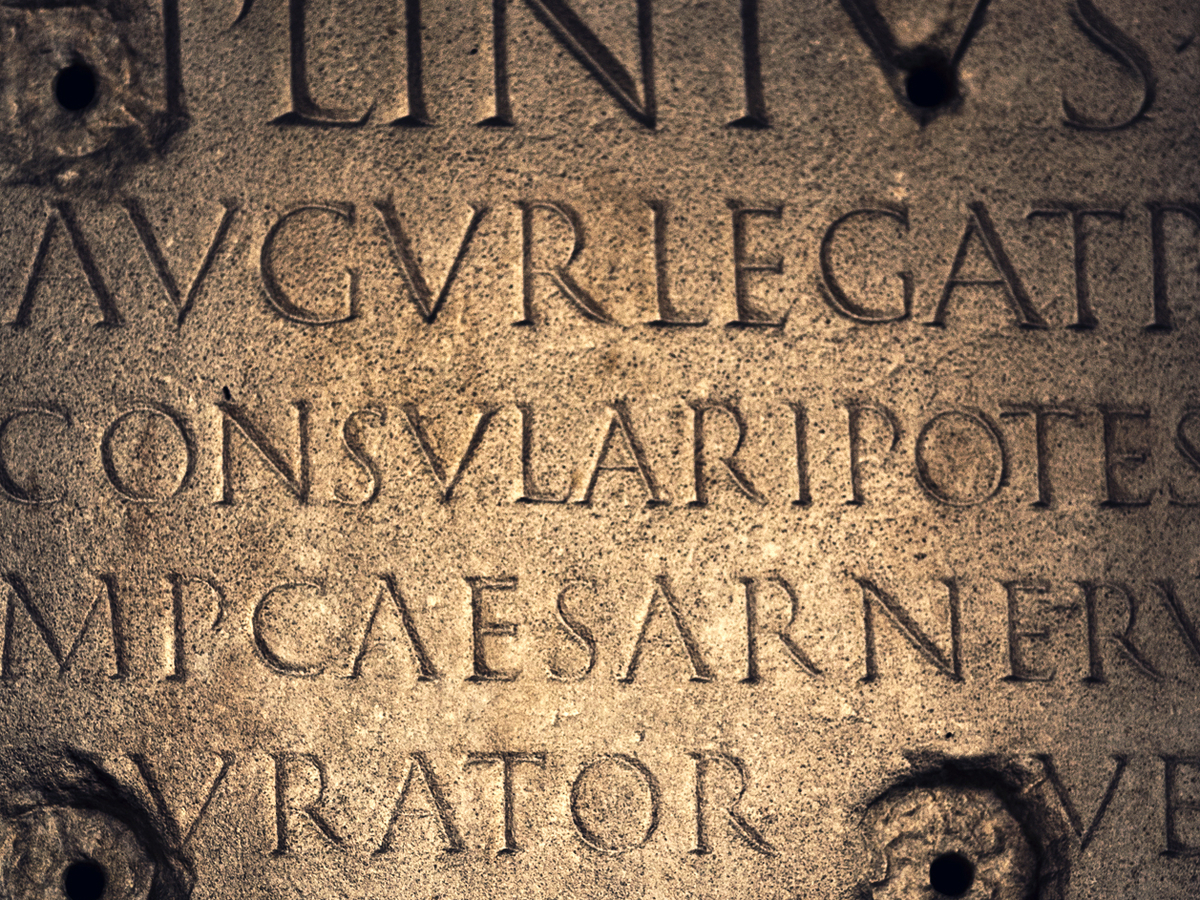
Gaius Julius Caesar was not only a renowned military leader and politician but also an accomplished author. His writings, particularly his military accounts, provide valuable insights into his campaigns, strategies, and the Roman world during his time.
Caesar’s most famous work is his Commentarii de Bello Gallico(Commentaries on the Gallic War), a seven-volume account of his campaigns in Gaul from 58 to 50 BC. The Commentariiis considered a masterpiece of Latin literature and a valuable historical document, providing detailed descriptions of Caesar’s military tactics, the geography of Gaul, and the customs of its people.
Language of Caesar’s Writings
Caesar’s writings were composed in Latin, the official language of the Roman Empire. Latin was a highly developed and expressive language, capable of conveying complex ideas and emotions. Caesar’s use of Latin reflects his education and status as a member of the Roman elite.
Caesar’s Latin is known for its clarity, precision, and elegance. He employed a straightforward and concise style, avoiding unnecessary embellishments or rhetorical flourishes. This clarity and precision make his writings accessible to a wide range of readers and have contributed to their enduring popularity.
Public Speeches
Public speaking was a crucial aspect of Roman politics. It allowed politicians to communicate their ideas, policies, and aspirations directly to the Roman people. Through speeches, they could sway public opinion, build support for their causes, and even influence the outcome of elections.
Language Used in Caesar’s Speeches
Caesar was known for his eloquence and persuasive abilities as a public speaker. He used a combination of Latin and Greek in his speeches, depending on the audience and the occasion. Latin was the official language of Rome, while Greek was the language of culture and education.
By incorporating both languages, Caesar could appeal to a wider range of listeners.
Caesar’s speeches were carefully crafted to evoke emotions and inspire action. He used rhetorical devices such as metaphors, similes, and alliteration to create vivid images and memorable phrases. His speeches were also known for their logical structure and clear arguments, which made them persuasive and easy to follow.
Influence on Latin: What Language Did Julius Caesar Speak

Julius Caesar’s writings and speeches had a profound influence on the development of Latin. His works established a standard for written Latin that would be followed for centuries to come.
Caesar’s use of clear and concise language made his writings easy to understand, even for those who were not familiar with Latin. This clarity helped to spread Latin throughout the Roman Empire and beyond.
Vocabulary
Caesar also introduced many new words into Latin. These words often came from his experiences in Gaul and other parts of the empire. For example, the word “gladius” (sword) was borrowed from the Celtic language. Caesar’s use of these new words helped to expand the vocabulary of Latin and make it a more versatile language.
Grammar
Caesar’s writings also had a significant impact on Latin grammar. He used a variety of grammatical constructions that were new to Latin. For example, he often used the ablative absolute, a construction that allows for the expression of complex ideas in a concise way.
Caesar’s use of these new grammatical constructions helped to make Latin a more flexible and expressive language.
Linguistic Comparisons

The language spoken by Julius Caesar, Classical Latin, was part of a diverse linguistic landscape in ancient Rome. Other languages spoken during this period included Etruscan, Greek, Oscan, and Umbrian.
These languages exhibited similarities and differences in vocabulary, grammar, and pronunciation. Latin, Oscan, and Umbrian shared similar vocabulary and grammar, while Etruscan and Greek had distinct features. The pronunciation of Latin, Oscan, and Umbrian was also similar, while Etruscan and Greek had different pronunciations.
The languages of ancient Rome influenced each other to varying degrees. Latin was influenced by Etruscan, Greek, and Oscan, while Etruscan was influenced by Latin and Greek. Greek influenced both Latin and Etruscan, and Oscan was influenced by Latin and Etruscan.
The linguistic landscape of ancient Rome reflected the political and cultural changes of the period. Etruscan was dominant in northern and central Italy until the 5th century BCE, when Latin gradually became dominant. By the 1st century BCE, Latin had become the official language of the Roman Empire.
Table of Languages Spoken in Ancient Rome
| Language | Time Period | Location |
|---|---|---|
| Latin | 753 BCE
| Central and Southern Italy |
| Etruscan | 800 BCE
| Northern and Central Italy |
| Greek | 8th century BCE
| Southern Italy and Sicily |
| Oscan | 5th century BCE
| Southern Italy |
| Umbrian | 5th century BCE
| Central Italy |
Similarities and Differences
The following table summarizes the similarities and differences between Latin, Etruscan, Greek, Oscan, and Umbrian:
| Feature | Latin | Etruscan | Greek |
|---|---|---|---|
| Vocabulary | Similar to Oscan and Umbrian | Different | Different |
| Grammar | Similar to Oscan and Umbrian | Different | Different |
| Pronunciation | Similar to Oscan and Umbrian | Different | Different |
Influences
The following table summarizes the influences between Latin, Etruscan, Greek, Oscan, and Umbrian:
| Language | Influenced by |
|---|---|
| Latin | Etruscan, Greek, and Oscan |
| Etruscan | Latin and Greek |
| Greek | Latin and Etruscan |
| Oscan | Latin and Etruscan |
| Umbrian | Latin and Etruscan |
Linguistic Landscape
The linguistic landscape of ancient Rome changed over time, reflecting the political and cultural changes of the period. The following table summarizes the linguistic features of ancient Rome during different time periods:
| Time Period | Linguistic Features |
|---|---|
8th century BCE
| Etruscan and Greek dominant in Southern Italy |
5th century BCE
| Latin gradually becomes dominant |
1st century BCE
| Latin becomes the official language of the Roman Empire |
Evolution of Latin

Latin underwent significant evolution after Caesar’s time. The language became more standardized and formal, with a focus on grammar and syntax. This evolution was driven by several factors, including the influence of Caesar’s writings and the need for a common language for communication throughout the Roman Empire.
Caesar’s Writings
Caesar’s writings played a major role in the evolution of Latin. His clear and concise style became a model for other writers, and his use of grammar and syntax helped to establish the standard for the language. Caesar’s writings also introduced new words and phrases into Latin, which further enriched the language.
Classical Education

Julius Caesar’s writings played a pivotal role in classical education. His works, particularly his commentaries on the Gallic Wars and the Civil War, became essential reading materials for students of Latin.
Caesar’s writings were highly regarded for their clarity, precision, and elegant prose. They provided students with an excellent model of Latin style and grammar. Caesar’s use of simple and direct language made his works accessible to students of all levels, while his vivid descriptions and engaging narratives captured their attention and helped them to develop a deep understanding of the language.
Teaching Latin
Caesar’s commentaries were widely used in schools and universities to teach Latin grammar and syntax. Students would read and analyze passages from Caesar’s works, paying close attention to the structure of the sentences, the use of vocabulary, and the rules of grammar.
Through this process, students developed a strong foundation in Latin and were able to apply their knowledge to other Latin texts.
Caesar’s writings also provided students with a valuable historical perspective. They offered insights into the political, military, and social aspects of the Roman world, and helped students to develop a deeper understanding of Roman history and culture.
Modern Influence

Julius Caesar’s language, Latin, has had a profound impact on the development of modern languages, particularly in Europe and beyond. His writings and speeches played a significant role in shaping the vocabulary and grammar of subsequent languages, including English, French, Spanish, Italian, and many others.
Caesar’s influence on modern languages can be seen in various aspects:
Vocabulary
- Many words in modern languages have their roots in Latin, including words related to law, government, science, and the arts. For example, the English words “senate,” “consul,” “veto,” and “museum” are all derived from Latin terms used by Caesar.
- Caesar’s writings also introduced new words and phrases into the Latin language, which later spread to other languages. For instance, the phrase “veni, vidi, vici” (“I came, I saw, I conquered”) is one of the most famous examples of Caesar’s influence on language.
Grammar
- Latin grammar, as codified by Caesar and other Roman writers, has influenced the grammar of many modern languages. For example, the use of cases to indicate the grammatical function of nouns and pronouns is a feature of Latin that has been adopted by many other languages, including English.
- Caesar’s writings also helped to establish the standard for Latin grammar, which became the basis for the grammar of many subsequent languages. This standardization played a crucial role in the development of modern grammatical systems.
Legacy and Impact
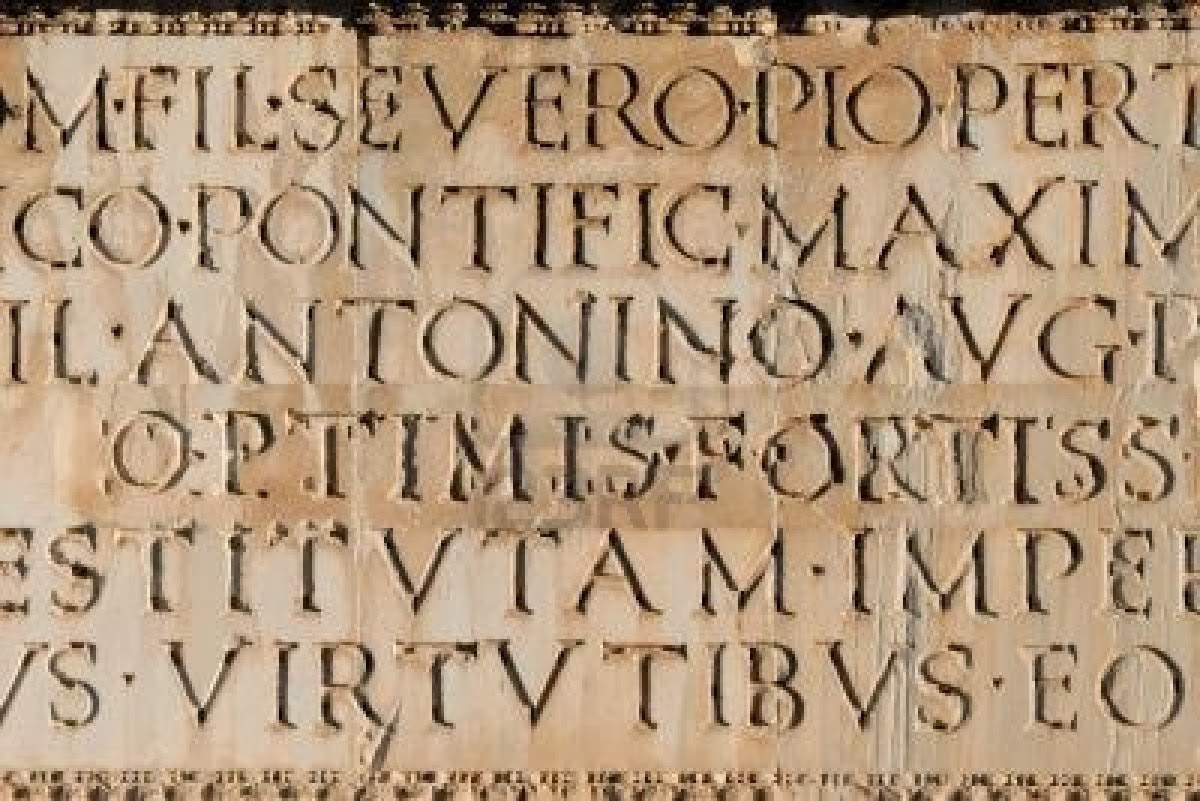
Julius Caesar’s linguistic legacy is profound and enduring. His writings, particularly his military commentaries, established a new standard for Latin prose and influenced the development of the language for centuries to come.
Caesar’s writings are characterized by their clarity, precision, and vividness. He used simple, straightforward language, avoiding the ornate and flowery style that was popular among some of his contemporaries. His use of the passive voice, subjunctive mood, and other grammatical features helped to standardize Latin grammar and syntax.
Caesar’s Influence on Latin and Other Languages
Caesar’s writings had a profound influence on Latin literature, setting a new standard for rhetoric, grammar, and style. His use of vivid imagery, persuasive arguments, and emotional appeals set a new standard for Latin oratory. Caesar’s writings were also widely translated into other languages, including French, English, and German, and they have had a significant impact on the development of these languages as well.
| Language | Influence | Examples |
|---|---|---|
| Latin | Standardization of grammar and syntax | Use of the passive voice, subjunctive mood |
| French | Loanwords | “Empereur” (emperor), “juillet” (July) |
| English | Loanwords | “Caesar,” “calendar” |
Caesar’s Impact on Rhetoric
Caesar’s writings are a masterclass in rhetorical strategy. He uses a variety of techniques to persuade his audience, including vivid imagery, emotional appeals, and logical arguments. His speeches are full of memorable phrases and turns of phrase that have been quoted and imitated for centuries.
Julius Caesar, the prominent Roman general and statesman, primarily spoke Latin, the official language of the Roman Republic and Empire. However, his conquests extended beyond the borders of Latin-speaking regions, including his famous campaigns in Gaul (modern-day France) and his encounter with Cleopatra, an Egyptian queen who spoke Koine Greek.
Interestingly, Vietnam, a Southeast Asian country, has a rich linguistic history and a diverse array of languages spoken within its borders. The official language of Vietnam is Vietnamese, a tonal language belonging to the Vietic branch of the Austroasiatic language family.
What language does Vietnam speak is a fascinating subject that sheds light on the linguistic diversity of Southeast Asia. Returning to our original topic, Julius Caesar’s use of Latin as his primary language underscores the significant role it played in the political and cultural life of the Roman Empire.
“I came, I saw, I conquered.”
– Julius Caesar, after his victory at the Battle of Zela
Writing: Analyze the Impact of Caesar’s Writings on a Specific Language or Literary Tradition
Choose a specific language or literary tradition and discuss how Caesar’s writings have influenced its development. Consider aspects such as vocabulary, grammar, style, and literary conventions.
For example, Caesar’s writings had a significant impact on the development of English. Many English words, such as “Caesar,” “calendar,” and “emperor,” are derived from Latin words that were first used by Caesar. Caesar’s writings also helped to establish the use of the passive voice and subjunctive mood in English.
Secondary Sources

Several secondary sources have analyzed Caesar’s language, providing valuable insights into its characteristics, evolution, and influence. These sources offer a diverse range of perspectives, contributing to a comprehensive understanding of Caesar’s linguistic legacy.
The following table summarizes some of the key secondary sources that have examined Caesar’s language:
| Author | Date | Main Arguments |
|---|---|---|
| M. Leumann | 1977 | Analyzes Caesar’s use of vocabulary, syntax, and style, arguing that his language represents a transition from the Classical to the Silver Age of Latin. |
| J.N. Adams | 1982 | Examines Caesar’s use of rhetoric and propaganda in his writings, demonstrating how he employed language to shape public opinion and advance his political agenda. |
| E. Courtney | 1996 | Provides a comprehensive overview of Caesar’s language, discussing its historical context, literary qualities, and influence on subsequent Latin literature. |
| P.R.C. Weaver | 2002 | Focuses on Caesar’s use of metaphor and imagery, arguing that his language is characterized by a vivid and evocative style. |
| D.F. Kennedy | 2004 | Examines the evolution of Latin from the time of Caesar to the late Empire, highlighting the role of Caesar’s writings in shaping the development of the language. |
These secondary sources have made significant contributions to our understanding of Caesar’s language. They provide detailed analyses of his vocabulary, syntax, style, and rhetorical techniques, shedding light on the nuances and complexities of his linguistic legacy.
Timeline
This timeline presents the key events related to the development of Julius Caesar’s language.
Caesar’s language underwent significant changes throughout his life, reflecting his political and military career and the changing social and cultural landscape of Rome. The timeline is divided into three sections: Early Development, Classical Period, and Late Period.
Early Development
- 100 BC:Caesar is born in Rome. He is exposed to the Latin language from a young age.
- 80 BC:Caesar studies rhetoric in Rome. He learns the art of public speaking, which will later become one of his most powerful tools.
- 70 BC:Caesar begins his military career. He serves in the Roman army in Gaul and Britain.
Classical Period
- 60 BC:Caesar is elected consul of Rome. He begins to use his public speeches to shape Roman politics.
- 58-50 BC:Caesar conquers Gaul. He writes his famous work, Commentarii de Bello Gallico(The Gallic Wars), in which he describes his military campaigns.
- 49 BC:Caesar crosses the Rubicon River, marking the beginning of the Roman Civil War.
Late Period
- 48 BC:Caesar defeats Pompey in the Battle of Pharsalus. He becomes dictator of Rome.
- 44 BC:Caesar is assassinated by a group of senators.
- 27 BC:Caesar’s adopted son, Augustus, becomes the first emperor of Rome. He continues to use Caesar’s language as the official language of the Roman Empire.
Quick FAQs
What was the primary language spoken in ancient Rome during Caesar’s time?
Latin was the official language of the Roman Empire and the primary language of government, literature, and education.
Did Julius Caesar speak Greek?
Yes, Caesar was fluent in Greek and used it in his speeches and writings, particularly when addressing audiences in the eastern provinces of the Roman Empire.
Are there any surviving examples of Caesar’s spoken language?
Unfortunately, no recordings or transcripts of Caesar’s spoken words have survived to the present day.
How can we determine what language Caesar spoke?
Scholars rely on a combination of evidence, including Caesar’s own writings, historical accounts, and inscriptions, to piece together the linguistic landscape of his time and infer the languages he used.
