What language do colombia speak – What language do they speak in Colombia? The answer to this question is not as straightforward as one might think. While Spanish is the official language of Colombia, there are also dozens of indigenous languages spoken throughout the country. In this article, we will explore the linguistic landscape of Colombia, examining the official language, regional languages, indigenous languages, and the influence of foreign languages on Colombian Spanish.
Official Language
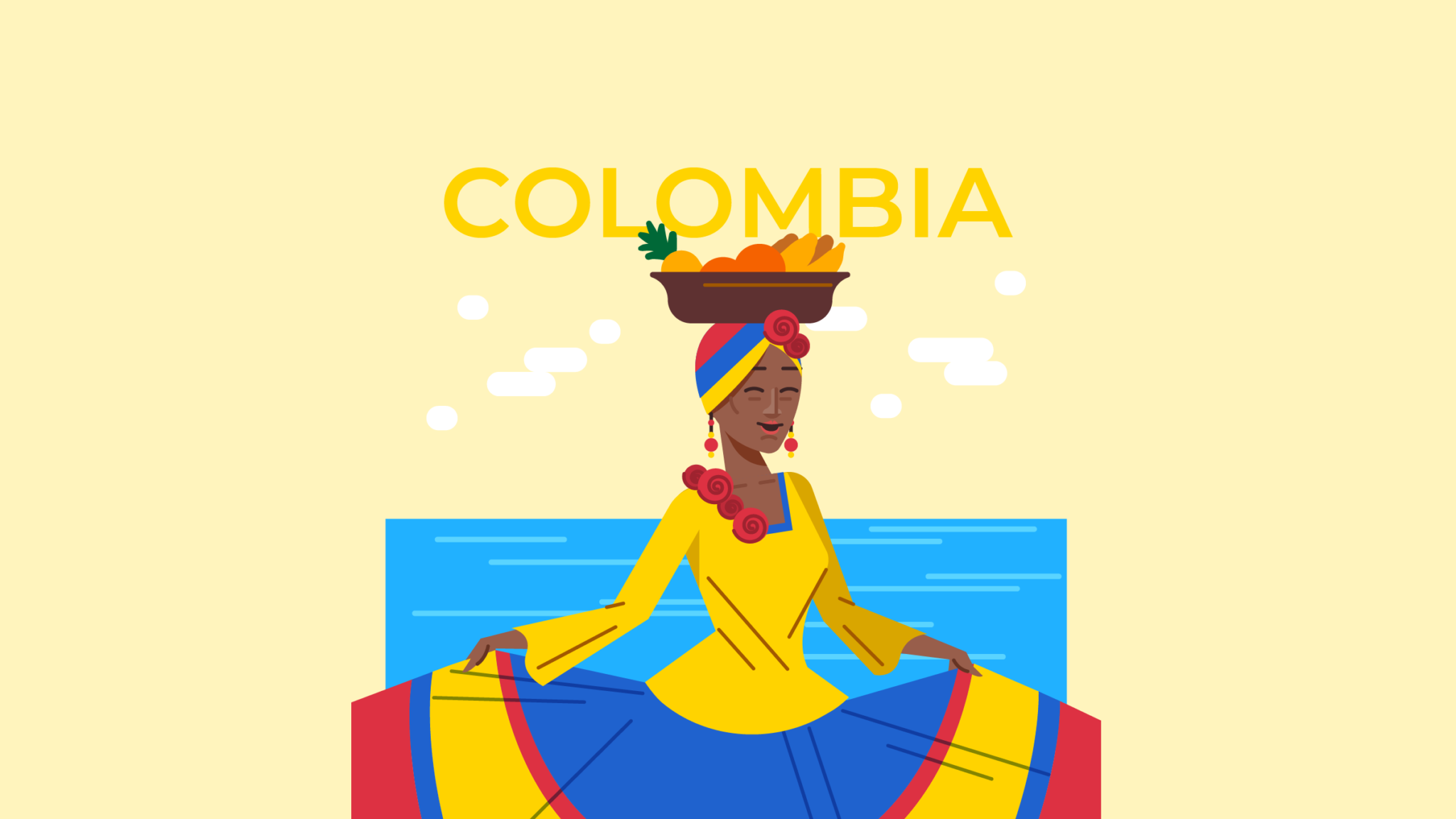
The official language of Colombia is Spanish, spoken by the vast majority of the population. It was brought to the country by Spanish colonizers in the 16th century and has since become the primary language of government, education, media, and business.
The status of Spanish as the official language is enshrined in the Colombian Constitution, which states that “The official language of the Republic is Spanish. The languages and dialects of the ethnic groups are also official in their territories. The State will promote their preservation and development.”
Legal Basis
The legal basis for Spanish’s official status can be traced back to the 1886 Constitution, which declared Spanish as the “national language.” This was reinforced in the 1991 Constitution, which recognized the official status of Spanish while also recognizing the importance of indigenous languages.
Historical Basis
The historical basis for Spanish’s official status lies in the country’s colonial past. After the Spanish conquest in the 16th century, Spanish was imposed as the language of administration, education, and commerce. Over time, it became the dominant language of the country, gradually replacing indigenous languages.
Regional Languages
Colombia, being a linguistically diverse country, has a rich tapestry of regional languages that complement its official language, Spanish. These languages, spoken by specific communities across various regions, reflect the cultural and historical influences that have shaped Colombia.
The main regional languages spoken in Colombia include:
- Wayuunaiki:Spoken by the Wayuu people in the northern Guajira Peninsula, Wayuunaiki belongs to the Arawakan language family and is closely related to other indigenous languages of the Caribbean region.
- Palenquero:A Creole language spoken by the community of San Basilio de Palenque, Palenquero is a unique blend of Spanish, Portuguese, and African influences.
- Emberá:Spoken by the Emberá people in the western and southern regions of Colombia, Emberá is a Chibchan language with several dialects spoken by different communities.
- Nasa Yuwe:Also known as Páez, Nasa Yuwe is spoken by the Nasa people in the southwestern department of Cauca. It is a member of the Paezan language family and is characterized by its complex tonal system.
- Raizal Creole:Spoken by the Raizal people of the San Andrés and Providencia islands, Raizal Creole is a Creole language based on English with influences from Spanish and other languages.
Indigenous Languages
Colombia is home to a remarkable diversity of indigenous languages, reflecting the country’s rich cultural heritage. These languages belong to various linguistic families and are spoken by indigenous communities across the country’s diverse regions.
Geographic Distribution and Linguistic Families
Indigenous languages in Colombia are primarily concentrated in the Amazonian rainforest, the Andean highlands, and the Caribbean coastal regions. The major linguistic families represented include:
- Chibchan: Spoken by indigenous communities in the Andean highlands and northern coastal regions, including the Muisca, U’wa, and Kogi languages.
- Arawakan: Found in the Amazonian rainforest, spoken by groups such as the Cubeo, Baniwa, and Tariana.
- Tukanoan: Spoken by indigenous communities in the northwestern Amazon region, including the Tukano, Desano, and Barasana languages.
- Guahiban: Spoken by indigenous groups in the eastern plains and Orinoco River basin, including the Sikuani, Piapoco, and Cuiba languages.
Number of Speakers and Geographic Locations
The number of speakers for each indigenous language varies significantly, ranging from a few hundred to tens of thousands. The following table provides an overview of the approximate number of speakers and their geographic locations:
| Language | Number of Speakers | Geographic Location |
|---|---|---|
| Wayuu | 250,000 | La Guajira Peninsula |
| Nasa Yuwe | 120,000 | Cauca Department |
| Embera | 100,000 | Chocó and Antioquia Departments |
| Muisca | 80,000 | Boyacá and Cundinamarca Departments |
| Cubeo | 50,000 | Vaupés and Guainía Departments |
Preservation and Revitalization Efforts
Recognizing the importance of indigenous languages for cultural preservation and identity, the Colombian government has implemented various policies and programs to support their revitalization. These efforts include:
- Educational initiatives: Incorporating indigenous languages into the national education curriculum and providing resources for language instruction in indigenous communities.
- Cultural promotion: Funding projects that promote the use of indigenous languages in media, arts, and literature.
- Community involvement: Supporting indigenous communities in developing language revitalization plans and training language teachers.
Challenges and Initiatives
Despite these efforts, indigenous languages in Colombia face challenges such as language loss due to urbanization, assimilation, and lack of resources. However, there are also successful initiatives aimed at strengthening indigenous languages and cultures:
- The National Indigenous University (UNIN): Established in 2009, UNIN offers higher education programs that focus on indigenous knowledge, including language revitalization.
- The National Plan for the Revitalization of Indigenous Languages: A comprehensive plan launched in 2018 to support the revitalization of indigenous languages in Colombia.
- Community-led language revitalization projects: Indigenous communities are actively involved in developing and implementing language revitalization initiatives tailored to their specific needs.
Foreign Language Influence
Colombian Spanish has been heavily influenced by foreign languages, particularly English and French. This influence is evident in the many loanwords and phrases that have been adopted into the language.
One of the most significant sources of foreign language influence on Colombian Spanish is English. This is due in part to the close economic and cultural ties between Colombia and the United States. As a result, many English words and phrases have been adopted into Colombian Spanish, including words like “parquear” (to park) and “bus” (bus), as well as phrases like “chévere” (cool) and “full” (full).
French Influence
French has also had a significant influence on Colombian Spanish. This is due in part to the historical ties between Colombia and France. As a result, many French words and phrases have been adopted into Colombian Spanish, including words like “caché” (hidden) and “chic” (stylish), as well as phrases like “à la mode” (fashionable) and “c’est la vie” (that’s life).
Globalization and Technology
The influence of foreign languages on Colombian Spanish has increased in recent years due to globalization and technology. This is because globalization has led to increased contact between people from different cultures, and technology has made it easier for people to access foreign media and learn foreign languages.
Colombian Literature and Media
Colombian literature and media have also played a role in shaping the integration of foreign words and phrases into Colombian Spanish. This is because Colombian writers and journalists often use foreign words and phrases in their work, which helps to popularize them among the general public.
| Language | Loanwords | Phrases |
|---|---|---|
| English | parquear (to park), bus (bus) | chévere (cool), full (full) |
| French | caché (hidden), chic (stylish) | à la mode (fashionable), c’est la vie (that’s life) |
“Colombian Spanish has been heavily influenced by foreign languages, particularly English and French. This influence is evident in the many loanwords and phrases that have been adopted into the language.”
Education and Language
Language plays a crucial role in education in Colombia, where cultural diversity and social inclusion are important considerations. Spanish, the official language, is the medium of instruction in most schools, but there are also educational programs in indigenous languages and English as a foreign language.
Teaching Spanish as a second language presents challenges and opportunities. Methodologies like the communicative approach, task-based learning, and technology-enhanced instruction aim to foster language proficiency and intercultural competence.
Challenges and Opportunities in Teaching Spanish as a Second Language
- Diverse student backgrounds and learning styles
- Limited access to resources and qualified teachers
- Assessment techniques that accurately measure language skills
Technology has revolutionized language learning, providing innovative approaches like online platforms, virtual reality, and adaptive learning. These tools enhance engagement, personalization, and accessibility.
| Methodology | Focus | Techniques |
|---|---|---|
| Communicative Approach | Real-world communication | Task-based activities, authentic materials |
| Task-Based Learning | Meaningful language use | Problem-solving, projects, simulations |
| Technology-Enhanced Instruction | Digital tools and resources | Online platforms, virtual reality, adaptive learning |
“Language is the key to unlocking educational opportunities and promoting social inclusion in Colombia.”
– Dr. María Teresa Ramírez, Colombian Minister of Education
Role of Spanish as a Bridge Between Different Cultures
Spanish serves as a bridge between different cultures in Colombia, connecting diverse communities and fostering cultural exchange. It enables access to literature, media, and educational resources, promoting mutual understanding and appreciation.
Language and Culture

Language plays a pivotal role in shaping the cultural identity of Colombia. It reflects the country’s values, traditions, and unique history, serving as a vehicle for expressing cultural heritage and fostering a sense of national unity.
Colombian Spanish is characterized by its distinctive vocabulary, grammar, and pronunciation. It incorporates elements from indigenous languages, African dialects, and European influences, reflecting the country’s rich cultural tapestry.
Cultural Values and Traditions
The use of language in Colombia often conveys cultural values and traditions. For instance, the widespread use of diminutives, such as “casita” (little house) and “amorcito” (little love), reflects the warmth and affection that Colombians have for their loved ones and surroundings.
Slang is another important aspect of Colombian language, creating a sense of community and shared identity. It is used to express humor, camaraderie, and a playful attitude towards life.
Colombian Identity
Language plays a crucial role in shaping Colombian identity, both within the country and in the international arena. It differentiates Colombia from other Spanish-speaking countries, contributing to a sense of national unity and pride.
Colombian Spanish has evolved over time to reflect the country’s unique history and culture. The incorporation of indigenous words and phrases, as well as the influence of African and European languages, has created a distinct dialect that is recognized and celebrated by Colombians.
Cultural Heritage
Language serves as a powerful tool for preserving and transmitting cultural heritage in Colombia. Traditional proverbs and sayings, passed down through generations, encapsulate the wisdom and values of the Colombian people.
Folk songs and poetry are other important forms of cultural expression. They tell stories, preserve traditions, and connect Colombians with their past and present.
Short Story
In the bustling streets of Bogotá, the aroma of freshly brewed coffee filled the air as Maria chatted animatedly with her friend, Juana. Their conversation flowed effortlessly in a mix of Spanish and local slang, peppered with affectionate diminutives.
As they strolled through the city, they pointed out landmarks and shared stories, using language to bridge the gap between generations and connect with their shared heritage. The words they spoke carried the weight of history, culture, and a deep sense of Colombian identity.
Language Policy

The Colombian government’s language policy aims to protect and promote the country’s linguistic diversity, recognizing the importance of all languages spoken in Colombia. The policy seeks to preserve indigenous languages and promote their revitalization, while also encouraging the use of Spanish as the official language.
Measures to Promote and Preserve Colombian Languages
The government has implemented several measures to promote and preserve Colombian languages. These include:
- Establishing the National Institute of Languages (INL), which is responsible for researching and promoting Colombian languages.
- Creating the National Language Policy, which Artikels the government’s commitment to protecting and promoting linguistic diversity.
- Providing funding for indigenous language education and revitalization programs.
- Encouraging the use of indigenous languages in government and public services.
- Promoting the use of indigenous languages in media and cultural events.
These measures aim to ensure that all Colombian languages are valued and preserved, and that speakers of all languages have equal opportunities to participate in society.
Socioeconomic Factors
Language plays a significant role in shaping socioeconomic status in Colombia. Spanish is the official language and is spoken by the vast majority of the population. As a result, those who are proficient in Spanish have greater access to education, employment, and other opportunities.
In contrast, speakers of non-Spanish languages, such as indigenous languages or Afro-Colombian Creole, often face significant challenges. They may experience discrimination in education and employment, and may have limited access to healthcare and other essential services.
The official language of Colombia is Spanish, which is spoken by the vast majority of the population. However, there are also numerous indigenous languages spoken in Colombia, as well as English, which is taught in schools and used in business.
If you’re visiting Colombia and want to change the language on Google Maps to Spanish, you can follow these steps: how to change the google maps language. Once you’ve changed the language, you’ll be able to see all of the place names and directions in Spanish, making it easier to navigate your way around the country.
Challenges Faced by Speakers of Non-Spanish Languages
- Discrimination in Education:Speakers of non-Spanish languages may be placed in lower-quality schools or may not have access to bilingual education programs.
- Limited Employment Opportunities:Employers often prefer to hire Spanish speakers, which can make it difficult for non-Spanish speakers to find jobs.
- Access to Healthcare and Other Services:Non-Spanish speakers may have difficulty accessing healthcare and other essential services, as many providers do not offer services in non-Spanish languages.
Historical Evolution
The linguistic landscape of Colombia has undergone significant transformations throughout history, shaped by diverse factors such as pre-Columbian civilizations, European colonization, and globalization.
During pre-Columbian times, the territory that is now Colombia was inhabited by numerous indigenous groups, each with their own distinct language. These languages belonged to various language families, including Chibchan, Arawakan, and Cariban. The Muisca, who occupied the central highlands, developed a sophisticated civilization and their language, Muysccubun, became a lingua franca in the region.
European Colonization
The arrival of Spanish conquistadors in the 16th century marked a turning point in the linguistic history of Colombia. Spanish was imposed as the official language of the colony, and indigenous languages were gradually marginalized. However, many indigenous languages continued to be spoken in rural areas, and some, such as Quechua and Wayuunaiki, have survived to the present day.
Independence and Nation-Building
After Colombia gained independence from Spain in 1819, Spanish remained the official language. However, the newly independent nation also sought to promote a sense of national identity, and this led to efforts to revitalize indigenous languages and to incorporate them into the educational system.
20th Century and Globalization
In the 20th century, Colombia experienced significant economic and social changes, including urbanization and increased international trade. These factors led to the spread of Spanish as the dominant language in urban areas and to the decline of indigenous languages. However, in recent decades, there has been a renewed interest in indigenous languages, and some have been granted official status in certain regions.
Dialectal Variation
Colombian Spanish exhibits significant dialectal variation, reflecting the country’s diverse geography, history, and socio-economic conditions.
Regional Distribution
The main dialects of Colombian Spanish can be grouped into three broad regions:
- Coastal dialects:Spoken along the Caribbean and Pacific coasts, these dialects are characterized by the use of voseo (the use of “tú” instead of “usted” for the second person singular), distinctive intonation patterns, and the retention of certain archaic features.
- Andean dialects:Spoken in the mountainous central and eastern regions, these dialects are characterized by the use of “usted” for the second person singular, a more neutral intonation, and the influence of Quechua and other indigenous languages.
- Llanero dialects:Spoken in the vast eastern plains, these dialects are characterized by a slower, more drawled speech, the use of unique vocabulary, and the influence of neighboring Venezuelan dialects.
Linguistic Features
Each dialect of Colombian Spanish has its own distinctive linguistic features, including:
- Vocabulary:Different dialects use different words for the same objects or concepts, reflecting regional variations in culture and environment.
- Pronunciation:Vowel and consonant sounds may be pronounced differently across dialects, leading to variations in the way words are spoken.
- Grammar:Dialects may differ in their use of verb tenses, pronouns, and other grammatical structures.
Socio-economic and Historical Factors
The development of dialectal variation in Colombian Spanish has been influenced by a range of socio-economic and historical factors, including:
- Geographic isolation:The mountainous terrain and vast distances between different regions have contributed to the preservation of distinct dialects.
- Migration and settlement patterns:The movement of people from different regions has led to the mixing and blending of dialects.
- Social stratification:Dialectal variation can reflect social and economic differences, with certain dialects associated with higher or lower status.
Impact on Society and Culture
Dialectal variation plays a significant role in Colombian society and culture:
- Regional identity:Dialects are often associated with specific regions and contribute to a sense of regional identity and pride.
- Social and economic barriers:Dialectal differences can sometimes lead to misunderstandings and communication barriers, especially between speakers from different regions.
- Literary and artistic expression:Dialects have been used extensively in Colombian literature and music, reflecting the country’s linguistic diversity.
Short Story
To illustrate the linguistic diversity of Colombian Spanish, consider the following short story:
“¡Oye, parce! ¿Qué más, mano?”said the young man from Medellín to his friend from Bogotá.
The official language of Colombia is Spanish, spoken by the vast majority of the population. However, there are also several indigenous languages spoken in Colombia, including Quechua, Aymara, and Wayuu. In addition to Spanish, other languages are spoken in Haiti, such as Haitian Creole and French.
Haitian Creole is a French-based creole language that is spoken by the majority of the population. French is also spoken by a significant minority of the population, particularly in the educated and professional classes. What language do people in Haiti speak has its own unique history and culture, and it is an important part of the Haitian identity.
“Tranquilo, hermano. ¿Qué hubo, parce?”replied the friend, using the more formal dialect of the capital city.
“¡Uy, qué chévere! Me voy a dar una vueltica por el centro,”said the Medellín native, using a coastal dialect term for “take a walk.”
“Claro, hermano. Te espero en el parque,”replied the Bogotá friend, using the more neutral Andean dialect.
This short exchange showcases the different vocabulary, pronunciation, and intonation patterns used by speakers of different Colombian dialects.
Non-Verbal Communication
Non-verbal communication plays a significant role in Colombian culture, complementing verbal language and conveying messages and emotions.
Gestures, body language, and other cues contribute to language use, providing context and nuance. Colombians use expressive gestures to emphasize points, convey emotions, and indicate direction. Body language, such as posture, eye contact, and facial expressions, also conveys messages about a person’s feelings, attitudes, and intentions.
Gestures
- “Echar Pa’lante”:A thumbs-up gesture used to express approval, encouragement, or support.
- “No Me Importa”:A dismissive gesture involving waving the hand horizontally in front of the body, indicating indifference or annoyance.
- “¡Ay, Dios Mío!”:A gesture of exasperation or surprise, involving throwing the hands up in the air and exclaiming the phrase.
Language and Technology: What Language Do Colombia Speak
Technology has had a profound impact on language use in Colombia. The internet, social media, and other technologies have changed the way people communicate, learn, and interact with each other. These changes have had a significant impact on the Colombian language, both in terms of its vocabulary and its grammar.
One of the most obvious ways that technology has influenced language use in Colombia is by introducing new words and phrases into the language. These new words and phrases are often related to technology itself, such as “internet,” “social media,” and “smartphone.” However, new words and phrases have also been introduced to describe new concepts and ideas that have emerged as a result of technology, such as “cyberbullying” and “fake news.”
Social Media, What language do colombia speak
Social media has had a particularly significant impact on language use in Colombia. Social media platforms such as Facebook, Twitter, and Instagram have changed the way people communicate with each other. These platforms have made it possible for people to connect with friends and family members who live far away, and they have also made it easier for people to share their thoughts and ideas with a wider audience.
Social media has also had a significant impact on the way that people use language. The informal and conversational style of social media has led to a more relaxed and informal style of language use in other contexts, such as in the workplace and in schools.
The Internet
The internet has also had a significant impact on language use in Colombia. The internet has made it possible for people to access information from all over the world, and it has also made it possible for people to communicate with each other in real time.
These changes have had a significant impact on the way that people learn and use language.
The internet has also led to the development of new forms of language use, such as online chat and instant messaging. These new forms of language use have their own unique grammar and vocabulary, and they have also had a significant impact on the way that people communicate with each other.
Potential Implications
The changes that technology has brought to language use in Colombia are likely to continue in the future. As technology continues to develop, new words and phrases will be introduced into the language, and new ways of using language will emerge.
These changes will have a significant impact on the Colombian language, and they will also have a significant impact on the way that people communicate with each other.
Language and Identity
Language plays a pivotal role in shaping Colombian identity, serving as a fundamental pillar of national unity and a source of pride. The Spanish language, adopted during the colonial era, has become an integral part of Colombian culture and serves as a unifying force among its diverse population.
Colombians take immense pride in their language, considering it a symbol of their shared history, traditions, and aspirations. The use of Spanish fosters a sense of belonging and reinforces the notion of a collective Colombian identity. It allows individuals to connect with each other and with the nation’s rich cultural heritage.
Language and National Pride
The Colombian government actively promotes the Spanish language as a symbol of national pride and unity. Educational policies emphasize the importance of language proficiency, and Spanish is used in all official communications and public discourse. The media and entertainment industries play a significant role in disseminating the language and shaping cultural norms.
Moreover, the use of Spanish in literature, music, and art has contributed to the development of a distinct Colombian identity. Notable Colombian authors, such as Gabriel García Márquez and Álvaro Mutis, have gained international recognition for their use of Spanish to explore themes of national identity, history, and culture.
Regional Variations and Cultural Diversity
While Spanish is the official language of Colombia, there are also numerous regional variations and indigenous languages spoken throughout the country. These variations reflect the cultural diversity and geographical diversity of Colombia. The coastal regions, for example, have a distinct accent and vocabulary influenced by African and Caribbean cultures.
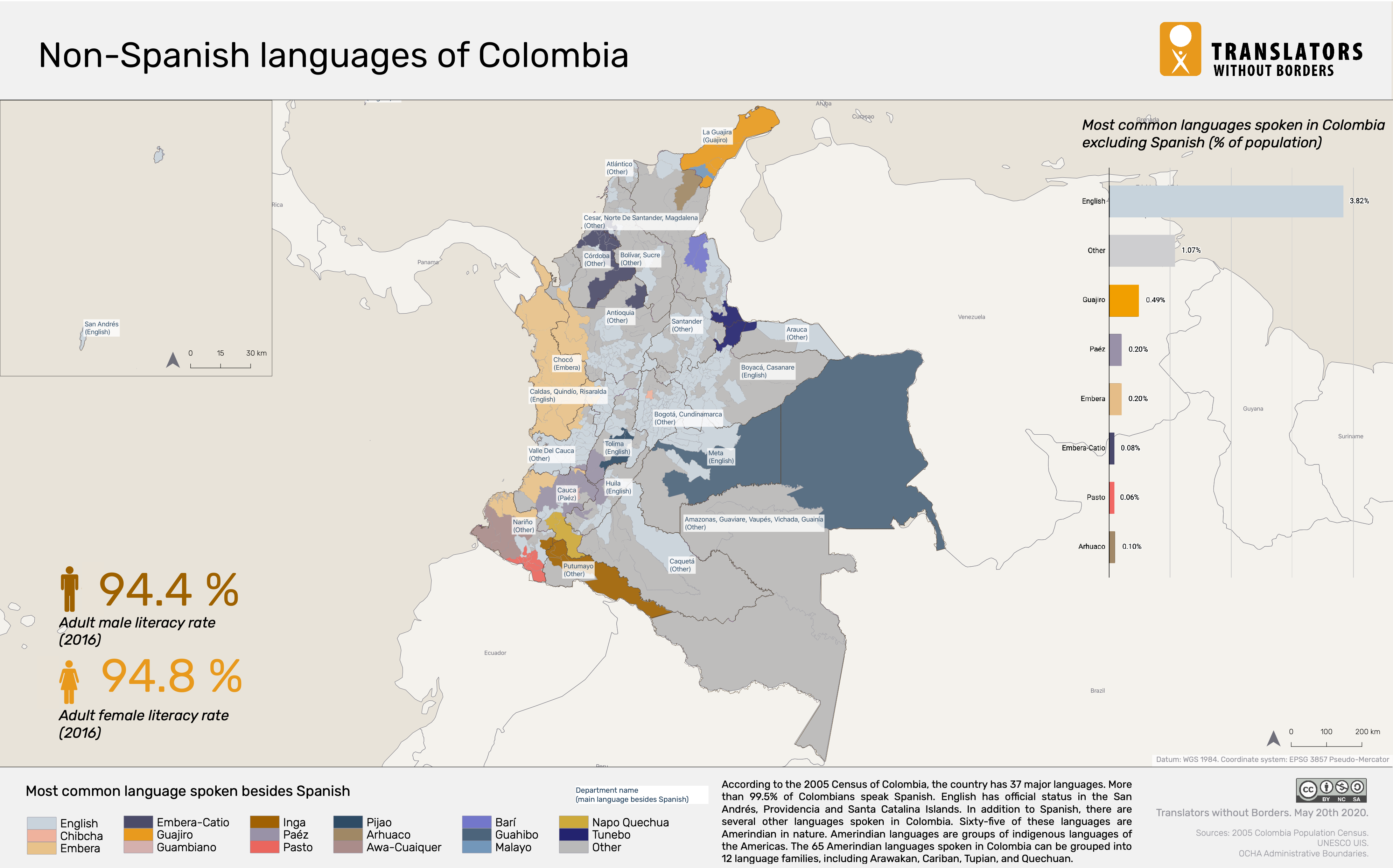
Indigenous languages, spoken by various ethnic groups, add to the linguistic richness of Colombia. These languages are an important part of the cultural heritage of indigenous communities and are recognized by the Colombian government. Efforts are being made to preserve and promote indigenous languages, ensuring their continued use and transmission to future generations.
Future of Language
The future of language in Colombia is a topic of great interest and speculation, as the country navigates the complexities of globalization, technological advancements, and cultural shifts. While Spanish remains the dominant language, the linguistic landscape is constantly evolving, presenting both challenges and opportunities for the preservation and promotion of linguistic diversity.
Technological Influence
Technology is a major force shaping the future of language in Colombia. The widespread use of social media, instant messaging, and other digital platforms has led to the emergence of new slang, abbreviations, and communication styles. These informal language forms are particularly popular among younger generations and are influencing the way language is used in everyday conversation and even in formal settings.
Additionally, advancements in artificial intelligence and machine translation are creating new possibilities for language learning and communication. While these technologies have the potential to break down language barriers, they also raise concerns about the potential impact on indigenous languages and the preservation of linguistic diversity.
Globalization and Cultural Shifts
Globalization is another significant factor influencing the future of language in Colombia. The increased interconnectedness of the world has led to greater exposure to foreign languages and cultures. This has resulted in the adoption of loanwords and phrases from other languages, as well as the emergence of hybrid language forms that blend elements of Spanish with other languages.
Cultural shifts, such as increased migration and the growing popularity of international media, are also contributing to the changing language landscape. The arrival of migrants from other Spanish-speaking countries has introduced new dialects and variations to the Colombian language. Similarly, the consumption of foreign media, such as movies and TV shows, is exposing Colombians to different accents and ways of speaking.
Preservation of Indigenous Languages
The preservation of indigenous languages is a major concern in Colombia, where there are over 60 indigenous languages spoken. These languages are an important part of the cultural heritage of the country and play a vital role in the identity of indigenous communities.
However, many indigenous languages are facing extinction due to factors such as assimilation, lack of education, and discrimination.
Efforts are underway to revitalize and preserve indigenous languages in Colombia. These efforts include the creation of bilingual education programs, the development of language materials, and the promotion of indigenous culture and traditions.
Role of Language in Colombian Identity
Language plays a crucial role in shaping Colombian identity. Spanish is the official language of the country and is spoken by the vast majority of the population. However, there are also significant regional variations in the way Spanish is spoken, reflecting the country’s diverse cultural and geographic heritage.
The use of indigenous languages and other minority languages also contributes to the richness and diversity of Colombian identity. These languages represent the unique cultural perspectives and traditions of different communities and help to foster a sense of national unity and cultural exchange.
Q&A
What is the official language of Colombia?
Spanish is the official language of Colombia.
How many indigenous languages are spoken in Colombia?
There are over 60 indigenous languages spoken in Colombia.
What is the most widely spoken indigenous language in Colombia?
Wayuunaiki is the most widely spoken indigenous language in Colombia, with over 400,000 speakers.
What is the influence of foreign languages on Colombian Spanish?
Colombian Spanish has been influenced by a variety of foreign languages, including English, French, and Arabic.
