What language do people in Egypt speak? The answer is not as simple as one might think. Egypt is a country with a rich linguistic history, and the languages spoken there reflect the country’s diverse cultural heritage.
The vast majority of Egyptians speak Arabic. However, there are also a number of minority languages spoken in Egypt, including Coptic, Berber, and Nubian. These languages are spoken by small communities throughout the country, and they play an important role in Egyptian culture.
Overview of Languages Spoken in Egypt
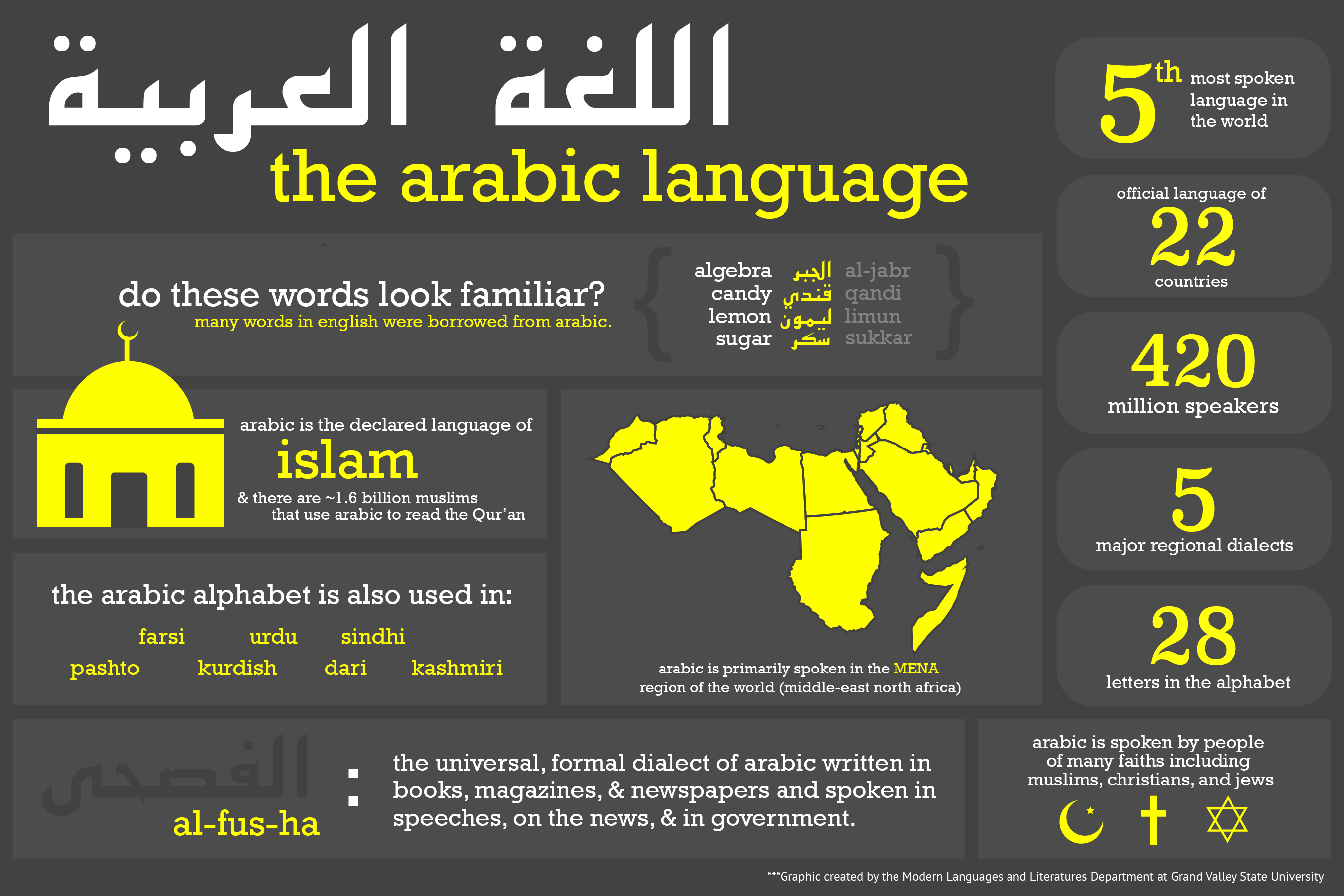
Egypt has a rich linguistic history, with various languages spoken throughout its existence. The dominant language spoken in Egypt today is Modern Standard Arabic (MSA), which is the official language of the country and is used in government, education, and the media.
MSA is a standardized form of Arabic that is based on the classical Arabic of the Quran and is understood by Arabic speakers across the Arab world.The development of MSA in Egypt can be traced back to the 7th century CE, when the Arabs conquered Egypt and introduced the Arabic language.
Over time, the Arabic language in Egypt evolved and diverged from the classical Arabic of the Quran, developing into the distinct Egyptian dialect known as Egyptian Arabic (EA). EA is the native language of most Egyptians and is widely spoken in everyday life, both in formal and informal settings.
Arabic Dialects in Egypt
Arabic is the official language of Egypt, but numerous dialects are spoken throughout the country. These dialects vary regionally, influenced by historical, geographical, and sociocultural factors.
Cairene Arabic
Cairene Arabic, spoken in Cairo and its surrounding areas, is the most widely spoken dialect in Egypt. It is considered the standard dialect and is used in education, media, and formal settings.
Alexandrian Arabic
Alexandrian Arabic, spoken in Alexandria, has unique features that distinguish it from other dialects. It is characterized by a faster pace, distinctive pronunciation, and a blend of local and foreign influences.
Sa’idi Arabic
Sa’idi Arabic, spoken in Upper Egypt, is known for its slower pace, more conservative pronunciation, and vocabulary influenced by the Coptic language.
Delta Arabic
Delta Arabic, spoken in the Nile Delta region, shares similarities with both Cairene and Sa’idi Arabic. It exhibits unique pronunciations and a vocabulary influenced by rural life.
These dialects differ in pronunciation, vocabulary, and grammar. For instance, Cairene Arabic pronounces the letter “ج” as “g” (e.g., “جمال” is pronounced “gamal”), while Alexandrian Arabic pronounces it as “zh” (e.g., “جمال” is pronounced “zhamaal”). In terms of vocabulary, Cairene Arabic uses the word “معلش” (ma’alesh) for “sorry,” while Sa’idi Arabic uses “آسف” (aasef).
Sociocultural Factors
Sociocultural factors have played a significant role in the development of these dialects. Urbanization, education, and media have influenced the spread of Cairene Arabic as the dominant dialect. Regional differences in history, geography, and economic activities have contributed to the preservation of distinct dialects.
Dialogue Examples
Cairene Arabic:“صباح الخير يا حبيبي، إزيك النهاردة؟””صباح النور يا روحي، الحمد لله كويس” Alexandrian Arabic:“صباح الفل يا حبيبي، عاملة إيه النهاردة؟””صباح الورد يا قلبي، الحمد لله كويسة” Sa’idi Arabic:“صباح الخير يا حبيبي، كيفك النهاردة؟””صباح النور يا روحي، الحمد لله تمام”
Dialect Comparison Table
| Dialect | Region Spoken | Pronunciation Differences | Vocabulary Differences | Grammar Differences |
|---|---|---|---|---|
| Cairene Arabic | Cairo and surrounding areas | Pronounces “ج” as “g” | Uses “معلش” for “sorry” | Employs the past tense with “كان” |
| Alexandrian Arabic | Alexandria | Pronounces “ج” as “zh” | Uses “آسف” for “sorry” | Uses the present tense with “بيكون” |
| Sa’idi Arabic | Upper Egypt | Pronounces “ج” as “j” | Uses “آسف” for “sorry” | Employs the past tense with “كان” |
| Delta Arabic | Nile Delta region | Shares pronunciations with Cairene and Sa’idi Arabic | Uses both “معلش” and “آسف” for “sorry” | Employs both the past tense with “كان” and the present tense with “بيكون” |
Current Status and Trends
Arabic dialects in Egypt continue to evolve, influenced by factors such as standard Arabic, globalization, and technology. Standard Arabic remains the official language for formal settings, but dialects are widely used in daily life and popular culture. Globalization and technology have facilitated the spread of certain dialects, particularly Cairene Arabic, through media and social media.
Efforts are being made to preserve and revitalize local dialects, recognizing their cultural and linguistic significance. Initiatives include dialect-specific dictionaries, educational programs, and cultural events that promote the use of dialects.
Minority Languages in Egypt
Besides Arabic, there are several minority languages spoken in Egypt. These languages have a limited number of speakers and are mostly spoken in specific regions or communities.
The most significant minority languages in Egypt include Coptic, Berber, and Nubian. Coptic is a liturgical language of the Coptic Orthodox Church and is used in religious services and ceremonies. Berber is spoken by the Berber community in the western desert of Egypt, while Nubian is spoken by the Nubian community in southern Egypt.
Coptic
- Coptic is a liturgical language of the Coptic Orthodox Church.
- It is used in religious services and ceremonies.
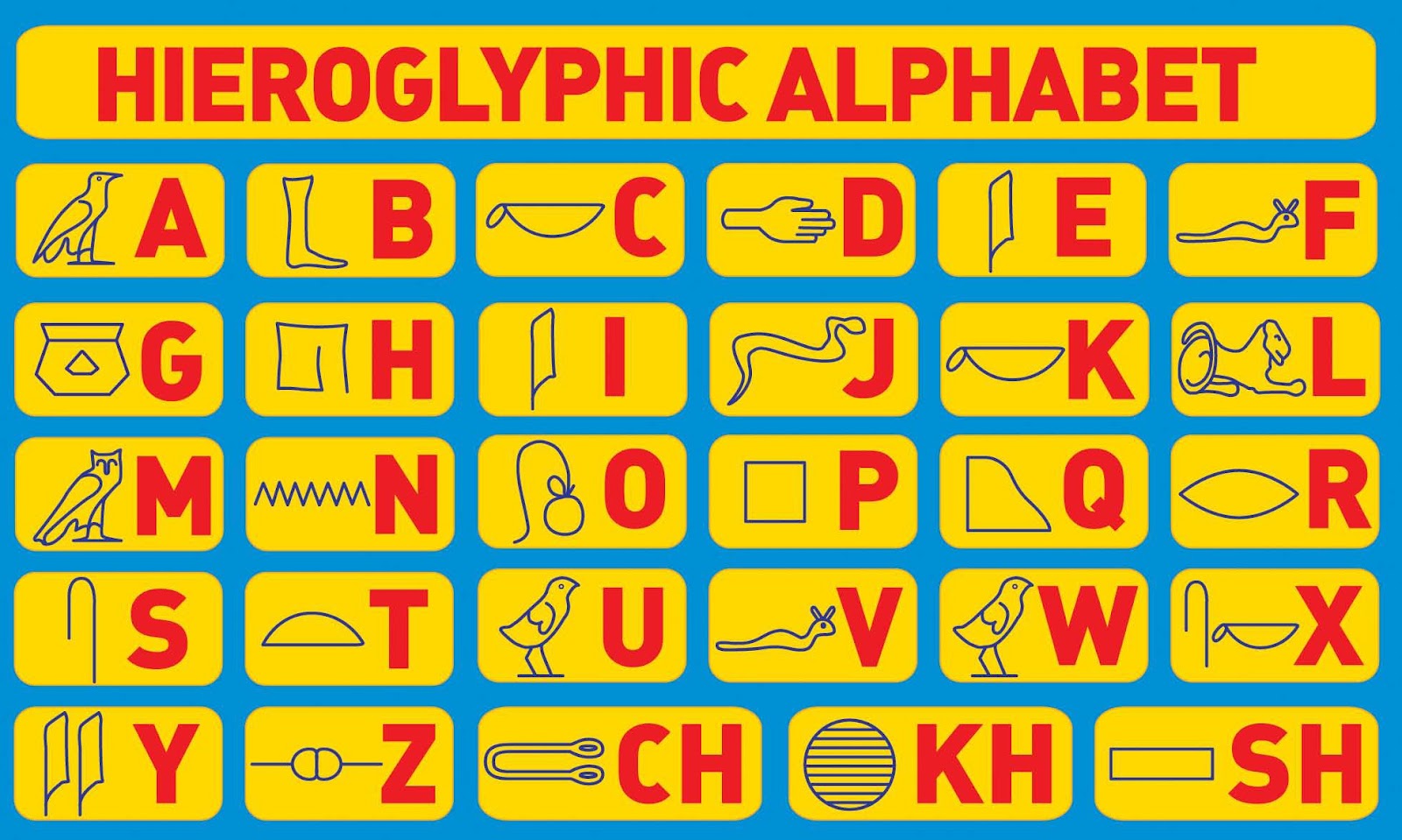
- Coptic is a descendant of the ancient Egyptian language.
Berber
- Berber is spoken by the Berber community in the western desert of Egypt.
- It is a Berber language closely related to the Berber languages spoken in North Africa.
- The Berber community in Egypt is estimated to be around 100,000 people.
Nubian
- Nubian is spoken by the Nubian community in southern Egypt.
- It is a Nilo-Saharan language closely related to the Nubian languages spoken in Sudan.
- The Nubian community in Egypt is estimated to be around 500,000 people.
Influence of Other Languages on Egyptian Arabic: What Language Do People In Egypt Speak
Egyptian Arabic, like many other languages, has been influenced by various other languages throughout its history. The most significant influences come from English, French, and Turkish.
Loanwords and Phrases, What language do people in egypt speak
One of the most noticeable influences of other languages on Egyptian Arabic is the incorporation of loanwords and phrases. These words and phrases are typically borrowed from English, French, or Turkish and have been adapted to fit the phonology and grammar of Egyptian Arabic.
- English: Arabiyya(car), bus, computer
- French: asansur(elevator), balkon(balcony), metro(subway)
- Turkish: baklava(pastry), kahve(coffee), lokma(doughnut)
The incorporation of loanwords and phrases has enriched the vocabulary of Egyptian Arabic and reflects the country’s historical and cultural interactions with other nations.
– Describe the use of different languages in various domains, such as education, government, media, and business.
The use of different languages in Egypt varies depending on the domain, influenced by factors such as official status, cultural heritage, and practicality. In education, Arabic is the primary language of instruction from primary to university levels. English is also taught as a second language from a young age, reflecting its importance in international communication and higher education.
In government, Arabic is the official language used in all official documents, speeches, and proceedings. However, English is often used in international relations and diplomatic contexts. In the media, both Arabic and English are widely used. Arabic dominates print media, television, and radio, while English is more prevalent in international news outlets and specialized publications.
The official language of Egypt is Modern Standard Arabic, although Egyptian Arabic is the widely spoken colloquial language. For those interested in learning how to communicate without words, how to say stop in sign language is a valuable resource. Returning to the topic of Egyptian languages, Coptic, a descendant of the ancient Egyptian language, is still used in the liturgy of the Coptic Orthodox Church.
In business, the choice of language depends on the target audience and the nature of the transaction. Arabic is commonly used in domestic transactions and local businesses. English is often used in international business, particularly in sectors such as finance, tourism, and technology.
Education
- Primary and secondary education: Arabic is the primary language of instruction, with English taught as a second language.
- Higher education: Arabic is the official language of instruction, with English often used in international programs and research.
- International schools: English is the primary language of instruction, with Arabic taught as a second language.
Government
- Official documents: Arabic is the official language used in all official documents, including laws, regulations, and government communications.
- Speeches and proceedings: Arabic is the primary language used in official speeches, parliamentary debates, and government meetings.
- International relations: English is often used in international relations and diplomatic contexts, particularly in written communication and negotiations.
Media
- Print media: Arabic dominates print media, including newspapers, magazines, and books.
- Television and radio: Arabic is the primary language used in television and radio broadcasting, with some English-language programming available.
- International news outlets: English is more prevalent in international news outlets and specialized publications, such as scientific journals and business magazines.
Business
- Domestic transactions: Arabic is commonly used in domestic transactions and local businesses, including retail, services, and small-scale manufacturing.
- International business: English is often used in international business, particularly in sectors such as finance, tourism, and technology, where communication with international partners is essential.
- Contracts and legal documents: Both Arabic and English are often used in contracts and legal documents, depending on the nature of the transaction and the parties involved.
Language Policy and Planning in Egypt

The Egyptian government plays a significant role in promoting and regulating language use within the country. It recognizes Arabic as the official language and has implemented policies to ensure its widespread use in education, government, media, and business. To preserve and revitalize minority languages, the government has also initiated programs to support their use in education and cultural activities.
Initiatives for Minority Languages
Egypt has several initiatives aimed at preserving and revitalizing minority languages. These include:
- Education:The government has introduced programs to teach minority languages in schools, particularly in areas where they are spoken by significant populations.
- Cultural Activities:The government supports cultural events, festivals, and media programs that promote minority languages and cultures.
- Research and Documentation:The government funds research projects to document and preserve minority languages, including their grammar, vocabulary, and usage.
These initiatives aim to ensure that minority languages remain an integral part of Egyptian society and contribute to the country’s cultural diversity.
Language Education in Egypt
Egypt’s language education system prioritizes Arabic language instruction from primary to university levels. English is also widely taught as a second language, with its significance increasing in higher education and professional domains. Other foreign languages, such as French, German, and Spanish, are offered as elective courses in some schools and universities.
Challenges and Opportunities in Language Education
One of the challenges in language education in Egypt is the need to improve the quality of teaching, particularly in English. Many students struggle with fluency and comprehension, highlighting the need for more effective teaching methodologies and resources. Additionally, the integration of technology into language learning can enhance student engagement and language acquisition.Opportunities for language education in Egypt include the growing demand for skilled professionals with proficiency in multiple languages.
The country’s tourism industry and international business ties create a need for individuals who can communicate effectively with global audiences. Moreover, the government’s focus on improving education standards presents an opportunity to enhance language education programs and promote linguistic diversity.
Language and Cultural Identity
Language plays a pivotal role in shaping and reflecting the cultural identity of Egypt. The Arabic dialect spoken in Egypt, known as Egyptian Arabic, is deeply intertwined with the country’s history, traditions, and beliefs. It is a rich and expressive language that captures the unique spirit of Egyptian culture.
Intertwined Language and Culture
Specific words and phrases in Egyptian Arabic reflect cultural values and beliefs. For instance, the word “sharaf” carries significant weight, encompassing honor, dignity, and reputation. The phrase “ma’a as-salama” (literally, “with peace”) is not merely a farewell but also conveys a sense of safety and well-being.
The official language of Egypt is Modern Standard Arabic, a literary form of Arabic used throughout the Arab world. However, the majority of Egyptians speak Egyptian Arabic, a dialect of Arabic that is distinct from Modern Standard Arabic. Just like how Egyptian Arabic is different from Modern Standard Arabic, the language spoken in Russia is different from the literary form of Russian, which is also known as Standard Russian.
Preservation of Cultural Heritage
Egyptian language plays a crucial role in preserving and transmitting the country’s cultural heritage. Oral traditions, such as storytelling and poetry, have been passed down through generations, preserving ancient customs, beliefs, and legends. Written texts, including religious scriptures, literary works, and historical accounts, provide a rich source of knowledge about Egyptian history and culture.
Influence on Perception and Interaction
Language influences the way Egyptians perceive and interact with the world around them. The use of certain words and phrases shapes their understanding of social norms, family relationships, and religious beliefs. It also influences their communication style, which is often characterized by warmth, expressiveness, and a sense of humor.
Impact of Globalization and Modernization
Globalization and modernization have had a complex impact on the relationship between language and cultural identity in Egypt. While English has gained prominence in certain domains, such as education and business, Egyptian Arabic remains the dominant language of daily life and cultural expression.
The internet and social media have also played a role in shaping language use, introducing new words and phrases into the Egyptian Arabic lexicon.
Language and Social Stratification
In Egypt, language plays a significant role in social stratification. Language use can indicate social status, education level, and regional origin.
The most prestigious variety of Arabic in Egypt is Modern Standard Arabic (MSA), which is the official language of the country and is used in formal settings such as education, government, and the media. However, the vast majority of Egyptians speak a variety of colloquial Arabic known as Egyptian Arabic (EA), which is used in everyday conversation and informal settings.
Dialect Variation
There is a great deal of dialect variation within Egyptian Arabic. The dialects spoken in different regions of the country can vary significantly in terms of pronunciation, vocabulary, and grammar. This variation can be a source of social differentiation, as people from different regions may be perceived as being from different social classes.
Education and Social Status
The level of education a person has can also be reflected in their language use. People with higher levels of education are more likely to speak MSA, while those with lower levels of education are more likely to speak EA.
This is because MSA is the language of instruction in schools and universities, and people who have had more education are more likely to have been exposed to it.
Social Class and Language Use
Language use can also be a marker of social class. People from higher social classes are more likely to speak MSA, while people from lower social classes are more likely to speak EA. This is because MSA is associated with power and prestige, while EA is associated with the working class.
Language and Gender
Language use in Egypt is influenced by gender, reflecting the cultural and social norms that shape communication patterns and relationships between men and women.
Verbal Communication
In verbal communication, men and women in Egypt exhibit distinct linguistic styles. Men tend to use more assertive and direct language, while women often adopt a more indirect and polite approach. This difference is influenced by gender roles and expectations, where men are perceived as dominant and authoritative, while women are expected to be submissive and deferential.
Nonverbal Communication
Nonverbal communication also reflects gender differences in Egypt. Men are more likely to use expansive gestures and maintain direct eye contact, conveying a sense of confidence and dominance. Women, on the other hand, often use smaller gestures and avert their gaze, reflecting societal expectations of modesty and humility.
Cultural and Social Factors
These linguistic differences are rooted in cultural and social factors. Gender norms in Egypt assign different roles and responsibilities to men and women, influencing their communication styles. Stereotypes also play a role, with men being associated with strength and assertiveness, while women are seen as gentle and nurturing.
Impact on Communication and Relationships
The differences in language use between men and women in Egypt can impact communication patterns and relationships. The assertive style of men can sometimes be perceived as aggressive by women, while the indirect approach of women may be interpreted as evasive or unassertive by men.
These differences can lead to misunderstandings and communication barriers, potentially affecting relationships between the sexes.
Language and Technology

The rapid advancement of technology has significantly impacted language use in Egypt, particularly with the rise of online communication and social media platforms. These digital spaces have become fertile ground for linguistic innovation and transformation.
Impact on Language Use
- Vocabulary Expansion:Technology has introduced a plethora of new terms and concepts, enriching the Egyptian vocabulary. Words like “internet,” “smartphone,” and “hashtag” have become commonplace.
- Grammatical Changes:Online communication often employs abbreviated forms and informal language, influencing the grammar of spoken and written Arabic. For instance, the use of emojis and abbreviations has become widespread.
- Syntax Modification:The brevity and immediacy of online communication have led to the emergence of new syntactic structures. Short sentences, fragmented phrases, and the use of hashtags are now common.
Preservation and Transmission
Technology has also played a crucial role in preserving and transmitting the Egyptian language. Online platforms and digital archives have become repositories for historical texts, literary works, and oral traditions. Social media has enabled the dissemination of Egyptian literature and cultural content to a wider audience.
Future of the Egyptian Language
As technology continues to evolve, its impact on the Egyptian language is likely to intensify. We can expect further vocabulary expansion, grammatical changes, and the emergence of new linguistic norms. Technology may also facilitate the development of new forms of language learning and communication, fostering the preservation and evolution of the Egyptian language in the digital age.
Language and the Media
The media plays a pivotal role in shaping language use in Egypt. Television, radio, and print media have a profound influence on language norms and standards. They can introduce new words and phrases into the language, and they can also influence the way that people pronounce words and construct sentences.
Television
Television is one of the most influential media outlets in Egypt. It reaches a wide audience, and it can have a significant impact on the way that people speak. Television programs often feature characters who use non-standard forms of Arabic, and this can lead viewers to adopt these forms in their own speech.
For example, the popular soap opera “Al-Ahd” has been credited with popularizing the use of the word “yalla” (let’s go) in Egyptian Arabic.
Radio
Radio is another important media outlet in Egypt. It is particularly popular among young people, and it can be a powerful force for linguistic change. Radio DJs often use slang and colloquialisms in their speech, and this can influence the way that listeners speak.
For example, the popular radio host Ahmed Helmy is known for his use of the word “kheda” (cool) in his speech, and this word has become increasingly popular among young Egyptians.
Print media
Print media, such as newspapers and magazines, can also influence language use in Egypt. Newspapers often publish articles on language and usage, and these articles can help to shape public opinion about what is considered to be correct and incorrect language.
Magazines often feature articles on popular culture, and these articles can introduce new words and phrases into the language. For example, the popular magazine “El-Dostour” has been credited with popularizing the use of the word “selfie” in Egyptian Arabic.
Social media
Social media is a relatively new phenomenon in Egypt, but it is already having a significant impact on language use. Social media platforms, such as Facebook and Twitter, allow users to communicate with each other in a variety of ways, and this can lead to the spread of new words and phrases.
For example, the popular Facebook group “Egyptian Arabic Language Group” has been credited with popularizing the use of the word “shateer” (smart) in Egyptian Arabic.
Conclusion
The media plays a vital role in shaping language use in Egypt. Television, radio, print media, and social media all have a significant impact on the way that people speak. The media can introduce new words and phrases into the language, and it can also influence the way that people pronounce words and construct sentences.
– Discuss the origins and development of the Arabic language in Egypt.
The Arabic language has a rich and long history in Egypt, dating back to the 7th century CE when Arab armies conquered the region. The Arabic language quickly became the official language of Egypt, and it has remained so ever since.
Over the centuries, the Arabic language in Egypt has undergone a number of changes, and it has developed a number of unique features that distinguish it from other dialects of Arabic.
One of the most significant factors that has influenced the development of the Arabic language in Egypt is the country’s geographic location. Egypt is located at the crossroads of Africa and Asia, and it has been a melting pot of cultures for centuries.
This has led to the incorporation of a number of foreign words and phrases into the Arabic language in Egypt. For example, the Arabic word for “bread” is “khubz,” which is derived from the Persian word “khubz.” The Arabic word for “rice” is “ruz,” which is derived from the Greek word “oryza.” These are just a few examples of the many foreign words that have been incorporated into the Arabic language in Egypt.
Language and the Arts
Language plays a pivotal role in various art forms, contributing to the expression and interpretation of artistic works. It serves as a medium through which artists convey their ideas, emotions, and perspectives, and audiences engage with and make sense of the artistic creation.
Music
In music, lyrics and melodies intertwine to create a powerful emotional impact. Lyrics provide a narrative or poetic framework, conveying themes, emotions, and stories. The interplay of words and music enhances the expressive range of the song, allowing artists to explore complex ideas and evoke vivid imagery.
Theater
In theater, language is the primary tool for characterization, dialogue, and storytelling. Playwrights use language to create distinct voices and personalities for their characters, revealing their motivations, conflicts, and relationships. Dialogue drives the plot forward, conveying information, advancing the action, and creating dramatic tension.
Film
In film, language contributes to the narrative, character development, and overall atmosphere. Dialogue not only conveys information but also establishes relationships, reveals characters’ inner thoughts, and creates a sense of place and time. Subtitles and dubbing play a crucial role in making films accessible to global audiences, bridging language barriers and allowing viewers to engage with the story and characters.
– the potential impact of globalization on the use and preservation of Egyptian Arabic.
Globalization is a complex process that has far-reaching implications for societies and cultures around the world. One of the potential impacts of globalization is on the use and preservation of local languages. In Egypt, the spread of global media, the increasing use of English in international communication, and the growing interconnectedness of the world are all factors that could potentially impact the use and preservation of Egyptian Arabic.
On the one hand, globalization can lead to the spread of dominant languages such as English, which can marginalize local languages. This can happen through the media, education, and business. For example, the increasing use of English in international communication means that many Egyptians are now learning English as a second language.
This can lead to a decrease in the use of Egyptian Arabic, especially among younger generations.
On the other hand, globalization can also lead to the revitalization of local languages. This can happen when people become more aware of the importance of their own culture and language. For example, the spread of global media has made it easier for Egyptians to access content in their own language.
This can help to promote the use of Egyptian Arabic and to ensure its survival.
Role of technology in shaping language use and development in Egypt
Technology is playing an increasingly important role in shaping language use and development in Egypt. The spread of mobile phones and the internet has made it easier for people to communicate with each other in different languages. This has led to a greater mixing of languages, and to the development of new forms of language use.
For example, many Egyptians now use Arabic and English in the same conversation, and they often use new words and phrases that are not found in either language.
Technology is also making it easier for people to learn new languages. There are now many online resources that can help people to learn Arabic, and there are also many apps that can help people to practice speaking and listening to the language.
This is making it easier for people to learn Arabic, and it is helping to promote the use of the language.
Frequently Asked Questions
What is the official language of Egypt?
The official language of Egypt is Arabic.
What are the most common minority languages spoken in Egypt?
The most common minority languages spoken in Egypt are Coptic, Berber, and Nubian.
How many people speak Coptic in Egypt?
There are an estimated 250,000 Coptic speakers in Egypt.
Is Berber spoken in Egypt?
Yes, Berber is spoken in Egypt. There are an estimated 100,000 Berber speakers in Egypt.
Is Nubian spoken in Egypt?
Yes, Nubian is spoken in Egypt. There are an estimated 150,000 Nubian speakers in Egypt.
