What language they speak in egypt – Delving into the linguistic tapestry of Egypt, this comprehensive exploration unveils the fascinating array of languages that have shaped its rich history and vibrant culture. From the enigmatic hieroglyphics of ancient pharaohs to the melodious Arabic dialects spoken today, we embark on a journey that unravels the complexities and nuances of Egyptian language.
As the official language, Arabic reigns supreme in Egypt, its various dialects reflecting the country’s diverse regional identities. Yet, amidst the dominance of Arabic, other languages, such as Nubian and Berber, whisper tales of Egypt’s rich cultural heritage. The influence of English and French, remnants of colonial past, further adds to the linguistic tapestry, shaping the way Egyptians communicate and connect with the world.
Language of Ancient Egypt

The ancient Egyptians developed a complex and sophisticated writing system that played a vital role in their civilization. This system, known as hieroglyphics, was used for both religious and secular purposes and served as a means of communication, record-keeping, and artistic expression.
Hieroglyphics
Hieroglyphics were a system of writing that used a combination of logographic, syllabic, and alphabetic signs. Logographic signs represented entire words or concepts, while syllabic signs represented individual syllables. Alphabetic signs were used to represent individual consonants.
Hieroglyphics were typically carved into stone or painted onto papyrus. They were used for a variety of purposes, including religious texts, royal decrees, and historical accounts.
Coptic
Coptic is a late stage of the ancient Egyptian language that was used by the Coptic Christians of Egypt. Coptic developed from the Demotic script, which was a simplified form of hieroglyphics. Coptic was written using a modified Greek alphabet, with the addition of some additional letters to represent sounds that did not exist in Greek.
Coptic was used for both religious and secular purposes. It was the language of the Coptic Church, and it was also used for administrative and legal documents. Coptic continued to be used in Egypt until the 17th century, when it was gradually replaced by Arabic.
Modern Language: Arabic
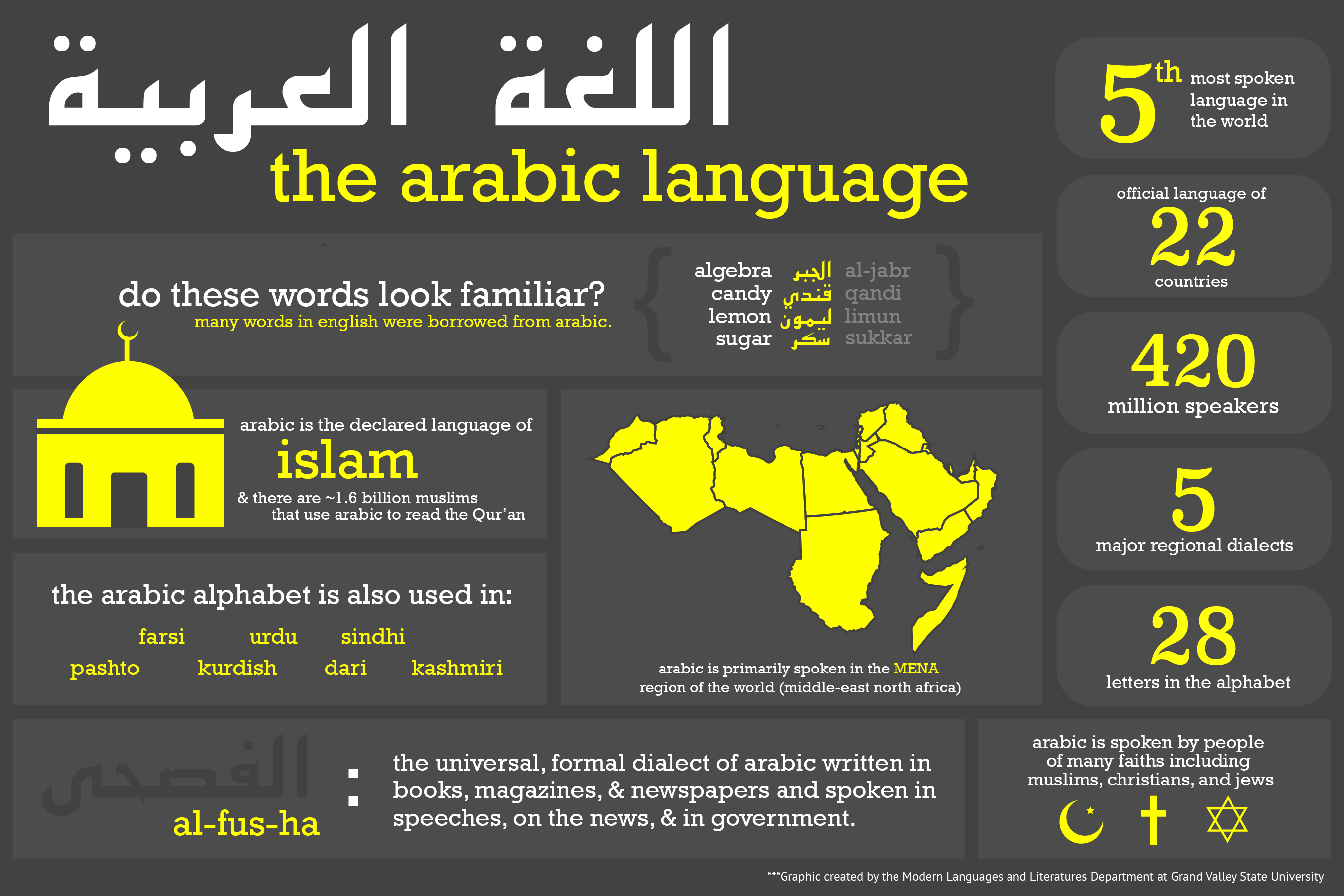
Arabic is the official language of Egypt and is widely spoken throughout the country. It is a Semitic language closely related to Hebrew and Aramaic. There are several dialects of Arabic spoken in Egypt, with the most common being Egyptian Arabic.
Prevalence of Arabic as the Official Language
Arabic is the language of government, education, media, and business in Egypt. It is used in all official documents, laws, and regulations. All official communications, including those from the government, are conducted in Arabic.
Various Dialects Spoken in Egypt
There are many dialects of Arabic spoken in Egypt, with the most common being Egyptian Arabic, also known as Masri. Other dialects include Sa’idi Arabic, spoken in Upper Egypt, and Bedouin Arabic, spoken by the Bedouin people of the Sinai Peninsula.
Challenges of Learning Arabic as a Non-Native Speaker
Learning Arabic as a non-native speaker can be challenging. The language has a complex grammar, with many verb forms and noun declensions. The Arabic alphabet is also different from the Latin alphabet, which can make it difficult for non-native speakers to read and write.
Key Differences between Modern Standard Arabic and Egyptian Arabic
| Feature | Modern Standard Arabic | Egyptian Arabic |
|---|---|---|
| Pronunciation | More formal and precise | More relaxed and colloquial |
| Grammar | More complex | Simpler |
| Vocabulary | More literary | More colloquial |
Cultural Significance of Arabic in Egypt, What language they speak in egypt
Arabic is deeply ingrained in Egyptian culture. It is the language of literature, poetry, music, and art. It is also the language of religion, as the Quran is written in Arabic. Arabic is a source of great pride for Egyptians, and it is seen as a symbol of their national identity.
Resources for Learning Arabic
- Language Courses: Many universities and language schools offer Arabic language courses.
- Apps: There are several apps available for learning Arabic, such as Duolingo and Babbel.
- Online Materials: There are many online resources available for learning Arabic, such as the ArabicPod101 website and the Memrise app.
Short Dialogue in Egyptian Arabic
Here is a short dialogue in Egyptian Arabic, with a translation into English:
Arabic:ايه الحكاية يا عم؟
English:What’s up, dude?
Arabic:مفيش حاجة، الحمد لله.
English:Nothing, thank God.
Other Languages Spoken
In addition to Arabic, there are several minority languages spoken in Egypt, including Nubian and Berber. These languages have rich historical and cultural significance and continue to be used by communities throughout the country.
Nubian Languages
Nubian languages are a group of Nilo-Saharan languages spoken by the Nubian people, who have historically inhabited the region of Nubia, which now spans southern Egypt and northern Sudan. The two main Nubian languages are Old Nubian and Modern Nubian, which are spoken by approximately 700,000 people.
Old Nubian, also known as Nobiin, was the official language of the Kingdom of Nubia from the 6th to the 15th centuries AD. It is a liturgical language still used in the Coptic Orthodox Church. Modern Nubian, also known as Midob, is a collection of dialects spoken in various parts of Nubia.
It is used in everyday communication, education, and local government.
Berber Languages
Berber languages are a group of Afro-Asiatic languages spoken by the Berber people, who are indigenous to North Africa. In Egypt, Berber languages are spoken by the Siwa community in the Western Desert. The main Berber language spoken in Egypt is Siwi, which is spoken by approximately 20,000 people.
Siwi is a tonal language with a rich vocabulary and grammar. It is used in everyday communication, education, and local government. The Siwa community has a strong cultural identity and is actively working to preserve and promote its language and traditions.
Challenges and Opportunities
Speakers of minority languages in Egypt face various challenges, including language loss, discrimination, and limited access to education and resources. However, there are also opportunities for these languages to thrive and continue to play a vital role in the cultural and linguistic diversity of the country.
Efforts to revitalize and preserve minority languages in Egypt include the establishment of language schools, the development of educational materials, and the promotion of cultural events. These initiatives aim to ensure that future generations can continue to speak and use their ancestral languages.
English Influence

The British colonization of Egypt from 1882 to 1952 had a profound impact on the country’s linguistic landscape. English became the official language of administration, education, and commerce, and its influence has persisted long after Egypt’s independence.
Today, English plays a vital role in Egyptian society. It is the primary language of instruction in many universities and schools, and it is widely used in business and government. English proficiency is seen as a key to economic and social advancement, and many Egyptians are eager to learn the language.
Impact on Local Languages and Cultures
The widespread use of English in Egypt has had a significant impact on local languages and cultures. Many Egyptian words and phrases have been borrowed from English, and English has become the preferred language for communication in many urban areas.
However, the influence of English has not been entirely positive. Some critics argue that the dominance of English has led to a decline in the use of Arabic, the official language of Egypt. Others worry that the spread of English is eroding traditional Egyptian culture.
English as a Lingua Franca
Despite these concerns, English has become an indispensable part of Egyptian society. It is the lingua franca of the region, and it is used for communication between Egyptians and people from other countries.
English proficiency is seen as a valuable asset in the global economy, and many Egyptians are investing in English language education. The demand for English language teachers is high, and there are many opportunities for Egyptians to learn English.
Challenges and Opportunities
The widespread use of English in Egypt presents both challenges and opportunities. On the one hand, it can be difficult for Egyptians who do not speak English to participate fully in society.
On the other hand, English proficiency can open up new opportunities for Egyptians. It can lead to better jobs, higher salaries, and greater access to information and culture.
The Egyptian government is committed to promoting English language education, and there are many programs available to help Egyptians learn English. The government is also working to ensure that Arabic remains the official language of Egypt.
French Influence
French influence on the Egyptian language can be attributed to the historical ties between Egypt and France, particularly during the 19th and early 20th centuries. French cultural and educational institutions played a significant role in shaping Egyptian society, leading to the adoption of French loanwords and expressions in the Egyptian language.
French Loanwords and Expressions
French loanwords in Egyptian Arabic often relate to concepts and objects introduced during the French occupation, such as:
- Metro(ميترو) – subway
- Tram(ترام) – streetcar
- Aspirine(أسبيرين) – aspirin
- Television(تلفزيون) – television
- Bureau(مكتب) – office
French expressions have also been incorporated into Egyptian Arabic, such as:
- “Ça va?”(كده؟) – How are you?
- “À la mode”(ألا مود) – fashionable
- “Au revoir”(أوريفوار) – goodbye
Language in Education
In Egypt, the language of instruction in schools and universities is primarily Arabic, the official language of the country. However, English is also widely used as a medium of instruction, particularly in higher education and in schools catering to international students.
The use of multilingual education in Egypt presents both challenges and opportunities. On the one hand, it can promote cultural diversity and understanding by exposing students to multiple languages and perspectives. On the other hand, it can also create challenges for students who may struggle to keep up with instruction in a language other than their native tongue.
Challenges of Multilingual Education
- Students may struggle to keep up with instruction in a language other than their native tongue.
- Multilingual education can be more expensive to implement than monolingual education.
- There may be a lack of qualified teachers who are proficient in multiple languages.
Opportunities of Multilingual Education
- Multilingual education can promote cultural diversity and understanding.
- It can help students to develop cognitive skills such as problem-solving and critical thinking.
- Multilingual education can provide students with a competitive advantage in the global job market.
Language in Media
The media plays a pivotal role in shaping language use and influencing public discourse. Through newspapers, television, and radio, the media disseminates information and entertainment, which inevitably carries linguistic norms and values.
Role of Media in Shaping Language Use
The media has the power to legitimize certain language forms and stigmatize others. By consistently using particular words, phrases, and grammatical structures, the media reinforces their acceptance and usage within society. Conversely, it can marginalize or even eliminate language varieties that are not frequently represented in the media.
The primary language spoken in Egypt is Modern Standard Arabic, which is the official language of the country. However, many Egyptians also speak colloquial Egyptian Arabic, which is a dialect of Modern Standard Arabic. In addition to Arabic, there are several other languages spoken in Egypt, including Coptic, Berber, and Nubian.
If you are interested in learning how to communicate with deaf people, you can find resources online that teach you how to say yes in sign language. Returning to the topic of languages spoken in Egypt, it is worth noting that English is also widely spoken in the country, especially in major cities like Cairo and Alexandria.
Impact of Media Language on Social and Cultural Norms
Media language reflects and shapes social and cultural norms. The use of euphemisms, for example, can indicate societal taboos or sensitivities. Similarly, the choice of certain words or phrases can perpetuate stereotypes or promote specific ideologies.
Ethical Implications of Media Language
The media has a responsibility to use language ethically. Biased or inflammatory language can contribute to social divisions and conflict. The media must strive for accuracy, objectivity, and inclusivity in its language use.
Role of Media Language in Shaping Political and Social Narratives
The media plays a crucial role in shaping political and social narratives. By framing issues in a particular way or using certain language, the media can influence public opinion and even determine the outcome of events.
Impact of Media Language on Language Acquisition and Development
Exposure to media language can have a significant impact on language acquisition and development. Children who consume a lot of media may adopt the language patterns and norms they encounter, which can influence their own language development.
Role of Media Language in Promoting or Hindering Cross-Cultural Communication
The media can facilitate or hinder cross-cultural communication. By providing a common platform for communication, the media can bridge cultural divides. However, it can also perpetuate stereotypes and misunderstandings if it does not accurately represent different cultures and languages.
Language and Identity: What Language They Speak In Egypt
Language plays a pivotal role in shaping and reflecting the national identity of Egypt. It serves as a powerful tool for cultural preservation and expression, fostering a sense of belonging and shared heritage among Egyptians.
The use of Arabic as the official language in Egypt has significantly influenced the country’s identity. Arabic has been instrumental in preserving the rich literary and cultural traditions of Egypt, dating back to the ancient pharaohs. Classical Arabic, the language of the Quran, holds a revered position in Egyptian society, contributing to a sense of cultural and religious unity.
Role of Language in Cultural Preservation
The preservation of Egypt’s cultural heritage is deeply intertwined with the preservation of its language. The written form of Arabic, with its intricate calligraphy and rich vocabulary, has served as a repository for Egypt’s history, literature, and religious texts. Ancient Egyptian hieroglyphics, though no longer spoken, continue to captivate scholars and provide insights into the civilization’s beliefs and practices.
The preservation of minority languages, such as Coptic and Berber, also contributes to the diversity and richness of Egyptian culture. These languages carry unique cultural and historical significance, representing the contributions of different ethnic and religious groups to Egypt’s national identity.
Language and Expression of Identity
Language provides a medium for Egyptians to express their cultural identity and connect with their heritage. Through literature, music, and art, Egyptians use language to convey their experiences, values, and aspirations. The use of colloquial Arabic, with its distinct dialects and expressions, reflects the diversity and vibrancy of Egyptian culture.
In addition to Arabic, English and French have also influenced the linguistic landscape of Egypt. English, as a global language, has gained prominence in education, business, and international communication. French, a legacy of Egypt’s colonial past, continues to be spoken by some Egyptians and is taught in schools.
Language Policy
Language policy refers to the government’s role in planning and promoting languages within its jurisdiction. It involves decisions about which languages should be used in official settings, education, and the media. Language policy can have a significant impact on language use and can be used to promote or suppress certain languages.
There are different types of language policies, including:
- Monolingual policies:These policies promote the use of a single language in all official settings.
- Bilingual policies:These policies promote the use of two languages in official settings.
- Multilingual policies:These policies promote the use of multiple languages in official settings.
The type of language policy that is adopted can have a significant impact on language use. For example, monolingual policies can lead to the decline of minority languages, while bilingual policies can help to maintain and promote them.
Language policy can also have ethical implications. For example, policies that suppress minority languages can be seen as a form of cultural oppression. Conversely, policies that promote minority languages can be seen as a way to protect and preserve cultural diversity.
In a globalized world, language policy is becoming increasingly important. As people and cultures come into contact with each other, the need for effective language policies becomes more pressing. Language policy can help to promote communication and understanding between different cultures and can help to ensure that all voices are heard.
Language and Technology
Technology has had a profound impact on language use in Egypt, particularly with the advent of social media and the internet.
Social media platforms like Facebook, Twitter, and Instagram have become ubiquitous in Egypt, and they have provided a new space for Egyptians to communicate with each other and share their thoughts and ideas. The use of social media has also led to the emergence of new forms of language, such as “chatspeak” and “emojis”.
The impact of social media and the internet
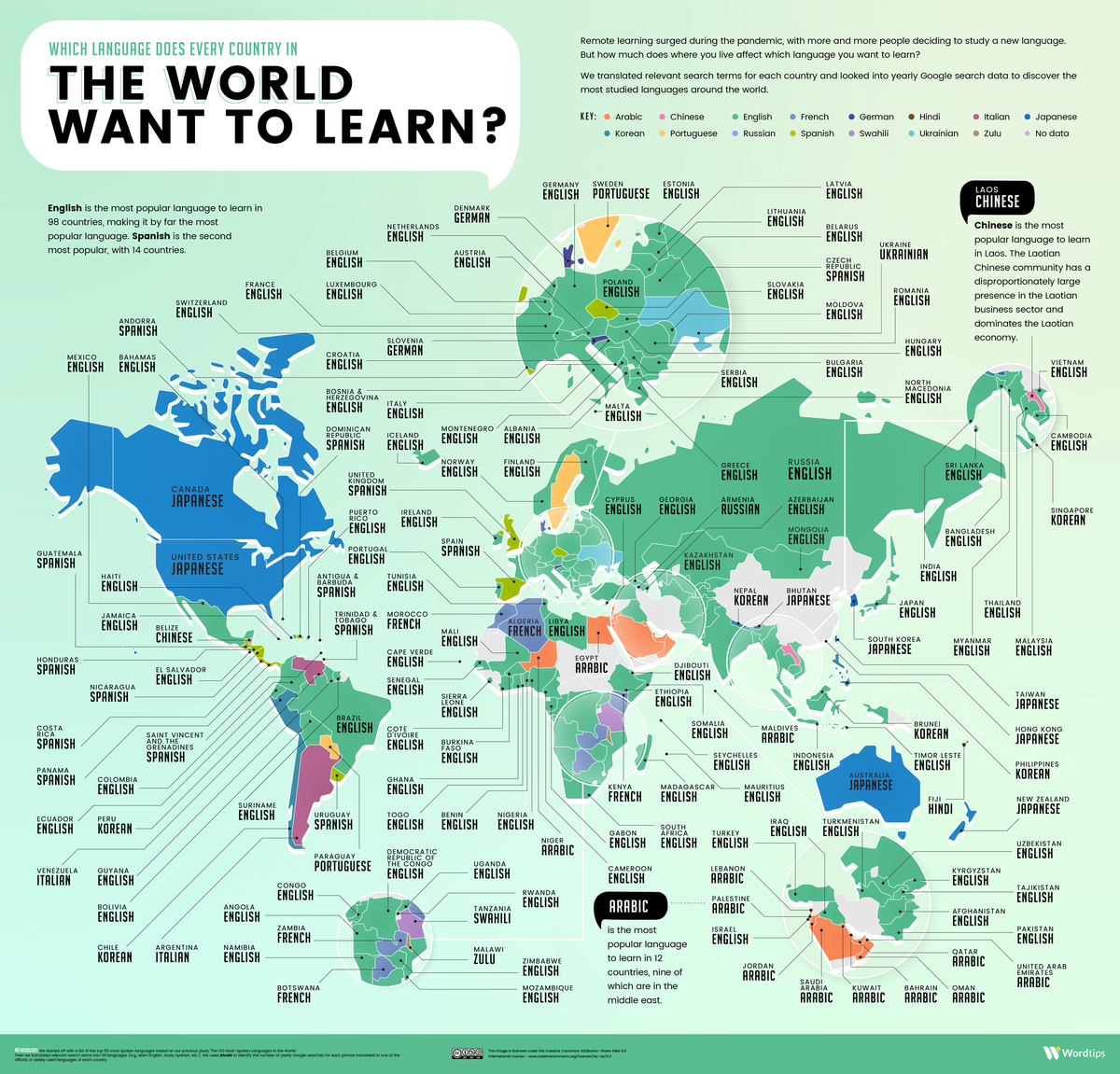
The internet has also had a major impact on language use in Egypt. The internet has made it possible for Egyptians to access a vast amount of information and to communicate with people from all over the world. This has led to an increase in the use of English in Egypt, as many websites and online resources are only available in English.
The use of technology has also had an impact on the way that Egyptians learn language. Online language learning platforms like Duolingo and Babbel have made it easier for Egyptians to learn new languages, and many schools and universities now offer online language courses.
In Egypt, the official language is Modern Standard Arabic, which is also the liturgical language of Islam. However, the majority of Egyptians speak Egyptian Arabic, a colloquial dialect that is distinct from Modern Standard Arabic. In Uzbekistan, the official language is Uzbek , a Turkic language closely related to Turkish, Azerbaijani, Kazakh, and Kyrgyz.
However, Russian is also widely spoken in Uzbekistan, particularly in urban areas.
Overall, technology has had a positive impact on language use in Egypt. It has made it easier for Egyptians to communicate with each other and with people from all over the world. It has also made it easier for Egyptians to learn new languages.
Language Learning
Language learning in Egypt has gained significant importance due to the country’s geographical location and its role as a regional hub. With a diverse population and a growing globalized economy, the demand for language proficiency has increased in recent years.
There are various methods and resources available for language learning in Egypt, including traditional classroom instruction, language immersion programs, online courses, and mobile applications. These methods cater to different learning styles and preferences, offering flexibility and accessibility.
Motivations and Challenges of Language Acquisition
The motivations for language learning in Egypt are diverse, ranging from professional advancement and academic pursuits to personal enrichment and cultural exchange. However, language acquisition also presents challenges, such as the time and effort required, the difficulty of certain languages, and the need for consistent practice.
Benefits of Language Learning for Egyptians
Learning foreign languages offers numerous benefits for Egyptians, including enhanced career opportunities, improved communication skills, increased cultural awareness, and personal fulfillment. Proficiency in multiple languages allows individuals to connect with a wider range of people, access global information and resources, and participate in international collaborations.
Language Learning Methods in Egypt
There are several language learning methods available in Egypt, each with its own advantages and disadvantages. Traditional classroom instruction remains a popular option, providing structured lessons and opportunities for interaction with teachers and peers. Language immersion programs offer an intensive experience, allowing learners to fully immerse themselves in the target language environment.
Online courses and mobile applications provide flexibility and convenience, enabling learners to study at their own pace and on their own time. These methods often incorporate interactive exercises, multimedia content, and personalized feedback.
| Method | Advantages | Disadvantages |
|---|---|---|
| Classroom Instruction | Structured lessons, teacher support, peer interaction | Fixed schedule, limited flexibility, can be less engaging |
| Language Immersion Programs | Intensive experience, full immersion in target language | Expensive, can be challenging to adjust to a new culture |
| Online Courses | Flexibility, convenience, personalized feedback | Lack of face-to-face interaction, can be less motivating |
| Mobile Applications | Accessibility, interactive exercises, gamification | Limited depth of content, can be distracting |
Top 5 Language Learning Resources in Egypt
- American University in Cairo Language Center
- British Council Egypt
- Institut Français d’Égypte
- Rosetta Stone
- Duolingo
Role of Technology in Language Learning in Egypt
Technology has played a significant role in revolutionizing language learning in Egypt. Online platforms and mobile applications have made language learning more accessible and convenient, providing learners with a wide range of interactive and personalized resources. Additionally, language learning software and tools have been developed to assist learners with vocabulary building, grammar exercises, and pronunciation practice.
The use of technology in language learning has also facilitated the creation of online communities and forums, where learners can connect with others, share experiences, and receive support. Social media platforms have also become valuable tools for language learners, providing opportunities for language exchange and exposure to authentic content.
Cross-Cultural Communication

Cross-cultural communication involves interactions between individuals from diverse linguistic and cultural backgrounds. Effective communication across linguistic barriers presents unique challenges that require specific strategies to overcome.Understanding cultural norms, values, and communication styles is crucial. Nonverbal cues, such as gestures, facial expressions, and eye contact, can vary significantly across cultures and may lead to misunderstandings.
Additionally, language barriers can hinder the accurate transmission of messages, making it essential to employ strategies like translation and interpretation.
Role of Interpreters and Translators
Interpreters facilitate real-time verbal communication between individuals who do not share a common language. They convey spoken messages from one language to another, ensuring accurate understanding. Translators, on the other hand, work with written texts, translating documents, books, and other written materials from one language to another.
Both interpreters and translators play a vital role in bridging linguistic gaps and enabling effective cross-cultural communication.
Language and Tourism
Language plays a pivotal role in the tourism industry of Egypt. It facilitates communication between tourists and locals, enhances visitor satisfaction, and fosters economic development.
Effective language services enable tourists to navigate the country, interact with locals, and appreciate the cultural heritage of Egypt. This promotes cultural understanding and breaks down barriers, creating a more welcoming and inclusive environment for visitors.
Challenges and Opportunities in Language Services for Tourists
- Language Barriers:The primary challenge is the language barrier between tourists and locals. Many tourists do not speak Arabic, the official language of Egypt.
- Training Local Staff:Training local staff in foreign languages is crucial to bridge the language gap. This improves communication, enhances the tourist experience, and creates job opportunities for locals.
- Technology:Technology can play a significant role in overcoming language barriers. Translation apps, multilingual signage, and interactive language learning platforms can assist tourists in communicating effectively.
Successful Language Initiatives in Egyptian Tourism
- Arabic Language Classes for Tourists:Some hotels and tour operators offer Arabic language classes for tourists, allowing them to learn basic phrases and enhance their interactions with locals.
- Multilingual Tour Guides:Many tour guides in Egypt are proficient in multiple languages, including English, French, German, and Spanish, ensuring that tourists can access information and engage with the local culture in their preferred language.
- Language Learning Apps:Several language learning apps, such as Duolingo and Rosetta Stone, provide tourists with a convenient and accessible way to learn basic Arabic phrases before their trip.
Recommendations for Improving Language Accessibility and Cultural Exchange
- Expand Language Training Programs:Invest in language training programs for local staff in the tourism industry, focusing on languages commonly spoken by tourists.
- Implement Multilingual Signage:Install multilingual signage in tourist areas, providing translations of important information in major foreign languages.
- Promote Cultural Exchange Initiatives:Encourage tourists to interact with locals and participate in cultural activities that promote language learning and cultural immersion.
- Utilize Technology:Leverage technology to facilitate language learning and communication, such as through translation apps and interactive language platforms.
Questions Often Asked
What is the official language of Egypt?
Arabic
Are there any other languages spoken in Egypt besides Arabic?
Yes, minority languages such as Nubian and Berber are also spoken.
Is English widely spoken in Egypt?
Yes, English is commonly used in education, business, and tourism.
What is the significance of hieroglyphics in Egyptian history?
Hieroglyphics were the ancient writing system of Egypt, used for religious, administrative, and literary purposes.
How does language influence Egyptian national identity?
Language is closely tied to Egyptian national identity, reflecting cultural values, traditions, and a sense of belonging.
