How many words are in the Russian language? This question has intrigued scholars and language enthusiasts alike, as the vastness and richness of the Russian vocabulary is a testament to the language’s historical evolution, cultural influences, and expressive power. In this essay, we embark on an exploration of the Russian vocabulary, examining its size, structure, and the factors that have contributed to its remarkable diversity.
The Russian language boasts a vast vocabulary, estimated to contain anywhere from 150,000 to 500,000 words. This wide range reflects the challenges in determining an exact count, as the language is constantly evolving and new words are continually being added.
Nevertheless, the sheer size of the Russian vocabulary is a testament to its expressive power and the ability to convey a wide range of concepts and ideas.
Russian Language Word Count
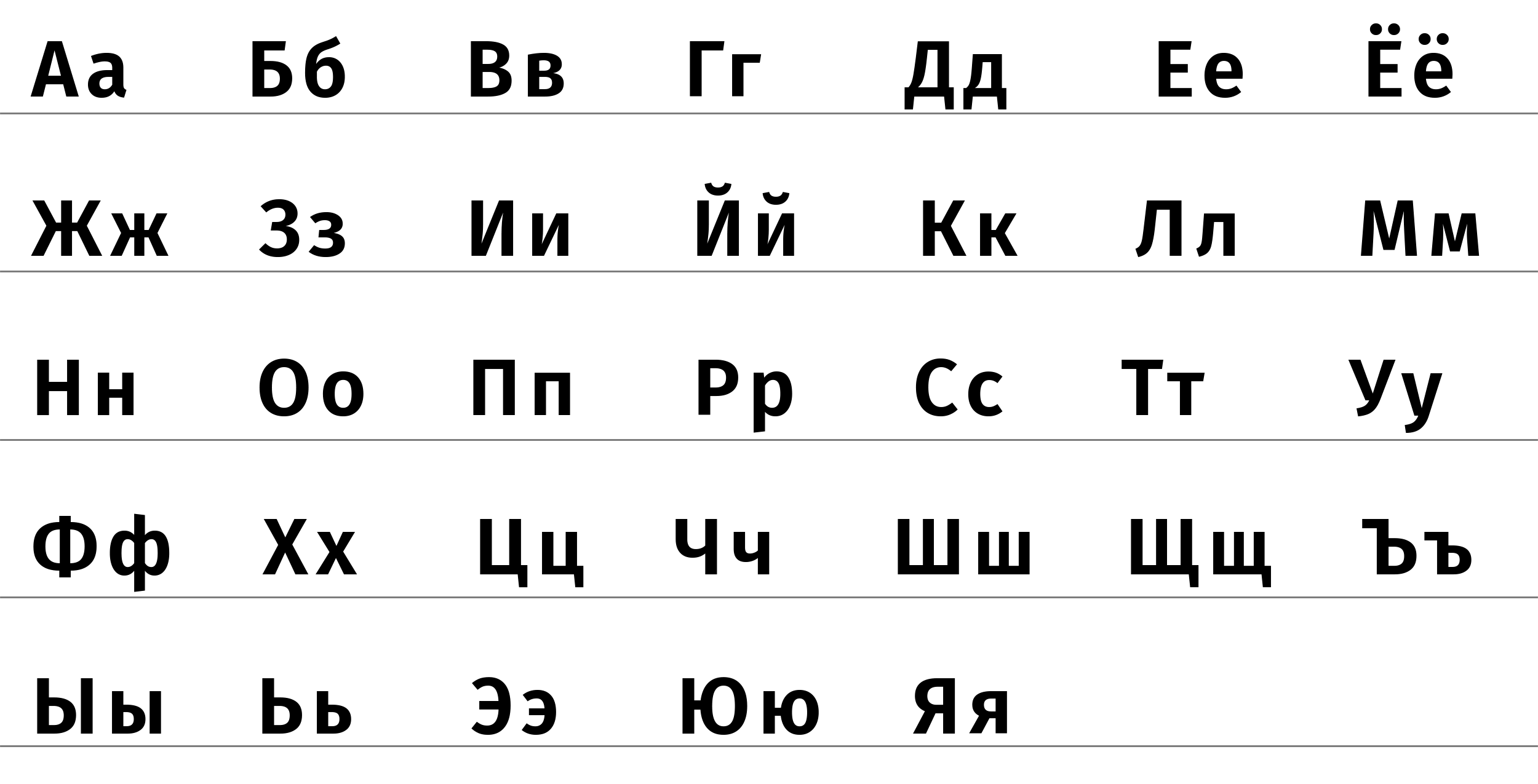
Determining the exact number of words in the Russian language presents several challenges. The Russian language is constantly evolving, with new words being added and old words falling out of use. Additionally, the definition of a “word” can vary depending on the context in which it is used.
Despite these challenges, several estimates have been made regarding the number of words in the Russian language. The most commonly cited estimate is that the Russian language contains between 150,000 and 200,000 words. However, some estimates have placed the number of words in Russian as high as 500,000.
Factors Contributing to Variability in Word Counts
Several factors contribute to the variability in word counts for the Russian language. These factors include:
- The inclusion or exclusion of proper nouns:Proper nouns, such as names of people and places, are not always included in estimates of word counts.
- The treatment of compound words:Compound words, such as “samovar” (literally “self-boiler”), are sometimes counted as one word and sometimes as two words.
- The use of different dictionaries:Different dictionaries use different criteria for determining what constitutes a word. This can lead to different word counts for the same language.
Historical Evolution of Russian Vocabulary
The Russian language has undergone a complex historical evolution, marked by significant changes in its vocabulary. The origins of the Russian language can be traced back to the Proto-Slavic language, spoken by the Slavic peoples in the 6th century AD.
Over time, the Proto-Slavic language diversified into several distinct Slavic languages, including Russian.
Major Periods of Language Change and Vocabulary Expansion, How many words are in the russian language
The history of Russian vocabulary can be divided into several major periods:
Old Russian Period (10th-13th centuries)
During this period, the Russian language was heavily influenced by Church Slavonic, the liturgical language of the Eastern Orthodox Church. As a result, many words from Church Slavonic were incorporated into the Russian language, particularly in the areas of religion, literature, and government.
Middle Russian Period (14th-17th centuries)
This period saw the rise of the Muscovite state and the expansion of the Russian Empire. As the Russian state grew in size and power, its vocabulary was enriched by words from other languages, including Tatar, Polish, and German.
Modern Russian Period (18th century onwards)
The 18th century marked a period of significant modernization for Russia. Peter the Great introduced many Western European ideas and technologies into the country, which led to the adoption of many new words from French, German, and English.
Influence of External Factors on Russian Vocabulary
Throughout its history, the Russian language has been influenced by a variety of external factors, including:
Geographical factors
Russia’s vast size and proximity to other cultures have led to the incorporation of words from many different languages into Russian.
Political factors
The political history of Russia has also had a significant impact on its vocabulary. For example, the Soviet period saw the adoption of many new words related to communism and socialism.
Cultural factors
Russian culture has been influenced by a variety of factors, including the Eastern Orthodox Church, Western European ideas, and traditional Slavic beliefs. These influences have all left their mark on the Russian language.
– Explain the morphological processes involved in Russian word formation.
Russian word formation is a complex and fascinating process that involves a variety of morphological processes, including affixation, compounding, derivation, and others. These processes allow for the creation of new words to express new concepts and ideas, and they play a vital role in expanding the Russian vocabulary.
Affixation
Affixation is the process of adding prefixes or suffixes to a word to change its meaning or grammatical function. Prefixes are added to the beginning of a word, while suffixes are added to the end. For example, the prefix “не-” (ne-) negates the meaning of a word, as in “некрасивый” (nekrasyvyy, “ugly”).
The suffix “-тель” (-tel) forms nouns that denote the person or thing that performs an action, as in “учитель” (uchitel, “teacher”).
Compounding
Compounding is the process of combining two or more words to form a new word. The new word typically has a meaning that is related to the meanings of the individual words, but it is not simply the sum of those meanings.
For example, the word “самолет” (samolyot, “airplane”) is formed from the words “сам” (sam, “self”) and “лет” (let, “fly”).
Derivation
Derivation is the process of creating a new word from an existing word by changing its form. This can be done by adding a suffix, prefix, or infix (a morpheme that is inserted into the middle of a word). For example, the word “учительница” (uchitelnitsa, “female teacher”) is derived from the word “учитель” (uchitel, “teacher”) by adding the suffix “-ница” (-nitsa).
Other Morphological Processes
In addition to affixation, compounding, and derivation, there are a number of other morphological processes that can be used to form new words in Russian. These include:
- Abbreviation:The process of shortening a word or phrase by removing some of its letters or syllables. For example, the word “университет” (universitet, “university”) is often abbreviated as “универ” (univer).
- Blending:The process of combining two or more words to form a new word that has a meaning that is different from the meanings of the individual words. For example, the word “смог” (smog) is a blend of the words “дым” (dym, “smoke”) and “туман” (tuman, “fog”).
- Conversion:The process of changing the grammatical function of a word without changing its form. For example, the word “бег” (beg, “running”) can be used as a noun or a verb.
Lexical Categories in Russian
Russian, as a language with a rich and diverse vocabulary, can be categorized into several major lexical categories, each with its unique grammatical and semantic properties. These categories play a crucial role in structuring the language and contribute to its expressive power.
Nouns
Nouns, the most prominent lexical category in Russian, refer to people, places, things, concepts, and qualities. They possess grammatical properties such as gender, number, and case, which determine their syntactic behavior within a sentence. Nouns in Russian can be common or proper, concrete or abstract, and countable or uncountable.
- Common nouns:дом (house), книга (book), человек (person)
- Proper nouns:Москва (Moscow), Иван (Ivan), Россия (Russia)
- Concrete nouns:стол (table), дерево (tree), вода (water)
- Abstract nouns:любовь (love), счастье (happiness), красота (beauty)
- Countable nouns:карандаш (pencil), яблоко (apple), окно (window)
- Uncountable nouns:вода (water), сахар (sugar), воздух (air)
Semantic Relationships in Russian
Semantic relationships are the connections between words based on their meanings. They organize and structure the Russian vocabulary, providing a framework for understanding and expressing complex ideas.
Types of Semantic Relationships
There are various types of semantic relationships in Russian, including:
Synonymy
Words that have the same or similar meanings, such as “большой” (big) and “крупный” (large).
Antonymy
Words that have opposite meanings, such as “холодный” (cold) and “горячий” (hot).
Hyponymy
Words that are more specific instances of a broader category, such as “стул” (chair) and “кресло” (armchair).
Meronymy
Words that refer to parts of a whole, such as “колесо” (wheel) and “автомобиль” (car).
Holonymy
Words that refer to the whole of which a part is a member, such as “библиотека” (library) and “книга” (book).These semantic relationships allow for the precise and nuanced expression of ideas in Russian. They enable speakers to convey shades of meaning and to create complex and cohesive texts.
Russian Dialects and Regional Variations
The Russian language exhibits significant dialectal diversity, with numerous regional variations and distinct dialects spoken across the vast expanse of Russia. These dialects have evolved over centuries, influenced by historical, geographical, and cultural factors. Each dialect possesses unique vocabulary, pronunciation, and grammatical features that contribute to the richness and complexity of the Russian language.
Major Dialects
The most prominent dialects of Russian include:
- Northern Dialect:Spoken in the northern and northwestern regions of Russia, this dialect is characterized by a distinctive intonation pattern and the use of certain vowel sounds that differ from the standard language.
- Southern Dialect:Found in the southern regions of Russia, this dialect is known for its melodious intonation and the use of specific vocabulary items not found in other dialects.
- Central Dialect:Spoken in the central and western regions of Russia, this dialect serves as the basis for the standard Russian language and is widely used in literature, education, and official communication.
- Siberian Dialect:Used in the vast Siberian region, this dialect has been influenced by various indigenous languages and features unique vocabulary and pronunciation patterns.
- Ural Dialect:Spoken in the Ural Mountains region, this dialect exhibits a blend of Northern and Southern dialect features, with distinct intonation and vowel usage.
Unique Features
Each dialect of Russian possesses its own distinctive features that set it apart from the others. These features include:
- Vocabulary:Dialects often have their own unique vocabulary items, including words that are not used in the standard language or have different meanings in different regions.
- Pronunciation:Dialects exhibit variations in pronunciation, such as differences in vowel sounds, stress patterns, and intonation.
- Grammar:Dialects may have slightly different grammatical rules, such as variations in verb conjugations or noun declensions.
Contribution to Diversity
The existence of dialects contributes to the diversity and richness of the Russian language. Dialects preserve linguistic heritage, reflect regional identities, and provide insights into the historical development of the language. They also serve as a source of inspiration for literary works, folklore, and cultural expressions.
– Trace the influence of foreign languages on the Russian vocabulary from the earliest times to the present day.
The Russian language has been influenced by foreign languages throughout its history. The earliest influences came from the Proto-Slavic language, which was spoken by the ancestors of the Slavs. Proto-Slavic borrowed words from various languages, including Iranian, Germanic, and Turkic.
Later, Russian borrowed words from Old Norse, Greek, and Latin. In the 18th and 19th centuries, Russian borrowed heavily from French and German. In the 20th century, Russian borrowed words from English and other languages.
The influence of foreign languages on Russian vocabulary has been significant. Foreign languages have contributed to the development of new words, the change of meaning of existing words, and the loss of words. Foreign language influence has also played a role in the development of Russian literary language.
Major source languages and types of words borrowed
The major source languages of foreign words in Russian are:
- Proto-Slavic: Everyday words, such as “дом” (house) and “вода” (water)
- Old Norse: Words related to seafaring and trade, such as “корабль” (ship) and “викинг” (Viking)
- Greek: Words related to religion and philosophy, such as “церковь” (church) and “философия” (philosophy)
- Latin: Words related to science and medicine, such as “медицина” (medicine) and “библиотека” (library)
- French: Words related to fashion, food, and culture, such as “мода” (fashion) and “кафе” (cafe)
- German: Words related to technology and industry, such as “автомобиль” (car) and “фабрика” (factory)
- English: Words related to computers, the internet, and popular culture, such as “компьютер” (computer) and “интернет” (internet)
– Discuss the specialized vocabulary used in different fields and professions.
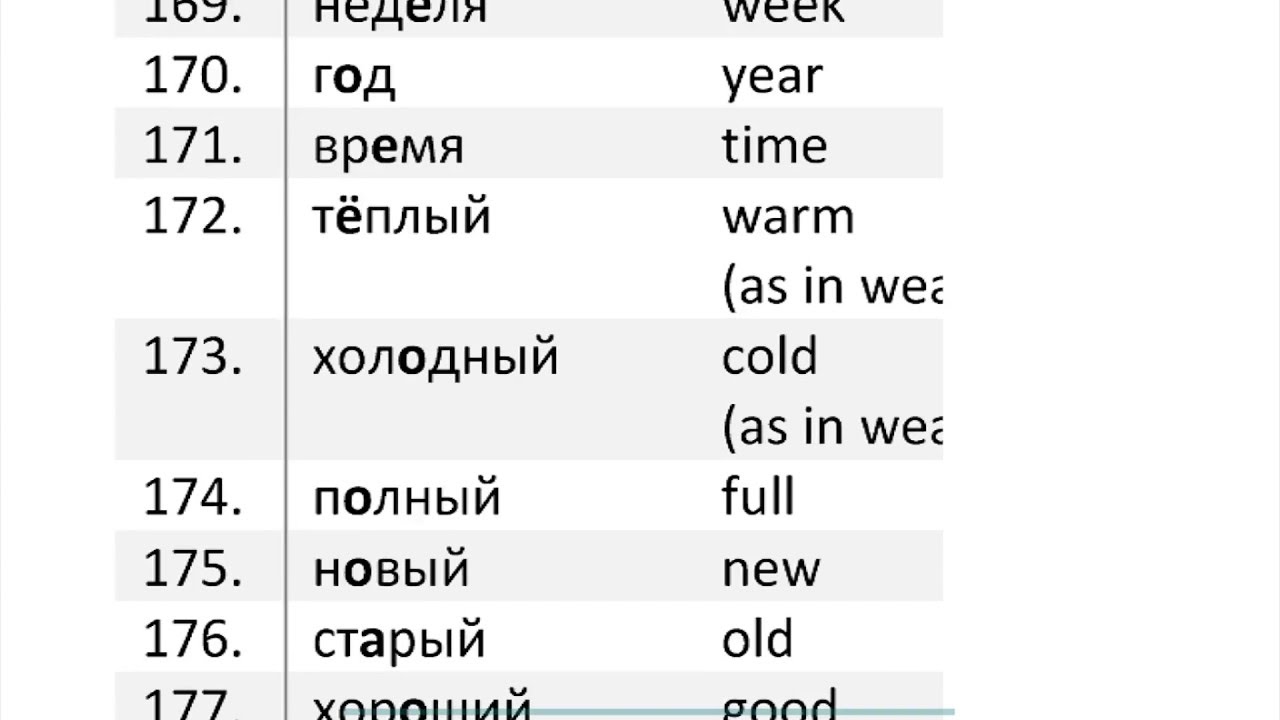
Specialized vocabulary is a set of words and phrases that are used in a particular field or profession. It is used to communicate complex ideas and concepts that are not easily understood by people who are not familiar with the field.
Specialized vocabulary can be found in all fields, including technical, scientific, medical, and legal.Technical vocabulary is used to describe the tools, materials, and processes that are used in a particular field. For example, a mechanic might use the term “torque wrench” to refer to a tool that is used to tighten bolts.
A scientist might use the term “photosynthesis” to refer to the process by which plants use sunlight to convert carbon dioxide and water into glucose.Scientific vocabulary is used to describe the theories, laws, and principles that are used to explain the natural world.
For example, a physicist might use the term “quantum mechanics” to refer to the theory that describes the behavior of matter at the atomic and subatomic level. A biologist might use the term “evolution” to refer to the process by which species change over time.Medical vocabulary is used to describe the diseases, injuries, and treatments that are used in the medical field.
For example, a doctor might use the term “myocardial infarction” to refer to a heart attack. A nurse might use the term “intubation” to refer to the process of inserting a tube into a patient’s airway.Legal vocabulary is used to describe the laws, regulations, and procedures that are used in the legal system.
For example, a lawyer might use the term “habeas corpus” to refer to a writ that is used to bring a prisoner before a judge. A judge might use the term “voir dire” to refer to the process of questioning potential jurors.Specialized vocabulary is an important part of the Russian language.
It allows people to communicate complex ideas and concepts in a clear and concise way. It also helps to maintain the integrity of the Russian language by ensuring that there is a specific word or phrase for every concept.
Table: Specialized Vocabulary in Different Fields
| Field | Examples ||—|—|| Technical | torque wrench, photosynthesis || Scientific | quantum mechanics, evolution || Medical | myocardial infarction, intubation || Legal | habeas corpus, voir dire |
Impact of Specialized Vocabulary on Communication
Specialized vocabulary can have a significant impact on communication between experts and non-experts. For example, a doctor who is talking to a patient may use medical terms that the patient does not understand. This can make it difficult for the patient to understand their diagnosis and treatment options.Similarly, a lawyer who is talking to a client may use legal terms that the client does not understand.
This can make it difficult for the client to understand their rights and options.To avoid misunderstandings, it is important for experts to use clear and concise language when communicating with non-experts. They should also be willing to explain any specialized terms that they use.
History of Specialized Vocabulary in Russian
The development of specialized vocabulary in Russian has been influenced by a number of factors, including:* The development of new technologies and scientific discoveries
- The expansion of the Russian empire
- The influence of other languages
As new technologies and scientific discoveries are made, new words are needed to describe them. For example, the word “компьютер” (computer) was borrowed from English in the 20th century.The expansion of the Russian empire also led to the adoption of new words from other languages.
For example, the word “чай” (tea) was borrowed from Chinese in the 17th century.The influence of other languages has also played a role in the development of specialized vocabulary in Russian. For example, the word “физика” (physics) was borrowed from Greek in the 18th century.
Learning Specialized Vocabulary in Russian
There are a number of ways to learn specialized vocabulary in Russian. One way is to read books and articles in the field that you are interested in. Another way is to take a course in the field. You can also find online resources that can help you learn specialized vocabulary.When learning specialized vocabulary, it is important to focus on understanding the meaning of the words and phrases.
You should also practice using the words and phrases in context. This will help you to remember the words and phrases and to use them correctly.
– Provide a comprehensive list of archaic and obsolete words in Russian, categorized by historical period and usage.

Archaic and obsolete words are those that are no longer in common use in a language. They may be replaced by more modern terms, or they may simply fall out of use over time. In Russian, there are a number of archaic and obsolete words that have been preserved in literature, historical documents, and folklore.
These words can provide insights into the history of the Russian language and culture.
The following is a list of some of the most common archaic and obsolete words in Russian, categorized by historical period and usage:
Pre-Petrine Era (before 1700)
- Az(I) – replaced by ya
- Ведати(to know) – replaced by знать
- Глаголати(to speak) – replaced by говорить
- Держава(power, state) – replaced by государство
- Живот(life) – replaced by жизнь
Petrine Era (1700-1725)
- Ассамблея(assembly) – replaced by собрание
- Виктория(victory) – replaced by победа
- Гвардия(guard) – replaced by стража
- Канцелярия(office) – replaced by управление
- Флот(fleet) – replaced by военно-морской флот
18th Century
- Благонравие(good behavior) – replaced by нравственность
- Вельможа(nobleman) – replaced by дворянин
- Галиматья(nonsense) – replaced by чепуха
- Карета(carriage) – replaced by экипаж
- Лакей(servant) – replaced by слуга
19th Century
- Авантажный(advantageous) – replaced by выгодный
- Вояж(journey) – replaced by путешествие
- Интрига(intrigue) – replaced by заговор
- Каприз(whim) – replaced by причуда
- Ливрея(livery) – replaced by униформа
New Words and Neologisms in Russian
The Russian language is constantly evolving, with new words emerging to reflect the changing social, cultural, and technological landscape. This process of word creation is known as neologism, and it plays a vital role in the vitality and dynamism of the language.
Processes of Word Creation in Russian
Russian employs various processes to create new words, including:
- Affixation:Adding prefixes or suffixes to existing words, e.g., “перестройка” (perestroika) from “строить” (stroit’, “to build”).
- Compounding:Combining two or more existing words, e.g., “самолет” (samolet, “airplane”) from “сам” (sam, “self”) and “летать” (letat’, “to fly”).
- Abbreviation:Shortening existing words or phrases, e.g., “вуз” (vuz, “university”) from “высшее учебное заведение” (vysshee uchebnoe zavedenie, “higher educational institution”).
- Borrowing:Adopting words from other languages, e.g., “компьютер” (kompyuter, “computer”) from English.
Examples of Neologisms and Their Origins
Here are some examples of recent neologisms in Russian:
- Вайбер(Viber, “Viber app”): borrowed from English.
- Блогер(blogger, “blogger”): derived from the English word “blog”.
- Интернет-магазин(internet-magazin, “online store”): a compound word.
- Лайфхак(lifekhak, “life hack”): borrowed from English.
- Мобильный телефон(mobil’nyy telefon, “mobile phone”): a compound word.
- Смартфон(smartfon, “smartphone”): borrowed from English.
- Социальная сеть(sotsial’naya set’, “social network”): a compound word.
- Флешмоб(fleshmob, “flash mob”): borrowed from English.
- Хайп(khaip, “hype”): borrowed from English.
- Эмодзи(emodzhi, “emoji”): borrowed from Japanese.
Contribution of Neologisms to Russian
Neologisms play a crucial role in the evolution of Russian by:
- Expanding the vocabulary to accommodate new concepts and ideas.
- Reflecting the changing social and cultural landscape.
- Enhancing the expressive power of the language.
- Facilitating communication in new and emerging fields.
Conclusion
The emergence of new words and neologisms is an ongoing process in the Russian language. These new words contribute to the vitality and dynamism of the language, reflecting the changing social, cultural, and technological landscape of Russia.
Russian Vocabulary in Comparative Perspective
Russian vocabulary, like that of other Slavic languages, shares many similarities and differences in vocabulary size, structure, and usage. The vocabulary of Russian is estimated to contain around 250,000 words, which is comparable to the size of the vocabularies of other major Slavic languages such as Polish and Ukrainian.
However, Russian has a larger number of loanwords from other languages, particularly from French, German, and English.The structure of Russian vocabulary is also similar to that of other Slavic languages. Russian words are typically composed of a root and one or more affixes.
The root of a word carries the основное значение, or ‘main meaning’, while the affixes can change the meaning of the word, indicate its grammatical function, or derive a new word from an existing one.In terms of usage, Russian vocabulary is similar to that of other Slavic languages in that it is used to express a wide range of meanings and concepts.
However, there are also some differences in the way that Russian vocabulary is used. For example, Russian has a larger number of words that are used to express emotions and feelings than other Slavic languages.The similarities and differences between Russian vocabulary and that of other Slavic languages have implications for understanding the evolution of the Russian language.
The Russian language is vast and expressive, with an estimated vocabulary of over 200,000 words. This linguistic richness extends beyond spoken communication, as evidenced by the vibrant sign language used by the deaf community. What is the sign language for love ?
It is a complex and nuanced form of expression that conveys emotions, thoughts, and ideas through hand gestures, facial expressions, and body language. Returning to the topic of the Russian language, its vast vocabulary allows for precise and intricate communication, reflecting the depth and complexity of Russian culture.
The fact that Russian has a larger number of loanwords than other Slavic languages suggests that it has been more influenced by other languages throughout its history. The similarities in the structure of Russian vocabulary to that of other Slavic languages suggests that Russian has evolved from a common ancestor language.
Similarities in Vocabulary Size, Structure, and Usage
Russian vocabulary shares many similarities with that of other Slavic languages in terms of size, structure, and usage. The vocabulary of Russian is estimated to contain around 250,000 words, which is comparable to the size of the vocabularies of other major Slavic languages such as Polish and Ukrainian.
Russian words are typically composed of a root and one or more affixes. The root of a word carries the основное значение, or ‘main meaning’, while the affixes can change the meaning of the word, indicate its grammatical function, or derive a new word from an existing one.
Russian vocabulary is used to express a wide range of meanings and concepts, similar to other Slavic languages.
Differences in Vocabulary Size, Structure, and Usage
There are also some differences between Russian vocabulary and that of other Slavic languages. Russian has a larger number of loanwords from other languages, particularly from French, German, and English. This is likely due to the fact that Russia has had more contact with these languages throughout its history.
Russian also has a larger number of words that are used to express emotions and feelings than other Slavic languages. This may be due to the fact that Russian culture places a high value on emotional expression.
Implications for Understanding the Evolution of the Russian Language
The similarities and differences between Russian vocabulary and that of other Slavic languages have implications for understanding the evolution of the Russian language. The fact that Russian has a larger number of loanwords than other Slavic languages suggests that it has been more influenced by other languages throughout its history.
The similarities in the structure of Russian vocabulary to that of other Slavic languages suggests that Russian has evolved from a common ancestor language.
Russian Vocabulary in a Global Context
The Russian language, with its rich history and vast vocabulary, has played a significant role in international communication. Russian words have been borrowed into numerous other languages, enriching their lexicons and facilitating the exchange of ideas and culture.
Borrowed Russian Words
Some of the most notable Russian words that have been borrowed into other languages include:
- Borscht: A traditional soup made with beets, cabbage, and other vegetables, borrowed into English, German, and other European languages.
- Balalaika: A stringed musical instrument, borrowed into English, French, and Spanish.
- Dacha: A country house or cottage, borrowed into English, German, and Polish.
- Perestroika: A political and economic restructuring program introduced in the Soviet Union in the late 1980s, borrowed into English and other languages.
- Sputnik: An artificial satellite launched by the Soviet Union in 1957, borrowed into English and other languages, becoming a symbol of the space race.
Contribution to Global Exchange
Russian vocabulary has also contributed significantly to the global exchange of ideas and culture. Russian literature, for example, has been translated into numerous languages, introducing foreign readers to the works of authors such as Tolstoy, Dostoevsky, and Chekhov. Russian scientific and technical terms have also been adopted into other languages, reflecting the country’s advancements in these fields.
In conclusion, Russian vocabulary has played a vital role in international communication, with Russian words being borrowed into other languages and contributing to the global exchange of ideas and culture. The richness and diversity of Russian vocabulary continue to make it a valuable resource in the global linguistic landscape.
– Create a table comparing the vocabulary size of Russian to other languages, such as English, Spanish, and Chinese.
The vocabulary size of a language refers to the number of words that exist within it. It is a complex and multifaceted concept that can be measured in different ways, making direct comparisons between languages challenging. However, estimates based on various criteria provide insights into the relative sizes of different languages’ vocabularies.
One common method for estimating vocabulary size is based on the number of words listed in dictionaries. According to this measure, the Russian language has a vast vocabulary, with estimates ranging from 200,000 to 500,000 words. This puts Russian among the languages with the largest vocabularies in the world, comparable to English, which has an estimated 250,000 to 750,000 words.
It is important to note that these estimates are based on the number of words listed in dictionaries, which may not fully capture the entire vocabulary of a language. Languages are constantly evolving, with new words being added and old words falling out of use.
Additionally, the vocabulary of a language can vary depending on the context and domain of use, such as technical, scientific, or literary language.
The following table provides a comparison of the estimated vocabulary sizes of Russian, English, Spanish, and Chinese:
| Language | Estimated Vocabulary Size |
|---|---|
| Russian | 200,000
|
| English | 250,000
|
| Spanish | 150,000
|
| Chinese | 80,000
|
It is important to note that these estimates are approximate and can vary depending on the criteria used for measurement. Additionally, the vocabulary size of a language is not a static concept and can change over time.
Computational Analysis of Russian Vocabulary
Computational analysis is a powerful tool for studying the Russian vocabulary. It allows researchers to analyze large amounts of text data to identify patterns and relationships that would be difficult or impossible to find manually.
Corpus-based Studies
Corpus-based studies are a major area of computational analysis of Russian vocabulary. A corpus is a large collection of text data that has been electronically stored and processed. Corpus-based studies can be used to analyze the frequency of words and phrases, the distribution of words across different text types, and the semantic relationships between words.
Natural Language Processing Applications
Natural language processing (NLP) is a subfield of artificial intelligence that deals with the interaction between computers and human (natural) languages. NLP techniques can be used to develop a wide range of applications, such as machine translation, text summarization, and spam filtering.
NLP applications can also be used to analyze Russian vocabulary. For example, NLP techniques can be used to identify the part of speech of a word, to determine the semantic similarity between two words, and to generate new words and phrases.
Key Computational Techniques
The key computational techniques used in Russian vocabulary analysis include:* Text mining:Text mining is the process of extracting useful information from large amounts of text data. Text mining techniques can be used to identify patterns and relationships in text data, such as the frequency of words and phrases, the distribution of words across different text types, and the semantic relationships between words.
Machine learning
Machine learning is a subfield of artificial intelligence that allows computers to learn from data without being explicitly programmed. Machine learning techniques can be used to develop a wide range of applications, such as spam filtering, fraud detection, and medical diagnosis.
Machine learning techniques can also be used to analyze Russian vocabulary. For example, machine learning techniques can be used to identify the part of speech of a word, to determine the semantic similarity between two words, and to generate new words and phrases.
The Russian language, with its vast lexicon of over 200,000 words, stands as a testament to its rich cultural heritage. Interestingly, the official language of Montenegro, a country nestled in the Balkans, is Montenegrin. Montenegrin shares close linguistic ties with Serbian, Croatian, and Bosnian, all belonging to the South Slavic branch of the Indo-European language family.
Returning to the topic of Russian, its extensive vocabulary reflects the nation’s long history and diverse cultural influences.
Natural language processing
Natural language processing (NLP) is a subfield of artificial intelligence that deals with the interaction between computers and human (natural) languages. NLP techniques can be used to develop a wide range of applications, such as machine translation, text summarization, and spam filtering.
NLP applications can also be used to analyze Russian vocabulary. For example, NLP techniques can be used to identify the part of speech of a word, to determine the semantic similarity between two words, and to generate new words and phrases.
Strengths and Limitations
Computational analysis of Russian vocabulary has a number of strengths and limitations. Strengths:* Speed:Computational analysis is much faster than manual analysis. This allows researchers to analyze large amounts of text data in a short amount of time.
Accuracy
Computational analysis is more accurate than manual analysis. This is because computers are not subject to the same errors as humans.
Objectivity
Computational analysis is objective. This means that the results of computational analysis are not influenced by the researcher’s personal biases. Limitations:* Cost:Computational analysis can be expensive. This is because it requires specialized software and hardware.
Complexity
Computational analysis can be complex. This means that it can be difficult for non-experts to understand and use.
Limited scope
Computational analysis is limited to the data that is available in the corpus. This means that computational analysis cannot be used to analyze data that is not in the corpus.
Ethical Implications
The use of computational methods to analyze Russian vocabulary has a number of ethical implications. These implications include:* Privacy:Computational analysis can be used to collect and analyze personal data. This data can be used to track people’s movements, identify their interests, and target them with advertising.
Discrimination
Computational analysis can be used to identify and discriminate against people based on their race, gender, or other characteristics.
Bias
Computational analysis can be biased. This bias can be introduced by the data that is used to train the computational model, or by the algorithms that are used to develop the computational model.It is important to be aware of the ethical implications of using computational methods to analyze Russian vocabulary.
Researchers should take steps to protect people’s privacy, prevent discrimination, and avoid bias.
– Identify emerging trends and future directions in Russian vocabulary research.
The study of Russian vocabulary is a dynamic field that is constantly evolving. As the language itself changes, so too does the research landscape. In recent years, there have been several emerging trends and future directions that are shaping the way that scholars approach the study of Russian vocabulary.
One of the most significant trends is the increasing use of computational linguistics techniques, such as natural language processing and machine learning, to analyze Russian vocabulary. These techniques allow researchers to process large amounts of text data quickly and efficiently, which can provide new insights into the frequency, distribution, and usage of Russian words.
Another emerging trend is the use of corpus linguistics to study Russian vocabulary. Corpus linguistics involves the analysis of large collections of text data, which can provide insights into the actual usage of words in real-world contexts.
Finally, there is a growing interest in the impact of digital technologies, such as social media and online communication, on the evolution of Russian vocabulary. These technologies are creating new opportunities for communication and interaction, which is leading to the emergence of new words and phrases.
Potential impact of new technologies and methodologies on our understanding of the Russian language.
The use of new technologies and methodologies has the potential to revolutionize our understanding of the Russian language. Computational linguistics techniques, such as natural language processing and machine learning, can be used to analyze large amounts of text data quickly and efficiently, which can provide new insights into the frequency, distribution, and usage of Russian words.
Corpus linguistics can also provide valuable insights into the actual usage of words in real-world contexts. By analyzing large collections of text data, researchers can identify patterns and trends in the way that Russian words are used.
Finally, the impact of digital technologies, such as social media and online communication, on the evolution of Russian vocabulary is a relatively new area of research. However, these technologies are creating new opportunities for communication and interaction, which is leading to the emergence of new words and phrases.
The potential impact of new technologies and methodologies on our understanding of the Russian language is significant. These technologies and methodologies can provide new insights into the frequency, distribution, usage, and evolution of Russian words. As these technologies continue to develop, we can expect to see even more groundbreaking research on the Russian language.
Suggest areas for further exploration and investigation.
There are a number of areas that would benefit from further exploration and investigation in the study of Russian vocabulary.
One area is the use of computational linguistics techniques to analyze Russian vocabulary. While these techniques have been used to great effect in other languages, there is still much work to be done in Russian. For example, researchers could use these techniques to develop new tools for Russian language learning and teaching.
Another area that would benefit from further research is the use of corpus linguistics to study Russian vocabulary. Corpus linguistics can provide valuable insights into the actual usage of words in real-world contexts. However, there is still a need for more research on Russian corpora.
For example, researchers could create new corpora that are more representative of the different varieties of Russian.
Finally, there is a need for more research on the impact of digital technologies on the evolution of Russian vocabulary. These technologies are creating new opportunities for communication and interaction, which is leading to the emergence of new words and phrases.
Researchers could investigate how these technologies are affecting the way that Russian is used and how they are shaping the evolution of the language.
By exploring these and other areas, researchers can gain a deeper understanding of the Russian language and its vocabulary.
FAQ: How Many Words Are In The Russian Language
How many words are in the Russian language?
The exact number of words in the Russian language is difficult to determine, but estimates range from 150,000 to 500,000.
What factors contribute to the variability in word counts?
The variability in word counts is due to the dynamic nature of language, the inclusion or exclusion of technical and specialized vocabulary, and the criteria used to define what constitutes a word.
How does the Russian vocabulary compare to that of other languages?
The Russian vocabulary is comparable in size to that of other major languages, such as English, Spanish, and French. However, the specific words and concepts represented in each language vary, reflecting cultural and historical differences.
