What is the language spoken in Panama? The answer to this question reveals a rich tapestry of linguistic diversity and cultural heritage. Panama is a vibrant and multicultural nation where Spanish reigns supreme as the official language, yet other languages coexist harmoniously, each contributing to the country’s linguistic landscape.
In this comprehensive guide, we will delve into the fascinating world of languages spoken in Panama, exploring their historical roots, prevalence, and significance. We will uncover the reasons behind Spanish’s dominance, shed light on the vibrant indigenous languages that have endured, and examine the role of Creole languages and the influence of English in shaping Panamanian society.
Official Language of Panama
The official language of Panama is Spanish, and it is spoken by the majority of the population.
The establishment of Spanish as the official language of Panama can be traced back to the country’s colonial history. Panama was a colony of Spain from the 16th to the 19th centuries, and during this time, Spanish was the language of government, education, and commerce.
After Panama gained independence from Spain in 1821, Spanish continued to be the official language of the country.
Other Languages Spoken in Panama
In addition to Spanish, there are a number of other languages spoken in Panama, including English, Ngäbere, and Buglere. English is the second most widely spoken language in Panama, and it is used in business, government, and education. Ngäbere and Buglere are two indigenous languages spoken by the Ngäbe and Buglé peoples, respectively.
Prevalence of Spanish
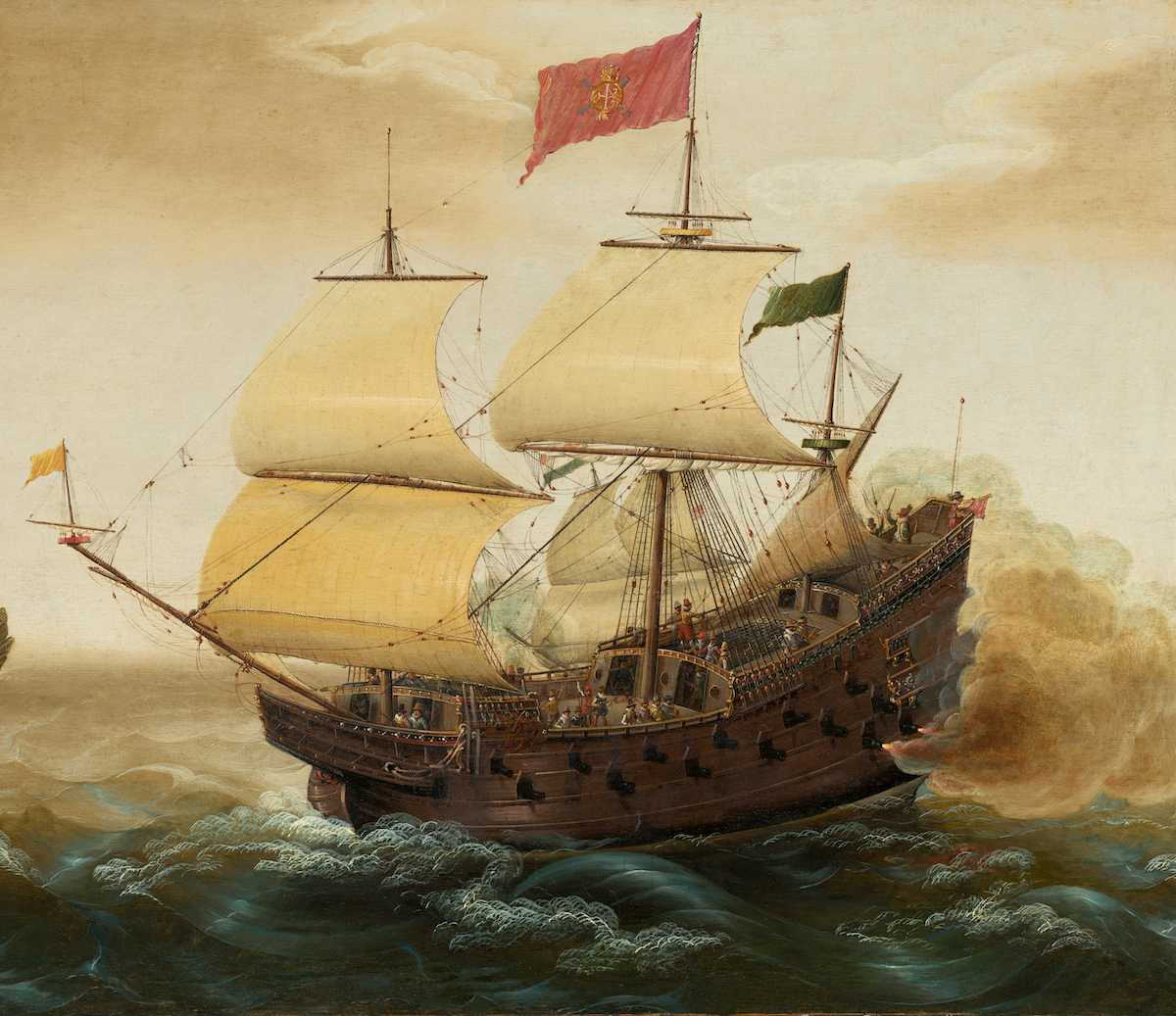
Spanish enjoys widespread use in Panama, serving as the dominant language throughout the country. Its prevalence stems from a combination of historical, cultural, and socioeconomic factors.
Historically, Panama’s close ties to Spain, its former colonizer, played a significant role in establishing Spanish as the primary language. After gaining independence in the 19th century, Spanish continued to be the official language, solidifying its position in education, government, and media.
Socioeconomic Factors
- Spanish is the language of commerce and business, facilitating communication and transactions across the country.
- As the official language of government and administration, Spanish is essential for accessing public services, participating in political processes, and navigating the legal system.
- Spanish is the dominant language in education, with most schools and universities using it as the primary medium of instruction.
Other Languages Spoken
Besides Spanish, there are several other languages spoken in Panama. These include:
Indigenous Languages
- Ngäbere (also known as Guaymí): Spoken by the Ngäbe and Buglé indigenous groups, primarily in the western and central provinces.
- Kuna (also known as Cuna): Spoken by the Kuna indigenous group, primarily in the San Blas Islands and the Darién Province.
- Emberá: Spoken by the Emberá indigenous group, primarily in the Darién Province.
- Wounaan: Spoken by the Wounaan indigenous group, primarily in the Darién Province.
Creole Languages
- Panamanian Creole English: Spoken by the descendants of Afro-Caribbean immigrants, primarily in the Bocas del Toro and Colón provinces.
- Chinese Creole: Spoken by the descendants of Chinese immigrants, primarily in Panama City and Colón.
Immigrant Languages
- English: Spoken by a significant number of expatriates and tourists.
- Mandarin Chinese: Spoken by a growing number of Chinese immigrants.
- Arabic: Spoken by a small but significant community of Arab immigrants.
Indigenous Languages
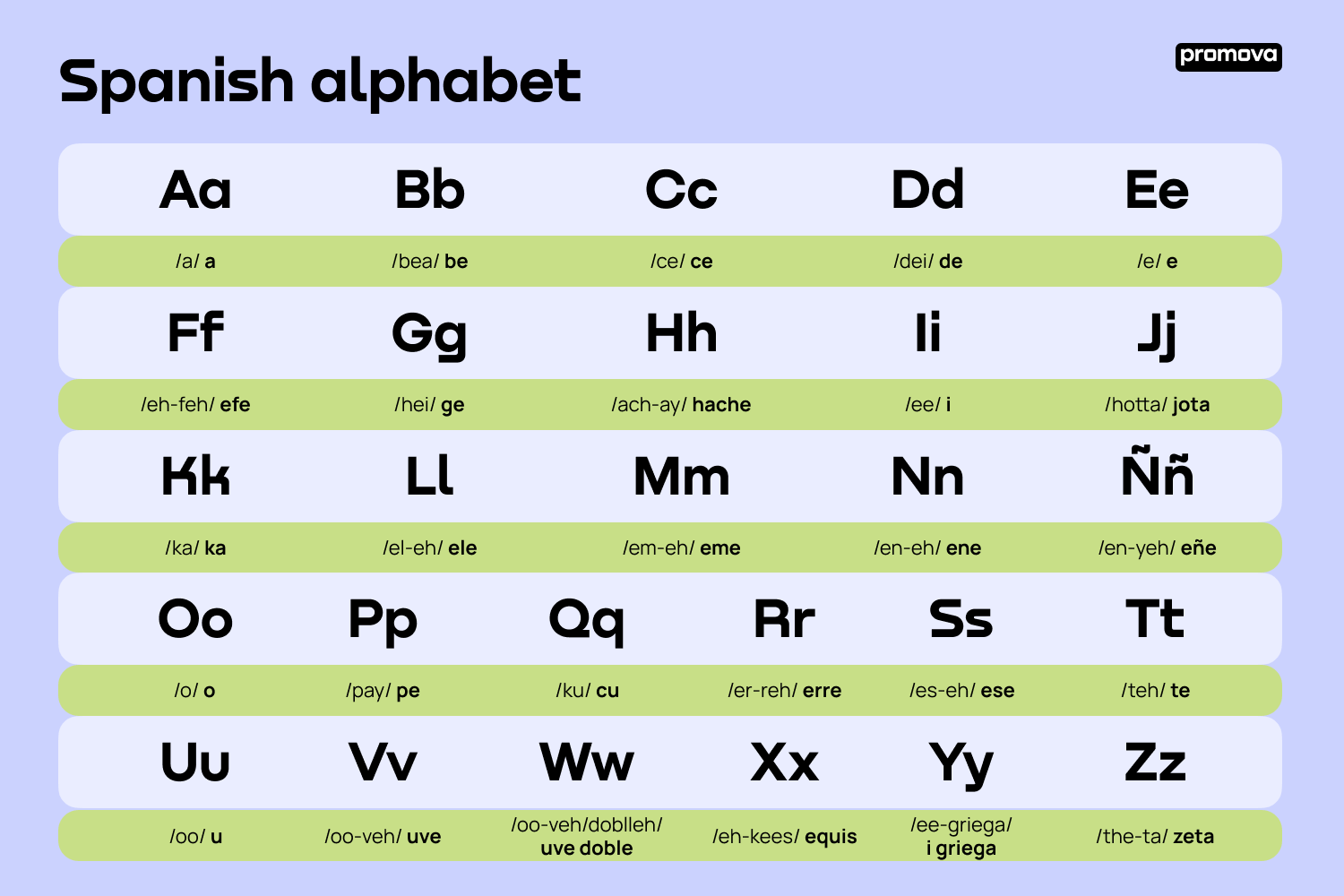
Panama is home to a diverse array of indigenous languages, spoken by the country’s indigenous communities. These languages represent a rich cultural heritage and play a vital role in the identity and traditions of the indigenous peoples.
The diversity of indigenous languages in Panama is a testament to the country’s long history of cultural exchange and interaction. The languages spoken by the indigenous communities of Panama belong to various language families, including Chibchan, Chocoan, and Ge-Pano-Carib.
Ngäbe-Buglé
Ngäbe-Buglé is the most widely spoken indigenous language in Panama, with approximately 200,000 speakers. It is spoken by the Ngäbe and Buglé peoples, who reside primarily in the western provinces of Bocas del Toro, Chiriquí, and Veraguas.
Ngäbe-Buglé has a rich oral tradition and is closely tied to the cultural and spiritual practices of the Ngäbe and Buglé peoples. It is used in traditional ceremonies, storytelling, and the transmission of cultural knowledge.
Kuna
Kuna is spoken by approximately 70,000 people in Panama, primarily in the comarca of Guna Yala on the Caribbean coast. It is the official language of the Guna people and is used in all aspects of their daily lives, including education, government, and traditional ceremonies.
Kuna is known for its unique linguistic features, such as its complex system of verb morphology and its use of a tonal system. It is also notable for its rich vocabulary related to traditional Guna crafts, such as mola-making and traditional fishing techniques.
Emberá-Wounaan
Emberá-Wounaan is spoken by approximately 35,000 people in Panama, primarily in the eastern provinces of Darién and Panamá. It is spoken by the Emberá and Wounaan peoples, who have a strong connection to the rainforest environment.
Emberá-Wounaan is closely tied to the traditional practices of the Emberá and Wounaan peoples, such as hunting, fishing, and traditional medicine. It is used in traditional ceremonies and storytelling and plays a vital role in the transmission of cultural knowledge.
Bri Bri
Bri Bri is spoken by approximately 10,000 people in Panama, primarily in the Talamanca region bordering Costa Rica. It is the language of the Bri Bri people and is used in all aspects of their daily lives.
Bri Bri is known for its rich vocabulary related to the rainforest environment and traditional Bri Bri practices. It is also notable for its use of a complex system of verb morphology and its unique system of counting.
Challenges Facing Indigenous Languages in Panama
Indigenous languages in Panama face several challenges, including language loss and endangerment, lack of educational resources, and cultural assimilation.
Language loss and endangerment are significant threats to indigenous languages in Panama. Many indigenous languages have a limited number of speakers, and the younger generation is often more fluent in Spanish, the official language of Panama.
Lack of educational resources is another challenge facing indigenous languages. Many indigenous communities do not have access to adequate educational materials in their native languages, which can hinder the transmission of the language to younger generations.
Cultural assimilation can also contribute to the decline of indigenous languages. As indigenous peoples become more integrated into mainstream society, they may adopt Spanish as their primary language, leading to a decline in the use of their native languages.
Efforts to Preserve and Revitalize Indigenous Languages in Panama
Efforts are being made to preserve and revitalize indigenous languages in Panama, including government initiatives, community-based programs, and educational initiatives.
Government initiatives include the creation of language policies and programs aimed at promoting the use and preservation of indigenous languages. These initiatives often involve the development of educational materials, teacher training, and support for indigenous language media.
Community-based programs play a vital role in the revitalization of indigenous languages. These programs often involve the creation of community language schools, the development of language learning materials, and the promotion of indigenous language use in the community.
Educational initiatives are also essential for the preservation of indigenous languages. These initiatives include the incorporation of indigenous languages into school curricula, the training of indigenous language teachers, and the development of educational materials in indigenous languages.
| Language | Number of Speakers | Geographic Distribution | Cultural Significance |
|---|---|---|---|
| Ngäbe-Buglé | 200,000 | Western provinces | Oral tradition, cultural practices |
| Kuna | 70,000 | Guna Yala comarca | Official language, traditional ceremonies |
| Emberá-Wounaan | 35,000 | Eastern provinces | Traditional practices, rainforest connection |
| Bri Bri | 10,000 | Talamanca region | Rainforest environment, unique counting system |
Creole Languages

Creole languages are simplified languages that develop from the interaction of two or more languages, typically a dominant language and a subordinate language. Creole languages often have a simplified grammar and vocabulary, and they may draw on elements from both the dominant and subordinate languages.
In Panama, there are two main Creole languages: Panamanian Creole English and Panamanian Creole Spanish. Panamanian Creole English is spoken by about 10% of the population, primarily in the Caribbean coastal areas. It is a blend of English, Spanish, and African languages, and it has its own unique grammar and vocabulary.
Panamanian Creole Spanish is spoken by about 5% of the population, primarily in the Darién Province. It is a blend of Spanish, African languages, and indigenous languages, and it also has its own unique grammar and vocabulary.
Role in Panamanian Culture
Creole languages play an important role in Panamanian culture. They are used in everyday conversation, music, and literature. Creole languages are also a symbol of Panamanian identity, and they are a source of pride for many Panamanians.
Language Education: What Is The Language Spoken In Panama

Panama’s language education system emphasizes the teaching and promotion of Spanish as the official language. The curriculum incorporates Spanish language instruction from primary to tertiary levels, with a focus on developing students’ proficiency in reading, writing, speaking, and listening.
To ensure widespread proficiency in Spanish, the government has implemented various initiatives. These include:
- Mandatory Spanish language classes:Spanish is a compulsory subject in all public and private schools from kindergarten through university.
- Teacher training programs:The Ministry of Education provides training and support to teachers to enhance their Spanish language teaching skills and methodologies.
- Language immersion programs:Some schools offer immersion programs where students are taught exclusively in Spanish, promoting fluency and comprehension.
Influence of English
/more-spanish-proverbs-3079512_final-00d85cc91b9c468bb575dad6aa4692d0.png "Spanish food spain hall spring open next will ferran mercado siblings culinary collaboration famous york most project little his first")
The influence of English on Panamanian Spanish is a result of the country’s historical ties to the United States and its position as a crossroads of trade and commerce. English has had a significant impact on Panamanian Spanish, both in terms of vocabulary and grammar.
The increasing use of English in Panama is due to several factors, including the country’s close economic and political ties to the United States, the presence of a large English-speaking population, and the growing popularity of English-language media and education.
Loanwords and Phrases
One of the most visible ways in which English has influenced Panamanian Spanish is through the adoption of English loanwords and phrases. These words and phrases are typically used to refer to concepts or objects that are not native to Spanish-speaking cultures.
- cool(cool)
- hot dog(hot dog)
- hamburguesa(hamburger)
- sandwich(sandwich)
- parking(parking)
- mall(mall)
Grammar and Pronunciation
English has also had an impact on the grammar and pronunciation of Panamanian Spanish. For example, the use of the present progressive tense is becoming more common in Panamanian Spanish, a construction that is more typical of English than Spanish.
Additionally, the pronunciation of some Spanish words has been influenced by English. For example, the word gracias(thank you) is often pronounced with a /ʃ/ sound, similar to the English pronunciation of sh.
Attitudes towards English
The attitudes of Panamanians towards the use of English in their language are generally positive. Many Panamanians view English as a valuable tool for economic and social advancement.
However, there is also some concern among Panamanians that the increasing use of English could lead to the loss of their native language. As a result, there is a growing movement in Panama to promote the use of Spanish and to protect the country’s linguistic heritage.
Language and Identity
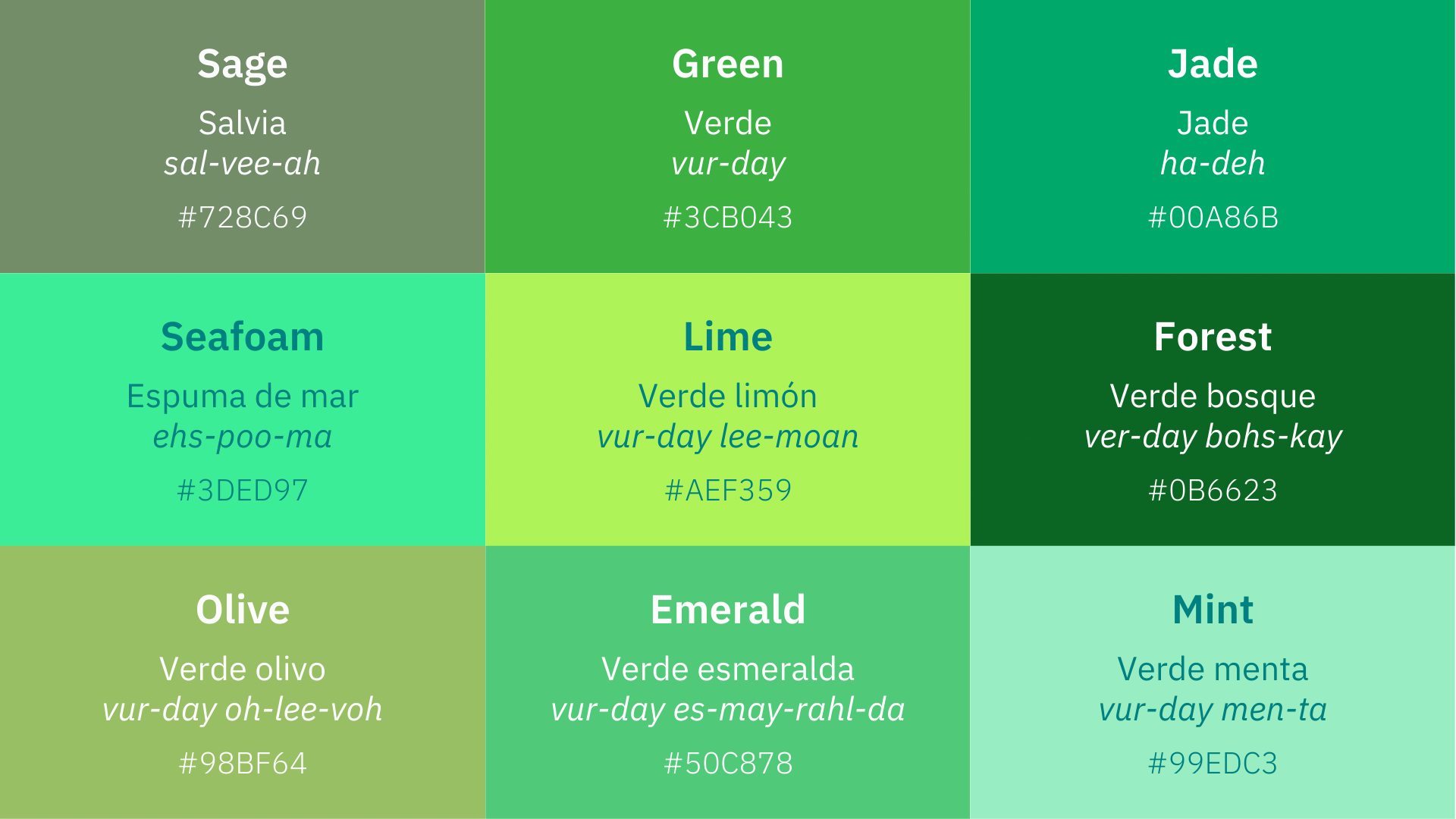
Language plays a vital role in shaping national identity and culture in Panama. Spanish, the official language, has been instrumental in unifying the country’s diverse population and fostering a sense of shared heritage.
The use of Spanish in education, media, and government has created a common linguistic bond among Panamanians. It has facilitated communication, promoted cultural exchange, and preserved the nation’s literary and historical traditions.
Indigenous Languages
Despite the dominance of Spanish, Panama is home to several indigenous languages spoken by its indigenous communities. These languages, such as Ngäbe-Buglé and Kuna, are an integral part of the cultural identity of these groups.
The preservation and promotion of indigenous languages in Panama are essential for maintaining cultural diversity and safeguarding the heritage of the country’s indigenous peoples.
Language and Tourism
In the tourism industry of Panama, language plays a crucial role in facilitating communication and enhancing visitor experiences. The official language of Panama is Spanish, which is spoken by the majority of the population. However, due to Panama’s history as a crossroads for trade and immigration, other languages are also spoken, including English, Chinese, French, and Arabic.
Importance of Language in Tourism
Language serves as a vital tool for tourists to navigate their surroundings, interact with locals, and access information. When tourists can communicate effectively with locals, they are more likely to feel comfortable and have a positive experience. Language also allows tourists to fully immerse themselves in the local culture and gain a deeper understanding of the country’s history, traditions, and customs.
Challenges of Language Barriers, What is the language spoken in panama
Language barriers can pose challenges for tourists who do not speak Spanish. This can lead to misunderstandings, miscommunications, and limited access to information and services. To overcome these challenges, tourists can learn basic Spanish phrases, utilize translation apps, or seek assistance from tour guides or hotel staff who can provide interpretation services.
Benefits of Language Proficiency
Tourists who are proficient in Spanish or other languages spoken in Panama enjoy several advantages. They can communicate more effectively with locals, negotiate prices, and gain access to a wider range of activities and experiences. Language proficiency also allows tourists to connect with locals on a deeper level, forming meaningful relationships and creating lasting memories.
Language and Cultural Exchange
Language plays a significant role in cultural exchange between tourists and locals. Through interactions in the local language, tourists can learn about Panamanian culture, traditions, and beliefs. They can also share their own experiences and perspectives, fostering mutual understanding and appreciation.
Conclusion
In conclusion, language is a vital aspect of the tourism industry in Panama. Effective communication through language enhances visitor experiences, facilitates cultural exchange, and allows tourists to fully immerse themselves in the country’s rich cultural heritage.
Language and Technology
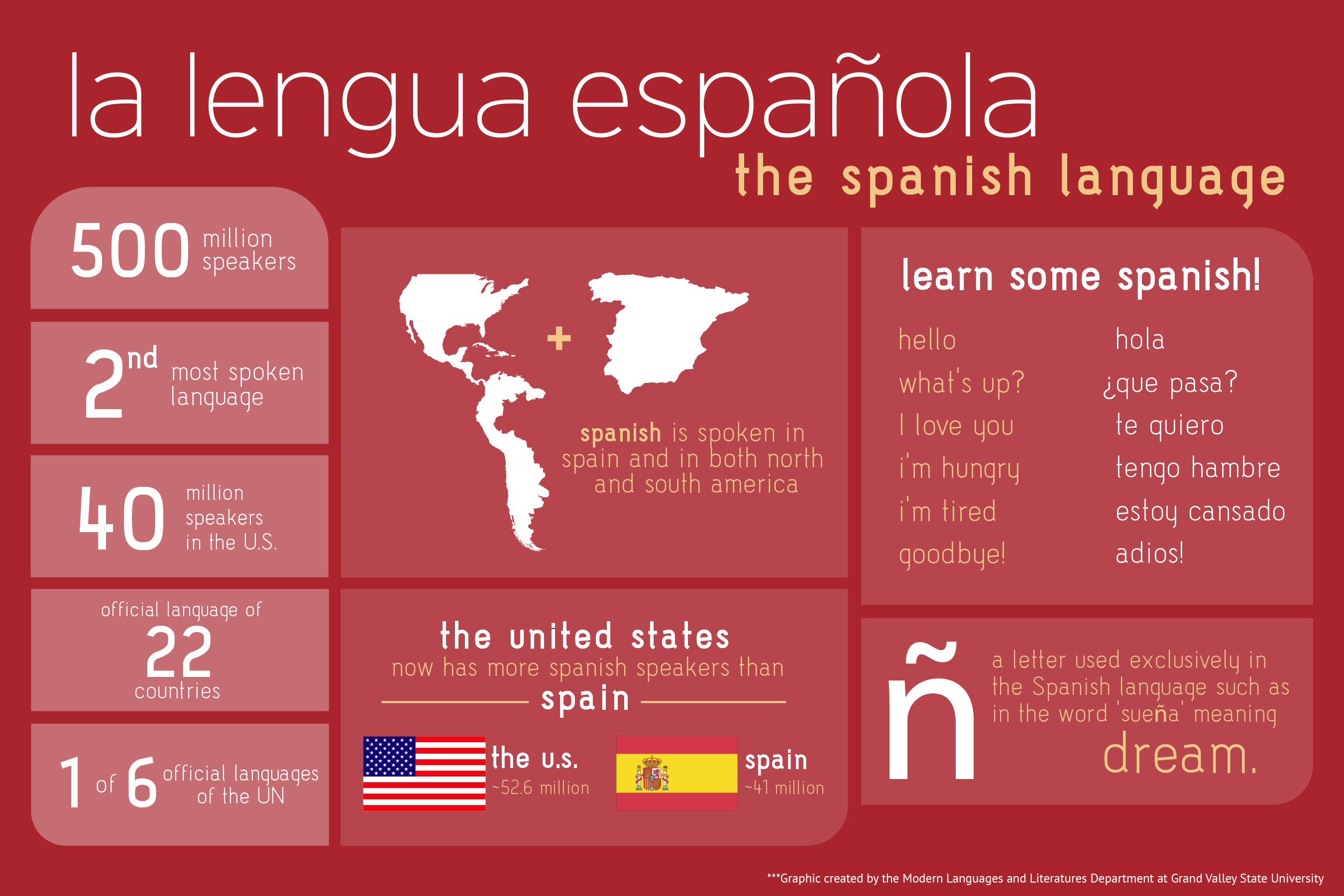
Technology has a profound impact on language use in Panama. The internet and social media have facilitated the spread of new words and phrases, the evolution of existing ones, and the preservation and revitalization of indigenous languages.
Impact on Language Use
The internet has increased access to information and communication, leading to the spread of new words and phrases. For example, the term “selfie” was popularized through social media and is now widely used in Panama.
Social media has also played a role in the evolution of language. New words and phrases are often created and shared on social media, particularly by youth culture. For example, the term “lit” is now commonly used to describe something that is exciting or enjoyable.
Mobile phones have also had a significant impact on language use. They have made it easier for people to communicate with each other, leading to the development of new communication styles. For example, the use of emojis and GIFs has become commonplace in text messages and social media posts.
Preservation and Revitalization
Technology can also be used to preserve and revitalize indigenous languages. For example, the Ngäbe-Buglé people of Panama have developed a mobile app that teaches their language to children.
The internet has also made it possible for indigenous languages to reach a wider audience. For example, the website “Lengua Ngäbe” provides resources for learning and teaching the Ngäbe language.
Ethical Implications
The use of technology to influence language use raises a number of ethical implications. For example, some people argue that the use of English on the internet and in social media is leading to the decline of Spanish in Panama.
Others argue that technology can be used to promote linguistic diversity. For example, the Panamanian government has launched a number of initiatives to promote the use of indigenous languages in schools and the media.
Future of Language
The future of language in the digital age is uncertain. However, it is clear that technology will continue to play a major role in shaping how we use and communicate language.
One possible scenario is that the internet will lead to the development of a global language that is used for communication between people from different cultures. Another possibility is that technology will help to preserve and revitalize indigenous languages.
Ultimately, the future of language will be shaped by the choices that we make as individuals and as a society.
Language and the Media

Language plays a crucial role in shaping the media landscape in Panama. It influences news reporting, public discourse, and media censorship, ultimately impacting public opinion and the narrative presented by the media.
Influence on News Reporting
Language can shape the way news is reported and perceived. For example, the use of sensationalist headlines or emotionally charged language can influence how the audience interprets the news. Additionally, the choice of words and phrases can subtly steer public opinion towards a particular viewpoint.
Impact on Public Discourse
Language also shapes public discourse by influencing how people communicate and interact with each other. In Panama, the use of certain words or phrases can carry specific connotations or meanings, which can impact how discussions and debates are conducted in the media and public forums.
Censorship and Self-Censorship
Language can be used as a tool for censorship or self-censorship. Governments or media organizations may restrict or prohibit the use of certain words or phrases to control the flow of information and suppress dissenting views. Similarly, individuals may self-censor to avoid potential repercussions or maintain social harmony.
Panama’s official language is Spanish, but many indigenous languages are also spoken. Similarly, in Zurich, Switzerland, the official language is German, but Swiss German is widely used. To learn more about the language spoken in Zurich, Switzerland, please refer to this article: what language is spoken in zurich switzerland.
Returning to Panama, the use of English is also increasing in business and tourism sectors.
Table: Language Use in Panamanian Media
| Language Use | Example |
|---|---|
| Sensationalist Headlines | “Shocking Revelations Rock the Government!” |
| Emotionally Charged Language | “The Corrupt Politicians Are Stealing Our Future!” |
| Euphemisms | “Collateral Damage” instead of “Civilian Casualties” |
| Taboos | Avoidance of discussing certain sensitive topics, such as corruption or poverty |
| Censorship | Government restrictions on media coverage of specific events or individuals |
Public Service Announcement Script
Narrator:In the realm of media, language holds immense power. It can inform, educate, and inspire. But it can also be used to manipulate, divide, and silence. As responsible citizens, we must strive to use language wisely and ethically in the media.
Narrator:Choose words that are accurate, fair, and respectful. Avoid sensationalism and inflammatory language that can incite hatred or fear. Remember that words have consequences, and they can shape the way we perceive the world and each other.
Narrator:Together, let’s promote responsible language use in the media. Let’s create a media landscape that fosters understanding, empathy, and informed decision-making.
Language and Literature
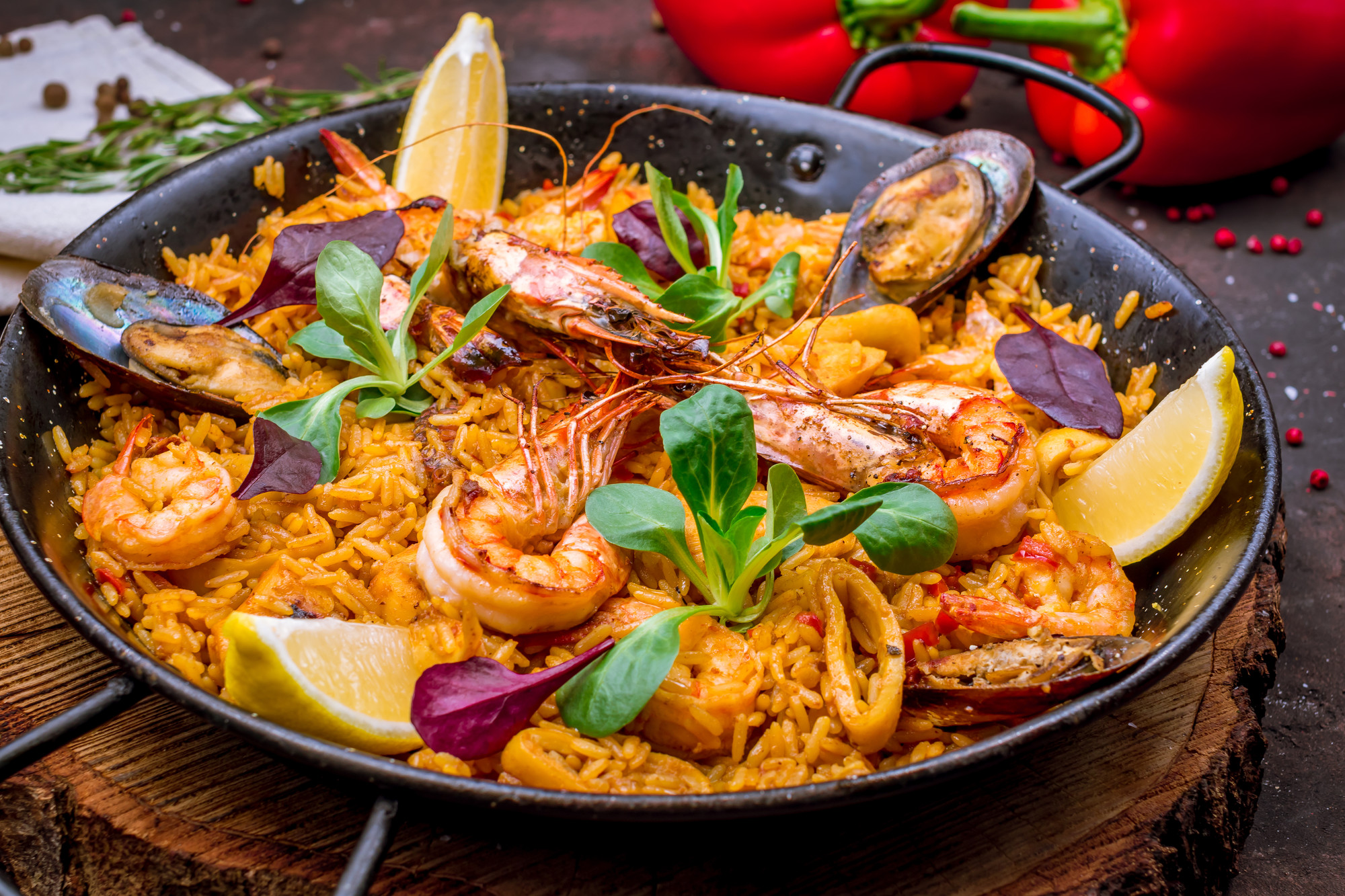
Panama’s literary landscape is a vibrant tapestry woven from the threads of its diverse cultural heritage. Indigenous traditions, Spanish colonial influences, and the cosmopolitanism of its urban centers have shaped a rich literary landscape that explores themes of identity, history, and social justice.
The works of renowned Panamanian authors such as Ricardo Miró, Rogelio Sinán, and Carlos Francisco Changmarín have left an indelible mark on the nation’s literary canon. Miró’s poetry, steeped in symbolism and introspection, captured the essence of Panamanian identity and the search for national consciousness.
Sinán’s novels delved into the complexities of human nature and the social struggles of his time, while Changmarín’s short stories showcased the vibrant cultural diversity of Panama.
Literary Themes
Panamanian literature is characterized by a profound exploration of identity, both personal and national. Authors have grappled with the complexities of Panama’s post-colonial history, the search for a unique cultural identity, and the tensions between tradition and modernity.
Historical events have also played a significant role in shaping Panamanian literature. The construction of the Panama Canal, the U.S. presence in the country, and the struggle for independence have provided fertile ground for literary exploration.
Social Justice and Literature
Many Panamanian writers have used their work to address issues of social justice and inequality. They have given voice to the marginalized, exposed social injustices, and advocated for change. Literature has served as a powerful tool for raising awareness and promoting social consciousness.
Influence on National Consciousness
Panamanian literature has played a pivotal role in shaping the nation’s consciousness. It has helped define what it means to be Panamanian, fostering a sense of national pride and identity. By exploring the country’s history, culture, and social challenges, literature has contributed to a deeper understanding of the Panamanian experience.
Evolution of Panamanian Literature
Panamanian literature has evolved over time, reflecting the changing cultural and historical landscape of the country. From its pre-Columbian roots, through the colonial period and the emergence of national consciousness, Panamanian literature has undergone a dynamic transformation.
In recent decades, there has been a resurgence of interest in indigenous languages and cultures, leading to a revival of indigenous literature. Additionally, the influence of globalized media and technology has introduced new perspectives and styles into Panamanian literature.
Emerging Trends and Voices
Contemporary Panamanian literature is characterized by a diversity of voices and perspectives. Emerging writers are exploring new literary forms, experimenting with language, and pushing the boundaries of traditional storytelling.
There is a growing emphasis on female voices, LGBTQ+ experiences, and the exploration of Afro-Panamanian identity. These new voices are enriching the Panamanian literary landscape and contributing to a more inclusive and representative body of work.
Challenges and Opportunities
Panamanian writers face challenges in the digital age, including the impact of social media and the changing nature of publishing. However, there are also new opportunities for writers to reach a wider audience and connect with readers around the world.
Government support, literary festivals, and international collaborations are helping to promote Panamanian literature and provide opportunities for writers to develop their craft.
Conclusion
The literary landscape of Panama is a testament to the country’s rich cultural heritage and its vibrant literary tradition. Panamanian authors have made significant contributions to the broader Latin American literary canon, exploring themes of identity, history, and social justice.
As the literary landscape continues to evolve, Panamanian literature is poised to continue to captivate and inspire readers around the world.
– Language and Music
Language and music are deeply intertwined in Panama, influencing each other’s development and reflecting the country’s rich cultural heritage. Spanish, the official language, serves as the primary medium for musical expression, shaping genres, lyrics, and melodies.
The official language of Panama is Spanish, which is spoken by the majority of the population. Panama’s Spanish dialect is heavily influenced by the Caribbean Spanish spoken in neighboring Colombia and Costa Rica. It is also influenced by the indigenous languages of the region.
While Spanish is the official language, English is also widely spoken, especially in the business and tourism sectors. For those wishing to learn how to say happy birthday in Spanish, there are many resources available online, such as this guide.
Music in Panama is characterized by its vibrant rhythms and infectious beats, often infused with traditional folk elements. The close connection between language and music is evident in the lyrics, which often tell stories, convey emotions, and celebrate cultural traditions.
Musical Genres
- Cumbia:A popular genre with African and indigenous influences, featuring lyrics that narrate daily life, love, and social issues.
- Reggae en Español:A fusion of reggae and Spanish lyrics, often addressing themes of social justice, inequality, and cultural pride.
- Salsa:A lively dance genre with Spanish lyrics that explore themes of love, passion, and the joys of life.
Cultural Identity
Music plays a vital role in shaping the cultural identity of Panama. Traditional songs and rhythms are passed down through generations, preserving cultural heritage and fostering a sense of national pride.
The lyrics of Panamanian music often reflect the country’s history, struggles, and aspirations. Songs such as “Patria” by Rubén Blades celebrate the nation’s independence and unity, while “Tamborera” by Victorio Vergara pays homage to the country’s African roots.
Globalization
Globalization has had a significant impact on the relationship between language and music in Panama. The influx of foreign influences, particularly from the United States, has led to the emergence of new musical styles that blend Spanish with English lyrics.
The rise of social media and streaming platforms has also facilitated the sharing and consumption of music across borders, exposing Panamanian artists to global audiences and broadening the linguistic diversity of the country’s music scene.
Language and the Future

The future of language in Panama is likely to be shaped by a number of factors, including globalization, migration, and technological change.
Globalization is increasing the interconnectedness of the world, and this is leading to greater exposure to different languages. As a result, it is likely that more Panamanians will become multilingual in the future.
Migration is also a factor that is likely to influence the future of language in Panama. As people from different language backgrounds move to Panama, they will bring their own languages with them. This will lead to greater linguistic diversity in the country.
Technological change is another factor that is likely to have a significant impact on the future of language in Panama. The internet and other communication technologies are making it easier for people to connect with others from around the world.
This is leading to greater exposure to different languages and cultures, and it is likely that this will continue to influence the way that Panamanians use language in the future.
Influence of English
One of the most significant factors that is likely to influence the future of language in Panama is the influence of English. English is the global lingua franca, and it is increasingly being used in business, education, and other domains.
As a result, it is likely that more Panamanians will learn English in the future.
The influence of English is already evident in the Panamanian education system. English is now a compulsory subject in schools, and many universities offer English-language programs. This is likely to lead to a future generation of Panamanians who are proficient in English.
The influence of English is also evident in the Panamanian media. Many television shows and movies are now broadcast in English, and English-language newspapers and magazines are widely available. This is likely to lead to greater exposure to English and to a greater acceptance of English in Panamanian society.
FAQs
What is the official language of Panama?
Spanish is the official language of Panama.
What other languages are spoken in Panama?
Other languages spoken in Panama include Ngäbe-Buglé, Kuna, Emberá-Wounaan, and Bri Bri, as well as Creole languages and English.
Why is Spanish the dominant language in Panama?
Spanish became the dominant language in Panama due to the country’s colonial history and its close ties to Spain.
What is the literacy rate in Panama?
The literacy rate in Panama is approximately 94.1%.
What are some of the challenges facing indigenous languages in Panama?
Indigenous languages in Panama face challenges such as language loss and endangerment, lack of educational resources, and cultural assimilation.
