What language do they speak in Istanbul? This question unveils the diverse linguistic tapestry of a city where East meets West, where ancient tongues intertwine with modern dialects. From the vibrant streets of Sultanahmet to the bustling markets of Beyoğlu, Istanbul’s linguistic landscape reflects its rich history and cosmopolitan character.
Turkish, the official language of Turkey, is the primary language spoken in Istanbul. However, the city’s unique position as a crossroads of civilizations has resulted in a vibrant multilingual environment, where numerous other languages are spoken, each contributing to the city’s linguistic diversity.
Official Language
The official language of Istanbul is Turkish, a Ural-Altaic language spoken by over 80 million people worldwide. It has a rich history, dating back to the 6th century when it was first spoken by the Göktürks in Central Asia.
Over time, Turkish has evolved significantly, influenced by various languages such as Arabic, Persian, and French. It adopted the Latin alphabet in 1928, replacing the Arabic script used previously.
Key Features of Turkish
| Feature | Description |
|---|---|
| Vowel Harmony | Vowels in Turkish must harmonize with each other, meaning they must have similar qualities (e.g., front or back, rounded or unrounded). |
| Agglutination | Turkish words are formed by adding suffixes to a root word, creating new words with different meanings. |
| Subject-Object-Verb Word Order | Turkish sentences typically follow the subject-object-verb word order. |
| Lack of Gender | Turkish nouns do not have grammatical gender (e.g., masculine or feminine). |
Common Languages Spoken
Besides Turkish, the official language, several other languages are commonly spoken in Istanbul. These include English, Arabic, Kurdish, and Persian.
English
English is widely spoken in Istanbul, particularly in the tourism and business sectors. It is also used as a second language in many schools and universities.
Arabic
Arabic is spoken by a significant population of Istanbul’s residents, many of whom are of Arab descent. It is commonly used in the Fatih and Zeytinburnu districts.
Kurdish
Kurdish is spoken by a large Kurdish community in Istanbul. It is primarily spoken in the Esenyurt and Bağcılar districts.
Persian
Persian is spoken by a small but significant Iranian community in Istanbul. It is commonly used in the Nişantaşı and Beyoğlu districts.
Language-Specific Cultural Events
Istanbul hosts several language-specific cultural events and festivals throughout the year. These include the Istanbul International Film Festival (English), the Arab Culture Festival (Arabic), the Kurdish Cultural Festival (Kurdish), and the Persian Cultural Festival (Persian).
Language Diversity
Istanbul, a sprawling metropolis straddling the continents of Europe and Asia, is a linguistic tapestry woven with a myriad of languages spoken by its diverse population. This linguistic diversity is a testament to the city’s rich history, its strategic geographical location, and the constant influx of people from all corners of the globe.
Historical Influences
Istanbul’s linguistic landscape bears the imprint of its long and tumultuous history. The city’s origins can be traced back to the ancient Greek colony of Byzantium, whose legacy is still evident in the Greek language spoken by the city’s dwindling Greek community.
The subsequent rise of the Ottoman Empire transformed Istanbul into a cosmopolitan hub, where Turkish, the official language of the empire, became the lingua franca. However, the city’s vibrant Armenian, Jewish, and Kurdish communities continued to speak their own languages, enriching Istanbul’s linguistic diversity.
Geographical Location
Istanbul’s strategic location at the crossroads of Europe and Asia has made it a meeting point for people from different cultures and linguistic backgrounds. Throughout history, merchants, travelers, and immigrants have flocked to Istanbul, bringing with them their own languages.
Today, Istanbul is home to significant communities of Arabs, Persians, Afghans, and Pakistanis, each speaking their respective languages.
Immigration and Migration Patterns
In recent decades, Istanbul has witnessed a surge in immigration from neighboring countries, particularly from Syria, Iraq, and Afghanistan. These immigrants have brought with them their own languages, adding to the city’s linguistic diversity. Additionally, Istanbul’s large student population attracts students from all over the world, further contributing to the city’s linguistic landscape.
Examples of Languages Spoken in Istanbul
The linguistic diversity of Istanbul is reflected in the wide range of languages spoken by its residents. In addition to Turkish, the official language, common languages spoken in Istanbul include:
- Arabic
- Armenian
- Azerbaijani
- Bulgarian
- English
- Farsi
- Greek
- Hebrew
- Kurdish
- Russian
- Spanish
Each of these languages is associated with a specific community within Istanbul, reflecting the city’s diverse ethnic and cultural makeup.
Impact on Culture and Society
Istanbul’s linguistic diversity has a profound impact on the city’s culture and society. It fosters cultural exchange and understanding, allowing people from different backgrounds to connect and share their experiences. However, it also presents challenges, such as communication barriers and the need for language preservation and revitalization efforts.
Communication Barriers
The diversity of languages spoken in Istanbul can sometimes create communication barriers, especially in official settings or in public spaces. To address this challenge, many public services in Istanbul provide translation services, and English is widely used as a lingua franca in business and tourism.
Cultural Exchange and Understanding
Istanbul’s linguistic diversity promotes cultural exchange and understanding. By interacting with people from different linguistic backgrounds, Istanbul residents gain insights into different cultures and perspectives. This fosters tolerance and respect for diversity.
Language Preservation and Revitalization Efforts
While Istanbul’s linguistic diversity is a source of pride for its residents, some languages are facing the threat of extinction. To preserve and revitalize these languages, community groups and educational institutions are implementing language learning programs and promoting the use of minority languages in public spaces.
Turkish Language in Istanbul
The Turkish language holds a prominent role in Istanbul’s cultural and societal fabric. As the official language of Turkey, it serves as the primary means of communication, education, business, and media in the city.
Education
Turkish is the primary language of instruction in all levels of education in Istanbul, from primary school to universities. It is essential for students to master Turkish to succeed academically and participate fully in the educational system.
Business
Turkish is the dominant language used in business transactions and commercial activities in Istanbul. Most companies, organizations, and government agencies conduct their business in Turkish, making it essential for professionals to be proficient in the language.
Media
Turkish is the primary language used in print media, television, radio, and online news platforms in Istanbul. News, entertainment, and other information are disseminated predominantly in Turkish, shaping the media landscape and informing the public.
Immigrant Communities and Language

Istanbul is a melting pot of cultures, with a significant population of immigrants from various countries. These communities have brought their own languages and customs to the city, enriching its linguistic landscape and contributing to its cosmopolitan atmosphere.
The most prominent immigrant communities in Istanbul include:
- Syrians
- Iraqis
- Afghans
- Iranians
- Bulgarians
These communities primarily speak their native languages, such as Arabic, Kurdish, Farsi, and Bulgarian. Their presence has led to the establishment of ethnic neighborhoods, where their languages are commonly heard in everyday life.
The influx of immigrants has also impacted the city’s official language, Turkish. Many immigrants have adopted Turkish as their primary language, while others have retained their native tongues. This has resulted in a multilingual environment, where Turkish coexists with a variety of other languages.
Education and Language Learning

Istanbul’s educational system offers a range of language learning opportunities. Public and private schools provide foreign language classes from an early age, with English being the most commonly taught. Universities and language institutes offer specialized language programs and courses for various proficiency levels.
One of the challenges in language learning in Istanbul is the city’s linguistic diversity. With numerous immigrant communities and a mix of Turkish and international residents, students may encounter a variety of languages in their daily lives. This can present opportunities for exposure to different languages but can also create a competitive environment for language acquisition.
Language Education in Schools
- Foreign language classes are mandatory in public and private schools, starting from primary school.
- English is the most widely taught foreign language, followed by German, French, and Spanish.
- Schools also offer elective language courses for students interested in learning additional languages.
University and Language Institutes
- Universities in Istanbul offer language programs for students pursuing language studies as a major or minor.
- Language institutes provide intensive language courses for various proficiency levels, catering to students, professionals, and tourists.
- These institutes offer a wide range of languages, including Arabic, Chinese, Japanese, and Russian.
Challenges and Opportunities
- Challenges:Linguistic diversity, competition for language learning resources, limited access to native speakers.
- Opportunities:Exposure to multiple languages, international exchange programs, availability of language learning materials.
Language and Tourism
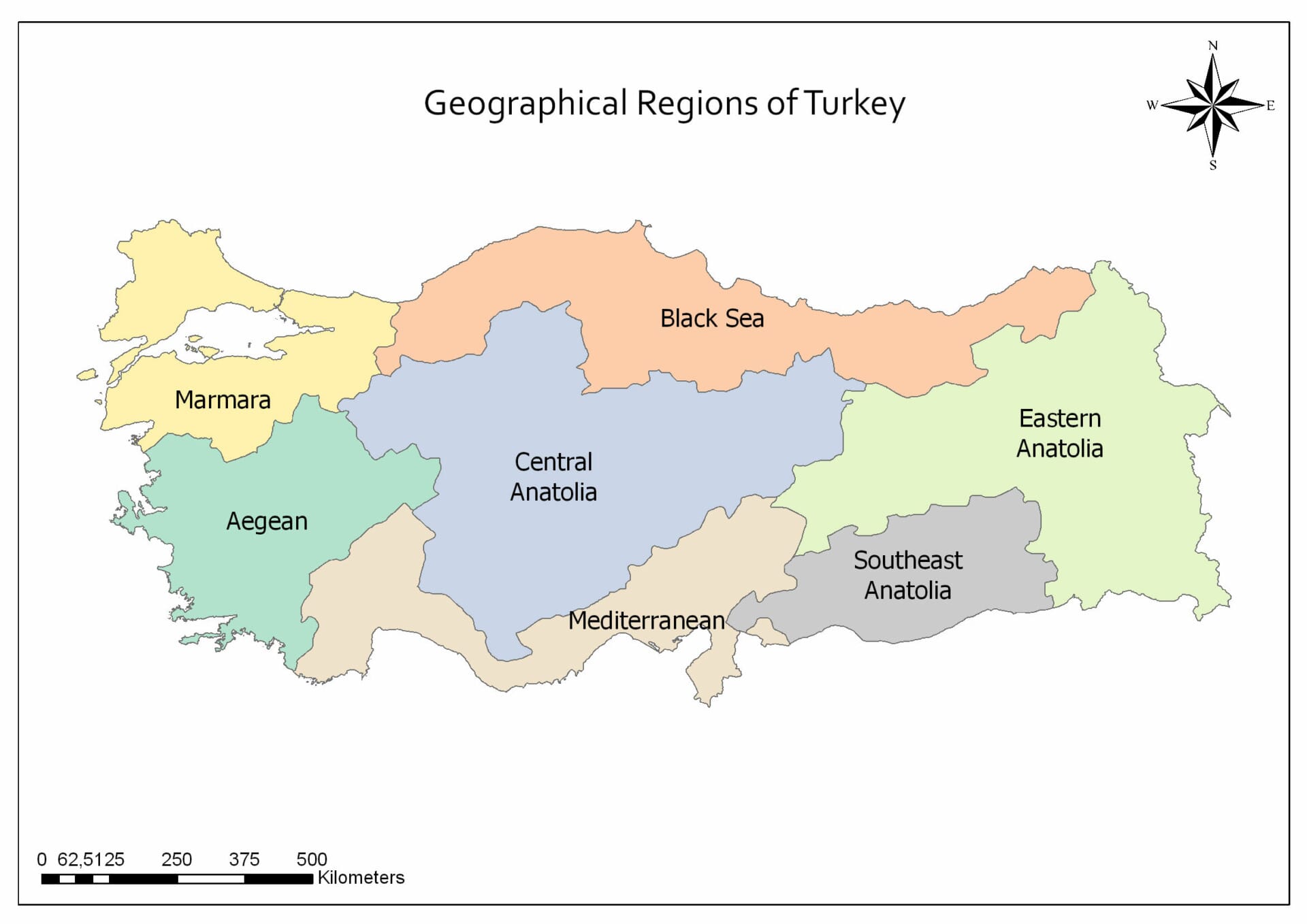
In Istanbul, a bustling metropolis and a popular tourist destination, language plays a vital role in facilitating tourism and enhancing the visitor experience. The city’s rich linguistic landscape reflects its diverse history and cosmopolitan character.
To cater to the influx of international tourists, various languages are used in Istanbul’s tourism industry. English, as a global lingua franca, is widely spoken in tourist areas, hotels, and restaurants. Additionally, languages such as Arabic, Russian, German, and French are commonly used to accommodate visitors from specific regions.
Multilingual Signage
To ensure effective communication and accessibility for tourists, multilingual signage is prevalent throughout Istanbul. Street signs, tourist maps, and transportation systems often display information in multiple languages, making it easier for visitors to navigate the city and find their way around.
Language-Specific Tours and Services
Many tour operators in Istanbul offer guided tours in different languages, allowing tourists to explore the city’s historical and cultural landmarks in their native tongue. Additionally, language-specific services such as translation and interpretation are available to assist tourists with communication needs.
Language and Cultural Exchange
Language plays a pivotal role in facilitating cultural exchange and understanding in Istanbul, a vibrant metropolis where diverse cultures and languages converge. It serves as a bridge between different communities, enabling them to communicate, share ideas, and appreciate each other’s perspectives.
One notable example of cultural exchange through language is the increasing popularity of language learning initiatives in Istanbul. Many organizations offer language courses in various languages, including English, Arabic, and French, to cater to the diverse linguistic needs of the city’s residents and visitors.
Turkish is the official language spoken in Istanbul, but other languages such as Kurdish, Arabic, and Armenian are also spoken by significant communities. Interestingly, the question of whether Korean is a tonal language, where pitch variations affect meaning, is a topic of debate.
This article explores the intricacies of Korean phonology , examining the role of pitch and intonation in the language. Returning to Istanbul, the multilingual landscape reflects the city’s rich history and cultural diversity, where Turkish remains the dominant language.
These courses not only provide language skills but also foster cross-cultural dialogue and understanding.
Language Barriers and Cultural Exchange, What language do they speak in istanbul
However, language barriers can also pose challenges to cultural exchange in Istanbul. Miscommunication and misunderstandings can arise when individuals from different linguistic backgrounds interact, potentially hindering effective communication and cultural exchange.
To address this issue, various efforts are underway to promote language learning and intercultural communication in the city. For instance, the Istanbul Metropolitan Municipality has established language learning centers in different districts, providing free language courses to residents. Additionally, many universities and language schools offer specialized programs designed to enhance cross-cultural communication skills.
Recommendations for Promoting Language Learning and Intercultural Communication
To further promote language learning and intercultural communication in Istanbul, several recommendations can be considered:
- Expand language learning opportunities:Increase the availability of language courses and programs, both formal and informal, to cater to the diverse linguistic needs of the city’s population.
- Encourage intercultural exchange programs:Facilitate opportunities for individuals from different linguistic and cultural backgrounds to interact and learn from each other through exchange programs, workshops, and community events.
- Promote language learning in educational institutions:Integrate language learning into school and university curricula to equip students with the linguistic skills necessary for effective communication and cross-cultural understanding.
- Support language learning resources:Develop and distribute language learning materials, such as dictionaries, phrasebooks, and online resources, to make language learning more accessible and convenient.
– Analyze the role of technology in language preservation and revitalization efforts in Istanbul.
In Istanbul, technology plays a crucial role in preserving and revitalizing the city’s diverse linguistic heritage. Digital tools and online platforms have become invaluable resources for documenting endangered languages, facilitating language learning, and connecting speakers from different communities.
One notable example is the “Istanbul Language Map,” an online platform that documents the distribution and vitality of different languages spoken in Istanbul. This map provides valuable data for researchers and language activists, helping them identify areas where languages are at risk and develop targeted preservation strategies.
Specific examples of how technology has influenced the language landscape of Istanbul
Technology has also facilitated the creation of online language learning resources, making it easier for people to learn and practice minority languages. Platforms like Duolingo and Babbel offer courses in various languages, including Turkish, Kurdish, and Armenian.
Social media platforms have also become important spaces for language revitalization. Istanbul’s large immigrant communities use these platforms to connect with speakers of their native languages, share cultural content, and advocate for language rights.
Historical Languages of Istanbul
Istanbul, with its rich and diverse history, has been home to numerous languages throughout its existence. The city’s linguistic landscape has been shaped by the various empires and civilizations that have ruled over it, each leaving its own imprint on the languages spoken by its inhabitants.The earliest known language spoken in Istanbul was Greek, the language of the Byzantine Empire that ruled the city for over a thousand years.
During this period, Greek was the official language of the empire and was widely spoken throughout the city. After the Ottoman conquest of Constantinople in 1453, Turkish became the official language of the Ottoman Empire and gradually replaced Greek as the dominant language in Istanbul.However, Greek continued to be spoken by a significant minority of the city’s population, and it remains a significant language in Istanbul today.
Other languages that have been spoken in Istanbul throughout its history include Armenian, Hebrew, and Italian.
Armenian
Armenian was spoken by a large Armenian community that settled in Istanbul after the Armenian Genocide in the early 20th century. Today, there are still several Armenian churches and schools in Istanbul, and Armenian is still spoken by a small but vibrant community.
Hebrew
Hebrew was spoken by a large Jewish community that settled in Istanbul after the expulsion of Jews from Spain in the 15th century. Today, there are still several synagogues and Jewish schools in Istanbul, and Hebrew is still spoken by a small but active community.
Italian
Italian was spoken by a large Italian community that settled in Istanbul during the period of the Ottoman Empire. Today, there are still several Italian churches and schools in Istanbul, and Italian is still spoken by a small but active community.The influence of these historical languages can still be seen in the city’s current linguistic landscape.
Many streets and neighborhoods in Istanbul still bear Greek names, and many Turkish words have been borrowed from Greek. Armenian, Hebrew, and Italian are still spoken by small but vibrant communities in the city, and they continue to contribute to the city’s rich linguistic diversity.
Language and Identity: What Language Do They Speak In Istanbul

In Istanbul, language plays a pivotal role in shaping the sense of belonging and community among its residents. As a melting pot of cultures and ethnicities, the city’s linguistic landscape is a reflection of its rich and diverse history.
The primary language spoken in Istanbul is Turkish, which belongs to the Turkic language family. However, due to Istanbul’s diverse population, other languages are also spoken, including Arabic, Kurdish, and Armenian. Similarly, in Myanmar, the official language is Burmese, but there are over 100 other languages spoken by the country’s diverse ethnic groups.
Like Istanbul, Myanmar’s linguistic diversity reflects its rich cultural heritage and the influences of neighboring countries. Returning to Istanbul, the use of English as a global language is also prevalent in the city’s tourism and business sectors.
Language as a Marker of Cultural Identity
The Turkish language is the official language of Istanbul and is spoken by the majority of its population. However, Istanbul is also home to a significant number of immigrants and minority groups who speak a variety of other languages, including Kurdish, Arabic, Armenian, and Greek.
The use of these languages in daily life, education, and media serves as a marker of cultural identity for these communities. For example, Kurdish-speaking residents may use their language to maintain ties with their homeland and preserve their cultural heritage.
Language in the Formation of Istanbul’s Unique Identity
The linguistic diversity of Istanbul has contributed to the formation of the city’s unique identity. The city’s vibrant street life, markets, and cultural events are often characterized by a mix of languages, reflecting the cosmopolitan nature of Istanbul.
This linguistic diversity has also played a role in shaping Istanbul’s place in the global context. As a major economic and cultural hub, Istanbul serves as a bridge between East and West, and its linguistic landscape reflects this role.
Language Policy and Planning
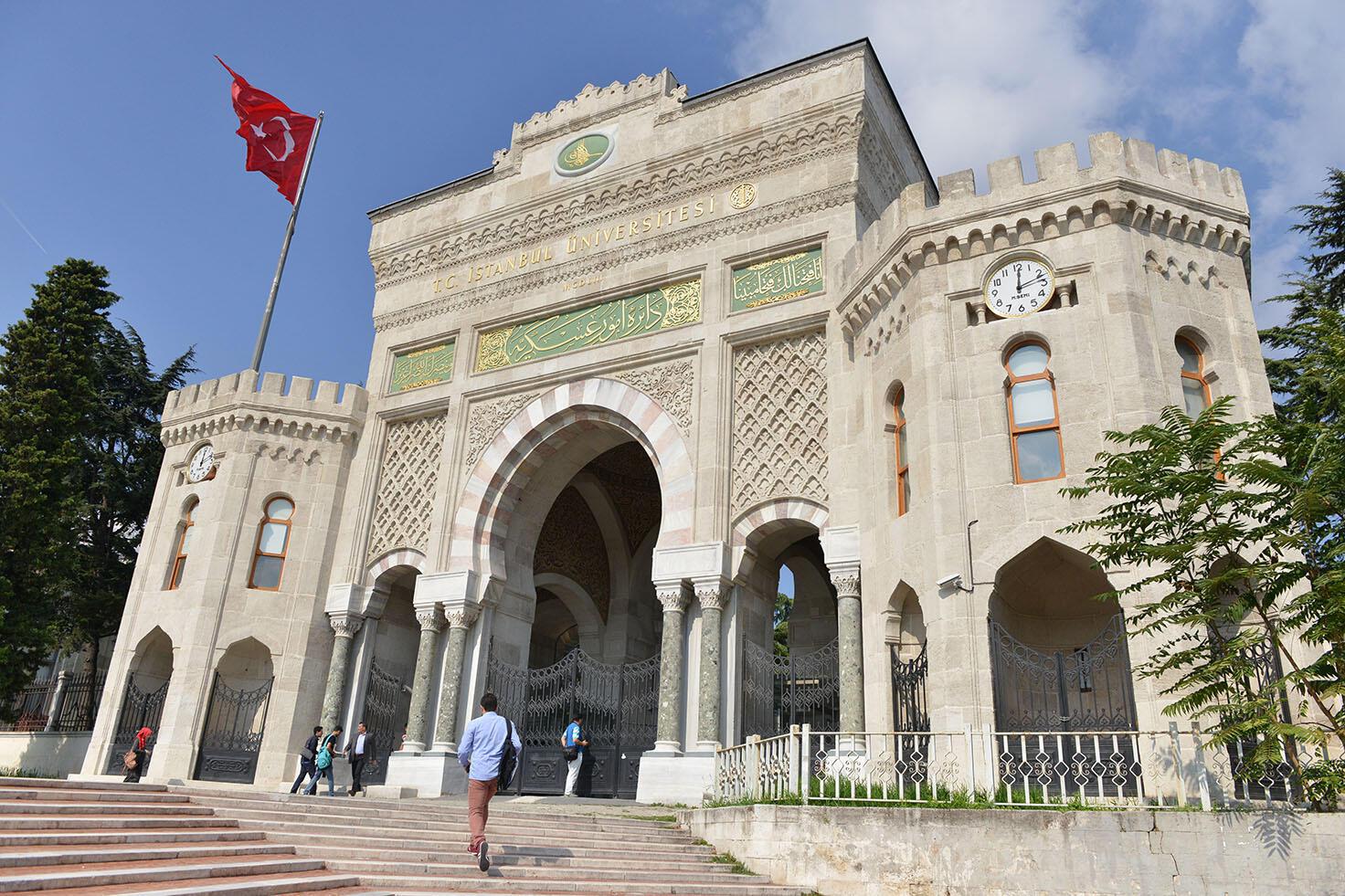
Istanbul, as a metropolitan hub with a rich linguistic heritage, has implemented language policies and planning initiatives to address the challenges and opportunities presented by its diverse linguistic landscape.
The overarching goal of language policy in Istanbul is to promote linguistic diversity while fostering social cohesion and economic development. The city’s language planning initiatives focus on preserving and revitalizing endangered languages, promoting multilingualism, and ensuring access to education and public services in multiple languages.
Stakeholders in Language Policy and Planning
The implementation of language policy and planning in Istanbul involves a wide range of stakeholders, including:
- Government agencies, such as the Ministry of National Education and the Istanbul Metropolitan Municipality
- Educational institutions, including universities, schools, and language centers
- Community organizations, such as language associations and cultural groups
Specific Programs and Initiatives
Several specific programs and initiatives have been implemented as part of the language planning process in Istanbul, including:
- The establishment of the Istanbul Language Center, which provides language courses in various languages, including Turkish, English, Arabic, and Kurdish
- The development of multilingual educational materials and resources for schools and universities
- The implementation of language revitalization programs for endangered languages, such as Armenian and Greek
Impact of Language Policies
The language policies and planning initiatives implemented in Istanbul have had a significant impact on language use and language maintenance in the city.
- The promotion of multilingualism has led to an increase in the use of multiple languages in public spaces and institutions
- The revitalization programs have helped to preserve and revitalize endangered languages, contributing to the linguistic diversity of the city
- The provision of language education and resources has facilitated access to education and public services for speakers of different languages
Challenges and Opportunities
Despite the progress made in language policy and planning, Istanbul faces several challenges, including:
- The increasing globalization and migration, which bring new linguistic challenges and opportunities
- The need to balance the preservation of linguistic diversity with the promotion of a common language for communication and social cohesion
- The limited resources available for language planning and implementation
Recommendations for Future Research and Policy Development
To address these challenges and seize the opportunities presented by Istanbul’s linguistic diversity, several recommendations can be made for future research and policy development:
- Conduct research on the impact of globalization and migration on language use and language maintenance in Istanbul
- Develop policies that promote multilingualism while fostering social cohesion and economic development
- Increase funding for language planning and implementation, including support for language revitalization programs and multilingual education
Future of Language in Istanbul
The linguistic landscape of Istanbul is constantly evolving, and it is difficult to predict exactly what the future holds. However, there are a number of factors that could influence the way that language is used in the city in the years to come.
One of the most significant factors is the city’s growing population. Istanbul is home to people from all over Turkey, as well as from many other countries. This diversity is reflected in the city’s language, which is a mixture of Turkish, Kurdish, Arabic, and many other languages.
Factors Influencing Language Changes
- Population growth and diversity:As Istanbul continues to attract people from different linguistic backgrounds, the city’s linguistic diversity will likely increase, leading to a potential blend of languages and the emergence of new linguistic varieties.
- Education and language learning:The availability of education and language learning opportunities can significantly influence language use. Increased access to education and language classes may promote the use of standard Turkish and facilitate language acquisition among non-native speakers.
- Technology and communication:Technological advancements, such as social media and online platforms, can impact language use by providing new avenues for communication and language exchange. They may also influence language norms and the spread of linguistic innovations.
- Government policies and language planning:Government policies and language planning initiatives can shape the linguistic landscape of a city. Official language policies, education reforms, and language revitalization efforts can influence the status, use, and transmission of languages.
- Economic and social changes:Economic and social changes, such as globalization, migration, and urbanization, can affect language use and language dynamics. They may lead to the adoption of new languages, the decline of others, or the emergence of hybrid linguistic practices.
Another factor that could influence the future of language in Istanbul is the city’s increasing globalization. Istanbul is a major international hub, and it is home to people from all over the world. This is leading to a greater use of English and other international languages in the city.
Finally, the future of language in Istanbul will also be shaped by the city’s government. The government has a role to play in promoting the use of Turkish and other minority languages in the city. It can do this through education, language planning, and other initiatives.
Answers to Common Questions
What is the official language of Istanbul?
Turkish
What other languages are commonly spoken in Istanbul?
Arabic, Kurdish, Persian, English, French, German
Why is Istanbul a multilingual city?
Due to its historical role as a crossroads of civilizations and a major trade and tourism hub
