What language do they speak in morroco – What language do they speak in Morocco? This North African country is a melting pot of cultures, and its linguistic landscape reflects this diversity. From the official languages of Arabic and Berber to the widespread use of French and the growing popularity of English, Morocco’s linguistic tapestry is a fascinating blend of tradition and modernity.
The history of Morocco’s languages is as rich and varied as the country itself. Arabic, the language of the Quran, was brought to Morocco by Arab conquerors in the 7th century and has since become the country’s official language. Berber, the indigenous language of North Africa, has also played a significant role in Moroccan history and culture and remains widely spoken in rural areas.
Explain the two official languages of Morocco.
Morocco’s two official languages are Arabic and Berber. Arabic, the dominant language, is the official language of the government, education, and media. Berber, spoken by approximately 25% of the population, has various dialects and is recognized as an official language in the constitution.
History and Background
Arabic:Arabic arrived in Morocco during the Arab conquest in the 7th century. It became the language of administration, trade, and religious instruction, gradually replacing the indigenous Berber languages.
Berber:Berber is a branch of the Afro-Asiatic language family, with roots in the indigenous populations of North Africa. It has a rich oral tradition and diverse dialects.
Usage and Distribution
- Arabic:Modern Standard Arabic is the official written and spoken form, while Moroccan Arabic is the colloquial dialect widely used in daily life.
- Berber:Berber is spoken in various dialects across Morocco, primarily in rural areas and among Amazigh communities. The main dialects include Tamazight, Tarifit, and Tashelhit.
Cultural and Historical Significance
- Arabic:Arabic is deeply intertwined with Moroccan culture and identity, serving as the language of literature, religion, and historical texts.
- Berber:Berber represents the indigenous heritage of Morocco and plays a vital role in maintaining cultural diversity.
Role in Education, Media, and Government
- Education:Arabic is the primary language of instruction in schools, while Berber is gradually being introduced in some areas.
- Media:Arabic dominates the media landscape, with some Berber-language programming available.
- Government:Arabic is the official language of government documents and proceedings, with Berber recognized in some official contexts.
Challenges and Opportunities
- Preservation:Globalization and urbanization pose challenges to preserving Berber dialects.
- Promotion:Efforts are being made to promote Berber and ensure its use in various domains.
- Technology:Digital technologies provide opportunities for expanding access to Berber-language resources.
Language Policies and Initiatives
- The 2011 constitution recognized Berber as an official language.
- The Royal Institute of Amazigh Culture was established to promote Berber language and culture.
- Initiatives aim to incorporate Berber into education, media, and government.
| Language | History | Usage | Significance |
|---|---|---|---|
| Arabic | Introduced in the 7th century during Arab conquest | Official language of government, education, media | Language of literature, religion, and historical texts |
| Berber | Indigenous language with various dialects | Spoken by approximately 25% of the population | Represents indigenous heritage and cultural diversity |
“The preservation and promotion of our official languages, Arabic and Berber, are essential for safeguarding our cultural identity and fostering unity in diversity.”
– King Mohammed VI of Morocco
– Discuss the various Arabic dialects spoken in Morocco.
Morocco is a diverse country with a rich linguistic heritage. In addition to the two official languages, Arabic and Berber, there are also several Arabic dialects spoken in Morocco. These dialects vary significantly in terms of their phonology, morphology, and syntax, and they are often used in different social and regional contexts.
Darija
Darija is the most widely spoken Arabic dialect in Morocco. It is a colloquial dialect that is used in everyday conversation, as well as in the media and in literature. Darija is characterized by its use of a simplified grammar and a large number of loanwords from French, Spanish, and Berber.
It is also known for its use of a distinctive set of pronouns, such as “nta” (you, masculine singular) and “nti” (you, feminine singular).
Classical Arabic
Classical Arabic is the literary language of the Arab world. It is used in religious texts, in official documents, and in formal speeches. Classical Arabic is not spoken as a native language in Morocco, but it is studied in schools and is used in some religious and academic contexts.
Other Arabic dialects
In addition to Darija and Classical Arabic, there are also a number of other Arabic dialects spoken in Morocco. These dialects include Hassaniya, which is spoken in the southern part of the country, and Moroccan Arabic, which is spoken in the northern part of the country.
These dialects are all mutually intelligible to some extent, but they each have their own unique characteristics.
French Influence
French has had a significant impact on the Moroccan language landscape, primarily due to Morocco’s colonial history under French rule from 1912 to 1956.
During the colonial period, French became the official language of government, education, and commerce, leading to its widespread use among the Moroccan population. While Arabic remained the language of religion and culture, French became the language of modernization and progress.
Role of French as a Former Colonial Language
As a former colonial language, French played a dominant role in Moroccan society, shaping the country’s political, economic, and cultural institutions.
- Government and Administration:French was the official language of government documents, laws, and administrative procedures.
- Education:French was the primary language of instruction in higher education and many secondary schools, giving rise to a generation of French-educated Moroccans.
- Commerce and Industry:French was widely used in business transactions, banking, and international trade.
French Loanwords in Moroccan Arabic
The influence of French on Moroccan Arabic is evident in the presence of numerous French loanwords. These words have been incorporated into the Moroccan Arabic vocabulary, reflecting the language’s adaptation to the colonial experience.
- Common Nouns:Examples include “bureau” (office), “voiture” (car), and “telephone” (telephone).
- Technical Terms:French loanwords are particularly common in technical fields, such as “électricité” (electricity) and “mécanique” (mechanics).
- Cultural Concepts:French loanwords have also entered Moroccan Arabic to express cultural concepts introduced during the colonial period, such as “démocratie” (democracy) and “liberté” (freedom).
Berber Languages

Morocco is a linguistically diverse country with Berber languages playing a significant role alongside Arabic and French. Berber languages belong to the Afro-Asiatic language family and are spoken by a substantial portion of the population, particularly in rural areas and among indigenous communities.
The Berber languages spoken in Morocco can be classified into three main branches: Northern Berber, Central Berber, and Southern Berber. Northern Berber includes Tarifit, spoken in the Rif region, and Tamazight, spoken in the Middle Atlas and High Atlas mountains.
Central Berber includes Tashelhit, spoken in the Souss region, and Tachelhit, spoken in the Anti-Atlas mountains. Southern Berber includes Senhaja de Srair, spoken in the eastern part of the country.
Geographic Distribution and Cultural Significance
The Berber languages have a strong cultural significance in Morocco and are closely tied to the identity of the Berber people. They are used in everyday communication, cultural practices, and traditional ceremonies. Berber music, poetry, and storytelling are important forms of cultural expression in Morocco.
The Berber languages are also used in education, with some schools offering instruction in Berber languages alongside Arabic and French. This reflects the growing recognition of the importance of preserving and revitalizing Berber languages.
Efforts to Preserve and Revitalize Berber Languages
There are ongoing efforts to preserve and revitalize Berber languages in Morocco. These efforts include promoting the use of Berber languages in education, media, and government. There are also initiatives to document and study Berber languages, and to create dictionaries and other resources.
The preservation and revitalization of Berber languages is important for maintaining the cultural diversity of Morocco and ensuring the continuity of Berber traditions and heritage.
The official language of Morocco is Modern Standard Arabic, while the most widely spoken language is Moroccan Arabic, a dialect of Arabic. Berber languages, such as Tamazight, are also spoken by a significant portion of the population. Like Morocco, the Netherlands also has its own unique linguistic landscape.
To explore the language of the Netherlands, click here. Returning to Morocco, French is widely used in government, business, and education, and Spanish is also spoken in some areas.
Spanish Influence
Spanish influence on the languages spoken in Morocco is primarily due to the country’s proximity to Spain and the historical presence of Spanish rule in northern Morocco. Spanish loanwords are found in Moroccan Arabic, particularly in the vocabulary related to commerce, administration, and technology.
Presence of Spanish Loanwords in Moroccan Arabic
- Spanish loanwords are common in Moroccan Arabic, especially in urban areas.
- Examples include: “coche” (car), “ordenador” (computer), and “telefono” (telephone).
- The incorporation of Spanish loanwords into Moroccan Arabic is a reflection of the cultural and economic ties between the two countries.
Historical and Cultural Factors
The presence of Spanish loanwords in Moroccan Arabic can be attributed to several historical and cultural factors:
- Proximity to Spain:Morocco’s geographical proximity to Spain has facilitated cultural and linguistic exchange.
- Spanish Rule in Northern Morocco:Spain controlled parts of northern Morocco from the 15th to the 20th century, leaving a linguistic legacy.
- Trade and Commerce:The close economic ties between Morocco and Spain have contributed to the adoption of Spanish terms in Moroccan Arabic.
English Proficiency

In Morocco, English proficiency is still relatively low compared to other major world languages. However, there has been a growing interest in learning English in recent years, particularly among younger generations.
Several factors contribute to the increasing demand for English language learning in Morocco. Firstly, English is widely recognized as the global language of business and communication. Proficiency in English opens up opportunities for international collaboration, trade, and career advancement. Secondly, Morocco’s tourism industry is heavily reliant on English-speaking visitors.
Learning English can enhance communication with tourists and provide better service in the hospitality sector.
Role of English in Education, What language do they speak in morroco
English is gradually gaining importance in the Moroccan education system. It is now taught as a foreign language from primary school onwards. In higher education, many universities offer English-medium programs, especially in fields such as science, technology, engineering, and business.
Role of English in Business
English is increasingly used in business communication and transactions in Morocco. Many multinational companies operating in the country require their employees to have a working knowledge of English. Proficiency in English can facilitate communication with international clients, partners, and suppliers.
Role of English in Tourism
English is essential for communication in the tourism industry in Morocco. Most tourists visiting the country come from English-speaking countries. English proficiency among tourism professionals, such as tour guides, hotel staff, and travel agents, is crucial for providing quality service and creating a positive visitor experience.
Language Education

Morocco has a structured and diverse language education system that aims to preserve local dialects while promoting official languages and facilitating global communication. The system encompasses various levels and types of institutions, offering a range of language learning opportunities.
Curriculum and Policies
The Moroccan language education curriculum emphasizes the teaching of official languages (Arabic and Berber) and foreign languages (French, English, and Spanish). Arabic, as the national language, is compulsory at all levels of education. Berber, recognized as an official language in 2011, is taught in specific regions where it is widely spoken.
French, the legacy of Morocco’s colonial past, remains an important foreign language in the country. It is taught from primary school onwards and is widely used in government, education, and business. English, as the global lingua franca, is gaining increasing prominence and is taught as a foreign language in secondary and higher education.
The Moroccan government recognizes the importance of preserving local dialects and has implemented policies to support their use in education and media. However, there is a delicate balance between preserving local dialects and promoting official languages, especially in the context of globalization and the need for international communication.
Language Policy
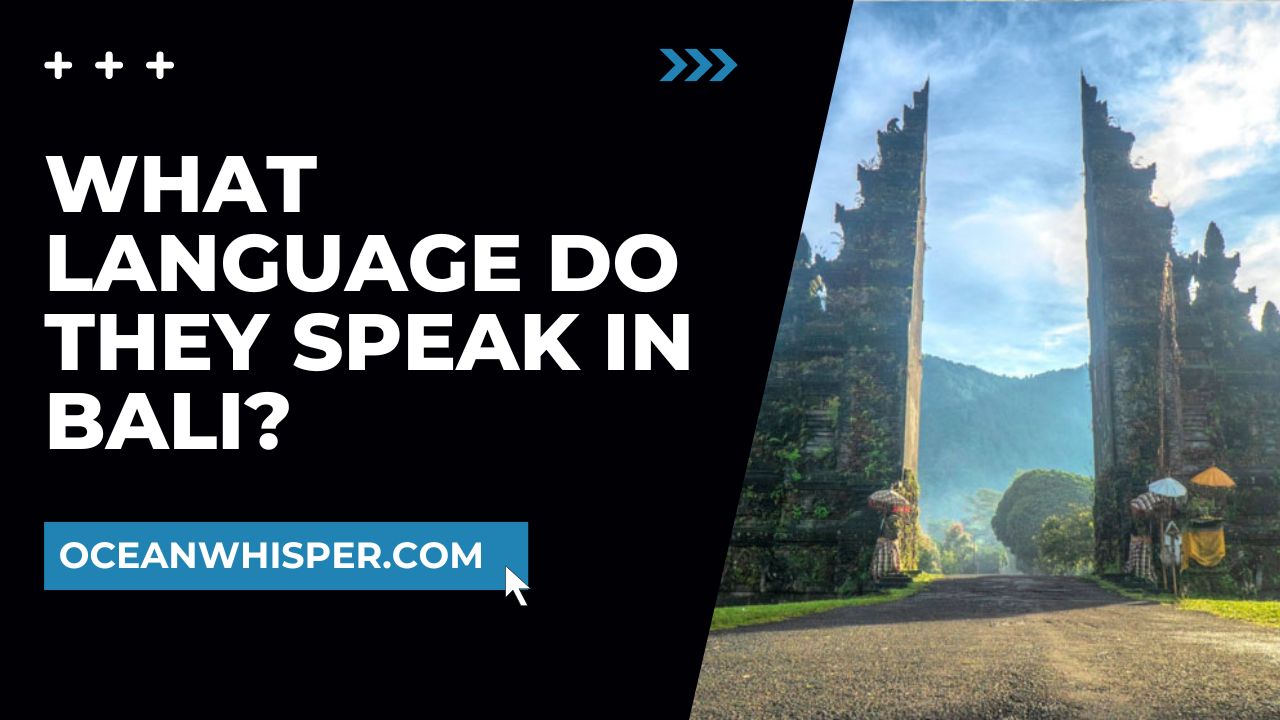
The Moroccan government has implemented a language policy aimed at preserving and promoting the country’s linguistic diversity. This policy recognizes the official status of both Arabic and Berber, while also encouraging the use of French and Spanish in specific domains.
The government’s objectives for its language policy include:
- Protecting and revitalizing the Berber language and culture.
- Promoting the use of Arabic as the national language.
- Maintaining French as the language of business and international communication.
- Encouraging the use of Spanish in tourism and cultural exchange.
Strategies for Promoting Linguistic Diversity
The government has implemented several strategies to promote linguistic diversity in Morocco. These include:
- Establishing the Royal Institute for Berber Culture (IRCAM) to promote the study and preservation of Berber languages.
- Introducing Berber language instruction in schools and universities.
- Supporting the production of Berber-language media and literature.
- Encouraging the use of Berber in government and public institutions.
- Promoting cultural exchange programs between Morocco and other Berber-speaking countries.
Controversies and Debates
The government’s language policy has not been without its controversies and debates. Some critics argue that the policy gives too much emphasis to Berber, while others argue that it does not go far enough in promoting the use of Berber in all domains of public life.
There have also been debates about the role of French in Moroccan society. Some argue that French should be phased out as a language of instruction and administration, while others believe that it should continue to play a role in these domains.
Multilingualism: What Language Do They Speak In Morroco

Morocco is a multilingual country with a diverse linguistic landscape. The official languages are Arabic and Berber, and there are several other languages spoken, including French, Spanish, and English.
Language Combinations
The most common language combinations spoken in Morocco are Arabic and Berber, Arabic and French, and Arabic and Spanish. In urban areas, many people are trilingual, speaking Arabic, Berber, and French. In rural areas, Berber is more commonly spoken, and many people are bilingual in Berber and Arabic.
Social and Economic Implications
Multilingualism has a significant impact on Moroccan society and economy. It allows for communication between people from different linguistic backgrounds and facilitates trade and commerce. Multilingualism also gives Moroccans access to a wider range of information and culture.
Challenges and Opportunities
Multilingualism also presents some challenges. One challenge is that it can be difficult for people to learn and maintain multiple languages. Another challenge is that multilingualism can sometimes lead to discrimination against people who do not speak the dominant languages.
Government and Education
The Moroccan government promotes and supports multilingualism. The government provides education in both Arabic and Berber, and it encourages the use of both languages in the media and in public life.
Cultural and Historical Factors
Multilingualism in Morocco is a result of the country’s long and complex history. Morocco has been influenced by a variety of cultures, including Arab, Berber, French, and Spanish. This has led to the development of a rich and diverse linguistic landscape.
Language Distribution
| Language | Geographic Distribution |
|---|---|
| Arabic | Official language spoken throughout the country |
| Berber | Official language spoken primarily in rural areas |
| French | Widely spoken in urban areas and used in government, education, and business |
| Spanish | Spoken in the northern part of the country, near the border with Spain |
| English | Increasingly taught in schools and used in business and tourism |
“Multilingualism is a key part of Moroccan identity. It allows us to communicate with each other, to access information and culture, and to participate in the global economy.”- Dr. Fatima Sadiqi, Moroccan linguist
Language and Culture
Language and culture are inextricably intertwined in Morocco, with the country’s rich linguistic landscape reflecting and shaping its diverse cultural heritage. Arabic, Berber, and French play significant roles in Moroccan society, each contributing to the country’s unique identity.
Arabic and Moroccan Identity
Arabic, the official language of Morocco, is a key element of Moroccan identity. It is the language of the Quran, Islam’s holy book, and has a profound influence on Moroccan culture, literature, and daily life. Arabic is used in government, education, media, and religious practices, and its widespread use fosters a sense of national unity and cultural cohesion.
Berber and Cultural Traditions
Berber languages, spoken by the indigenous Berber population, are an integral part of Moroccan cultural heritage. Berber dialects are used in various regions of the country, and they play a vital role in preserving traditional customs, folklore, and oral histories.
Berber music, poetry, and storytelling contribute to the richness and diversity of Moroccan cultural expression.
French and Modernization
French, a legacy of Morocco’s colonial past, has also left a significant mark on Moroccan culture. It is widely used in education, business, and government, and it serves as a bridge to the wider Francophone world. French has influenced Moroccan literature, cinema, and popular culture, contributing to the country’s cultural modernity and global outlook.
Arabic is the official language of Morocco, spoken by the majority of the population. However, there are also significant Berber-speaking communities, particularly in rural areas. Berber languages belong to the Afro-Asiatic language family, and there are several distinct Berber languages spoken in Morocco, each with its own dialects.
In contrast, the fictional African nation of Wakanda, as depicted in the Marvel Cinematic Universe, has its own unique language known as Xhosa. What language do wakandans speak ? The language of Wakanda is a constructed language, created specifically for the fictional setting.
While Arabic and Berber languages are spoken in Morocco, Xhosa is the language of Wakanda.
Challenges and Opportunities
In the face of globalization and modernization, the Moroccan language landscape is undergoing changes and challenges. The spread of English as a global lingua franca and the increasing use of technology are influencing language use and cultural practices. However, the Moroccan government and cultural institutions are actively promoting the preservation and revitalization of Arabic and Berber languages, recognizing their importance for cultural identity and heritage.
Language and Tourism
Importance of Language in Tourism
Language plays a vital role in tourism in Morocco. It facilitates communication between tourists and locals, enabling them to interact, share experiences, and build connections. Effective communication enhances cultural understanding, fostering mutual respect and appreciation. Moreover, language proficiency in the tourism sector contributes to economic growth by attracting more tourists, improving visitor satisfaction, and creating employment opportunities.
Language Services for Foreign Visitors
To cater to the needs of foreign visitors, Morocco offers a range of language services. Translation and interpretation services assist tourists in overcoming language barriers, allowing them to access information, communicate with locals, and fully immerse themselves in the Moroccan culture.
Language classes are also available, providing tourists with an opportunity to learn basic Arabic or Berber phrases to enhance their interactions and cultural experiences.
Successful Language-Based Tourism Initiatives
Morocco has implemented successful language-based tourism initiatives to enhance the visitor experience. Language immersion programs allow tourists to live with local families and learn about Moroccan culture and traditions firsthand. Guided tours in multiple languages ensure that tourists from diverse backgrounds can access information and appreciate the historical and cultural landmarks.
Cultural exchange programs foster connections between tourists and locals, promoting understanding and goodwill.
Challenges and Strategies
Language barriers remain a challenge in tourism, but Morocco is actively working to overcome them. The government invests in language education, promoting multilingualism among tourism professionals. Technology also plays a significant role, with language learning apps, translation software, and virtual tour guides enhancing communication and accessibility.
Respecting local languages and avoiding cultural appropriation are ethical considerations that ensure sustainable and responsible tourism practices.
Benefits of Language-Based Tourism
Language-based tourism initiatives have benefited Morocco in several ways. Increased tourist arrivals and improved visitor satisfaction are direct outcomes. Moreover, economic development is stimulated through job creation in the tourism sector and the promotion of local businesses. Language proficiency among tourism professionals enhances their skills and employability, contributing to the overall growth of the industry.
Table: Key Benefits and Challenges of Language in Tourism in Morocco
| Benefits | Challenges |
|---|---|
| Improved communication and cultural understanding | Language barriers |
| Increased tourist arrivals and visitor satisfaction | Lack of multilingualism among tourism professionals |
| Economic growth and job creation | Cultural appropriation and disrespect for local languages |
Future of Language and Tourism in Morocco
The future of language and tourism in Morocco looks promising. Globalization and technological advancements are driving the need for multilingualism and cross-cultural communication. Language-based tourism initiatives will continue to evolve, incorporating innovative technologies and promoting immersive experiences. By embracing diversity and fostering language proficiency, Morocco can position itself as a leading destination for global tourists seeking authentic and meaningful cultural encounters.
Language and Technology
Technology is rapidly transforming the language landscape in Morocco, as it does in many parts of the world. The rise of digital communication, including social media, instant messaging, and video conferencing, has had a profound impact on how Moroccans use and preserve their languages.
One of the most significant ways that technology is affecting language in Morocco is through the promotion of language learning and preservation. Online language courses, language learning apps, and digital language resources are making it easier than ever for Moroccans to learn new languages or improve their proficiency in their native languages.
This is especially important for minority languages, such as Berber languages, which are often not taught in traditional schools.
Technology is also playing a role in bridging language barriers in Morocco. Machine translation tools, such as Google Translate, are becoming increasingly sophisticated and can help people to communicate with each other in different languages. Language exchange platforms, such as Tandem and HelloTalk, allow people to connect with native speakers of other languages and practice their language skills.
However, technology also presents some challenges to language diversity and inclusion in Morocco. The dominance of certain languages, such as English and French, on the internet can lead to the marginalization of minority languages. Additionally, the spread of misinformation and hate speech online can have a negative impact on intercultural communication.
Overall, technology has the potential to be a powerful tool for supporting language learning, preservation, and intercultural communication in Morocco. However, it is important to be aware of the challenges that technology presents and to take steps to mitigate them.
Key Findings and Recommendations
- Technology is having a profound impact on the language landscape in Morocco, both positively and negatively.
- Technology can be used to promote language learning and preservation, bridge language barriers, and foster intercultural communication.
- It is important to be aware of the challenges that technology presents to language diversity and inclusion and to take steps to mitigate them.
- The Moroccan government and other stakeholders should invest in technology-based language learning and preservation initiatives.
- Moroccans should be encouraged to use technology to learn new languages and to preserve their native languages.
Future of Languages in Morocco
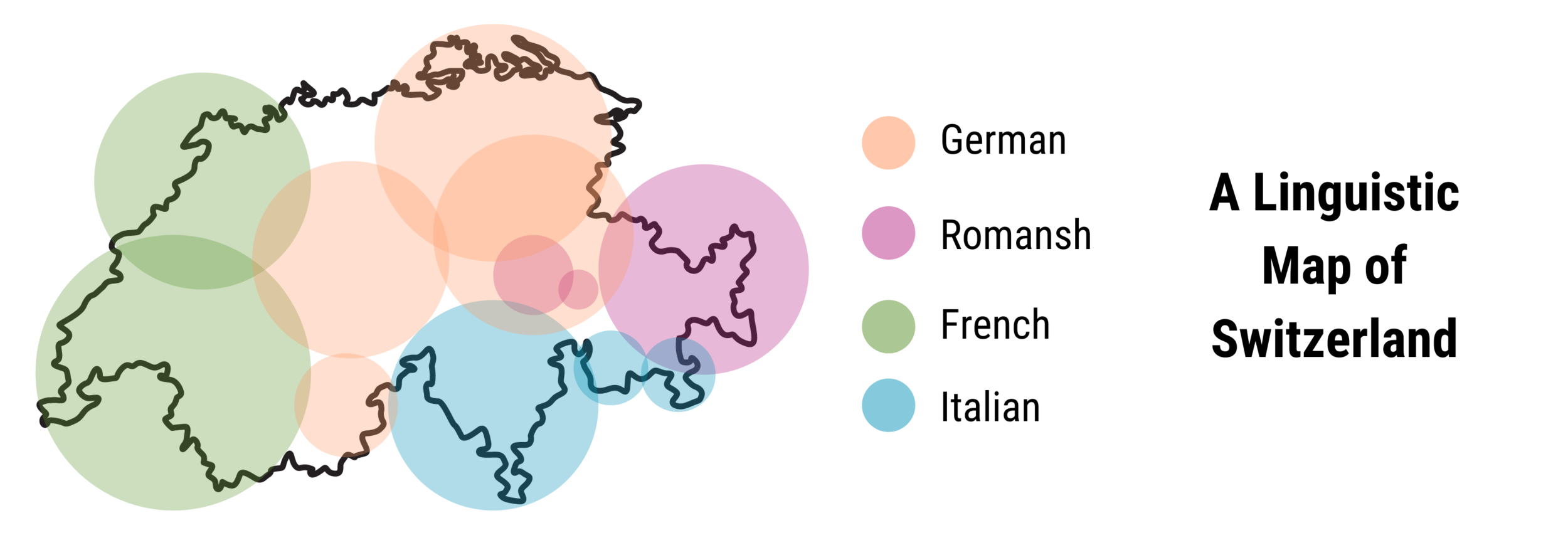
The future of languages in Morocco is complex and uncertain. On the one hand, there are a number of factors that could lead to the decline of linguistic diversity in the country. These include the increasing dominance of Arabic and French in education, media, and government, as well as the growing influence of globalized culture.
On the other hand, there are also a number of factors that could help to preserve and promote linguistic diversity in Morocco. These include the strong attachment of many Moroccans to their native languages, the growing recognition of the importance of linguistic diversity for cultural heritage and identity, and the increasing availability of resources for the teaching and learning of minority languages.One of the most important challenges facing linguistic diversity in Morocco is the increasing dominance of Arabic and French in education.
For many years, Arabic and French were the only languages of instruction in Moroccan schools. This meant that many Moroccans, particularly those from rural areas, were unable to receive an education in their native languages. In recent years, there has been some progress in the promotion of linguistic diversity in education.
However, Arabic and French remain the dominant languages of instruction, and many minority languages are still not taught in schools.Another challenge facing linguistic diversity in Morocco is the growing influence of globalized culture. The spread of globalized culture through media, such as television and the internet, is leading to the increased use of English and other international languages.
This can have a negative impact on the vitality of minority languages, as people may be less likely to use them in favor of more widely spoken languages.Despite these challenges, there are also a number of factors that could help to preserve and promote linguistic diversity in Morocco.
One of the most important factors is the strong attachment of many Moroccans to their native languages. For many Moroccans, their native language is a symbol of their cultural identity. This attachment to native languages is likely to continue to be a force for the preservation of linguistic diversity in Morocco.Another factor that could help to preserve linguistic diversity in Morocco is the growing recognition of the importance of linguistic diversity for cultural heritage and identity.
In recent years, there has been a growing awareness of the importance of linguistic diversity for cultural heritage and identity. This awareness has led to a number of initiatives to promote linguistic diversity in Morocco, such as the establishment of the National Institute for the Development of Amazigh Language and Culture.Finally, the increasing availability of resources for the teaching and learning of minority languages could also help to preserve linguistic diversity in Morocco.
In recent years, there has been a growing number of resources available for the teaching and learning of minority languages in Morocco. These resources include textbooks, dictionaries, and online learning materials. The availability of these resources makes it easier for people to learn and use minority languages.
Challenges and Opportunities for Language Diversity
The future of languages in Morocco is uncertain. However, there are a number of factors that could help to preserve and promote linguistic diversity in the country. These include the strong attachment of many Moroccans to their native languages, the growing recognition of the importance of linguistic diversity for cultural heritage and identity, and the increasing availability of resources for the teaching and learning of minority languages.
Recommendations for Ensuring the Vitality and Preservation of Moroccan Languages
There are a number of things that can be done to help ensure the vitality and preservation of Moroccan languages. These include:
- Promoting the use of minority languages in education, media, and government.
- Supporting the development of resources for the teaching and learning of minority languages.
- Raising awareness of the importance of linguistic diversity for cultural heritage and identity.
- Encouraging the use of minority languages in everyday life.
Questions Often Asked
What is the official language of Morocco?
Arabic
What other languages are spoken in Morocco?
Berber, French, Spanish, and English
Is English widely spoken in Morocco?
English is increasingly popular in Morocco, especially among younger generations and in urban areas.
