What language does a deaf person think in? This intriguing question opens up a fascinating exploration into the intricate tapestry of human cognition and communication. As we delve into the realm of language representation and development in deaf individuals, we uncover a captivating journey that challenges our preconceived notions and sheds light on the extraordinary capabilities of the human mind.
The complexities of language acquisition and processing in deaf individuals present a unique lens through which we can examine the fundamental nature of language itself. Through the study of sign language and its profound impact on thought, we gain insights into the cognitive processes that underpin human communication and the remarkable adaptability of the human brain.
Cognitive Language Representation

Language representation refers to the way in which the human brain encodes, stores, and processes language. This includes the representation of both spoken and written language, as well as the comprehension and production of language. The brain regions involved in language representation include Broca’s area, Wernicke’s area, and the arcuate fasciculus.
Theories on how deaf individuals represent language in their minds vary depending on the type of deafness and the age at which deafness occurred. One theory is that deaf individuals use a visual-spatial representation of language, which involves the use of mental images and gestures to represent words and concepts.
Another theory is that deaf individuals use a phonological representation of language, which involves the use of mental representations of the sounds of language.
Visual-Spatial Representation
The visual-spatial representation of language is thought to be more common in deaf individuals who were born deaf or who became deaf at a young age. This type of representation involves the use of mental images and gestures to represent words and concepts.
For example, a deaf individual might use a mental image of a tree to represent the word “tree” or a gesture to represent the concept of “run”.
Phonological Representation
The phonological representation of language is thought to be more common in deaf individuals who became deaf later in life. This type of representation involves the use of mental representations of the sounds of language. For example, a deaf individual might use a mental representation of the sound of the word “tree” to represent the concept of “tree”.
Language Development in Deaf Individuals
Deaf individuals experience unique language development patterns compared to hearing individuals. This is primarily due to the absence or significant impairment of auditory input, which plays a crucial role in language acquisition.
Stages of Language Development in Deaf Children
Deaf children typically progress through the following stages of language development:
- Prelinguistic Stage (0-2 years):Deaf children engage in non-verbal communication through gestures, facial expressions, and body language.
- Early Linguistic Stage (2-4 years):Deaf children begin to develop basic sign language skills and acquire a limited vocabulary.
- Intermediate Linguistic Stage (4-6 years):Deaf children’s sign language skills become more sophisticated, and they begin to develop an understanding of syntax and grammar.
- Advanced Linguistic Stage (6 years and older):Deaf children continue to develop their sign language skills and may acquire additional communication modes, such as written English or spoken language.
Comparison to Hearing Individuals
| Characteristic | Deaf Individuals | Hearing Individuals |
|---|---|---|
| Age of First Words | Later (typically around 2-3 years) | Earlier (typically around 1 year) |
| Vocabulary Size | Smaller in early stages, but may catch up later | Larger in early stages |
| Syntax and Grammar | May develop differently, with emphasis on visual-spatial aspects | Develops naturally through auditory input |
| Communication Modes | Primarily sign language, with additional modes possible | Primarily spoken language |
Role of Sign Language
Sign language plays a critical role in the language development of deaf individuals. It provides a visual-spatial representation of language, allowing deaf children to access and express linguistic information. Sign language helps deaf children develop concepts, vocabulary, syntax, and grammar.
Challenges in Acquiring Spoken Language
- Auditory Impairment:Deaf individuals have difficulty hearing and processing spoken language, which makes it challenging to acquire through natural exposure.
- Lack of Speech Models:Deaf children may have limited opportunities to interact with spoken language models, such as parents or peers.
- Phonological Awareness:Deaf individuals may struggle with phonological awareness, which is the ability to recognize and manipulate sounds in spoken language.
Strategies for Supporting Language Development
- Early Intervention:Provide sign language instruction and support from an early age to facilitate language development.
- Language-Rich Environment:Create a home and school environment where deaf children are exposed to sign language and other communication modes.
- Access to Technology:Utilize assistive listening devices, captioning, and other technologies to enhance access to spoken language.
- Peer Support:Encourage interaction with other deaf children and adults to provide language models and social opportunities.
Sign Language and Thought

Sign language is a complex and sophisticated language that can be used to express a wide range of thoughts and ideas. It is not simply a gestural representation of spoken language but a distinct language with its own grammar and syntax.
Research has shown that sign language users have the same cognitive abilities as hearing people and that sign language can be used as a cognitive tool to facilitate learning and problem-solving.
Evidence for the Use of Sign Language as a Cognitive Tool
There is a growing body of evidence that sign language can be used as a cognitive tool. For example, studies have shown that sign language users are better able to remember and recall information than hearing people. They are also better able to solve problems and reason abstractly.
These findings suggest that sign language can help to improve cognitive function.
Implications of Sign Language Use for Understanding the Nature of Thought
The use of sign language by deaf people has implications for our understanding of the nature of thought. Traditionally, it was thought that thought was a purely linguistic phenomenon that could only be expressed through language. However, the research on sign language has shown that thought can be expressed in a non-linguistic form.
This finding challenges the traditional view of thought and suggests that it may be more closely related to action and perception than to language.
Potential Applications of Sign Language in Education and Therapy
The potential applications of sign language in education and therapy are significant. For example, sign language can be used to teach deaf children about the world around them and to help them develop their cognitive skills. It can also be used to provide therapy for deaf people who are struggling with emotional or psychological problems.
Cross-Modal Processing
Cross-modal processing refers to the brain’s ability to integrate information from different sensory modalities, such as vision, touch, and hearing. In deaf individuals, cross-modal processing plays a crucial role in language comprehension and communication.
Visual Cues
Deaf individuals rely heavily on visual cues to process language. They use lip-reading, facial expressions, and body language to understand speech. Visual cues provide important information about the speaker’s intonation, emphasis, and emotions, which are essential for comprehension.
Tactile Cues
Tactile cues, such as vibrations and touch, also contribute to language comprehension in deaf individuals. Deaf people can feel the vibrations of a speaker’s voice on their hands or body, which provides additional information about the speech rhythm and intonation.
Tactile cues can also be used to convey sign language, through tactile signing or the use of tactile aids.
Language and Literacy

Deaf individuals face significant challenges in literacy due to their limited access to spoken language, which is the primary medium of instruction in most educational settings. The lack of auditory input makes it difficult for deaf children to acquire the phonological and orthographic skills necessary for reading and writing.
Early literacy intervention is crucial for deaf children. It helps them develop the language and cognitive skills they need to succeed in school. Research has shown that deaf children who receive early literacy intervention are more likely to be successful readers and writers than those who do not.
Literacy Challenges for Deaf Individuals
- Limited access to spoken language
- Difficulty acquiring phonological and orthographic skills
- Challenges with decoding and comprehension
- Lower reading and writing proficiency
Importance of Early Literacy Intervention for Deaf Children
Early literacy intervention for deaf children is essential for their educational success. It provides them with the opportunity to develop the language and cognitive skills they need to succeed in school. Research has shown that deaf children who receive early literacy intervention are more likely to:
- Be successful readers and writers
- Have higher levels of academic achievement
- Be more successful in post-secondary education and employment
– Language and Culture
Language plays a pivotal role in the deaf community, serving as a primary means of communication and cultural expression. Deaf individuals utilize sign language to engage in social interactions, share stories, and access information.
The cultural influences on language use among deaf individuals are significant. Sign languages embody the unique perspectives, values, and experiences of deaf communities. They reflect the shared history, traditions, and social norms of deaf individuals.
Types of Sign Languages
There are over 300 distinct sign languages used around the world. Each sign language is unique to a particular deaf community and reflects its cultural and linguistic characteristics. Some of the most widely used sign languages include:
- American Sign Language (ASL)
- British Sign Language (BSL)
- French Sign Language (LSF)
- Chinese Sign Language (CSL)
- Japanese Sign Language (JSL)
Challenges in Language Access
Deaf individuals often face challenges in accessing language and communication. Barriers include:
- Limited access to sign language interpreters
- Lack of captioning and transcription services
- Attitudes and biases that devalue sign languages
Language and Identity
Language is inextricably linked to the identity of deaf individuals. Sign language empowers them to connect with their community, express themselves, and participate fully in society. It fosters a sense of belonging and cultural pride.
Neuroimaging Studies

Neuroimaging studies using fMRI, PET, and EEG have provided valuable insights into the neural basis of language processing in deaf individuals. These studies have revealed distinct patterns of brain activity in deaf individuals compared to hearing individuals during language tasks, particularly in regions involved in language comprehension, production, and working memory.
fMRI Studies
fMRI studies have shown that deaf individuals exhibit increased activation in the right hemisphere during language processing tasks, including sign language comprehension and production. This is in contrast to hearing individuals, who typically show more left-hemisphere dominance for language processing.
The increased right-hemisphere activation in deaf individuals is thought to reflect the use of visuospatial processing strategies for language comprehension and production.
PET Studies
PET studies have also demonstrated differences in brain activity between deaf and hearing individuals during language tasks. One study found that deaf individuals showed increased activation in the right superior temporal gyrus and right inferior frontal gyrus during sign language comprehension, while hearing individuals showed greater activation in the left superior temporal gyrus and left inferior frontal gyrus during spoken language comprehension.
EEG Studies, What language does a deaf person think in
EEG studies have provided further evidence for differences in brain activity between deaf and hearing individuals during language processing. One study found that deaf individuals exhibited increased event-related potentials (ERPs) in the right hemisphere during sign language comprehension, while hearing individuals showed greater ERPs in the left hemisphere during spoken language comprehension.
These findings suggest that deaf individuals may use different neural mechanisms for language processing compared to hearing individuals.
Brain Connectivity
Neuroimaging studies have also examined differences in brain connectivity between deaf and hearing individuals during language tasks. One study found that deaf individuals showed increased functional connectivity between the right hemisphere language areas and the right prefrontal cortex during sign language comprehension, while hearing individuals showed greater functional connectivity between the left hemisphere language areas and the left prefrontal cortex during spoken language comprehension.
These findings suggest that deaf individuals may have a more distributed network for language processing compared to hearing individuals.
Implications
The findings of neuroimaging studies on language processing in deaf individuals have important implications for understanding the neural basis of language processing in this population. These studies suggest that deaf individuals use different neural mechanisms for language processing compared to hearing individuals, particularly in terms of the hemispheric distribution of language processing and the functional connectivity between language areas and other brain regions.
These findings highlight the plasticity of the brain and its ability to adapt to different sensory experiences.
– Discuss the different language intervention approaches for deaf individuals, including auditory-verbal therapy, cued speech, sign language, and total communication.

Language intervention approaches for deaf individuals aim to facilitate language development and communication skills. These approaches vary in their emphasis on spoken language, sign language, or a combination of both.
Auditory-Verbal Therapy
Auditory-verbal therapy (AVT) focuses on developing listening and spoken language skills through the use of hearing aids or cochlear implants. It involves intensive listening exercises, speech training, and language stimulation.
Cued Speech
Cued speech is a visual communication system that combines spoken words with hand cues. The cues provide visual information about the sounds of speech, making it easier for deaf individuals to understand spoken language.
Sign Language
Sign language is a complete and natural language that uses hand gestures, facial expressions, and body movements to convey meaning. It is the primary language for many deaf individuals and is widely used in deaf communities.
Total Communication
Total communication is an approach that combines spoken language, sign language, and other visual cues to facilitate communication. It allows deaf individuals to use whatever communication methods are most effective for them in different situations.
Technology and Language
Technology plays a pivotal role in enhancing language accessibility for deaf individuals, bridging communication barriers and empowering them to participate fully in society. Assistive listening devices (ALDs) have emerged as valuable tools in this regard, offering a range of benefits to support language acquisition and comprehension.
Assistive Listening Devices
ALDs encompass a spectrum of devices designed to amplify sound and improve speech clarity for individuals with hearing impairments. These devices can be categorized into two main types:
- Frequency-Modulated (FM) Systems:These systems transmit sound wirelessly from a microphone worn by the speaker directly to a receiver worn by the listener. FM systems effectively reduce background noise and enhance speech intelligibility, making them particularly beneficial in noisy environments such as classrooms or public gatherings.
- Infrared (IR) Systems:IR systems utilize infrared light to transmit sound from a transmitter to a receiver. These systems are less susceptible to interference than FM systems and offer a more discreet solution, making them suitable for use in settings where aesthetics or privacy are important, such as theaters or museums.
The benefits of ALDs for deaf individuals are numerous. They improve speech perception, enhance comprehension, and facilitate language acquisition. By providing a clearer and more accessible auditory signal, ALDs empower deaf individuals to participate actively in conversations, access educational materials, and engage in social interactions more effectively.
However, it is important to acknowledge the limitations of ALDs. While they can significantly improve auditory access, they do not fully compensate for the lack of hearing. Additionally, ALDs can be expensive and may not be suitable for all individuals.
Some deaf individuals may prefer to use sign language or other communication methods, and ALDs may not be appropriate in all situations.
Future Directions in Research
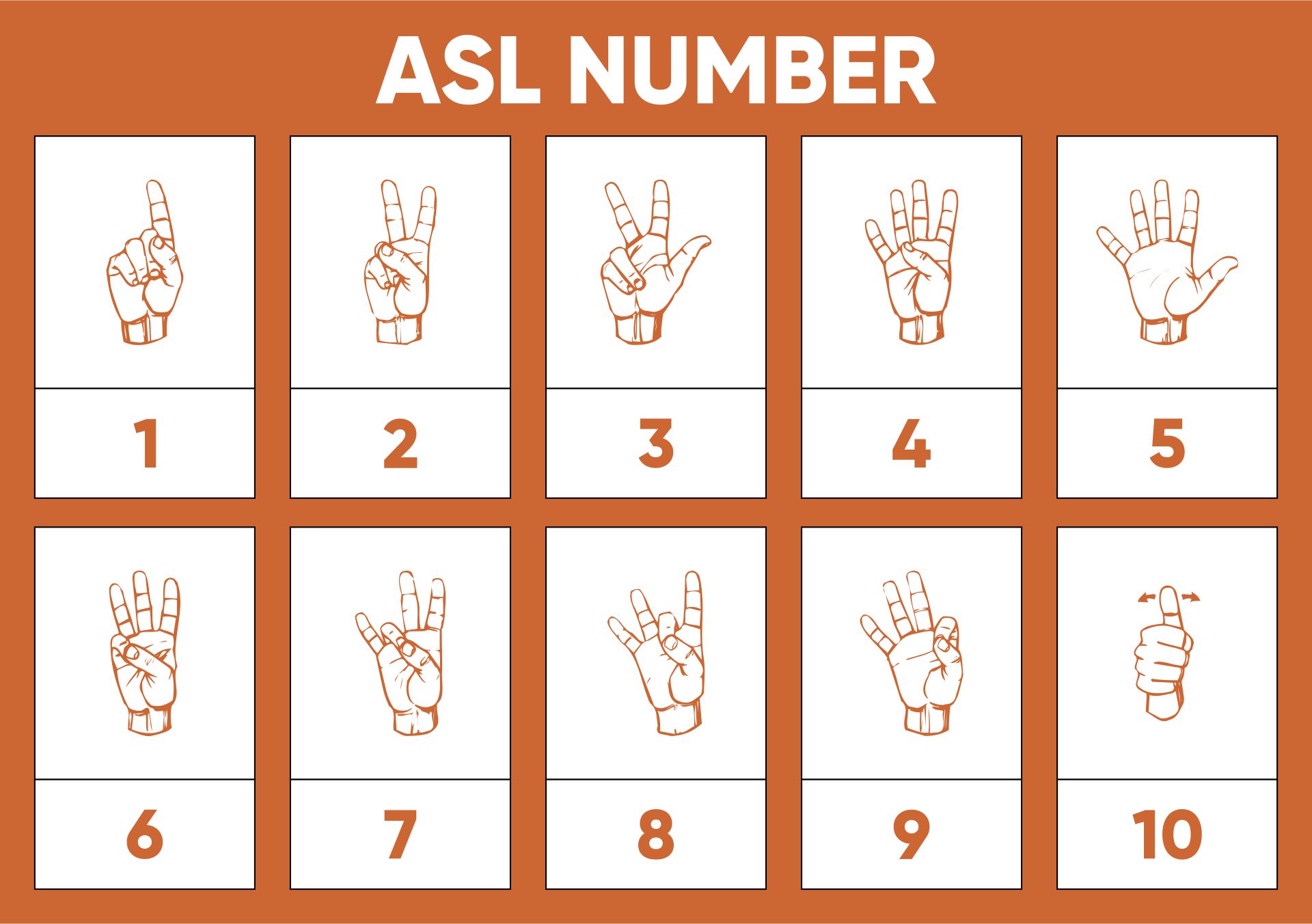
Research on language in deaf individuals is a rapidly growing field with many unanswered questions. Future research should focus on identifying the factors that contribute to language development in deaf individuals, developing new and innovative ways to assess language skills, and exploring the ethical implications of research on language in deaf individuals.
Unanswered Questions and Emerging Areas of Research
- What are the cognitive and linguistic factors that contribute to language development in deaf individuals?
- How can we develop new and innovative ways to assess language skills in deaf individuals?
- What are the ethical implications of research on language in deaf individuals?
Potential Research Directions
Future research should focus on the following areas:
- Longitudinal studies of language development in deaf individuals.
- Development of new assessment tools for language skills in deaf individuals.
- Research on the ethical implications of research on language in deaf individuals.
Cross-disciplinary Collaboration
Cross-disciplinary collaboration is essential to advancing research on language in deaf individuals. Researchers from a variety of disciplines, including linguistics, psychology, education, and neuroscience, should work together to develop a more comprehensive understanding of language in deaf individuals.
Funding Opportunities
There are a number of funding opportunities available to support research on language in deaf individuals. Researchers should explore these opportunities and apply for funding to support their research.
Research Agenda
The following is a research agenda for future research on language in deaf individuals:
- Conduct longitudinal studies of language development in deaf individuals.
- Develop new assessment tools for language skills in deaf individuals.
- Research the ethical implications of research on language in deaf individuals.
- Promote cross-disciplinary collaboration on research on language in deaf individuals.
- Explore funding opportunities to support research on language in deaf individuals.
Create an HTML table

Tables are an effective way to organize and present data in a clear and concise manner. They allow users to quickly identify patterns and trends, making them a valuable tool for data analysis and presentation.
To create a table in HTML, use the
| tag. You can specify the number of columns in the table using the colspan attribute of the | tag, and the number of rows using the rowspan attribute.Responsive TablesTo create a responsive table, use the CSS media query @media. This allows you to specify different styles for the table depending on the size of the screen. For example, you could make the table stack on top of each other on smaller screens, or you could hide certain columns on smaller screens. Populating the TableOnce you have created the table, you can populate it with data using the | tag. You can also use the and |
| Name | Age | Occupation | Location |
|---|---|---|---|
| John Doe | 30 | Software Engineer | New York |
| Jane Smith | 25 | Marketing Manager | London |
| Bill Jones | 40 | Accountant | Paris |
“`
Methods of Language Intervention for Deaf Individuals

Language intervention for deaf individuals aims to enhance their language skills and communication abilities. Various methods are employed, each with its unique approach and advantages.
Auditory-Verbal Therapy
- Description:Focuses on developing listening and spoken language skills through intensive auditory training and speech therapy.
- Advantages:Promotes spoken language acquisition, enhances speech intelligibility, and facilitates integration into mainstream society.
- Disadvantages:Requires extensive and specialized training, may not be suitable for all deaf individuals, and can be challenging for those with severe hearing loss.
- Research:Studies have shown that auditory-verbal therapy can improve speech production and language comprehension in deaf children.
Cued Speech
- Description:Combines spoken language with hand cues that represent phonemes, making speech more visible and accessible.
- Advantages:Facilitates lip-reading, improves speech intelligibility, and supports language development.
- Disadvantages:Requires specialized training for both deaf individuals and communication partners, can be visually demanding, and may not be suitable for all deaf individuals.
- Research:Studies have demonstrated that cued speech can enhance speech comprehension and language skills in deaf children.
Sign Language
- Description:A natural language that uses hand gestures, facial expressions, and body movements to convey meaning.
- Advantages:Promotes language acquisition, provides full access to communication, and supports cultural identity.
- Disadvantages:May not be universally understood, can limit communication with non-signers, and requires specialized training for communication partners.
- Research:Extensive research has established the benefits of sign language for language development, cognitive skills, and social-emotional well-being in deaf individuals.
Total Communication
- Description:An eclectic approach that incorporates a combination of methods, including sign language, spoken language, auditory training, and cued speech.
- Advantages:Provides multiple modes of communication, adapts to individual needs, and promotes language development in a flexible manner.
- Disadvantages:Can be challenging to implement effectively, may lead to confusion if methods are not used consistently, and requires specialized training for communication partners.
- Research:Studies have shown that total communication can enhance language skills and communication abilities in deaf individuals.
Illustrate a diagram
Introduction:Language comprehension in deaf individuals is a complex process that involves multiple cognitive processes. This diagram illustrates the key processes involved in language comprehension in deaf individuals, including visual perception, phonological processing, semantic processing, and pragmatic processing. Each process is represented by a different color and shape, and the arrows indicate the flow of information between the processes.
Visual Perception
Visual perception is the process of receiving and interpreting visual information from the environment. In deaf individuals, visual perception is the primary means of receiving language input. Visual perception involves several sub-processes, including:
- Eye movements:Deaf individuals use eye movements to scan the environment and locate objects and people. They also use eye movements to track moving objects and to follow the direction of gaze of others.
- Object recognition:Deaf individuals use visual cues to recognize objects and people. They can identify objects by their shape, color, size, and texture.
- Face recognition:Deaf individuals are very skilled at recognizing faces. They can identify people by their facial features, expressions, and movements.
Summarize a Case Study: What Language Does A Deaf Person Think In

This case study highlights the challenges and successes of language intervention for a deaf individual. The individual, a young boy named John, was born deaf and had limited exposure to language during his early years. As a result, he had significant delays in language development.
Intervention Plan
When John was five years old, he began receiving auditory-verbal therapy. This therapy focused on helping John develop listening and speaking skills. John also received speech therapy to help him improve his articulation and pronunciation.
Outcomes
After several years of intervention, John made significant progress in his language development. He was able to understand and produce spoken language at a level that was comparable to his hearing peers. He also developed strong reading and writing skills.
John’s case study demonstrates that even deaf individuals who have limited exposure to language during their early years can make significant progress with appropriate intervention. Early intervention is key to helping deaf children reach their full potential.
Develop a research proposal
This research proposal Artikels a study investigating the relationship between sign language and cognitive development in deaf children. We hypothesize that exposure to sign language enhances cognitive abilities such as language comprehension, problem-solving, and memory.
Research Question
What is the relationship between sign language exposure and cognitive development in deaf children?
Methodology
This study will employ a longitudinal design, following a cohort of deaf children from birth to age 5. Participants will be randomly assigned to one of two groups: an experimental group receiving sign language intervention and a control group receiving no sign language intervention.
Cognitive development will be assessed using standardized tests and experimental tasks. Language comprehension will be measured using the MacArthur-Bates Communicative Development Inventories. Problem-solving abilities will be assessed using the Tower of Hanoi task. Memory will be assessed using the Rey-Kim Memory Profile.
Expected Outcomes
We expect to find that deaf children exposed to sign language will show enhanced cognitive development compared to those not exposed to sign language. These findings will provide evidence for the importance of early sign language intervention for deaf children.
Frequently Asked Questions
What is the primary language used by deaf individuals?
Sign language is the primary language used by deaf individuals, allowing them to communicate effectively and express themselves fully.
How does sign language impact cognitive development in deaf children?
Sign language provides deaf children with a rich and accessible means of communication, facilitating cognitive development, language acquisition, and social interaction.
What are the challenges faced by deaf individuals in acquiring spoken language?
Deaf individuals often encounter challenges in acquiring spoken language due to limited auditory input, which can impact their speech production, vocabulary, and comprehension.
